

We may earn a commission when you buy through links on this page, at no extra cost to you. Learn more.
The 19 crimes cali red alcohol content is commonly listed at 14.1% ABV by US retailers, although some listings and bottle specifications show 13.5% or 14%. This makes Cali Red a relatively full-strength red blend rather than a low-alcohol wine. The difference between published figures can reflect variations in market, vintage, and bottling, so the individual bottle provides the most reliable figure for a particular purchase.
19 Crimes Snoop Dogg Cali Red combines dark fruit flavors, toasted oak character, and a slightly sweet finish in a California red blend. Its alcohol level is an important part of understanding the wine’s body, flavor intensity, and serving size. Whether you are comparing it with another bottle from the 19 Crimes collection or planning how much to pour at dinner, understanding ABV makes the comparison easier.
19 Crimes Cali Red Alcohol Percentage and Published ABV Figures
For a quick reference, use 14.1% ABV as the figure listed by BevMo! for its US Cali Red product. Other listings show 14% or 13.5%, so there is no reason to assume every bottle or listing carries an identical number.
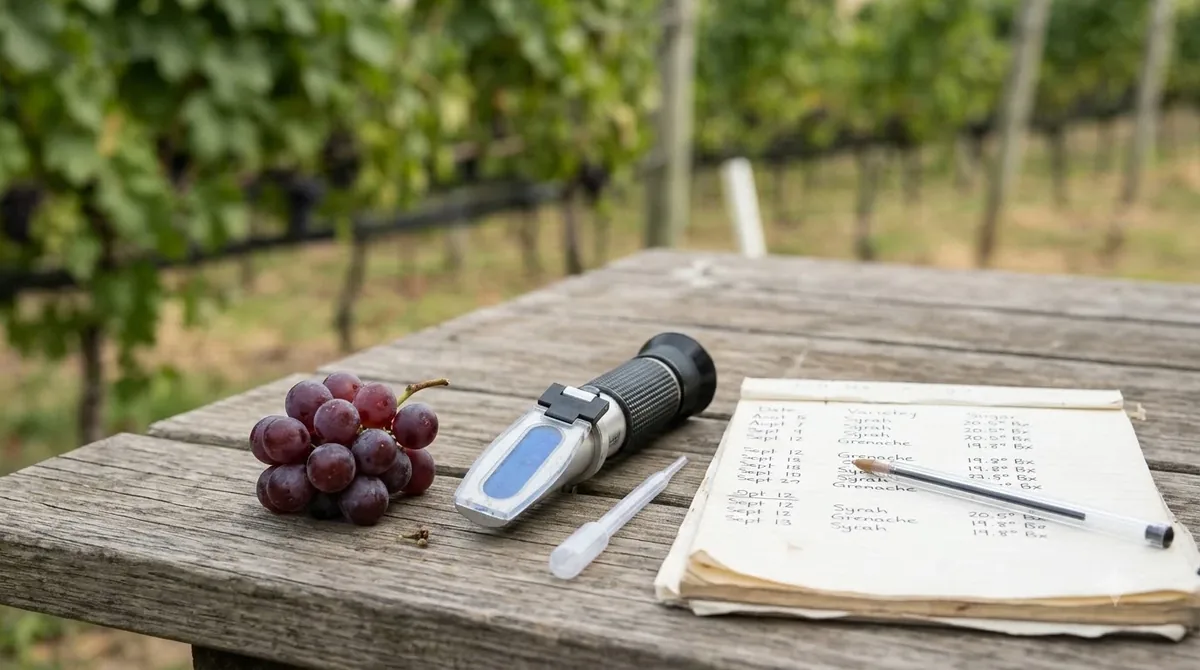
BevMo! identifies its 750 ml bottle as containing 14.1% alcohol by volume. Dan Murphy’s lists the Snoop Dogg Cali Red at 14%, while a separate US retail listing from Publix identifies a 13.5% alcohol specification. These differences matter because ABV describes the actual proportion of alcohol in the wine, not simply its general strength category.
The three figures are close, but they are not interchangeable when calculating alcohol in a specific bottle. A 14.1% wine contains 14.1 ml of pure alcohol in every 100 ml of wine. At 13.5%, the same volume contains 13.5 ml. The difference may appear small on a label, but it becomes more noticeable when calculating the contents of an entire 750 ml bottle.
| Published ABV | Pure alcohol per 100 ml | Pure alcohol per 750 ml bottle |
|---|---|---|
| 13.5% | 13.5 ml | 101.25 ml |
| 14.0% | 14.0 ml | 105 ml |
| 14.1% | 14.1 ml | 105.75 ml |
The table shows why the printed ABV matters. A 750 ml bottle at 14.1% contains approximately 105.75 ml of pure alcohol, compared with 101.25 ml at 13.5%. The difference is 4.5 ml of pure alcohol across the bottle.
For a practical reference, the US BevMo! listing is useful because it gives both the bottle size and ABV together. Its product description also identifies the wine as a California red blend. You can review the BevMo! Cali Red product specifications to see the published details.
The most sensible approach is to distinguish the commonly advertised figure from the exact specification of an individual bottle. If a retailer displays 14.1% but the bottle in your possession says 13.5%, use the bottle’s printed figure for your calculations.
How Much Alcohol Is in a 750 ml Bottle?
A standard 750 ml bottle of Cali Red contains approximately 101 to 106 ml of pure alcohol, depending on whether its ABV is 13.5%, 14%, or 14.1%. At the commonly listed US figure of 14.1%, the calculation gives 105.75 ml of pure alcohol in the full bottle.
To calculate this amount, multiply the bottle volume by the ABV expressed as a decimal. For a bottle listed at 14.1%, the calculation is 750 multiplied by 0.141. The result is 105.75 ml of pure alcohol. This calculation works for any wine because it uses the same volume and alcohol-by-volume principle.
It is also useful to understand the difference between the volume of wine and the volume of alcohol. A 750 ml bottle contains 750 ml of liquid wine, not 750 ml of alcohol. At 14.1% ABV, slightly more than one-seventh of the liquid volume is pure alcohol, while the remainder consists mainly of water and other wine components.
Comparing the bottle with individual glasses
A conventional wine pour is 5 ounces, approximately 148 ml. A 750 ml bottle therefore provides about five standard-sized glasses, although the exact number depends on how generously each glass is poured.
At 14.1% ABV, a 5-ounce serving contains approximately 20.8 ml of pure alcohol. At 13.5%, the same serving contains approximately 19.9 ml. These figures help explain why knowing the actual ABV is more useful than relying on a general description such as medium-bodied or smooth.
The following table uses the commonly listed 14.1% figure to illustrate the amount in different serving sizes.
| Wine serving | Approximate wine volume | Pure alcohol at 14.1% ABV |
|---|---|---|
| Small pour | 4 oz / 118 ml | 16.6 ml |
| Standard pour | 5 oz / 148 ml | 20.8 ml |
| Large pour | 6 oz / 177 ml | 25.0 ml |
| Full bottle | 750 ml | 105.75 ml |
These calculations are estimates based on the stated ABV and rounded serving volumes. They are not a substitute for measuring a pour accurately. A large glass may hold considerably more than 5 ounces, and the amount of wine in a glass cannot reliably be judged by how full it looks.
It is also helpful to separate alcohol concentration from total alcohol quantity. A smaller glass of 14.1% Cali Red has a higher alcohol concentration than an equal-sized glass of a lower-ABV wine, but the total amount of alcohol also depends on how much wine is poured.
Why Cali Red Can Have Different Alcohol Percentages
The difference between 13.5%, 14%, and 14.1% does not automatically mean that a retailer has made a mistake. Wine specifications can differ between markets, production lots, vintages, and product listings.
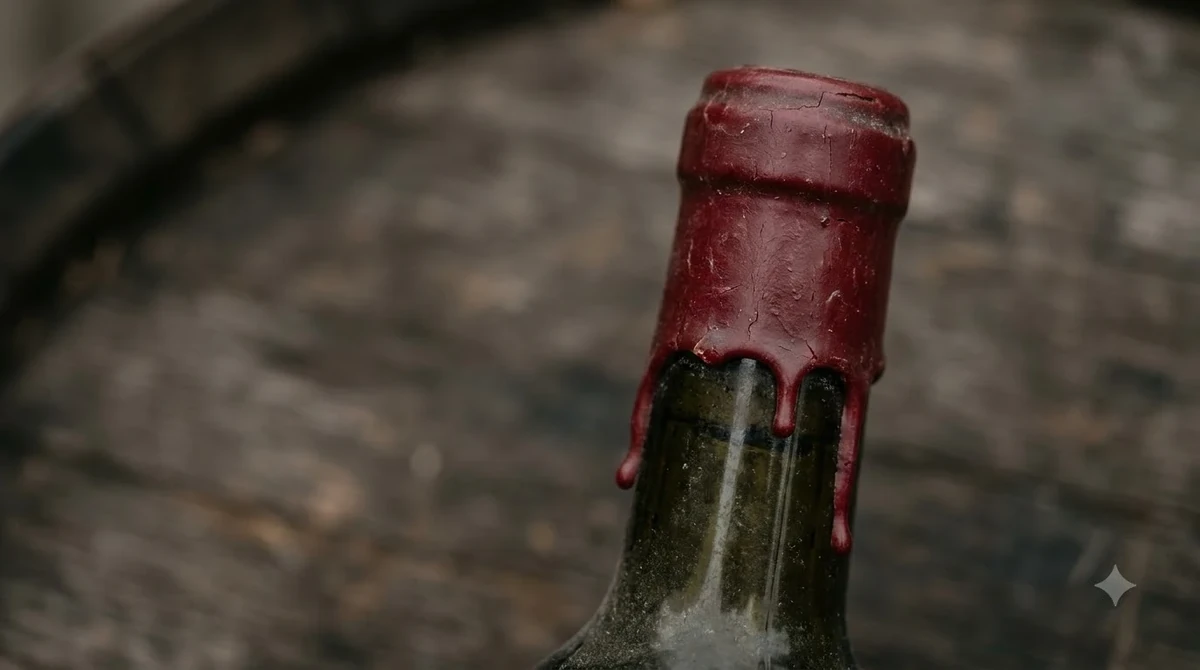
Wine is an agricultural product, and grape ripeness influences the amount of fermentable sugar available to yeast. During fermentation, yeast converts grape sugars into alcohol. Differences in growing conditions, harvesting decisions, and winemaking can influence the final alcohol concentration.
For Cali Red, the important distinction is between a particular bottle’s specification and a general brand description. The official 19 Crimes product page identifies the Snoop Dogg Cali Red Blend and describes ripe black fruit with smoky American oak aromas, vanilla, and hazelnut. Its product description does not establish one universal ABV figure for every bottle sold in every market.
Retailer information also needs to be interpreted in context. BevMo! lists 14.1%, whereas Dan Murphy’s lists 14%. The latter is an Australian retailer, and its listing also describes a 2023 vintage. These product records provide useful comparisons, but they should not be treated as proof that every US bottle has precisely the same composition.
Vintage and labeling differences
A vintage identifies the harvest year associated with a wine. Different harvest conditions can affect grape ripeness and the resulting wine’s composition. A bottle from one vintage may therefore have a different alcohol specification from a bottle produced using grapes harvested in another year.
Labeling conventions can also create small differences between published figures. A retailer may display a rounded value, while another listing may use a more precise figure. A difference between 14% and 14.1% is only one-tenth of a percentage point, but it is still useful to distinguish the two when reporting technical product information.
For consumers, the practical rule is straightforward: use the printed ABV on the bottle rather than assuming that every online description applies to every production run. This is particularly useful when comparing two bottles purchased at different times or in different countries.
Tip: When comparing Cali Red listings, record three details together: the ABV, bottle size, and vintage. This avoids confusing a different product specification with a simple rounding difference.
What the Alcohol Level Means for Cali Red’s Taste
At approximately 14% ABV, Cali Red sits toward the fuller-strength end of everyday red wine styles. Alcohol contributes to the wine’s weight and warmth, while ripe fruit, oak, acidity, and tannin help determine how balanced it feels.
The official 19 Crimes description emphasizes ripe black fruit and smoky American oak aromas, with vanilla and hazelnut notes. BevMo! describes black and blue fruit flavors, complemented by brighter red fruit and a subtly sweet finish. Together, these descriptions suggest a fruit-forward red blend with noticeable oak character.
Alcohol can create a warming sensation, especially when a wine is served too warm or consumed in larger pours. This sensation is not the same as sweetness. A wine can taste fruity or slightly sweet while still having a relatively high ABV.
Alcohol, fruit, and perceived sweetness
Ripe fruit aromas can make a red wine seem sweeter than its actual residual sugar level. Blackberry, plum, dark cherry, and vanilla are common flavor associations in fuller red blends. These impressions do not necessarily mean that the wine contains a large amount of sugar.
Cali Red is described as having a subtly sweet finish by BevMo!, while Dan Murphy’s classifies its listing as semi-sweet. These descriptions help explain why the wine may appeal to drinkers who prefer softer fruit flavors rather than a particularly austere red.
Alcohol can also influence the way sweetness and body are perceived. Higher alcohol can add a sense of roundness and warmth, while oak flavors can contribute impressions of vanilla, toast, and spice. The final experience depends on how these elements interact rather than on ABV alone.
Does 14.1% make it a strong wine?
In ordinary wine terminology, 14.1% ABV is a relatively substantial alcohol level for a table red. It is not unusual among fuller-bodied red blends, particularly those made from ripe grapes. However, it is higher than many lighter-bodied red wines and several crisp white wine styles.
The word strong can describe different characteristics. Some people use it to mean high alcohol, while others mean pronounced tannin, intense flavor, or a powerful finish. Cali Red’s alcohol percentage addresses only the first characteristic.
Its dark fruit profile, oak character, and medium-to-full impression can make the wine feel more substantial than a lighter red. However, a smooth finish does not mean that its alcohol concentration is low.
How Cali Red Compares with Other 19 Crimes Wines
Cali Red belongs to a broader 19 Crimes collection that includes several red and white styles. Comparing the alcohol content across the range requires looking at each wine individually rather than assuming that every bottle shares the same percentage.
The Snoop Dogg collaboration gives Cali Red a California identity within the collection. Its dark fruit, vanilla, and smoky oak character distinguish it from wines that emphasize different grape varieties or flavor profiles. The official 19 Crimes Cali Red product page highlights these particular characteristics.
Other bottles in the collection can have different alcohol concentrations. A Cabernet Sauvignon, a Chardonnay, and a lighter white blend do not necessarily share the same ABV because their grapes, growing conditions, and winemaking approaches differ.
Comparing alcohol figures fairly
When researching another bottle, use the same three-point comparison: ABV, bottle volume, and wine style. A 13.5% red and a 14.1% red may have similar overall strength, but the precise difference can be useful when calculating alcohol per glass.
For example, someone comparing Cali Red with another 19 Crimes red should not assume that the wine with the smoother flavor has less alcohol. Tannin, acidity, sweetness, and oak influence mouthfeel independently of alcohol concentration.
The same principle applies when comparing Cali Red with a lighter white such as Pinot Grigio. White wines often have different alcohol ranges and flavor structures, so an accurate comparison requires the individual product specifications. Our article on Black Box Pinot Grigio alcohol content provides another example of how to interpret a wine’s stated ABV.
For additional information about the collection, the 19 Crimes wine alcohol content comparison can help distinguish individual bottles rather than treating the entire brand as one uniform wine.
Serving Temperature, Glass Size, and Storage
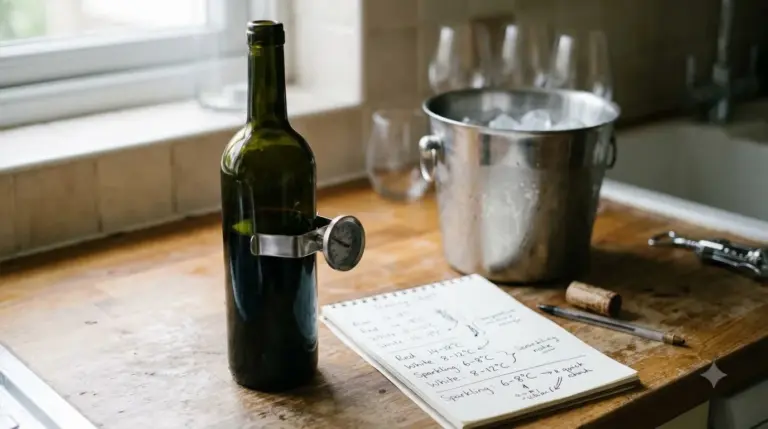
Cali Red is best approached as a fuller red blend that benefits from slightly cool serving conditions. A temperature of 60–65 degrees Fahrenheit is a useful range for full-bodied red wines, helping maintain fruit definition while keeping alcohol warmth from becoming too prominent.
Serving red wine too warm can make its alcohol seem more noticeable. If the bottle has been stored in a warm room, a short period of chilling can bring it closer to the recommended range. A wine thermometer offers a more reliable measurement than guessing based on the bottle’s temperature.
A 5-ounce pour is a convenient reference serving for a 750 ml bottle. Since the bottle provides approximately five such glasses, measuring the pour also makes it easier to calculate the amount of wine available for a meal or gathering.
Opening and storing the bottle
After opening, recork or reseal the bottle and place it in the refrigerator. Most opened still wines retain their best characteristics for approximately 3–5 days when refrigerated properly. Cali Red is a still red wine, so the same general storage guidance applies.
Cold storage slows the changes that occur after a bottle has been exposed to oxygen. The wine may gradually lose some freshness, fruit character, and aromatic intensity. Bringing a refrigerated glass closer to its preferred serving temperature before drinking can help restore its aromatic expression.
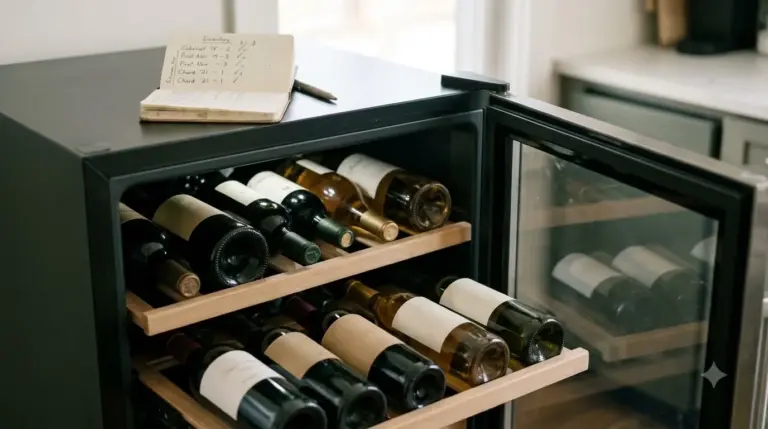
For an unopened bottle, a cool and consistent storage environment is preferable. A temperature near 55 degrees Fahrenheit is a useful general reference for wine storage. Bottles with traditional cork closures are generally stored on their sides, while the screw-cap format listed by Dan Murphy’s does not require the same cork-moisture consideration.
Serving conditions are important because they influence perceived flavor, not the printed alcohol percentage. Cooling a bottle does not reduce its ABV, and allowing it to warm does not increase the total amount of alcohol in the wine.
Food Pairings for a Full-Strength California Red Blend
Cali Red’s dark fruit, toasted oak, and slightly sweet finish make it a natural match for flavorful dishes. Grilled beef, burgers, barbecue, and hearty pasta provide enough savory character to complement the wine’s fruit and oak profile.
BevMo! specifically recommends pairing the wine with rich, meaty dishes. This makes sense for a red blend with substantial fruit character and an alcohol level around 14%. The combination of savory food and ripe fruit can make the overall pairing feel balanced.
Grilled steak is a particularly practical choice. The browned exterior and savory flavors work well with the wine’s dark fruit character. Salt and fat can also soften the perception of tannin, making the pairing feel rounder and less drying.
Barbecue, burgers, and pasta
Barbecue dishes with smoky seasoning can echo the wine’s toasted oak character. A grilled burger with cheddar, caramelized onions, and a savory sauce provides several complementary flavors without overwhelming the wine. Ribs and slow-cooked beef are other suitable options.
For pasta, consider tomato-based sauces with ground beef or Italian sausage. The savory ingredients provide a useful contrast to the fruit-forward profile. Tomato acidity can be challenging for some wines, so a moderately seasoned sauce with enough richness is often a better match than an extremely sharp, acidic preparation.
Hard cheeses are another option. Aged cheddar and Gouda can work particularly well because their savory, concentrated flavors complement dark fruit and oak. A cheese board with cured meats, roasted nuts, and mild crackers also offers several pairing possibilities.
Foods to approach carefully
Very spicy food requires more attention. Chili heat can become more noticeable alongside alcohol, so a heavily spiced dish may make a wine around 14% ABV feel hotter. Mild barbecue seasoning, black pepper, and herbs are generally easier partners than intensely hot chili sauces.
Oily fish is another less natural pairing for a tannic red blend. Delicate seafood often works better with wines that have more acidity and less tannin. If seafood is on the menu, consider a white wine rather than relying on Cali Red to accompany every course.
For a more detailed comparison of sweetness and food pairing, the article on 19 Crimes Cali Red sugar content can help explain why fruit-forward flavor and actual residual sugar are not identical concepts.
Frequently Asked Questions
Is 19 Crimes Cali Red made with Snoop Dogg?
Yes. Cali Red is part of the 19 Crimes collaboration with Snoop Dogg, whose name and image are associated with the California collection. The official product description connects the collaboration with the brand’s broader stories about rule-breakers and cultural figures.
Is 19 Crimes Cali Red a dry or sweet red wine?
Retail descriptions vary, but Dan Murphy’s classifies its Cali Red listing as semi-sweet. BevMo! describes a subtly sweet finish rather than an intensely sweet dessert-wine style. Fruit aromas and oak-derived vanilla impressions can also make the wine seem sweeter than its measured residual sugar would suggest.
What grapes are used in Snoop Dogg Cali Red?
Retail descriptions of Cali Red identify Petite Sirah and Zinfandel as important components of its fruit profile. Petite Sirah is also known as Durif in some wine-producing regions. The precise blend composition can vary, so these grape references should not be interpreted as a guaranteed complete formula for every vintage.
Does Cali Red need to breathe before serving?
A short period of aeration can help a young, concentrated red blend express its fruit and oak aromas. Try pouring a glass and allowing it to stand for approximately 10–15 minutes before deciding whether it needs more time. A decanter is optional rather than essential for an everyday bottle.
Does Cali Red use a cork or screw cap?
Dan Murphy’s product specifications identify its Snoop Dogg Cali Red listing as having a screw-cap closure. This makes opening and resealing straightforward without requiring a corkscrew. Closure specifications can differ across packaging and markets, so the physical bottle remains the best reference.
Overall, 19 Crimes Cali Red is commonly listed at 14.1% ABV in the US, although 14% and 13.5% specifications also appear in other product listings. Its dark fruit, smoky oak, and slightly sweet finish make it a substantial California red blend suited to savory meals. For an accurate alcohol calculation, use the ABV printed on the particular bottle rather than relying exclusively on a retailer’s general product description.
More in Wine Brands
 Is Gerard Bertrand Wine Good? How to Choose a Bottle You’ll EnjoyUpdated Nov 21, 2026
 Is Freixenet Wine Good? Find the Right Bottle for Your TasteUpdated Nov 21, 2026
 Is Mark West Wine Good for Everyday Drinking?Updated Nov 21, 2026
 Is Fetzer Wine Good? Find the Right Bottle for Everyday DrinkingUpdated Nov 21, 2026
 Is Hess Wine Good? How to Choose the Right BottleUpdated Nov 21, 2026
 Is Fonseca Port Good for Rich Flavor and QualityUpdated Nov 21, 2026