


We may earn a commission when you buy through links on this page, at no extra cost to you. Learn more.
Rose with ham is an excellent food pairing because rosé combines refreshing acidity, juicy fruit, and moderate body to complement the meat’s salty, smoky, and sometimes sweet flavors. A crisp, dry rosé works especially well with smoked ham, country ham, and prosciutto, while a fruitier, slightly sweeter rosé is a better choice for honey-glazed or brown-sugar ham. The key is matching the wine’s sweetness and weight to the ham’s preparation rather than choosing a bottle based on color alone.
Ham is a versatile food, but its flavor changes considerably depending on how it is cured, smoked, roasted, or glazed. A thin slice of prosciutto has a different texture and salt concentration from a thick piece of honey-baked ham. Rosé offers enough flexibility to work with many of these preparations, particularly when the wine has lively acidity and balanced fruit. With a few simple pairing principles, you can choose a bottle that works for a holiday dinner, a weekend brunch, or a casual charcuterie board.
Why Rosé Works So Well With Ham
Rosé brings together characteristics commonly associated with white and red wines, making it a natural companion for pork. Its acidity refreshes the palate after salty or fatty bites, while its fruit flavors complement the savory character of cured and roasted meat.
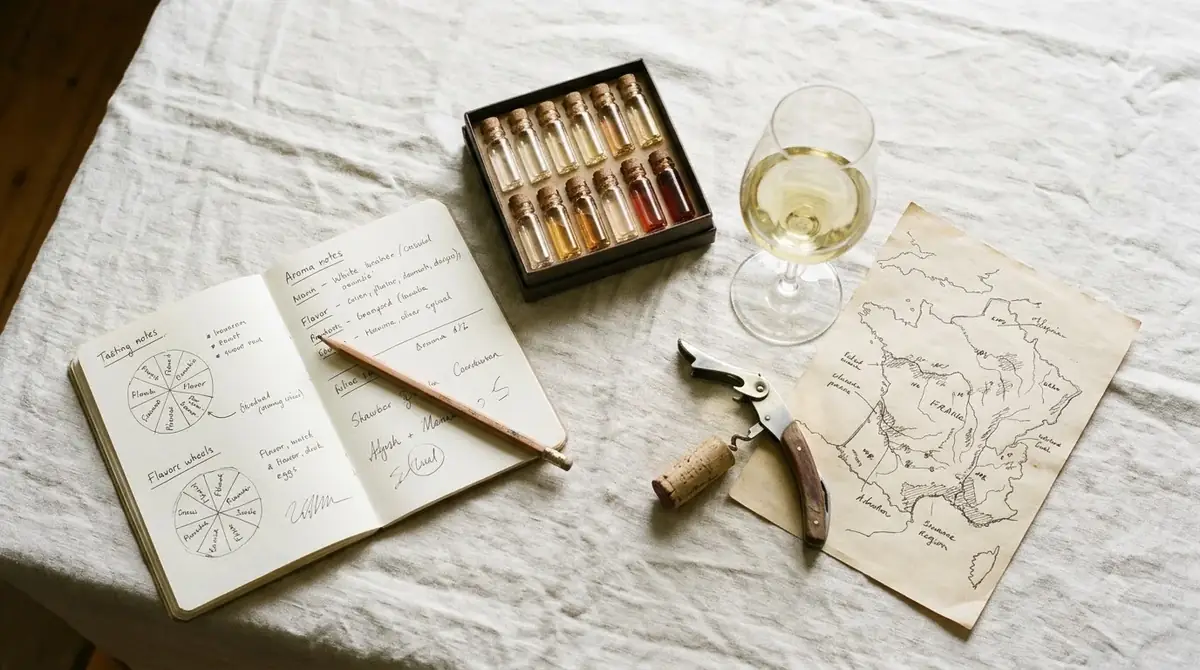
Ham typically combines salt, fat, savory meat flavors, and sometimes sugar from a glaze. These characteristics can make wine selection challenging. A heavily tannic red may taste harsh beside salty ham, while a very delicate white can seem too light beside a smoky or richly seasoned preparation. Rosé occupies a useful middle ground because it can provide red-fruit flavor without the firm tannin of many red wines.
Acidity is one of the most important reasons the pairing works. A wine with refreshing acidity helps balance the richness of pork fat and makes each bite feel less heavy. Strawberry, raspberry, watermelon, and citrus flavors also complement the mild sweetness naturally associated with pork.
The interaction between salt and tannin matters, too. Virginia Tech’s food-and-wine pairing research explains that salt can magnify the perception of rough tannins in red wine. This is one reason a high-tannin Cabernet Sauvignon may taste less pleasant alongside salty ham than a soft, fruit-forward rosé. The university also explains that food components influence how sweetness, acidity, and astringency are perceived in wine. Read the Virginia Tech food and wine pairing research for a closer explanation of these interactions.
Rosé also offers different levels of body. A pale Provence-style wine can suit delicate slices of ham, while a darker Spanish rosado or a fuller southern French rosé can stand up to smoked pork and grilled preparations. This flexibility makes it useful when several ham dishes appear on the same table.
For additional pairing ideas, explore our guide to Grape x Food, which explains how wine structure interacts with food flavors and textures.
Choose the Right Rosé Style for Your Ham
The best rosé depends on the ham’s salt level, sweetness, smoke, and texture. Dry rosé is the most versatile starting point, but fruitier and slightly sweeter styles can work better when the meat has a noticeable glaze.
Dry rosé is particularly reliable with savory ham because it offers freshness without adding excessive sweetness. Look for wines with strawberry, cranberry, red cherry, grapefruit, or citrus characteristics. Grenache and Cinsault-based rosés often provide a lighter, refreshing profile that complements simple roasted pork and cold ham slices.
For stronger flavors, choose a rosé with more body. Mourvèdre, Syrah, and Tempranillo can produce fuller-bodied rosé wines with more pronounced fruit and structure. These styles are useful with smoked ham, grilled pork, and preparations with pepper, herbs, or caramelized edges.
A medium-dry rosé is another option, especially when the ham has honey, brown sugar, maple syrup, or fruit-based glaze. Its additional sweetness helps prevent the food from making the wine taste overly sharp. White Zinfandel is one familiar American example of a fruit-forward rosé style that can suit sweeter preparations.
Sparkling rosé deserves consideration as well. Its bubbles and acidity refresh the palate between bites of salty, fatty ham. A dry sparkling rosé works particularly well with prosciutto, appetizers, and mixed brunch menus. Its fruit and structure can also complement fried or sweet-and-savory foods, as discussed in Wine Enthusiast’s sparkling rosé pairing recommendations.
| Rosé style | Typical flavor profile | Best ham pairing |
|---|---|---|
| Dry Provence-style rosé | Citrus, strawberry, mineral freshness | Roasted ham and cold sliced ham |
| Grenache rosé | Red berries, watermelon, herbs | Smoked ham and country ham |
| Full-bodied Tavel rosé | Ripe berries, spice, fuller texture | Grilled and strongly seasoned ham |
| Medium-dry rosé | Ripe strawberry, cherry, soft sweetness | Honey-glazed and brown-sugar ham |
| Sparkling rosé | Red fruit, citrus, lively bubbles | Prosciutto and salty cured ham |
Wine.com identifies lighter Grenache and Cinsault rosés as suitable for delicate dishes, while fuller wines made with Mourvèdre, Syrah, and Tempranillo can handle richer foods. This distinction is useful when selecting a bottle for a particular ham preparation.
Do not assume that a darker rosé is automatically sweeter. Color is influenced by grape variety and winemaking techniques, including the length of contact between grape juice and skins. A deep pink wine can still be completely dry.
Tip: If you are uncertain which style to choose, start with a dry Grenache-based rosé for savory ham. For a noticeably sweet glaze, move toward a fruitier medium-dry style rather than relying on a very crisp, bone-dry wine.
Pair Rosé With Different Types of Ham
Ham preparation has a greater influence on the pairing than the meat’s name alone. A dry rosé can work beautifully with smoked ham, but a sweeter preparation may require more fruit or residual sugar to maintain balance.

Honey-Baked and Brown-Sugar Ham
Honey-baked ham combines salt, fat, roasted pork flavors, and a sweet exterior. Brown-sugar and maple glazes create similar contrasts, although their caramelized flavors can be more pronounced. A medium-dry rosé with ripe strawberry and cherry notes is a sensible choice when the glaze is moderately sweet.
For a particularly sweet glaze, consider an off-dry Riesling instead. The general pairing rule is that wine should be at least as sweet as the dessert or sweet component of a dish. Although ham is not a dessert, the same principle applies to a heavily sweetened glaze. A completely dry rosé may taste thin or sharp beside a thick layer of honey or brown sugar.
If you prefer rosé, look for generous fruit and enough natural acidity to keep the wine refreshing. Serve it alongside roasted carrots, sweet potatoes, or a fruit-based sauce to create a consistent combination of sweet and savory flavors.
Smoked Ham
Smoked ham is one of the strongest candidates for dry rosé. Smoke adds savory depth, while curing contributes saltiness. A medium-bodied rosé provides enough fruit to complement the smoke without introducing the drying tannins associated with many full-bodied reds.
Grenache-based rosé and darker Spanish rosado are especially useful choices. Their ripe berry flavors can match the intensity of Black Forest ham, smoked picnic ham, and thick-cut roasted ham. A rosé with herbal or peppery notes can also complement a preparation seasoned with rosemary, black pepper, or thyme.
Keep the side dishes in mind. Smoked ham with roasted potatoes and green beans generally calls for a dry wine, while a preparation served with barbecue sauce may benefit from a fruitier style.
Country Ham
Country ham is usually saltier and more concentrated than ordinary roasted ham. Its intense seasoning makes acidity especially important. Choose a crisp dry rosé with enough fruit to complement the meat without making the combination taste heavy.
A sparkling rosé is another good option, particularly when country ham is served with biscuits, eggs, or rich brunch dishes. The bubbles help refresh the palate, and the wine’s fruit provides contrast to the cured meat.
Because country ham can be particularly salty, avoid pairing it with a very tannic red wine. Cabernet Sauvignon is generally a less dependable choice than a fresh rosé or a lighter red such as Pinot Noir.
Prosciutto and Other Dry-Cured Ham
Prosciutto, Serrano ham, and Jamón Ibérico are thinly sliced and typically have concentrated salty flavors. Their texture and fat make them especially appealing with sparkling rosé, which combines acidity, bubbles, and red-fruit character.
Still dry rosé also works well, especially when the ham is served with melon, figs, olives, or fresh cheese. The fruit brings out the wine’s berry character, while the saltiness creates an appealing contrast.
For an appetizer board, serve a dry sparkling rosé with prosciutto, melon, Manchego, and toasted bread. This combination provides several complementary textures without allowing any single ingredient to dominate.
Match Rosé With Ham Sauces, Seasonings, and Side Dishes
The supporting ingredients can change an otherwise successful pairing. Sweet sauces, acidic vegetables, spicy seasonings, and creamy sides each influence how rosé tastes alongside ham.
For honey mustard ham, choose a rosé with ripe fruit and moderate acidity. Mustard contributes sharpness, while honey introduces sweetness. A fruit-forward wine helps connect these contrasting flavors. If the mustard is especially sharp, make sure the wine has enough acidity to stand alongside it.
For pineapple-glazed ham, look for a rosé with generous fruit or consider a slightly sweeter wine. Pineapple introduces sweetness and acidity simultaneously, so an extremely lean, dry rosé may not provide enough fruit to balance the dish. A medium-dry style can be more comfortable, especially when the glaze is thick.
Herb-roasted ham is generally easier to pair with dry rosé. Rosemary, thyme, garlic, and black pepper complement wines with citrus, strawberry, and herbal characteristics. A Provence-style rosé is particularly suitable for a lighter preparation with Mediterranean herbs and olive oil.
For barbecue ham, consider a fuller rosé. Grilled and caramelized surfaces create more intense flavors than simply roasted pork. A darker rosado with ripe berry character can match those flavors without overwhelming the meat.
Side dishes deserve equal attention. Creamy scalloped potatoes, roasted vegetables, green salads, and fresh fruit can all influence the overall balance of a meal. A wine that works with the ham itself should also remain pleasant beside the accompanying food.
Useful Side-Dish Combinations
- Scalloped potatoes: Choose a dry rosé with enough acidity to balance cream, butter, and cheese.
- Roasted sweet potatoes: A fruit-forward rosé complements their natural sweetness.
- Green beans: A crisp, lighter rosé keeps the combination fresh.
- Melon and prosciutto: Sparkling rosé provides freshness and contrasts with the salty meat.
- Macaroni and cheese: Choose a rosé with medium body and refreshing acidity to balance the creamy texture.
- Mustard potato salad: A dry rosé with lively acidity works well with the mustard and potato flavors.
For a different main course, the same principles can help you explore rosé with chicken. Poultry is similarly adaptable because the wine can complement both simply seasoned meat and richer sauces.
Serve Rosé at the Right Temperature
Serving temperature affects how rosé expresses its fruit, acidity, and texture. A pale, crisp rosé is best served at 45–50°F, while a fuller-bodied rosé can be served slightly warmer at 50–55°F.
When rosé is too warm, its alcohol can become more noticeable and its refreshing character may seem less pronounced. When it is excessively cold, aromatic details and fruit flavors become harder to appreciate. A moderate chill helps the wine remain refreshing without hiding its character.
For a holiday ham dinner, place the bottle in the refrigerator before guests arrive. If the wine becomes warmer during a long meal, return it to an ice bucket or refrigerator between pours. Sparkling rosé should be served colder, around 40–50°F, to preserve its lively bubbles and refreshing character.
The following serving guide provides a useful reference for a meal with several different wine styles.
| Wine style | Serving temperature | Suggested use |
|---|---|---|
| Light, dry rosé | 45–50°F | Prosciutto and roasted ham |
| Fuller-bodied rosé | 50–55°F | Smoked and grilled ham |
| Medium-dry rosé | 45–50°F | Honey-glazed ham |
| Sparkling rosé | 40–50°F | Country ham and appetizers |
| Off-dry Riesling | 45–50°F | Sweet glazed ham |
Wine glasses also influence the experience. A standard white wine glass is suitable for still rosé because its shape helps preserve freshness and concentrate aromas. Sparkling rosé can be served in a flute or a tulip-shaped sparkling wine glass.
For a dinner with several guests, plan around a standard 5-ounce pour. A 750-milliliter bottle provides approximately five glasses, making it relatively easy to estimate how many bottles are needed. Keep an additional chilled bottle available if guests are likely to have more than one serving.
Build a Complete Ham Dinner Around Rosé
A successful pairing considers the entire menu rather than treating the ham as an isolated ingredient. A single bottle of rosé can work across several courses when the appetizers, main dish, and side dishes share compatible flavors.
For a traditional holiday dinner, begin with a dry sparkling rosé alongside prosciutto, melon, and soft cheese. This creates a refreshing opening before the richer main course. When serving a moderately sweet glazed ham, move to a fruit-forward rosé with enough body to complement the caramelized exterior.
For a more savory menu, serve dry Grenache rosé with smoked ham, roasted potatoes, green beans, and a simple herb sauce. The wine’s berry character complements the meat, while its acidity helps balance the richer elements of the plate.
A brunch menu can be even more flexible. Ham and eggs, cheese biscuits, roasted potatoes, and fresh fruit all work with rosé. Sparkling rosé is particularly useful because it can accompany appetizers and richer dishes without making the meal feel too heavy.
Three Easy Menus to Try
Holiday glazed ham menu: Serve medium-dry rosé with honey-baked ham, roasted sweet potatoes, glazed carrots, and a green salad. The wine’s fruit complements the glaze, while its acidity provides contrast to the richer ingredients.
Rustic smoked ham menu: Pair a fuller dry rosado with smoked ham, roasted potatoes, green beans, and rosemary. The wine has sufficient body for the smoky meat and remains refreshing alongside the vegetables.
Casual charcuterie menu: Open sparkling rosé with prosciutto, Manchego, Brie, melon, olives, and toasted baguette. The bubbles and acidity make this an especially practical choice for a gathering where guests are sampling different foods.
It is also possible to serve rosé alongside a second wine for guests with different preferences. A light Pinot Noir provides an alternative for people who prefer red wine, while an off-dry Riesling is useful when the ham has a particularly sweet glaze. If steak is also on the menu, see our recommendations for rosé with steak to understand which fuller styles can work with grilled meat.
For especially sweet holiday preparations, our guide to what wine goes with honey baked ham offers additional options beyond rosé, including wines with more noticeable sweetness.
Frequently Asked Questions
Is rosé better than red wine with ham?
Rosé is often a more flexible choice because it combines refreshing acidity with fruit and relatively modest tannin. However, light red wines such as Pinot Noir and Gamay can also complement savory ham. The best choice depends on the seasoning, cooking method, and personal preference.
Can rosé pair with ham and pineapple pizza?
Yes. A fruit-forward rosé can complement pineapple, salty ham, and melted cheese. Another interesting option is Lambrusco, particularly a slightly fruity sparkling style that matches the sweet-and-savory character of the toppings.
Does rosé work with ham served cold?
Yes. Cold sliced ham, deli ham, and leftover roasted ham are all suitable companions for rosé. The wine’s refreshing character makes it particularly useful for sandwiches, picnic plates, and salads containing cured pork.
Can I serve rosé with ham and blue cheese?
Yes, although a mild blue cheese is generally easier to pair than an intensely aged variety. A fruit-forward medium-dry rosé can provide a pleasant contrast to the cheese’s saltiness and the ham’s savory flavors. White Zinfandel is one possible style to consider.
How long does opened rosé stay fresh?
Most opened still rosé wines retain their best qualities for approximately 3–5 days when refrigerated and properly recorked. Sparkling rosé generally lasts around 1–3 days with an appropriate sparkling wine stopper. Minimize exposure to air to preserve freshness and aromatic character.
Rosé with ham is a dependable pairing for everything from honey-glazed holiday dinners to smoked pork and delicate prosciutto appetizers. Start with dry rosé for savory preparations, choose a fruitier style for sweeter glazes, and consider sparkling rosé when serving salty cured ham. With the right balance of acidity, fruit, sweetness, and body, rosé can bring an entire ham-centered meal together.
More in Food & Wine Pairing
 Risotto With White Wine Recipe: Make a Creamy Dinner at HomeUpdated Nov 20, 2026
 Wassail With Wine Recipe for a Festive Spiced Holiday DrinkUpdated Nov 20, 2026
 Spritz Veneziano Recipe: Make a Classic Venetian Aperitivo at HomeUpdated Nov 20, 2026
 Summer Wine Punch Recipe for Easy Homemade EntertainingUpdated Nov 20, 2026
 Bishop Recipe: How to Make a Bright, Citrus-Forward Red Wine CocktailUpdated Nov 20, 2026
 Wine Cupcakes Recipe: Bake Rich Chocolate Cupcakes at HomeUpdated Nov 20, 2026