

We may earn a commission when you buy through links on this page, at no extra cost to you. Learn more.
Pairing nebbiolo with turkey works when the bird brings enough fat, crisp skin, or savory sauce to soften the wine’s firm tannins. Roast turkey appears among the meats that suit this Piedmont red, especially darker cuts and butter-rich preparations. Plain, lean breast meat served without gravy is the risky option, because it gives the tannins very little to bind to. A thoughtful menu and a little decanting time can make nebbiolo a strong choice for a holiday table.
Most holiday tables have room for a red, but nebbiolo rarely gets considered. The grape behind Barolo and Barbaresco in Piedmont, Italy, carries high tannin and bright acidity, so it can handle a large roast when the rest of the meal is planned with care. The sections below cover why the wine works, where it struggles, and how to plan the cut, sauces, sides, and serving so the bottle earns its place beside the bird.
Why Nebbiolo Can Hold Up to a Large Roast
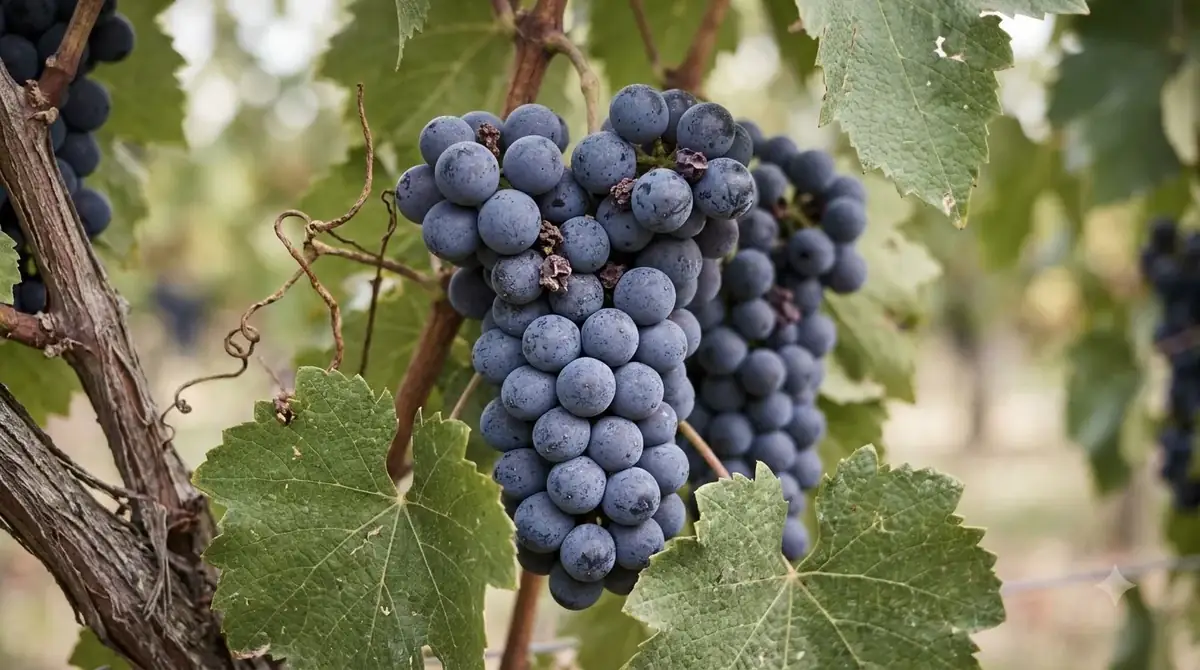
Nebbiolo brings high tannin, medium-high acidity, and a good amount of alcohol, which gives it the backbone for a big meal.
Wine Insiders describes the typical bottle at 13.5 to 15 percent alcohol by volume, with a medium-full body. That weight lets the wine keep pace with roast turkey, gravy, and stuffing, although the tannin means the table needs fat and savory flavor as well. Think of the wine as a partner that asks for a rich plate in return.
The wine’s acidity and complex tannin become a good partner for food once it has been decanted, and dishes built around butter, fat, or olive oil help balance its grip so the fruit comes forward. For more on how the grape ages and why it needs that support, see VinePair’s nebbiolo guide. For a broader look at matches beyond the holiday table, the nebbiolo food pairing guide covers the grape’s full range of dishes.
What the Tannin Does at the Table
Tannin is the drying, gripping sensation that coats the gums and the inside of the cheeks, and it is the main reason nebbiolo can feel austere when it is young. VinePair explains that the fruit, acidity, and tannin of a young bottle need years in the bottle to come into balance, which is why a freshly opened nebbiolo can taste rough on its own. At the table, that grip is useful. Fat and protein give the tannin something to bind to, and salt also softens the astringency, so a meal with buttery potatoes, salted gravy, and savory stuffing lets the wine’s fruit come through without the edges dominating.
Why Lean Turkey Breast Needs Extra Help
Lean white meat leaves the tannin with nothing to grip, which can make the wine taste drier and harsher than it should.
Wine Insiders warns that lean meats and sweeter foods don’t absorb nebbiolo’s tannins as well as fattier dishes do, and a plain turkey breast fits that description. Tannin feels softer when it binds to proteins and fat in food, so a bird that is mostly lean meat leaves the wine’s grip fully exposed on the palate. Wine Folly makes the same point from the other side by advising cooks to look for less-gamey meats with enough fat to absorb the wine’s ample tannin.
Salt helps too. Salt and fat both soften the sensation of tannin, so a generously seasoned bird with brined meat or crisp, buttered skin will do more for the wine than a dry, unseasoned slice. If your guests all reach for breast meat, serve a bowl of rich gravy alongside, add a pat of herb butter to the plate, or pile on buttery mashed potatoes. These additions bring the fat the wine needs and keep the white meat from tasting thin beside a firm red.
Turkey Cuts and Cooking Styles That Suit the Wine
Dark meat, crisp skin, and slow-cooked preparations supply the fat that nebbiolo needs most.
Dark meat from the thighs and legs carries more fat and connective tissue than breast meat, so it sits more easily beside a high-tannin red. If you roast a whole bird, consider carving the legs and thighs separately and finishing them in the oven until the skin turns golden. Braising is another route, since a slow braise breaks down connective tissue and produces a deep, savory sauce that echoes the wine’s dried fruit and earthy notes.
Herb-butter roasting also works well. Soften butter, mix it with chopped fresh sage and cracked black pepper, and rub it under the skin and across the breast before the bird goes into the oven. Wine Insiders and Wine Folly both list sage and black pepper among the herbs and spices that suit nebbiolo, so the seasoning adds fat while echoing flavors the wine already carries. Wine Folly also groups roasted game hen with roast turkey among its meat pairings, which points to the same approach for other birds.
If your plan involves a heavily smoked bird, a gentler bottle is easier to manage. Wine Folly describes Roero nebbiolo as more approachable than Barolo and Barbaresco, with reduced tannins, so it can be a sensible pick when smoke is pushing the meal in a bolder direction.
Carving and Plating for the Wine
How you carve the bird changes the match. Slices cut from the breast are leaner, so it helps to serve them with a generous spoon of gravy or a pat of herb butter. Thigh and leg meat can go on the same platter, and guests who take dark meat will find the tannin easier to handle. Plate the stuffing and a spoonful of roasted vegetables next to the meat, so each bite combines fat, salt, and savory herb. A well-arranged plate lets the wine work across the whole bite rather than against a single dry slice.
Sauces, Stuffing and Sides on the Table
Savory, buttery, and herb-forward sides suit nebbiolo well, while very sweet dishes work against it.
Wine Insiders lists garlic, truffles, butternut squash, wild mushrooms, polenta, leeks, and tomato-based sauces among its vegetable matches. Wine Folly adds roasted garlic, chestnut, and fried polenta to a similar list. These dishes share an earthy, savory profile that echoes the wine’s tar, dried fruit, and leather notes, which is why they feel natural beside a bottle of nebbiolo.
Stuffing deserves the same attention. A mushroom or sausage stuffing with sage and butter gives the wine both fat and herb, which makes it a better partner than a dense, sugary bread stuffing. Gravy made from the pan drippings is a strong companion too, since it adds the fat and salt the tannin needs. The lists in Wine Folly’s nebbiolo guide make a handy checklist when you plan the side dishes. If a guest insists on white wine, the chardonnay with turkey guide covers a white option for the same table.
Matching Acidity in Gravy and Cranberry
Acidity is the other half of the balance. The general rule is that acidic food needs wine with equal or higher acidity, and nebbiolo’s medium-high acidity gives it room to handle a modest amount of tartness. A tart cranberry sauce, a squeeze of lemon in the gravy, or a sharp pickle on the side can therefore sit comfortably beside the wine. Once the sauce turns very sweet, though, the balance shifts and the wine loses the contrast it needs. Gravy built from pan drippings with a splash of wine reduction is a good middle ground, since it adds fat, salt, and savory depth without pushing the acidity past what the bottle can match.
Dishes That Clash With Nebbiolo
Lean fish, very sweet sides, and heavy chili heat are the three areas most likely to make this wine taste harsh at dinner.
Sweetness works against this wine. A dish with a lot of sugar, such as a marshmallow-topped sweet potato casserole or a heavily sweetened cranberry relish, will make nebbiolo taste drier and more astringent by comparison. Keep the cranberry sauce tart and only lightly sweetened if you serve it at all. Heat is the second problem: chili heat is amplified by alcohol and tannin, so a turkey rubbed with chili paste or finished with a hot sauce glaze will make the wine taste hotter and more bitter. If you want warmth on the plate, choose black pepper, anise, or cinnamon instead, since Wine Insiders and Wine Folly both list these as suitable partners.
Delicate fish is the third issue, because the wine’s grip will overpower it. If your table leans toward jammier, fruit-forward reds for a smoked or fried centerpiece, the zinfandel with turkey guide is a better place to start.
Serving, Decanting and Leftover Nebbiolo
A decanter, a large bowl-shaped glass, and a 5-ounce pour set up nebbiolo for the meal, and the numbers below help you plan.
| Factor | Typical figure | What it means for a turkey dinner |
|---|---|---|
| Alcohol by volume | 13.5 to 15 percent | Enough weight for roast turkey and gravy |
| Tannin | High | Needs fat, salt, and savory sides |
| Acidity | Medium-high | Helps cut through butter-rich gravy and stuffing |
| Decanting time | 30 minutes to 2 hours | Older bottles may need the longer end |
| Pour per glass | 5 oz | About five glasses from a 750 ml bottle |
| Opened wine in the fridge | 3 to 5 days | Enough time for leftover-turkey meals |
Decanting matters with this wine. Wine Folly suggests letting nebbiolo breathe for 45 minutes to 2 hours, while LoveToKnow says aged bottles will likely need decanting, starting at 30 minutes and sometimes running up to two hours. Pour the bottle into a decanter when you set the table, and it will be ready by the time the turkey comes out. Use a large round glass to collect the aromas, and plan on about five glasses per 750 ml bottle at a 5-ounce pour, which covers roughly five guests with one glass each.
Tip: Save a splash for tomorrow’s sandwich. Opened still wine usually keeps for three to five days in the fridge, so recork the bottle tightly and refrigerate it.
Unopened bottles should rest on their side in a cool spot, ideally near 55 degrees Fahrenheit, until you’re ready to pour. Leftover turkey is a natural next act for the wine, since sandwiches with gravy and a smear of mayo keep plenty of fat in the meal, which keeps the tannin in balance. For more on matching grapes with dishes before you shop, the Grape x Food pairing guide is a useful companion to this one.
Plan Dessert Around the Wine
Dessert is where nebbiolo runs into trouble. The working rule is that the wine should be at least as sweet as the dessert, and a pumpkin pie or pecan tart will overwhelm a dry red and make it taste bitter by comparison. If the meal needs a sweet finish, serve a dessert wine or a fruit-forward option, and save the nebbiolo for the main course. Coffee or a plain board of aged hard cheese, such as Parmigiano Reggiano, can close the meal without fighting the tannin.
Frequently Asked Questions
Most of the common questions about nebbiolo and holiday turkey come down to origin, age, and style, so the answers below focus on those choices.
Does nebbiolo grown outside Italy work with turkey?
VinePair notes that nebbiolo grown on California’s Central Coast is slightly less tannic than the Italian versions, and the grape is gaining recognition in Victoria, Australia. Those softer bottles can suit a table with lighter sides. The same rules about fat, salt, and savory flavor still apply to the turkey itself.
How does Barbaresco differ from Barolo for a dinner?
Both wines are made entirely from nebbiolo, but their rules differ. VinePair says Barolo must age at least 18 months in oak and three years in total before release, while Barbaresco needs nine months in oak and two years overall. That shorter minimum means Barbaresco reaches the market sooner, which can matter when you’re choosing a bottle for a specific dinner.
What do Ghemme and Gattinara taste like?
Wine Folly describes Ghemme and Gattinara in northern Piedmont as lighter styles that are floral and high in acidity. Their delicate tart red fruit and earthy notes resemble red Burgundy. That makes them a good pick for guests who prefer a lighter red alongside a big bird.
Why does nebbiolo look light but taste so big?
Young nebbiolo appears pale, often with garnet tones, which can mislead guests who expect a light red. Wine Insiders notes that its aromas of raspberries, licorice, dried fruit, and leather seem light until the high tannin hits the palate. A small first pour before the meal gives guests a chance to adjust to the grip.
Does nebbiolo improve with age for a future holiday?
VinePair says nebbiolo’s high tannin makes it a strong candidate for long aging, sometimes for decades. With time it develops notes of prunes, truffle, and leather, and its color shifts toward a brick-orange hue. Younger bottles usually need decanting more than long cellaring, so plan the timing around the bottle’s age.
Nebbiolo rewards a planned table. Choose darker cuts, build the sides around savory and buttery flavors, and give the wine time to open, and the bottle can carry the meal.
More in Food & Wine Pairing
 Risotto With White Wine Recipe: Make a Creamy Dinner at HomeUpdated Nov 20, 2026
 Wassail With Wine Recipe for a Festive Spiced Holiday DrinkUpdated Nov 20, 2026
 Spritz Veneziano Recipe: Make a Classic Venetian Aperitivo at HomeUpdated Nov 20, 2026
 Summer Wine Punch Recipe for Easy Homemade EntertainingUpdated Nov 20, 2026
 Bishop Recipe: How to Make a Bright, Citrus-Forward Red Wine CocktailUpdated Nov 20, 2026
 Wine Cupcakes Recipe: Bake Rich Chocolate Cupcakes at HomeUpdated Nov 20, 2026