

We may earn a commission when you buy through links on this page, at no extra cost to you. Learn more.
Pinot noir with lobster can be an excellent pairing, especially when the lobster is grilled, roasted, or served with savory butter and herbs. Pinot Noir’s bright acidity, red-fruit character, and relatively low tannin make it one of the more suitable red wines for delicate seafood. The key is choosing a lighter, balanced bottle and matching it to the lobster’s preparation rather than overpowering the shellfish with a heavy red.
Lobster is naturally sweet, tender, and rich, which is why Chardonnay and Champagne are traditional wine choices. However, a carefully selected Pinot Noir offers another direction, particularly when grilling introduces smoky flavors or a sauce adds earthy and savory elements. Understanding the relationship between the wine’s acidity, tannin, body, and the lobster’s preparation makes it easier to create a memorable dinner.
Why Pinot Noir Works With Lobster
Pinot Noir works with lobster because it combines relatively low tannin, lively acidity, and delicate fruit flavors that can complement seafood without overwhelming its natural sweetness. The pairing is most successful when the lobster has some browned, grilled, or savory character rather than being served completely plain.
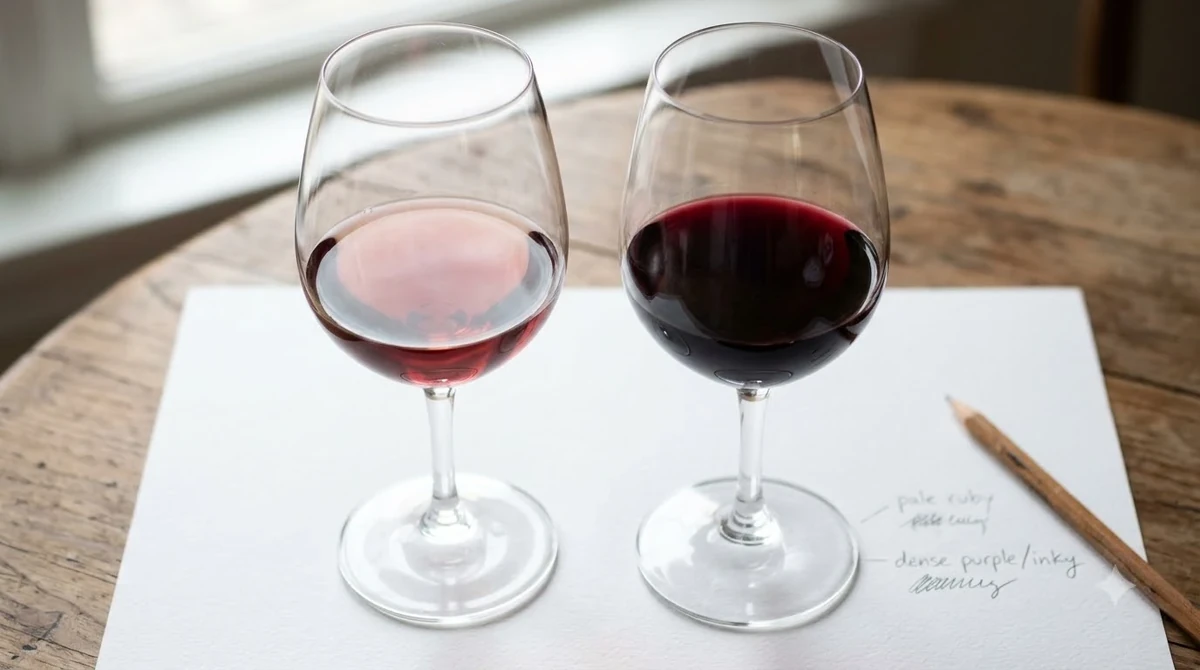
Pinot Noir is different from fuller-bodied red wines such as Cabernet Sauvignon and Syrah. Its tannins are generally lower, its texture is often more delicate, and its acidity provides freshness. These characteristics matter because lobster is a relatively subtle ingredient. A powerful red can dominate the shellfish, while a restrained Pinot Noir can contribute flavor without taking over the meal.
The wine’s typical red-fruit aromas include cherry, raspberry, strawberry, and cranberry. Depending on the growing region and winemaking approach, Pinot Noir can also develop earthy, mushroom-like, herbal, and lightly spicy characteristics. These flavors create several opportunities for pairing with lobster.
Grilled lobster is particularly promising because cooking over direct heat creates browned edges and smoky aromas. Those flavors provide a bridge to Pinot Noir’s earthy and savory characteristics. The wine’s acidity also helps refresh the palate between bites of rich lobster meat.
Another advantage is Pinot Noir’s versatility. A fruit-forward bottle can work with lobster served with herbs, while a more earthy example can complement roasted mushrooms or a savory butter sauce. The goal is to keep the wine’s intensity proportionate to the dish.
Understanding tannin and seafood
Tannin is one of the most important considerations when serving red wine with seafood. Strong tannins can make a delicate shellfish dish seem harsher and can produce unpleasant metallic impressions. Pinot Noir generally has less tannin than Cabernet Sauvignon, making it a more practical red-wine choice.
However, low tannin does not automatically make every Pinot Noir suitable. A heavily extracted, highly alcoholic, or strongly oaked bottle may still overpower lobster. Look for a wine with freshness, moderate alcohol, and restrained oak influence.
For readers exploring other dishes, the same grape can take a different role in pinot noir with chicken. Chicken generally provides a more neutral protein base, while lobster requires greater attention to sweetness, delicate texture, and seafood-friendly acidity.
Choosing the Right Pinot Noir Style
The best Pinot Noir for lobster is usually light to medium-bodied, fresh, and relatively low in tannin. Cool-climate examples from Oregon, Burgundy, and California’s coastal growing areas are useful starting points because many offer the balance and restrained structure that lobster needs.
Oregon Pinot Noir is a particularly attractive option. Wines from the Willamette Valley often combine red cherry, raspberry, forest-floor, and subtle herbal notes with refreshing acidity. These characteristics can work especially well with grilled lobster, herb butter, and roasted vegetables.
Burgundy offers another direction. Pinot Noir from the Côte de Beaune or Côte de Nuits can display red-fruit flavors alongside earthy, mineral, and savory characteristics. A relatively light, approachable Burgundy can complement lobster prepared with mushrooms, thyme, or browned butter.
California also produces suitable examples. Bottles from cooler coastal areas can emphasize fresh cherry, cranberry, and raspberry rather than excessive ripeness. These fruit-driven characteristics work with lobster’s gentle sweetness, especially when grilling provides additional savory flavors.
What to look for on the bottle
Rather than focusing exclusively on the region, consider the overall structure of the wine. A bottle with moderate alcohol, restrained oak, fresh acidity, and delicate fruit is generally more suitable than one emphasizing concentration and heavy extraction.
Young, fruit-forward Pinot Noir is often a practical choice because its fresh red-fruit flavors complement lobster without adding excessive earthy or savory intensity. Older Pinot Noir can be interesting, but its developed aromas should match the preparation rather than dominate the shellfish.
Here is a practical comparison of common Pinot Noir styles and their potential uses at the dinner table.
| Pinot Noir style | Typical character | Lobster preparation |
|---|---|---|
| Oregon Pinot Noir | Cherry, raspberry, herbs, fresh acidity | Grilled lobster with herb butter |
| Burgundy Pinot Noir | Red berries, earth, mushroom, mineral notes | Roasted lobster with mushrooms |
| Cool-climate California Pinot Noir | Cranberry, strawberry, cherry, balanced acidity | Grilled lobster with garlic butter |
| Light-bodied, young Pinot Noir | Fresh red fruit, delicate tannins | Lobster with herbs and light seasoning |
| More structured Pinot Noir | Darker fruit, greater concentration, firmer texture | Charred lobster with mushrooms and savory sauces |
The comparison is a starting point rather than a rigid regional rule. Winemaking decisions, vineyard conditions, and vintage differences can change the wine’s body and intensity. Two bottles from the same region may behave quite differently with the same lobster recipe.
For a dinner featuring several courses, consider the other dishes before choosing a bottle. A lighter Pinot Noir may work with lobster followed by roasted chicken, while a more structured example could be appropriate for a menu featuring mushrooms and roasted vegetables. The broader principles of Grape x Food pairing help explain why the preparation matters as much as the main ingredient.
Best Lobster Preparations for Pinot Noir
Grilled lobster is the strongest starting point for pairing Pinot Noir because its smoky, browned flavors complement the wine’s red fruit and earthy notes. Roasted lobster, lobster with herb butter, and certain mushroom-based preparations are also good options.
For a useful breakdown of how cooking methods change the wine choice, the Maine Lobster wine-pairing guide from the Culinary Institute of America discusses grilled, steamed, creamy, and tomato-based preparations, including the opportunity to experiment with Pinot Noir alongside grilled lobster.
Grilled lobster: Cooking lobster on a grill creates charred edges and concentrated savory flavors. These characteristics help connect the seafood with Pinot Noir’s earthy and herbal side. Brush the lobster with a moderate amount of olive oil or butter, add thyme or parsley, and avoid excessive lemon juice that could dominate the dish.
Roasted lobster: Oven roasting creates gentle browning and concentrates the natural sweetness of the meat. This method can work with Pinot Noir when the seasoning remains restrained. Garlic, shallots, parsley, and a small amount of browned butter provide complementary savory notes.
Butter-poached lobster: Butter-poached lobster is richer and softer than grilled lobster. Pinot Noir can work, but the wine needs enough acidity to keep the combination from becoming heavy. Choose a light-bodied bottle with bright cherry or cranberry flavors and avoid wines with aggressive oak.
Lobster with mushrooms: Mushrooms introduce earthy and savory characteristics that can connect naturally with the forest-floor aromas found in some Pinot Noir. Roasted cremini mushrooms, shiitake mushrooms, and a modest amount of thyme can make useful accompaniments.
Lobster with herbs: Parsley, tarragon, chives, and thyme can complement Pinot Noir’s fresh aromatic character. Use herbs to provide fragrance rather than turning the sauce into an intensely green or heavily seasoned preparation.
When lobster rolls are a better match for white wine
Traditional lobster rolls are more difficult to pair with red wine. A cold Maine-style lobster roll often contains mayonnaise, celery, and delicate chilled lobster meat. These ingredients generally favor a crisp white wine or sparkling wine rather than Pinot Noir.
A warm Connecticut-style lobster roll with melted butter is richer, but it still does not provide the grilled or roasted flavors that make Pinot Noir particularly attractive. A lightly oaked Chardonnay or Champagne will often be a more dependable option.
There is room to experiment if the lobster roll includes grilled bread, roasted mushrooms, or additional savory ingredients. Even then, select a particularly light Pinot Noir and keep the wine’s serving temperature cool.
Matching Sauces, Seasonings, and Side Dishes
The sauce can determine whether Pinot Noir is a successful match for lobster. Garlic butter, herb butter, browned butter, and mushroom-based accompaniments are generally more suitable than intensely acidic, spicy, or heavily creamy sauces.
Butter is a natural partner for lobster because it adds richness and emphasizes the shellfish’s sweet flavor. It can also soften the perception of tannin, although a high-tannin red remains an unsuitable choice for delicate lobster. With Pinot Noir, use enough butter to provide richness without making the dish excessively heavy.
Browned butter is especially useful because its nutty, toasted character provides a connection to roasted and grilled flavors. Add a little parsley or thyme for freshness. A restrained garlic-butter sauce can also work, provided the garlic does not overpower the lobster or the wine.
Mushroom sauces offer another interesting option. Their earthy flavors can complement Pinot Noir’s savory aromas, particularly in wines from Burgundy or Oregon. Keep the sauce relatively light so the natural sweetness of the lobster remains noticeable.
Sauces to use carefully
Lemon-heavy sauces require more attention. Lobster often benefits from lemon, but excessive acidity can make a red wine taste less balanced. If the dish includes a substantial amount of lemon juice, a high-acid white wine such as Chablis or Sauvignon Blanc may be a better choice.
Cream sauces can also create difficulties. Their richness may overwhelm a delicate Pinot Noir, especially if the sauce includes substantial amounts of cheese or cream. For lobster Thermidor, a richer Chardonnay is generally a more reliable match.
Tomato-based lobster pasta presents another challenge because tomatoes have substantial acidity. Pinot Noir may work with a restrained tomato preparation, but a high-acid Italian red such as Chianti is often more appropriate. Readers interested in other pasta combinations can also explore pinot noir with pasta for guidance on matching red wine with different sauces.
Side dishes that complete the pairing
Choose side dishes that reinforce the lobster’s savory qualities without introducing excessive sweetness, acidity, or heat.
- Roasted mushrooms: Their earthy character complements Pinot Noir’s savory notes.
- Grilled asparagus: Lightly seasoned asparagus provides a fresh vegetable component.
- Roasted potatoes: Their crisp edges and mild flavor work well with buttered lobster.
- Garlic green beans: These add freshness and a gentle savory note.
- Herbed rice: A simple preparation lets the lobster and wine remain central.
- Roasted carrots: Their natural sweetness complements the red-fruit character of Pinot Noir.
Avoid excessively spicy side dishes. Chili heat can be amplified by alcohol and tannin, making a red wine less comfortable to drink. A moderately seasoned meal is a better environment for appreciating both the lobster and Pinot Noir.
Serving Temperature, Glassware, and Dinner Planning
Serve Pinot Noir slightly cool, ideally between 55 and 60 degrees Fahrenheit. This temperature preserves the wine’s freshness, keeps alcohol from becoming too prominent, and allows its red-fruit aromas to complement lobster.
Serving Pinot Noir too warm can make it seem heavier and more alcoholic. This is particularly problematic with delicate seafood because the wine can quickly dominate the meal. A short period in the refrigerator before serving can bring the bottle into the appropriate temperature range.
For a typical home dinner, place the bottle in the refrigerator for approximately 15 to 25 minutes before opening if it has been stored at a normal room temperature. The exact time depends on the starting temperature and the refrigerator. Use a wine thermometer if precision matters.
Choose a medium-sized Burgundy-style wine glass with a relatively broad bowl. This shape gives Pinot Noir room to release its aromas while allowing the wine to be directed comfortably toward the palate. There is no need for an unusually large glass, but a narrow glass may make the wine seem less expressive.
How much wine to pour
A standard wine serving is approximately 5 ounces. A 750-milliliter bottle contains about five standard servings, making one bottle a practical starting point for a dinner serving two people when each person has more than one glass.
For a lobster dinner, pour smaller initial servings if you want to assess how the wine interacts with the dish. A modest pour also makes it easier to maintain the wine’s temperature throughout the meal.
Young, full-bodied Pinot Noir generally does not need extended decanting. If the wine is particularly concentrated, a short period of aeration can help, but a delicate bottle is often best enjoyed without lengthy exposure to air. For most light Pinot Noir styles, opening the bottle shortly before dinner is sufficient.
Tip: Chill Pinot Noir to approximately 55–60°F before serving it with lobster. If the bottle becomes too warm during dinner, return it briefly to the refrigerator rather than adding ice to the wine.
Planning the dinner menu
A well-planned lobster dinner should have a consistent flavor profile from the first course to the last. If Pinot Noir is the main wine, begin with a relatively simple appetizer rather than an intensely flavored seafood dish.
For example, a dinner menu could begin with a small mushroom appetizer, continue with grilled lobster and herb butter, and include roasted potatoes and asparagus. This menu introduces earthy and savory flavors that connect naturally with Pinot Noir.
If the meal includes another main course, roasted chicken can provide a useful transition. Pinot Noir is also a classic companion for poultry, and the same bottle may work across both dishes. A menu that includes pinot noir with pizza can also draw on the grape’s versatility with mushrooms, roasted vegetables, and savory toppings.
For dessert, avoid assuming that the same dry Pinot Noir will work with every sweet dish. A dessert should generally be matched with a wine at least as sweet as the dessert itself. Fresh fruit, chocolate, and cream-based desserts may require a separate wine rather than another pour of the dinner bottle.
Common Pairing Mistakes and Better Alternatives
The biggest mistake is choosing a powerful red wine simply because lobster is considered a luxurious ingredient. Lobster needs delicacy and balance, so a lighter Pinot Noir is generally more appropriate than a heavily extracted Cabernet Sauvignon or Syrah.
Another common mistake is ignoring the preparation. Steamed lobster with lemon butter is very different from grilled lobster with browned butter and mushrooms. The first preparation usually favors a fresh white wine, while the second creates more opportunities for red wine.
Choosing too much tannin
Cabernet Sauvignon is generally high in tannin, while Syrah can also have medium-plus to high tannin. These grapes can be excellent with rich red meats, but they are usually too assertive for delicate lobster.
Pinot Noir has relatively low to medium tannin, making it a more sensible option. However, the grape name alone is not a guarantee. A highly extracted Pinot Noir with substantial oak and alcohol can still overpower the dish.
Serving the wine too warm
Room-temperature red wine is often served warmer than ideal. Pinot Noir benefits from a cooler serving temperature because freshness is particularly important alongside seafood. Aim for 55–60°F rather than serving it at a warm dining-room temperature.
Using the same wine for every lobster recipe
One of the most frequent pairing errors is assuming that every lobster preparation requires the same wine. A chilled lobster salad with vinaigrette needs freshness and acidity, while lobster Thermidor needs a wine with more weight and texture.
For example, a simple steamed lobster with drawn butter is often better with Albariño or Chardonnay. Grilled lobster with composed butter is a more convincing opportunity for Pinot Noir. Lobster Thermidor, meanwhile, generally benefits from a richer Chardonnay or white Burgundy.
Berry-forward Pinot Noir is also not the only red wine worth considering. Light Gamay can be another alternative for people who prefer fresh, low-tannin red wines. The important consideration is whether the wine’s structure suits the seafood.
Knowing when to choose a white wine
There is no reason to insist on red wine if the preparation clearly favors white. Chablis is an excellent option for simple lobster dishes because its acidity and restrained style complement delicate seafood. Lightly oaked Chardonnay works well with butter-based preparations, while Champagne offers freshness and bubbles for richer meals.
Berry-forward Pinot Noir is best treated as a thoughtful alternative rather than the universal answer to lobster pairing. Its strongest results come from grilled, roasted, and savory preparations that give the wine enough flavor to work with.
Frequently Asked Questions
Is Pinot Noir traditionally served with lobster?
No. Chardonnay, Champagne, and other white wines are more traditional choices for lobster. Pinot Noir is an alternative for diners who prefer red wine, particularly when grilling or roasting creates additional savory flavors. Its suitability depends on the preparation rather than a traditional regional rule.
Can Pinot Noir pair with lobster bisque?
It can be attempted with a lighter, earthy Pinot Noir, but lobster bisque generally favors fuller white wines. Bisque is concentrated and often incorporates cream, stock, and roasted shellfish flavors. A white Burgundy or fuller Chardonnay is usually a more dependable choice.
Does sparkling Pinot Noir work with lobster?
Yes. Sparkling wines made with Pinot Noir can provide freshness and fine bubbles that complement rich seafood. A traditional-method sparkling rosé or blanc de noirs can be particularly interesting with grilled lobster or lobster served with a buttery sauce.
Can leftover Pinot Noir be used in lobster sauce?
Pinot Noir can be used in a small quantity for a savory reduction, particularly with mushrooms, shallots, and herbs. However, avoid reducing too much wine directly with delicate lobster meat because concentrated acidity and alcohol can overwhelm its sweetness. A separate sauce prepared with restrained seasoning offers better control.
Is Pinot Noir suitable for lobster served at a formal dinner?
Yes. A carefully selected Burgundy or Oregon Pinot Noir can be an elegant choice for a formal dinner featuring grilled lobster. For a particularly structured menu, consider serving Champagne as an aperitif and Pinot Noir with the main course. This gives guests two different wine styles without forcing one bottle to suit every course.
Pinot Noir with lobster is a rewarding alternative to conventional white-wine pairings when the preparation includes grilling, roasting, herbs, or savory butter. Choose a fresh, relatively light bottle, serve it at 55–60°F, and keep the sauce balanced so the lobster’s natural sweetness remains the focus. With the right preparation, this combination offers an elegant red-wine pairing that is both distinctive and enjoyable.
More in Food & Wine Pairing
 Risotto With White Wine Recipe: Make a Creamy Dinner at HomeUpdated Nov 20, 2026
 Wassail With Wine Recipe for a Festive Spiced Holiday DrinkUpdated Nov 20, 2026
 Spritz Veneziano Recipe: Make a Classic Venetian Aperitivo at HomeUpdated Nov 20, 2026
 Summer Wine Punch Recipe for Easy Homemade EntertainingUpdated Nov 20, 2026
 Bishop Recipe: How to Make a Bright, Citrus-Forward Red Wine CocktailUpdated Nov 20, 2026
 Wine Cupcakes Recipe: Bake Rich Chocolate Cupcakes at HomeUpdated Nov 20, 2026