

We may earn a commission when you buy through links on this page, at no extra cost to you. Learn more.
Pinot noir with paella is a particularly good match for chicken, rabbit, and mixed paella because the wine’s bright acidity, moderate body, and relatively soft tannins complement savory rice without overpowering its delicate saffron and seafood flavors. Choose a lighter, fruit-forward Pinot Noir for poultry-based paella and a fresher, more restrained bottle for versions containing shrimp, mussels, or squid. Seafood-heavy paella can also work with a crisp Pinot Noir rosé, while particularly delicate shellfish preparations may be better suited to a dry white wine.
Paella combines several ingredients that make wine pairing interesting: short-grain rice, olive oil, saffron, paprika, vegetables, and proteins that range from chicken and rabbit to shrimp and clams. The cooking method brings these flavors together, so the best wine should complement the finished dish rather than simply match its main ingredient. Pinot Noir offers an appealing middle ground between light-bodied white wines and more powerful red wines. Understanding the differences between paella styles, acidity, tannin, and serving temperature makes it easier to choose a bottle that works with the entire meal.
Why Pinot Noir Works With Paella
Pinot Noir works because it combines refreshing acidity with relatively low to moderate tannin and a lighter body than many popular red varieties. Those characteristics suit the combination of rice, olive oil, saffron, and savory ingredients found in many paella recipes. The wine can contribute red-fruit character without overwhelming the dish’s more delicate aromas.
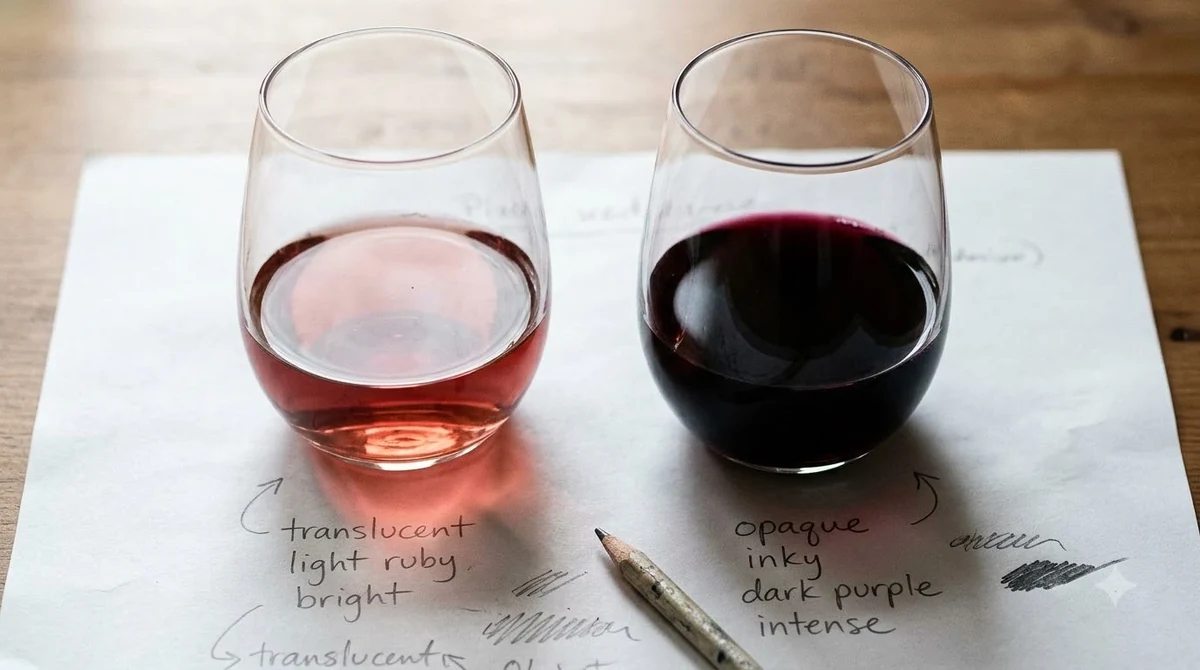
Typical Pinot Noir flavors include cherry, raspberry, strawberry, cranberry, and sometimes earthy or mushroom-like notes. Depending on its growing region and winemaking approach, the wine may also show dried herbs, subtle spice, forest-floor aromas, or gentle oak. These characteristics provide several points of connection with paella. Red-fruit flavors complement browned chicken, earthy notes work with mushrooms or vegetables in modern variations, and acidity helps balance the richness of olive oil.
Acidity is especially important because paella is not simply a plate of plain rice. The grains absorb stock, tomato, meat juices, saffron, and seasonings. The finished dish can therefore have considerable savory depth despite its relatively light appearance. A wine with enough acidity keeps the combination from feeling heavy after several bites.
Pinot Noir also avoids some of the problems associated with more tannic reds. Cabernet Sauvignon and many structured Syrah wines can feel aggressive alongside delicate seafood or lightly seasoned rice. Pinot Noir generally has softer tannins, allowing shrimp, chicken, and vegetables to retain their individual flavors.
However, Pinot Noir is not automatically the right choice for every paella. A seafood preparation dominated by clams, mussels, and delicate white fish may benefit more from a dry white wine. A heavily smoked or spicy version can also overwhelm a very delicate Pinot Noir. The balance of the finished recipe matters more than the name of the dish.
Think of Pinot Noir as a flexible option for paella with moderate seasoning and substantial savory ingredients. It is particularly useful when a meal combines chicken and seafood, since its lighter structure is less demanding than that of a powerful red wine.
Choosing the Best Pinot Noir for Different Paella Styles
The best Pinot Noir depends on the main ingredients and the intensity of the seasoning. Chicken and rabbit versions generally suit a lightly structured red, while seafood and mixed versions call for fresher fruit, restrained oak, and careful attention to tannin.
Traditional Valencian paella is built around chicken, rabbit, green beans, garrofó beans, tomato, saffron, olive oil, and rice. The official Valencian tourism recipe uses 480 g of chicken and 320 g of rabbit for four servings. These ingredients produce a savory, relatively substantial dish that can accommodate a red wine without requiring excessive body or tannin.
Seafood paella presents a different challenge. Shrimp, mussels, clams, squid, and white fish contribute sweetness and saline flavors that can become less expressive alongside heavily oaked or tannic wine. Select a delicate Pinot Noir with fresh cherry or cranberry character, moderate alcohol, and little obvious oak. A dry Pinot Noir rosé is another useful option.
Mixed paella combines ingredients from both categories. Chicken, shrimp, mussels, and vegetables create a broader range of textures and flavors. A medium-bodied Pinot Noir with good acidity is usually the most versatile red choice because it can complement the poultry without completely dominating the seafood.
Vegetable paella also deserves consideration. Artichokes, green beans, tomatoes, peppers, and mushrooms can produce an earthy, aromatic dish. Pinot Noir with restrained oak and fresh fruit can complement roasted vegetables and mushrooms, although artichokes and particularly bitter greens may make some wines taste less balanced.
| Paella style | Best Pinot Noir style | Pairing reason |
|---|---|---|
| Chicken and rabbit | Light to medium-bodied, fresh fruit | Matches browned poultry and savory rice |
| Seafood | Light-bodied, low tannin | Preserves delicate shellfish flavors |
| Mixed seafood and meat | Medium-bodied, balanced acidity | Handles different proteins and seasonings |
| Vegetable | Earthy, restrained oak | Complements mushrooms and roasted vegetables |
| Smoked paprika and chorizo | Fruit-forward, moderate alcohol | Balances savory and smoky flavors |
For a practical starting point, consider a cool-climate Pinot Noir from Oregon, Burgundy in France, or New Zealand. These regions offer different expressions of the grape, but their fresher, more restrained styles can be particularly useful alongside aromatic rice dishes. A warmer-climate California Pinot Noir can also work, especially with chicken-based recipes, provided its fruit concentration and alcohol do not overpower the food.
The important distinction is between fruit intensity and structural weight. A wine can have generous cherry flavors without being especially heavy. For paella, that combination is often more successful than a deeply extracted red with pronounced oak and firm tannins.
Matching Saffron, Paprika, Rice, and Olive Oil
Saffron, paprika, and olive oil give paella much of its recognizable character. Pinot Noir works best when its fruit and acidity complement these ingredients rather than compete with their aromatic intensity. Each ingredient contributes a different pairing consideration.
Saffron has a distinctive floral, earthy fragrance. It is relatively delicate, so a powerful wine with pronounced toasted oak, concentrated black fruit, or high alcohol can cover its subtler qualities. Pinot Noir’s generally moderate body makes it a more suitable red choice. Look for a wine with fresh cherry and raspberry flavors rather than an intensely oaked bottle.
Sweet paprika adds warmth, color, and a gentle peppery character. Smoked paprika contributes more pronounced savory and smoky notes. A fruit-forward Pinot Noir can work particularly well with smoked paprika because its red-fruit character provides contrast. However, a very smoky recipe can overwhelm a fragile, delicate wine.
Olive oil contributes richness and a smooth texture. Pinot Noir’s acidity provides freshness alongside this richness, while its relatively restrained tannin prevents the combination from feeling overly drying. This is one reason lighter reds can work better than heavily structured wines with rice dishes.
Rice itself is a relatively neutral foundation. According to National Geographic’s discussion of Valencian paella, the traditional preparation belongs to the dry-rice category known as arròz seco, in which the grains absorb the moisture and flavors of the other ingredients. The rice therefore carries the flavors of the stock, meat, vegetables, and seasoning.
The browned rice at the bottom of the pan, known as socarrat, adds another dimension. Its toasted, savory character can complement Pinot Noir’s earthy notes and gentle spice. This is especially effective when the rice has developed a crisp, golden base without becoming excessively burnt.
Tomatoes provide acidity and savory sweetness. Their presence can help a fresh Pinot Noir feel more integrated with the dish. Green beans and other vegetables add herbal character, which can complement wines with subtle earthy or forest-floor notes.
For the most balanced result, avoid turning the paella into an extremely spicy preparation. A modest amount of paprika works well, but hot chili can amplify the perception of alcohol and tannin in wine. Choose a lower-alcohol, fruit-forward style if the recipe includes noticeable heat.
Tip: Build the pairing around the finished rice, not just the protein. A chicken and saffron paella with olive oil and a crisp socarrat needs a different wine from a simple plate of grilled chicken. Choose Pinot Noir for the complete combination of rice, stock, vegetables, and seasoning.
Seafood Paella and Pinot Noir: Getting the Balance Right
Seafood paella can work with Pinot Noir, but the pairing requires more care than a chicken-based recipe. Shrimp, mussels, clams, squid, and white fish have delicate flavors, so a light red with fresh acidity and minimal tannin is preferable to a concentrated, heavily oaked bottle.
Shellfish introduces natural sweetness and salinity. Shrimp and scallops can have a particularly delicate texture, while clams and mussels contribute more pronounced oceanic flavors. A young Pinot Noir with bright strawberry, cherry, and cranberry notes can complement the richness of the rice without dominating the seafood.
However, a strongly tannic red can make seafood taste metallic or unpleasantly bitter. Pinot Noir is less likely to create this problem than Cabernet Sauvignon or a powerful Syrah, but the wine’s actual structure still matters. Avoid bottles with excessive oak extraction, substantial tannin, or very high alcohol.
Another important consideration is the stock. Seafood paella often uses concentrated fish or shellfish stock, which gives the rice a deeper savory character than plain steamed seafood. This extra intensity makes Pinot Noir more plausible, particularly when the recipe also contains tomato, roasted peppers, and smoked paprika.
There is also a useful alternative within the Pinot Noir family: rosé. Pinot Noir rosé retains the grape’s red-fruit character while offering a fresher presentation. Its acidity can work particularly well with olive oil, lemon, saffron, and shellfish.
CHANDON provides a useful example with its saffron seafood paella recipe and Pinot Noir Rosé pairing. The preparation combines bomba rice, shrimp, mussels, clams, squid, white fish, saffron, and smoked paprika. The producer recommends its Reserve Pinot Noir Rosé alongside the dish, highlighting the wine’s acidity, red fruit, and bubbles.
This example demonstrates why the rosé style can be particularly appealing with seafood paella. Its freshness complements the shellfish and olive oil, while its fruit provides enough flavor to accompany the smoky paprika and saffron.
For a traditional seafood preparation with minimal seasoning, a crisp white wine may still be the stronger choice. Albariño, for example, offers fresh acidity and citrus character that work naturally with shellfish. Pinot Noir becomes more attractive when the seafood rice has greater savory weight or when the meal also includes poultry.
For additional ideas, explore pinot noir with pasta, where the same principles of acidity, sauce intensity, and protein choice help determine whether the grape is a good match.
Serving Temperature and Practical Pairing Tips
Serve Pinot Noir slightly cool rather than at warm room temperature. A temperature of 55 to 60 F is a useful range for light-bodied reds, allowing the wine’s acidity, red-fruit aromas, and softer tannins to remain clear alongside a warm paella.
Serving temperature makes a noticeable difference. A bottle served too warm can seem alcoholic and heavy, particularly beside seafood or lightly seasoned rice. Excessive chilling, on the other hand, can mute the aromas and make the wine seem firmer than expected.
Place the bottle in the refrigerator for approximately 20 to 30 minutes before serving if it has been stored at a typical indoor temperature. The exact cooling time depends on the bottle’s starting temperature and the refrigerator. Pour a small sample and adjust if necessary.
Use standard 5-ounce pours and allow enough space in the glass for the aromas to develop. A 750 ml bottle provides approximately five standard glasses, making one bottle a practical starting point for a small dinner. Larger gatherings may require additional bottles depending on the number of guests and other drinks being served.
Glassware also matters. A moderately sized Burgundy-style glass with a wider bowl can help reveal Pinot Noir’s cherry, raspberry, floral, and earthy aromas. There is no need for elaborate wine accessories, but a glass with enough room for gentle swirling makes the wine easier to appreciate.
Timing is another consideration. Open the bottle shortly before serving rather than leaving a delicate Pinot Noir exposed to air for several hours. Some young, structured examples benefit from a little aeration, but most lighter styles do not require prolonged decanting.
Serve the paella immediately after its resting period. The official Valencian tourism recipe recommends allowing the finished rice to rest for 5 minutes. This brief interval lets the remaining moisture settle and makes serving easier without sacrificing the texture of the rice.
Keep lemon wedges, parsley, and any accompanying sauces on the table. Lemon can brighten seafood and provide an additional point of contrast with Pinot Noir. However, avoid excessive citrus juice across the entire pan, since it can make the dish taste sharply acidic and change the balance of the pairing.
For a dinner that includes several courses, Pinot Noir can also carry through to other dishes. For example, its fruit and moderate tannin can work with poultry preparations such as pinot noir with chicken. A similar approach applies to lighter tomato-based pasta and some mushroom dishes.
When to Choose Another Wine Instead
Pinot Noir is versatile, but it is not the ideal answer for every paella recipe. Extremely delicate seafood, intense chili, strongly smoked ingredients, and heavily seasoned preparations can require a different wine style to achieve better balance.
For a seafood paella dominated by clams, mussels, shrimp, and white fish, consider Albariño, Sauvignon Blanc, or dry sparkling wine. These wines generally provide higher acidity and a fresher profile that can complement the natural sweetness and salinity of shellfish.
Albariño is especially useful with traditional Spanish seafood flavors. Its citrus, stone-fruit, and sometimes saline character can work alongside saffron, olive oil, and shellfish without introducing the tannin associated with red wine.
Sauvignon Blanc is another option when the recipe includes lemon, green vegetables, herbs, or peppers. Its high acidity can balance the richness of olive oil and provide a refreshing contrast to the rice.
Dry sparkling wine is worth considering when the paella contains several rich components. Champagne and Cava undergo their second fermentation in the bottle, producing fine bubbles and a refreshing texture. Their acidity and effervescence can work particularly well with seafood, olive oil, and savory accompaniments.
For poultry-heavy paella, other lighter reds may also be appropriate. Gamay-based wines, including Beaujolais, offer bright fruit and generally modest tannins. They can provide an alternative to Pinot Noir when the dish has a slightly stronger roasted or savory character.
Cabernet Sauvignon is generally a less suitable choice for delicate seafood paella because its high tannin can overwhelm shellfish. Syrah can also become too assertive when its tannin, alcohol, and peppery character exceed the intensity of the rice.
Chili-heavy paella requires particular attention. Alcohol and tannin can amplify perceived heat, making a full-bodied red uncomfortable alongside a spicy preparation. A fresh, lower-alcohol wine with good acidity is generally the better direction.
These choices are not strict rules. A mixed paella containing chicken, chorizo, shrimp, and smoked paprika may support a more substantial wine than a simple shellfish preparation. The right decision depends on the strongest flavors in the finished dish.
For more combinations involving grape varieties and everyday meals, the Grape x Food resource offers a useful starting point for understanding how acidity, tannin, body, and sweetness affect food pairing.
Frequently Asked Questions
Can you drink Pinot Noir with traditional Valencian paella?
Yes. Traditional Valencian paella contains chicken, rabbit, green beans, tomato, and garrofó beans, making it more suitable for a light red than a delicate shellfish-only dish. Its savory, herbaceous character gives Pinot Noir several opportunities to complement the food.
Does Pinot Noir pair with paella containing chorizo?
Yes, particularly when the chorizo is used as a supporting ingredient rather than the dominant flavor. Spanish cured chorizo can contribute paprika, garlic, and smoky notes that complement a fruit-forward Pinot Noir. A wine with some concentration is preferable to an extremely delicate example.
Can Pinot Noir pair with black squid ink paella?
It can, although the intense marine flavor and dark appearance of squid ink make this a more challenging match. A very light, fresh Pinot Noir or dry Pinot Noir rosé is preferable to a powerful red. Brut sparkling wine is another strong option because its acidity and bubbles provide contrast to the dish’s concentrated savory character.
Is Oregon Pinot Noir a good choice for paella?
Yes. Oregon’s Willamette Valley is an established Pinot Noir-producing region, and its wines can show cherry, cranberry, raspberry, and earthy characteristics. These qualities make many examples suitable for chicken, rabbit, and vegetable paella, particularly when the wine has moderate oak influence.
Should Pinot Noir be served before or after the paella is cooked?
Open the bottle shortly before the rice finishes cooking so the wine is ready when the dish reaches the table. The paella’s resting period is typically brief, making it useful to have the glasses and serving arrangements prepared in advance. Pour the wine at approximately 55 to 60 F for a light red style.
Pinot Noir is a rewarding pairing for paella when the wine’s freshness, fruit, and moderate structure match the ingredients in the pan. Choose a light, fruit-forward red for chicken and rabbit, a restrained style or Pinot Noir rosé for seafood, and a balanced medium-bodied example for mixed paella. With the right bottle served at 55 to 60 F, the wine can complement saffron, olive oil, paprika, and savory rice without taking attention away from the dish.
More in Food & Wine Pairing
 Risotto With White Wine Recipe: Make a Creamy Dinner at HomeUpdated Nov 20, 2026
 Wassail With Wine Recipe for a Festive Spiced Holiday DrinkUpdated Nov 20, 2026
 Spritz Veneziano Recipe: Make a Classic Venetian Aperitivo at HomeUpdated Nov 20, 2026
 Summer Wine Punch Recipe for Easy Homemade EntertainingUpdated Nov 20, 2026
 Bishop Recipe: How to Make a Bright, Citrus-Forward Red Wine CocktailUpdated Nov 20, 2026
 Wine Cupcakes Recipe: Bake Rich Chocolate Cupcakes at HomeUpdated Nov 20, 2026