

We may earn a commission when you buy through links on this page, at no extra cost to you. Learn more.
Pinot noir with spaghetti is an excellent pairing, especially when the dish features mushrooms, tomato sauce, meatballs, or savory herbs. Pinot Noir’s bright acidity, relatively low tannins, and light-to-medium body complement many traditional Italian pasta preparations without overwhelming their flavors. The best match depends on the sauce, the richness of the ingredients, and the wine’s fruit intensity.
A spaghetti dinner can range from a simple bowl of spaghetti al pomodoro to a slowly cooked meat ragù, creamy mushroom sauce, or garlic-and-olive-oil preparation. Each dish creates a different pairing opportunity. Pinot Noir is flexible enough to work with several of these styles, provided the wine has enough freshness and flavor to complement the finished sauce. Understanding a few basic pairing principles makes choosing the right bottle much easier.
Why Pinot Noir Works With Spaghetti
Pinot Noir works with spaghetti because its refreshing acidity, gentle tannins, and moderate body complement ingredients that often appear in pasta dishes. Its red-fruit flavors and occasional earthy characteristics also connect naturally with tomatoes, mushrooms, herbs, and savory meats.
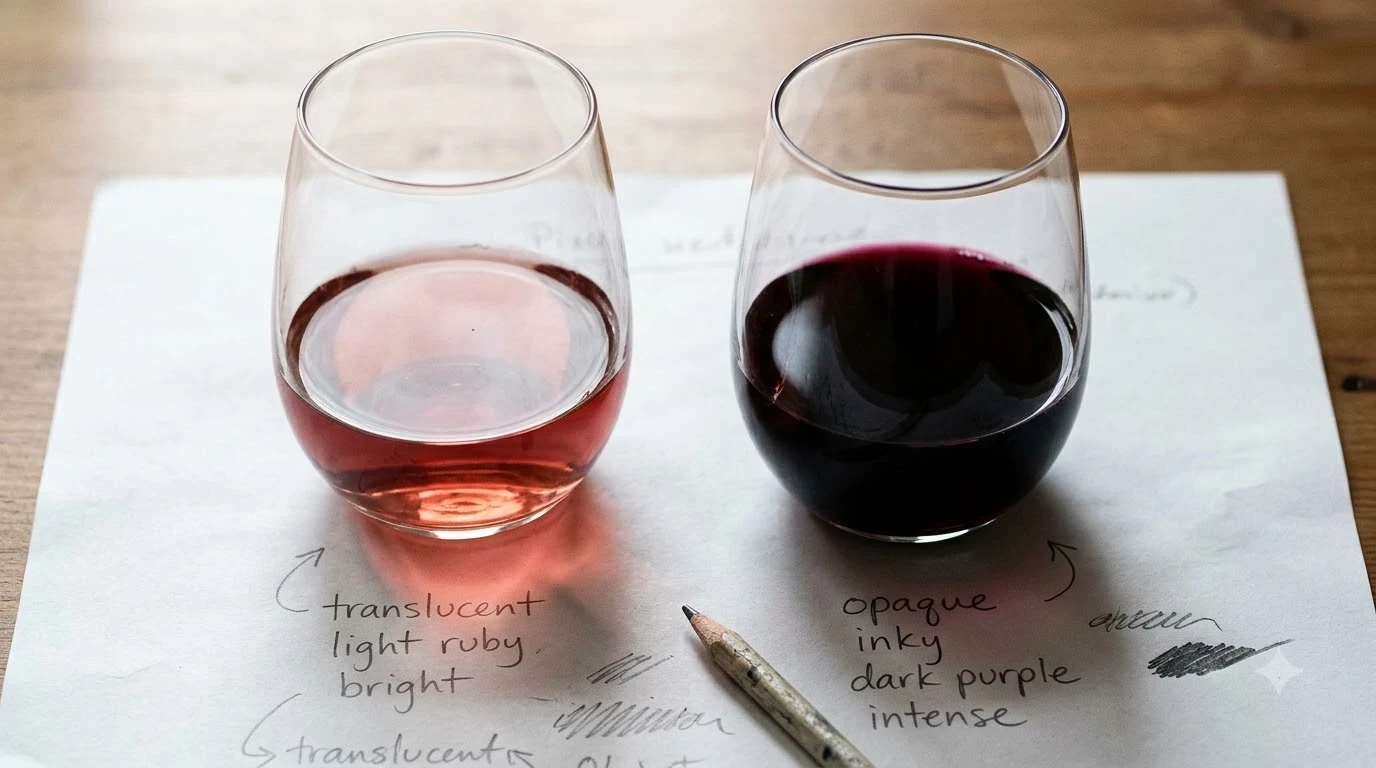
Unlike Cabernet Sauvignon, which generally has considerably firmer tannins, Pinot Noir usually feels softer and more delicate. That distinction matters at the dinner table. A heavily structured red can dominate a relatively simple tomato sauce, while Pinot Noir allows the flavors of the pasta, Parmesan, herbs, and other ingredients to remain noticeable.
Acidity is another important part of the pairing. Tomatoes naturally bring acidity to spaghetti sauces, and a wine needs sufficient freshness to keep pace. A wine with insufficient acidity can taste flat or dull beside an acidic dish. Pinot Noir generally offers enough freshness to handle moderately acidic tomato preparations, although the most concentrated sauces may work better with a particularly lively example.
Its flavor profile is equally useful. Depending on its growing region and production style, Pinot Noir can show cherry, raspberry, cranberry, dried herbs, earth, mushrooms, and subtle spice. These characteristics create several natural connections with common spaghetti ingredients.
For example, a Pinot Noir with noticeable cherry and cranberry flavors can complement a tomato and basil sauce. A more savory bottle with mushroom and forest-floor characteristics can work especially well with roasted mushrooms, thyme, and Parmesan. These combinations create similarities between the wine and food without requiring identical flavors.
Pinot Noir also has enough versatility to accompany different courses during the same meal. A bottle that begins with an antipasto plate containing mild cheeses and roasted vegetables can continue through a chicken or mushroom pasta main course. For another poultry pairing, see our guide to pinot noir with chicken.
Choosing Pinot Noir for Tomato Sauce and Marinara
Pinot Noir can accompany spaghetti with marinara, pomodoro, and other tomato sauces when the wine has enough acidity to balance the tomatoes. Fresh cherry fruit and moderate body generally work better than heavily oaked or unusually powerful styles.
Classic marinara typically contains tomatoes, garlic, olive oil, and herbs such as oregano or basil. The sauce is flavorful but does not necessarily have the weight of a meat-based preparation. A fresh, relatively light Pinot Noir complements its savory ingredients without overpowering the garlic or herbs.
Spaghetti al pomodoro is another promising match. Its simpler preparation places more emphasis on tomato quality, olive oil, and fresh basil. Choose a Pinot Noir with lively acidity and red-fruit character rather than a heavily extracted style. The wine should remain refreshing alongside the sauce instead of making the tomatoes taste excessively sharp.
Slow-simmered tomato sauce requires a slightly different approach. Longer cooking can concentrate tomato flavor and create a richer, more substantial sauce. A medium-bodied Pinot Noir with deeper cherry fruit and some savory complexity is more appropriate than an extremely delicate bottle.
Consider these practical combinations:
- Spaghetti marinara: Fresh, fruit-driven Pinot Noir with moderate acidity and gentle tannins.
- Spaghetti al pomodoro: Light-bodied Pinot Noir with cherry, cranberry, and herbal characteristics.
- Roasted tomato spaghetti: Medium-bodied Pinot Noir with concentrated red-fruit flavors.
- Tomato and roasted vegetable spaghetti: Earthier Pinot Noir with enough freshness to balance the vegetables.
- Tomato and Parmesan spaghetti: Pinot Noir with moderate fruit intensity and a savory finish.
There is one important limitation. Pinot Noir is not automatically the best wine for every tomato sauce. A particularly sharp, acidic marinara can make a softer wine seem dull. In that situation, an Italian Sangiovese or Barbera may provide a closer match because both can offer the lively acidity associated with traditional tomato-sauce pairings.
For a broader comparison of sauce styles and wine characteristics, our guide to pinot noir with pasta provides additional pairing ideas.
Pairing Pinot Noir With Meatballs, Sausage, and Bolognese
Pinot Noir works well with spaghetti and meatballs, particularly when the meatballs are made with beef, pork, or a combination of the two. The wine’s acidity complements tomato sauce, while its fruit and savory flavors connect with the browned meat and herbs.

Meatballs add protein, fat, and browned flavors that give the dish more weight than simple marinara. This additional richness makes a medium-bodied Pinot Noir a sensible choice. Look for a bottle with noticeable cherry or raspberry fruit and enough structure to remain present alongside the meat.
Beef and pork meatballs seasoned with parsley, garlic, black pepper, and oregano are particularly suitable. The herbs reinforce the savory side of the wine, while the meat’s fat softens the perception of tannin. Parmesan sprinkled over the finished spaghetti adds salt and richness, further helping the wine feel balanced.
Italian sausage spaghetti can also work, although the seasoning matters. Mild Italian sausage, fennel, garlic, and tomato sauce generally create a favorable combination. A richer Pinot Noir from California or Oregon can provide enough fruit intensity to accompany the sausage without making the dish feel excessively heavy.
Spaghetti Bolognese is another possible match. Traditional ragù is more complex than a simple tomato sauce because it includes slowly cooked meat, vegetables, and other ingredients that develop depth during cooking. A medium-bodied Pinot Noir can complement a lighter or moderately rich Bolognese, especially when the sauce is not excessively concentrated.
However, a very dense, meat-heavy ragù may call for a wine with more structure. Sangiovese, Chianti, or another Italian red can be more suitable if the sauce has substantial meat, concentrated tomato, and strong seasoning.
Matching the meat to the wine
- Beef meatballs: Choose medium-bodied Pinot Noir with concentrated cherry fruit.
- Pork meatballs: Try a lighter, fruit-forward Pinot Noir with fresh acidity.
- Beef and pork sausage: Choose a more structured Pinot Noir with moderate oak influence.
- Turkey meatballs: Choose an elegant, lighter-bodied Pinot Noir.
- Slow-cooked Bolognese: Select a fuller Pinot Noir, or consider Sangiovese if the sauce is particularly rich.
When preparing these dishes, avoid excessive chili flakes if Pinot Noir is the intended wine. Strong chili heat can make alcohol seem more prominent and can overwhelm the wine’s delicate fruit. A moderate amount of black pepper and Italian herbs generally produces a more balanced result.
Mushroom Spaghetti and Creamy Pasta Sauces
Mushroom spaghetti is among the strongest matches for Pinot Noir because both can display earthy, savory characteristics. Creamy mushroom preparations, roasted mushrooms, and truffle additions are especially suitable when paired with a wine that has developed complex savory aromas.
Mushrooms bring umami and an earthy flavor that can complement the forest-floor and dried-herb notes sometimes found in Pinot Noir. This is particularly noticeable in wines from cooler growing regions, including Burgundy and Oregon. Some examples show mushroom, forest floor, cranberry, and subtle spice characteristics rather than concentrated ripe fruit alone.
For a simple mushroom spaghetti, sauté sliced cremini mushrooms in olive oil or butter with garlic, thyme, and black pepper. Finish with Parmesan and a small amount of pasta cooking water. The resulting sauce has enough savory depth to complement a relatively delicate Pinot Noir.
Wild mushrooms can make the pairing even more interesting. Porcini, shiitake, and chanterelles provide different degrees of earthiness and savory intensity. A wine with developed mushroom-like aromas can connect particularly well with these ingredients.
Truffle pasta also deserves consideration. Truffle’s intense earthy aroma can overwhelm an extremely delicate wine, so choose a Pinot Noir with sufficient concentration and complexity. An aged Burgundy from the Côte de Nuits is one possible direction, while a savory Oregon Pinot Noir can also provide an appealing combination.
What about Alfredo and other cream sauces?
Pinot Noir can work with creamy spaghetti, although the ingredients determine how successful the combination will be. Cream, butter, and Parmesan create richness that benefits from wine acidity. Pinot Noir provides that freshness, while its gentle tannins help avoid an excessively drying sensation.
Spaghetti Alfredo is a more challenging pairing than mushroom cream pasta because the sauce is primarily rich, buttery, and cheesy. A lighter Pinot Noir with good acidity is preferable to an especially powerful, oak-heavy red. If the Alfredo includes roasted mushrooms, thyme, or grilled chicken, the pairing becomes easier because those ingredients provide additional savory connections.
Carbonara is another possibility, particularly when the dish includes pancetta or guanciale. The pork, egg, cheese, and black pepper create a rich combination that can work with a restrained Pinot Noir. Choose a bottle with freshness and modest tannins rather than a heavily extracted example.
For a detailed comparison of different wine styles with pasta, consult this Berry Bros. & Rudd guide to pairing wine with pasta, which explains how sauces influence the choice of wine.
Best Pinot Noir Styles for Different Spaghetti Dishes
Different Pinot Noir growing regions produce wines with different combinations of fruit intensity, acidity, body, and earthy character. Choosing a regional style that suits the sauce can make a noticeable difference to the finished pairing.
Burgundy is an excellent starting point for people who enjoy restrained, savory Pinot Noir. Wines from cooler parts of the region can show cranberry, red cherry, dried herbs, and earthy characteristics. These qualities make them appealing with mushroom spaghetti, truffle preparations, and relatively simple tomato sauces.
Oregon Pinot Noir is another strong option. Wines from the Willamette Valley often provide fresh acidity, red-fruit flavors, and savory complexity. These characteristics can work particularly well with roasted vegetables, mushroom sauces, pork meatballs, and tomato-based spaghetti.
California Pinot Noir offers a wider range of styles, including examples with more concentrated raspberry, cherry, and darker fruit characteristics. These can be useful with sausage spaghetti, richer meat sauces, and dishes with roasted tomatoes. The key is to avoid choosing a wine so powerful that it overwhelms the pasta.
New Zealand Pinot Noir, including examples from Central Otago and Marlborough, can also provide attractive options. Depending on the producer and growing conditions, these wines may emphasize fresh red fruit, dark cherry, herbal notes, or more concentrated fruit character.
| Pinot Noir style | Typical characteristics | Best spaghetti pairing |
|---|---|---|
| Burgundy, France | Earth, cranberry, red cherry | Mushroom and truffle spaghetti |
| Oregon, USA | Fresh red fruit, herbs, savory notes | Roasted vegetable and mushroom pasta |
| California, USA | Raspberry, cherry, fuller fruit | Sausage and meatball spaghetti |
| New Zealand | Bright fruit, herbs, balanced acidity | Tomato and herb spaghetti |
| Cool-climate German Pinot Noir | Fresh fruit, natural acidity, lighter structure | Simple tomato and mushroom pasta |
These are general regional tendencies rather than fixed rules. Individual producers, vineyard locations, harvest conditions, and winemaking choices can create significant differences between bottles from the same region.
For a spaghetti dinner, prioritize the characteristics that suit the food rather than choosing a bottle solely because it comes from a famous region. A fresh, savory wine is usually a better match for mushroom spaghetti than a highly concentrated example, while a richer California Pinot Noir may be more comfortable alongside sausage and meatballs.
Spaghetti Ingredients That Can Make or Break the Pairing
The ingredients added to spaghetti can change the pairing as much as the sauce itself. Cheese, olive oil, garlic, herbs, seafood, and chili all influence how Pinot Noir tastes alongside a meal.
Parmesan is generally a helpful ingredient. Its saltiness and savory character can soften the perception of tannin while adding depth to the pasta. A moderate amount of freshly grated Parmesan works well with both tomato-based and mushroom-based spaghetti.
Olive oil also contributes to the overall balance. A simple garlic-and-olive-oil spaghetti can work with a lighter Pinot Noir if the preparation includes roasted mushrooms, herbs, or other savory ingredients. However, a very delicate aglio e olio may be better suited to a crisp white wine because the dish lacks the weight and complexity that make a red wine particularly appealing.
Fresh basil, oregano, thyme, and parsley can complement Pinot Noir, although the choice of herb matters. Thyme is especially useful with mushroom preparations because it reinforces the wine’s savory characteristics. Basil works particularly well with tomato sauce and fruit-forward Pinot Noir.
Seafood spaghetti requires greater care. Pinot Noir can pair with fuller-flavored fish such as salmon, but delicate shellfish preparations may be overwhelmed by red wine. Spaghetti alle vongole, for example, generally works better with a crisp white wine such as Vermentino or Albariño.
Oily fish can sometimes work with Pinot Noir because its relatively low tannins avoid the harsher interactions that can occur with heavily tannic reds. Nevertheless, delicate seafood and light shellfish sauces usually benefit from a white wine that allows their flavors to remain prominent.
Chili is another ingredient to monitor. Spaghetti arrabbiata, spicy sausage pasta, and preparations with generous chili flakes can make Pinot Noir seem hotter and more alcoholic. A lightly seasoned tomato sauce is a more reliable starting point.
Tip: If you are planning to serve Pinot Noir with spaghetti, prepare the sauce first and adjust the wine choice to its dominant ingredient. Mushrooms favor earthy Pinot Noir, tomato sauces need freshness, and rich meat sauces benefit from a wine with more body and fruit concentration.
Sweetness also matters. Most traditional spaghetti dishes are savory, so a dry Pinot Noir is generally the appropriate choice. If a sauce includes a noticeably sweet ingredient, such as sweet roasted peppers or a sweetened tomato preparation, avoid a wine that tastes less sweet than the food. Wine should be at least as sweet as the dish to prevent its fruit from seeming thin or sour.
Salt and fat can soften the perception of tannin, which is useful when pairing Pinot Noir with Parmesan, sausage, or meatballs. However, the wine should still have enough acidity to refresh the palate between bites.
For more examples of how ingredients influence wine choices, explore Grape x Food pairing principles.
Serving Temperature, Glasses, and Portions
Serve light-bodied Pinot Noir at approximately 55-60°F to preserve its fresh fruit, acidity, and delicate aromas. Slightly fuller examples can be served toward the warmer end of that range, particularly when accompanying richer spaghetti dishes.
Temperature can change the way a wine behaves at the table. A bottle served too warm may seem more alcoholic and less refreshing, while excessive chilling can mute its aromas and make its fruit less expressive. A modest refrigerator chill before dinner is usually sufficient for a lighter Pinot Noir.
Glassware also influences the experience. A medium-to-large red wine glass with a reasonably wide bowl allows the wine to develop aromas as it is swirled. This can help reveal subtle cherry, cranberry, spice, and earthy characteristics that complement the pasta.
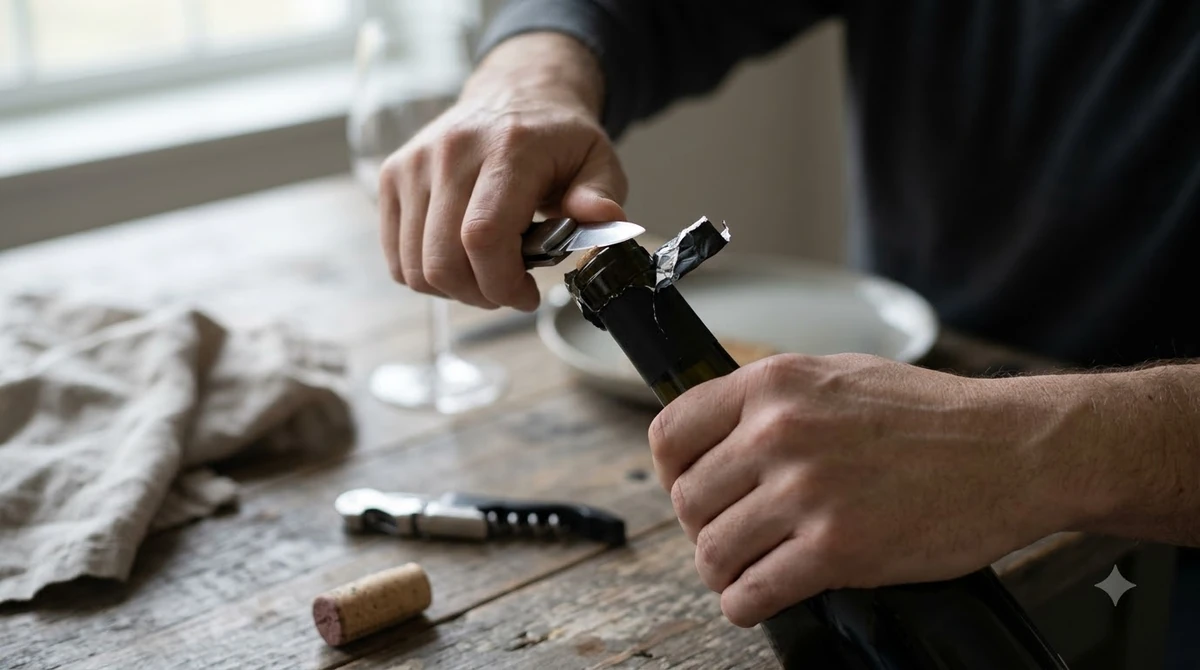
There is no need for an elaborate decanting routine for most young Pinot Noir. Open the bottle shortly before dinner and allow the wine to develop in the glass. Older or particularly delicate examples should be handled gently because excessive exposure to air can reduce their freshness.
Use the following serving figures as a practical reference:
| Serving detail | Recommendation |
|---|---|
| Light-bodied Pinot Noir | 55-60°F |
| Fuller-bodied Pinot Noir | 60-65°F |
| Standard wine pour | 5 ounces |
| Standard bottle size | 750 ml |
| Approximate glasses per bottle | 5 |
| Opened still wine in refrigerator | 3-5 days |
The temperature ranges above are useful general serving guidelines. For a delicate Pinot Noir, begin around 55°F rather than allowing the bottle to reach a typical warm dining-room temperature. A fuller example can tolerate a little more warmth.
Portion size is straightforward. A standard 750 ml bottle provides approximately five 5-ounce servings. For a dinner with two people, that is generally more than enough for a glass each with the main course and another small pour if desired.
Storage after dinner is also simple. Replace the cork or closure, refrigerate the remaining still wine, and aim to finish it within three to five days. Pinot Noir can be particularly sensitive to losing its delicate fruit character after extended exposure to oxygen.
Allow the pasta to reach the table while it is still hot, and pour the wine at its recommended temperature. This helps preserve the contrast between the warm, savory dish and the refreshing red wine.
Frequently Asked Questions
Does Pinot Noir go with spaghetti and tomato sauce?
Yes. Pinot Noir’s acidity and red-fruit flavors make it a suitable companion for marinara and other tomato-based sauces. A bottle with moderate body and fresh cherry or cranberry characteristics is a particularly useful choice for spaghetti al pomodoro.
Is Pinot Noir better than Chianti for spaghetti?
Neither wine is automatically better. Chianti is made primarily from Sangiovese and traditionally offers the lively acidity and savory character that suit tomato sauces. Pinot Noir provides a softer, less tannic alternative, especially when the pasta includes mushrooms, roasted vegetables, or lighter meat preparations.
Can Pinot Noir pair with spaghetti carbonara?
Yes, particularly when the carbonara contains pancetta or guanciale. The salty pork and creamy egg-based sauce provide richness that can complement Pinot Noir’s freshness. A lighter, less heavily oaked bottle is generally the better starting point.
Should Pinot Noir be opened before cooking spaghetti?
Opening the bottle approximately 15-30 minutes before serving gives the wine time to develop in the glass. Most young Pinot Noir does not require extended decanting. Older bottles may benefit from more careful handling because their delicate aromas can fade with excessive aeration.
Can Pinot Noir be used in spaghetti sauce?
Yes. A small amount of dry Pinot Noir can be added to a tomato or mushroom sauce to provide fruit and savory complexity. Add it during cooking and allow the wine to simmer so its flavors integrate with the other ingredients. Avoid using a sweet wine or one with excessive oak influence for a traditional savory sauce.
Pinot Noir is a versatile red wine for spaghetti, particularly when the dish features mushrooms, tomato sauce, meatballs, or savory herbs. Choose the bottle according to the sauce’s acidity, richness, and seasoning, then serve it slightly cool to preserve its freshness. With the right combination, Pinot Noir can make a simple spaghetti dinner feel carefully balanced and complete.
More in Food & Wine Pairing
 Risotto With White Wine Recipe: Make a Creamy Dinner at HomeUpdated Nov 20, 2026
 Wassail With Wine Recipe for a Festive Spiced Holiday DrinkUpdated Nov 20, 2026
 Spritz Veneziano Recipe: Make a Classic Venetian Aperitivo at HomeUpdated Nov 20, 2026
 Summer Wine Punch Recipe for Easy Homemade EntertainingUpdated Nov 20, 2026
 Bishop Recipe: How to Make a Bright, Citrus-Forward Red Wine CocktailUpdated Nov 20, 2026
 Wine Cupcakes Recipe: Bake Rich Chocolate Cupcakes at HomeUpdated Nov 20, 2026