

We may earn a commission when you buy through links on this page, at no extra cost to you. Learn more.
Cabernet sauvignon with salmon can work, especially when the fish is grilled, charred, or served with a rich, savory sauce that balances the wine’s tannins. However, it is not the easiest seafood pairing because Cabernet Sauvignon is generally full-bodied and high in tannin, while salmon has delicate flavors and naturally oily flesh. Choose a fruit-forward Cabernet with moderate oak influence, prepare the fish with substantial flavor, and avoid relying on a simple lemon-and-herb preparation to make the combination work.
Cabernet Sauvignon is traditionally associated with beef, lamb, and other substantial foods, but salmon offers an interesting alternative for people who prefer red wine with dinner. Its rich texture, firm flesh, and ability to develop smoky flavors during cooking give it more flexibility than many other fish. The important distinction is that salmon preparation matters considerably. A grilled fillet with mushrooms presents a different pairing opportunity from a gently poached portion with lemon. Understanding tannin, fat, acidity, cooking temperature, and seasoning makes it easier to decide when this unusual combination deserves a place at the table.
Why Cabernet Sauvignon and Salmon Can Be a Challenging Pairing
Cabernet Sauvignon and salmon have some compatible characteristics, but their structural differences make the combination less predictable than a classic red-wine-and-meat pairing. The wine’s substantial tannins and alcohol can overwhelm the fish, particularly when salmon is prepared simply without a strong sauce or browned exterior.
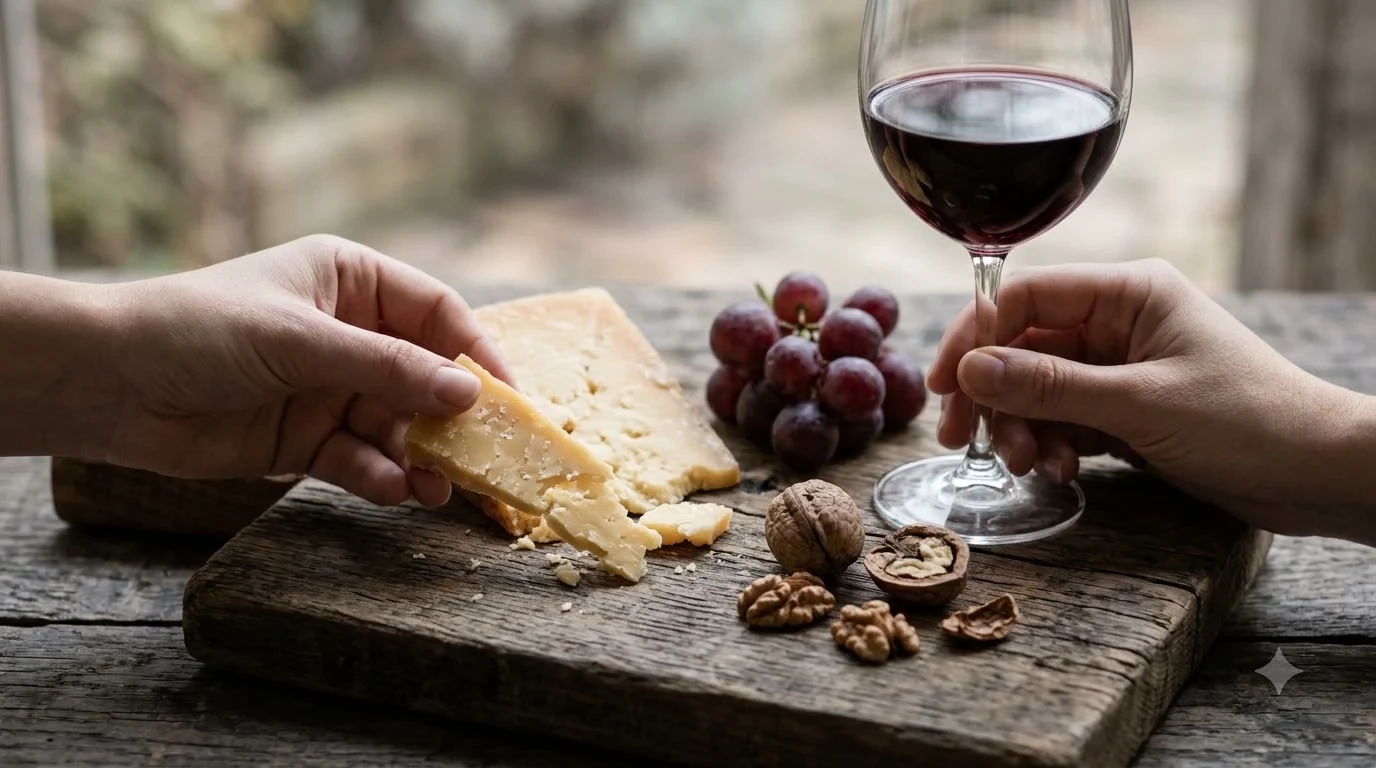
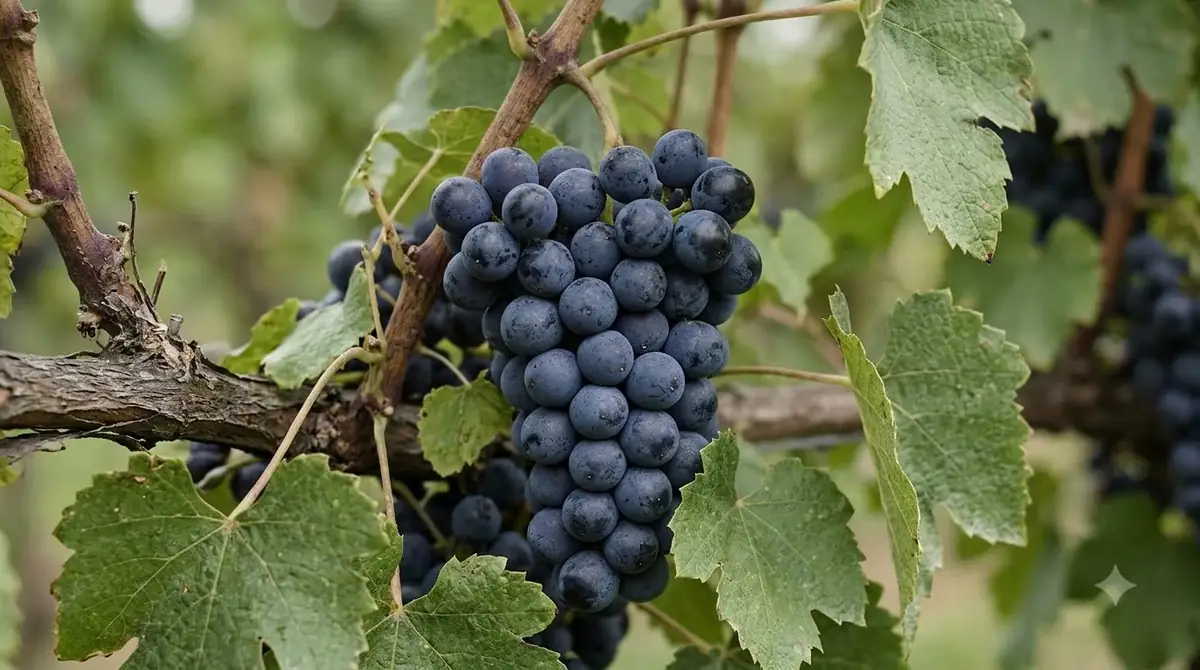
Cabernet Sauvignon typically has high tannin, noticeable acidity, substantial body, and flavors that can include blackcurrant, blackberry, cedar, tobacco, and baking spice. Its firm structure makes it especially suitable for foods with substantial protein, fat, and savory intensity. Salmon contributes natural oils, a buttery texture, and a flavor that varies according to its variety, origin, and cooking method. These qualities provide some support for red wine, but they do not eliminate the potential problems associated with strong tannins.
Tannin creates a drying sensation in the mouth. When paired with oily fish, particularly a delicate preparation, a powerful red wine can make the combination seem bitter, metallic, or excessively drying. The fish may lose its subtle sweetness, while the wine can seem harsher than it did before the meal. This is why lighter reds such as Pinot Noir are frequently recommended for salmon. They offer fruit and freshness without the same level of tannic grip.
Fat can help soften tannin perception. Educational material from Virginia Tech’s Department of Food Science and Technology explains that fats and oils tend to reduce the perceived astringency and harshness of young red wines. Salmon’s natural fat therefore offers one possible advantage, particularly when the fish is rich and served with butter or another savory ingredient. However, fat alone is not enough. A heavily tannic Cabernet can still overpower salmon if the seasoning, sauce, and cooking method lack sufficient intensity. Virginia Tech provides additional detail in its wine and food pairing principles.
The most useful approach is to treat Cabernet Sauvignon as a conditional pairing rather than a universal recommendation. It works best when the dish has enough flavor and texture to stand alongside the wine. If the salmon is mild, steamed, or poached, a crisp white or lighter red will usually produce a more balanced result.
Choose the Right Cabernet Sauvignon Style
The style of Cabernet Sauvignon matters as much as the salmon preparation. A fruit-forward wine with moderate oak and a less aggressive tannic structure is generally a better starting point than a powerful, heavily extracted bottle designed for rich red meat.
Cabernet Sauvignon from different regions can have noticeably different characteristics. Cooler growing conditions may produce wines with more pronounced freshness, firmer fruit character, and herbal notes, while warmer growing conditions can produce riper black-fruit flavors and a fuller impression of body. Winemaking decisions, including extraction, barrel aging, and blending, also affect how the finished wine behaves with food.
For salmon, look for a Cabernet Sauvignon that emphasizes ripe blackcurrant, cherry, or blackberry rather than excessive oak, bitterness, or drying tannin. Moderate alcohol can also make the pairing more comfortable. High alcohol can intensify the perception of warmth, especially when the salmon has chili seasoning or a sweet-spicy glaze.
A younger Cabernet may offer bright fruit and firm tannins, but it can be difficult alongside lightly cooked fish. A more developed bottle may have softer tannins and savory characteristics that complement grilled mushrooms, caramelized onions, and roasted vegetables. Age does not guarantee a successful match, however. Some older wines retain considerable structure, while others become more delicate and may lose the intensity needed for a strongly seasoned salmon dish.
Oak influence deserves particular attention. Vanilla, cedar, toast, and spice from barrel aging can complement smoke and char on grilled salmon. Excessive oak, however, can create a heavy combination in which neither the wine nor the fish feels particularly fresh. A balanced Cabernet is more useful than simply choosing the biggest bottle available.
Tip: If Cabernet Sauvignon is already open for dinner, choose grilled salmon with a browned exterior, mushrooms, and a savory butter-based accompaniment. This is generally a more promising combination than pairing the same wine with steamed salmon and lemon.
It also helps to understand how the grape compares with other popular varieties. Merlot generally has softer, medium tannins, while Pinot Noir has lower to medium tannin and high acidity. These differences explain why either variety may be easier to pair with salmon. For a comparison of another familiar combination, see our guide to Cabernet Sauvignon with chicken.
Match the Cooking Method to the Wine
Grilling, pan-searing, and roasting give salmon stronger flavors and more developed textures than gentle poaching. These cooking methods provide the best opportunities for Cabernet Sauvignon because browning and caramelization make the dish more substantial.
Grilled salmon: Grilling is one of the better ways to prepare salmon for Cabernet Sauvignon. Direct heat develops browned edges and a slightly smoky exterior, creating flavors that can stand up to the wine’s black fruit and oak characteristics. A moderately thick fillet with crisp skin is particularly useful because its texture remains substantial after cooking. Add grilled mushrooms or roasted shallots to strengthen the savory connection.
Pan-seared salmon: Pan-searing can produce a crisp surface while keeping the center moist. The browned crust supplies additional flavor and texture, helping the salmon stand alongside Cabernet’s firm structure. Use a small amount of butter near the end of cooking and consider adding thyme, rosemary, or sautéed mushrooms. Avoid making lemon juice the dominant flavor because a strongly acidic accompaniment can make the wine seem less balanced.
Oven-roasted salmon: Roasting can work when the fillet is thick and the seasoning is sufficiently substantial. A temperature of 400°F is a practical starting point for many home recipes, although cooking time depends on thickness and the desired degree of doneness. Garlic, black pepper, smoked paprika, and roasted vegetables provide additional savory depth. A plain roasted fillet with only salt and a little oil is less convincing with a powerful Cabernet.
Cedar-plank salmon: Cedar-plank cooking introduces an aromatic smoky character that can complement the toasted notes of barrel-aged wine. However, the fish remains relatively delicate if it is prepared with very little seasoning. Add mushrooms, roasted garlic, or a savory glaze to increase the dish’s intensity. Wine Enthusiast discusses the relationship between cedar-plank salmon and oak-aged Chardonnay, demonstrating why smoky preparation can influence wine selection even when a full-bodied Cabernet is not the most conventional option.
Poached or steamed salmon: These are generally the least suitable preparations for Cabernet Sauvignon. Gentle cooking preserves the fish’s delicate flavor and soft texture, leaving little protection against the wine’s tannins. A fresh Sauvignon Blanc, Riesling, or Chardonnay will usually be a more successful choice. If Cabernet is essential, serve it with another course rather than forcing it into a combination that lacks balance.
The cooking method should therefore be considered before opening the bottle. Grilled and pan-seared preparations offer the strongest starting point, while gentle cooking calls for a lighter wine. This simple distinction can prevent an otherwise enjoyable dinner from becoming an awkward pairing.
Build the Pairing Around Sauces, Seasonings, and Side Dishes
The sauce can make a significant difference to Cabernet Sauvignon and salmon. Rich, savory, and earthy accompaniments are generally more useful than sharp citrus sauces, while sweet and spicy preparations require extra care because alcohol and tannin can intensify chili heat.
Mushroom sauce: Mushrooms are among the most promising accompaniments for this combination. Their earthy, savory flavor provides an additional layer of intensity without requiring excessive sweetness or acidity. A sauce made with sautéed cremini mushrooms, shallots, garlic, thyme, and a small amount of butter can give the salmon enough depth to stand beside Cabernet Sauvignon. Avoid making the sauce excessively salty because salt can increase the perception of tannin in red wine.
Garlic and herb butter: Butter adds richness and can soften the drying impression of tannins. Garlic, rosemary, and thyme also create a savory flavor profile that works more naturally with Cabernet than a sharply acidic sauce. Use moderate amounts of herbs, since an overwhelmingly green or bitter seasoning can compete with the wine’s own herbal characteristics. A smooth butter sauce is generally preferable to a preparation dominated by lemon juice.
Red wine reduction: A carefully prepared reduction can provide a useful bridge between the wine and the fish. Shallots, stock, mushrooms, and a modest amount of Cabernet can create a savory sauce that reinforces the wine’s character. Keep the reduction balanced rather than excessively concentrated. Too much acidity, salt, or bitterness can make the final pairing feel harsh.
Teriyaki and soy glazes: These preparations are more complicated because they introduce sweetness and salt. A moderately sweet glaze can make a dry Cabernet taste less fruity and more bitter. Soy sauce can also emphasize tannin. If using teriyaki, keep the glaze restrained and include roasted or grilled ingredients that provide additional savory depth. A fruit-forward Pinot Noir or off-dry Riesling will generally be an easier alternative.
Chili and blackened seasoning: Strong heat is another reason to avoid powerful Cabernet Sauvignon. Alcohol and tannin can amplify the sensation of chili, making the food seem hotter and the wine more aggressive. If the salmon has a Cajun-style rub, reduce the chili intensity or choose a softer, fruit-forward wine. Blackened salmon is often better with Zinfandel or another fruit-driven red than with a heavily structured Cabernet.
Vegetable accompaniments: Roasted mushrooms, grilled eggplant, caramelized onions, and roasted bell peppers can make the plate more compatible with a full-bodied red. These ingredients contribute earthy, sweet, or smoky flavors that complement the wine. Asparagus, lemon-heavy salads, and strongly acidic tomato preparations are less reliable because their sharp or green characteristics may compete with Cabernet Sauvignon.
For a more traditional fish pairing, compare these choices with Sauvignon Blanc with salmon. Sauvignon Blanc generally offers higher acidity and fresh herbal or citrus characteristics, making it a more natural match for lemon, dill, and lighter preparations.
Compare Cabernet Sauvignon With Better Salmon Wine Alternatives
Cabernet Sauvignon is not automatically the best red wine for salmon. Pinot Noir, Merlot, Chardonnay, Sauvignon Blanc, and sparkling wines each offer advantages depending on the cooking method, seasoning, and sauce.
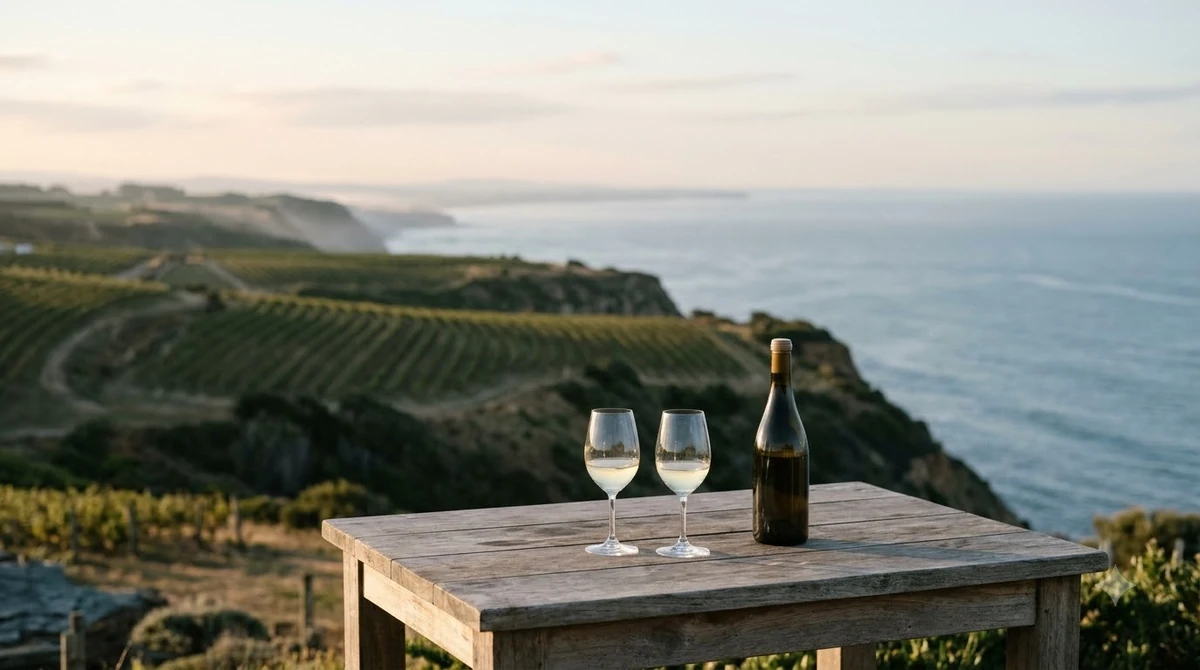
Pinot Noir is the most useful red-wine alternative for many salmon dishes. Its lower-to-medium tannin, high acidity, and red-fruit character generally complement the fish without overwhelming it. A Pinot Noir from Central Otago, New Zealand, for example, can provide the freshness and fruit needed for simply seared salmon. Merlot offers another option, with medium tannins and a softer profile that can work with roasted salmon and savory accompaniments.
For white wine, Chardonnay is particularly useful when salmon is served with butter, cream, or roasted vegetables. Its medium acidity and fuller texture can accommodate the richness of the fish. An oak-aged Chardonnay can also complement cedar-plank salmon because its toasted and nutty flavors echo the smoky cooking method.
Sauvignon Blanc is more suitable for salmon served with lemon, dill, parsley, or other fresh herbs. Its high acidity provides freshness alongside the fish’s natural oils. It is especially useful for poached salmon, lighter roasted preparations, and dishes with citrus-based sauces.
Sparkling wine deserves consideration for smoked salmon and fried salmon cakes. Champagne and Cava have lively acidity and bubbles that refresh the palate after salty or rich foods. Dry Riesling can also work with smoked salmon, particularly when the dish includes onion, capers, and lemon. These alternatives show why the sauce and preparation should determine the bottle rather than the fish alone.
| Wine style | Tannin or structure | Best salmon preparation | Pairing suitability |
|---|---|---|---|
| Cabernet Sauvignon | High tannin, full body | Grilled with mushrooms or savory sauce | Conditional |
| Merlot | Medium tannin, softer texture | Roasted or pan-seared | Good |
| Pinot Noir | Low-medium tannin, high acidity | Seared or grilled | Very good |
| Chardonnay | Medium acidity, medium-full body | Butter or cream sauce | Very good |
| Sauvignon Blanc | High acidity | Lemon and herb preparations | Very good |
| Dry Riesling | High acidity | Smoked or lightly seasoned salmon | Very good |
| Rosé Cava | High acidity, bubbles | Fried salmon cakes | Very good |
These descriptions are general pairing guidelines rather than guarantees for every bottle. Wine styles vary according to region, vintage, winemaking, and producer. A restrained Cabernet can be more approachable with salmon than a particularly powerful example, just as an unusually rich Chardonnay may feel heavier than expected.
For a broader look at how grape characteristics influence food choices, see our Grape x Food pairing guide. The same basic principles apply across different meals: match intensity, consider acidity, and pay attention to how fat, salt, sweetness, and spice change the perception of wine.
Serve Cabernet Sauvignon and Salmon at the Right Temperatures
Serving temperature affects how wine feels and tastes alongside food. Cabernet Sauvignon should be served slightly cooler than many room-temperature dining environments, while salmon should be served hot enough to retain its intended texture and flavor.
For a full-bodied red such as Cabernet Sauvignon, a serving temperature of 60–65°F is a useful target. Excessive warmth can make alcohol seem more prominent and the wine feel heavier. Serving it slightly cool can make its fruit and acidity more apparent while moderating the impression of richness. A bottle stored in a warm kitchen should therefore receive a short period in the refrigerator before serving.
Salmon is best served according to its preparation. Grilled and roasted portions should be allowed to rest briefly after cooking so the juices settle and the texture remains pleasant. Avoid leaving cooked fish sitting for an extended period while waiting for wine to reach its serving temperature. The two components should arrive at the table close together.
Glassware also affects the experience. A standard large-bowled red wine glass allows Cabernet Sauvignon to develop its aromas and gives enough room for swirling. Fill each glass with approximately 5 ounces rather than filling it to the rim. A standard 750 ml bottle provides approximately five such servings, making it practical for a dinner shared by several people.
Before dinner, consider tasting a small amount of Cabernet with a bite of salmon and its accompanying sauce. This helps reveal whether the wine’s tannins are overwhelming the fish or whether the savory preparation provides enough balance. If the combination feels too aggressive, switch to a lower-tannin wine rather than adding more seasoning to compensate.
Storage also matters if the bottle will not be finished. Keep unopened bottles in a cool, dark location near 55°F, ideally with consistent temperature and limited vibration. Store cork-finished bottles on their sides. Once opened, still wine generally keeps for approximately three to five days in the refrigerator when properly recorked or sealed, although its aromas and flavors may gradually decline.
Practical Menu Ideas for Cabernet Sauvignon With Salmon
A successful menu should give Cabernet Sauvignon enough savory flavor to complement without overwhelming the fish. The strongest combinations use browned surfaces, earthy vegetables, moderate seasoning, and sauces that avoid excessive acidity or heat.
Grilled salmon with mushroom butter: Start with a thick salmon fillet seasoned with black pepper, garlic, and a modest amount of salt. Grill until the exterior develops a browned surface, then finish with butter containing sautéed cremini mushrooms and thyme. Serve alongside roasted potatoes and grilled zucchini. This is one of the most practical ways to introduce Cabernet Sauvignon because the plate includes fat, savory depth, and smoky flavors.
Pan-seared salmon with roasted vegetables: Prepare salmon in a hot skillet, allowing the skin to become crisp before finishing the cooking process. Serve with roasted carrots, onions, and mushrooms. A small amount of garlic butter can bring the ingredients together. This preparation is suitable for a fruit-forward Cabernet with moderate tannin, particularly when the vegetables have developed caramelized edges.
Cedar-plank salmon with herbs: Use a cedar plank to introduce smoky aromas, then season the fish with garlic, black pepper, and rosemary. Serve with roasted mushrooms and a small portion of mashed potatoes. Choose a Cabernet that has restrained oak and enough fruit to complement the smoke. If the salmon is particularly delicate or the seasoning is minimal, Chardonnay may be the better choice.
Salmon with a savory shallot reduction: Pan-sear the fish and prepare a reduction using finely chopped shallots, stock, mushrooms, and a modest amount of Cabernet Sauvignon. Keep the sauce concentrated enough to provide savory flavor without becoming excessively acidic or bitter. Serve with roasted root vegetables. Using the wine in the sauce can create a connection between the glass and the plate, although the reduction should not become the dominant flavor.
Salmon with roasted eggplant and tomato: This is a more challenging preparation because tomato can introduce considerable acidity. Roast the eggplant until tender, season with garlic and herbs, and keep the tomato component restrained. A fuller, fruit-forward Cabernet may work if the preparation is savory rather than sharply acidic. For a tomato-dominant sauce, a softer Merlot or lighter red may provide better balance.
These menus are starting points rather than rigid recipes. A delicate wild salmon fillet may need less seasoning than a thick, rich farmed portion. Similarly, a sauce containing butter and mushrooms creates a different texture from one based on citrus or vinegar. Adjusting the wine to the finished plate is more reliable than selecting Cabernet simply because salmon is a substantial fish.
Frequently Asked Questions
Can you drink Cabernet Sauvignon with salmon?
Yes. Cabernet Sauvignon can accompany salmon when the fish has enough flavor and texture to stand alongside the wine. Grilled preparations with savory mushrooms, browned skin, and roasted vegetables are especially useful starting points. The combination is less successful with delicate poached salmon.
Why can Cabernet Sauvignon taste metallic with salmon?
The combination of strong red-wine tannins and oily fish can produce an unpleasant metallic or bitter impression. The effect is particularly noticeable when the fish is simply prepared and the wine has substantial tannic structure. Choosing a lower-tannin red such as Pinot Noir generally reduces this pairing difficulty.
Is Cabernet Sauvignon better with wild or farmed salmon?
Neither category guarantees a successful pairing because salmon varies by species, cut, and preparation. Farmed Atlantic salmon often has a richer texture, while different wild salmon varieties can range from relatively lean to richly flavored. A thick, flavorful fillet with a browned exterior is generally a more promising match than a delicate portion regardless of its origin.
Can Cabernet Sauvignon pair with salmon sushi?
Cabernet Sauvignon is generally a poor choice for traditional salmon sushi. Raw fish, seasoned rice, soy sauce, and wasabi create a delicate combination that can make a full-bodied red seem harsh. A mineral white such as Chablis or a crisp sparkling wine is a more suitable option.
Does decanting Cabernet Sauvignon improve its pairing with salmon?
Decanting can help some young, full-bodied Cabernet Sauvignon wines become more expressive, but it does not remove their tannins or fundamentally change their structure. A period of approximately 30–60 minutes is a reasonable starting point for a young, powerful red. If the wine remains too tannic with the fish, choosing a softer style is more effective than extending the decanting time.
Cabernet Sauvignon and salmon can make an enjoyable combination when the fish is grilled, pan-seared, or served with rich, savory accompaniments. The best results come from choosing a fruit-forward wine with manageable tannins and avoiding preparations dominated by delicate flavors, sharp citrus, or chili heat. If the salmon is lightly seasoned, Pinot Noir, Chardonnay, or Sauvignon Blanc will usually be the more dependable choice.
For a dinner built around Cabernet Sauvignon, focus on browned salmon, mushrooms, roasted vegetables, and a balanced sauce. These details give the wine a better opportunity to complement the meal while allowing the fish to remain the centerpiece.
More in Food & Wine Pairing
 Risotto With White Wine Recipe: Make a Creamy Dinner at HomeUpdated Nov 20, 2026
 Wassail With Wine Recipe for a Festive Spiced Holiday DrinkUpdated Nov 20, 2026
 Spritz Veneziano Recipe: Make a Classic Venetian Aperitivo at HomeUpdated Nov 20, 2026
 Summer Wine Punch Recipe for Easy Homemade EntertainingUpdated Nov 20, 2026
 Bishop Recipe: How to Make a Bright, Citrus-Forward Red Wine CocktailUpdated Nov 20, 2026
 Wine Cupcakes Recipe: Bake Rich Chocolate Cupcakes at HomeUpdated Nov 20, 2026