

We may earn a commission when you buy through links on this page, at no extra cost to you. Learn more.
Merlot with salmon is a reliable pairing when you choose a soft, medium-bodied Merlot with moderate oak and match it to how the fish is cooked. Merlot carries less tannin than Cabernet Sauvignon, so it avoids the harsh edge that bold reds leave on oily fish. Grilled, seared, and lightly smoked salmon usually suit it best, while very spicy glazes and heavy cream sauces call for a different wine. The sections below explain which Merlots to pick, which preparations work, and which combinations to skip.
Salmon is one of the richest fish on the menu, and that natural oiliness is what makes wine matching tricky. Rich, oily fish generally pairs best with full-bodied whites, but salmon is flexible enough to take a red when the red is soft and low in tannin. Merlot sits in that middle ground. It is lighter than Cabernet Sauvignon and firmer than Pinot Noir, so the details of the bottle and the dish matter more than the grape name alone. If you want the broader logic behind matching grapes to dishes, our Grape x Food guide covers the basics that apply to every pairing in this article.
Why Merlot Can Stand Up to Salmon
Merlot’s position between Pinot Noir and Cabernet Sauvignon gives it room to match fish that a big Cabernet would overwhelm.
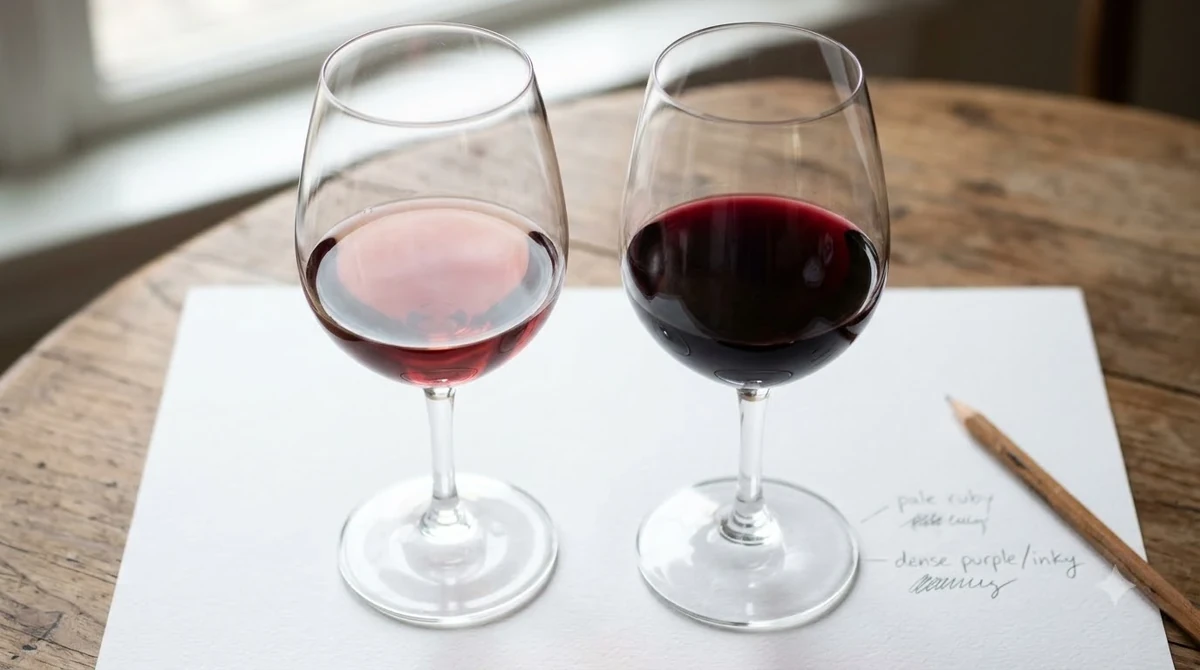
The clearest explanation comes from the Merlot food pairing guide from Capstone California, which notes that Merlot ripens early. That early ripening gives the grape lighter weight and higher acidity than Cabernet Sauvignon, and the guide credits that combination with the wine’s flexibility at the table. Acidity matters with salmon because it cuts through the fish’s fat and keeps the palate fresh between bites. Lower tannin matters for the same reason, since firm tannin is the element most likely to clash with oily flesh.
The same guide lists salmon, tuna, prawns and scallops as seafood that can be a strong match for Merlot. It singles out preparations that include cured meats such as pancetta, prosciutto, or Spanish jamón, because the salty, savory layer gives the wine a meaty counterpart. For a home cook, that opens up an easy upgrade. Wrap a salmon fillet in thin prosciutto or lay a few strips of pancetta alongside it, and the wine gets a savory partner to lean on.
Not every Merlot earns that role. The Capstone guidance says the supremely soft, easy-drinking examples can be treated like Pinot Noir, especially with fish. In practice, a Merlot with ripe red fruit, modest tannin, and restrained toast will feel friendly beside salmon, while a dense, heavily tannic bottle will taste drying and bitter. The style of the bottle decides the match more than the grape name on the label does.
Choosing a Merlot Style That Suits Salmon
The best bottles for salmon are leaner, lightly oaked, and fruit-forward rather than sweet, heavy, or heavily toasted.
Capstone advises against Merlots that are fat and sweet, or too heavily oaked, when you want them to match fish or vegetables with green character. It recommends a leaner European style, with French or Italian examples as the safer starting point, because those bottles tend to show less oak and more restraint. New World Merlots can still work, but the bottle needs bright fruit and only a light touch of wood. Look for a young, light-framed wine with minimal oak, since that profile sits closest to the Pinot Noir style that Decanter’s experts favor for seared salmon.
The table below compares typical profiles and serving ranges. The serving figures follow standard guidance for light and full reds, which is why a soft Merlot is usually served a little cooler than a structured one.
| Wine style | Typical tannin | Acidity | Serving range | Fit with salmon |
|---|---|---|---|---|
| Soft, lightly oaked Merlot | Medium-low | Higher than Cabernet | 55-60 F | Strong |
| Structured, oaked Merlot | Upper end of medium | Higher than Cabernet | 60-65 F | Weak |
| Pinot Noir | Low to medium | High | 55-60 F | Strong |
| Cabernet Sauvignon | High | Lower than Merlot | 60-65 F | Poor |
Read the table as a starting point rather than a rulebook. A Merlot with dense fruit and firm tannin can still work with a rich salmon dish, but it needs a gentler preparation and a sauce with some lift to keep the match balanced.
How Salmon Preparation Changes the Match
Preparation decides how much fat, smoke, sweetness, and spice the wine has to handle, so start with the cooking method before you open a bottle.

Grilled and Seared Salmon
Grilled salmon is the most natural match for Merlot. The Capstone guide notes that Merlot goes beautifully with grilled and charred foods, and its advice on fire is practical: tuck fresh herbs into the heat source, such as a sprig of rosemary on the coals, so the wine echoes the same herbal notes in the dish. Seared salmon with crisp skin points in a similar direction. Decanter’s salmon pairing guide favors a chilled Pinot Noir for seared fish because the wine picks up the richness of the fish and its caramelized crust. A Merlot with soft tannin and light oak can play the same role, especially when the fillet is cooked hot and fast.
Smoked Salmon
Smoked salmon is salty, smoky, and rich, and it asks for a wine with enough acidity and flavor to keep up. Wine Folly suggests bolder rosé or sparkling wine for this style, and that is the safer route when smoked salmon arrives with cream cheese, capers, and toast. A heavily oaked Merlot can taste sharper next to smoke, since the Capstone guide warns that smoking highlights the oakier parts of an oak-aged wine. If you still want a Merlot, choose a soft, lightly oaked bottle and keep the rest of the plate simple. For a classic bubbly option, see our guide to champagne with smoked salmon.
Teriyaki and Glazed Salmon
Sweet glazes change the equation. Wine Folly’s notes on teriyaki and glazed salmon point to wines with some sweetness or aromatic lift, including off-dry Lambrusco, dry Riesling, Gewürztraminer, and Muscat Blanc. A dry Merlot tends to taste thinner beside a sweet glaze, so the practical moves are to keep the sauce light, choose a Merlot with ripe fruit, or switch to one of those alternatives. Ginger and soy glazes work better with a bottle that has enough fruit to stand up to the sugar.
Sauces, Sides and Ingredients That Match Merlot
Merlot does best with sauces that bring acidity and herbs, and with sides that have green or earthy character.
The Capstone guide lists sharp ingredients as Merlot’s natural partners: mild citrus, green vegetables, onion and garlic, and tomatoes. A squeeze of lemon over a grilled fillet or a fresh tomato salsa on the side fits that pattern without overwhelming the wine. Mushrooms and fresh tart herbs such as tarragon and thyme are another strength, and the guide says Merlot feels more at home with these earthy flavors than Cabernet Sauvignon does. A cucumber and dill sauce works in the same spirit, adding the herbal lift that Merlot handles well.
Yogurt-based sauces are another strong choice. The Capstone guide notes that yogurt, tart herbs, and pomegranate marinades work well with Merlot because their acidity echoes the wine. A salmon fillet marinated briefly in yogurt with tarragon and lemon zest suits that logic well. Vegetables need more care. Fennel, eggplant, radicchio, chard, and broccoli can suit Merlot’s green character, but the guide recommends adding butter or another protein such as nuts so the side dish carries enough weight.
Creamy sauces need more thought. Decanter notes that salmon in cream or butter calls for brisk acidity or a fresh, oak-influenced white, and an unoaked Chablis is a reliable choice there. A soft Merlot can still work if the sauce is light and sharp, such as a lemon-dill cream, but a heavy, rich sauce pushes the match toward white wine. The same acid-first logic explains why merlot with chicken tends to succeed with herb-driven, lightly acidic dishes rather than rich cream sauces.
Pairings That Clash With Merlot and Salmon
Spicy heat, delicate preparations, and heavy tannin are the three things most likely to undermine the match.
Heat is the most common problem. The Capstone guide explains that capsaicin raises the perceived alcohol in wine and makes tannin feel more bitter and astringent, so a Merlot served with a fiery salmon taco or a blackened fillet can taste hot and harsh at the same time. When the spice is strong, Decanter’s experts suggest a Riesling from Germany or a Pinot Gris from Alsace, which handle ginger, garlic, and wasabi more gracefully. Spice is not the only issue. A Decanter wine buyer calls a full-bodied red with salmon a clear no, because heavy wine can overwhelm both the bottle and the fish.
Delicate preparations are the second trap. The Capstone guide says Merlot is too bold for subtle dishes, so a lightly poached fillet with a little lemon and herbs can get lost under the wine. A lighter, fruit-led wine usually does better there. For a richer white in the same spirit, see our chardonnay with salmon guide. The third issue is tannin. Wine Folly advises choosing a low-tannin red with salmon, because firmer tannin can make the pairing taste metallic. That is why its lists favor Beaujolais and other light, low-tannin reds over big, structured bottles.
Tip: If the plate is plain, steamed, or very lean, the Merlot will taste harsher. Add a little butter to the vegetables, a sprinkle of toasted nuts, or a few slices of prosciutto to give the wine something to lean on.
Serving and Storing Merlot for a Salmon Dinner
Serve the Merlot slightly cool and pour a measured glass, so the wine stays fresh and does not dominate the fish.
Light reds are typically served between 55 and 60 F, while full reds sit between 60 and 65 F. A soft Merlot does well at the cooler end of that range, which keeps its fruit lively and its acidity crisp next to the fish. A structured bottle can go a few degrees warmer, but it should still sit well below room temperature. For pouring, a standard 5 oz serving gives about five glasses from a 750 ml bottle, a useful number when you are planning a dinner for several guests.
Decanting is optional for most soft Merlots, since they open quickly in the glass. Young, structured bottles benefit from 30 to 60 minutes in a decanter, which helps the tannin settle and the aromas come forward. Keep unopened bottles on their side in a cool, dark spot near 55 F, and reseal any leftover wine with a stopper so it holds its character for the next meal.
Frequently Asked Questions
Is merlot with salmon a common pairing?
Pinot Noir is the red that most salmon pairing guides mention first, so Merlot is less traditional than it deserves to be. Wine Folly also lists Prieto Picudo, a Spanish red, among the low-tannin reds it suggests for salmon. Choosing a soft Merlot is still a reasonable way to bring a familiar red to the table.
Which merlot is the safest pick for a weeknight salmon dinner?
Start with a leaner European Merlot with minimal oak and bright red fruit. If you want a backup red with similar lightness, Wine Folly names the Valpolicella blend as a low-tannin option for salmon, and that style is built mainly on the Corvina grape. Serve either bottle around 55 to 60 F.
Can I serve merlot with salmon sushi?
Merlot is not on the lists that Decanter’s experts use for salmon sushi. They recommend crisp, mineral whites such as Chablis and Muscadet, which balance the fish and the rice. Japan’s Koshu grape is their regional alternative, so a red is a harder sell with raw salmon.
What white does Decanter suggest for salmon in a creamy sauce?
Decanter names Greek Assyrtiko, whose electrifying acidity makes it a useful foil for cream or butter sauces. Bone-dry Muscadet from the Loire Valley and a pale pink Provence rosé are also suggested. Those choices cut through richness in a way that a heavy red cannot.
How long does opened merlot keep in the fridge?
Opened still wines generally keep for three to five days in the fridge, and Merlot is a still wine, so plan to finish it within that window. Fortified wines last considerably longer, often several weeks. Recork the bottle tightly and store it upright in the fridge to slow oxidation.
Merlot with salmon works best when the wine is soft and low in tannin, the fish is cooked simply or with herbs, and the sauce brings acidity rather than heavy cream or fiery heat. When in doubt, start with a lighter, lower-tannin Merlot and adjust from there.
More in Food & Wine Pairing
 Risotto With White Wine Recipe: Make a Creamy Dinner at HomeUpdated Nov 20, 2026
 Wassail With Wine Recipe for a Festive Spiced Holiday DrinkUpdated Nov 20, 2026
 Spritz Veneziano Recipe: Make a Classic Venetian Aperitivo at HomeUpdated Nov 20, 2026
 Summer Wine Punch Recipe for Easy Homemade EntertainingUpdated Nov 20, 2026
 Bishop Recipe: How to Make a Bright, Citrus-Forward Red Wine CocktailUpdated Nov 20, 2026
 Wine Cupcakes Recipe: Bake Rich Chocolate Cupcakes at HomeUpdated Nov 20, 2026