

We may earn a commission when you buy through links on this page, at no extra cost to you. Learn more.
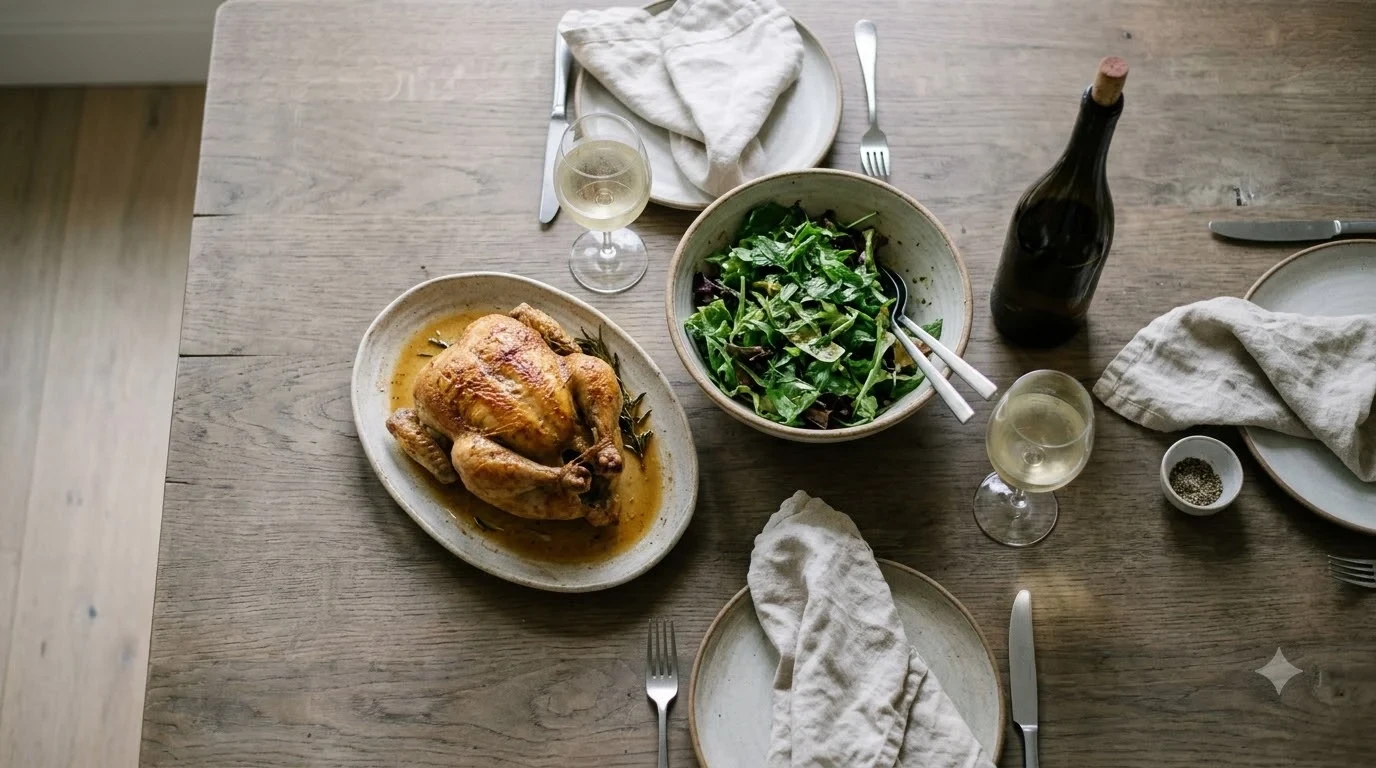
Malbec with turkey works especially well with roasted dark meat, mushroom gravy, savory stuffing, and earthy side dishes because the wine’s dark fruit, moderate tannins, and full body complement richer turkey preparations. The best choice is usually a fruit-forward Malbec or a structured but balanced Cahors Malbec from southwestern France. However, lean turkey breast and sweet cranberry sauce require more attention because a powerful, tannic red can overwhelm delicate meat or clash with sweet accompaniments. Choosing the right style and balancing the entire plate makes Malbec a satisfying alternative to traditional lighter turkey wines.
Turkey is often associated with Pinot Noir, Chardonnay, and Riesling, but red wine drinkers do not have to avoid fuller-bodied options at Thanksgiving or Christmas. Malbec offers dark cherry, plum, blackberry, and sometimes chocolate or pepper notes that complement roasted poultry when the preparation has enough flavor to stand alongside the wine. Its versatility depends on the cut of turkey, cooking method, accompanying sauces, and the particular Malbec in the glass. Understanding those differences makes it easier to decide whether this Argentine and French grape belongs on your holiday table.
Why Malbec Works With Roasted Turkey
Malbec can complement turkey because its ripe fruit and moderate tannins provide enough flavor for savory roasted meat without necessarily producing the aggressive dryness associated with some powerful red wines. The strongest matches are usually dark turkey meat, browned skin, and dishes with mushrooms, herbs, or rich gravy.
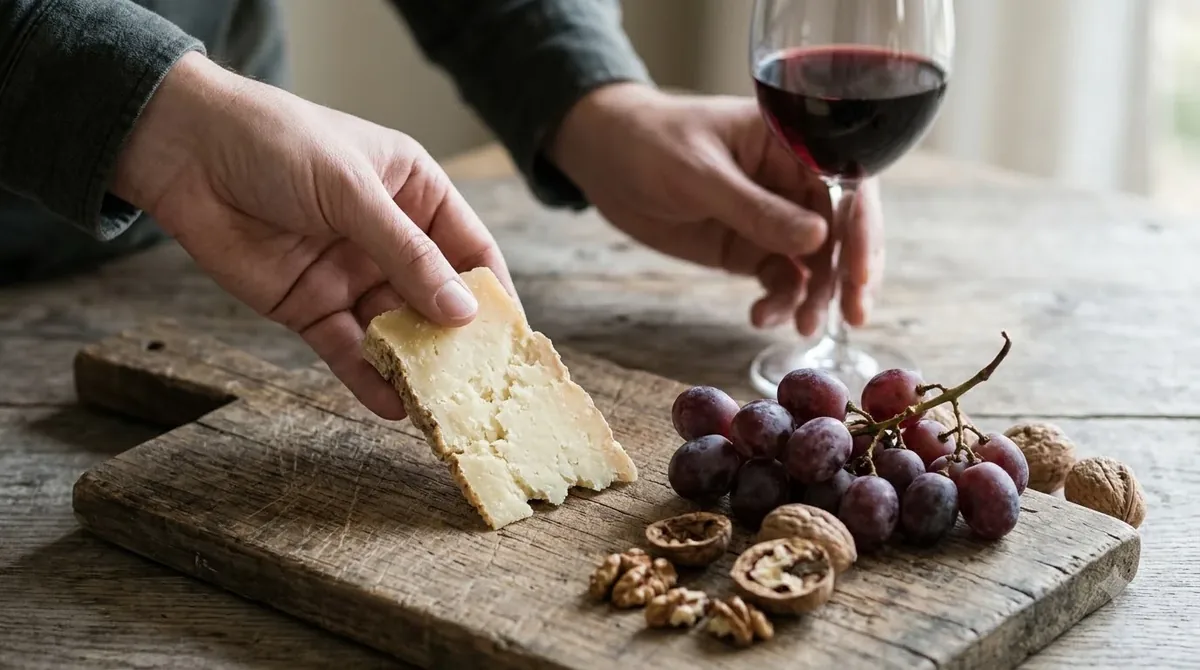
Malbec is typically a dry red wine with a full body, medium tannins, and medium-low acidity. These characteristics give it a substantial presence at the table. Its familiar flavors include plum, blackberry, dark cherry, vanilla, cocoa, and baking spices. Depending on the producer and growing region, additional aromas can include black pepper, tobacco, leather, or earthy notes.
Those characteristics explain why Malbec works particularly well with turkey that has been roasted until the skin is golden brown. Browning develops deeper savory flavors, while the meat and its natural juices provide more intensity than simply poached or steamed poultry. The wine’s dark fruit can complement those roasted flavors without requiring an especially fatty piece of meat.
Turkey’s relatively mild flavor does impose a limit. A heavily extracted Malbec with substantial alcohol, concentrated fruit, and noticeable oak can overpower plain turkey breast. A balanced bottle with moderate tannins and fresh fruit is generally a better choice for a mixed holiday plate than the biggest, most powerful red available.
There is also an important distinction between pairing the wine with turkey itself and pairing it with the complete meal. Mushroom gravy, sausage stuffing, roasted root vegetables, and buttery potatoes add intensity that makes Malbec more appropriate. Conversely, delicate vegetables and lightly seasoned white meat may benefit from a lighter wine.
For readers comparing several possibilities, Grape x Food pairing principles provide a useful starting point. Matching intensity, acidity, sweetness, and texture is more reliable than choosing wine based on the main protein alone.
Argentine Malbec Versus French Cahors
Argentine Malbec and French Cahors offer different approaches to turkey pairing. Argentine examples commonly emphasize ripe dark fruit and smooth texture, while Cahors wines can provide a firmer, more savory structure that suits roasted dark meat and richly seasoned holiday dishes.
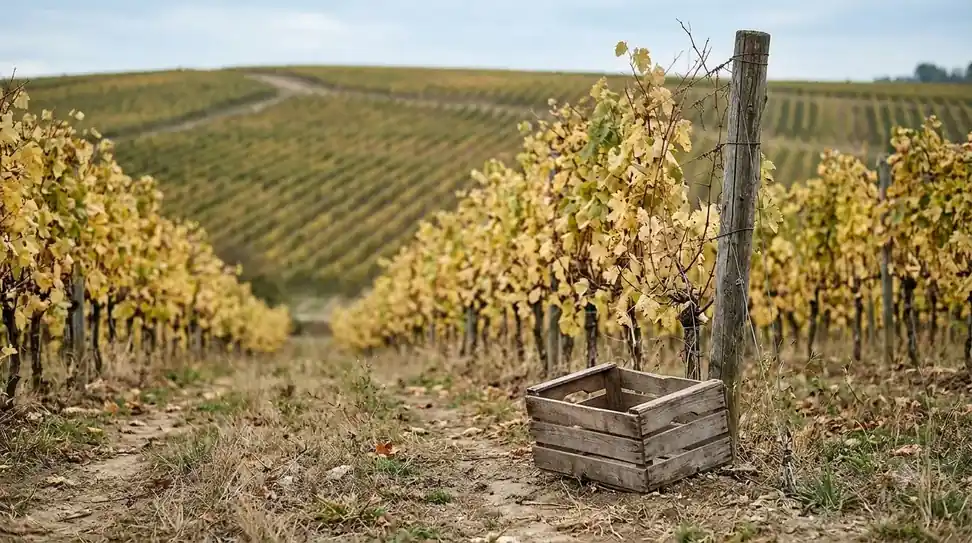
Argentina is particularly associated with Malbec, and Mendoza is its most prominent growing province. Wines of Argentina describes the country’s Malbec as a versatile grape with regional expressions that reflect differences in climate, altitude, and growing conditions. Many Argentine bottles feature ripe plum, blackberry, cherry, and baking spice, with oak-aged examples sometimes showing vanilla, coffee, and chocolate.
These flavors make Argentine Malbec a natural option for turkey cooked with rosemary, thyme, black pepper, and garlic. Its ripe fruit complements the savory character of roasted meat, while a balanced wine can work alongside mushroom gravy and stuffing. For a holiday meal with several substantial side dishes, an approachable Mendoza Malbec is a useful starting point.
Cahors, in southwestern France, offers a different profile. The region is historically associated with Malbec, locally called Côt, and its wines can have darker fruit, earthy characteristics, spice, and more pronounced tannins. A well-balanced Cahors bottle can be especially successful with turkey thighs, roasted legs, and deeply flavored gravy. Decanter’s Malbec grape profile explains the contrast between Argentina’s fruit-forward expressions and Cahors’ traditional structure.
The differences are not absolute. Argentine Malbec can be structured and savory, while Cahors can also produce approachable wines with generous fruit. Producer, vintage, vineyard conditions, and winemaking choices all influence the finished wine.
Use the following comparison as a practical starting point:
| Wine characteristic | Argentine Malbec | Cahors Malbec |
|---|---|---|
| Common fruit profile | Plum, blackberry, cherry | Dark cherry, blackberry, plum |
| Additional flavors | Vanilla, chocolate, baking spice | Earth, spice, smoke, leather |
| Tannin impression | Often moderate and rounded | Can be firmer and more pronounced |
| Turkey match | Roasted turkey with herbs | Dark meat and mushroom gravy |
| Useful side dishes | Roasted carrots and savory stuffing | Earthy mushrooms and buttery potatoes |
| Serving temperature | 60–65°F | 60–65°F |
| Decanting starting point | 30 minutes | 30–60 minutes for young, structured examples |
These are general style comparisons rather than strict regional rules. If the meal includes mostly white turkey meat and delicate sides, choose the softer, fruit-forward example. If the menu features dark meat, sausage stuffing, and mushroom gravy, a more structured Cahors can be an excellent match.
Turkey Breast, Dark Meat, and Different Cooking Methods
The cut and preparation of turkey can change the ideal Malbec considerably. Dark meat and browned skin provide the richest match, while lean breast meat generally calls for a softer, less concentrated red with restrained tannins.
Turkey breast is relatively lean and mild. A full-bodied Malbec can dominate it, particularly when the meat is roasted without a strong seasoning crust or substantial sauce. If breast meat is the main attraction, choose a fresh, fruit-forward Malbec with moderate alcohol and less noticeable oak.
Dark meat from the thighs and legs has a richer texture and more developed savory flavor. It can support a more structured wine, especially when roasted with garlic, thyme, rosemary, or black pepper. This is where Cahors Malbec becomes particularly interesting, as its earthier notes can complement the roasted character of the meat.
Roasting also creates an opportunity for a stronger pairing. Golden-brown skin and caramelized edges contribute flavors that echo the darker fruit and spice in Malbec. A pan sauce made from turkey drippings can further connect the wine and food, especially when mushrooms or roasted shallots are included.
Smoked turkey is another possibility. The smoky character can complement an earthy or oak-influenced Malbec, although a very powerful wine may become tiring alongside heavily smoked meat. A juicy Argentine example with noticeable fruit is usually a safer choice than an especially tannic bottle.
Deep-fried turkey presents a different challenge. The crisp skin and added richness call for freshness and palate-cleansing acidity. Malbec can work with a moderately seasoned preparation, but sparkling wine or a lively white wine may provide a more refreshing contrast.
For a mixed platter containing breast, thighs, and legs, choose a medium-weight, fruit-forward Malbec rather than the most concentrated style. Serve the wine alongside the richer cuts and allow guests who prefer breast meat to pair it with lighter accompaniments.
Preparation matters more than the name of the cut alone. A turkey breast with dark mushroom gravy can handle more wine intensity than a plain thigh served with a delicate vegetable broth. Seasoning, browning, sauces, and fat content all influence the final match.
Thanksgiving Sides That Complement Malbec
The strongest Malbec pairings often come from the side dishes rather than the turkey itself. Mushrooms, savory stuffing, roasted potatoes, browned vegetables, and herb-based sauces provide the depth needed to match the wine’s fruit and tannin.
Mushroom gravy: This is one of the most dependable combinations. Mushrooms contribute earthy, savory flavors that connect naturally with Malbec’s dark fruit and occasional earthy or smoky notes. A gravy made with roasted mushrooms, turkey drippings, and herbs adds richness without requiring an overly tannic wine.
Sausage stuffing: Sausage, toasted bread, onions, celery, sage, and black pepper create a flavorful stuffing that can stand up to a full-bodied red. Malbec’s fruit provides contrast to the savory meat, while its structure works with the stuffing’s richer texture. Cornbread stuffing can also work, provided it is primarily savory rather than noticeably sweet.
Roasted potatoes: Crispy edges and buttery interiors complement the texture and body of Malbec. Potatoes seasoned with rosemary, thyme, and garlic are particularly suitable because the herbal flavors echo the seasoning often used on roasted turkey.
Roasted mushrooms: Portobello, cremini, and other earthy mushrooms can reinforce the savory side of Malbec. Roasting concentrates their flavor and produces browned edges that work particularly well with wines showing dark fruit and spice.
Carrots and parsnips: Roasted root vegetables can work when their natural sweetness is balanced with savory seasoning. Rosemary, black pepper, and a little olive oil help keep the dish compatible with a dry red. However, heavily honey-glazed vegetables can make a dry Malbec seem more acidic or bitter.
Green vegetables: Brussels sprouts, green beans, and other vegetables can be served with Malbec, but their preparation matters. Roasting Brussels sprouts with garlic and a little butter gives them a richer profile than simply boiling them. Very bitter vegetables may make a red wine’s tannins seem more pronounced.
Blue cheese is another interesting option for the broader holiday table. Its fat and salt can soften the drying impression of tannins, while its strong flavor can stand alongside Malbec’s dark fruit. A small cheese course with blue cheese, aged Gouda, or Manchego can extend the wine pairing beyond the main meal.
For a cohesive menu, use rosemary, thyme, mushrooms, roasted garlic, and black pepper across several dishes. These shared savory flavors make the wine feel connected to the entire plate rather than competing with individual ingredients.
Tip: If you are choosing just one Malbec for Thanksgiving, build the menu around savory flavors. Mushroom gravy, sausage stuffing, roasted potatoes, and herb-seasoned dark turkey are more dependable matches than sweet cranberry dishes and heavily glazed vegetables.
Cranberry Sauce, Sweet Potatoes, and Other Difficult Pairings
Sweet and acidic side dishes are the main challenges for Malbec at a traditional holiday dinner. Dry red wine can taste less fruity and more bitter alongside sugary foods, while highly acidic ingredients can make a wine with moderate acidity seem flat or unbalanced.
Cranberry sauce is particularly important because it combines fruit sweetness with considerable tartness. A homemade sauce made with fresh cranberries and modest added sugar may be easier to pair than a very sweet canned preparation, but either can create problems for a dry Malbec.
The basic sweetness principle is that the wine should be at least as sweet as the food when pairing wine directly with a sweet dish. Most Malbec is dry, so it will not necessarily complement a sweet cranberry sauce. The sauce may make the wine seem more austere, less fruity, or unexpectedly bitter.
There are several ways to manage this problem without removing cranberry sauce from the menu. Serve it in a separate portion rather than spreading it across the entire plate. Keep the Malbec with the roasted turkey, gravy, and stuffing, and use a sweeter or higher-acid alternative for bites dominated by cranberry.
Sweet potato casserole can present a similar issue. A preparation topped with brown sugar, marshmallows, or a sweet glaze is not an ideal companion for dry Malbec. A savory version seasoned with black pepper, herbs, and a modest amount of butter is considerably easier to pair.
Honey-glazed carrots and sweet roasted parsnips also deserve attention. Their sweetness can make a dry red seem sharper. Keeping these dishes moderately sweet and adding savory elements such as rosemary or thyme helps maintain a better balance.
Vinegar-based salads and strongly acidic dressings are another consideration. Because Malbec generally has medium-low acidity, a sharply acidic dressing can make the wine seem softer and less refreshing by comparison. A lightly seasoned salad with olive oil is usually a better choice.
Spicy dishes require additional care. Chili heat can become more noticeable with alcoholic and tannic wines. A heavily peppered turkey rub may work well with Malbec, but a dish containing substantial hot chili, cayenne, or hot sauce can make the wine seem hotter and more aggressive.
There is no need to eliminate every challenging side dish from a holiday menu. Instead, keep the Malbec focused on the savory portions and provide another wine for guests whose plates are dominated by sweeter or sharper flavors.
Serving Temperature, Decanting, and Pouring Malbec
Malbec is best served slightly cool rather than warm at typical room temperature. A target of 60–65°F helps preserve freshness, maintain balanced alcohol, and show the wine’s fruit and spice without making it feel heavy.
Serving temperature has a noticeable effect on the experience. When Malbec is too warm, alcohol can become more prominent, and the wine may seem heavier alongside turkey. Excessive chilling, on the other hand, can suppress fruit aromas and make tannins feel firmer than expected.
For a practical approach, place the bottle in the refrigerator for approximately 20 minutes before serving if it has been stored at a typical indoor temperature. Use a wine thermometer if available, particularly when serving a structured Cahors or a concentrated Argentine bottle.
Decanting can also help. A young, full-bodied Malbec often benefits from approximately 30 minutes of exposure to air. More structured young examples may benefit from 30–60 minutes, although the ideal time varies by wine.
Decanting gives the wine an opportunity to release aromas and can make its initial structure seem more approachable. It is not a guaranteed way to remove tannins, and older bottles should be handled more carefully because extended exposure to air may cause delicate aromas to fade.
Choose a large-bowled red wine glass to give the wine room to release its aromas. A glass with a reasonably wide bowl and narrower opening is useful for concentrating fruit and spice aromas while allowing comfortable swirling.
Pour approximately 5 ounces per glass. A standard 750 ml bottle provides about five such servings, making it straightforward to estimate quantities for a holiday gathering. For eight adults each having two glasses, approximately four bottles would provide a comfortable margin: eight guests multiplied by two 5-ounce servings equals 80 ounces, requiring slightly more than three 750 ml bottles.
Open the wine before guests sit down if decanting is part of the plan. This allows the Malbec to develop while the turkey is carved and the side dishes are brought to the table. Serve it with the main course rather than waiting until dessert, when the dry wine may seem particularly austere beside sweet foods.
If there is leftover wine, recork the bottle and refrigerate it. Most opened still wines are best enjoyed within approximately 3–5 days when stored properly, although their aromas and flavors gradually change after opening.
When to Choose Another Wine for Turkey
Malbec is a good option for flavorful roasted turkey, but it is not the most suitable wine for every holiday plate. A lighter red or an aromatic white can be a better choice when the meal emphasizes lean breast meat, sweet accompaniments, delicate vegetables, or bright acidic sauces.
Pinot Noir is one of the most dependable alternatives. It typically has lower-to-medium tannins and higher acidity than Malbec, with red fruit flavors that work well with turkey breast, roasted poultry, and cranberry-accented dishes. Its lighter structure is less likely to overwhelm mild meat.
Chardonnay is another useful option. A medium-bodied Chardonnay can complement turkey with buttery potatoes, creamy gravy, and herb-based stuffing. Its texture gives it enough weight for a substantial holiday meal without the tannic structure of a red wine. For more detail, see our guide to Chardonnay with turkey.
Riesling is particularly helpful when sweet dishes dominate the plate. An off-dry example has enough sweetness to complement cranberry sauce and glazed root vegetables while its high acidity keeps the wine refreshing beside savory foods.
Zinfandel is worth considering for smoked turkey and dishes with strong seasoning. Its ripe fruit and spice can match barbecue-style preparations, although its alcohol and intensity should be considered when the turkey has substantial chili heat. Our article on Zinfandel with turkey explains the differences in more detail.
Cabernet Sauvignon is another possibility for guests who prefer powerful red wines, but its high tannin can be more challenging with lean turkey and sweet holiday sides. A mature, balanced example may be more appropriate than a young, heavily structured bottle. See Cabernet Sauvignon with turkey for additional pairing considerations.
Decanter’s turkey pairing recommendations also include Gamay, mature Bordeaux blends, and Rioja Gran Reserva. These styles demonstrate that the best red wine for turkey does not necessarily have to be the biggest or most concentrated option. Its turkey wine pairing recommendations also emphasize the importance of considering stuffing, cranberry sauce, and gravy rather than matching the wine to the bird alone.
For a large gathering, offering two contrasting wines can be more successful than trying to find one bottle that suits every plate. A Malbec for dark meat and mushroom gravy, alongside a Pinot Noir or Chardonnay for breast meat and lighter sides, gives guests a practical choice.
Frequently Asked Questions
Is Malbec traditionally associated with Thanksgiving dinner?
Malbec is not one of the traditional American Thanksgiving wine choices, but it has a natural connection to autumn meals featuring roasted meats and earthy vegetables. Argentina’s wine culture also frequently pairs Malbec with grilled and roasted foods. Its suitability for Thanksgiving comes from its flavor profile rather than a specific holiday tradition.
Does Malbec need to be organic or unoaked to pair with turkey?
No. Organic certification and oak aging do not determine whether a wine will work with turkey. An unoaked Malbec may emphasize fresh fruit, while barrel-aged examples can show additional vanilla, coffee, and chocolate characteristics. The important consideration is whether the finished wine has enough freshness and balanced structure for the meal.
Can leftover turkey sandwiches work with Malbec?
Yes, particularly when the sandwich includes roasted dark meat, mushrooms, caramelized onions, or savory cheese. A lighter, fruit-forward Malbec is usually more comfortable with cold turkey than a highly concentrated bottle. Very sweet sandwich spreads or strong mustard can make the pairing less balanced.
Can Malbec be paired with turkey meatballs?
Yes. Turkey meatballs seasoned with garlic, oregano, black pepper, and herbs can work well with Malbec, especially when served with a savory tomato sauce. For a tomato-heavy preparation, choose a fruit-forward bottle with sufficient freshness rather than an especially tannic style. The seasoning and sauce will contribute more to the pairing than the lean turkey alone.
Does Malbec pair with turkey liver or other turkey offal?
Malbec can accompany richer preparations of turkey liver, especially when they include caramelized onions, mushrooms, or savory herbs. Liver pâté served with sweet fruit preserves is more challenging because the sweetness can overwhelm a dry red. A modest portion served with toasted bread and earthy accompaniments provides a more balanced combination.
Malbec with turkey is a rewarding pairing when the meal emphasizes roasted dark meat, savory stuffing, mushrooms, and rich gravy. Choose a balanced Argentine Malbec for ripe fruit and spice or a structured Cahors for deeper, earthier flavors, and serve the wine at 60–65°F. If your menu features mostly delicate breast meat and sweet cranberry sides, keep a lighter alternative available so every part of the holiday meal has a suitable wine.
More in Food & Wine Pairing
 Risotto With White Wine Recipe: Make a Creamy Dinner at HomeUpdated Nov 20, 2026
 Wassail With Wine Recipe for a Festive Spiced Holiday DrinkUpdated Nov 20, 2026
 Spritz Veneziano Recipe: Make a Classic Venetian Aperitivo at HomeUpdated Nov 20, 2026
 Summer Wine Punch Recipe for Easy Homemade EntertainingUpdated Nov 20, 2026
 Bishop Recipe: How to Make a Bright, Citrus-Forward Red Wine CocktailUpdated Nov 20, 2026
 Wine Cupcakes Recipe: Bake Rich Chocolate Cupcakes at HomeUpdated Nov 20, 2026