

We may earn a commission when you buy through links on this page, at no extra cost to you. Learn more.
Pinot Noir vs Sangiovese comes down to body, tannin, and flavor: Pinot Noir is generally lighter, silkier, and more delicate, while Sangiovese is more structured, savory, and firmly tannic. Both grapes produce dry red wines with refreshing acidity and appealing cherry flavors, but they offer different drinking experiences. Choose Pinot Noir for elegant red fruit and earthy complexity, or Sangiovese for tart cherry, dried herbs, and the structure to complement tomato-based dishes.
Pinot Noir and Sangiovese are two excellent choices for anyone who enjoys red wine with freshness rather than overwhelming weight. They share some characteristics, including cherry-driven aromas and relatively high acidity, but their differences become apparent in the glass. Understanding their flavor profiles, growing regions, tannins, and food pairings makes it easier to select the right bottle for dinner or a relaxed evening.
Pinot Noir Vs Sangiovese: The Main Differences
Pinot Noir is typically a light- to medium-bodied red with delicate tannins, while Sangiovese generally has medium body, more prominent tannins, and pronounced acidity. Their shared red-fruit character can make them seem similar initially, but their textures and savory characteristics distinguish them.
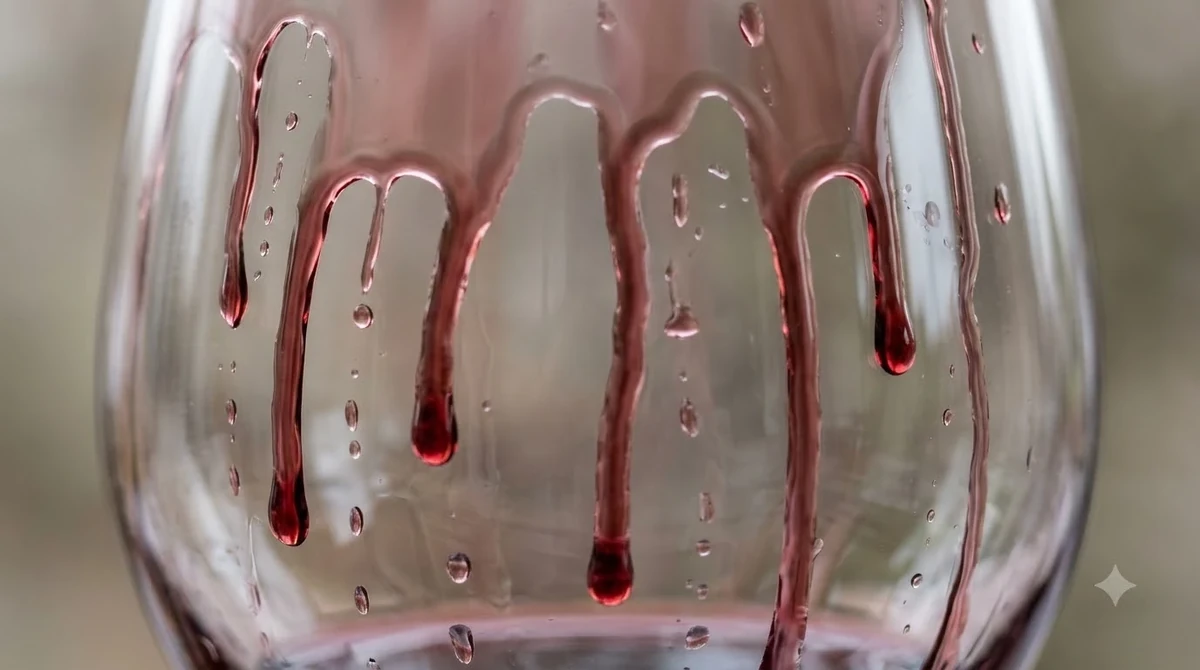
Pinot Noir is particularly associated with Burgundy in France, where its thin-skinned grapes produce wines known for aromatic complexity and finesse. Its typical flavors include strawberry, raspberry, red cherry, and sometimes mushroom, forest floor, and dried herbs. The tannins are usually gentle, giving the wine a smooth texture that makes it approachable even for people who do not regularly drink red wine.
Sangiovese has a different personality. It is the signature red grape of Tuscany and forms the foundation of famous Italian wines such as Chianti, Chianti Classico, and Brunello di Montalcino. Its flavors frequently include sour cherry, plum, blackberry, dried herbs, and tomato leaf. Oak-aged examples may develop additional notes of tobacco, leather, coffee, and vanilla.
The most noticeable structural difference is tannin. Pinot Noir usually has low to medium tannin, creating a softer sensation on the palate. Sangiovese generally has medium to high tannin, which creates a firmer, sometimes slightly drying finish. Both wines can have lively acidity, although Sangiovese is especially recognized for its naturally sharp, refreshing character.
| Characteristic | Pinot Noir | Sangiovese |
|---|---|---|
| Body | Light to medium | Medium |
| Acidity | Medium to high | High |
| Tannin | Low to medium | Medium to high |
| Typical color | Pale to medium ruby | Medium ruby to garnet |
| Primary fruit | Strawberry, raspberry, cherry | Sour cherry, plum, blackberry |
| Secondary aromas | Mushroom, earth, tea, rose | Dried herbs, tomato leaf, tobacco |
| Traditional region | Burgundy, France | Tuscany, Italy |
| Typical alcohol range | 12–15% ABV | 12–14.5% ABV |
| Best-known wines | Burgundy, Oregon Pinot Noir | Chianti, Brunello di Montalcino |
| Serving temperature | 55–60°F | 60–65°F |
These ranges describe common styles rather than strict rules. A warm-climate Pinot Noir can have more body and alcohol than a cool-climate example, while a younger Sangiovese can be relatively approachable compared with a structured, oak-aged Brunello. The producer, vineyard location, vintage, and winemaking approach all influence the final result.
For a quick decision, Pinot Noir is the better option if you want softer tannins and delicate aromas. Sangiovese is the stronger choice if you prefer a firmer texture, pronounced acidity, and savory flavors that work especially well with Italian cooking.
Flavor Profiles: Cherry, Earth, Herbs, and Spice
Pinot Noir typically emphasizes fresh red fruit, flowers, and earthy aromas, while Sangiovese combines tart cherry and darker fruit with savory herbal notes. Both grapes can develop considerable complexity, but their aromatic personalities are quite different.
Pinot Noir is often immediately recognizable through its delicate fruit character. Strawberry, raspberry, cranberry, and red cherry are common aromas, especially in cooler growing regions. Some wines also reveal rose petals, violet, forest floor, mushroom, tea leaves, and subtle baking spices.
Its flavor profile can change considerably depending on climate. A Burgundy Pinot Noir may show restrained fruit, earthy complexity, and fine acidity. An Oregon Pinot Noir from the Willamette Valley can combine cranberry, red cherry, mushroom, and spice. California examples from areas such as the Russian River Valley often have riper cherry and raspberry flavors with a softer, more generous texture.
Sangiovese tends to have a more savory aromatic profile. Sour cherry is one of its most recognizable flavors, often accompanied by plum, blackberry, dried oregano, thyme, and tomato leaf. The acidity gives the fruit a particularly fresh, tart impression rather than the sweeter impression sometimes found in ripe Pinot Noir.
Oak aging introduces another layer of complexity to Sangiovese. Depending on the barrel and aging approach, the wine may develop tobacco, leather, coffee, vanilla, and spice. These characteristics are particularly relevant when comparing younger Chianti with more developed Brunello di Montalcino.
Neither grape should be judged by a single tasting note. A producer using more extraction or new oak can create a fuller, more concentrated wine, while a producer favoring gentle extraction and restrained oak can preserve freshness and aromatic subtlety.
Body, Acidity, and Tannin: How They Feel on the Palate
Pinot Noir generally feels lighter and smoother, whereas Sangiovese has a firmer structure and a more noticeable drying sensation. Their acidity helps keep both wines fresh, but their different tannin levels influence how they feel alongside food.
Body describes the weight of wine in your mouth. Pinot Noir typically has a light to medium body, with a texture that can feel silky or delicate. Its relatively gentle tannins allow the fruit and acidity to remain prominent without producing a strongly drying finish.
Sangiovese is usually medium-bodied, although some examples can feel considerably fuller. Its tannins create more grip around the gums and cheeks, particularly in concentrated wines from Tuscany. This structure can make Sangiovese seem more substantial even when its alcohol level is not especially high.
Acidity is another important distinction. Both grapes can have refreshing acidity, but Sangiovese is particularly valued for its naturally pronounced freshness. This is one reason it works so well with tomato sauces, whose acidity can make softer, less acidic wines seem flat.
Pinot Noir’s acidity is also valuable, especially with dishes containing butter, mushrooms, roasted poultry, and moderate amounts of fat. Its softer tannins make it versatile with ingredients that do not require a strongly structured red wine.
There is a useful distinction between acidity and tannin. Acidity creates a mouthwatering sensation, while tannin produces a drying, gripping sensation. Sangiovese often combines both characteristics, making it taste lively and structured at the same time.
How tannin changes the experience
Consider two meals: roasted chicken with mushrooms and grilled steak with rosemary. Pinot Noir is likely to feel especially harmonious with the chicken because its gentle tannins do not overpower the delicate meat or earthy mushrooms. Sangiovese can be a better match for steak because its firmer tannins interact favorably with the protein and fat.
For readers exploring similar structural differences, comparisons such as Nebbiolo vs Pinot Noir and Grenache vs Pinot Noir provide useful context for understanding how body and tannin affect red wine styles.
Tip: If you find strongly tannic red wines too drying, start with Pinot Noir. If you enjoy a firm finish and refreshing acidity, try a traditional Sangiovese from Chianti or Chianti Classico.
Growing Regions: Burgundy, Oregon, and Tuscany
Pinot Noir is closely associated with cool-climate regions such as Burgundy and Oregon, while Sangiovese reaches its most recognized expressions in central Italy, particularly Tuscany. Climate, soil, and vineyard conditions explain much of the difference between their regional styles.
Burgundy is the historic benchmark for Pinot Noir. The region’s varied vineyard sites produce wines that can range from fresh, approachable Bourgogne Rouge to concentrated and age-worthy village and vineyard-designated bottlings. Red cherry, raspberry, earth, flowers, and mineral impressions are common reference points, although individual vineyards can produce very different results.
Oregon’s Willamette Valley is another important Pinot Noir region. Its cool growing conditions help preserve acidity and support wines with cranberry, red cherry, mushroom, forest floor, and spice characteristics. The combination of climate and diverse soils contributes to its distinctive profile.
California offers several different expressions. Russian River Valley and Sonoma Coast in Sonoma County are recognized for ripe fruit, soft tannins, and silky texture. Santa Barbara County, particularly the Sta. Rita Hills area, also produces Pinot Noir with freshness and balance influenced by the Pacific Ocean.
Sangiovese has a different geographic center. Tuscany is its most important traditional home, and the grape is central to many of the region’s most recognized red wines. Chianti and Chianti Classico emphasize its cherry-driven fruit and lively acidity, while Brunello di Montalcino is associated with more concentrated, structured expressions.
According to the Consorzio Vino Chianti, Sangiovese is a medium-to-late-ripening variety generally harvested from the second half of September through mid-October. It grows particularly well in clayey-calcareous soils rich in stone and requires careful vineyard management to reach full ripeness.
The same organization identifies more than 100 Sangiovese clones, illustrating how the grape has adapted to different locations over time. Its regional diversity is one reason a Chianti and a Brunello can taste quite different even though they share the same principal grape variety.
The Chianti Classico consortium’s explanation of its principal grape provides additional information about Sangiovese’s role in the denomination. Its production rules require at least 80% Sangiovese, with up to 20% other permitted red varieties.
Food Pairings: Which Wine Goes With Dinner?
Pinot Noir is especially good with roasted poultry, mushrooms, salmon, and pork, while Sangiovese is a natural partner for tomato-based pasta, pizza, grilled meat, and aged Italian cheese. The best choice depends on the intensity, acidity, and texture of the dish.
Pinot Noir’s softer tannins make it particularly adaptable to foods with delicate flavors. Roasted chicken, duck breast, pork tenderloin, and mushroom risotto are excellent starting points. Its acidity refreshes the palate, while its red-fruit aromas complement roasted and savory ingredients.
Salmon is another classic Pinot Noir pairing. Unlike strongly tannic red wines, Pinot Noir can work with oily fish because it has relatively gentle tannins and enough acidity to keep the combination balanced. Fresh tuna and some richer seafood dishes can also work well.
Sangiovese is particularly effective with Italian dishes containing tomatoes. Tomato sauce has substantial acidity, so a wine with similarly pronounced acidity is less likely to taste dull beside it. Chianti and tomato-based pasta are a classic combination for precisely this reason.
Pizza is another strong match. The combination of tomato sauce, melted cheese, herbs, and salty toppings suits Sangiovese’s acidity and savory character. Grilled vegetables, meatballs, lasagna, and roasted peppers are also excellent choices.
For richer dishes, structured Sangiovese can work especially well with grilled steak, lamb, and aged Parmesan. Its firmer tannins are more comfortable alongside protein and fat than with delicate seafood. More developed Brunello can complement substantial dishes that might overwhelm a lighter Pinot Noir.
Pairing suggestions at a glance
| Food | Recommended Wine | Why It Works |
|---|---|---|
| Roasted chicken | Pinot Noir | Soft tannins complement delicate meat. |
| Mushroom risotto | Pinot Noir | Earthy aromas complement mushrooms. |
| Grilled salmon | Pinot Noir | Gentle tannins suit oily fish. |
| Tomato pasta | Sangiovese | High acidity balances tomato sauce. |
| Margherita pizza | Sangiovese | Acidity complements tomato and cheese. |
| Grilled steak | Sangiovese | Firm tannins suit rich meat. |
| Duck breast | Pinot Noir | Red fruit and gentle structure complement duck. |
| Aged Parmesan | Sangiovese | Salty cheese softens tannin. |
Seasoning matters just as much as the main ingredient. Salt and fat can soften the perception of tannin, making Sangiovese more approachable with rich dishes. Strong chili heat, however, can become more noticeable alongside alcoholic, tannic reds, so heavily spiced dishes are usually easier with a softer wine.
For more pairing ideas, the broader Wine vs Wine section can help clarify how different grape varieties behave alongside familiar foods.
Serving Temperature, Decanting, and Storage
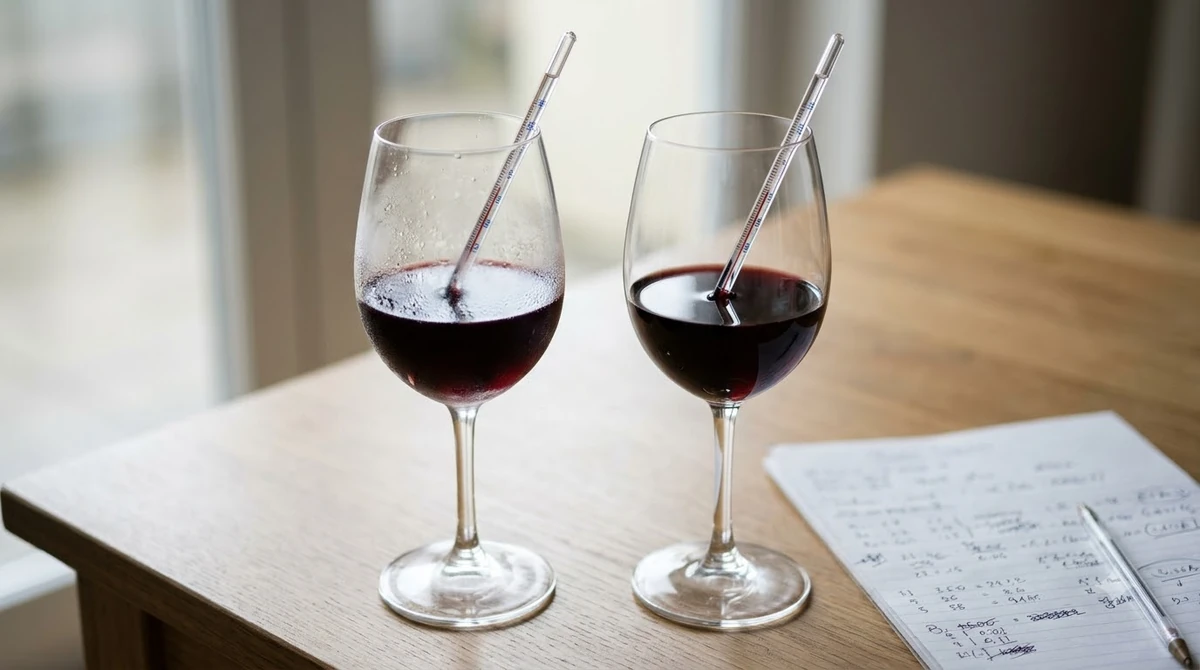
Pinot Noir generally benefits from serving at 55–60°F, while Sangiovese is best served slightly warmer at 60–65°F. Appropriate temperatures help preserve freshness, reveal aromas, and keep tannins from becoming unnecessarily prominent.
Pinot Noir can lose some of its aromatic precision when served too warm. A slightly cool serving temperature helps emphasize its strawberry, raspberry, and cherry characteristics while maintaining a refreshing finish. If the bottle has been stored at room temperature, a short period in the refrigerator can bring it closer to the ideal range.
Sangiovese benefits from a little more warmth because its savory aromas and structured palate can become more expressive as the wine approaches 60–65°F. Serving it excessively cold can make its tannins seem harder and suppress its fruit character.
Decanting depends on the wine’s age and structure. A young, full-bodied red may benefit from approximately 30–60 minutes of aeration. This can be useful for a concentrated Brunello or a structured Chianti Classico Riserva. A delicate, mature Pinot Noir usually needs less exposure to air, and prolonged aeration can cause its subtle aromas to fade.
For ordinary young Pinot Noir and approachable Chianti, opening the bottle shortly before serving is often sufficient. Taste the wine after pouring a small amount; if its aromas seem restrained, allowing it some time in the glass can help.
Storage after opening
Both wines should be stored with the bottle properly sealed and refrigerated after opening. Exposure to oxygen gradually changes the wine’s fruit aromas, freshness, and overall character. Most opened still wines remain enjoyable for approximately three to five days when stored in the refrigerator.
For longer-term storage, keep unopened bottles away from direct sunlight, temperature fluctuations, and heat sources. A cool storage environment near 55°F is a useful target, and bottles with natural cork closures are generally stored on their sides to keep the cork from drying out.
Pouring a standard 5-ounce glass also makes it easier to compare the wines fairly. A 750-milliliter bottle contains approximately five such servings, allowing you to evaluate the aroma and finish of each wine without filling the glass too heavily.
Which Wine Should You Choose? Pinot Noir or Sangiovese?
Choose Pinot Noir if you prefer lighter body, delicate red fruit, and softer tannins; choose Sangiovese if you enjoy pronounced acidity, savory flavors, and a firmer finish. Neither grape is universally better, because the ideal choice depends on your preferred style and the food being served.
Pinot Noir is a particularly good starting point for people who are exploring red wine and prefer a less drying experience. Its relatively gentle tannins, aromatic complexity, and versatility make it suitable for a wide range of meals. Burgundy is a classic choice for traditional elegance, while Oregon and California offer different expressions of fruit and texture.
Sangiovese is a strong choice for drinkers who appreciate wines with more structure and savory character. A young Chianti can provide lively cherry flavors and refreshing acidity, while Chianti Classico offers another perspective on Tuscan terroir. Brunello di Montalcino is worth considering when a more concentrated, age-worthy wine is desired.
Think about the meal before choosing. For salmon, roasted chicken, or mushroom dishes, Pinot Noir is often the more natural match. For pizza, tomato pasta, grilled meat, or aged Parmesan, Sangiovese generally has the advantage.
Reputation should not be the only consideration. A well-made regional Pinot Noir can be more enjoyable than a prestigious bottle that does not suit your preferences, and a straightforward Chianti may be more appropriate for an informal dinner than a highly structured Brunello.
If you are still deciding, try both grapes side by side. Compare their aromas, acidity, tannins, and finishes with the same food. This simple exercise makes the differences between these two important red grapes much easier to recognize.
Frequently Asked Questions
Is Pinot Noir related to Sangiovese?
No, Pinot Noir and Sangiovese are distinct grape varieties with different genetic identities and historical origins. Pinot Noir belongs to the ancient Burgundian grape tradition, while Sangiovese is an indigenous Italian variety with a particularly strong connection to Tuscany. Their shared cherry aromas do not mean they are closely related.
Can Pinot Noir and Sangiovese be blended together?
Although experimental blends are possible, combining Pinot Noir and Sangiovese is not a traditional pairing in their most recognized regions. Pinot Noir is usually made as a single-variety wine in Burgundy, while traditional Tuscan blends may include permitted local or international grapes depending on the wine’s production rules. Each grape is generally appreciated for its distinct expression.
Are Pinot Noir and Sangiovese usually dry wines?
Yes, most red wines made from both grapes are dry rather than sweet. Their ripe fruit aromas can sometimes suggest sweetness, but the wines typically finish without noticeable residual sugar. Sangiovese also has some traditional roles in Italian sweet passito and Vin Santo wine production.
Which grape is more difficult to grow?
Both require careful vineyard management, but Pinot Noir is particularly sensitive to its growing environment. Its thin skins, early budding, and tight clusters increase its vulnerability to frost, heat, and fungal disease. Sangiovese has its own challenges because it ripens relatively late and needs sufficient time on the vine before harvest.
Can Sangiovese be made into wine outside Italy?
Yes. Sangiovese is cultivated in countries including the United States and Australia, where producers experiment with regional climates and winemaking approaches. Australian examples from regions such as McLaren Vale and Victoria can offer different interpretations of the grape’s traditional Tuscan character.
Pinot Noir and Sangiovese both offer refreshing acidity, appealing cherry flavors, and plenty of versatility, but their textures and food-pairing strengths are quite different. Choose Pinot Noir for elegance and softer tannins, or Sangiovese for savory complexity and structure. Exploring both varieties is an excellent way to discover which red wine style best suits your palate and favorite meals.
More in Wine vs Wine
 Chenin Blanc vs Pinot Gris: Acidity, Body, and Pairing DifferencesUpdated Nov 20, 2026
 Chianti vs Lambrusco: How Tuscany and Emilia-Romagna Reds CompareUpdated Nov 20, 2026
 Chianti vs Primitivo: Key Differences in Taste, Body, and PairingUpdated Nov 20, 2026
 Chianti vs Rioja: Key Differences in Taste, Aging, and PairingUpdated Nov 20, 2026
 Chianti vs Shiraz: How Acidity, Body, and Food Pairings CompareUpdated Nov 20, 2026
 Chianti vs Syrah: Key Differences in Taste, Body, and Food PairingUpdated Nov 20, 2026