

We may earn a commission when you buy through links on this page, at no extra cost to you. Learn more.
Cabernet sauvignon with pasta works best when the sauce is rich, meaty or creamy, because fat and protein soften the wine’s firm tannins. Bright tomato sauces are the harder match, since acidic sauces usually need a wine with equal or higher acidity, and Cabernet is only medium in acidity. Choose the sauce first, then pick a bottle with enough body to hold up next to it. Serve full reds at around 60 to 65 F for the best balance.
Cabernet sauvignon is one of the most structured red wines on the shelf, with firm tannin, medium acidity and a full body. That structure makes it a strong partner for pasta, but only when the dish has enough weight to meet the wine. A simple garlic and olive oil spaghetti can disappear under a big red, while a slow-cooked meat ragù makes the same bottle taste smooth and generous. The good news is that the rules are straightforward once you stop focusing on the noodle shape and start looking at the sauce, the fat, the salt and the acidity. The sections below cover the sauces most home cooks actually make, from meaty ragù to cream and cheese dishes, and they close with serving and storage tips you can use the same night.
Why the Sauce Matters More Than the Noodle
The sauce carries most of the flavor, texture and acidity in a pasta dish, so it should drive your wine choice.
Pasta itself is largely a neutral base. Whether you serve rigatoni, tagliatelle or spaghetti, what changes the glass in your hand is what covers the noodles. Wine Folly’s pasta pairing guide makes this point directly, calling the pasta a blank canvas and the sauce the thing that sets the flavor profile for the wine. That approach is especially useful with Cabernet, because the grape is distinctive enough that the wrong dish can make it feel either harsh or flat.
For Cabernet, it helps to judge a sauce on three points: weight, acidity, and what it brings in fat or salt. A sauce built on red meat and olive oil is heavy and fatty, so it can carry a full wine. A sauce built on fresh tomato is bright and sharp, so it asks for a wine that can keep up. Cabernet sits in the middle. It has plenty of body and grip, but its acidity is only medium, which is why the brightness of a tomato sauce needs careful handling.
Silver Oak’s winery chef, Dominic Orsini, offers a simple rule for building food around its Cabernets: the heavier the wine, the heavier the protein it calls for. A full-bodied Cabernet therefore suits meat or poultry, but the protein does not have to come from meat. Beans, grains and dairy can all supply weight, and so can ingredients such as mushrooms or soy sauce, which bring umami and a protein-like heft to a dish. Keep that rule in mind as you read through the sauces below.
Meat Ragù and Bolognese: The Strongest Match
Slow-cooked meat sauces are the most reliable way to serve cabernet sauvignon with pasta, because the meat’s fat and protein soften the wine’s tannin.
Beef ragù, Bolognese and rigatoni with Italian sausage are the classic matches, and they are also the easiest to get right at home. The meat contributes protein and fat, and those coat the mouth in a way that reduces the dry grip tannin creates, which is why a bite of rich sauce makes the next sip of wine feel smoother. A bottle with real fruit and oak tends to suit these sauces better than a thin, lean one, because the wine holds its shape next to the meat instead of getting lost.
Wine Folly makes a similar point about meaty tomato dishes. Its example is a rustic rigatoni ragù from Apulia, and it argues that a dish like that needs a wine with enough structure and depth to balance the roasted tomato and red meat. As the sauce gets richer, you can increase the body of the wine, but the acidity should stay fresh. If you like the idea but prefer poultry, a slow-cooked duck ragù follows the same logic, and our guide to cabernet sauvignon with duck covers that style in more detail.
A practical example is a weeknight rigatoni with beef and Italian sausage. Brown the meat well, simmer the sauce until it tastes round rather than sharp, and finish each bowl with grated Parmesan. VinePair’s red wine pairing guide notes that Cabernet’s tannins marry well with the charred texture of grilled meat, and a deeply browned ragù gives you a similar effect in a pot. That is the kind of match where the wine feels like it was made for the plate.
Cream, Butter and Cheese Sauces
Cream, butter and aged cheese can make cabernet sauvignon with pasta feel smooth, as long as the sauce is rich enough to meet the wine.
Fat is the main tool in this group. It coats the palate and softens the dry sensation that tannin creates, which is what you are trying to tame. That is why a carbonara made with guanciale or pancetta, Parmesan and egg yolk works well with a big Cabernet. The creamy coating rounds the wine, while the salty, savory cheese keeps the flavors lively. A chicken Alfredo follows the same logic, and our guide to cabernet sauvignon with chicken explains how to choose a bottle for that style of dinner.
Wine Folly takes a flexible view of hard cheese pasta. It notes that it is hard to find a wine that does not pair fairly well with cheese, so the goal is to choose a bottle with texture and nuance rather than the most austere one on the shelf. For Cabernet, that usually means a wine with plenty of fruit and a smooth finish. The classic exception is cacio e pepe, which is nothing more than Pecorino, black pepper and olive oil. Wine Folly pairs that dish with Sangiovese, because the black pepper adds intensity, and a very tannic Cabernet can taste harsh next to the same peppery bite.
Cream sauces with mushrooms are the easiest place to stretch a Cabernet. The fat in the cream softens the wine’s grip, and well-browned mushrooms bring an earthy, forest-floor note that matches the wine’s savory side. Keep the cream moderate and the mushrooms properly caramelized, and the two will sit comfortably in the glass.
Tomato Sauce: The Trickiest Match
Tomato sauce is the hardest sauce for a big Cabernet, because tomato’s acidity is usually sharper than the wine’s.

Wine Folly describes tomato-based sauces as high in acidity and recommends a relatively tart, medium-bodied red for them. Cabernet is a fuller, grippier wine built around fruit, oak and tannin rather than sharp acidity, so a bright marinara can push it toward a thin or bitter taste. The traditional answer is Sangiovese, whose typical notes of red fruit, tomato and dried oregano line up closely with a classic sauce.
If you still want Cabernet with a tomato dish, reduce the sauce’s sharpness rather than fighting it. Add browned meat, simmer the sauce until it turns deep and slightly sweet, and stir in a spoonful of butter or a drizzle of olive oil at the end to round the edges. A pinch of sugar can soften acidity too, though a little goes a long way. Choose a Cabernet with softer tannin and more fruit, because the grippiest bottles clash most with a bright tomato base.
When tomato is the star of the plate, the simplest answer is to change the bottle. VinePair notes that a young, fruity Sangiovese works best with sweet tomato sauce, which is why it is the first bottle to reach for. Keep the Cabernet for the meat-heavy version of the dinner and let a lighter, brighter red handle the marinara.
Mushroom, Pesto and Vegetable Pastas
Mushroom sauces and umami-rich vegetable dishes are some of the most satisfying partners for Cabernet, because they add savory depth without sharp acid.
Silver Oak notes that ingredients such as mushrooms and soy sauce carry a protein-like weight through their umami, which makes them useful bridges between a dish and a full-bodied red. A pasta with sautéed wild mushrooms, garlic, butter and a little grated Parmesan can match the wine’s earthy notes, while the butter softens the grip of the tannin. Deglaze the pan with a small splash of the same Cabernet you are pouring, and the flavors line up even more closely.
Pesto is a different case. Its basil or other green base is fresh and herbal, and Wine Folly points to herbaceous white wines such as Sauvignon Blanc as the usual partners. A big, oaky red can overwhelm a light basil sauce, so save the Cabernet for a pesto that includes cheese, cream or a meat topping. A walnut or pistachio pesto with a spoonful of cream stirred in will sit far more comfortably next to the wine than a pure basil version.
Roasted vegetable pastas with eggplant or peppers work better. Eggplant has a dense, almost meaty texture, and charred peppers add a smoky edge that echoes the wine’s oak. VinePair describes Cabernet’s piquant pyrazine notes as a strong match for peppercorn sauce or red wine jus, so a pasta finished with cracked black pepper and a little reduced stock can bring out the same green-pepper character in the wine.
Chili Heat, Salt and Oily Fish
Chili heat, too much salt and oily fish all change how a Cabernet tastes, so adjust the seasoning and the protein to suit the wine.
Chili heat is amplified by alcohol and tannin, so an arrabbiata served with a full-bodied Cabernet can taste hotter and more bitter than the cook intended. Tone the chili down, or add cream, cheese or a little extra fat to calm the heat. Dishes with a smoky chipotle or a peppery black pepper crust are different. They can work with a Cabernet, because the smoke and pepper echo the wine’s oak and spice rather than fighting its grip.
Salt works in your favor up to a point. Silver Oak says salt amplifies flavor and combats the numbing effect alcohol can have on the palate, which is why a well-seasoned dish can make a big red taste fresher. The same source warns that too much salt can overpower the food and ruin the wine. Taste the sauce before you add grated cheese, since Parmesan and Pecorino both bring plenty of salt on their own.
Oily fish is the one protein that clashes most reliably with a tannic red. Sardines, mackerel and other oily fish combine with tannin to produce a metallic, fishy finish, so skip a Cabernet with those pastas. Wine Folly suggests lean to medium-bodied white wines for most seafood pastas, and it recommends a rosato when tomato is in the sauce.
Serving, Decanting and Storing Your Cabernet
Serving temperature, a short decant and the way you store leftovers all change how a bottle performs at dinner.
Serve full reds at around 60 to 65 F. Cabernet served too warm can taste heavy and alcoholic, which makes a rich sauce feel even heavier, while a bottle that is too cold can taste tight and grippy. Lighter reds sit a few degrees lower, between 55 and 60 F, so Cabernet belongs in the warmer group.
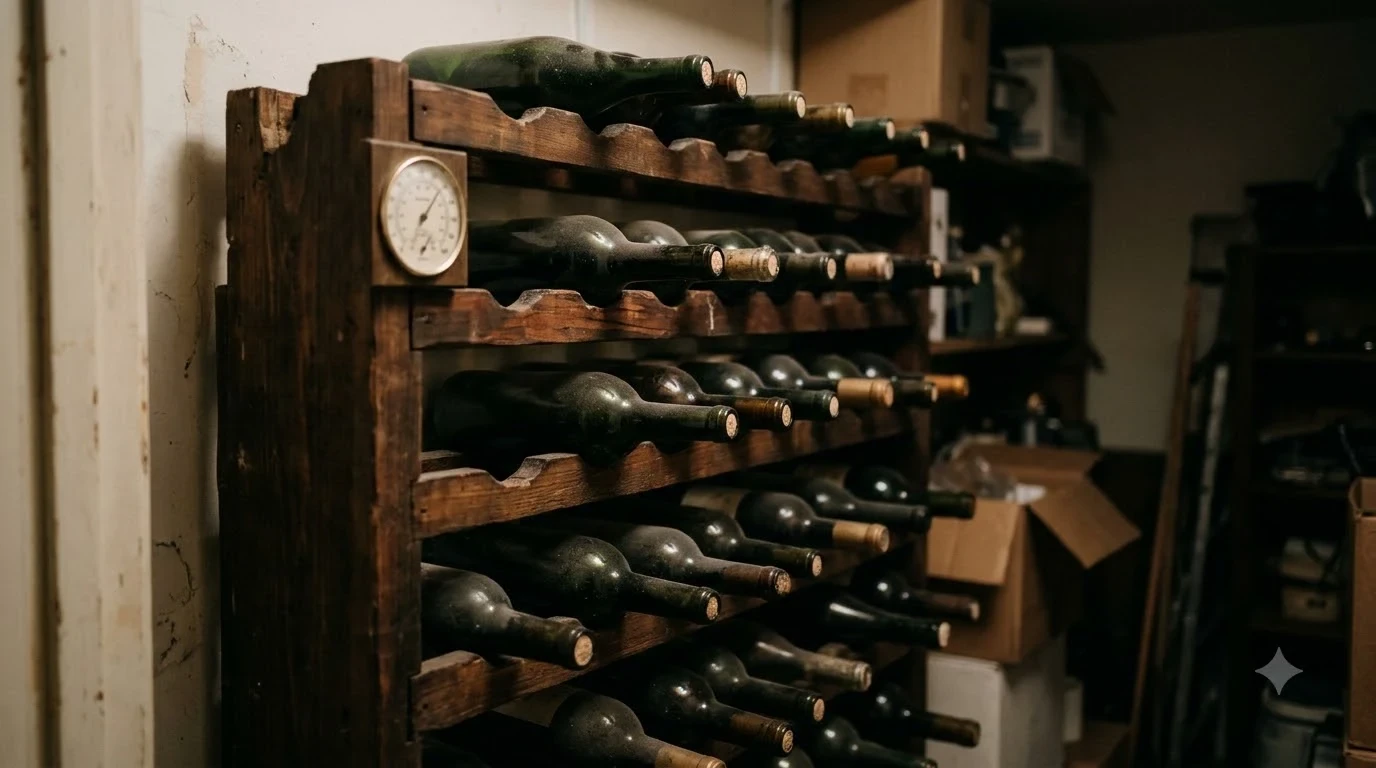
Young, full-bodied Cabernets benefit from decanting for 30 to 60 minutes. Pour the wine into a decanter while you cook, and it will open up by the time the pasta is ready. A standard 750 ml bottle holds about five 5 oz pours, so one bottle covers roughly five guests with a single glass each. For storage, keep unopened bottles on their sides in a cool place near 55 F, and keep an opened still wine in the fridge for about three to five days.
| Factor | Typical guideline | Why it matters with pasta |
|---|---|---|
| Serving temperature | 60 to 65 F for full reds | Keeps tannin in balance with a meaty sauce |
| Decanting time | 30 to 60 minutes for young bottles | Opens the fruit and softens the grip |
| Pour size | 5 oz per glass | A 750 ml bottle serves about five |
| Bottle storage | On its side near 55 F | Keeps the cork moist and the wine stable |
| Opened still wine | 3 to 5 days in the fridge | Covers a second night of leftover ragù |
Tip: Start decanting when you begin the sauce. By the time the pasta is drained, the wine has had enough time in the open air to show its fruit and soften its edges.
Leftovers are part of the pairing too. A rich ragù often tastes better the next day, and a half-finished bottle of Cabernet can handle a second serving without much trouble. If you want to compare other grapes with other dishes, you can browse Grape x Food for a wider set of matches.
Frequently Asked Questions
These short answers cover the questions that come up most often when people plan a Cabernet dinner with pasta.
Can a squeeze of lemon help a big Cabernet with pasta?
Yes. Silver Oak’s winery chef suggests adding a dash of lemon when a Cabernet feels too big for the dish, since citrus acidity can soften the wine’s grip. Stir it into the sauce or finish the plate with lemon zest, and taste before adding more. It works best with cream or butter sauces, where the lemon brightens the dish without turning it sharp.
Does the style of Cabernet change which pasta works?
It does. VinePair points out that Cabernet appears in classic Bordeaux blends, Italian Super Tuscans and innovative New World blends, not only in single-varietal bottles. A Super Tuscan that blends Sangiovese with Cabernet will usually handle a tomato dish more gracefully than a big single-varietal bottle from Napa. Check the label for blend details before you buy.
Which pasta shape works best with a meaty Cabernet sauce?
Wide, sturdy shapes such as pappardelle, rigatoni and tagliatelle hold chunky sauces well, so each bite carries meat, fat and wine-friendly richness together. Thin strands like angel hair tend to leave the sauce pooled at the bottom of the bowl. Shape is a secondary choice, though, since the sauce still drives the pairing.
What should I pour with a tomato pasta instead of Cabernet?
Wine Folly lists Montepulciano d’Abruzzo, Nero d’Avola and Primitivo among its suggested partners for tomato-based pasta. Primitivo is the same grape as Zinfandel, so California Zinfandel fans will find a familiar style. These three make good backup bottles when a marinara is the main event.
Can a walnut or lentil sauce work with Cabernet?
Yes, if the sauce has enough body. A walnut-based sauce brings fat and earthy depth, which softens tannin in much the same way a meat sauce does. Lentils add protein and a savory, slightly earthy texture that suits a full-bodied red. Finish the dish with olive oil or a little cheese to give the wine something to hold on to.
Start with the sauce, then match its weight, fat and acidity to the bottle in your glass. Meaty and creamy sauces give a big Cabernet the most room to shine, while bright tomato dishes are better served with a lighter, sharper red. When you are unsure, make the dish richer rather than making the wine lighter.
More in Food & Wine Pairing
 Risotto With White Wine Recipe: Make a Creamy Dinner at HomeUpdated Nov 20, 2026
 Wassail With Wine Recipe for a Festive Spiced Holiday DrinkUpdated Nov 20, 2026
 Spritz Veneziano Recipe: Make a Classic Venetian Aperitivo at HomeUpdated Nov 20, 2026
 Summer Wine Punch Recipe for Easy Homemade EntertainingUpdated Nov 20, 2026
 Bishop Recipe: How to Make a Bright, Citrus-Forward Red Wine CocktailUpdated Nov 20, 2026
 Wine Cupcakes Recipe: Bake Rich Chocolate Cupcakes at HomeUpdated Nov 20, 2026