

We may earn a commission when you buy through links on this page, at no extra cost to you. Learn more.
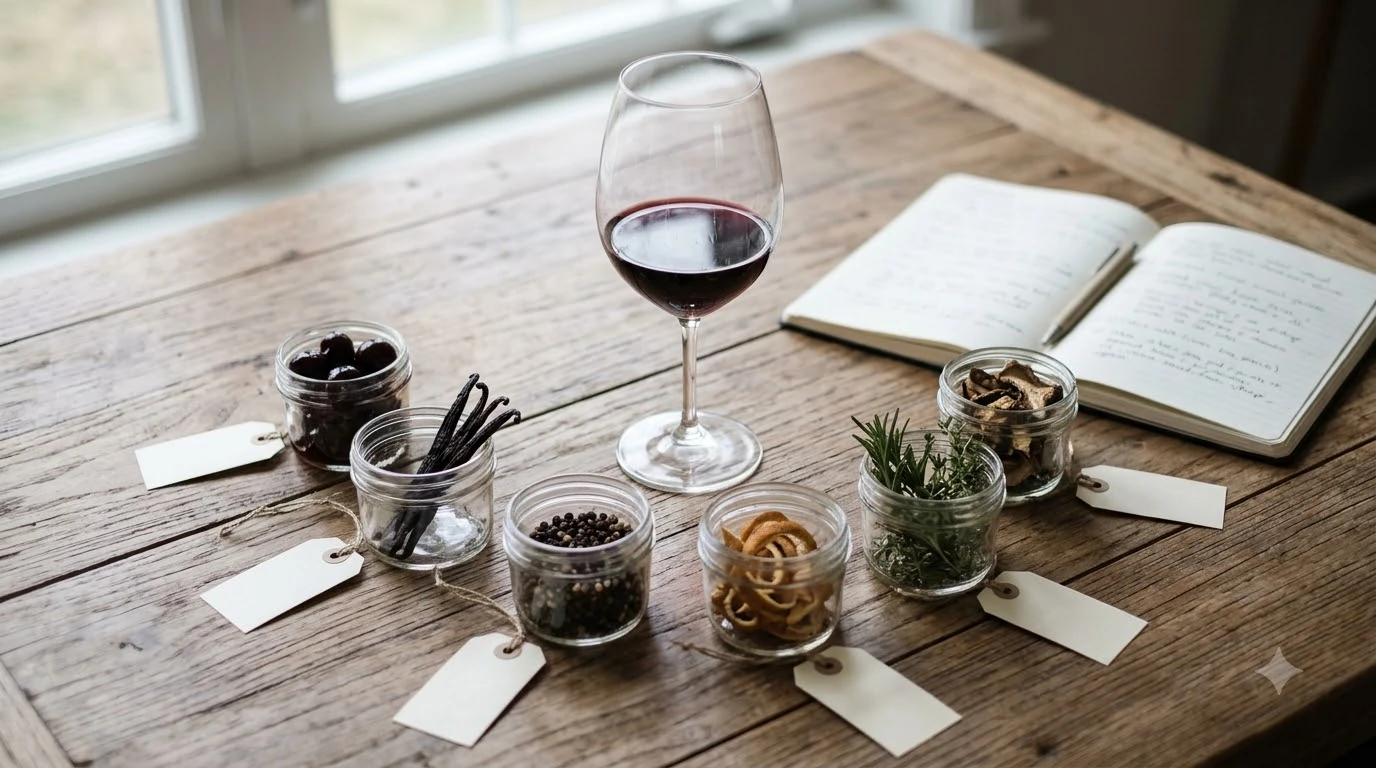
Pinot blanc vs pinot noir is a contrast between a dry white and a light red that share the same family tree. Pinot blanc is a color mutation of pinot noir with very little anthocyanin, so it makes a pale, crisp white with medium to high acidity and little or no tannin. Pinot noir keeps the red pigment and offers bright acidity, silky tannins and a serving range of 55 to 65°F. Choose pinot blanc for shellfish, sushi and lightly spiced dishes, and pinot noir for roast chicken, salmon, duck and mushrooms.
Pinot blanc and pinot noir often sit side by side on the same wine shelf, and many shoppers assume they are close cousins. In a genetic sense, they are. Both come from the pinot family, and both have deep roots in Burgundy. The practical differences show up in the glass, on the plate and in the way each bottle should be stored and served. This guide walks through where the two grapes come from, how their color, acidity and tannin differ, how to serve each one, and which dishes suit them, so you can pick the right bottle for the meal in front of you.
Two Wines From the Same Family Tree
Pinot blanc is best understood as a color mutation of pinot noir rather than a separate grape with its own lineage. Both belong to the pinot family, which also includes pinot gris and pinot meunier, and that shared ancestry explains why the two wines can feel related on the palate even when they look nothing alike.
Pinot noir is one of the oldest red varieties in France. According to Wine Enthusiast’s guide to the grape, Cistercian monks cultivated it in Burgundy more than a century ago, and the region remains its spiritual home. The vine is thin-skinned and notoriously difficult to grow, with a reputation as a heartbreak grape because it is sensitive to sun damage, pests and moisture. Pinot blanc arose as a color variant of that same vine, which is why the two wines often share a fruit-driven core.
The family tie matters for shopping because it explains where the wines overlap and where they split. Both grapes do well in cool sites, and both show clear fruit when young. The split comes from pigment, from how each grape is handled during fermentation and from the choices winemakers make in the cellar. Those differences shape body, tannin and serving temperature, so the family relationship is a starting point rather than a promise that the two wines will taste alike. If you like comparing related grapes, the wine vs wine comparisons on this site cover other pairs that work the same way.
Why Color Is the First Clue to the Difference
The most visible difference is color, and it traces back to the same pigments that make pinot noir red. Pinot blanc has almost none of them in an active form.
The pigments in question are anthocyanins, found in grape skins. According to VinePair’s breakdown of the pinot family, pinot noir carries the largest amount of active anthocyanins, while pinot blanc has the least, which leaves its pigment inactive. Pinot gris and pinot grigio sit between the two, which is why they often show a pale copper tint rather than a full white or a deep red.
Winemaking adds a second layer. Red wine gets its color by fermenting with the skins, so the juice absorbs pigment, tannin and aroma compounds during that contact. Pinot blanc is usually pressed off its skins before fermentation, which keeps the juice clear and pale. Pinot noir ferments with its skins, which is why even a light bottle shows a ruby tint and why its tannin comes through in the glass, even though that tannin stays gentle.
For a drinker, color sets expectations before the first sip. A pale glass suggests crisp fruit and a clean finish, while a ruby glass suggests a red with more structure. Those cues are reliable in most cases, but the taste test is what confirms the style.
Taste, Body and Acidity Side by Side
Pinot noir usually tastes of red and dark berries with an earthy edge, while pinot blanc leans toward orchard fruit, white blossom and a clean, refreshing finish. The table below gives typical ranges for each wine. Individual bottles can sit outside these numbers, so treat them as a guide rather than a rule.
| Trait | Pinot Blanc | Pinot Noir |
|---|---|---|
| Color | Pale straw to gold | Ruby to garnet |
| Typical alcohol | About 12 to 13 percent | 12 to 15 percent |
| Acidity | Medium to high | Bright and high |
| Tannin | Little to none | Low and silky |
| Body | Light to medium, sometimes full | Light to medium |
| Sweetness | Usually dry | Dry |
| Serving temperature | 45 to 55°F | 55 to 65°F |
| Typical oak | Mostly unoaked or stainless steel, some oaked | Modest oak, occasionally new French oak |
| Classic pairings | Shellfish, sushi, lightly spiced dishes | Roast chicken, salmon, duck, mushrooms |
Pinot blanc is usually described as clean and refreshing, with grapey and smoky notes in many examples. Decanter’s staff describes the grape as most often associated with the dry whites of Alsace, which can be quite neutral or can show apple and pear character. Winemakers in Alsace typically keep the wine fresh by fermenting in stainless steel or other inert vessels, so the fruit stays bright rather than heavy.
Pinot noir offers a different kind of fruit. According to Wine Enthusiast’s guide, cool-climate examples from Burgundy often show earthy flavors such as mushroom and forest floor, alongside cranberry or dark cherry. Warmer sites produce riper raspberry and cherry notes with a plusher texture. The tannin in pinot noir is light and smooth, which is why many drinkers find it easier going than a bold cabernet, even though both are red. Readers who want a red with more grip for the same meal can compare the nebbiolo vs pinot noir breakdown, which shows how higher tannin changes the match.
For most drinkers, the practical question is texture. Pinot blanc feels round through the middle, but its acidity keeps it lively. Pinot noir feels silky with a gentle grip and bright acidity that cleans the palate between bites. If you want a glass that stays refreshing next to heavier food, pinot noir’s acidity does much of the work, while pinot blanc’s fruit carries lighter dishes.
Where Each Wine Is Grown and How It Is Made
Pinot blanc is closely tied to Alsace, where it serves as the region’s everyday dry white. Pinot noir, by contrast, is planted in cooler climates around the world and has a more varied geographic story.
Alsace runs as a narrow strip of about 110 miles along the Rhine, on the eastern slopes of the Vosges mountains. According to Wine Enthusiast’s Alsace guide, the region has roughly 16,000 hectares of vines, and most of that acreage produces still white wine. Pinot blanc is considered the workhorse here, used for dry whites with high acidity and moderate alcohol, and it is usually the base of Crémant d’Alsace, the region’s traditional-method sparkling wine. The Alsace AOC accounts for more than 70 percent of production, and most bottles carry a single grape variety on the label.
Outside Alsace, pinot blanc appears under different names. Decanter notes that it is popular in Italy as Pinot Bianco and in Austria as Weissburgunder, and it is also grown in Oregon and California, where Chalone in California is known for making a specialty of it. Burgundy has grown it too, though few producers there admit to planting it.
Pinot noir has a more complicated history in Alsace. Wine Enthusiast’s reporting on the region describes how the variety was pushed to high yields under the German Empire and lost concentration, then was rebuilt by a generation of growers who adopted lower yields, gentler extraction and more careful oak use. Many growers now aim for yields around 30 to 35 hectoliters per hectare. That shift toward site and precision is one reason Alsatian pinot noir is drawing attention from buyers who want Burgundy-style character from a different source.
Serving Temperature, Pouring and Storage
Serve pinot blanc a little colder than pinot noir, and keep the red cool rather than at room temperature.
According to Wine Enthusiast’s guide, pinot noir has an ideal serving range of 55 to 65°F, with lighter styles closer to 55°F and fuller bottles closer to 65°F. Pinot blanc sits a few degrees lower because it is a white wine. Light, crisp styles do best around 45 to 50°F, and fuller Alsace bottlings are happiest near 50 to 55°F. Serving either wine too warm softens the acidity and flattens the fruit, while serving pinot blanc too cold mutes its aromas.
A standard 750 ml bottle holds about five glasses at a five-ounce pour. Once opened, a still wine kept corked and refrigerated typically stays good for three to five days, and pinot noir follows the same rule. Store unopened bottles on their sides in a cool, dark place near 55°F so the cork stays moist. Pinot noir rarely needs decanting, because its tannin is already gentle and the wine shows best poured straight from the bottle.
Tip: If a bottle of pinot noir has been sitting in a warm kitchen, put it in the refrigerator for 15 to 20 minutes before pouring. That short chill brings it into the 55 to 60°F window without making it cold enough to hide the fruit.
Food Pairings: Matching Each Glass to the Plate
Pinot blanc suits seafood and lightly spiced food, while pinot noir works with poultry, salmon, duck and earthy vegetables. The logic is simple: match acidity to acidity, and keep tannin and heat in check.
Where Pinot Blanc Shines
Decanter describes pinot blanc as a very good accompaniment to fish and shellfish. Its medium-to-high acidity handles lemon, herb sauces and vinaigrette, and its orchard fruit lifts seafood without competing with it. Sushi, steamed shellfish and crab cakes with a light sauce are natural choices. Lightly spiced Asian dishes also work well, because the wine’s softness keeps heat in check without the bitterness that bold tannin can add.
Where Pinot Noir Shines
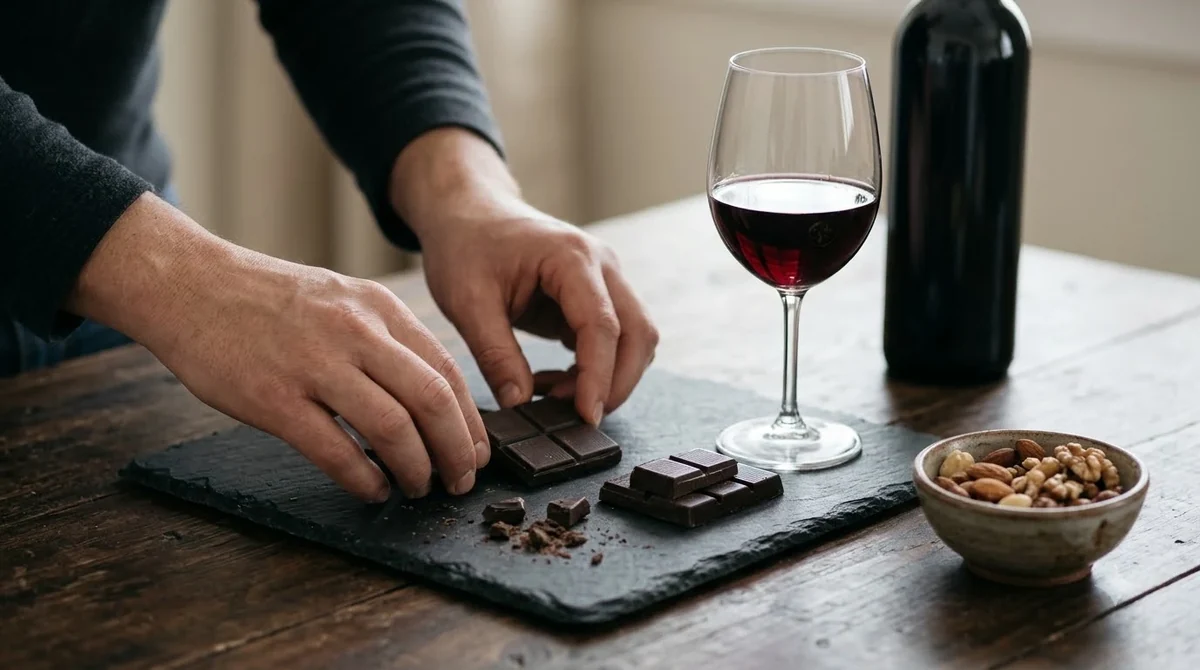
Wine Enthusiast’s pairing advice calls pinot noir one of the most versatile wines at the table, naming roast chicken as a favorite and listing duck, pork and lighter red meats as strong matches. Its light tannin is the reason it can work with salmon, trout and mackerel, where a bigger red would clash with the oily fish. Earthy vegetables and herbs such as mushrooms and thyme echo the wine’s savory side, especially in risotto and pasta. Turkey with gravy and stuffing is another easy match, because the wine’s acidity keeps a heavy holiday table from feeling weighed down.
Avoid heavily marbled steaks and the hottest barbecue sauces. Pinot noir’s brightness fades when a dish is fatty and tannic, or when chili heat and smoke overwhelm the fruit. Alcohol also amplifies chili heat, so a lighter bottle is the safer choice with spicy food. For a fuller, spicier red that changes the pairing math, the grenache vs pinot noir comparison explains when that switch makes sense.
Decanter’s pinot blanc profile reinforces the seafood connection, and it is a useful starting point if you want to see how the grape is described in a professional tasting context.
Frequently Asked Questions
Is pinot blanc a sweet wine?
Most pinot blanc is labeled dry, but some bottles carry a touch of residual sugar. Decanter’s reviewers have described one such bottle as balanced by bright acidity, so the sweetness reads as soft rather than syrupy. If you prefer a softer finish, check the producer’s notes before buying.
Can pinot blanc be aged or oaked?
Pinot blanc can be oaked for extra richness, and VinePair notes that the grape sometimes shows smoky flavors when it is. Most Alsace producers, however, bottle within a year of harvest to keep the wine young and fresh. Recent vintages usually show best, so buy for near-term drinking rather than long cellaring.
Is pinot blanc easier to grow than pinot noir?
A variety review from Lodi growers rates pinot noir and pinot gris as highly susceptible to powdery mildew, while pinot blanc is only moderately susceptible. That gives growers a little more margin with pinot blanc. The same review notes that pinot blanc is still moderately susceptible to wood diseases, so vine health remains a concern.
How much pinot noir is grown in Alsace?
Pinot noir now covers roughly 13 percent of Alsace’s plantings, up from about 8 percent in the late 2000s, according to Wine Enthusiast’s reporting on the region. Alsace remains known for its white wines, but its reds are gaining attention for their balance and precision. That growth is steady rather than sudden.
Is pinot blanc the same as pinot grigio?
They are separate varieties, although both derive from pinot noir mutations. According to VinePair, pinot grigio and pinot gris often show more structure than pinot blanc, which tends to have a rounder, softer palate. Italian pinot grigio is typically lighter and more aromatic than a French pinot blanc, so the labels are not interchangeable at the table.
Pinot blanc and pinot noir are close relatives that suit different tables. Start with the dish, then choose: a crisp, chilled white for seafood and gentle spice, or a light, cool red for poultry, salmon and mushrooms. Matching acidity to the food will get you most of the way there.
More in Wine vs Wine
 Chenin Blanc vs Pinot Gris: Acidity, Body, and Pairing DifferencesUpdated Nov 20, 2026
 Chianti vs Lambrusco: How Tuscany and Emilia-Romagna Reds CompareUpdated Nov 20, 2026
 Chianti vs Primitivo: Key Differences in Taste, Body, and PairingUpdated Nov 20, 2026
 Chianti vs Rioja: Key Differences in Taste, Aging, and PairingUpdated Nov 20, 2026
 Chianti vs Shiraz: How Acidity, Body, and Food Pairings CompareUpdated Nov 20, 2026
 Chianti vs Syrah: Key Differences in Taste, Body, and Food PairingUpdated Nov 20, 2026