


We may earn a commission when you buy through links on this page, at no extra cost to you. Learn more.
Moscato vs Zinfandel comes down to sweetness, body, alcohol, and flavor: Moscato is generally aromatic, fruity, and sweet, while red Zinfandel is typically fuller-bodied, higher in alcohol, and richer in ripe berry and spice flavors. Both wines can taste fruity, but their grape varieties, winemaking styles, and drinking experiences are quite different. Moscato is usually the better choice for someone seeking a refreshing, sweet wine, while red Zinfandel suits drinkers who prefer a bold red with concentrated fruit and a more substantial structure.
Moscato and Zinfandel are two recognizable names on American wine shelves, but they represent very different approaches to wine. Moscato is associated with fragrant white wines and gentle sweetness, particularly the lightly sparkling wines of northern Italy. Zinfandel is best known for California red wines, although the grape also produces rosé-style White Zinfandel. Understanding the differences in grape varieties, sweetness, alcohol, serving temperature, and food compatibility makes choosing between them much easier.
1. Moscato vs Zinfandel: The Main Differences
The biggest difference is that Moscato generally delivers aromatic sweetness and refreshing acidity, whereas red Zinfandel emphasizes ripe dark fruit, fuller body, and noticeable alcohol. However, Zinfandel is not limited to dry red wine, and Moscato is not always sweet.
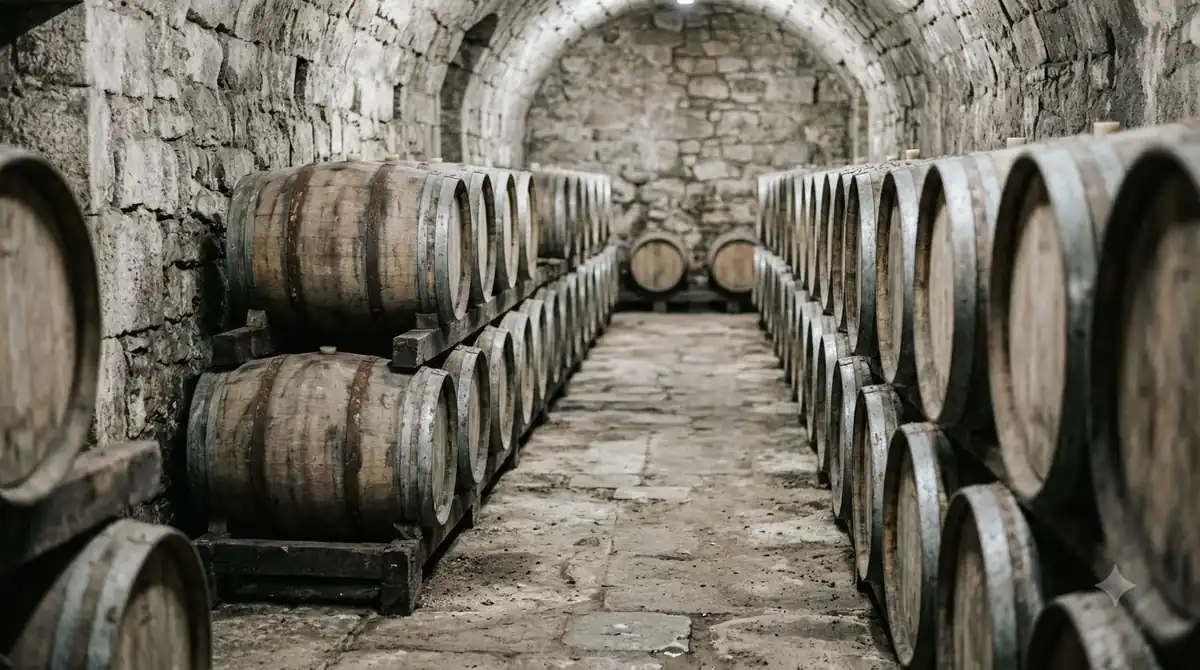
Moscato refers to wines made from Muscat grape varieties. One particularly recognizable example is Moscato d’Asti, produced in Piedmont, Italy. These wines are known for floral aromas, peach, apricot, citrus, and gentle bubbles. Many have relatively low alcohol levels and a sweet, refreshing finish. Other Moscato wines can be still, more alcoholic, or produced in different sweetness levels.
Zinfandel is a red grape variety strongly associated with California. It produces wines that often feature blackberry, raspberry, plum, black cherry, and pepper. Compared with typical sweet Moscato, red Zinfandel has more tannin, greater body, and a more pronounced warming sensation from alcohol. Its fruit flavors can be very ripe, sometimes giving an impression of sweetness even when the wine contains little residual sugar.
There is an important distinction between red Zinfandel and White Zinfandel. White Zinfandel is a pink wine made from the same Zinfandel grape. It is often lighter, fruitier, and slightly sweet, making it a different comparison from a traditional full-bodied California red.
| Characteristic | Moscato | Red Zinfandel |
|---|---|---|
| Grape family | Muscat varieties | Zinfandel |
| Typical color | White or golden | Ruby to deep purple |
| Typical sweetness | Often sweet | Usually dry |
| Body | Light to medium | Medium to full |
| Acidity | Medium to high, depending on style | Medium |
| Tannin | Very low | Medium to high |
| Typical alcohol | About 5-12% ABV, depending on style | About 14-16% ABV for many ripe California examples |
| Common flavors | Peach, orange blossom, apricot | Blackberry, plum, pepper |
| Serving temperature | 43-50 F | 60-65 F |
These figures are general style references rather than fixed specifications. A lightly sparkling Moscato d’Asti and a still, dry Muscat wine can differ substantially. Likewise, a lighter Zinfandel and a concentrated, ripe California example will not necessarily have the same body or alcohol content.
The practical takeaway is straightforward: choose Moscato for fragrant sweetness and a lighter drinking experience, or red Zinfandel for concentrated berry flavors and a more substantial red wine. If you are comparing White Zinfandel rather than red Zinfandel, the differences become less pronounced in body and intensity.
2. Grape Varieties and Where the Wines Come From
Moscato and Zinfandel have different grape histories and geographical associations. Moscato belongs to the broad Muscat family, which has a long winemaking history across Europe and beyond, while Zinfandel has a particularly strong connection with California and the Adriatic region.
The word Moscato is the Italian name for Muscat. It does not describe just one individual grape or one production method. Several Muscat varieties are used around the world, producing wines with different levels of sweetness, acidity, alcohol, and effervescence. Muscat Blanc à Petits Grains, also known as Moscato Bianco in Italy, is particularly important in the production of Moscato d’Asti.
Piedmont is the best-known Italian home of Moscato d’Asti. This northeastern Italian region has a long tradition of making aromatic wines from Muscat grapes. Moscato d’Asti is associated with gentle carbonation, fragrant fruit, and comparatively low alcohol. Asti Spumante is another sparkling wine from the area, but it generally has stronger carbonation and a different drinking experience.
Zinfandel has a more complicated geographical history. The variety is genetically identical to Croatia’s Tribidrag and Italy’s Primitivo. Although the grape is strongly identified with California, its ancestry connects it to southeastern Europe. In California, it has become especially associated with warm growing regions that allow the grapes to develop ripe fruit flavors and substantial sugar levels.
California Zinfandel is produced in several areas, including Sonoma County, Napa Valley, Lodi, and Paso Robles. Differences in climate, vineyard location, crop yields, and harvest decisions influence the final wine. A Zinfandel from a cooler location may show more freshness and red-fruit character, while a warmer-site example may emphasize blackberry, plum, and higher alcohol.
The geographical distinction matters because the grape variety alone does not determine the final taste. A Muscat wine from one country may be completely different from a sweet Italian Moscato d’Asti. Similarly, California Zinfandel can range from approachable and fruit-driven to concentrated and structured.
Tip: When comparing these wines, look beyond the grape name. Moscato d’Asti is a more specific style than Moscato in general, and red California Zinfandel is quite different from White Zinfandel. Identifying the style first makes the comparison more useful.
3. Sweetness, Acidity, and Tannin Compared
Moscato is generally the sweeter wine, while traditional red Zinfandel is usually dry. The difference comes from winemaking decisions and the amount of residual sugar remaining after fermentation, not simply from how fruity the grapes taste.
Many popular Moscato wines retain noticeable natural grape sweetness. In lightly sparkling Moscato d’Asti, sweetness is balanced by refreshing acidity and delicate carbonation. This combination prevents the wine from feeling as heavy as its sugar level might suggest. Flavors such as peach, apricot, orange, and ripe citrus reinforce its naturally sweet impression.
However, Moscato does not always mean sweet. Some Muscat wines are fermented to dryness, creating a more restrained style with floral aromas and fresh acidity. Fortified Muscat wines can be substantially sweeter and richer. Therefore, the name alone cannot describe every bottle in the category.
Red Zinfandel generally has a dry finish, although its ripe fruit flavors may suggest sweetness. Blackberry jam, plum, and black cherry can create a sweet-fruit impression without indicating a high level of residual sugar. This distinction between perceived fruit sweetness and actual sugar content is particularly important when comparing Zinfandel with Moscato.
Tannin is another major difference. Moscato has practically no noticeable tannin because most white Moscato wines are made with minimal skin contact. Red Zinfandel, by contrast, receives color and tannin from grape skins during red-wine fermentation. Its tannins can range from medium to relatively high, depending on extraction, grape ripeness, and winemaking techniques.
Acidity also influences how these wines feel. Moscato generally has refreshing acidity that balances sweetness. Zinfandel usually has moderate acidity, although individual wines vary. A ripe, high-alcohol Zinfandel may feel rounder and warmer than a fresh, aromatic Moscato.
These differences influence food pairing. Sweet Moscato can work particularly well with desserts, spicy dishes, and salty snacks. Dry red Zinfandel is better suited to rich, savory foods that can balance its fruit concentration and tannins.
4. Flavor and Aroma: What Each Wine Tastes Like
Moscato is recognized for floral aromas and fresh orchard-fruit flavors, while Zinfandel typically offers darker fruit, baking spice, and a richer palate. Both can be intensely fruity, but their aromatic profiles are quite distinct.
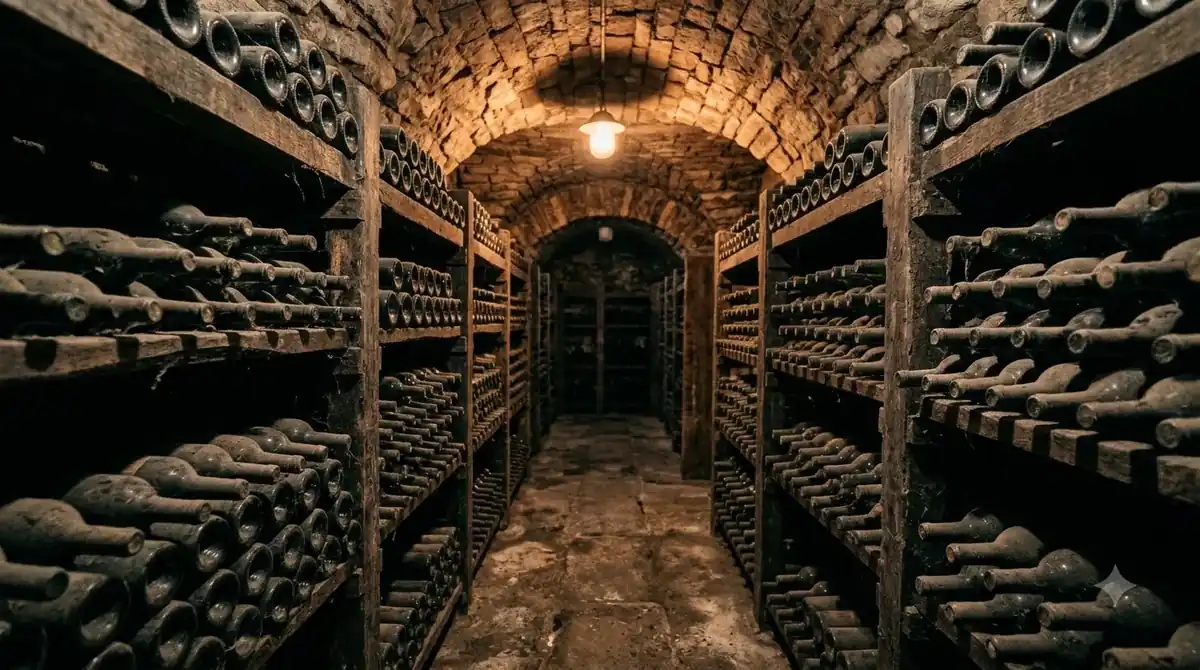
Moscato flavor profile
Common Moscato aromas include orange blossom, honeysuckle, peach, apricot, and citrus. Some wines also show pear, melon, fresh grape, and tropical-fruit notes. These aromas can be especially expressive in Moscato d’Asti, where the grape’s aromatic character is a central feature of the style.
On the palate, sweet Moscato often feels light, juicy, and refreshing. Its acidity keeps the sweetness from becoming overwhelming, while gentle bubbles in Moscato d’Asti add a lively sensation. The finish is usually fruity and aromatic rather than tannic or drying.
Still Moscato can offer a broader range of textures. Dry examples may feel crisp and less sugary, while richer or fortified versions can show honey, dried fruit, and more concentrated flavors. This diversity makes Muscat a versatile grape family rather than a single predictable wine style.
Zinfandel flavor profile
Red Zinfandel is typically more concentrated. Raspberry, blackberry, black cherry, plum, and blueberry are common fruit associations. Depending on the producer and growing conditions, the wine may also develop aromas of black pepper, cinnamon, clove, licorice, vanilla, and other baking spices.
Some examples have a jammy character, with very ripe fruit flavors and a rounded texture. Others show greater freshness and more restrained fruit. Oak aging can contribute additional notes such as toast, vanilla, and sweet spice, particularly in wines aged in new barrels.
Alcohol can have a noticeable effect on the overall impression. Many ripe California Zinfandels have substantial alcohol, which creates warmth and can amplify the impression of richness. Moscato d’Asti, by comparison, is generally lighter and less warming.
For another perspective on the grape’s characteristic fruit, spice, and regional styles, see Food & Wine’s guide to Zinfandel.
White Zinfandel presents a different flavor profile. It commonly shows strawberry, watermelon, citrus, and other fresh red-fruit characteristics. Depending on the producer, it may be dry or slightly sweet, and its texture is usually much lighter than traditional red Zinfandel.
For drinkers who prioritize aroma, Moscato is often the more immediately expressive choice. For those who prefer darker fruit, spice, and a fuller palate, red Zinfandel offers greater intensity and structure.
5. Alcohol Content, Body, and Serving Temperature
Moscato d’Asti generally contains less alcohol than red California Zinfandel, and it is normally served much colder. These differences affect the pace of drinking, the sensation of warmth, and how strongly the wine’s aromas and flavors emerge.
One of the clearest examples is the comparison between Moscato d’Asti and a ripe California red Zinfandel. Moscato d’Asti commonly has around 5-6% ABV, while many California Zinfandels fall around 14-16% ABV. Other Moscato styles can contain substantially more alcohol, so the comparison depends on the specific bottles.
Body is another defining feature. Moscato d’Asti generally feels light-bodied, with delicate carbonation and refreshing acidity. Red Zinfandel typically feels medium- to full-bodied, with more concentrated fruit, alcohol, and tannin. The fuller structure makes Zinfandel particularly suitable for hearty meals.
Serving temperature can make a considerable difference. Sweet Moscato is best served cold, generally around 43-50 F. The cooler temperature helps preserve its refreshing character and keeps sweetness from feeling excessive. Red Zinfandel is better served slightly cooler than many people expect for a red wine, around 60-65 F.
Serving red Zinfandel too warm can make its alcohol seem more pronounced and its fruit feel heavier. Serving it excessively cold can suppress its aromas and make tannins seem more noticeable. A short period in the refrigerator can help bring a warm bottle into the appropriate range.
The following comparison provides practical serving guidance:
| Serving detail | Moscato | Red Zinfandel |
|---|---|---|
| Ideal temperature | 43-50 F | 60-65 F |
| Typical glass pour | 5 oz | 5 oz |
| 750 ml bottle | About 5 glasses | About 5 glasses |
| Decanting | Usually unnecessary | 30-60 minutes for young, full-bodied examples |
| General style | Light and aromatic | Medium to full-bodied |
White Zinfandel should be served differently from traditional red Zinfandel. Its lighter structure and pink-wine character make a chilled serving temperature more appropriate. A range of 45-50 F works well for many rosé-style examples.
Storage is also important. Keep unopened bottles away from direct sunlight and major temperature fluctuations. For longer-term storage, bottles with natural corks are generally stored horizontally in a cool environment near 55 F. Once opened, refrigerate both Moscato and Zinfandel to preserve their quality.
6. Food Pairings: Which Wine Works Better With Dinner?
Moscato works especially well with desserts, spicy foods, and salty snacks, while red Zinfandel is a stronger match for grilled meats, barbecue, tomato-based dishes, and rich savory meals. The best pairing depends on balancing sweetness, acidity, tannin, salt, and fat.
Best foods for Moscato
Sweet Moscato is a natural partner for fruit-based desserts. Peach cobbler, lemon tart, fresh berries, fruit salad, and lightly sweet pastries complement its aromatic fruit character. The wine should generally be at least as sweet as the dessert; otherwise, the food can make it taste less expressive or even sour.
Cheesecake and mild cream-based desserts can also work well, particularly when the wine has enough acidity to balance the richness. Moscato d’Asti is especially appealing alongside peach desserts, almond pastries, and lightly sweet cakes because its gentle bubbles refresh the palate.
Moscato can also pair surprisingly well with spicy food. Sweetness helps soften the perception of chili heat, while acidity keeps the combination refreshing. Thai dishes with aromatic herbs, moderately spicy Asian noodles, and sweet-and-spicy preparations can all be suitable options.
For savory snacks, consider salty cheeses, mild blue cheese, roasted nuts, and salty appetizers. Salt can balance sweetness and make the wine taste more harmonious. Avoid excessively sweet desserts that are much sweeter than the wine.
Best foods for red Zinfandel
Red Zinfandel is particularly suitable for grilled and smoked meats. Barbecue ribs, pulled pork, grilled sausages, burgers, and smoked brisket complement its ripe berry flavors and substantial structure. The wine’s fruit concentration works well with savory sauces and caramelized meat surfaces.
Rich tomato-based dishes are another strong option. Baked ziti, meat lasagna, pizza with sausage, and slow-cooked tomato sauces provide acidity and savory depth that complement the wine. Foods with sufficient fat also soften the perception of tannin, creating a smoother overall pairing.
Hard cheeses and aged cheeses can be excellent companions. Cheddar, aged Gouda, and other flavorful cheeses offer enough richness and intensity to stand alongside a fuller-bodied Zinfandel. Mushroom dishes, roasted vegetables, and grilled eggplant can also work, particularly when prepared with herbs and savory seasoning.
White Zinfandel needs a different approach. Its lighter structure makes it more suitable for grilled chicken, salads, seafood, mild cheeses, and lighter appetizers. A slightly sweet example can also pair with mildly spicy dishes.
Pairings to avoid
Very hot chili dishes can make high-alcohol red Zinfandel feel even warmer and more aggressive. Tannic reds are also generally poor matches for delicate oily fish because the combination can produce an unpleasant metallic impression. Moscato is often a more flexible choice for spicy food, while a lighter White Zinfandel may be better for delicate seafood dishes.
Acidic foods require wines with equal or greater acidity to avoid making the wine seem flat. This is particularly relevant with tomato-based dishes and citrus-heavy recipes. Choosing a fresh, sufficiently acidic wine is often more important than matching the exact fruit flavors.
7. Which Wine Should You Choose?
Choose Moscato if you prefer sweetness, floral aromas, lower-alcohol styles, and refreshing fruit flavors. Choose red Zinfandel if you prefer dry red wine, fuller body, ripe dark fruit, noticeable tannin, and a warming finish.
For beginners who generally enjoy sweet drinks, Moscato is often the more approachable starting point. Its aromatic profile makes it easy to recognize, and the sweetness of many popular examples provides an accessible introduction to wine. Lightly sparkling Moscato d’Asti is especially suitable for casual occasions, celebrations, and fruit-based desserts.
For people who enjoy Cabernet Sauvignon, Syrah, or other fuller-bodied reds, Zinfandel may be the more familiar choice. Its fruit intensity and spice can make it appealing to drinkers who like bold wines. However, its alcohol and tannin levels can be noticeably greater than those of lighter reds such as Pinot Noir.
If you like the fruit-forward qualities of Moscato but want something less sweet, consider a dry Muscat wine or a crisp aromatic white. If you enjoy Zinfandel but want something lighter, consider Pinot Noir or a rosé. These alternatives preserve some of the characteristics you enjoy while changing the overall weight and sweetness of the wine.
White Zinfandel deserves consideration if you want a middle ground. It is usually lighter and more refreshing than traditional red Zinfandel, with strawberry and watermelon notes. Depending on the style, it can offer some of the easy-drinking appeal associated with sweet Moscato without having the same aromatic profile.
For additional comparisons, see our guides to rosé vs white Zinfandel and Shiraz vs Zinfandel. Readers interested in the broader differences between wine styles can also explore our Wine vs Wine comparisons.
The choice also depends on the occasion. Moscato is a strong option for brunch, afternoon gatherings, fruit desserts, and celebrations where a lighter wine is desirable. Red Zinfandel is better suited to dinner parties, barbecue meals, and occasions involving hearty savory dishes.
There is no universal winner. The better bottle is the one whose sweetness, body, alcohol, and flavor profile fit the food and the preferences of the people drinking it.
Frequently Asked Questions
Is Moscato made from the same grape as Zinfandel?
No. Moscato is made from Muscat grape varieties, while Zinfandel is a separate grape variety. Zinfandel is genetically identical to Croatia’s Tribidrag and Italy’s Primitivo, but it is not related to Muscat simply because both grapes can produce fruity wines.
Can Moscato be made into a dry wine?
Yes. Muscat grapes can produce dry wines when fermentation converts most of the grape sugar into alcohol. Dry Muscat wines can retain distinctive floral aromas even without noticeable sweetness. This makes Moscato a broader category than the sweet, lightly sparkling style commonly associated with the name.
Is Zinfandel related to Primitivo from Italy?
Yes. DNA research established that Zinfandel and Primitivo are genetically the same grape variety as Croatia’s Tribidrag. However, wines made from the grape can differ considerably because of climate, vineyard conditions, harvest decisions, and winemaking methods.
Does White Zinfandel contain white grapes?
No. White Zinfandel is made from red-skinned Zinfandel grapes. Its pink color comes from limited contact between the grape juice and skins during production. It is a rosé-style wine rather than a conventional white wine.
Can Moscato be used in wine cocktails?
Yes. Moscato can be used in fruit-forward wine cocktails, particularly those featuring peach, citrus, berries, or sparkling water. Its natural sweetness means that additional sweeteners are often unnecessary. A lightly sparkling Moscato can also be served with fresh fruit for a simple celebratory drink.
Moscato and Zinfandel offer two very different wine experiences, from fragrant sweetness and delicate bubbles to concentrated berries, spice, and a fuller red-wine structure. Understanding the differences makes it easier to select a bottle for a particular meal, occasion, or personal preference. Start with Moscato for sweetness and freshness, or choose red Zinfandel for a richer, more structured wine.
More in Wine vs Wine
 Chenin Blanc vs Pinot Gris: Acidity, Body, and Pairing DifferencesUpdated Nov 20, 2026
 Chianti vs Lambrusco: How Tuscany and Emilia-Romagna Reds CompareUpdated Nov 20, 2026
 Chianti vs Primitivo: Key Differences in Taste, Body, and PairingUpdated Nov 20, 2026
 Chianti vs Rioja: Key Differences in Taste, Aging, and PairingUpdated Nov 20, 2026
 Chianti vs Shiraz: How Acidity, Body, and Food Pairings CompareUpdated Nov 20, 2026
 Chianti vs Syrah: Key Differences in Taste, Body, and Food PairingUpdated Nov 20, 2026