

We may earn a commission when you buy through links on this page, at no extra cost to you. Learn more.
Grenache vs Malbec comes down to red-fruit brightness and softer tannin in many Grenache wines versus darker fruit, deeper color, and firmer structure in many Malbecs. Grenache is a flexible Mediterranean grape associated with southern France, Spain, and Australia, while Malbec is best known today for Argentina’s Mendoza region and also has a distinctive French expression in Cahors. Both can be dry, ripe, and generous, but they suit different palates, meals, and serving styles.
Choosing between these two reds is easier when you look beyond their shared reputation for ripe fruit. Their skins, growing regions, and winemaking traditions create different balances of acidity, tannin, body, and spice. A bottle’s origin is often the quickest clue to the style you will find in the glass.
Grenache vs Malbec at a Glance
Choose Grenache for a red wine that often emphasizes strawberry, raspberry, cherry, and pepper with gentler tannin. Choose Malbec for a darker, more concentrated profile built around plum, blackberry, violet, and a firmer feel, especially in Cahors or richer Argentine bottlings.
The comparison is a guide, not a rule: old-vine Priorat Grenache can be deep and structured, while high-altitude Uco Valley Malbec can feel fresh and floral. Site and winemaking shift both styles.
| Feature | Grenache | Malbec |
|---|---|---|
| Common fruit | Strawberry, raspberry, red cherry | Blackberry, blueberry, plum |
| Color | Ruby, often lighter at the rim | Deep ruby to purple |
| Tannin | Low to medium; often supple | Medium to high; often more noticeable |
| Acidity | Low to medium, depending on site | Medium in many examples; fresher at altitude |
| Body | Medium to full, depending on ripeness and extraction | Medium to full, commonly full-bodied |
| Typical serving temperature | 55–60°F for lighter styles; 60–65°F for fuller styles | 60–65°F for fuller styles |
| Classic places | Châteauneuf-du-Pape, Priorat, Barossa Valley | Mendoza, Uco Valley, Cahors |
Grenache’s thinner skins generally contribute less color and tannin than Malbec’s deeply pigmented skins. That helps explain why Grenache often feels more aromatic and supple, while Malbec is frequently darker and grippier. Extraction, vine age, harvest timing, and maturation can change the weight of either wine; for another red-fruit comparison, see grenache vs pinot noir.
Flavor, Body, Tannin, and Acidity
Grenache usually leads with red fruit and a warm, spicy aroma, while Malbec is more likely to lead with dark fruit and a deeper impression of color and structure. The practical difference is often less about sweetness than about fruit character, tannin, and the sensation of weight.
Grenache commonly suggests strawberry, raspberry, red cherry, and sometimes dried herbs, white pepper, or licorice. Cooler sites can keep the fruit fresh and crunchy; warmer areas may give strawberry compote and dried cherry. Because the grape accumulates sugar as it ripens, some versions carry higher alcohol levels even when their tannins remain soft.
Malbec often shows blackberry, black cherry, blueberry, plum, and violet, with cocoa, tobacco, or vanilla in some oak-aged examples. Its dark skins contribute color and tannin, which can feel smooth in ripe Argentine wines or firmer and more savory in Cahors. Tannin is the drying, tea-like sensation that builds across the gums and sides of the mouth; Grenache’s is often softer, while Malbec generally provides more evident structure. Oak adds aroma and texture, but it does not mean the wine is sweet.
Acidity keeps fruit-driven reds from feeling flat. Grenache is often low to medium in acidity, though altitude and harvest timing can preserve freshness; Malbec usually has medium acidity, with cooler high-altitude vineyards giving it a brighter line. Tart fruit flavor is not proof of high acidity. For a different comparison involving peppery structure, see grenache vs syrah; Syrah typically brings more tannin and darker savory character than a lighter Grenache.
Where the Grapes Grow and Why Region Matters
Grenache is closely tied to the Mediterranean, particularly southern France and Spain, while Malbec’s modern identity is strongly linked to Argentina and its French home in Cahors. Region changes the final wine because sunshine, elevation, soil, wind, and harvest conditions affect ripeness and acidity.
In southern France, Grenache is central to the southern Rhône, including Châteauneuf-du-Pape, Gigondas, and Vacqueyras. It is bottled alone and blended with Syrah and Mourvèdre: Grenache brings ripe red fruit and body, Syrah adds darker fruit, pepper, and tannin, and Mourvèdre adds structure. Grenache also appears in Tavel and Lirac rosés and Roussillon fortified wines. Spain calls the grape Garnacha: Priorat is known for concentrated examples, while Rioja and Navarra produce single-variety wines and blends with Tempranillo. Australia’s Barossa Valley and McLaren Vale are recognized for old-vine Grenache with ripe berry fruit and spice.
Malbec’s French expression is most closely associated with Cahors, where it can be dark, earthy, and firm in tannin, with black fruit and tobacco. It also has a historical role in Bordeaux blends, but is better known today as a standalone wine from Argentina, especially Mendoza, the Uco Valley, and Luján de Cuyo. According to Wines of Argentina, the country has 47,064 hectares of Malbec planted, representing about 42.1% of its red-grape vineyard area, and Mendoza accounts for 84.7% of national Malbec plantings. WSET describes Luján de Cuyo vineyards commonly planted around 900 to 1,100 meters, while some Uco Valley vineyards reach 1,500 meters; warmer sites tend to give rounder fruit, while cool nights at higher elevations help preserve freshness. The Wine Enthusiast Grenache profile offers a useful overview of southern Rhône and Spanish Grenache, and the regional examples show why a place name matters as much as the grape name.
Food Pairings: From Lamb to Grilled Steak
Grenache is a flexible match for herbs, roasted vegetables, lamb, sausages, and Mediterranean dishes, while Malbec is a strong partner for grilled beef, burgers, smoky vegetables, and savory dishes with umami. Match the wine’s structure to the intensity and texture of the food rather than pairing only by color.
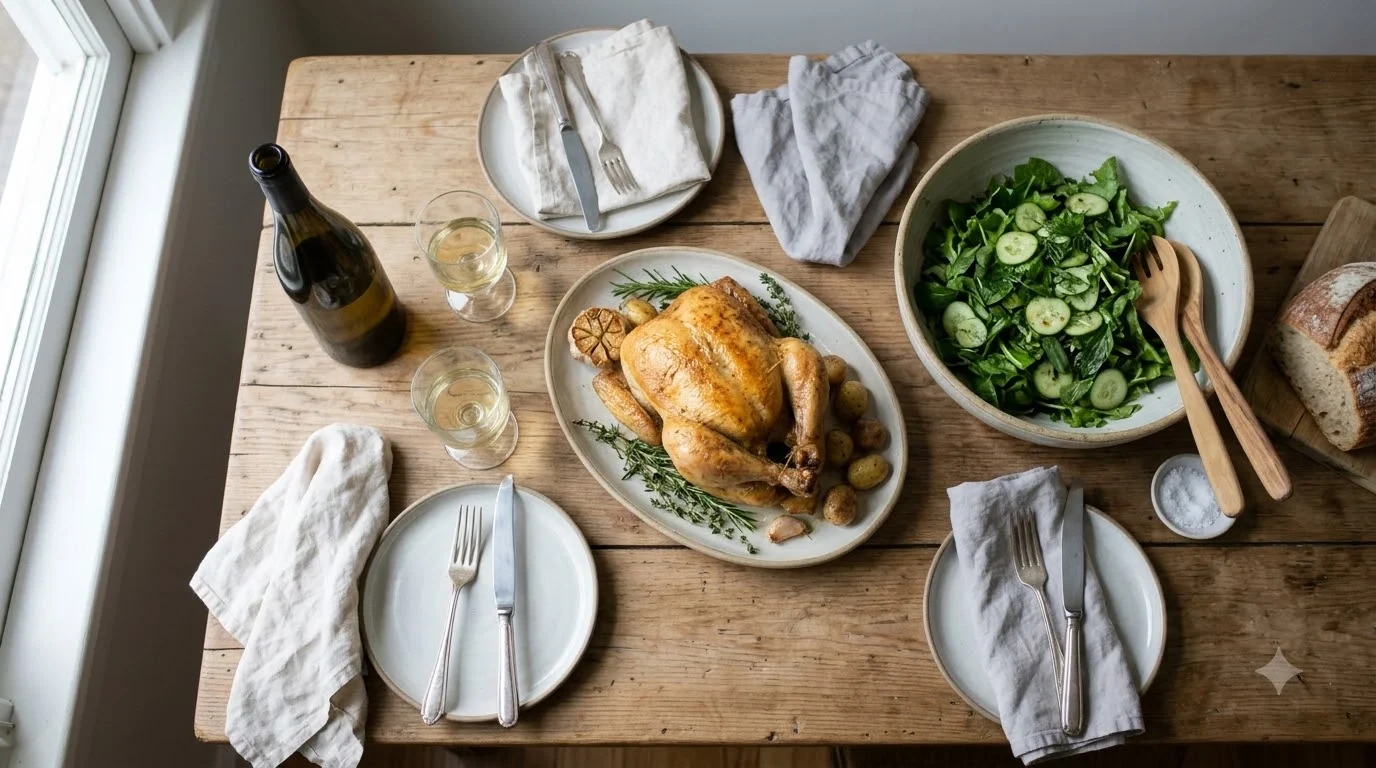
Grenache’s red fruit and softer tannin work well with roast chicken, grilled lamb, pork, tomato-based dishes, and charcuterie. A medium-bodied Grenache can complement rosemary, thyme, garlic, and paprika without overwhelming the food. Spanish Garnacha is a natural partner for tapas such as grilled chorizo, roasted peppers, or mushroom dishes. Fuller Grenache from Châteauneuf-du-Pape or Barossa can handle slow-cooked lamb, braised short ribs, and richer stews.
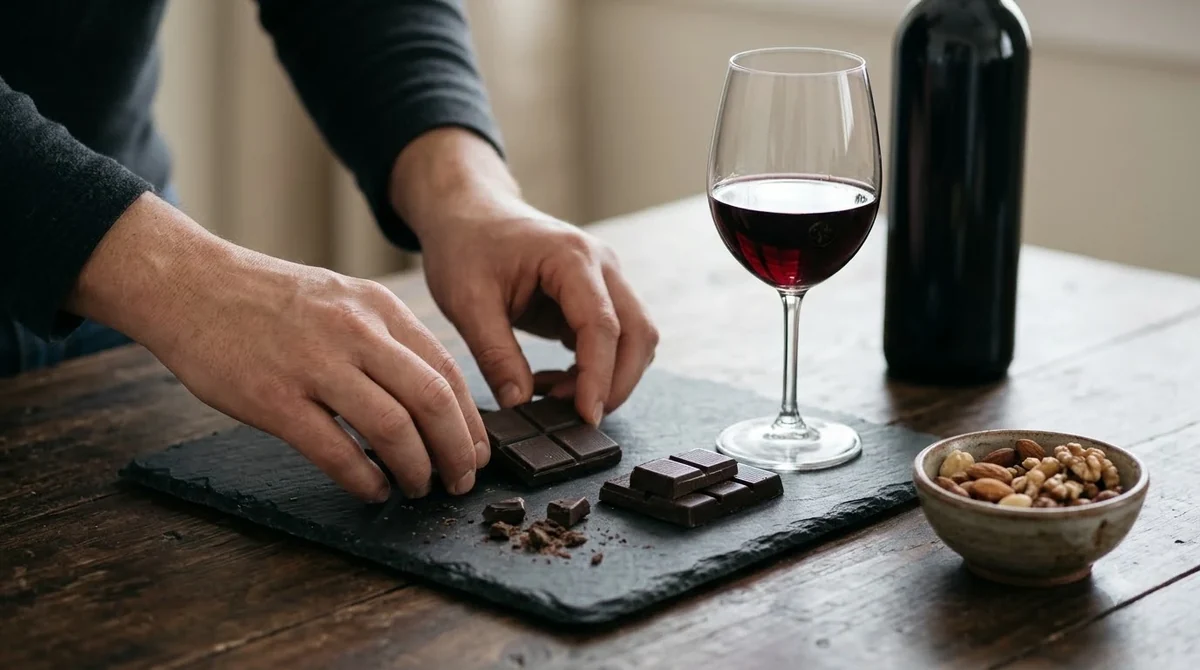
Malbec’s darker fruit and firmer tannin pair naturally with beef, especially grilled steak, barbecue, and burgers with browned edges. It also suits lamb chops, meat empanadas, grilled sausages, and roasted mushrooms. A Cahors Malbec can stand up to duck confit or a slow-cooked cassoulet, while a ripe Mendoza version works with steak seasoned with black pepper or smoked paprika. For regional context on Malbec’s style and food, VinePair’s Malbec overview explains the contrast between Cahors and Argentina. Vegetarian dishes work when they have savory depth: try Grenache with roasted eggplant, lentils, or tomato-rich dishes, and Malbec with grilled portobello mushrooms, black bean burgers, or aged cheese. Delicate white fish and lightly seasoned vegetables may be overwhelmed by either red, so a lighter wine can be a better match.
Pay attention to salt, fat, acidity, and heat. Salt and fat soften tannin, helping a structured Malbec with a well-marbled steak. Acidic dishes need wine with equal or greater acidity, while chili heat is amplified by alcohol and tannin. Oily fish such as salmon or tuna is generally a poor match for tannic reds.
Tip: For a mixed menu, start with the lighter wine and serve Grenache before a fuller Malbec. Put the Malbec beside the most savory or grilled dish, and keep heavily chili-spiced food away from high-alcohol or high-tannin reds.
Serving Temperature, Glassware, and Storage
Serve Grenache and Malbec slightly cool rather than warm from a room-temperature kitchen. Lighter Grenache is often most expressive around 55–60°F, while fuller Grenache and Malbec generally show best around 60–65°F.
Too warm, and alcohol can seem prominent; too cold, and tannin can feel harder while aromas become muted. A short refrigerator chill can bring a warm bottle into range. Use a red-wine glass with room to swirl: a larger bowl suits concentrated Malbec, while a medium bowl works for aromatic Grenache. Pour about 5 ounces; a 750-milliliter bottle yields roughly five standard glasses.
Young, full-bodied reds can benefit from 30–60 minutes of decanting, particularly if a Malbec feels tight or tannic when first opened. Grenache usually does not need a long decant unless it is a concentrated, structured bottling or shows reduction when opened. Taste before deciding: a short exposure to air can soften the first impression, but extended aeration is not automatically an improvement for every wine.
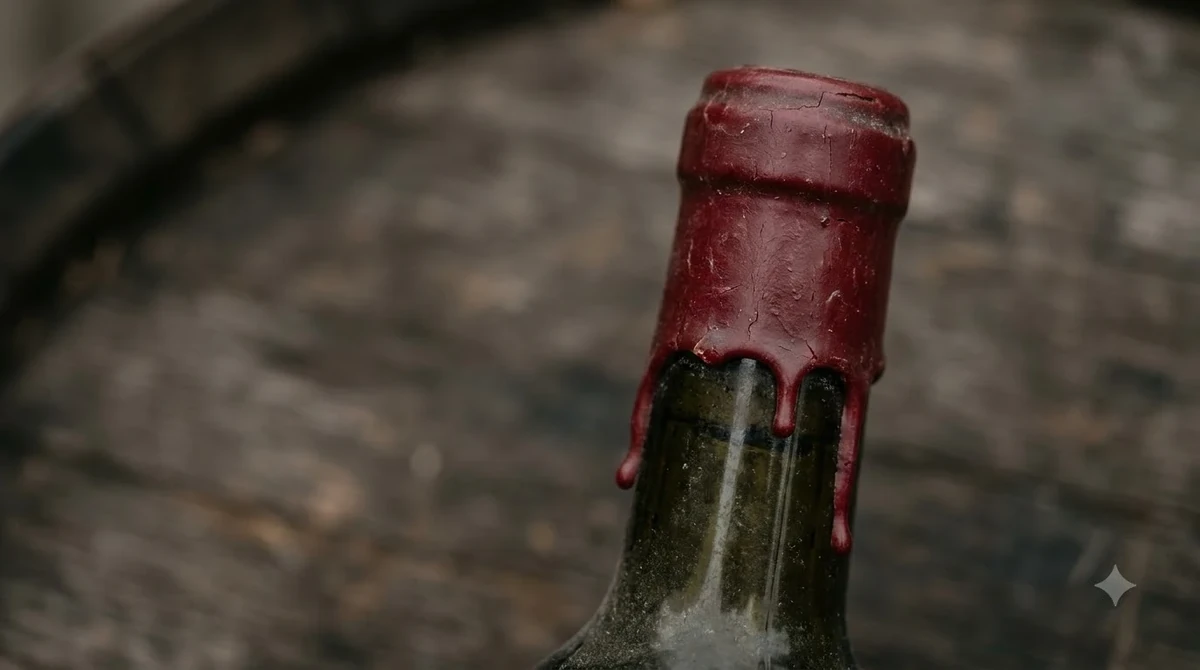
Store unopened bottles on their side in a cool, dark place near 55°F. After opening, recork and refrigerate; most still wines keep for about 3–5 days, though freshness fades at different speeds. Bring the wine back toward its serving temperature before pouring.
How to Choose a Bottle That Fits Your Taste
Start with the flavor and structure you prefer, then use the region and winemaking notes to narrow the choice. A fruit-forward Mendoza Malbec is a straightforward starting point, while Grenache from Spain or the southern Rhône offers a different balance of red fruit, spice, and tannin.
If you prefer bright red fruit, moderate grip, and a warm, spicy finish, look for Grenache, Garnacha, or a southern Rhône blend. Spanish Garnacha makes the grape’s fruit character easy to recognize; Rhône blends add the color, tannin, and savory notes of Syrah and Mourvèdre. Barossa and McLaren Vale offer ripe fruit and fuller texture. If you prefer dark fruit, more color, and firmer structure, look for Malbec from Mendoza or Cahors: Mendoza gives ripe plum and blackberry with smooth tannin, higher Uco Valley sites can show floral lift, and Cahors leans toward earth and firmness.
Winemaking can blur the distinction. Longer skin contact can make Grenache darker and more structured, while whole-cluster fermentation may add herbal notes. Malbec can be made with restrained extraction and little new oak, or matured in barrels for vanilla, coffee, or cocoa aromas. Grenache is a key component in many GSM wines, where Syrah and Mourvèdre add dark-fruit character and tannin; Malbec may be blended with Cabernet Sauvignon, Merlot, Cabernet Franc, or Bonarda. Oak and blending are choices, not requirements.
For a quick decision, pick Grenache for red-fruit fragrance and generally softer tannin, and Malbec for dark-fruit depth and a more noticeable frame. Then refine by region: a high-altitude Argentine Malbec may feel fresher than ripe, warm-climate Grenache, while old-vine Priorat Garnacha can be more powerful than a lighter Malbec. That is the point of a useful Wine vs Wine comparison: focus on the wine in the glass, not just the grape name.
Frequently Asked Questions
These common questions cover naming, regional rules, and winemaking details that can help decode a Grenache or Malbec label. A little context about the grape’s alternate names and appellation rules makes unfamiliar bottles easier to understand.
Is Grenache the same grape as Garnacha?
Yes. Grenache is the French name, while Garnacha is the name commonly used in Spain. On the Italian island of Sardinia, the same grape is known as Cannonau, and local wines may show a distinct island identity even though the variety is the same.
Is Malbec still allowed in Bordeaux wine?
Yes. Malbec is one of the permitted red varieties in Bordeaux, alongside the better-known blending grapes. VinePair notes that when Malbec is included in a Bordeaux red blend, it is usually less than 2 percent of the blend, so it is far less visible there than it is in Argentina.
Does Grenache grow only in warm climates?
Grenache is best known as a warm-climate grape, but it is planted in a wide range of places, including California, Washington, Chile, and South Africa. Site, crop level, and harvest date help determine whether the wine feels light and lively or ripe and powerful.
Why is Cahors Malbec sometimes called black wine?
The nickname refers to its famously deep color and historically concentrated style, not to a separate grape or a sweet wine category. Cahors Malbec has long been associated with dark fruit, firm tannin, and the ability to develop savory complexity with age.
Can Malbec be made without oak aging?
Yes. Malbec can be bottled without barrel aging, allowing fruit and freshness to remain at the center of the wine. WSET notes that producers also experiment with gentler extraction and lighter whole-cluster styles, so modern Malbec is not limited to heavily oaked examples.
Grenache and Malbec both offer plenty of character, but they answer different preferences: one often brings fragrant red fruit and softer tannin, while the other leans toward dark fruit and firmer structure. Start with the style and meal you want, then use the region on the label to find the expression that fits.
More in Wine vs Wine
 Chenin Blanc vs Pinot Gris: Acidity, Body, and Pairing DifferencesUpdated Nov 20, 2026
 Chianti vs Lambrusco: How Tuscany and Emilia-Romagna Reds CompareUpdated Nov 20, 2026
 Chianti vs Primitivo: Key Differences in Taste, Body, and PairingUpdated Nov 20, 2026
 Chianti vs Rioja: Key Differences in Taste, Aging, and PairingUpdated Nov 20, 2026
 Chianti vs Shiraz: How Acidity, Body, and Food Pairings CompareUpdated Nov 20, 2026
 Chianti vs Syrah: Key Differences in Taste, Body, and Food PairingUpdated Nov 20, 2026