

We may earn a commission when you buy through links on this page, at no extra cost to you. Learn more.
Beaujolais vs gamay comes down to a wine region versus a grape variety: Beaujolais is a French wine region and appellation, while Gamay is the red grape responsible for most of its wines. Most red Beaujolais is made from Gamay Noir à Jus Blanc, a variety known for bright acidity, refreshing red-fruit flavors, and relatively gentle tannins. However, Gamay is also grown outside Beaujolais, so not every Gamay wine is Beaujolais, and wines from different Beaujolais appellations can taste remarkably different.
The distinction matters when choosing a bottle because a wine labeled Gamay tells you about the grape, while a Beaujolais label tells you about its geographical origin and, depending on the appellation, potentially its growing conditions and production requirements. A light, juicy regional Beaujolais and a structured Moulin-à-Vent can both feature the same grape but offer very different drinking experiences. Understanding the relationship between the two makes wine labels easier to interpret and helps you find the style you actually enjoy.
Beaujolais and Gamay: The Fundamental Difference
Beaujolais identifies where a wine comes from, while Gamay identifies the grape used to make it. The distinction is similar to the difference between Burgundy and Pinot Noir: one is a geographical designation, and the other is a variety that can grow in many places.
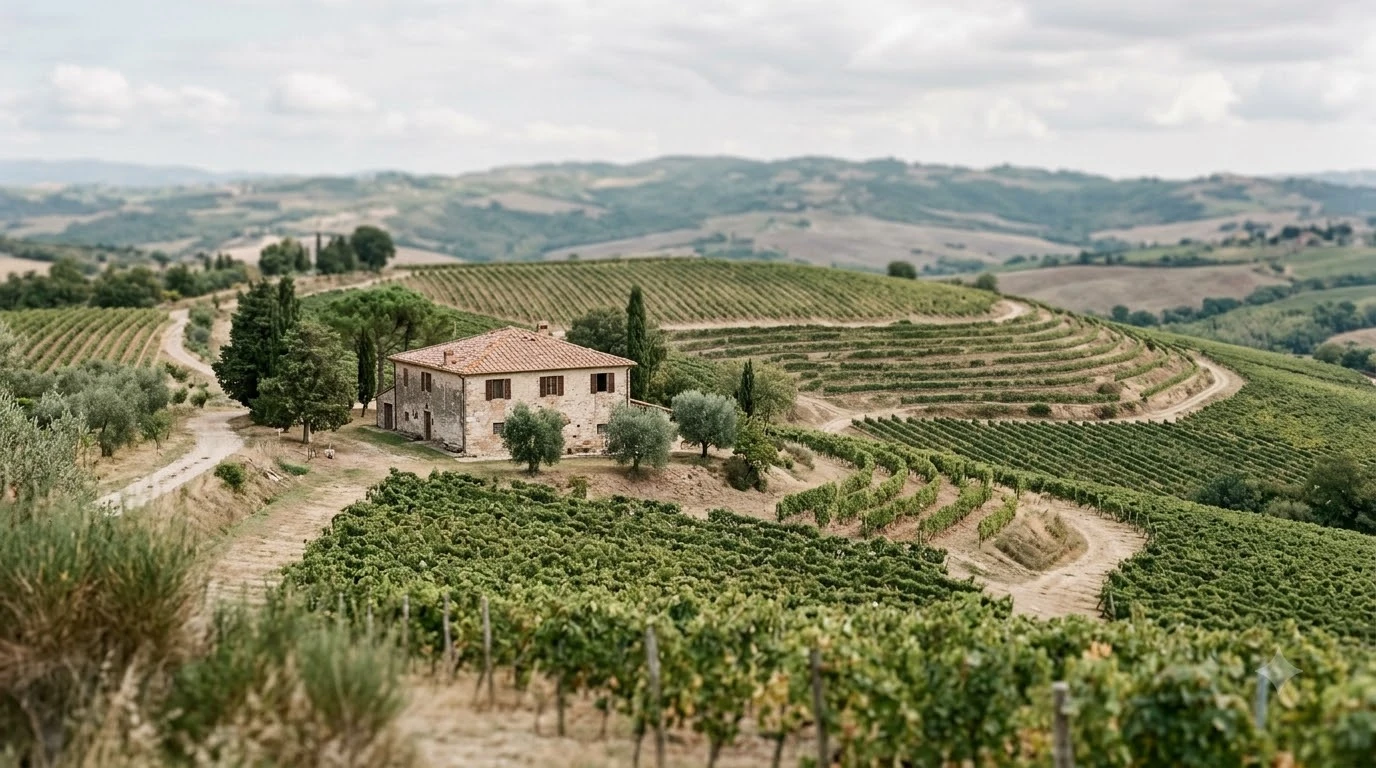
Beaujolais sits in eastern France, south of the Mâconnais and north of Lyon. It is particularly associated with red wine made from Gamay Noir à Jus Blanc. According to the Beaujolais wine council, Gamay accounts for approximately 98% of the vineyard area producing Beaujolais wine. The grape and region have a shared history dating back to at least the early 17th century. The official Beaujolais Gamay profile explains the variety’s history, vineyard characteristics, and range of wine styles.
Gamay, on the other hand, is not restricted to this French region. It is also grown in the Loire Valley, Switzerland, and other wine-producing areas. A bottle labeled simply Gamay could therefore originate from France, Canada, or another growing region. Its flavor and structure depend on climate, vineyard conditions, harvest decisions, and winemaking techniques.
There is another important labeling detail: red and rosé Beaujolais are principally associated with Gamay, but white Beaujolais is made from Chardonnay. Consequently, the statement that all Beaujolais is Gamay is incorrect. The grape is central to the region, but it does not account for every wine produced there.
| Characteristic | Beaujolais | Gamay |
|---|---|---|
| Definition | French wine region and appellation name | Red grape variety |
| Geography | Eastern France, north of Lyon | Beaujolais, Loire, Switzerland, and elsewhere |
| Main association | Red wines made from Gamay | Fresh, fruit-forward red wines |
| Typical fruit | Strawberry, cherry, raspberry | Strawberry, raspberry, cherry, sometimes banana |
| Acidity | Generally bright | Generally high |
| Tannin | Low to medium, depending on style | Generally low to medium |
| Wine styles | Nouveau, regional, Villages, and ten crus | Light, medium-bodied, and structured reds |
| White wine | Chardonnay-based | Not applicable to the standard red Gamay designation |
For readers comparing bottles, the distinction is especially useful when exploring Wine vs Wine categories. A regional designation offers information about origin, while a grape name identifies the variety. Neither one alone guarantees a particular flavor profile, because producers can make different styles from the same grapes.
What Gamay Tastes Like in the Glass
Gamay typically produces a light- to medium-bodied red wine with high acidity, low to medium tannins, and pronounced red-fruit aromas. Strawberry, raspberry, red cherry, and cranberry are common characteristics, with floral, peppery, or occasionally banana-like notes depending on the growing conditions and fermentation method.
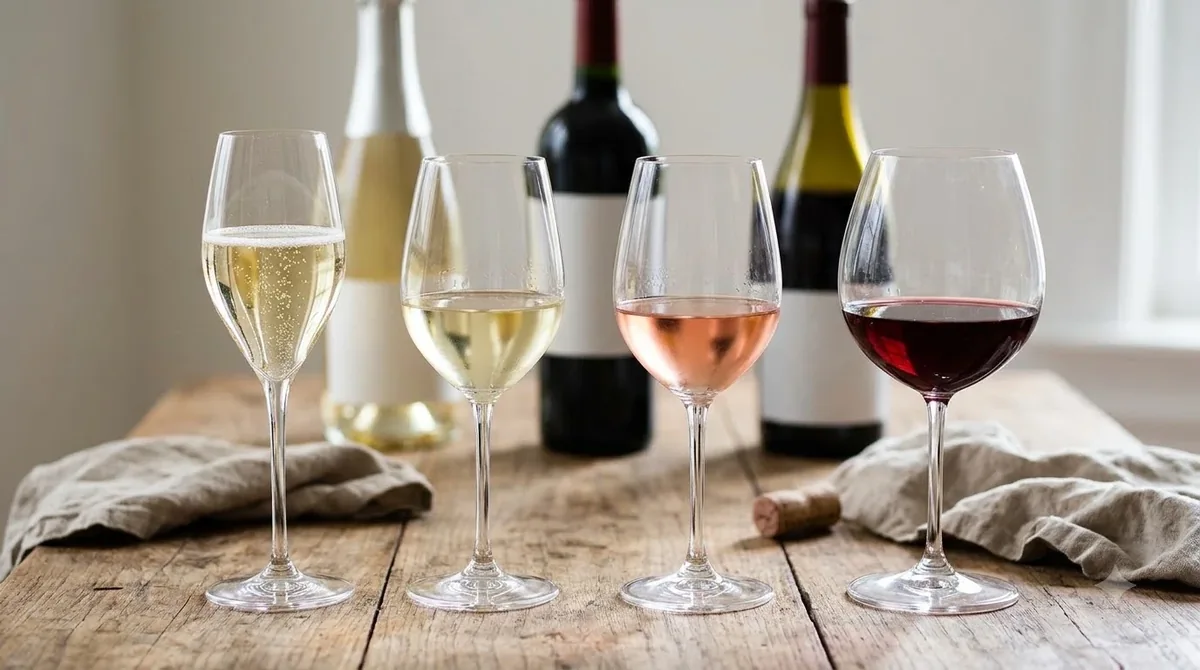
Its color often ranges from bright ruby to deeper purple-red. Many bottles have a relatively transparent appearance compared with Cabernet Sauvignon or Syrah. This lighter color does not mean the wine lacks flavor. Instead, Gamay generally emphasizes freshness, aromatic fruit, and a lively palate rather than dense tannin or heavy extraction.
On the palate, acidity provides much of the wine’s energy. It makes the fruit taste crisp and helps the wine work with foods that might overwhelm a heavier red. The tannins are usually gentle enough that Gamay can be enjoyed without the drying sensation associated with more tannic varieties.
Some Gamay wines have distinctive aromas of banana, bubblegum, or candied fruit. These characteristics are particularly associated with carbonic or semi-carbonic fermentation. They are not universal features of the grape, however. A more traditionally fermented Gamay may show fresh cherries, earth, herbs, or darker fruit without the pronounced confectionery aromas.
Climate also affects the finished wine. Cooler conditions can preserve freshness and emphasize red berries, while warmer growing conditions may produce riper fruit and a fuller impression. Soil, vineyard exposure, vine age, and harvest timing add further variation.
Typical Gamay flavor and structure
- Fruit: Strawberry, raspberry, red cherry, cranberry, and sometimes blackberry.
- Floral notes: Violet, rose, and other delicate floral aromas.
- Secondary characteristics: Pepper, earth, herbs, and mineral impressions.
- Body: Usually light to medium.
- Acidity: High, giving the wine its refreshing character.
- Tannin: Low to medium, although more structured examples can feel firmer.
Gamay’s flexibility is one reason it appeals to drinkers who enjoy Pinot Noir but want to explore other light-bodied reds. For a more detailed comparison of those two drinking experiences, see Beaujolais vs Pinot Noir. Both can offer attractive red-fruit flavors, but differences in growing conditions, tannin, and winemaking make them distinct choices.
How Beaujolais Appellations Change the Wine
Beaujolais is not a single uniform wine style. Its appellation system includes regional wines, Beaujolais Villages, and ten named crus, with increasingly specific geographical identities and a wide range of structures and flavor profiles.
The regional Beaujolais appellation covers approximately 24 square miles across 72 villages, according to Discover Beaujolais. Its vineyards include limestone-clay and granitic soils. These wines are generally associated with accessible fruit, lively acidity, and straightforward drinking pleasure.
Beaujolais Villages occupies a step above the broad regional designation in terms of geographical specificity. Grapes come from designated village areas, and the wines can show greater concentration, freshness, or aromatic detail depending on the producer and vineyard. This category is useful for people who want more character than a simple entry-level red without immediately moving into the cru wines.
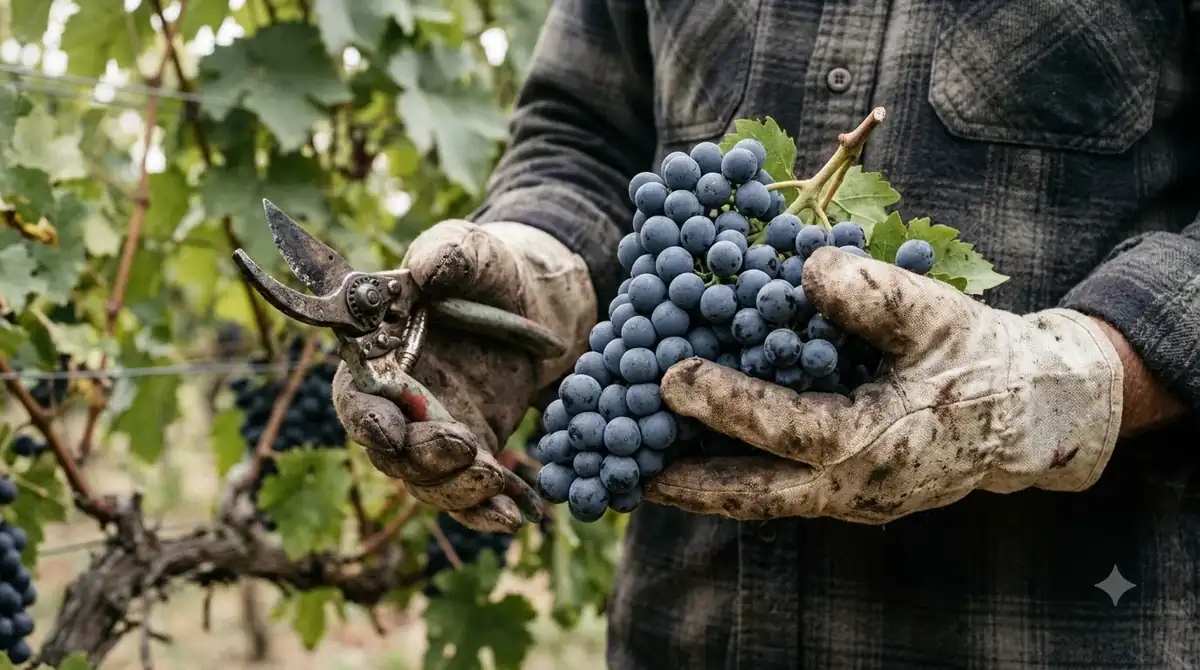
The ten crus represent the region’s named communal appellations. They are Brouilly, Côte de Brouilly, Régnié, Morgon, Chiroubles, Fleurie, Moulin-à-Vent, Chénas, Juliénas, and Saint-Amour. Each has its own growing conditions and recognizable stylistic tendencies, although producer choices and individual vineyard sites create considerable variation.
Understanding the ten Beaujolais crus
- Brouilly: Often approachable, juicy, and fruit-forward, with red berries and a supple texture.
- Côte de Brouilly: Frequently more structured than Brouilly, with freshness and mineral character.
- Régnié: Often combines bright fruit with moderate structure and approachable tannins.
- Morgon: Known for deeper fruit, more substantial texture, and the ability to develop earthy complexity.
- Chiroubles: Often lighter, fragrant, and particularly expressive in its floral aromas.
- Fleurie: Commonly associated with elegant texture, floral aromas, and red-fruit character.
- Moulin-à-Vent: Frequently one of the more powerful and structured crus, with notable aging potential.
- Chénas: Can produce concentrated wines with firm structure and complex fruit.
- Juliénas: Often combines ripe fruit, spice, and a more substantial palate.
- Saint-Amour: Frequently approachable and aromatic, with fresh fruit and a balanced structure.
These differences explain why it is misleading to assume that every Beaujolais bottle tastes like a light, uncomplicated red. A simple regional wine may be ready for immediate enjoyment, while a serious Morgon or Moulin-à-Vent can offer a much more layered experience.
Soil plays an important part in this diversity. Granite is particularly associated with the northern Beaujolais vineyard, where many of the crus are located. The southern portion includes more limestone and clay. However, soil should not be treated as the only explanation for flavor: climate, slope, vine age, farming, and cellar decisions all influence the result.
For a wider geographical comparison, Beaujolais vs Burgundy is another useful distinction. Both regions are associated with Pinot Noir and Chardonnay comparisons, but Beaujolais has its own identity built around Gamay and its ten crus.
Winemaking: Carbonic Maceration and Other Techniques
Winemaking is a major reason Gamay can taste so different from one bottle to another. Beaujolais is particularly associated with semi-carbonic maceration, a technique that emphasizes freshness, fruit, and supple tannins, although producers also use more conventional fermentation methods.
In semi-carbonic maceration, whole grape clusters are placed into a fermentation tank. The weight of the grapes breaks some berries near the bottom, releasing juice that begins conventional yeast fermentation. Carbon dioxide builds up in the environment, allowing intact berries higher in the tank to undergo intracellular fermentation.
This process helps explain why some Beaujolais wines have aromas of banana, bubblegum, and candied fruit. It can preserve a vivid sense of freshness and produce a soft, juicy texture. However, the amount of whole-cluster fermentation, maceration time, and extraction all influence the result.
The Beaujolais wine council explains that semi-carbonic maceration combines intracellular fermentation in intact berries with conventional fermentation in juice released at the bottom of the tank. Its explanation of traditional Beaujolais vinification describes the process, including pumping juice over the grape cap and the different maceration periods used for regional, primeur, and cru wines.
Longer maceration can help extract additional color, flavor compounds, and tannins. This is one reason cru Beaujolais can have more structure than early-drinking regional wines. Some producers also destem grapes or use conventional fermentation, producing a profile that emphasizes different aspects of Gamay.
Carbonic versus semi-carbonic fermentation
Full carbonic maceration involves intact grapes fermenting in a carbon dioxide-rich environment. The process encourages intracellular fermentation and can create distinctive fruity aromas. Semi-carbonic maceration combines this activity with conventional fermentation from juice released at the bottom of the tank.
Neither approach is automatically better. A short, fruit-focused fermentation can be ideal for a fresh Nouveau, while longer maceration and careful extraction may suit a structured cru. Oak aging, stainless steel, and concrete also influence the final style.
Famille Chermette describes using stainless steel to maintain fresh fruit aromas and concrete vats to preserve freshness. It also uses large oak casks of 40 to 55 hectoliters and smaller 228-liter oak barrels for selected wines. Oak can contribute additional texture and subtle woody or vanilla characteristics.
Tip: If you want the freshest, most immediately fruity Gamay, look for a wine made with a fruit-focused fermentation approach and limited oak influence. For a more serious bottle, explore Morgon or Moulin-à-Vent and pay attention to the producer’s maceration and aging choices.
The important point is that Gamay does not dictate a single winemaking method. A producer outside Beaujolais may choose conventional red-wine fermentation, while a Beaujolais producer may use a combination of whole-cluster fermentation, maceration, and oak aging. The grape provides the raw material; the winemaker shapes the finished wine.
Gamay Outside Beaujolais: Where Else Does It Grow?
Gamay is grown in several countries and French regions, meaning that its identity extends well beyond Beaujolais. These wines can offer the same basic freshness and red-fruit appeal while reflecting different climates, soils, and local winemaking traditions.
The Loire Valley is one of the notable French alternatives. Gamay grown there can produce light, fresh reds with red-berry aromas and lively acidity. Depending on the site and producer, the wine may emphasize crisp fruit, herbal notes, or a more substantial texture.
Switzerland is another established home for Gamay. It is particularly relevant in the country’s French-speaking wine regions, where the grape can be made into approachable red wines. Swiss examples may show a different balance of fruit and acidity from the classic Beaujolais profile because of local growing conditions and production choices.
Canada also offers interesting Gamay wines, particularly in Ontario. The Niagara Peninsula has become a noteworthy area for the variety, with producers exploring its suitability for cooler-climate vineyards. These wines can show bright acidity, red berries, and varying degrees of concentration.
Gamay can also be found in other parts of the wine world, including the United States. California plantings are another reason to distinguish the grape from its French regional identity. However, a grape name on a bottle should be interpreted carefully, particularly when terminology varies between countries.
Why origin matters
Climate has a direct influence on grape ripening. Cooler sites tend to preserve acidity and can produce fresher, more delicate fruit expressions. Warmer conditions can encourage riper flavors and a fuller impression of body. Neither result is inherently superior; the best choice depends on the style you prefer.
Vineyard practices matter as well. Soil composition, elevation, slope, exposure, water availability, and crop management can all influence the character of Gamay. The Beaujolais wine council specifically identifies granite as a favorable soil for the variety, while also noting that Gamay can adapt to different conditions.
Winemaking creates another layer of difference. A producer might favor whole-cluster fermentation to emphasize aromatic fruit, or destem and ferment the grapes conventionally for a different balance of fruit and structure. Aging in stainless steel, concrete, or oak can further change the wine.
For this reason, a Loire Gamay and a Beaujolais wine should not automatically be treated as interchangeable. They share a grape variety, but their geographical origins and cellar methods can produce noticeably different results.
Food Pairings and Serving Temperature
Beaujolais and Gamay are particularly versatile at the table because their bright acidity and relatively gentle tannins work with many everyday dishes. Light regional wines suit poultry, charcuterie, and vegetables, while more structured crus can accompany richer meats and savory preparations.
For a simple pairing, roast chicken is an excellent starting point. Its savory flavor and moderate richness complement Gamay’s red fruit without overwhelming the wine. Roast pork, grilled sausages, and turkey are also natural choices, particularly when served with herbs, mushrooms, or a light pan sauce.
Charcuterie is another classic match. Salami, pâté, rillettes, and other cured meats provide salt and fat that soften the wine’s perception of acidity. The combination is particularly effective with a fresh Beaujolais or Beaujolais Villages.
More substantial cru wines can accompany roast duck, grilled pork chops, mushroom dishes, and beef preparations. A Morgon or Moulin-à-Vent with greater structure can stand up to richer dishes better than a very light Nouveau.
Pairing by wine style
- Beaujolais Nouveau: Serve with roast turkey, mild sausages, simple chicken dishes, or a charcuterie board.
- Regional Beaujolais: Pair with grilled chicken, pork tenderloin, vegetable tarts, or soft cheeses.
- Beaujolais Villages: Try roast pork, mushroom risotto, herbed poultry, or grilled sausages.
- Fleurie and Chiroubles: Pair with roast chicken, duck, mushroom dishes, and delicate meat preparations.
- Morgon and Moulin-à-Vent: Serve with roast beef, duck, pork shoulder, or dishes with savory mushroom sauces.
Gamay’s acidity is also useful with tomato-based dishes. The wine’s freshness can balance the natural acidity of tomatoes, especially when the dish includes herbs, olive oil, or moderate amounts of cheese. Very spicy food requires more care because alcohol and tannin can amplify chili heat.
Serving temperature is important. Although many people serve red wine too warm, Gamay generally benefits from a slight chill. Light-bodied examples are best around 55–60 degrees Fahrenheit, while fuller, more structured reds are comfortable around 60–65 degrees Fahrenheit.
For a light regional Beaujolais, approximately 30 minutes in the refrigerator before serving can help bring the wine toward a refreshing temperature, depending on its starting temperature. Avoid serving it ice-cold, since excessive chilling can mute the aromas and make the acidity seem more pronounced.
Use a standard 5-ounce pour in a regular wine glass. A 750-milliliter bottle provides approximately five glasses, making it easy to serve alongside a meal without requiring an elaborate wine service.
Choosing Between Beaujolais and Other Gamay Wines
The best way to choose is to decide whether you want a particular regional identity or simply the characteristics of the Gamay grape. If you want a classic French expression with recognizable appellation distinctions, Beaujolais is a natural starting point; if you want to explore how different climates and producers interpret the grape, compare Gamay from several regions.
For an easy introduction, begin with a regional Beaujolais. These bottles often emphasize juicy red fruit, freshness, and a relatively soft texture. They work well as casual dinner wines and are approachable for drinkers who prefer lighter reds.
If you want a little more depth, choose Beaujolais Villages. The more specific geographical origin can provide additional character, and many examples balance fresh fruit with a more substantial palate. This is a practical middle ground between simple regional wine and the more serious cru category.
For greater structure, explore the ten crus. Fleurie and Chiroubles are good places to start if you prefer fragrance and elegance. Morgon and Moulin-à-Vent are useful choices if you want a fuller, more structured wine with greater potential to develop complexity in the bottle.
How to compare bottles fairly
When comparing Beaujolais with Gamay from another region, try to control as many variables as possible. Choose wines from the same vintage when practical, use similar serving temperatures, and compare bottles made in broadly similar styles.
For example, comparing a young Beaujolais Nouveau with a mature, oak-aged Canadian Gamay would not tell you much about geographical differences alone. Their fermentation methods, aging, and development would create major differences independent of origin.
A more useful comparison might involve a young Beaujolais Villages and a young Loire Gamay. Look at the fruit character, acidity, body, tannin, and finish. Then compare the wines with a structured Morgon to see how much variation the same grape can produce within one region.
Consider these questions while tasting:
- Does the wine emphasize fresh strawberry and raspberry or darker cherry and blackberry?
- Is the body light and easygoing or more concentrated and substantial?
- Does the wine show banana and bubblegum aromas associated with carbonic fermentation?
- Are the tannins soft and delicate or noticeably firm?
- Does the finish emphasize fresh fruit, floral notes, spice, earth, or mineral character?
These observations help separate grape characteristics from regional and winemaking influences. They also make it easier to identify the bottles that suit your personal preferences.
Another useful comparison is Gamay vs Grenache. Both varieties can produce fruit-forward reds, but Grenache generally offers a different combination of body, alcohol, acidity, and ripe-fruit character. Exploring the two helps put Gamay’s lighter structure into perspective.
Ultimately, there is no need to choose one category permanently. Beaujolais offers a well-defined regional expression of Gamay, while wines labeled with the grape name provide an opportunity to explore its broader range. Both approaches can lead to excellent bottles.
Frequently Asked Questions
Is Beaujolais always made from 100% Gamay?
Red Beaujolais is associated with Gamay Noir à Jus Blanc, while white Beaujolais is made from Chardonnay. Rosé Beaujolais is also produced from Gamay. The grape composition therefore depends on the wine’s color and appellation rather than the regional name alone.
Is Gamay related to Pinot Noir?
Yes. Gamay Noir à Jus Blanc is a natural cross between Pinot Noir and Gouais Blanc. Its genetic relationship to Pinot Noir helps explain why the two varieties can share certain red-fruit and floral characteristics, although their typical tannin and flavor profiles are different.
Is Gamay the same as Gamay Beaujolais in California?
Not necessarily. The historical California labeling term Gamay Beaujolais has been associated with Valdiguié rather than the French Gamay Noir à Jus Blanc variety. American labeling terminology has regulatory distinctions, so the actual grape identity is more useful than assuming that similar names indicate the same variety.
When is Beaujolais Nouveau released?
Beaujolais Nouveau is traditionally released on the third Thursday of November. It is an early-drinking wine made from the recent harvest, with production methods designed to emphasize freshness and fruit rather than extended maturation. Its release has become an internationally recognized annual wine celebration.
Can Gamay be aged for ten years?
Some carefully made Gamay wines can develop for a decade or longer, particularly structured examples from appellations such as Moulin-à-Vent and Morgon. Aging potential depends on vintage, producer, vineyard, acidity, tannin, and winemaking decisions. This does not mean every regional Beaujolais or Nouveau is intended for long-term cellaring.
Beaujolais and Gamay are closely connected, but they describe different things: one identifies a French wine region, and the other identifies its signature red grape. Start with a regional Beaujolais for fresh, approachable fruit, or explore Morgon and Moulin-à-Vent for greater depth and structure. Once you understand that distinction, comparing Gamay wines from other regions becomes much easier and considerably more rewarding.
More in Wine vs Wine
 Chenin Blanc vs Pinot Gris: Acidity, Body, and Pairing DifferencesUpdated Nov 20, 2026
 Chianti vs Lambrusco: How Tuscany and Emilia-Romagna Reds CompareUpdated Nov 20, 2026
 Chianti vs Primitivo: Key Differences in Taste, Body, and PairingUpdated Nov 20, 2026
 Chianti vs Rioja: Key Differences in Taste, Aging, and PairingUpdated Nov 20, 2026
 Chianti vs Shiraz: How Acidity, Body, and Food Pairings CompareUpdated Nov 20, 2026
 Chianti vs Syrah: Key Differences in Taste, Body, and Food PairingUpdated Nov 20, 2026