

We may earn a commission when you buy through links on this page, at no extra cost to you. Learn more.
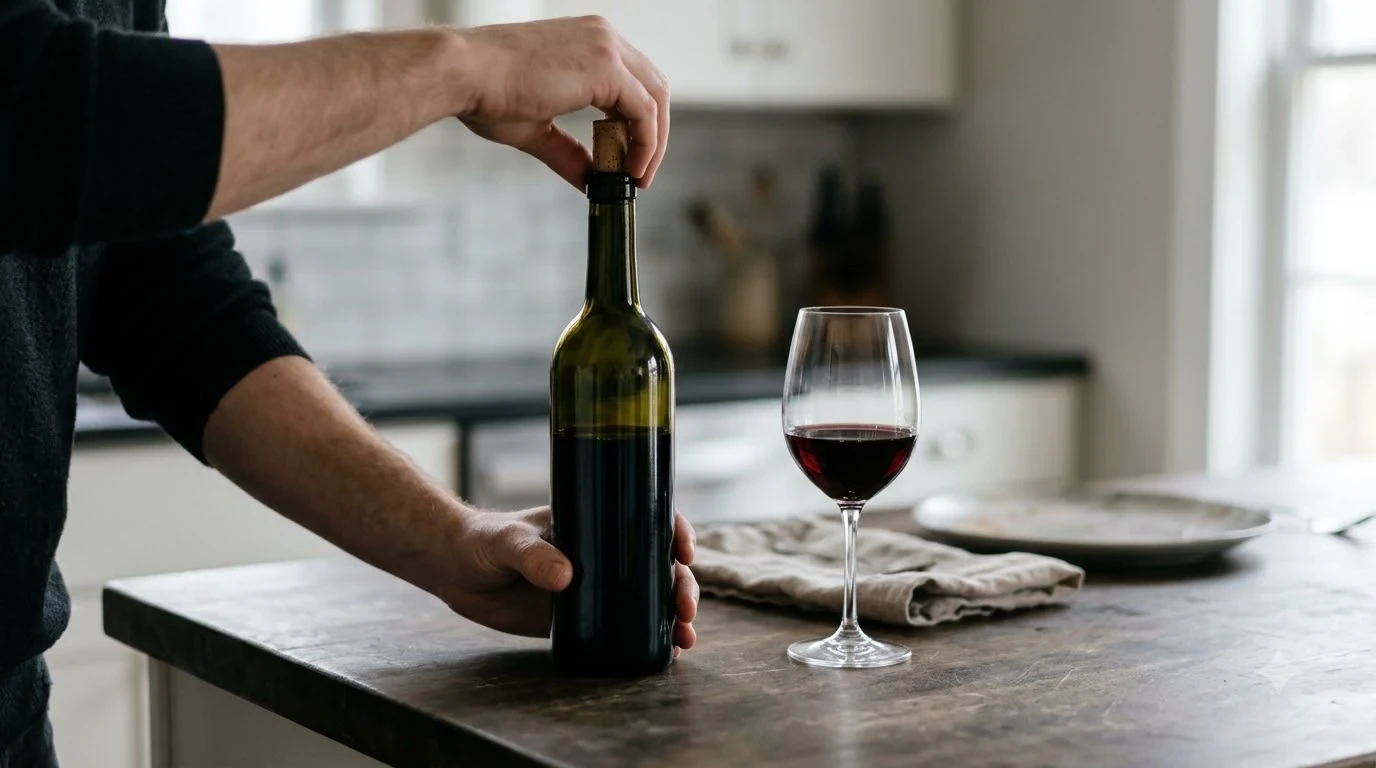
Should gamay be chilled? Yes, Gamay should generally be served slightly chilled, at approximately 55–60°F, to highlight its fresh berry flavors, lively acidity, and naturally soft tannins. This light-bodied red grape, best known for Beaujolais wines from France, is one of the reds that benefits from a little refrigerator time. Lighter Beaujolais Nouveau and Beaujolais-Villages can be served toward the cooler end of the range, while fuller-bodied cru wines such as Morgon and Moulin-à-Vent usually need slightly warmer temperatures.
Unlike full-bodied Cabernet Sauvignon or Syrah, Gamay rarely needs to be served at conventional room temperature. A modest chill makes it particularly refreshing with roast chicken, charcuterie, grilled vegetables, and a variety of casual meals. The important distinction is between lightly chilling the wine and making it genuinely cold. Too much refrigeration can conceal some of the aromatic detail that makes Gamay enjoyable.
The Ideal Serving Temperature for Gamay
Gamay is best served at approximately 55–60°F, with lighter examples benefiting from the cooler end and more structured bottles from the warmer end. This temperature range preserves the grape’s bright fruit character while keeping its aromas expressive and its texture approachable.
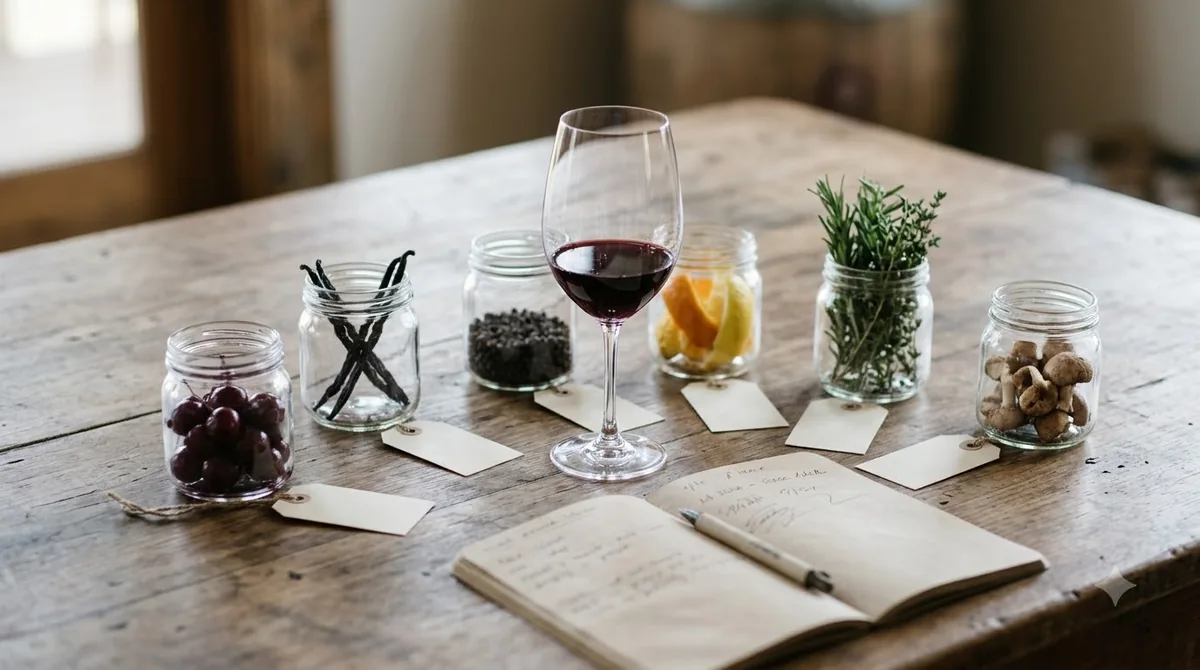
For a typical bottle of Beaujolais or Beaujolais-Villages, aim for 55–58°F. This is cool enough to emphasize fresh cherry, raspberry, and strawberry flavors without making the wine seem austere. Beaujolais Nouveau, which is designed for early drinking, can also be enjoyable around 54–56°F because its youthful fruit is a major part of its appeal.
More concentrated examples require a little adjustment. A bottle of Morgon or Moulin-à-Vent often shows greater body, darker fruit, and firmer tannins than an uncomplicated regional Beaujolais. Serving these wines around 58–60°F gives their more substantial structure room to develop. A particularly powerful or mature bottle may be more comfortable near the upper end of that range.
The following temperatures provide a practical starting point for different Gamay styles. They are guidelines rather than strict rules because vineyard conditions, grape ripeness, fermentation, and oak maturation can all influence the finished wine.
| Gamay style | Serving temperature | General character |
|---|---|---|
| Beaujolais Nouveau | 54–56°F | Young, juicy, fruit-forward |
| Basic Beaujolais | 55–58°F | Light, fresh, approachable |
| Beaujolais-Villages | 55–58°F | Fresh fruit with added concentration |
| Fleurie | 56–59°F | Floral, fragrant, elegant |
| Chiroubles | 55–58°F | Light-bodied and lively |
| Brouilly | 56–59°F | Juicy fruit with moderate structure |
| Morgon | 58–60°F | Richer fruit and firmer tannins |
| Moulin-à-Vent | 58–60°F | Concentrated, structured, age-worthy |
These recommendations are consistent with Decanter’s guidance of approximately 54–56°F for light-bodied chillable reds. Its serving-temperature discussion specifically identifies Gamay and Beaujolais as wines that typically benefit from cooler service. For a broader comparison of red wine temperatures, see Decanter’s red wine serving temperature guide.
Remember that wine warms up after it enters the glass. A bottle poured at 56°F may become noticeably warmer during a leisurely dinner, particularly in a heated dining room. Starting slightly cool gives the wine time to open up without becoming warm and heavy before the meal is finished.
Why Gamay Benefits From a Light Chill
Gamay benefits from chilling because its naturally fresh acidity, relatively low tannin, and bright fruit flavors make it particularly appealing at cooler temperatures. A gentle chill helps preserve its lively personality without suppressing its fragrance.
Gamay is the principal red grape of Beaujolais, a French wine region immediately south of Burgundy. According to the Beaujolais wine organization, approximately half of the world’s 30,000 hectares of Gamay plantings are located in the region. The grape is a natural cross of Pinot Noir and Gouais Blanc, and it is capable of producing wines that range from simple, youthful reds to complex bottles suitable for aging.
Its typical flavor profile includes raspberry, wild strawberry, cherry, and blackberry. Some examples also show violet, peony, pepper, and earthy characteristics. Beaujolais Nouveau can have particularly exuberant fruit aromas, sometimes including banana-like or candy-like notes associated with its production methods.
Temperature influences how these characteristics appear in the glass. When Gamay is too warm, its fruit can seem heavier and its freshness less pronounced. Alcohol can also become more noticeable, making the wine feel less balanced. A light chill helps retain the impression of freshness that makes the grape so appealing.
There is also a structural reason for serving Gamay cool. Its relatively low tannin means that it does not need the warmer serving conditions sometimes used to soften the firm structure of powerful red wines. Its acidity provides much of its freshness, while its softer tannins allow it to remain pleasant at lower temperatures.
This makes Gamay a useful choice for people who enjoy red wine but prefer something less weighty than Cabernet Sauvignon or Syrah. Its refreshing character also makes it suitable for outdoor meals, casual entertaining, and warmer weather.
However, chilling should not be treated as a way to make every red wine taste the same. A delicate Beaujolais Nouveau and a mature Moulin-à-Vent have different structures and aromatic profiles. The temperature should support the character of the particular bottle rather than overpower it.
How Long to Chill Gamay Before Serving
A typical bottle of Gamay needs approximately 20–30 minutes in the refrigerator to reach a pleasantly chilled serving temperature when starting at normal indoor temperature. Lighter bottles can be served after a relatively short chill, while warmer or more structured examples may need a little longer.
Wine Enthusiast recommends giving Beaujolais at least 20 minutes in the refrigerator before serving. This is a practical starting point for many bottles, particularly basic Beaujolais, Beaujolais-Villages, and youthful Nouveau. The objective is to cool the wine rather than make it cold like sparkling wine or a crisp white.
For a more controlled approach, follow these steps:
- Start with the bottle’s temperature. If the Gamay has been stored in a cool wine cellar, it may already be close to the desired temperature. A bottle kept in a warm kitchen will need more time.
- Place the bottle in the refrigerator. Allow approximately 20–30 minutes for a typical bottle that begins at room temperature.
- Check the temperature if possible. A wine thermometer can help you distinguish between a pleasantly cool bottle and one that has become too cold.
- Pour a small sample. Assess the fruit, acidity, and overall balance before serving everyone.
- Adjust the temperature gradually. If the wine feels too cold, let it sit for a few minutes before pouring additional glasses.
A refrigerator is usually sufficient, but an ice bucket can also work. For faster cooling, use a mixture of ice and water rather than relying on ice cubes alone. Water creates more consistent contact with the bottle, helping it cool more evenly. Check the temperature frequently so the wine does not become excessively cold.
Tip: If your Gamay has been sitting in a warm room, begin with 20 minutes in the refrigerator. Taste a small pour, then give it another 5–10 minutes if it still feels warm. It is easier to cool wine gradually than to recover its aromas after serving it too cold.
There is no need to put Gamay in the freezer as part of a normal serving routine. Freezer cooling is less predictable and can cause problems if the bottle is forgotten. A refrigerator or ice-water bucket gives you better control over the result.
If you are preparing several wines for a dinner, plan the cooling time around the food. A bottle of Gamay can go into the refrigerator while you prepare a cheese board or finish cooking. For other wine styles, the timing differs: should sparkling wine be chilled is a separate question because sparkling wines are normally served considerably colder.
How Different Beaujolais Styles Respond to Chilling
Not every Gamay wine should be served at exactly the same temperature. Beaujolais Nouveau, Beaujolais-Villages, and the 10 Beaujolais crus can have noticeably different levels of concentration, tannin, and aromatic complexity.
Understanding these differences makes it easier to decide how much chilling is appropriate. The basic principle is simple: lighter, fruitier wines generally benefit from cooler service, while richer and more structured wines need slightly warmer temperatures to express their character.
Beaujolais Nouveau
Beaujolais Nouveau is the young, early-release style associated with the annual harvest celebrations in France. It is generally light, juicy, and designed to be enjoyed while its fresh fruit character is prominent. Its short production and maturation period contributes to its approachable style.
Serve it around 54–56°F. This temperature helps maintain its refreshing red-fruit character, including cherry and strawberry, while keeping the wine lively. It is particularly suitable for casual gatherings, Thanksgiving meals, and simple charcuterie spreads.
Beaujolais and Beaujolais-Villages
Basic Beaujolais is often the easiest expression of Gamay to enjoy slightly chilled. It typically has a light-to-medium body, lively acidity, and relatively low tannin. Beaujolais-Villages generally offers more concentration, making it suitable for the same general temperature range.
Start around 55–58°F. These wines work well with roast chicken, grilled sausages, mild cheeses, and everyday meals. Their fresh fruit flavors are often more immediately appealing than the deeper, more structured qualities found in the cru wines.
The 10 Beaujolais Crus
The 10 crus are named village appellations that offer more individual expressions of Gamay. They include Brouilly, Côte de Brouilly, Chénas, Chiroubles, Fleurie, Juliénas, Morgon, Moulin-à-Vent, Régnié, and Saint-Amour.
Some crus remain relatively light and fragrant. Fleurie, for example, is frequently associated with floral aromas and elegant fruit, while Chiroubles is often lively and delicate. These wines can be served around 56–59°F.
Morgon and Moulin-à-Vent are generally more substantial. They can show darker fruit, firmer tannins, and greater concentration. Wine Enthusiast identifies these two appellations among the richer styles of Beaujolais. Serving them closer to 58–60°F helps reveal their structure without making them feel heavy.
The cru designation does not automatically mean that a wine should be served warm. Producer choices, vintage conditions, oak maturation, and bottle age all matter. A particularly delicate cru can still benefit from a modest chill, while a concentrated example may need more time to warm up.
Food Pairings for Lightly Chilled Gamay
Lightly chilled Gamay is a versatile food wine because its fresh acidity, soft tannins, and bright red-fruit flavors complement a wide range of dishes. It works particularly well with poultry, pork, charcuterie, mushrooms, and moderately rich foods.
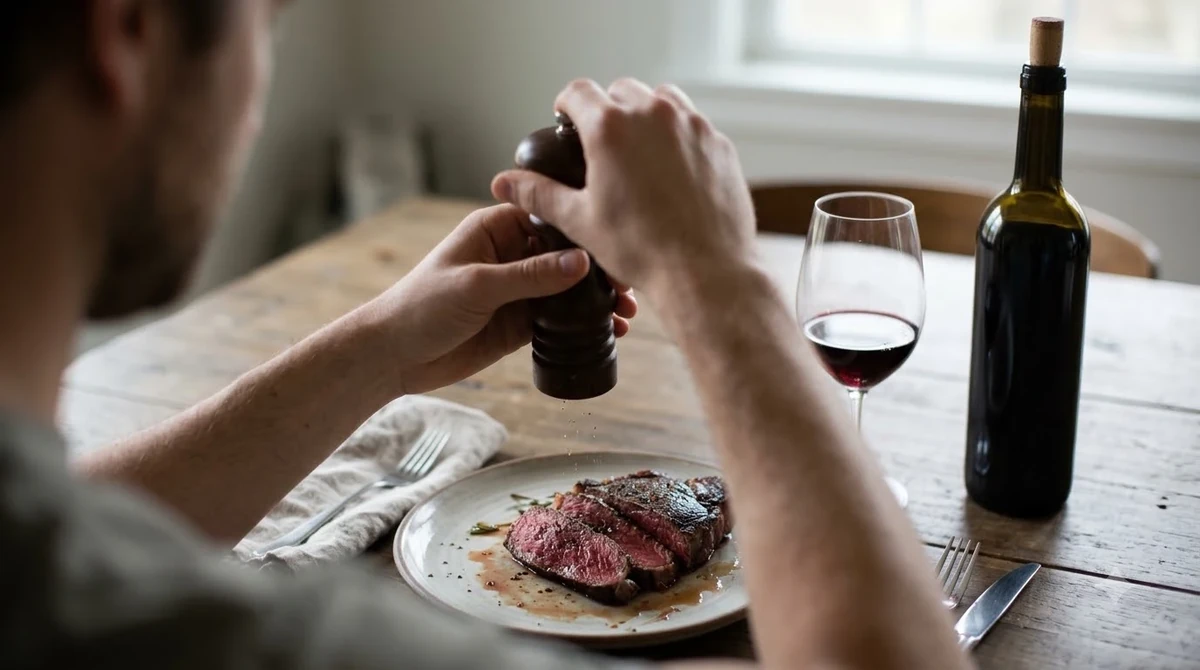
One of the most familiar pairings is roast chicken. The wine’s acidity cuts through the richness of the skin, while its red-fruit flavors complement the savory meat. Turkey is another excellent option, which helps explain the longstanding association between Beaujolais Nouveau and American Thanksgiving celebrations.
Charcuterie is equally suitable. Salami, cooked ham, pâté, and mild cured meats provide savory flavors that work well with Gamay’s fruitiness. Salt and fat can also soften the perception of tannin, making the wine feel especially approachable alongside richer selections.
For a cheese board, choose mild and medium-intensity cheeses rather than relying exclusively on very strong varieties. Brie, Camembert, young Gouda, and mild goat cheese are useful choices. Their creamy textures complement the wine’s freshness without overwhelming its aromas.
Vegetarian dishes can also work beautifully. Consider grilled mushrooms, roasted eggplant, lentil dishes, and vegetable tarts. Mushrooms are particularly appealing with more earthy or structured cru Beaujolais, while simple roasted vegetables complement lighter regional wines.
Pairing ideas by Gamay style
- Beaujolais Nouveau: Roast turkey, cold ham, mild cheddar, and simple chicken sandwiches.
- Beaujolais: Grilled sausages, mushroom pizza, roasted vegetables, and chicken salad.
- Beaujolais-Villages: Roast chicken, pork tenderloin, charcuterie, and baked Brie.
- Fleurie: Duck breast, herb-roasted chicken, mushroom risotto, and soft cheeses.
- Morgon: Beef stew, grilled pork, coq au vin, and roasted lamb.
- Moulin-à-Vent: Braised beef, grilled red meat, hearty mushroom dishes, and aged cheeses.
Temperature matters at the table because food can change the way a wine tastes. A cool Gamay alongside salty charcuterie may seem especially refreshing, while a fuller cru served slightly warmer can offer more aromatic depth with a substantial meat dish.
Be careful with very spicy food. Chili heat can be amplified by alcohol and tannin, and the combination may make a wine feel hotter than expected. For spicy meals, a lower-alcohol, fruit-forward Gamay is generally a more comfortable choice than a concentrated, high-alcohol red.
Acidic foods also deserve attention. A dish containing substantial vinegar, lemon juice, or tomato acidity can make a wine seem flat if the food is more acidic than the wine. Gamay’s lively acidity helps, but the balance of the entire dish still matters.
For additional pairing ideas across different grapes and wine styles, explore Wine by Type. Comparing grape varieties can help explain why a fresh Gamay works with certain foods while a more tannic Cabernet Sauvignon calls for a different approach.
What Happens If Gamay Is Too Cold or Too Warm?
Gamay can lose some of its aromatic detail when served too cold, while excessive warmth can make its alcohol more noticeable and its fruit seem less fresh. The best approach is to serve it cool and allow it to warm naturally in the glass.
When Gamay is excessively cold, its aromas become less expressive. Raspberry, cherry, strawberry, and floral notes may seem muted. The wine can also feel sharper and more austere because the fruit character is less apparent.
Very cold temperatures can make even a naturally soft red seem harder than expected. This does not mean the wine has become defective. It simply needs time to warm up. Leave the glass on the table for several minutes and reassess the aromas before deciding that something is wrong.
On the other hand, serving Gamay too warm can reduce the impression of freshness. The fruit may seem jammy or heavy, and the alcohol can become more prominent. Decanter explains that excessive serving temperatures can accentuate alcohol and diminish the impression of acidity in red wine.
This is particularly relevant in warm homes or outdoor dining areas. A bottle stored in a kitchen or placed on a sunny table can quickly move beyond its preferred serving range. A short period in the refrigerator before opening helps prevent that problem.
How to correct the temperature
If the wine is too cold, simply wait. Hold the glass by its bowl for a short period or leave it at room temperature. The warmth from your hand can help raise the temperature gradually, although holding the stem is generally better if you want to maintain a consistent temperature.
If the wine is too warm, return the bottle to the refrigerator for approximately 10 minutes before pouring again. You can also place the bottle in an ice-water bucket for a shorter cooling period, checking its progress frequently.
Do not make dramatic temperature changes unnecessarily. Small adjustments are usually enough to restore balance, and a wine that begins slightly cool will naturally become warmer as the meal progresses.
Serving temperature is only one part of wine enjoyment. Glass shape, aeration, bottle age, and the food being served all influence the final experience. A fresh, young Beaujolais may need very little attention, while a mature cru can benefit from more careful handling.
Frequently Asked Questions
Is Gamay the same grape as Beaujolais?
Gamay is the grape variety, while Beaujolais is a French wine region and appellation system. Most red Beaujolais is made primarily from Gamay, but Gamay is also grown in the Loire Valley, Switzerland, and other wine regions. The grape can produce wines with different characteristics depending on climate, soil, and winemaking.
Can you serve Gamay in a Burgundy wine glass?
Yes. A medium-sized Burgundy-style glass with a relatively broad bowl is suitable for Gamay, particularly for aromatic wines from Fleurie or Morgon. The wider bowl provides room for the wine’s fruit and floral aromas to develop. A standard red wine glass is also perfectly acceptable.
Does Gamay need decanting before serving?
Most young, straightforward Beaujolais wines do not require decanting. However, a concentrated cru such as Moulin-à-Vent or Morgon may benefit from approximately 30 minutes of aeration, especially when young and structured. Older bottles should be handled more carefully because excessive exposure to air can diminish their remaining aromatic freshness.
How many glasses can you pour from a standard bottle of Gamay?
A standard 750 ml bottle provides approximately five servings when each glass contains 5 ounces. This is a useful planning measurement for a dinner with four to six guests. A larger group may need additional bottles depending on the number of wines being served and the length of the meal.
Can an opened bottle of Gamay be stored upright?
Yes. Once opened, an unfinished bottle can be resealed and stored upright in the refrigerator. Most opened still wines retain their best qualities for approximately 3–5 days under refrigeration, although the exact period depends on the wine’s condition, oxygen exposure, and closure. Allow the remaining wine to warm slightly before serving again.
Gamay is one of the most rewarding red wines to serve slightly chilled, especially when you want fresh fruit, lively acidity, and a softer structure. Start around 55–58°F for lighter Beaujolais and move toward 58–60°F for fuller cru examples such as Morgon and Moulin-à-Vent. With a little attention to temperature, this versatile French grape can be an excellent companion for everything from casual lunches to substantial evening meals.
More in Wine Types & Grapes
 Zinfandel Sugar Content: Dry Red vs. White Zinfandel GramsUpdated Nov 21, 2026
 Best Zinfandel Substitute Options for Sipping and CookingUpdated Nov 21, 2026
 Zweigelt Food Pairing: Best Dishes, Cheeses, and Serving TipsUpdated Nov 21, 2026
 Zinfandel Tannins Explained: How Structure Shapes Every BottleUpdated Nov 21, 2026
 Zinfandel Sweetness Level: Dry Red vs. Sweet White Zin ExplainedUpdated Nov 21, 2026
 Xinomavro Food Pairing: Best Dishes, Styles, and Serving TipsUpdated Nov 21, 2026