

We may earn a commission when you buy through links on this page, at no extra cost to you. Learn more.
Pinot blanc food pairing works best with seafood, poultry, eggs, fresh vegetables, mild cheeses, and lightly seasoned dishes because the wine combines refreshing acidity, gentle fruit, and moderate body. Its apple, pear, peach, and floral notes complement delicate ingredients without overpowering them. Whether you choose an Alsace Pinot Blanc, an Italian Pinot Bianco, or a German Weissburgunder, this versatile white wine can accompany everything from grilled fish to creamy chicken and vegetable quiche.
Pinot Blanc is a useful choice when a meal calls for a dry white wine that is flavorful without being aggressively aromatic or sharply acidic. Its flexibility comes from a balance of fruit, freshness, and relatively restrained structure. The best matches emphasize that balance rather than competing with it. Understanding the wine’s style, the preparation of the food, and the intensity of its seasoning makes choosing a successful combination much easier.
Understanding Pinot Blanc’s Flavor and Structure
Pinot Blanc pairs most naturally with foods that have delicate flavors, moderate richness, and gentle seasoning. Its apple, pear, peach, and floral characteristics complement seafood, poultry, eggs, and mild cheeses particularly well.
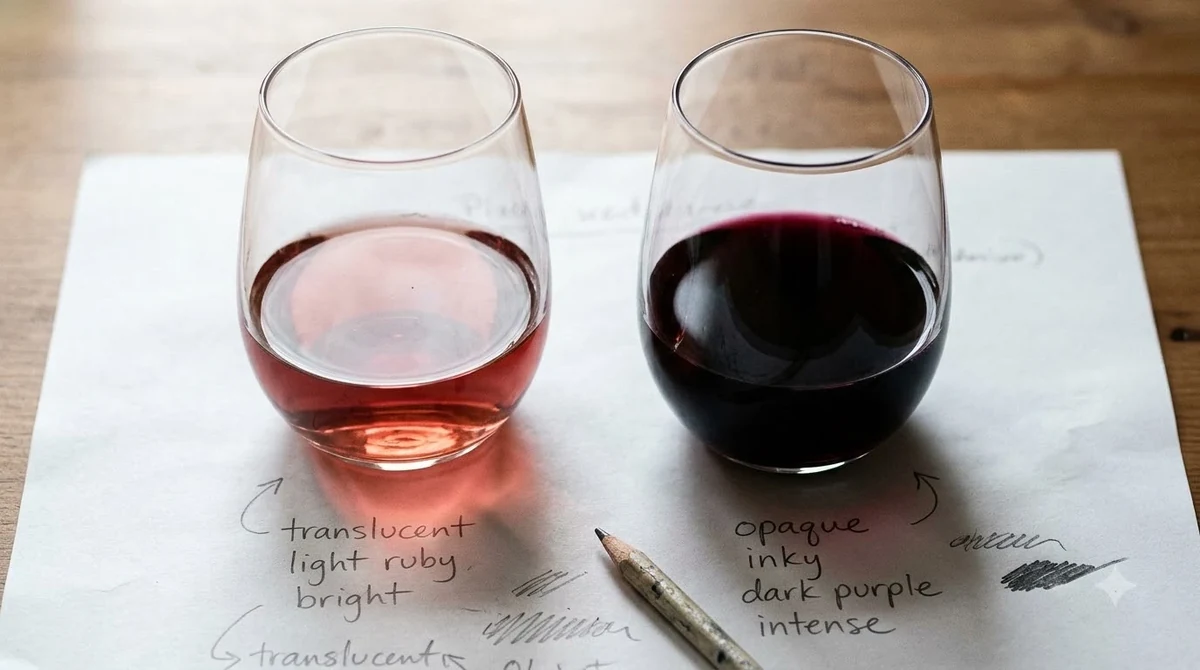
Pinot Blanc is a white mutation of Pinot Noir, a relationship that explains some of the grape’s distinctive characteristics. The Alsace wine authority identifies it as a white variety of Pinot Noir and records its distinction from Chardonnay in 1896. The resulting wines can have more body and texture than their relatively subtle aromas initially suggest.
Typical flavors include green apple, ripe pear, white peach, citrus, and delicate white flowers. Some examples also reveal almond, mineral, herbal, or smoky notes. The exact profile depends on the growing region, ripeness, winemaking decisions, and whether the wine spends time in oak. A cooler-climate example may emphasize crisp orchard fruit, while a warmer-climate bottling can show more tropical fruit character.
Acidity is generally moderate, although individual wines can be noticeably fresher or softer. This distinction matters at the table. A crisp bottle can handle lemon-seasoned fish, fresh goat cheese, and lightly dressed salads, while a rounder example may be more comfortable alongside cream sauces, roasted poultry, and richer vegetable dishes.
Alsace is particularly important to Pinot Blanc’s identity. The region’s wines are frequently blended with Auxerrois, a separate white grape that contributes roundness and a generous texture. The result is often an approachable wine with gentle fruit, balanced acidity, and enough body to accompany a complete meal.
The grape also appears under different names internationally. In Italy, it is called Pinot Bianco, while German-speaking wine regions use Weissburgunder. Pinot Blanc is also grown in Oregon and California, where different growing conditions and winemaking choices can produce distinct expressions.
For food pairing, the most important point is that Pinot Blanc is neither an intensely aromatic white nor an especially sharp, high-acid wine. It works best when the meal respects its middle ground. Light dishes benefit from its freshness, while moderately rich preparations benefit from its fruit and texture.
Fish and Seafood Pairings That Bring Out Its Freshness
Fish and seafood are among the strongest matches for Pinot Blanc, especially when they are grilled, steamed, poached, or lightly pan-seared. The wine’s orchard-fruit character and moderate acidity complement delicate seafood without introducing excessive weight.
Grilled white fish is an especially reliable starting point. Cod, halibut, haddock, sole, and sea bass have relatively mild flavors that allow the wine’s apple and pear notes to remain noticeable. A simple preparation with olive oil, parsley, lemon, and black pepper provides enough seasoning without overwhelming the glass.
Poached fish works equally well because its gentle cooking method preserves a delicate texture. Try Pinot Blanc with poached cod served alongside steamed potatoes and green beans. A light butter sauce can add richness, while a little lemon juice keeps the overall combination fresh.
Salmon requires slightly more attention because its richer texture can make a delicate wine seem understated. A lightly grilled salmon fillet with dill, lemon, and cucumber is a good match for a fresh, structured Pinot Blanc. Avoid heavily smoked or strongly sweet-glazed preparations if the wine is particularly subtle.
Shellfish offers another dependable direction. Shrimp, scallops, crab, and lobster all work with Pinot Blanc when their preparations remain relatively simple. Pan-seared scallops with a little butter and lemon, for example, provide a sweet, savory contrast to the wine’s orchard-fruit flavors.
Decanter identifies fish and shellfish as natural companions for Pinot Blanc, particularly the dry wines associated with Alsace. This makes sense because the grape generally has low tannin, avoiding the metallic interactions that can occur when tannic red wines meet delicate fish.
For a casual seafood meal, consider these combinations:
- Grilled cod: Serve with lemon, parsley, olive oil, and roasted potatoes.
- Garlic shrimp: Use moderate garlic, fresh parsley, and a light butter sauce.
- Seared scallops: Add cauliflower puree and a small amount of lemon butter.
- Crab cakes: Choose a lightly seasoned preparation with a fresh herb sauce.
- Steamed mussels: Use white wine, shallots, parsley, and a restrained amount of cream.
- Grilled trout: Add almonds, lemon, and green vegetables for a particularly natural match.
Fried seafood can also work, especially when the batter is thin and the accompanying sauce is not excessively sweet. The wine’s freshness helps refresh the palate between bites. Fish tacos with cabbage, cilantro, and lime are another practical option, provided the chili heat remains moderate.
For raw seafood, consider the other ingredients rather than focusing only on the fish. A simple shrimp cocktail or mild crab salad can be successful, while highly acidic citrus marinades and strong chili sauces may make a softer Pinot Blanc seem less expressive.
Chicken, Turkey, Pork, and Other White Meats
Pinot Blanc pairs especially well with chicken, turkey, pork, and gently cooked white meats because these proteins have enough flavor to complement the wine without overpowering its delicate fruit. Roasting, poaching, braising, and grilling are particularly effective cooking methods.
Roast chicken is one of the easiest combinations to recommend. The savory skin, tender meat, and moderate richness of the preparation provide a satisfying contrast to the wine’s fresh apple and peach notes. Serve it with roasted carrots, potatoes, or green beans to keep the meal balanced.
Herb-roasted chicken is another excellent choice. Thyme, rosemary, parsley, and a little lemon complement the wine without introducing too much aromatic intensity. If the chicken includes a pan sauce, a moderate amount of butter or stock is preferable to a heavily reduced, intensely savory preparation.
Chicken in cream sauce can work particularly well with a fuller-bodied Pinot Blanc. Consider chicken breast with mushrooms, shallots, and a light cream sauce. The wine’s acidity helps prevent the sauce from making the overall combination feel too heavy.
Turkey is similarly adaptable. Roast turkey breast with sage, thyme, and mild pan gravy makes a straightforward pairing for a medium-bodied bottle. Turkey pot pie is another option, especially when its filling includes carrots, peas, celery, and a restrained cream sauce.
Pork provides a little more flexibility because it can be prepared in several different ways. Grilled pork tenderloin with apples or pears highlights the wine’s orchard-fruit character. A roasted pork loin with herbs and root vegetables also works well, particularly when the seasoning is savory rather than heavily sweet.
Slowly simmered white meats are specifically recommended by the Alsace wine authority. This style of cooking allows the meat to develop a tender texture and gentle savory flavor, making it suitable for a wine that emphasizes balance rather than intensity.
Try these practical combinations:
- Roast chicken with lemon, thyme, and potatoes.
- Turkey breast with sage stuffing and green beans.
- Pork tenderloin with roasted apples and fennel.
- Chicken fricassee with mushrooms and a light cream sauce.
- Herb-roasted rabbit with carrots and shallots.
- Grilled chicken skewers with zucchini and mild garlic seasoning.
Heavily smoked meats, barbecue sauces, and very sweet glazes are more challenging. Their concentrated flavors can overshadow a delicate white wine. If serving grilled pork or chicken with barbecue seasoning, choose a fuller, fruitier Pinot Blanc and keep the sauce moderate.
Red meat is generally less obvious as a pairing, but it is not automatically excluded. A lightly seasoned veal dish or a mild pork-and-veal preparation can work better than a heavily charred steak. The guiding principle is to match the intensity of the preparation to the weight and flavor of the wine.
Eggs, Vegetables, Salads, and Mild Cheeses
Egg dishes, fresh vegetables, salads, and young cheeses are excellent companions for Pinot Blanc because their textures and flavors suit the wine’s moderate acidity and restrained fruit. These combinations are particularly useful for brunch, lunch, and casual entertaining.
Eggs are one of the classic Alsace pairings. A simple omelet with fresh herbs, mushrooms, or mild cheese works because eggs provide a soft, savory richness without requiring an intensely flavored wine. Scrambled eggs with chives and butter are equally suitable.
Quiche is another especially dependable option. A traditional quiche Lorraine with eggs, cream, and bacon can work with a medium-bodied Pinot Blanc, while vegetable quiche offers an even more delicate combination. Spinach, leeks, mushrooms, and mild cheese all complement the wine’s orchard-fruit character.
For a brunch menu, consider a mushroom and Gruyère omelet, a spinach quiche, and a mixed green salad. The wine can accompany all three dishes without requiring a separate bottle for each course.
Vegetables offer considerable flexibility. Roasted cauliflower, asparagus, zucchini, carrots, peas, and green beans are all promising choices. Light roasting brings out natural sweetness, while olive oil and herbs provide enough savory character to make the food satisfying alongside the wine.
Vegetable gratins also work, especially when they use a moderate quantity of cream and cheese. Potato gratin, cauliflower gratin, and zucchini gratin provide a creamy texture that complements a rounder Pinot Blanc. Avoid excessive garlic or strongly aged cheese, which can dominate a more delicate bottling.
Salads are another natural match. A mixed green salad with pear, toasted almonds, cucumber, and a mild vinaigrette connects directly with the wine’s fruit and subtle nutty characteristics. Creamy dressings can also work, provided they do not contain so much vinegar that the wine tastes flat.
Cheese selection deserves similar attention. The best choices are generally fresh, mild, and creamy rather than intensely aged or sharply flavored.
- Tomme: A young, mild example offers a soft, savory flavor.
- Saint-Nectaire: Its creamy texture and gentle earthiness complement a rounded Pinot Blanc.
- Chaource: This soft French cheese offers a creamy texture that suits the wine’s restrained fruit.
- Fresh goat cheese: Its gentle tang works particularly well with a fresher bottle.
- Mozzarella: Mild milkiness and soft texture make it a simple everyday choice.
- Young Gouda: Its buttery character works with a fuller-bodied example.
The Alsace wine authority specifically identifies Tomme, Saint-Nectaire, and Chaource as suitable matches. These cheeses demonstrate an important principle: a wine with moderate acidity and subtle aromas generally benefits from cheeses that have comparable intensity.
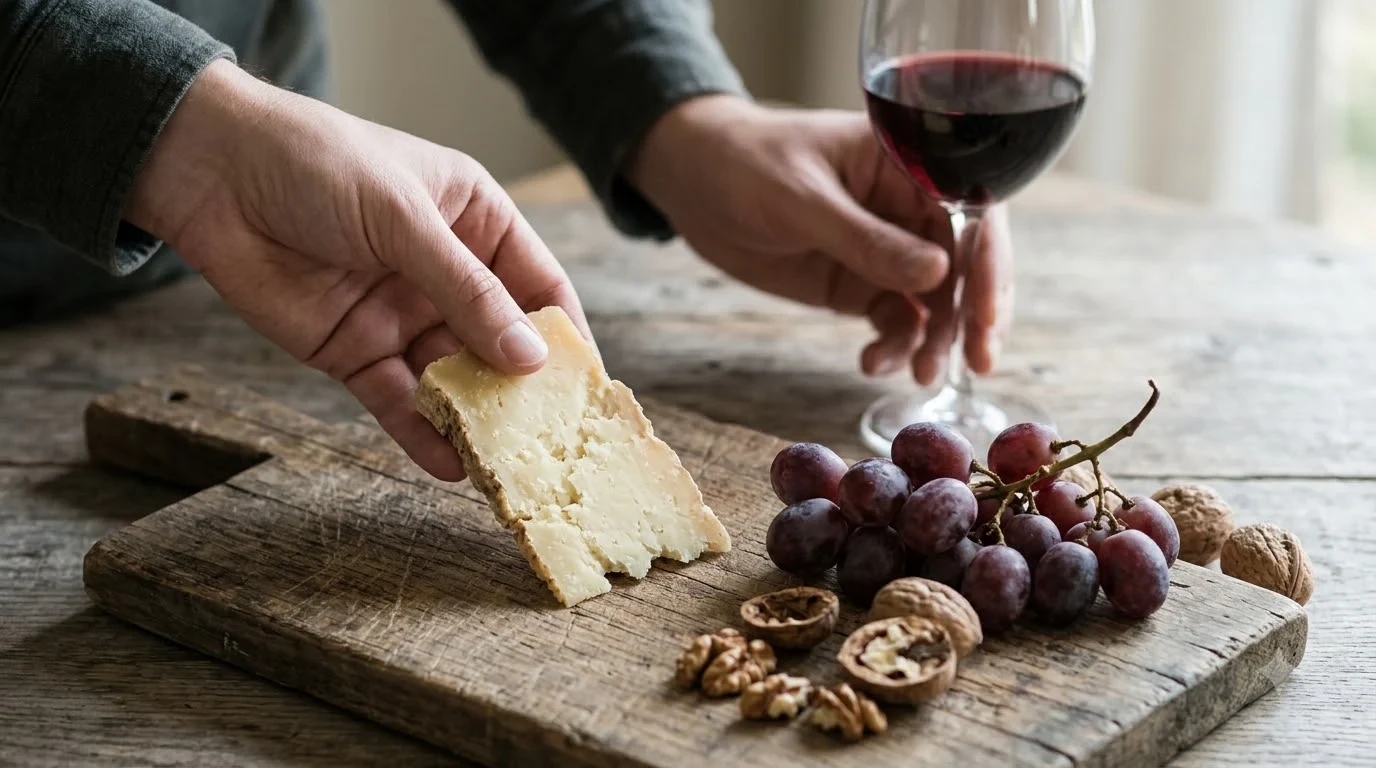
For a cheese board, combine two or three mild cheeses with fresh pears, green apples, unsalted almonds, crackers, and a small amount of honey. Avoid making very salty blue cheese or intensely aged cheddar the center of the board unless you have a more substantial wine to accompany them.
Tip: Build a Pinot Blanc cheese board around two mild cheeses, one fresh fruit, and one crunchy accompaniment. Young goat cheese, mild Tomme, pear slices, and toasted almonds create a balanced combination without overpowering the wine.
Pasta, Rice, and International Cuisine
Pinot Blanc is a good match for pasta, rice dishes, and many international foods when the seasoning remains moderate and the sauce has enough freshness to balance the wine. Creamy pasta, mushroom risotto, mild Asian seafood, and lightly spiced vegetable dishes are particularly promising.
For pasta, start with preparations that emphasize butter, cream, vegetables, and mild herbs. Fettuccine with mushrooms, linguine with shrimp, and pasta primavera all offer suitable textures and flavors. A small amount of lemon zest or parsley can help connect the wine with the dish.
Risotto is another useful pairing. Mushroom risotto provides earthy flavors and a creamy texture, while asparagus risotto offers a fresher, more vegetable-driven combination. The wine’s moderate acidity helps balance the richness of the rice without competing with the main ingredients.
For a seafood pasta, try linguine with shrimp, garlic, parsley, and olive oil. Avoid adding too much chili or lemon juice. Excessive acidity can make a softer wine seem less lively, while strong heat can exaggerate the impression of alcohol.
Rice dishes can also work well. A mild chicken pilaf with herbs, peas, and carrots is an uncomplicated match. A seafood rice dish with shrimp, mussels, and white fish can be particularly successful if the seasoning remains restrained.
International cuisine presents more possibilities than many people expect. Pinot Blanc can complement Japanese dishes such as mild vegetable tempura, lightly seasoned sushi, and grilled white fish. Its gentle fruit and lack of tannin make it more flexible with delicate seafood than many red wines.
For Chinese food, try steamed fish with ginger and scallions, shrimp spring rolls, or lightly seasoned vegetable stir-fries. These dishes offer freshness and savory flavor without relying on intense sweetness or chili heat. A little soy sauce is generally manageable, although heavily salted sauces can make a delicate wine seem less balanced.
Vietnamese food offers several interesting combinations. Fresh spring rolls with shrimp, herbs, rice noodles, and a mild dipping sauce are a sensible choice. Grilled fish with dill and scallions, lightly seasoned chicken, and vegetable dishes can also work well.
Thai and Indian food require more care because chili, aromatic spices, and sweetness can become prominent. Mild coconut-based vegetable curries, lightly spiced chicken, and dishes with fresh herbs are more suitable than intensely hot preparations. If the food is particularly spicy, a slightly off-dry aromatic white wine may be a better choice than a dry, understated Pinot Blanc.
For a comparison with another white grape, explore grenache blanc food pairing. Grenache Blanc can provide a broader, sometimes fuller-textured alternative for dishes with richer sauces and Mediterranean herbs.
Serving Temperature, Wine Styles, and Pairing Adjustments
Serve Pinot Blanc lightly chilled, generally around 45–50°F for a fresh, delicate style, or closer to 50–55°F for a fuller-bodied example. Matching the serving temperature to the wine’s weight helps preserve its aromas while keeping the texture refreshing.
Serving a bottle too cold can suppress its apple, pear, peach, and floral aromas. This is particularly noticeable with subtle Alsace examples. On the other hand, a wine served too warm may seem softer and less refreshing, especially alongside seafood or salads.
A practical approach is to chill the bottle in the refrigerator and allow it a few minutes to warm slightly in the glass. For a light, crisp Pinot Blanc, aim toward the lower end of the recommended range. A richer Pinot Blanc or Pinot Bianco with more body can be served a little warmer.
Different regional styles also affect food choices. Alsace Pinot Blanc often emphasizes balanced fruit and gentle acidity, sometimes with the added roundness of Auxerrois. German Weissburgunder can show a range of styles, from fresh and delicate to more substantial examples. Italian Pinot Bianco may offer a crisp profile or a richer texture depending on the producer and growing area.
American Pinot Blanc from regions such as Oregon and California can also vary considerably. Some wines emphasize green apple, citrus, and freshness, while others show ripe pear, tropical fruit, or a broader palate. The food should follow the actual style rather than relying exclusively on the grape name.
Use the following guide to make quick decisions at the table:
| Food or Occasion | Recommended Pinot Blanc Style | Serving Temperature |
|---|---|---|
| Raw or lightly cooked seafood | Fresh, delicate, dry | 45–48°F |
| Grilled white fish | Crisp, medium-bodied | 45–50°F |
| Roast chicken | Medium-bodied, rounded | 48–52°F |
| Creamy pasta | Fuller-bodied, textured | 50–55°F |
| Egg dishes and quiche | Fresh, balanced | 45–50°F |
| Fresh and mild cheeses | Soft, fruity, balanced | 48–52°F |
| Vegetable gratin | Rounded, medium-bodied | 50–55°F |
These are practical serving targets rather than rigid rules. The style of the individual bottle and the richness of the dish should determine the final temperature.
Portion size also matters during a meal. A standard 750 ml bottle provides approximately five 5-ounce glasses, making it suitable for a small dinner gathering. Pouring smaller amounts allows guests to enjoy the wine with multiple courses while keeping the serving temperature manageable.
Once opened, store the bottle in the refrigerator with a suitable closure. Most still white wines remain enjoyable for approximately three to five days when properly refrigerated, although their aromas and freshness gradually change. Pinot Blanc generally does not require decanting before service.
If you are exploring other wines from the Pinot family, compare its food-friendly character with pinot meunier food pairing or the lighter, fruit-driven combinations in pinot noir rose food pairing. You can also browse Wine by Type to understand how different grape varieties influence flavor, body, and food compatibility.
Building a Complete Menu Around Pinot Blanc
Pinot Blanc can accompany an entire meal if the dishes move gradually from lighter flavors to richer preparations. A menu built around seafood, poultry, vegetables, and mild cheese allows the wine’s moderate acidity and delicate fruit to remain relevant throughout dinner.
For a simple three-course dinner, begin with a mixed green salad containing pear, cucumber, and toasted almonds. The fruit echoes the wine’s orchard-fruit aromas, while the vegetables provide a refreshing opening course.
For the main course, serve grilled sea bass or roast chicken with lemon, thyme, and roasted potatoes. Both dishes provide enough richness to make the wine satisfying without overwhelming its delicate flavors. Add steamed asparagus or green beans for freshness and color.
Finish with a mild cheese course featuring young Tomme, fresh goat cheese, and a few slices of pear. This is a more natural ending than a very sweet dessert, which can make a dry Pinot Blanc seem sour or thin. If dessert is important, serve a wine that is at least as sweet as the dish rather than expecting a dry white wine to match a sugary preparation.
For a casual lunch, a simpler menu may be even more successful. Vegetable quiche, a mixed salad, and a small cheese plate make a balanced combination that requires little preparation. An Alsace Pinot Blanc is particularly suitable because its restrained fruit and balanced acidity complement several components of the meal.
When planning a larger gathering, consider the following practical menu:
- Starter: Shrimp salad with cucumber, fresh herbs, and a mild lemon dressing.
- Second course: Mushroom and leek quiche with a green salad.
- Main course: Roast chicken with thyme, potatoes, and seasonal vegetables.
- Cheese course: Young Tomme, Chaource, and fresh goat cheese.
- Fruit course: Fresh pear slices and seasonal berries.
The advantage of this approach is that the wine does not need to compete with multiple strong flavors. Instead, each course emphasizes a different part of its character: freshness with the salad, fruit and acidity with the main course, and texture with the cheese.
It is also useful to consider the sauce before deciding on the bottle. A simple grilled fish dish with lemon and herbs calls for a fresher Pinot Blanc. The same fish served with a creamy mushroom sauce may benefit from a fuller, rounder example. The protein has not changed, but the preparation has altered the pairing requirements.
Salt, fat, acidity, sweetness, and spice all influence how a wine tastes alongside food. Moderate salt and creamy textures can make a white wine feel rounder, while strong vinegar or citrus can make a softer wine seem less balanced. Chili heat can amplify alcohol and make an understated white wine feel less refreshing.
The most reliable strategy is to keep the dish and wine at similar levels of intensity. Delicate fish, fresh salads, eggs, and young cheeses need a subtle wine. Roasted poultry, creamy pasta, and gratins can accommodate a fuller-bodied Pinot Blanc. This simple distinction makes it easier to choose a bottle for almost any everyday meal.
Frequently Asked Questions
Is Pinot Blanc the same grape as Pinot Grigio?
No. Pinot Blanc and Pinot Gris are separate color mutations within the Pinot grape family. Pinot Blanc has pale berries, while Pinot Gris has grayish-pink skin. Their wines can both be dry, but Pinot Gris often has a broader range of aromatic and textural styles.
Is Pinot Blanc always a dry wine?
No. Many examples are dry, but sweetness can vary between producers and regions. The grape can also be used in sparkling wine production, including Crémant d’Alsace. Always distinguish the style of the finished wine from the characteristics of the grape itself.
Can Pinot Blanc be aged for several years?
Some Pinot Blanc wines can develop positively with bottle age, particularly fuller-bodied examples with sufficient acidity and structure. However, many everyday bottlings are designed to be enjoyed while their fresh fruit aromas remain prominent. Producers’ recommendations provide a useful indication of the intended drinking window.
Is Pinot Blanc suitable for making sparkling wine?
Yes. Pinot Blanc is one of the grapes used in Crémant d’Alsace, which is produced using the traditional method. This means the second fermentation takes place inside the bottle. The resulting sparkling wines can offer fresh orchard-fruit flavors and a fine mousse.
What is the difference between Pinot Blanc and Weissburgunder?
They are two names for the same grape variety. Weissburgunder is the German name, while Pinot Blanc is used in France and many international markets. In Italy, the grape is known as Pinot Bianco. Regional growing conditions and winemaking practices account for many of the differences between these wines.
Pinot Blanc is one of the most adaptable white wines for everyday dining, particularly alongside fish, chicken, eggs, vegetables, and mild cheeses. Start with a lightly chilled bottle, choose dishes with moderate seasoning, and adjust the wine’s body to the richness of the preparation. For further guidance, the Alsace wine authority’s Pinot Blanc profile provides additional regional tasting and pairing recommendations.
More in Wine Types & Grapes
 What Does Mourvèdre Taste Like? Flavor Profile, Regions, and PairingsUpdated Nov 20, 2026
 What Does Marsanne Taste Like? Flavors, Styles, and Food PairingsUpdated Nov 20, 2026
 What Does Malvasia Taste Like? Styles, Flavors, and Food PairingsUpdated Nov 20, 2026
 What Does Grenache Blanc Taste Like? Flavor Profile, Styles, and PairingsUpdated Nov 20, 2026
 What Does Garnacha Taste Like? Key Flavors, Styles, and Pairing TipsUpdated Nov 20, 2026
 What Does Fruit Wine Taste Like? A Complete Flavor and Style BreakdownUpdated Nov 20, 2026