

We may earn a commission when you buy through links on this page, at no extra cost to you. Learn more.
Yes, is zinfandel full bodied is a question with a straightforward answer: red Zinfandel is generally a full-bodied or medium-full-bodied wine with ripe fruit, noticeable alcohol, and a rich, generous mouthfeel. California examples commonly contain 14% to 17% alcohol by volume and show concentrated blackberry, raspberry, and pepper flavors. However, Zinfandel is not always heavy, and cooler vineyards, earlier harvesting, and restrained winemaking can produce fresher, lighter-bodied versions.
Zinfandel is one of California’s best-known red wine grapes, appreciated for its generous fruit, warming character, and versatility with grilled foods. Its reputation for richness is well deserved, but understanding the difference between body, tannin, alcohol, and sweetness makes it easier to choose a bottle that matches your preferences. The grape also has an interesting range of expressions, from lighter California reds to concentrated, oak-aged wines and sweet rosé. Here is how to recognize its body and understand what influences it.
What Makes Zinfandel a Full-Bodied Red Wine?
Red Zinfandel is generally full-bodied because its ripe fruit, relatively high alcohol, and substantial palate weight create a broad, concentrated impression. Its texture can feel round and generous rather than delicate, especially in warm-climate California examples.
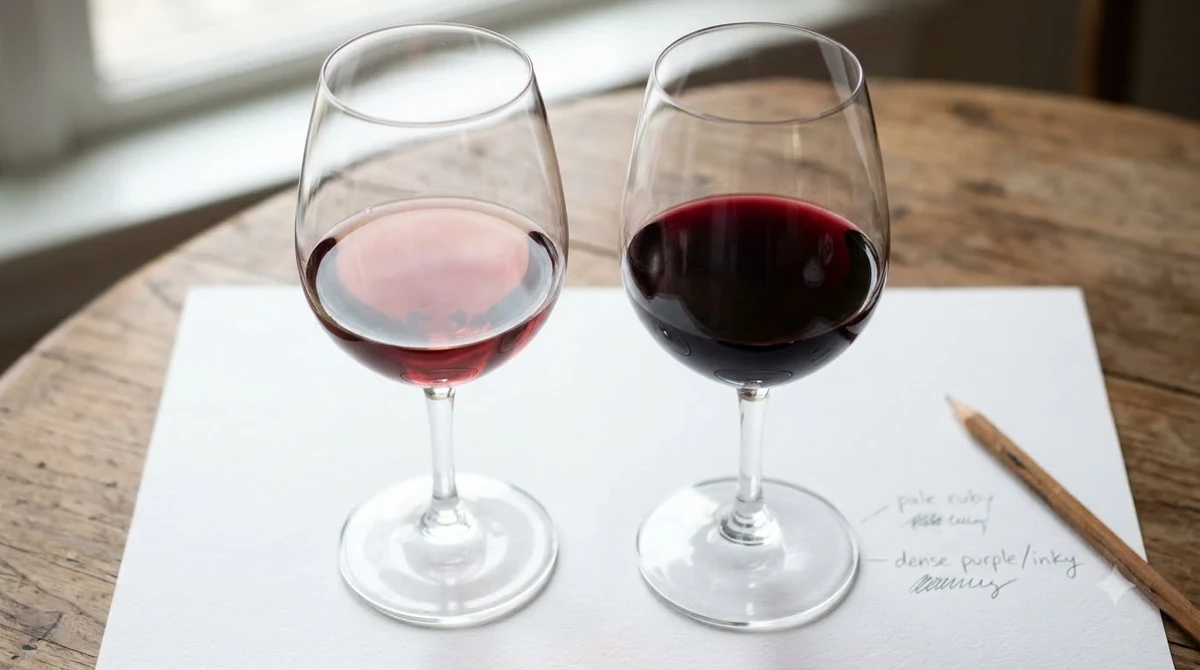
Body describes how heavy or substantial a wine feels in your mouth. It is not another word for sweetness, darkness, or alcohol content. A full-bodied wine usually has a richer texture and greater perceived weight than a light-bodied wine, although several structural characteristics contribute to that sensation.
Alcohol is one of the main reasons Zinfandel often feels substantial. Wine Enthusiast describes California Zinfandel examples reaching approximately 14% to 17% ABV. Higher alcohol can create a warming sensation and a fuller impression across the palate. Ripe fruit also contributes to the impression of concentration, making the wine feel particularly generous.
Another important characteristic is the grape’s ability to produce intense fruit flavors. Blackberry, blueberry, raspberry, plum, and dark cherry are common tasting notes. These flavors can be accompanied by black pepper, cinnamon, clove, and other baking spices. In ripe examples, the fruit may resemble preserves or jam rather than fresh berries.
Oak aging can add another dimension. Barrels may contribute vanilla, toasted wood, cocoa, and baking spice, as well as additional tannin and a more substantial mouthfeel. The amount of oak influence depends on the producer’s choices, so not every full-bodied Zinfandel tastes heavily oaked.
It is also useful to distinguish body from tannin. Tannin creates a drying, gripping sensation, especially along the gums and inside the cheeks. Some Zinfandels have substantial body without the aggressive tannic structure associated with Cabernet Sauvignon. This combination makes many examples feel plush, ripe, and approachable even when their alcohol levels are relatively high.
For comparison, is Pinot Noir full bodied is a different question because Pinot Noir generally has lower-to-medium tannin, high acidity, and a lighter overall structure. Zinfandel usually feels considerably broader and warmer.
How Alcohol, Tannin, and Acidity Affect Its Body
Alcohol, tannin, and acidity work together to determine how substantial Zinfandel feels. Alcohol contributes warmth, tannin provides structure, and acidity keeps concentrated fruit from feeling excessively heavy.
Alcohol is especially important in Zinfandel. California examples frequently fall between 14% and 17% ABV, although lighter versions can contain less. The alcohol level depends on grape ripeness, vineyard conditions, harvesting decisions, and fermentation. Riper grapes generally contain more sugar, which yeast converts into alcohol during fermentation.
According to the Lodi Winegrape Commission’s discussion of regional styles, bigger Zinfandels often exceed 15% alcohol, while lighter examples frequently hover around or below 14%. These figures illustrate why bottles made from the same grape can feel quite different.
Tannin is another important consideration. Zinfandel generally has medium to medium-high tannin, although individual wines vary. Its tannins can feel rounded and integrated when the wine emphasizes ripe fruit, or firmer when the producer extracts more compounds from the grape skins and seeds or uses substantial oak aging.
Acidity provides balance. Zinfandel is often described as having medium-low to medium acidity, depending on its growing conditions and ripeness. Grapes harvested earlier can retain more natural acidity, producing a fresher style. Later harvesting often creates riper fruit flavors and a softer impression of acidity.
The interaction of these elements explains why two Zinfandels with similar alcohol levels can feel different. A wine with bright acidity, restrained oak, and carefully managed tannins may feel surprisingly lively. Another with concentrated fruit, high alcohol, and substantial oak can seem much heavier.
| Characteristic | Typical Zinfandel Profile | Effect on the Palate |
|---|---|---|
| Body | Medium-full to full | Rich, substantial mouthfeel |
| Alcohol | 14%–17% ABV in many California examples | Warmth and perceived weight |
| Tannin | Medium to medium-high | Structure and some drying sensation |
| Acidity | Medium-low to medium | Freshness and balance |
| Serving temperature | 60–65°F | Allows fruit and structure to show |
| Decanting | 30–60 minutes for young, full-bodied examples | Allows aromas to develop |
These figures are practical guidelines rather than fixed requirements for every bottle. A producer’s vineyard location, harvesting choices, grape selection, and aging methods can all change the finished wine.
What Zinfandel Tastes Like in the Glass
Zinfandel is known for ripe red and black fruit, baking spices, and a warming finish. Its full-bodied structure makes these flavors feel concentrated, although the balance between fresh fruit, jamminess, pepper, and oak varies considerably.
Blackberry is one of its most recognizable flavors. In warmer growing regions, the wine can show blackberry preserves, blueberry, black plum, and dark cherry. These concentrated fruit characteristics often create the impression of sweetness even when the wine is fermented completely dry.
Cooler growing conditions can produce a different profile. Strawberry, raspberry, cranberry, and fresh cherry may become more noticeable, accompanied by black pepper, herbs, or floral notes. These wines can feel more refreshing and less heavy than examples made from very ripe grapes.
Spice is another defining feature. Cinnamon, clove, black pepper, anise, and sometimes sweet tobacco can appear alongside the fruit. Oak-aged examples may add vanilla, toast, coffee, and chocolate characteristics. The exact combination depends on both the vineyard and the winemaking approach.
Zinfandel also has an unusual ripening pattern. Its grape clusters can contain berries at different stages of maturity, including underripe, ripe, and raisined fruit. This uneven ripening can contribute to a combination of fresh berry, dried fruit, and concentrated jam-like flavors in the finished wine.
According to Decanter’s discussion of the variety, this unevenness can create a balance challenge for producers. Careful vineyard management and harvesting decisions help prevent excessive green flavors or an overly raisined character. Decanter also explains how the grape can produce wines ranging from restrained and fresh to richer, more powerful expressions.
On the palate, a full-bodied Zinfandel often feels smooth and expansive. The fruit may be followed by a peppery or warming finish, while oak-aged versions can leave lingering impressions of vanilla and spice. Some examples have firm tannins, but others emphasize a softer, fruit-driven texture.
Importantly, jammy does not automatically mean sweet. Many red Zinfandels are dry wines with little residual sugar. Their ripe fruit aromas and elevated alcohol can create a sensation that resembles sweetness without the wine actually containing much sugar.
How Growing Regions Change Zinfandel’s Body
California is the best-known home of Zinfandel, but different growing regions produce noticeably different styles. Warm areas often create richer, more powerful wines, while cooler locations can produce more restrained examples with fresher fruit and greater aromatic definition.
Lodi, California
Lodi is particularly associated with fruit-forward Zinfandel. The region produces everything from lighter, floral wines to concentrated examples with darker fruit, noticeable oak, and a substantial mouthfeel.
The Lodi Winegrape Commission explains that vineyard selection plays a major role in these differences. Some vineyards produce delicate cherry and blueberry characteristics, while others yield wines with darker fruit and earthier notes. Individual producers may also release several different styles from the same growing region. Its guide to the different styles of Lodi Zinfandel provides examples of how vineyard sites, alcohol, tannin, and oak influence the finished wine.
Dry Creek Valley, Sonoma County
Dry Creek Valley is another important California location for Zinfandel. Its wines are often associated with ripe berry fruit, pepper, and a generous texture. Depending on the vineyard and producer, the resulting wine can range from balanced and medium-full-bodied to deeply concentrated.
Sonoma’s broader range of growing conditions also allows producers to create different expressions. Cooler areas can retain freshness and show more red-fruit and pepper characteristics, while warmer locations generally encourage darker fruit and greater ripeness.
Amador County and the Sierra Foothills
Amador County, in the Sierra Foothills, is known for distinctive Zinfandel. Its wines often emphasize ripe fruit, spice, and a generous texture. The region offers examples for drinkers who prefer concentrated, traditional California Zinfandel.
The Sierra Foothills also contain old Zinfandel vineyards. Older vines can produce concentrated fruit, although vine age alone does not guarantee a particular body or quality. Vineyard conditions, yields, and winemaking remain important.
Paso Robles
Paso Robles produces Zinfandel in a generally warm inland climate. Some wines have pronounced ripeness, dark fruit, and higher alcohol, resulting in a powerful, full-bodied impression.
These examples can be particularly appealing to people who enjoy bold reds with grilled meats, smoky barbecue, and strongly seasoned dishes.
Puglia, Italy
In southern Italy’s Puglia region, Zinfandel is known as Primitivo. Primitivo wines can share the American grape’s ripe fruit and generous texture, with blackberry, cherry, plum, and spice among their recognizable characteristics.
Primitivo di Manduria is one of the region’s best-known expressions. Wines from this appellation can be dense, with fig jam and dried citrus characteristics. However, central Puglia’s Gioia del Colle can produce lighter and more elegant examples with freshness and spice.
These regional differences show why grape variety alone cannot determine body. Climate, vineyard location, ripeness, and production decisions all influence the finished wine.
Are All Zinfandel Wines Full Bodied?
No. Although full-bodied red Zinfandel is the familiar style, the grape can produce lighter and medium-bodied wines, as well as rosé and fortified expressions. The finished style depends on grape ripeness, vineyard conditions, fermentation, blending, and aging.
Earlier harvesting is one way producers create a lighter wine. Grapes picked before reaching extreme ripeness generally have less sugar and more natural acidity. This can result in lower potential alcohol, brighter fruit, and a less weighty mouthfeel.
Later harvesting generally produces a richer profile. More mature grapes have higher sugar levels and often lower acidity, creating the conditions for a wine with more alcohol, concentrated dark fruit, and a fuller palate.
Oak aging also changes the perception of body. New barrels can introduce stronger vanilla, toast, and wood characteristics, while previously used barrels usually contribute less obvious oak flavor. Oak-derived tannins can also add structure and a more substantial sensation.
Blending is another consideration. Some producers combine Zinfandel with varieties such as Petite Sirah, Carignan, or Grenache. These grapes can change the wine’s tannin, color, aroma, and overall structure.
There are also differences between traditional red Zinfandel and White Zinfandel. Despite its name, White Zinfandel is a pink rosé, not a white wine. It is commonly made in an off-dry or semi-sweet style, with fresh strawberry, raspberry, and cherry characteristics.
White Zinfandel is generally much lighter in body than concentrated red Zinfandel. Its sweetness and refreshing fruit profile make it suitable for a different range of occasions and food pairings.
Wine Enthusiast explains that White Zinfandel became popular after a Sutter Home fermentation in the 1970s failed to ferment completely dry. The modern category also includes intentionally dry rosé examples, so the sweetness of White Zinfandel can vary.
The distinction matters because a person who enjoys sweet, light rosé may not automatically enjoy a powerful red Zinfandel. They are different wine styles made from the same grape variety.
For readers comparing red wine structures, is Malbec full bodied is another useful question. Malbec is generally medium-full to full-bodied, with dark fruit and moderate-to-high tannin, although its profile differs from Zinfandel’s often higher alcohol and jammy fruit character.
Best Food Pairings for Full-Bodied Zinfandel
Full-bodied Zinfandel works especially well with rich, flavorful foods that can stand up to its ripe fruit, alcohol, and tannin. Barbecue, burgers, grilled sausages, lamb, and smoky dishes are particularly dependable choices.
Its concentrated fruit makes it a natural partner for barbecue ribs. The wine’s blackberry and plum characteristics complement smoky meat, while its alcohol and fruit intensity help it hold its own against bold sauces and seasonings.
Burgers are another excellent option. A grilled beef burger with aged cheddar, caramelized onions, and black pepper creates a satisfying combination. The salt and fat in the cheese and meat soften the perception of tannin, while the wine’s fruit complements the savory flavors.
Grilled lamb also works well, especially when seasoned with rosemary, garlic, black pepper, or cumin. These ingredients connect naturally with the wine’s peppery and herbal notes. A roasted lamb shoulder or grilled lamb chops can provide enough richness to balance a concentrated Zinfandel.
Pizza and tomato-based pasta dishes can be suitable choices, particularly with medium-bodied Zinfandel. Tomato acidity needs a wine with sufficient freshness, so a more balanced, less alcoholic example is generally preferable to an extremely ripe, heavy bottle.
For vegetarian meals, try roasted eggplant, grilled mushrooms, caramelized onions, smoked vegetables, and baked beans. Their savory and roasted flavors complement Zinfandel’s darker fruit and spice.
Cheese is another useful pairing category. Aged cheddar, smoked Gouda, and other mature, flavorful cheeses have enough intensity to match the wine. Their fat and salt can also soften the drying sensation of tannins.
There are some pairings to approach carefully. Very delicate seafood can be overwhelmed by a high-alcohol, concentrated red. Oily fish can also clash with tannic reds, so a lighter wine is often a better choice for dishes such as grilled tuna or salmon.
Spicy food requires additional attention. Chili heat can become more pronounced alongside alcohol and tannin. A Zinfandel with 15% or 16% ABV may therefore be uncomfortable with extremely hot dishes. Mildly spiced barbecue or moderately seasoned curry is usually a safer combination.
Tip: Match the intensity of the food to the intensity of the Zinfandel. Choose full-bodied examples for barbecue ribs, burgers, and roasted lamb, but select a fresher, medium-bodied version for tomato pasta, turkey, or moderately seasoned vegetables.
Wine sweetness matters, too. A dry red Zinfandel should not be expected to match a dessert that is significantly sweeter than the wine. For sweet dishes, a genuinely sweet wine is generally a more reliable choice.
For more comparisons between red wine styles, is Merlot full bodied is worth exploring. Merlot is typically medium-bodied, with softer tannins and a rounder texture, making it a useful alternative when a powerful Zinfandel feels too intense.
How to Serve and Store Zinfandel
Full-bodied Zinfandel generally shows best when served slightly cooler than typical room temperature. Proper serving temperature helps preserve its fruit aromas and keeps alcohol from dominating the experience.
A practical serving range for full-bodied red Zinfandel is 60–65°F. This temperature allows ripe blackberry, plum, and spice characteristics to develop without making the wine seem excessively warm. Lighter red examples can be served at 55–60°F.
If the bottle has been stored at ordinary room temperature, placing it in the refrigerator briefly before serving can help bring it into the appropriate range. Avoid serving a full-bodied red excessively warm, since higher temperatures can emphasize alcohol and make the wine feel heavier.
Glassware also matters. A standard red wine glass with a reasonably wide bowl gives the wine room to release its aromas. Swirling gently helps reveal its layers of berry fruit, pepper, vanilla, and oak.
Young, full-bodied Zinfandel may benefit from 30–60 minutes of decanting. This gives the wine time to interact with oxygen and can help its aromas become more expressive. Decanting is particularly useful for concentrated, oak-aged examples with firm tannins.
However, decanting is not essential for every bottle. A fresh, lighter-bodied Zinfandel may be enjoyable immediately after opening. Taste a small pour first and decide whether additional aeration improves the wine.
For serving quantities, a standard wine pour is approximately 5 ounces. A 750 ml bottle provides roughly five standard glasses. When serving a large meal, this makes it easier to estimate how many bottles are needed.
Storage is equally important. Keep unopened bottles in a cool, dark location with a relatively consistent temperature near 55°F. Bottles sealed with natural cork should generally be stored on their sides to help keep the cork from drying out.
After opening, reseal the bottle and refrigerate it. Most still wines remain enjoyable for approximately three to five days, although their fruit aromas and freshness gradually change as oxygen affects the wine. Bring the remaining Zinfandel closer to its serving temperature before pouring again.
Not every Zinfandel is intended for extended aging. Some are designed for early drinking, emphasizing fresh fruit and immediate appeal. More concentrated examples from established vineyards can develop additional complexity over time, but the producer’s recommendations and the wine’s structure are important considerations.
Readers exploring other grape varieties can find additional comparisons in our Wine by Type collection, which covers the different characteristics of popular wine grapes and styles.
Frequently Asked Questions
Is Zinfandel stronger than Cabernet Sauvignon?
Some Zinfandels have higher alcohol levels than many Cabernet Sauvignon wines, but the comparison depends on the producer and growing region. California Zinfandel can reach approximately 14%–17% ABV, while Cabernet Sauvignon varies considerably. Alcohol strength and perceived body are separate characteristics, so a higher alcohol percentage does not automatically mean a wine is better or more structured.
Is Zinfandel the same grape as Primitivo?
Yes. Zinfandel and Italy’s Primitivo are genetically identical varieties. The Croatian name Tribidrag is also associated with this grape, alongside Crljenak Kaštelanski. The wines can still taste different because growing conditions, regional traditions, harvest decisions, and winemaking methods influence the finished bottle.
Can Zinfandel be aged for ten years?
Some concentrated, well-made Zinfandels can develop positively over a decade, particularly examples with balanced acidity, sufficient structure, and careful production. Decanter describes a 20-year-old Geyserville Zinfandel presented at a winemakers’ dinner, demonstrating that certain examples can mature for extended periods. However, lighter, fruit-focused bottles are often intended to be enjoyed much earlier.
Why do some Zinfandels taste like raisins?
Zinfandel clusters can contain berries at different ripeness levels, including partially dried and raisined grapes. These berries concentrate their sugars and flavors, which can contribute dried-fruit characteristics to the finished wine. Harvest timing and winemaking decisions influence how prominent these flavors become.
Does Zinfandel have a different name in Croatia?
Yes. The grape is associated with the Croatian names Tribidrag and Crljenak Kaštelanski. Genetic research established its relationship with these varieties and Italy’s Primitivo. Croatia’s Dalmatian coast is particularly important to the grape’s historical origins.
Red Zinfandel is generally a full-bodied wine, with ripe berry fruit, warming alcohol, and a generous palate that makes it especially appealing alongside bold foods. Nevertheless, its body can range from medium to full depending on the region, harvest conditions, and winemaking decisions. If you enjoy concentrated fruit, peppery spice, and a rich red wine texture, California Zinfandel is an excellent style to explore.
More in Wine Types & Grapes
 What Does Mourvèdre Taste Like? Flavor Profile, Regions, and PairingsUpdated Nov 20, 2026
 What Does Marsanne Taste Like? Flavors, Styles, and Food PairingsUpdated Nov 20, 2026
 What Does Malvasia Taste Like? Styles, Flavors, and Food PairingsUpdated Nov 20, 2026
 What Does Grenache Blanc Taste Like? Flavor Profile, Styles, and PairingsUpdated Nov 20, 2026
 What Does Garnacha Taste Like? Key Flavors, Styles, and Pairing TipsUpdated Nov 20, 2026
 What Does Fruit Wine Taste Like? A Complete Flavor and Style BreakdownUpdated Nov 20, 2026