

We may earn a commission when you buy through links on this page, at no extra cost to you. Learn more.
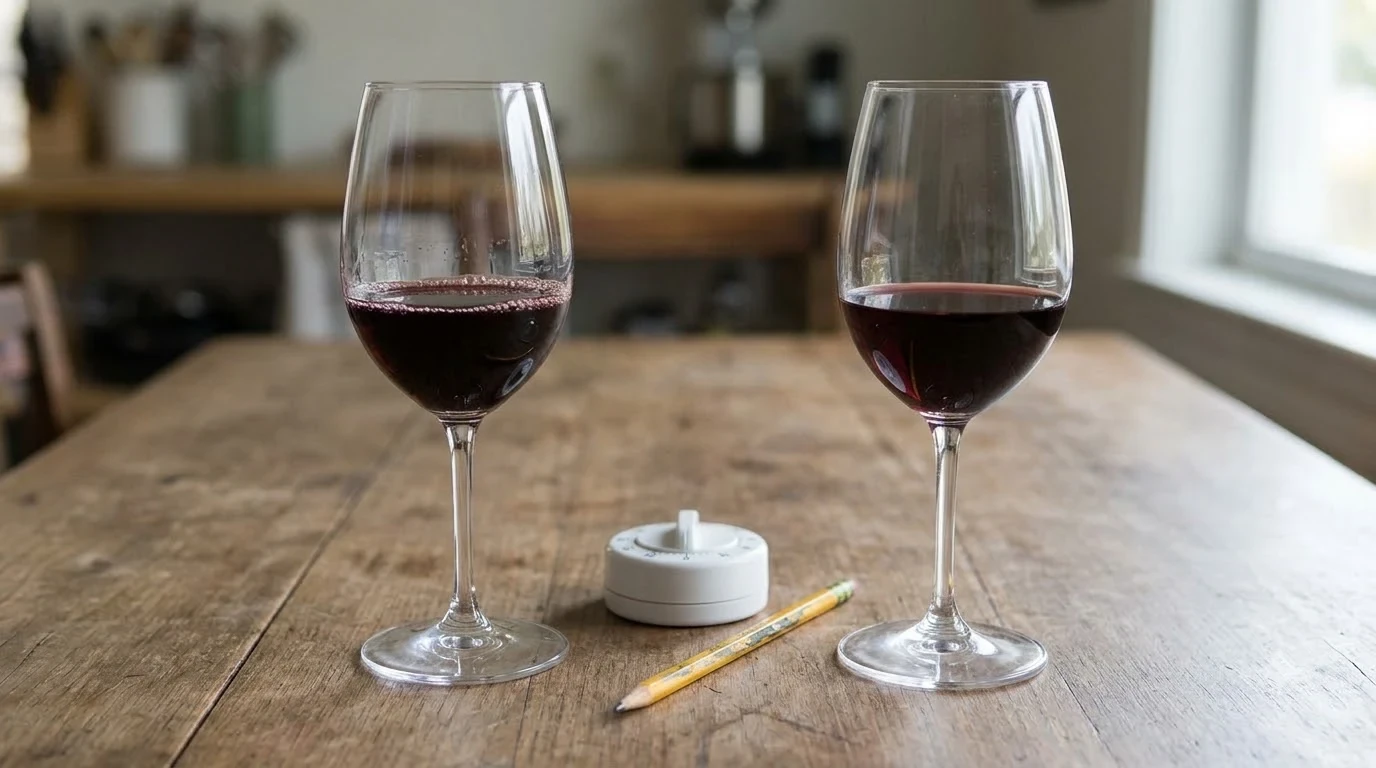
Is tempranillo full bodied? Tempranillo is generally a medium-bodied to full-bodied red wine, with its weight depending on the region, growing conditions and winemaking style. Many Rioja examples have a balanced, medium-to-full-bodied profile, while Ribera del Duero and Toro bottlings are often richer, more concentrated and fuller on the palate. Expect flavors of cherry, plum and blackberry, supported by moderate acidity and medium-to-high tannins.
Tempranillo is Spain’s signature red grape, responsible for some of the country’s most recognizable wines. Its versatility is part of its appeal: one bottle can be fresh, fruity and approachable, while another can deliver dense dark fruit, firm tannins and layers of oak-derived spice. Understanding body, regional differences and aging classifications makes it easier to find a Tempranillo that suits your preferences, whether you enjoy lighter reds or powerful wines with substantial structure.
How Full-Bodied Is Tempranillo Compared With Other Red Wines?
Tempranillo typically falls in the medium-to-full-bodied category, occupying a middle ground between lighter reds and some of the heaviest, most concentrated wines. Its combination of moderate acidity, noticeable tannins and ripe fruit gives it enough weight to accompany substantial meals without necessarily feeling as dense as Cabernet Sauvignon.
Body describes the physical sensation of wine in the mouth. A lighter wine feels relatively delicate and less substantial, while a full-bodied wine feels broader, heavier and sometimes richer. Alcohol, extract, tannin, fruit concentration and winemaking decisions all influence this impression. Body is not simply another word for flavor intensity: a wine can have powerful aromas but still feel relatively light on the palate.
Tempranillo’s usual medium-to-high tannins provide structure, while moderate acidity helps balance its ripe fruit. Young examples can feel juicy and relatively smooth, whereas concentrated wines from warmer sites or carefully selected vineyards can have considerably more weight. Oak maturation can add texture and complexity, although barrel aging does not automatically make a wine full-bodied.
The following comparison provides a useful starting point when choosing between familiar red grape varieties. These are typical stylistic descriptions rather than fixed rules for every bottle.
| Red wine | Typical body | Tannin | General character |
|---|---|---|---|
| Pinot Noir | Light to medium | Low to medium | Fresh red fruit and lively acidity |
| Merlot | Medium | Medium, softer | Plum, cherry and smooth texture |
| Tempranillo | Medium to full | Medium to high | Cherry, plum, spice and savory notes |
| Malbec | Medium to full | Medium to high | Dark fruit and generous texture |
| Cabernet Sauvignon | Full | High | Blackcurrant, structure and firm tannins |
| Syrah | Medium to full | Medium-plus to high | Dark fruit, pepper and savory character |
For someone accustomed to Merlot, Tempranillo may feel slightly firmer and more structured, especially in wines with significant oak influence. Compared with Pinot Noir, it generally has more tannic grip and a broader palate. Cabernet Sauvignon usually offers more assertive tannins, while Malbec can deliver a similarly generous sense of fruit and weight.
If you are comparing lighter red styles, our guide to is pinot noir full bodied explains why Pinot Noir often feels more delicate. Those who enjoy softer, rounder reds can also explore is merlot full bodied to understand the differences in tannin and texture.
What Gives Tempranillo Its Body and Structure?
Tempranillo’s body comes from several interacting factors, including grape ripeness, alcohol, tannin extraction and maturation. Its naturally thick-skinned grapes provide material for color and tannin, while vineyard conditions influence fruit concentration and the balance between alcohol and acidity.
Tempranillo grapes need warm growing conditions to ripen properly, but temperature differences between daytime and nighttime can help preserve freshness. According to Total Wine’s Tempranillo overview, warm days encourage flavor development while cooler nights help prevent excessive acidity loss. This balance is important because ripe fruit alone does not guarantee a well-structured wine.
During fermentation, contact between grape skins and juice extracts color, tannins and flavor compounds. Longer or more intensive extraction can produce a wine with firmer structure and a more substantial impression. However, winemakers must balance extraction carefully. Excessive extraction can make a wine feel harsh rather than pleasantly full.
Alcohol, tannin and acidity
Alcohol contributes warmth and a sense of weight. A ripe Tempranillo with higher alcohol can feel fuller than a fresher, lower-alcohol example, although alcohol alone does not determine body. The relationship between fruit concentration, acidity and tannin matters just as much.
Tannins create the drying sensation associated with red wines. They can make the gums and cheeks feel slightly grippy, giving Tempranillo its recognizable structure. Its medium-to-high tannin levels are one reason the grape can produce reds suitable for extended aging.
Acidity provides freshness and prevents concentrated fruit from feeling overly heavy. Tempranillo usually has moderate acidity, which helps it balance ripe cherry and plum flavors. This combination of fruit, acidity and tannin is particularly useful at the dinner table.
Oak maturation and texture
Oak aging can change the way Tempranillo feels and tastes. Barrels may contribute vanilla, toast, baking spice and subtle wood-derived aromas. American oak, frequently associated with traditional Rioja styles, can give the wine recognizable vanilla and dill-like characteristics.
Barrel maturation also allows gradual oxygen exposure, which can help tannins become more integrated over time. A mature wine may therefore seem smoother and more polished than a young bottle, even when both have substantial underlying structure.
It is important to distinguish between perceived richness and actual body. A vanilla-scented wine can seem rounder because of its aromas and texture, but oak does not necessarily increase the wine’s physical weight. The grape’s ripeness, concentration and overall balance remain central.
How Rioja, Ribera del Duero and Toro Change the Style
Where Tempranillo grows has a major influence on its body, fruit profile and tannin. Rioja commonly offers balanced medium-to-full-bodied reds, while Ribera del Duero and Toro are particularly associated with deeper color, greater concentration and more powerful structures.
Rioja is one of Spain’s best-known wine regions and a natural starting point for exploring Tempranillo. According to Wine Enthusiast, Tempranillo accounts for approximately 88% of Rioja’s red grapes. The region produces several different expressions, ranging from fresh, approachable wines to sophisticated bottles with extended maturation.
Rioja’s traditional approach frequently involves blending Tempranillo with other grapes. Garnacha can contribute fruit and body, Graciano can bring additional acidity, and Mazuelo can contribute color and structure. These varieties help winemakers create balanced blends with different levels of richness and complexity.
Ribera del Duero is another important source of Tempranillo. The grape is commonly called Tinto Fino or Tinta del País in this region. Its wines are frequently darker, more concentrated and more tannic than many traditional Rioja bottlings. Blackberry, black cherry, earthy herbs and oak-derived spice are common characteristics.
Toro produces another powerful expression, with the local name Tinta de Toro used for Tempranillo. Its wines can have particularly intense fruit, firm tannins and substantial alcohol. Drinkers who enjoy bold reds with a pronounced structure may find Toro especially appealing.
Understanding the regional differences
The following overview illustrates the typical stylistic differences. Individual producers and vintages can vary considerably.
| Region | Typical body | Fruit profile | General style |
|---|---|---|---|
| Rioja | Medium to full | Cherry, plum and red berries | Balanced, often oak-aged |
| Ribera del Duero | Full | Blackberry and black cherry | Concentrated and structured |
| Toro | Full to very full | Ripe dark fruit | Powerful and concentrated |
| Ribeiro | Variable in blends | Ripe fruit and complex aromas | Often blended with native varieties |
Ribeiro, in Galicia, provides an interesting example of how Tempranillo can behave outside its best-known Spanish regions. The Ribeiro Regulatory Board reports that the grape represents approximately 1% of production in the appellation. Its wines can reach 13–14% alcohol by volume and have relatively light acidity, with the variety often blended with native grapes to contribute body and aromatic complexity.
For additional regional background, Wine Enthusiast’s article on Spain’s signature grape describes the differences between Rioja, Ribera del Duero and Toro, including the grape’s other regional names.
How Aging Changes Tempranillo’s Body and Flavor
Aging gives Tempranillo another dimension, changing its aromas, tannin perception and overall texture. Young wines tend to emphasize fresh fruit, while longer-aged examples can develop more integrated tannins and complex notes of vanilla, leather, tobacco and dried fruit.
Spanish wine labels provide useful clues about maturation. Terms such as Joven, Crianza, Reserva and Gran Reserva indicate different aging approaches. They are particularly useful when comparing bottles from Rioja and other Spanish appellations, although precise legal requirements can differ according to the applicable regional regulations.
Joven: Fresh and fruit-forward
Joven generally describes a young wine with little or no oak maturation. These Tempranillos emphasize immediate fruit appeal, often displaying cherry, strawberry, raspberry and plum. Their tannins may feel less integrated than those of older wines, but the overall profile can be lively and approachable.
Joven is a good starting point for someone who prefers medium-bodied reds without pronounced oak influence. It can also be an appealing choice for casual meals, grilled vegetables and everyday Spanish-inspired dishes.
Crianza: More structure and oak influence
Crianza wines receive additional maturation. Total Wine’s overview describes the general Spanish requirement as two years of aging, including at least one year in oak barrels. The additional maturation can soften the wine’s tannins and introduce vanilla, toasted wood and more developed fruit aromas.
A Crianza Tempranillo often offers a useful balance between youthful fruit and mature character. It can feel medium-to-full-bodied without becoming as intense as some heavily concentrated, extensively aged reds.
Reserva: Greater complexity
Reserva wines generally undergo at least three years of aging, including a minimum of one year in oak and additional bottle maturation, according to Total Wine’s overview. This extra time can help integrate tannins and develop more complex savory aromas.
Expect a combination of ripe fruit, vanilla, leather, tobacco and baking spice, depending on the producer and barrel program. Reserva is often a good choice for someone who enjoys fuller red wines with a more developed flavor profile.
Gran Reserva: Mature and layered
Gran Reserva represents a more extended maturation approach. The general Spanish aging framework described by Total Wine includes five to seven years of aging, with at least two years in oak barrels. These wines are often released after substantial development in both barrel and bottle.
Long maturation does not automatically make a wine heavier. In fact, an older Tempranillo may feel smoother and less aggressively tannic than a younger bottle. Its fruit can shift toward dried cherry, fig and plum, accompanied by leather, tobacco and earthy notes.
Tip: For a fruit-forward, approachable Tempranillo, start with Joven or a lightly oaked Crianza. If you prefer firmer structure, deeper flavors and developed oak character, explore Reserva or Gran Reserva from Rioja or Ribera del Duero.
The differences between aging categories are especially useful when buying Spanish wine without knowing the producer. They provide a starting point for understanding the wine’s maturation and likely flavor development, rather than guaranteeing a specific level of body.
What Does Full-Bodied Tempranillo Taste Like?
A fuller-bodied Tempranillo combines ripe fruit, noticeable tannins and a broad palate with savory complexity. The most recognizable flavors include cherry, plum and blackberry, while oak-aged or mature examples can add vanilla, tobacco, leather and earthy spice.
Young Tempranillo usually emphasizes fresh fruit. Red cherry, raspberry, strawberry and plum are common, sometimes accompanied by darker blackberry notes. These flavors give the wine an approachable character even when its tannins are noticeable.
With additional maturation, the fruit profile can become more complex. Vanilla and toast may emerge from oak aging, while leather, smoke and tobacco can develop with time. These secondary and mature characteristics help explain why some Tempranillo wines taste more sophisticated than their youthful counterparts.
Color also offers a useful visual clue, although it cannot establish body by itself. Tempranillo commonly produces wines with medium ruby to garnet hues. Thick grape skins contribute color and tannin, but a dark-looking wine is not necessarily fuller-bodied than a lighter-looking one.
Recognizing tannin and texture
When drinking Tempranillo, pay attention to how the wine feels after each sip. A lighter example may feel relatively smooth and juicy, while a fuller Ribera del Duero bottling may leave a stronger drying sensation around the gums and cheeks.
Notice how the fruit and tannins work together. Ripe cherry and plum can make the wine feel generous, while acidity keeps the finish from becoming excessively heavy. Oak-aged examples may also have a more rounded impression because their tannins have become better integrated.
Alcohol can contribute additional warmth, particularly in ripe wines from warmer areas. However, a well-balanced Tempranillo should not feel dominated by alcohol. Fruit, acidity and tannin should work together rather than competing for attention.
For a useful comparison with another popular full-bodied red, see our guide to is malbec full bodied. Malbec often emphasizes dark fruit and generous texture, while Tempranillo can offer a more pronounced combination of savory complexity, oak spice and structured tannins.
Best Food Pairings for Medium-to-Full-Bodied Tempranillo
Tempranillo pairs particularly well with grilled meats, roasted vegetables, savory tapas and aged cheeses. Its moderate acidity and noticeable tannins give it enough structure for rich dishes, while its fruit and earthy flavors complement roasted and smoky ingredients.
Lamb is one of the strongest traditional pairings. Roasted lamb shoulder, grilled lamb chops and herb-seasoned lamb kebabs all work well with Tempranillo. The wine’s tannins provide structure against the meat’s fat, while cherry and plum flavors complement browned, savory surfaces.
Beef is another excellent option. Grilled steak, beef burgers, slow-cooked short ribs and roasted beef can all accompany fuller-bodied examples. Salt and fat soften the perception of tannin, making richer dishes especially suitable for structured reds.
Spanish tapas and cheese
Tempranillo is a natural companion for Spanish-inspired food. Consider patatas bravas, grilled chorizo, roasted peppers, jamón and mushroom croquettes. The wine’s savory notes complement smoky, salty and roasted ingredients, while its fruit provides contrast.
Aged Manchego is another particularly suitable pairing. Its firm texture and savory, salty flavor work well with Tempranillo’s tannins. Other aged hard cheeses can also provide a satisfying match.
For lighter, fruit-forward Tempranillo, roasted chicken, pork tenderloin and grilled vegetables are useful alternatives. A younger Rioja can also work well with tomato-based dishes because its moderate acidity provides freshness alongside the food.
Foods that require more care
Very spicy dishes can be challenging. Chili heat is amplified by alcohol and tannin, so a powerful Tempranillo may make intensely hot food seem even hotter. For spicy dishes, a fresher, less alcoholic example is generally easier to pair.
Oily fish is another less suitable partner for tannic reds. Delicate seafood can be overwhelmed by Tempranillo’s structure, especially in a concentrated Toro or Ribera del Duero wine. If serving fish, choose a less tannic wine or consider a different red style.
Sweet sauces also require attention. A dry Tempranillo can taste less fruity and more bitter alongside a very sweet glaze. For sweet dishes, the wine should generally be at least as sweet as the food.
As a practical rule, match the weight of the wine to the intensity of the meal. A medium-bodied Rioja Crianza can accompany roasted chicken or tapas, while a fuller Ribera del Duero Reserva is better suited to grilled steak, lamb and rich slow-cooked meat.
How to Serve Tempranillo and Choose the Right Bottle
Tempranillo generally benefits from being served slightly cool rather than at warm room temperature. A serving temperature of 55–60°F works well for lighter and medium-bodied examples, while fuller-bodied wines can be served around 60–65°F to allow their aromas and texture to develop.
Temperature has a noticeable effect on how the wine feels. Excessive warmth can emphasize alcohol and make a concentrated red seem heavy. Serving it too cold can suppress fruit aromas and make tannins feel more pronounced.
For a lighter Rioja, begin around 55–60°F. For a powerful Toro or Ribera del Duero, try approximately 60–65°F. If the bottle has been stored at room temperature in a warm environment, a short period in the refrigerator can help bring it to a more suitable temperature.
Choose a glass and decide whether to decant
A standard red wine glass with a reasonably wide bowl gives Tempranillo room to release its aromas. Swirling the wine gently can reveal fruit, oak and savory notes that may be less apparent immediately after pouring.
Young, full-bodied Tempranillo may benefit from decanting for approximately 30–60 minutes. This can help the wine open up and make its aromas more expressive. However, not every bottle needs decanting. A fresh Joven or delicate older Gran Reserva may be enjoyable immediately after opening.
Older wines require particular care because extended aging can make them more delicate. If a mature bottle contains sediment, careful decanting can separate the clear wine from the deposit. Avoid assuming that more aeration is always better for older reds.
Check the label for useful clues
When choosing Tempranillo, begin with the region and aging classification. Rioja Crianza is a useful starting point for balanced fruit and oak. Ribera del Duero offers opportunities to explore more concentrated styles, while Toro is worth considering if you prefer especially powerful reds.
Look for the grape’s regional synonyms as well. Tinto Fino and Tinta del País are common names associated with Tempranillo in Spain, while Tinta Roriz and Aragonez are used in Portugal. These names can help identify the grape when shopping internationally.
Consider the producer’s style as well as the grape variety. A producer favoring fresh fruit and restrained oak can make a comparatively approachable Tempranillo, even in a region known for concentrated reds. Another producer using riper fruit and more intensive extraction may produce a much fuller wine from the same grape.
For a broader introduction to grape varieties and their typical styles, visit Wine by Type. Comparing several grape varieties side by side is a useful way to identify whether you prefer lighter reds, balanced medium-bodied wines or more substantial full-bodied bottles.
Frequently Asked Questions
Is Tempranillo always a dry red wine?
Most familiar Tempranillo table wines are dry, although the grape can also be used in rosé, sparkling and dessert wines. Its sweetness therefore depends on the finished wine rather than the grape name alone. Spanish rosado made from Tempranillo is one example of a different style.
Does Tempranillo have more alcohol than Pinot Noir?
Alcohol levels vary by producer, region and vintage, so there is no universal difference. Tempranillo from warm Spanish growing areas can develop considerable ripeness, while cooler-climate Pinot Noir may have a lighter alcohol profile. Comparing the alcohol percentages printed on two bottles provides a more reliable answer than comparing grape varieties alone.
What is Tempranillo called in Catalonia?
In Catalonia, Tempranillo is commonly known as Ull de Llebre. The name means hare’s eye, referring to the grape’s appearance. This is one of several regional synonyms used for the variety across the Iberian Peninsula.
Can Tempranillo be made into rosé wine?
Yes. Tempranillo can produce rosé wines, often called rosado in Spain. These wines generally emphasize fresh red berry and cherry flavors, with a lighter structure than most red Tempranillo bottlings. Their body and serving temperature depend on the winemaking approach.
Does Tempranillo improve after opening the bottle?
Some structured Tempranillo wines become more expressive after exposure to air, particularly young examples with firm tannins. However, oxygen exposure is temporary, and the wine will eventually lose freshness. For opened still Tempranillo, refrigeration and a good closure generally help preserve quality for approximately three to five days.
Tempranillo is best understood as a versatile medium-to-full-bodied red rather than a wine with one fixed level of weight. Rioja offers balanced, approachable expressions, while Ribera del Duero and Toro provide richer, more concentrated alternatives. Start with a Rioja Crianza if you want fruit, structure and moderate oak influence, or explore a Ribera del Duero Reserva if you prefer a fuller, more developed red.
More in Wine Types & Grapes
 What Does Mourvèdre Taste Like? Flavor Profile, Regions, and PairingsUpdated Nov 20, 2026
 What Does Marsanne Taste Like? Flavors, Styles, and Food PairingsUpdated Nov 20, 2026
 What Does Malvasia Taste Like? Styles, Flavors, and Food PairingsUpdated Nov 20, 2026
 What Does Grenache Blanc Taste Like? Flavor Profile, Styles, and PairingsUpdated Nov 20, 2026
 What Does Garnacha Taste Like? Key Flavors, Styles, and Pairing TipsUpdated Nov 20, 2026
 What Does Fruit Wine Taste Like? A Complete Flavor and Style BreakdownUpdated Nov 20, 2026