

We may earn a commission when you buy through links on this page, at no extra cost to you. Learn more.
Is red blend sweet or dry? Most red blends are dry or slightly off-dry, but some commercial styles have noticeable sweetness from residual sugar. Red blend describes a wine made with two or more grape varieties, not a specific sweetness level. The grapes, fermentation decisions, and final balance of fruit, acidity, and tannin determine whether a particular bottle tastes dry, smooth, or sweet. If you prefer a reliably dry wine, look for a blend with a stated dry style or published residual sugar information.
Red blends are popular because winemakers can combine different grapes to create a wine with complementary flavors, aromas, and textures. A Cabernet Sauvignon component might contribute structure, Merlot can soften the palate, and Zinfandel can bring ripe berry character. Some combinations produce savory, structured wines, while others are round, fruit-forward, and slightly sweet. Understanding the difference between fruitiness and actual sugar makes choosing a bottle much easier.
What Red Blend Means and Why Sweetness Varies
A red blend combines at least two grape varieties into one finished wine. Its sweetness is determined by the winemaker’s production decisions, so the words red blend alone cannot tell you whether a bottle is dry or sweet.
Unlike a single-variety wine labeled Cabernet Sauvignon or Merlot, a red blend can contain a wide range of grape combinations. Common ingredients include Cabernet Sauvignon, Merlot, Syrah, Zinfandel, Malbec, Petite Sirah, Grenache, and Cabernet Franc. Each grape contributes different characteristics, and the proportions can change the final wine’s structure and flavor.
For example, a blend containing Cabernet Sauvignon and Merlot might emphasize blackcurrant, plum, cedar, and firm tannins. A combination of Zinfandel, Syrah, and Petite Sirah might deliver concentrated blackberry, blueberry, pepper, and baking-spice notes. Neither combination automatically indicates sweetness. Both can be fermented until most grape sugar has become alcohol.
The most important distinction is between the wine’s composition and its sweetness. Grapes determine many of its potential flavors and structural characteristics, but residual sugar depends on what happens during fermentation and any subsequent adjustments made by the producer.
Blending also gives winemakers flexibility. One grape might contribute acidity, another might supply color and tannin, and a third might provide aromatic intensity. The finished wine can be balanced without tasting sugary, even when its fruit flavors are particularly ripe.
Some American supermarket red blends are deliberately made with a softer, fruitier profile that appeals to drinkers who dislike aggressive tannins. Other red blends follow traditional European approaches, emphasizing freshness, acidity, and savory complexity. The category covers both approaches, which explains why two bottles carrying the same general description can taste remarkably different.
Think of red blend as a description of the grape combination rather than a promise about sweetness. For a broader explanation of wine categories and styles, explore Wine by Type.
How Residual Sugar Determines Whether Red Blend Is Sweet
Residual sugar is the main technical measurement behind wine sweetness. It refers to the natural grape sugar remaining after fermentation, and its concentration is commonly expressed in grams per liter.
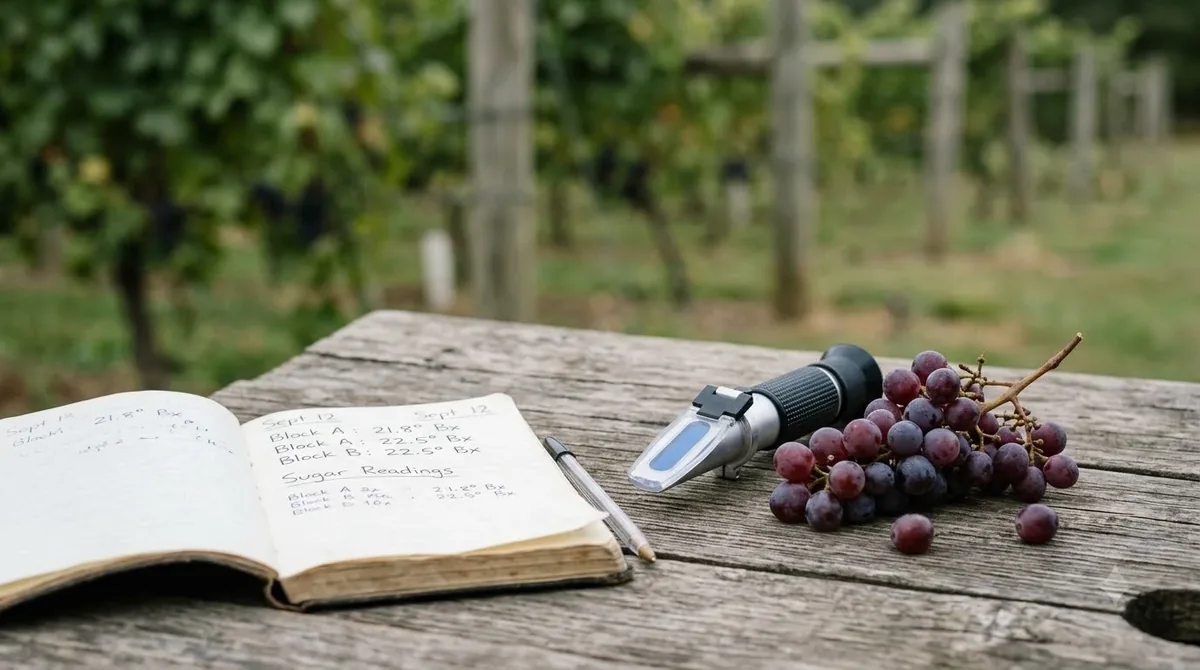
During fermentation, yeast consumes grape sugar and converts it into alcohol and carbon dioxide. When fermentation finishes with almost all fermentable sugar consumed, the wine is generally considered dry. When more sugar remains, the finished wine can taste off-dry, medium-sweet, or distinctly sweet.
Winemakers have several ways to control the final sweetness. They can allow fermentation to finish naturally, stop fermentation before all the sugar is consumed, or use permitted sweetening methods to adjust the finished wine. Fortification is another approach used in certain wine styles, including Port, where grape spirit stops fermentation while sugar remains.
Residual sugar provides a more useful starting point than the name of the wine. The following figures illustrate general sweetness categories. They are practical reference ranges rather than universal legal definitions for every wine-producing country or region.
| Sweetness category | Approximate residual sugar | Typical impression |
|---|---|---|
| Dry | Below 4 g/L | Little noticeable sweetness; savory or fruit-driven |
| Off-dry | 4–12 g/L | Subtle sweetness or a softer finish |
| Medium-sweet | 12–45 g/L | Clearly rounded sweetness with ripe fruit character |
| Sweet | Above 45 g/L | Pronounced sweetness that remains after swallowing |
These ranges help explain why red blends can appeal to different drinkers. A wine containing less than 4 g/L of residual sugar will generally fall toward the dry end of the spectrum. A bottle with 8 g/L may have a gentle sweetness, while one containing 20 g/L is more likely to taste noticeably sweet.
However, residual sugar is not the only factor that matters. Acidity, tannin, alcohol, and fruit concentration all affect the way sweetness is perceived. A wine with more acidity can seem fresher and less sweet than another wine containing a similar amount of sugar.
For example, a red blend with ripe blackberry aromas, substantial tannin, and balanced acidity might taste dry even when its fruit is intense. Another blend with softer tannins and lower acidity may seem sweeter, despite having a similar residual sugar measurement.
According to Ontario Wine’s general sweetness guidelines, approximately 4–12 g/L is an off-dry range, while 12–45 g/L falls into a medium-sweet category. These figures are useful comparisons, but individual wine styles and acidity levels can affect the classification.
For a deeper explanation of the distinction between sugar and perceived sweetness, read Total Wine’s guide to wine sweetness.
Which Grapes Make Red Blends Taste Fruity, Smooth, or Dry
The grape varieties in a red blend influence its tannin, acidity, body, and aromas. Cabernet Sauvignon, Merlot, Zinfandel, and Syrah can all contribute different impressions, but none guarantees a particular sugar level.
Understanding the most common grapes helps explain why some blends feel firm and savory while others seem soft and fruit-forward.
Cabernet Sauvignon
Cabernet Sauvignon generally contributes high tannin, substantial structure, and dark-fruit flavors such as blackcurrant, blackberry, and black cherry. Its firm texture can make a blend feel dry, particularly when the wine has been fermented to completion.
Cabernet-based blends are often suitable for drinkers who prefer a more structured red. They can include Merlot or Cabernet Franc to adjust the texture and aromatic profile without necessarily adding sweetness.
Merlot
Merlot usually brings medium tannin and a softer texture than Cabernet Sauvignon. Plum, black cherry, and red-fruit flavors can make it seem rounder and more approachable.
Merlot is frequently blended with Cabernet Sauvignon because it can soften the overall impression of a structured wine. However, a softer mouthfeel does not mean that the wine contains significant residual sugar.
Zinfandel
Zinfandel is often associated with ripe blackberry, raspberry jam, dark cherry, and spice. These concentrated fruit aromas can create a sweet impression even in a dry wine.
Some commercial blends containing substantial Zinfandel may also retain noticeable residual sugar. The grape itself does not determine that sweetness, so the winemaking approach remains important.
Syrah and Petite Sirah
Syrah contributes dark fruit, pepper, and medium-plus to high tannin. Petite Sirah can add particularly deep color, concentrated fruit, and substantial structure.
When combined with softer grapes, these varieties can create a rich, full-bodied wine with a long finish. Their concentrated fruit character can resemble sweetness, although both varieties are commonly made in dry styles.
Grenache and Malbec
Grenache often contributes red berry fruit, warmth, and a relatively generous texture. Malbec adds dark plum, blackberry, and a deeper color, with tannin that varies according to growing conditions and winemaking.
A blend containing Grenache, Syrah, and Mourvèdre is commonly called a GSM blend. These wines can be savory and dry, with herbs, pepper, dark berries, and earthy notes.
The key lesson is that grape varieties describe the potential character of the wine, not a reliable sweetness measurement. A blend with ripe Zinfandel can be dry, while a softer blend dominated by other grapes can retain enough sugar to taste sweet.
How to Recognize Sweet and Dry Red Blend Styles
Sweet and dry red blends often have different flavor profiles, but tasting clues should be considered alongside technical information. Fruit aromas, oak influence, tannin, and acidity can make a wine seem sweeter or drier than its residual sugar actually indicates.
A dry red blend commonly combines ripe fruit with a finish that feels relatively clean rather than sugary. You may notice black cherry, plum, blackberry, cedar, tobacco, pepper, or dried herbs. The wine can be full-bodied and rich without having noticeable sweetness.
A sweeter red blend generally has a more persistent sugary sensation. The fruit can resemble jam, ripe cherries, or berry preserves, and the finish may feel rounded rather than drying. Some wines also have a slightly syrupy impression, particularly when they have lower acidity and softer tannins.
One important distinction is the difference between aroma and taste. Vanilla, caramel, chocolate, and blackberry jam can smell sweet without indicating a high concentration of residual sugar. Oak barrels, ripe grapes, and fermentation-related compounds can all contribute these characteristics.
Wine Enthusiast explains that common dry red grapes can have approximately 0.5–2 g/L of residual sugar while still displaying aromas reminiscent of raspberry compote and dried dates. This is a useful reminder that fruit-forward does not necessarily mean sweet.
There are also red wines intentionally produced with sweetness. Lambrusco, for example, ranges from dry Secco to sweeter Dolce styles. Port and Recioto della Valpolicella are other examples of red wines that can have pronounced sweetness, although they are distinct wine categories rather than typical table red blends.
When tasting a red blend, pay attention to what happens after you swallow. If the finish leaves your mouth feeling dry and slightly grippy, tannins are likely playing a major role. If a sweet sensation lingers across your palate, residual sugar may be more noticeable.
Tip: Do not judge sweetness by the word fruity alone. Blackberry, raspberry, plum, and cherry aromas can appear in completely dry wines. Look for a residual sugar figure or an explicit sweetness description when you want a more reliable indication.
It is also useful to distinguish sweetness from alcohol warmth. A red blend with relatively high alcohol can feel rich and warm, particularly when served too warm. That sensation is not the same as sugar sweetness.
For another comparison, consider whether Moscato is sweet or dry. Moscato is available in several styles, and its sweetness is determined by the particular wine rather than the grape name alone.
How to Choose a Red Blend by Reading the Bottle
The most reliable way to select a red blend is to look for the winery’s technical information and sweetness description. Front-label terms and tasting notes can provide clues, but residual sugar measurements offer a more direct indication of sweetness.
Start by looking for the following information:
- Residual sugar: A figure in grams per liter provides a useful indication of the wine’s actual sugar content.
- Dry or off-dry description: These terms can help distinguish wines intended to taste crisp and savory from those with a softer finish.
- Grape composition: Cabernet Sauvignon, Merlot, Zinfandel, Syrah, and Malbec give clues about the wine’s likely structure and flavor.
- Tasting notes: Words such as blackberry, plum, vanilla, jam, and caramel describe aromas or flavors, not necessarily measurable sugar.
- Winery technical information: Producer websites sometimes publish fermentation details, residual sugar, alcohol, and acidity.
For instance, a technical sheet describing a Cabernet Sauvignon and Merlot blend with 3 g/L residual sugar suggests a dry wine. A Zinfandel-based blend with 15 g/L may have a noticeably softer and sweeter profile, although acidity and tannin still influence its balance.
Some wineries provide detailed information about their blends, including the percentages of each grape. This can help you understand the flavor profile before opening the bottle. However, grape percentages alone cannot establish sweetness.
Do not assume that a wine labeled smooth, rich, or velvety contains added sugar. These descriptions generally refer to texture and overall style. Similarly, a wine described as jammy might be dry despite its concentrated fruit aromas.
American wine labels do not consistently provide a residual sugar measurement, which makes winery websites particularly useful. If the technical sheet is unavailable, a producer’s description or retailer tasting note may still offer clues about whether the wine is dry, off-dry, or sweet.
For a simple comparison, consider these three hypothetical bottles:
- Blend A: Cabernet Sauvignon and Merlot, 2 g/L residual sugar, firm tannins, and blackcurrant aromas. This would generally be considered dry.
- Blend B: Zinfandel and Syrah, 8 g/L residual sugar, soft tannins, and ripe blackberry flavors. This could have a gently off-dry impression.
- Blend C: Merlot and Zinfandel, 25 g/L residual sugar, lower perceived acidity, and a lingering sugary finish. This would generally taste medium-sweet.
These examples illustrate why two red blends with similar grape varieties can taste different. The proportions, ripeness, fermentation choices, and final balance all matter.
If you are shopping for someone who strongly dislikes sweetness, prioritize a dry description and a low residual sugar figure rather than relying on words such as smooth or fruity.
Best Food Pairings for Sweet and Dry Red Blends
Food pairing depends on the wine’s sweetness, acidity, tannin, and body. Dry red blends generally work well with savory dishes, while sweeter versions can complement barbecue sauces, mildly spicy food, and dishes with a touch of sweetness.
A structured Cabernet-based blend is a natural partner for grilled steak, roast beef, and lamb. Its tannins complement the proteins and richness of the food, while salt and fat soften the sensation of tannin.
Merlot-based blends can work especially well with roast chicken, pork tenderloin, mushroom dishes, and tomato-based pasta. Their softer tannins make them versatile choices for meals that do not need a particularly powerful wine.
Fruit-forward Zinfandel blends can pair nicely with barbecue ribs, smoked sausages, grilled burgers, and roasted vegetables. A slightly sweet red blend can complement smoky barbecue sauce, particularly when the food has some sweetness of its own.
For spicy food, an off-dry red blend may be more comfortable than a highly alcoholic, tannic red. However, avoid pairing very hot chili dishes with powerful, high-alcohol wines because alcohol and tannin can amplify the perception of heat.
Consider these general combinations:
- Dry Cabernet-based blend: Grilled steak, lamb chops, aged cheddar, and roasted mushrooms.
- Dry Merlot blend: Pork tenderloin, lasagna, roast chicken, and tomato-based pasta.
- Dry Syrah blend: Grilled sausages, rosemary lamb, smoked meat, and roasted peppers.
- Fruit-forward Zinfandel blend: Barbecue ribs, burgers, pulled pork, and grilled vegetables.
- Off-dry red blend: Mildly spicy barbecue, glazed pork, and dishes with sweet-and-savory sauces.
When serving wine with dessert, choose a wine at least as sweet as the food. Otherwise, the dessert can make the wine seem thin, sharp, or unpleasantly sour. Most ordinary dry red blends are therefore not ideal partners for very sweet chocolate cakes or syrupy desserts.
Acidity also matters. Tomato-based pasta and dishes with vinegar-based sauces need a wine with sufficient acidity to keep the combination balanced. A very soft, low-acid red blend can seem heavy alongside strongly acidic food.
Cheese offers another useful pairing opportunity. A dry red blend with moderate tannin can complement aged cheddar, while a fruit-forward style can work with semi-hard cheeses. Salt and fat help soften tannin, making structured red wines more approachable.
Fish generally requires more care. Light, oily fish such as salmon can work with a lighter, lower-tannin red, but strongly tannic blends may clash with oily fish. A lighter Pinot Noir-based blend is often a more suitable direction than a powerful Cabernet and Petite Sirah combination.
For a lighter alternative, you can also compare whether rosé is sweet or dry. Rosé ranges from bone-dry to sweet, and its refreshing acidity makes it a different pairing option for grilled vegetables, seafood, and lighter meals.
How to Serve and Store Red Blend Wine
Serving temperature can change how a red blend feels on the palate. Lighter red blends are generally best served at 55–60°F, while fuller-bodied versions are better around 60–65°F.
Serving a red blend too warm can emphasize alcohol and make the wine feel heavier. Serving it too cold can mute aromas and make tannins seem more pronounced. A brief period in the refrigerator can help bring a warm bottle closer to its preferred serving temperature.
Choose the serving temperature according to the wine’s structure rather than its sweetness alone. A light-bodied Pinot Noir-based blend may benefit from the cooler end of the red-wine range, while a powerful Cabernet and Syrah combination generally works better toward 60–65°F.
Glassware also influences the experience. A standard red wine glass with a reasonably wide bowl gives aromatic compounds room to develop. A 5-ounce pour provides enough space for swirling without filling the glass too close to the rim.
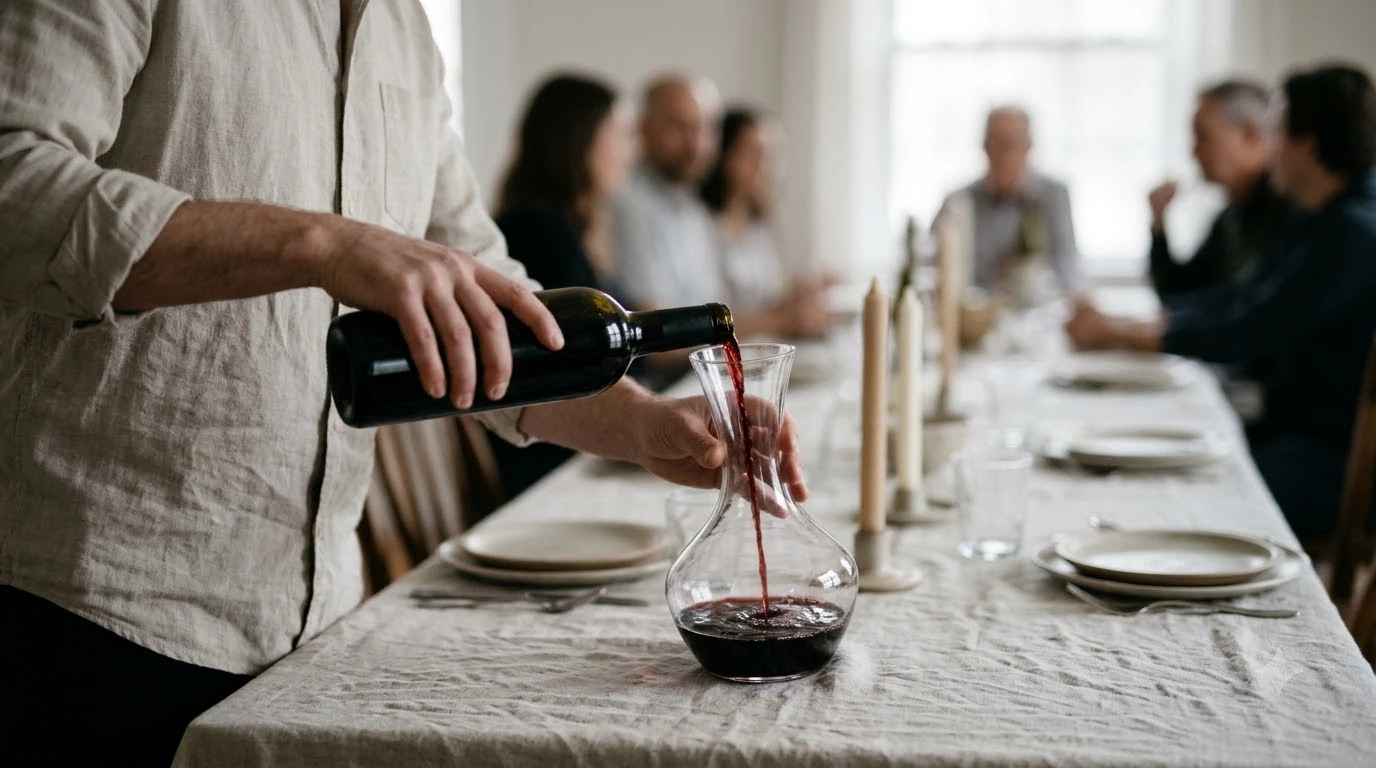
Young, full-bodied red blends with substantial tannin may benefit from decanting for 30–60 minutes. Exposure to air can help soften their initial impression and make their aromas easier to appreciate. Lighter or older wines may require less aeration, and delicate older bottles can lose their freshness if left exposed for too long.
Storage matters if you plan to keep an unopened bottle for later. Store bottles on their sides when they have natural cork closures, in a cool, dark place near 55°F. Avoid large temperature fluctuations, direct sunlight, and locations close to heat-producing appliances.
After opening, close the bottle securely and refrigerate it. Most still red blends remain in reasonable drinking condition for approximately 3–5 days, although freshness depends on the wine, storage conditions, and exposure to oxygen.
Allow refrigerated red wine a little time to warm before serving. This helps restore its aromatic expression without exposing the bottle to prolonged heat.
Finally, remember that a red blend does not need to be expensive or particularly complex to be enjoyable. A well-balanced everyday bottle with moderate tannins, fresh fruit, and the right sweetness level can be an excellent choice for an ordinary dinner.
Frequently Asked Questions
Is red blend wine stronger than other red wines?
Not necessarily. Alcohol content depends on grape ripeness, fermentation, and the producer’s winemaking decisions rather than the fact that the wine is blended. Many standard table red blends fall around 12–15% ABV, although individual bottles can fall outside this range.
Does red blend contain sulfites?
Most commercial red wines contain sulfites, which can occur naturally during fermentation or be added during production. Sulfur dioxide helps protect wine against oxidation and unwanted microbial activity. The presence of sulfites does not indicate whether a red blend is sweet or dry.
Can red blend wine be aged for several years?
Some structured red blends can develop additional complexity through bottle aging, particularly those containing Cabernet Sauvignon, Syrah, or other varieties with substantial tannin. However, many approachable commercial blends are designed for drinking relatively young. The producer’s aging recommendations and the wine’s structure provide better guidance than the red blend designation.
Is red blend always made from grapes grown in the same region?
No. Some blends combine grapes from multiple vineyards or appellations, while others follow regional rules that specify where their grapes must originate. For example, Bordeaux red blends follow regional appellation requirements and commonly use varieties such as Cabernet Sauvignon, Merlot, and Cabernet Franc.
Can red blend wine be made without oak aging?
Yes. A winemaker can mature a red blend in stainless steel tanks, concrete vessels, or other non-oak containers. Stainless steel generally preserves fresh fruit characteristics, while oak can contribute additional aromas and texture. Barrel aging is a stylistic choice, not a requirement for making red blend wine.
Red blend is not automatically sweet or dry: most styles lean dry, but some are made with enough residual sugar to taste noticeably sweet. Pay attention to residual sugar, grape composition, and the producer’s tasting description to find a bottle that matches your preferences. Whether you enjoy a structured Cabernet-based blend or a softer, fruit-forward style, there is a red blend for nearly every dinner table.
More in Wine Types & Grapes
 Zinfandel Sugar Content: Dry Red vs. White Zinfandel GramsUpdated Nov 21, 2026
 Best Zinfandel Substitute Options for Sipping and CookingUpdated Nov 21, 2026
 Zweigelt Food Pairing: Best Dishes, Cheeses, and Serving TipsUpdated Nov 21, 2026
 Zinfandel Tannins Explained: How Structure Shapes Every BottleUpdated Nov 21, 2026
 Zinfandel Sweetness Level: Dry Red vs. Sweet White Zin ExplainedUpdated Nov 21, 2026
 Xinomavro Food Pairing: Best Dishes, Styles, and Serving TipsUpdated Nov 21, 2026