

We may earn a commission when you buy through links on this page, at no extra cost to you. Learn more.
Is grenache sweet or dry? Grenache is usually a dry red wine, although its ripe strawberry, raspberry, and cherry flavors can make it seem slightly sweet. This popular Mediterranean grape produces wines ranging from light, fruit-forward reds to rich, full-bodied bottles with warming alcohol. It can also make rosé and genuinely sweet fortified wines, so the style of Grenache matters when choosing a bottle.
If you enjoy wines with generous fruit, approachable tannins, and a smooth finish, Grenache is worth exploring. Known as Garnacha in Spain, this versatile grape appears in several important wine regions, including southern France, northeastern Spain, and Australia’s Barossa Valley. Understanding its sweetness, flavor, and regional differences makes it easier to find a style that suits your preferences.
Why Most Grenache Wine Is Dry
Most still red Grenache is dry because fermentation converts most of the grape’s natural sugar into alcohol. Its ripe fruit character can suggest sweetness, but the flavors of strawberries, cherries, and plums do not necessarily indicate significant residual sugar.
Dryness describes the amount of remaining grape sugar in the finished wine, while fruitiness describes its aromas and flavors. These are separate characteristics. A wine can smell like fresh strawberries or taste like ripe raspberry preserves while remaining completely dry on the palate.
Grenache is particularly likely to create this impression because it ripens readily in warm climates. Ripe grapes accumulate substantial natural sugar, which can produce wines with relatively high alcohol levels. The resulting alcohol adds warmth and a rounded sensation that can resemble sweetness.
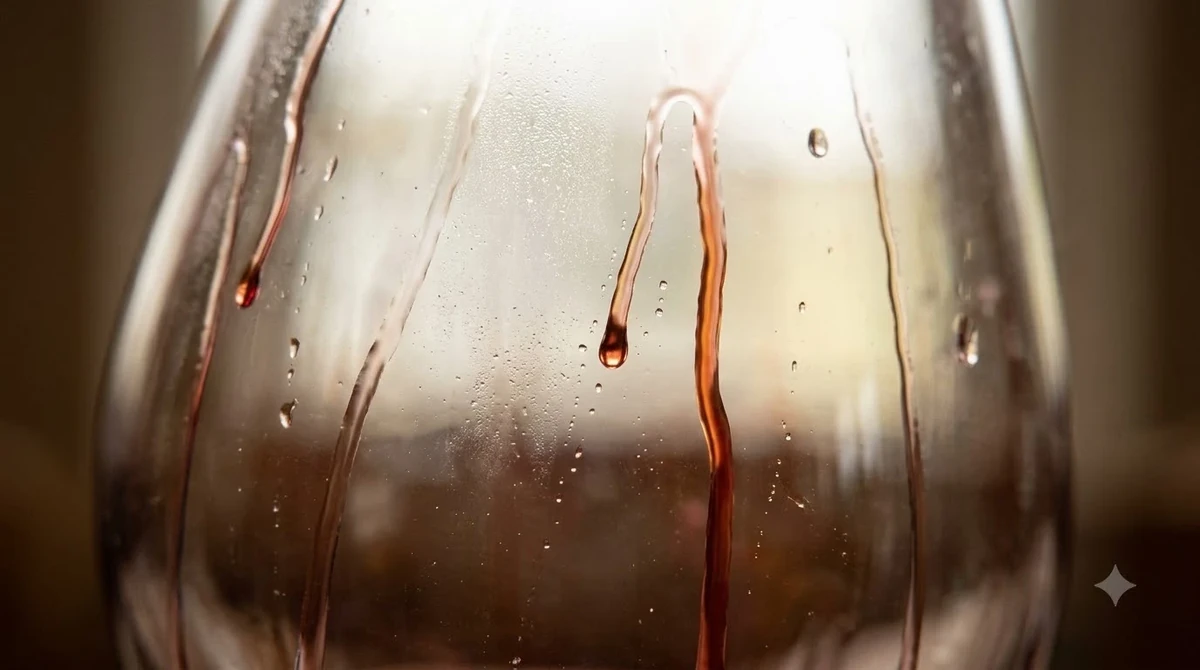
Another factor is glycerol, a natural compound produced during fermentation. It contributes to the wine’s texture and can make the palate feel fuller and smoother. Combined with ripe fruit aromas and moderate acidity, this texture can make dry Grenache seem sweeter than it actually is.
For everyday wine shopping, the simplest expectation is that a bottle labeled Grenache, Grenache Noir, or Garnacha is likely to be a dry red unless it specifically identifies itself as a sweet or fortified wine.
What Grenache Tastes Like
Grenache typically tastes of ripe red berries, soft spice, and Mediterranean herbs. Its flavor profile can become darker, richer, and more concentrated in warmer growing regions, but the grape generally retains a generous fruit character.
Strawberry, raspberry, red cherry, and plum are common tasting notes. Some bottles also reveal blackberry, dried fig, licorice, and black cherry. These flavors can become more concentrated as grapes ripen under abundant sunshine.
Beyond fruit, Grenache can show white pepper, cinnamon, clove, dried thyme, rosemary, and lavender. In wines from the southern Rhône, these savory characteristics can create an appealing contrast with the ripe fruit. More developed bottles may also reveal leather, tobacco, and earthy notes.
Its texture is another important part of the experience. Grenache commonly has relatively soft tannins, making it less drying than a highly tannic Cabernet Sauvignon. Acidity is generally moderate, although climate, harvest timing, and winemaking can change the balance.
Alcohol can be relatively high, particularly in wines from warm Mediterranean vineyards. Some examples reach 14% to 15% ABV or higher. That warmth can make the wine feel rich and generous without making it sweet.
The following table summarizes the typical characteristics of a dry red Grenache. These are general expectations rather than fixed specifications for every bottle.
| Characteristic | Typical Grenache Profile |
|---|---|
| Sweetness | Dry |
| Body | Medium to full |
| Acidity | Medium |
| Tannins | Low to medium |
| Alcohol | Often 14%–15% ABV |
| Main fruit flavors | Strawberry, raspberry, cherry, plum |
| Additional flavors | White pepper, herbs, spice, licorice |
| Serving temperature | 55–60°F for lighter reds; 60–65°F for fuller reds |
These characteristics explain why Grenache appeals to drinkers who enjoy flavorful red wines without especially aggressive tannins. It can offer substantial fruit and body while remaining relatively approachable.
How Spanish Garnacha and French Grenache Differ
Grenache is strongly associated with northeastern Spain and southern France, where local growing conditions create noticeably different expressions. Spanish Garnacha can range from fresh and approachable to concentrated and structured, while French Grenache is especially important in the rich blends of the southern Rhône.
Spain: Garnacha
In Spain, Grenache is commonly called Garnacha. The grape has particularly strong historical connections to Aragón, where it produces wines with generous red fruit, spice, and varying degrees of concentration.
Regions such as Campo de Borja, Calatayud, Navarra, and Priorat offer different interpretations. Some wines are fresh and fruit-driven, with strawberry and cherry aromas. Others are more concentrated, with darker fruit, earthy notes, and a firmer structure.
Priorat is particularly associated with powerful Garnacha-based wines. Its distinctive slate-rich soils and challenging vineyard conditions can contribute to concentrated wines with mineral and savory characteristics. These bottles are generally dry, even when their ripe fruit makes them seem rich.
France: Grenache Noir
In France, Grenache Noir is a major variety in the southern Rhône Valley. It plays an important role in appellations such as Châteauneuf-du-Pape and Gigondas, where it is frequently blended with other grapes.
Southern Rhône Grenache often has ripe strawberry, cherry, and plum flavors, accompanied by herbs, pepper, and warming alcohol. The combination can create a fuller, more generous style than lighter examples from cooler vineyards.
Grenache is also important in Provence and Languedoc-Roussillon, where it appears in both red wines and rosé. The Rhône Valley’s wine organization describes Grenache Noir as contributing expressive fruit, texture, and spice to regional wines.
For a useful regional reference, the Rhône Valley wine education guide explains the grape’s role in the region’s different wine styles.
Australia: Barossa Valley and McLaren Vale
Australia also produces distinctive Grenache, particularly in Barossa Valley and McLaren Vale. These warm regions are known for ripe fruit, generous texture, and wines that can have considerable concentration.
Older vineyards can produce particularly expressive wines, with raspberry, cherry, white pepper, and savory spice. Australian Grenache is also frequently used in GSM blends, where it contributes fruit and body alongside Shiraz and Mourvèdre.
Geography alone does not determine sweetness. Spanish Garnacha, French Grenache, and Australian Grenache are generally dry when bottled as conventional still red wines.
Can Grenache Be Sweet?
Yes, Grenache can produce genuinely sweet wine, although sweet versions are less common than dry red and rosé styles. Fortified wines from southern France are important examples because winemakers preserve natural grape sugar during fermentation.
One well-known example is Banyuls, a fortified wine from the French Mediterranean coast. Grenache plays a central role in many Banyuls wines, which are made by adding grape spirit during fermentation. This process stops fermentation before all the natural sugar has been converted into alcohol.
The result is a wine with noticeable sweetness, substantial alcohol, and concentrated flavors. Depending on its style and aging, Banyuls may show chocolate, dried cherry, raisin, fig, spice, and nutty characteristics.
Other fortified wines from southern France, including certain Rasteau Vin Doux Naturel bottlings, also demonstrate Grenache’s ability to produce sweet wines. These are different from ordinary dry Grenache reds because their production intentionally preserves residual sugar.
Grenache can also appear in other sweet wine styles, including certain late-harvest expressions. The exact sweetness depends on the grapes, fermentation decisions, and finished wine style.
Dry and sweet Grenache compared
It helps to distinguish the common styles before buying a bottle:
- Dry red Grenache: Usually dominated by strawberry, cherry, raspberry, plum, and spice, with little perceptible sweetness.
- Grenache rosé: Often dry, with refreshing red fruit, citrus, and herbal flavors.
- Sweet fortified Grenache: Noticeably sweet, concentrated, and higher in alcohol, sometimes showing dried fruit and chocolate.
- Late-harvest Grenache: Can retain substantial natural grape sweetness, depending on the production method.
Tip: If you specifically want a sweet Grenache, look for terms such as Banyuls, Vin Doux Naturel, or sweet fortified wine. A conventional bottle labeled Grenache or Garnacha is much more likely to be dry.
Drinkers who prefer sweeter wines may also enjoy exploring whether Moscato is sweet or dry. Moscato generally offers a more immediately recognizable sweetness, often with floral and fresh grape aromas.
Grenache Rosé and Other Wine Styles
Grenache is not limited to red wine. It is a versatile grape used in rosé and blended wines, with the final style depending on the grapes, growing conditions, and winemaking choices.
Grenache rosé is especially popular in southern France. Provence is well known for pale, refreshing rosé wines that can include Grenache alongside Cinsault, Syrah, and Mourvèdre.
These wines often have strawberry, watermelon, raspberry, citrus, and herbal notes. Many are dry, with refreshing acidity and a lighter body than conventional red Grenache.
However, rosé is not automatically dry. Some bottles retain a little residual sugar, while others are noticeably sweeter. If you are choosing between different styles, understanding whether rosé is sweet or dry can help clarify what to expect.
Single-varietal Grenache
A single-varietal Grenache is made primarily from Grenache grapes. These wines provide a clearer expression of the grape’s natural fruit, texture, and regional character.
Some are light and lively, while others are rich, concentrated, and full-bodied. Cooler vineyards and higher elevations can preserve freshness, while warmer sites often produce riper fruit and higher alcohol.
GSM blends
GSM stands for Grenache, Syrah, and Mourvèdre. This popular blending combination is particularly associated with the southern Rhône and Australian wine regions.
Each grape contributes something different. Grenache provides ripe red fruit and body, Syrah adds darker fruit, color, and structure, while Mourvèdre contributes additional tannin and savory complexity.
These wines are generally dry, although their rich fruit and smooth texture can create a generous impression. They are often a good starting point for people who enjoy fruit-forward reds but want more complexity than a simple light-bodied wine.
How to Serve Grenache and Choose Food Pairings
Dry Grenache works particularly well with grilled meats, roasted vegetables, Mediterranean dishes, and savory foods containing herbs and spices. Serving it at the appropriate temperature also helps preserve its fruit character without making the alcohol feel overly prominent.
For lighter Grenache reds, aim for approximately 55–60°F. Fuller, more concentrated versions generally work better at 60–65°F. Serving a warm-climate Grenache too close to room temperature can make its alcohol seem more noticeable.
A standard 750 ml bottle provides approximately five glasses when each serving is 5 oz. For a casual meal, this makes it easy to plan portions without opening several bottles.
Best food pairings
Grenache’s moderate tannins and generous fruit make it flexible at the dinner table. Its natural fruit character works especially well with dishes that have roasted, grilled, smoky, or savory flavors.
- Grilled lamb: The rich meat complements Grenache’s ripe cherry, raspberry, and herbal notes. Rosemary and thyme are particularly suitable seasonings.
- Roast chicken: A lighter Grenache can accompany roasted chicken with garlic, herbs, and vegetables without overwhelming the dish.
- Barbecue pork: The wine’s fruit character works well with smoky meat and savory barbecue flavors. Avoid excessively sweet sauces if you want to keep the pairing balanced.
- Spanish tapas: Garnacha pairs naturally with chorizo, roasted peppers, grilled vegetables, and other Mediterranean-inspired small plates.
- Duck: Grenache’s plum and cherry flavors complement roasted duck, particularly when served with savory sauces.
- Grilled vegetables: Eggplant, mushrooms, zucchini, and peppers work well with Grenache’s herbal and earthy characteristics.
- Stews and braises: Slow-cooked lamb, beef, and vegetable dishes provide the savory richness needed to match fuller-bodied examples.
Decanter’s discussion of US Grenache also highlights barbecue, roasted meats, lamb, and duck as useful pairing choices. Its coverage of 63 wines illustrates how different Grenache styles can work with both hearty and lighter dishes.
For sweet fortified Grenache, choose a different pairing approach. Banyuls can accompany dark chocolate, chocolate desserts, dried fruit, and nut-based sweets. The wine should be at least as sweet as the dessert to avoid tasting thin or overly acidic beside it.
How to store an opened bottle
Dry Grenache is best stored in a cool, dark place before opening, ideally around 55°F. Bottles intended for longer storage should generally be kept on their sides when sealed with natural cork.
After opening, reseal the bottle and refrigerate it. Most still wines remain enjoyable for approximately 3–5 days, although the exact period depends on freshness, oxygen exposure, and storage conditions.
Take refrigerated red Grenache out before serving and allow it to warm toward its appropriate serving temperature. This helps its fruit and aroma become more expressive.
Young, full-bodied Grenache does not always need decanting, but some concentrated examples benefit from 30–60 minutes of aeration. Older bottles may need gentler handling because extended oxygen exposure can diminish delicate aromas.
How to Choose a Grenache That Matches Your Taste
The best Grenache depends on whether you prefer lighter fruit, concentrated red wine, or genuine sweetness. Looking at the region, wine style, and alcohol level can help narrow your options before purchasing.
If you enjoy lighter red wines, begin with a fresh Garnacha from Spain or a Grenache from a cooler vineyard. These wines can emphasize strawberry, raspberry, and cherry, with a softer structure and a less powerful finish.
If you prefer richer reds, explore southern Rhône examples, Priorat, or Australian Grenache. These regions can produce more concentrated wines with darker fruit, greater body, and noticeable alcohol warmth.
For a fruit-forward but structured wine, consider a GSM blend. The combination of Grenache, Syrah, and Mourvèdre can offer a broader flavor profile than Grenache alone, with additional spice and tannin.
If sweetness is your priority, seek out a fortified Grenache rather than assuming that ripe fruit means sugar. Banyuls is a useful starting point for discovering the sweeter side of this grape.
It is also useful to explore other grape varieties when comparing styles. Pinot Noir usually has lower to medium tannins and higher acidity, while Merlot tends to offer softer tannins and a rounded texture. Grenache often occupies an appealing middle ground with ripe fruit and relatively gentle structure.
For a broader introduction to different grapes and wine styles, browse Wine by Type. Comparing grape varieties makes it easier to recognize whether you prefer fruitiness, acidity, body, tannin, or sweetness.
Remember that the word dry does not mean a wine lacks fruit flavor. Grenache demonstrates this particularly well: a bottle can be intensely aromatic, ripe, and smooth while remaining dry.
Frequently Asked Questions
Is Grenache sweeter than Merlot?
Not necessarily. Both are commonly made as dry red wines, although their fruit profiles and textures differ. Merlot often emphasizes plum, black cherry, and softer tannins, while Grenache frequently shows strawberry, raspberry, spice, and more noticeable alcohol warmth.
Is Grenache suitable for beginners?
Yes. Grenache is often approachable because its tannins are generally softer than those of Cabernet Sauvignon. Its generous fruit aromas also make it relatively easy to recognize familiar flavors such as strawberry, cherry, and raspberry. A lighter-bodied example can be a particularly comfortable introduction to red wine.
Is Garnacha always made from Grenache grapes?
Garnacha is the Spanish name for the same grape variety known as Grenache in France. You may also encounter the name Cannonau in Sardinia. These names describe regional naming traditions rather than three entirely different grape varieties.
Does Grenache improve with age?
Some concentrated Grenache wines can develop greater complexity with bottle aging. High-quality examples from Priorat, Châteauneuf-du-Pape, and Barossa Valley may develop more savory, earthy, and dried-herb characteristics over time. Simple, fruit-focused bottles are generally intended for earlier drinking rather than extended cellaring.
Is Grenache the same as Grenache Blanc?
No. Grenache Noir is the red-skinned variety commonly used for red wines and rosé, while Grenache Blanc is a white-skinned mutation used to produce white wines. Grenache Blanc can have citrus, floral, and herbal characteristics, with a different appearance and flavor profile from red Grenache.
Grenache is usually a dry red wine with generous berry flavors, approachable tannins, and a warm, rounded finish. Its versatility also makes it an excellent grape for rosé, blends, and sweet fortified wines such as Banyuls. Whether you prefer a light Spanish Garnacha or a concentrated southern Rhône red, understanding the style will help you find a bottle that fits your palate.
More in Wine Types & Grapes
 Zinfandel Sugar Content: Dry Red vs. White Zinfandel GramsUpdated Nov 21, 2026
 Best Zinfandel Substitute Options for Sipping and CookingUpdated Nov 21, 2026
 Zweigelt Food Pairing: Best Dishes, Cheeses, and Serving TipsUpdated Nov 21, 2026
 Zinfandel Tannins Explained: How Structure Shapes Every BottleUpdated Nov 21, 2026
 Zinfandel Sweetness Level: Dry Red vs. Sweet White Zin ExplainedUpdated Nov 21, 2026
 Xinomavro Food Pairing: Best Dishes, Styles, and Serving TipsUpdated Nov 21, 2026