

We may earn a commission when you buy through links on this page, at no extra cost to you. Learn more.
The Hermann Wine Trail is a route of wineries and tasting rooms around Hermann, Missouri, a German-heritage village tucked into the Missouri River Valley. Visitors plan a day around a few stops, taste local wines made from native and hybrid grapes, and often combine the trip with walking the historic downtown. Planning the route, the pace, and a ride home makes the trip far more enjoyable.
This guide is about planning and enjoying a visit to the Hermann Wine Trail: how to pick stops, what to taste, how to pace a day, and what to know about the local grapes. For the broader story of the region, the Wine Regions section covers wine areas across the country and how they compare.
What the Hermann Wine Trail Covers
The trail links wineries and tasting rooms in and around Hermann, a small town tucked into the Missouri River Valley. Hermann presents itself as a German village, and that heritage shows up in its architecture, its festivals, and its wine culture. The official Hermann visitor site describes the town as a picturebook village with a wine-country identity, and its holiday pages describe historic brick buildings and a downtown that stays lively all year.
Because the stops are close together, many visitors treat the trail as a single day trip rather than a multi-day tour. Some wineries sit right in town and are easy to walk to, while others are a short drive out along the valley roads. Check each winery’s hours before you go, since tasting room schedules change by season.
Getting Around Hermann
Hermann’s downtown is the easiest part of the trip to explore on foot. Historic buildings line the streets, and the shops and tasting rooms are close enough that a walk between two stops takes only a few minutes. Holiday lights and seasonal events give the town a busy calendar, so check the local events listings before you choose a date.
Stops outside the town center are a different matter. Plan a driver or a booked ride for those, and keep the drive time in mind when you set your order of stops. Driving between wineries after several tastings is not a good idea, so it helps to split the day into a walking half and a driving half, or to choose stops you can all reach on foot.
Parking can fill up on weekends and during festivals. Arriving early gives you the best choice of spaces and lets you finish a tasting before the afternoon crowd arrives. If you are visiting in a group, agree on a meeting point in town so no one has to search for the others.
Planning Your Route
A good plan starts with choosing three or four stops rather than trying to reach every tasting room. Tasting several flights at each winery adds up quickly, and most visitors find that a slower pace makes the day more pleasant. Starting in the morning gives you more time to walk between stops and avoids the busiest afternoon hours on weekends.
Mix one larger winery with one or two smaller tasting rooms. Larger producers tend to offer a wider range of styles and sometimes a tour, while smaller rooms often pour wines from a limited set of grapes and give more time to talk with staff. Downtown stops work well for a late-day visit after you have walked the town.
Plan the ride home before you leave. The trail is best done with a designated driver, a rideshare booked in advance, or an overnight stay in town. Many visitors choose a bed and breakfast for the night and take the next morning slowly. Ask the inn about tasting room hours before you book, since weekday and weekend schedules often differ.
| Trip style | Good for | Suggested stops | Time needed |
|---|---|---|---|
| Half day | Short visit, first-timers | Two tasting rooms in town | 3 to 4 hours |
| Full day | Wine lovers who want variety | Three or four wineries, one tour | 6 to 8 hours |
| Overnight | Couples, groups, slow travel | Full trail plus a historic walk | Two days |
Tip: Ask staff which wines are made from local grapes and which come from elsewhere. That helps you compare the regional style with other producers in the state.
The Grapes You Will Taste
Missouri wineries lean on grapes that handle the state’s humid summers and cold winters. Norton is the best-known of them. In its Norton grape guide, Wine Folly describes it as an American hybrid of a European vine and an American species, with black currant, black cherry, dill, and black pepper flavors. The wine is dry, medium-full bodied, and has medium-high tannins, so it is a useful bold red to ask about when you visit.
Hybrid grapes are bred to balance cold hardiness with a fuller fruit profile, which is why they feature so often on Missouri wine lists. A tasting that includes both a hybrid and a more familiar vinifera-style wine lets you judge the difference for yourself without committing to a full bottle.
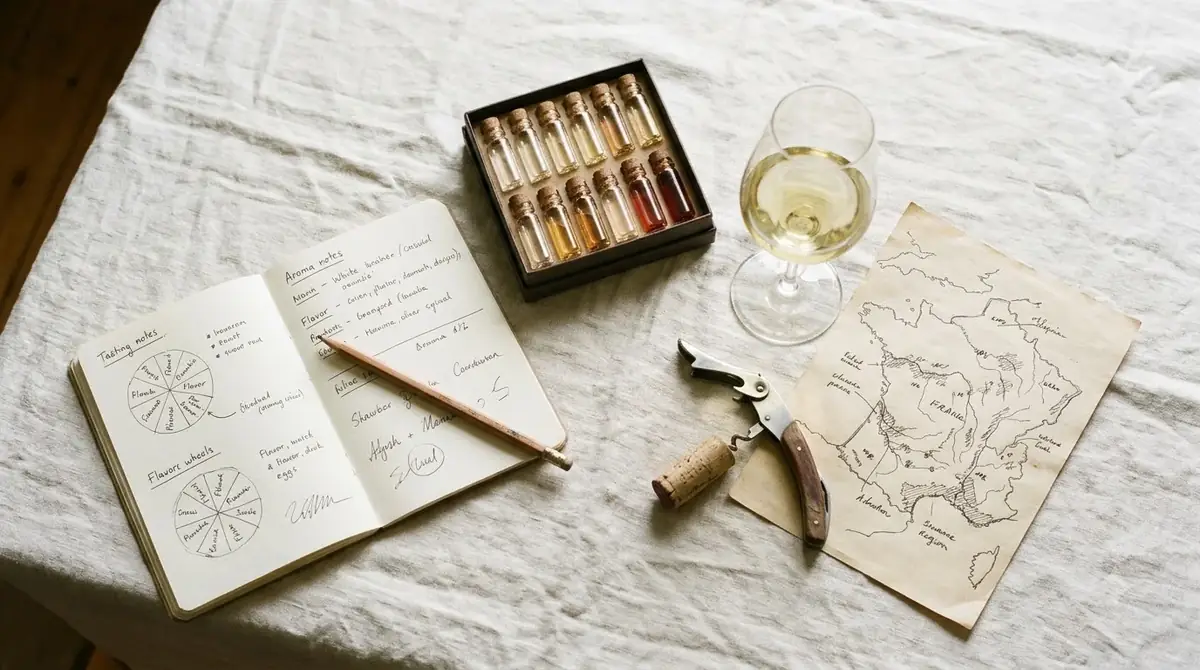
White and sweeter styles usually come from hybrid grapes and blends. Tasting a dry red beside a sweeter white is a good way to see how the trail’s producers approach different styles. Ask which wines are made in a dry style, since sweetness varies a lot from bottle to bottle.
Etiquette and Tasting Tips
Staff at small tasting rooms often know their wines well and enjoy talking about how they were made. Asking a question about a wine’s grapes, its aging, or its food pairings is a good way to start a conversation. Tell staff your preferences, such as dry or sweet, light or bold, so they can suggest a flight that fits your taste.
Tasting rooms are casual, but a few habits make the visit smoother. Start with the lightest wines and move toward the bolder reds. Use the spit cup if one is offered, drink water between pours, and eat something before you start. Keep the group size manageable, because large parties can slow service for everyone else.
If you want to buy bottles, ask whether the winery ships to your state. Some tasting rooms sell only at the counter, and it helps to know that before you commit to a case.
What to Bring and Take Home
Comfortable shoes matter more than you might expect, since the downtown streets and some winery grounds involve walking and occasional slopes. A small bag works well for bottles you buy, and many visitors pack a reusable water bottle to stay hydrated between tastings. Bring a cooler bag if you plan to carry bottles for a long drive.
Keep your receipts and check the winery’s shipping rules before you buy several bottles. Some producers offer shipping within the state only, so the shop staff can tell you what to expect for a case or a single bottle.
Frequently Asked Questions
How many wineries are on the Hermann Wine Trail?
The number of tasting rooms and wineries changes over time, so check a current visitor guide before you plan. Most people choose three or four stops for a full day.
Is the Hermann Wine Trail good for a day trip?
Yes. Many people visit for a single day, and the downtown is compact enough to walk between stops.
What wine should I try first on the trail?
Start with a lighter white or a rosé, then try a Norton or another dry red. Ask staff for a flight that moves from light to bold.
Can I bring my own food to a tasting room?
Policies differ by winery. Some allow outside food, while others sell snacks or cheese boards. Call ahead if you plan to bring a picnic.
A visit to the Hermann Wine Trail works best with a plan, a few stops, and a safe ride home. Pick your route, taste slowly, and leave time to walk the village. If you are comparing destinations, the Monticello wine trail guide shows how another route is organized.
More in Wine Regions
 Willcox Wine Trail: Discover Arizona’s High-Elevation Wine CountryUpdated Nov 20, 2026
 Yakima Valley Wine Region: Find the Best Styles to TryUpdated Nov 20, 2026
 Vosne Romanee Wine Tasting: Identify Aromas and Choose Better PairingsUpdated Nov 20, 2026
 Yakima Valley Wine Festival: Find the Best Seasonal Wine EventsUpdated Nov 20, 2026
 Wales Vineyards: Discover Cool-Climate Wines and Where to VisitUpdated Nov 20, 2026
 Yountville Wine Festival: Discover Napa Wines and Local FoodUpdated Nov 20, 2026