

We may earn a commission when you buy through links on this page, at no extra cost to you. Learn more.
The Monticello Wine Trail is a set of wineries in central Virginia’s Piedmont, on the eastern slopes of the Blue Ridge Mountains, where Cabernet Franc, Chardonnay and Viognier are among the most notable grapes. The trail sits inside the Monticello American Viticultural Area, a federally recognized wine region around Charlottesville. Most visitors plan a day or a weekend of tastings, with a few estates close enough to reach by car in a single afternoon.
This guide explains where the Monticello Wine Trail runs, what the region’s geography means for the wines you will taste, and how to plan a tasting day. It also covers the practical details that make a Virginia winery visit easier, from driving times to booking and what to buy.
Where the Monticello Wine Trail is
The Monticello Wine Trail follows the wine country around Thomas Jefferson’s former home, which gives the area its name. The region is part of Virginia’s central Piedmont, where rolling hills meet the eastern slopes of the Blue Ridge Mountains. Charlottesville is the main city nearby, so many visitors use it as a base for a few nights.
The Monticello AVA was established in 1984 and has been expanded since then. According to its Wikipedia entry, it covers most of Albemarle, Fluvanna, Greene, Orange and Nelson counties, and a large part of the area is planted with vines on granite-based clay loam soils. That mix of hills and soils is one reason the trail feels more like a countryside drive than a dense wine town.
Why the slopes matter for the wines
The region’s elevation shapes its climate. Cold air drains off the slopes, which keeps vineyards on the hillsides a few degrees warmer than the land around them and can reduce frost damage. That detail helps explain why many Monticello estates plant on slopes rather than on the valley floor, and why you will see a range of styles across the trail.
The soils and climate also favor certain grapes. Virginia wine producers often point to Cabernet Franc as a strong red grape here, and Wine Folly’s Cabernet Franc guide describes the grape as having strawberry, raspberry, bell pepper and crushed gravel notes, with high acidity and medium body. Cooler sites tend to give tart red fruit, while warmer sites give richer, dried-fruit flavors. Monticello’s mix of slopes and sun puts many of its Cabernet Franc wines somewhere between those two poles.
Chardonnay and Viognier round out the white side of the region. Chardonnay shows up in a range of styles, from crisp and fresh to fuller and rounder, and Viognier gives a more aromatic option with stone fruit and floral notes. Ask staff which style their estate leans toward, since the winemaking choices vary from one tasting room to the next.
What to taste on the trail
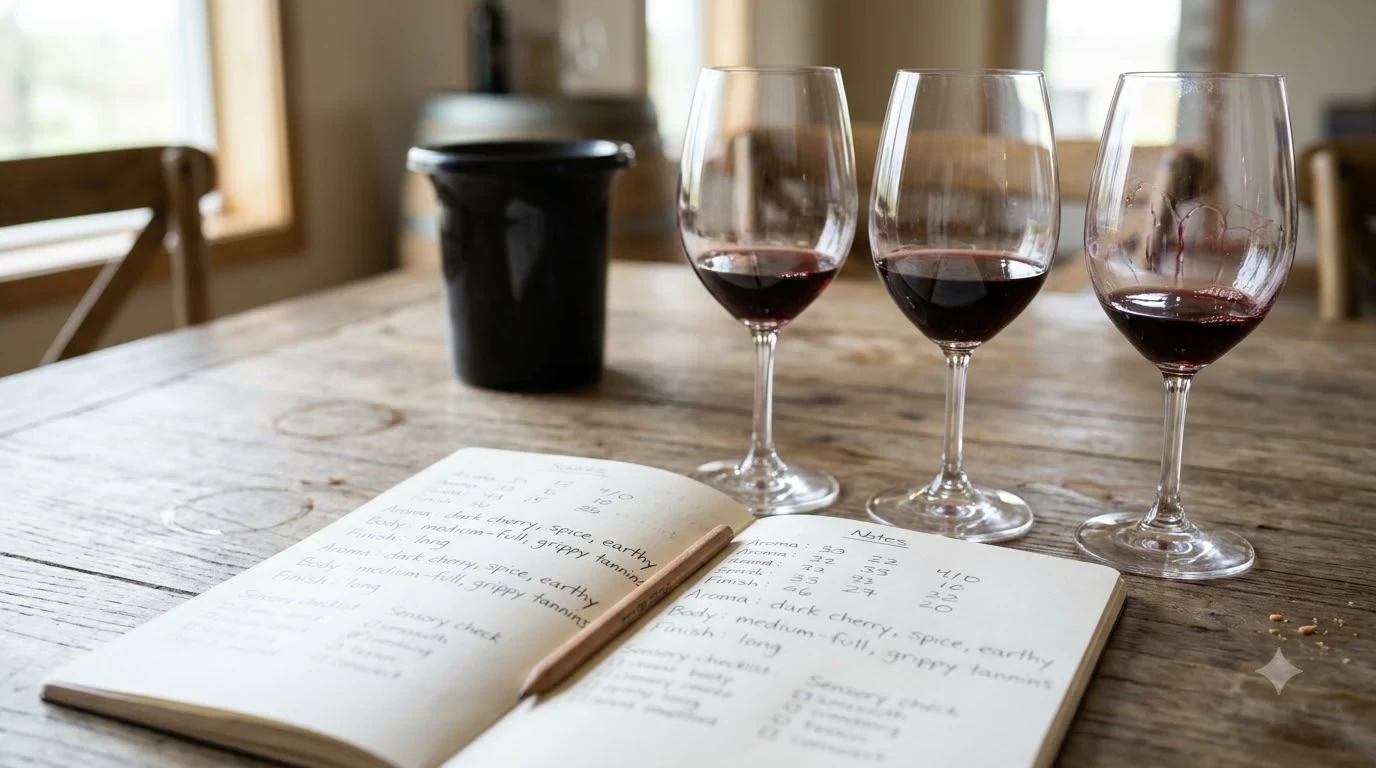
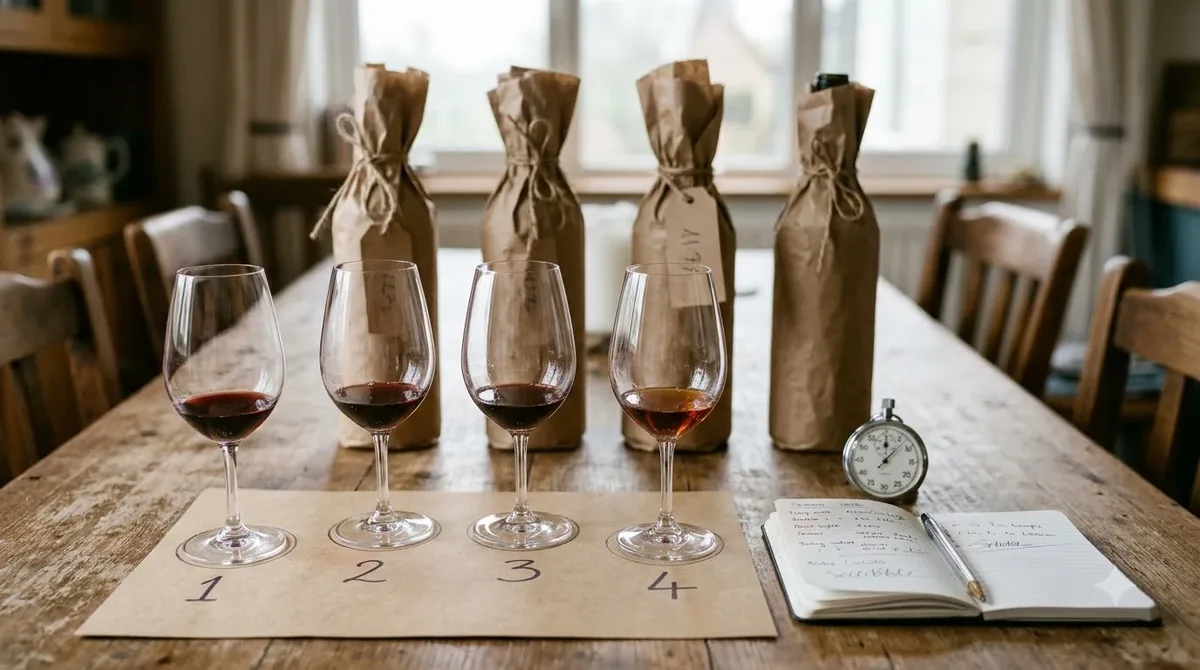
Most Monticello tasting rooms pour a mix of red and white wines, with some offering sparkling or sweet options. A useful way to build a flight is to start with a lighter white, move to a fresh rosé or a Chardonnay, and finish with a red Cabernet Franc or a blend. This order keeps the palate clear and lets the reds show their structure at the end.
| Style | What to look for | Good with |
|---|---|---|
| Cabernet Franc | Red fruit, herbs or pepper, medium body and firm tannin | Tomato dishes, roast meats, grilled vegetables |
| Chardonnay | Crisp or fuller style, depending on the winemaker | Chicken, creamy pasta, soft cheeses |
| Viognier | Aromatic, with stone fruit and floral notes | Spicy dishes, light seafood |
| Rosé and sparkling | Fresh, bright and easy to drink on a warm afternoon | Picnic lunches and salads |
Tip: Serve Cabernet Franc just below room temperature. Wine Folly suggests 60 to 68°F (15 to 20°C), so a short stop in a cool room before dinner helps the fruit show.
How to plan a tasting day on the trail
A good plan picks three or four estates and leaves room for a long lunch. Winery distances vary, and rural roads often take longer than the map suggests, so check the drive between stops before you leave. Booking ahead for weekends and fall harvest season is a sensible step, because small estates limit the number of guests per slot.
Start your day with the estate you most want to see, since the first stop usually has the most attention from staff. Many visitors pair a tasting with a walk through the vineyard or a short tour of the winemaking area. If you plan to drive, arrange a designated driver or a guided tour for at least one day, and keep water and a snack in the car.
Timing is another factor. Spring and fall are the most comfortable seasons for outdoor tastings, while summer afternoons can be hot and humid. Fall also brings the harvest, so you may catch the winery in full production when crews are busy in the cellar.
If you want to compare this trip with another driving route, the Hermann wine trail offers a similar mix of small wineries and countryside roads, while the Keuka Lake wine trail shows how a lake setting changes the day. For a wider view of how wine areas differ, the Wine Regions guide covers the basics.
Tasting etiquette and buying bottles
Virginia tasting rooms are usually relaxed, and staff often explain the winemaking choices behind each pour. Ask how the grapes were grown, whether the estate farms its own vineyard, and what the winemaker is most proud of in the current vintage. Those answers help you understand why two wines from the same region can taste so different.
Taste each pour and remember that tasting rooms typically serve small amounts. You do not need to finish every glass. If you plan to buy, check whether the winery ships to your state, since shipping rules vary and a bottle bought on the road may be easier to carry home than to ship.
Many smaller estates sell most of their wine at the tasting room or through a mailing list. A visit is the best way to find bottles that never reach wide distribution, and a club membership can make later orders easier.
Frequently Asked Questions
Is the Monticello Wine Trail good for first-time wine tourists?
Yes. The trail offers a mix of tasting rooms, vineyard views and countryside driving, and the region is close enough to Charlottesville for an easy weekend. Pick a few estates rather than trying to visit everything in one day.
What grapes is the Monticello area known for?
According to the Monticello AVA overview, Cabernet Franc, Chardonnay and Viognier are among the most notable grapes, and around thirty varieties are grown in the region. Red and white wines are both common at tasting rooms.
How many days do I need for the Monticello Wine Trail?
One full day covers three or four estates at a relaxed pace. Two or three days let you add a lunch stop, a vineyard walk and a visit to nearby attractions without rushing between tastings.
Do I need reservations for Monticello wineries?
Reservations are a good idea for weekends, holidays and the fall harvest season, and for smaller estates that limit guests per slot. Some tasting rooms accept walk-ins on weekdays, but calling ahead avoids a wasted drive.
A Monticello Wine Trail visit rewards a simple plan and a relaxed pace. Choose a few estates, book the busiest ones early, and let the Cabernet Franc and Viognier guide what you bring home. Once you know how the slopes shape the wines, the rest of the trail makes more sense.
More in Wine Regions
 Willcox Wine Trail: Discover Arizona’s High-Elevation Wine CountryUpdated Nov 20, 2026
 Yakima Valley Wine Region: Find the Best Styles to TryUpdated Nov 20, 2026
 Vosne Romanee Wine Tasting: Identify Aromas and Choose Better PairingsUpdated Nov 20, 2026
 Yakima Valley Wine Festival: Find the Best Seasonal Wine EventsUpdated Nov 20, 2026
 Wales Vineyards: Discover Cool-Climate Wines and Where to VisitUpdated Nov 20, 2026
 Yountville Wine Festival: Discover Napa Wines and Local FoodUpdated Nov 20, 2026