

We may earn a commission when you buy through links on this page, at no extra cost to you. Learn more.
How to pronounce tannat: Say “tahn-NAHT,” using two syllables and placing the emphasis on the second syllable. The name belongs to a powerful red wine grape originally from southwestern France and now closely associated with Uruguay. English-language wine references sometimes represent its sounds differently, but “tahn-naht” is an accessible pronunciation for American wine conversations. Once you recognize the name, you can explore a distinctive red wine known for its deep color, firm tannins, and dark-fruit flavors.
Some wine grape names look more difficult than they sound, and Tannat is a good example. Its spelling can make English speakers hesitate, particularly when deciding how to pronounce the final T. Understanding the two-syllable pronunciation, the grape’s French background, and its connection to Uruguay makes ordering and discussing this wine much easier. It also provides a useful introduction to one of the most structured red wine varieties grown today.
How to Pronounce Tannat Correctly
The easiest way to pronounce Tannat is “tahn-NAHT.” Break the name into two syllables, keep the first relatively short, and give the second syllable the stronger emphasis. The final consonant should be audible in this practical English-language pronunciation.
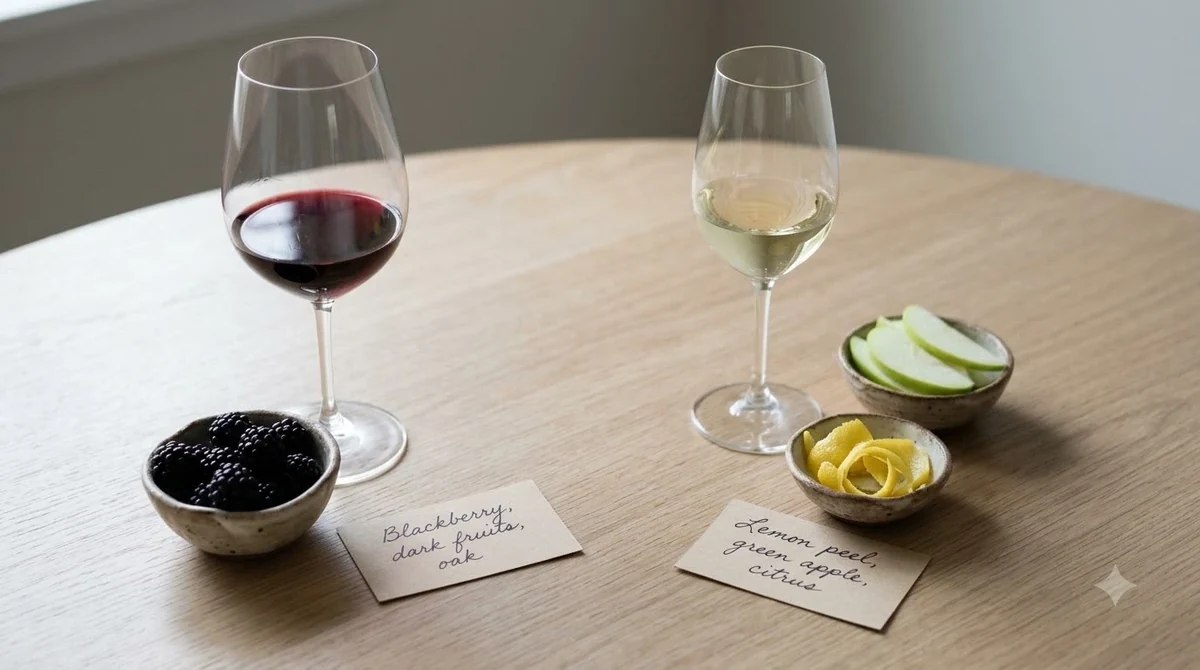
Think of the pronunciation as two connected sounds: “tahn” followed by “naht.” The first syllable sounds similar to the beginning of “tango,” while the second resembles “not” with a slightly more open vowel. Avoid stretching the name into three syllables or placing equal emphasis on both parts.
Published pronunciation guides do show some variation. Wine Folly represents the name as “tahn-naht,” while the Australian Wine Research Institute uses “tann-UTT.” These are different attempts to communicate the pronunciation of the same grape to English-speaking readers. The difference reflects the limitations of representing French and regional vowel sounds through English spelling rather than a difference in the grape itself.
For an American wine shopper, “tahn-NAHT” is a practical version to learn. It is short, recognizable, and easy to say when ordering a glass or asking a retailer about a bottle. There is no need to reproduce a particular French accent to communicate the name successfully.
One useful way to remember the pronunciation is to associate the second syllable with the word “not.” Say the first part lightly, then finish with a clear “naht.” The result should sound like one connected word rather than two separate words spoken with a long pause.
For an authoritative pronunciation reference, Wine Folly’s Tannat grape guide provides the phonetic spelling alongside information about the grape’s flavor, structure, serving temperature, and regional differences.
Tip: Practice saying “tahn-NAHT” three times at a natural speaking speed. Emphasize the second syllable without making the final T excessively sharp. This gives you a clear pronunciation that works in most English-language wine conversations.
The Final T and Common Pronunciation Mistakes
The final T is one of the main reasons people hesitate over the name. For practical English pronunciation, include the final consonant rather than dropping it or adding another syllable. The result should be a short, two-syllable word with a distinct ending.
One common mistake is saying “TAN-nat” with equal emphasis on both syllables. Although this version communicates the name reasonably well, it does not follow the stress pattern suggested by the phonetic rendering “tahn-naht.” Another mistake is saying “TAN-it,” which changes the vowel sounds and makes the name less recognizable.
It is also easy to overcomplicate the French connection. Tannat is a French grape variety, but that does not mean every American wine drinker must imitate a native French speaker. A straightforward English pronunciation is appropriate when speaking with a server, sommelier, retailer, or fellow wine enthusiast.
Remember that phonetic spellings are approximations. The vowel in a French speaker’s pronunciation may not match the vowel an American naturally associates with “tahn” or “naht.” Regional accents also influence how the final consonant is articulated. These differences are normal in international wine vocabulary.
For comparison, consider other French wine terms. The pronunciation of how to pronounce chardonnay follows a different pattern, with three syllables and a distinctive ending. Similarly, how to pronounce cuvee involves French vowel sounds that may seem unfamiliar to English speakers. Learning each word individually is more useful than assuming all French wine terms follow the same pronunciation rules.
The most important goal is recognition. If you ask for Tannat using two syllables and a clearly pronounced ending, a wine professional will understand what you mean. You can then focus on the more interesting question of which regional expression you want to drink.
Where the Name Tannat Comes From
Tannat is a grape name with a close association with the variety’s appearance and structure. Its historical home is southwestern France, particularly the areas around Madiran and Irouleguy, where the variety became important in traditional regional red wines.
The name is commonly connected with tannin and the grape’s dark coloring. Uruguay Wine explains that the name suggests both a high tannin content and a darker color. These characteristics are immediately apparent in many wines made from the variety: they can look almost black in the glass and leave a pronounced drying sensation on the palate.
The variety has a long history in the French Pyrenees. The Australian Wine Research Institute reports that Tannat has been known in the Hautes-Pyrénées since the 18th century. It became particularly associated with Madiran and Saint-Mont, where it remains an important part of the region’s traditional red wine identity.
Tannat also has several alternative names. Harriague is particularly important in Uruguay, where it honors the historical figure associated with the variety’s introduction. The Australian Wine Research Institute also records Moustron and Moustrou in France and Bordelez Beltza in Spain as synonyms.
These alternative names are useful to recognize when reading wine literature or exploring bottles from different regions. They do not indicate completely different grape varieties. Rather, they reflect the historical and geographical connections of the same variety.
The name is also a useful clue to the wine’s personality. Tannat is not generally a delicate, lightly structured red. Its substantial phenolic content helps produce dark color and pronounced tannins, characteristics that distinguish it from softer varieties such as Pinot Noir or Merlot.
How Tannat Traveled From France to Uruguay
Although Tannat originated in France, Uruguay has become its most recognizable international home. Its arrival in South America during the 19th century helped establish a wine identity that remains closely associated with the country.
According to Uruguay Wine, Basque immigrants introduced Tannat to Uruguay around 1870. Pascual Harriague played a central role in this history, bringing the grape from France via Concordia, Argentina. His work helped establish the variety in Uruguay, where it eventually became known by his surname.
Harriague’s contribution became an important part of Uruguayan wine history. The variety adapted successfully to its new environment, and other growers followed his example. Over generations, Tannat developed into the country’s signature red grape rather than remaining a minor imported variety.
Uruguay’s Atlantic-influenced climate and growing conditions helped local producers develop distinctive expressions of Tannat. Rather than simply reproducing the powerful, sometimes austere style associated with traditional Madiran wines, Uruguayan winemakers developed approaches that could produce softer tannins and more approachable fruit character.
Today, Tannat is the country’s flagship red grape. Uruguay Wine describes it as the variety that has helped establish the country’s international wine reputation. April 14 is celebrated as Tannat Day, a date established by Uruguay’s National Wine Institute in 2016 to honor Harriague’s contribution to Uruguayan viticulture.
The difference between French and Uruguayan examples is useful for anyone learning about the grape. Madiran is associated with powerful, structured wines that can benefit from extended aging, while Uruguay is particularly known for ripe fruit and smoother expressions. Both styles demonstrate the grape’s ability to produce distinctive reds.
The Uruguayan connection is also a reminder that grape varieties can develop new identities after crossing borders. Tannat remains French in origin, but its success in Uruguay has made the country almost inseparable from the variety’s modern reputation.
What Tannat Wine Tastes Like
Tannat produces dry red wines with substantial body, pronounced tannins, and deep color. Its flavor profile commonly includes dark berries, plum, currant, and spice, although the exact character varies according to climate, vineyard conditions, blending, and winemaking choices.
Black currant and plum are particularly recognizable descriptors. Some wines also reveal raspberry, cherry, licorice, smoke, or earthy notes. The Australian Wine Research Institute identifies sweet cherry, raspberry, plum, currant, and spice among the grape’s wine descriptors. These flavors can appear in different combinations depending on the growing region and production approach.
The texture is often more important than any single fruit flavor. Tannins create a drying, gripping sensation along the gums and tongue. This structure can make a young Tannat seem particularly firm, especially when compared with softer red varieties such as Merlot or Pinot Noir.
Acidity provides another important part of the wine’s balance. Although Tannat is famous for its tannins, it also retains substantial acidity. The combination of dark fruit, acidity, and tannin gives the wine a concentrated structure that can support both food pairing and bottle aging.
Alcohol levels are often relatively substantial. Wine Folly gives a typical range of 13.5–15% ABV. That range is a useful general reference, although individual wines may fall outside it according to climate, ripeness, and the producer’s choices.
The following table summarizes the typical characteristics to expect when exploring the variety. These are general style descriptions rather than fixed measurements for every bottle.
| Characteristic | Typical Tannat Profile | What It Means |
|---|---|---|
| Color | Deep ruby to purple-black | Intense visual concentration |
| Sweetness | Dry | Little or no noticeable residual sugar |
| Body | Full | Substantial weight on the palate |
| Tannin | High | Firm, drying mouthfeel |
| Acidity | Moderate to high | Freshness that balances concentration |
| Alcohol | Often 13.5–15% ABV | A relatively substantial red wine |
| Fruit flavors | Plum, black currant, cherry | Dark and red berry character |
| Additional notes | Licorice, smoke, spice | Complex savory and aromatic details |
Alcohol levels and flavor intensity vary by producer and growing region. A ripe Uruguayan Tannat may emphasize blackberry, plum, and a smoother texture, while a traditional French example can show firmer tannins and more pronounced structure. Neither style represents the only correct expression of the grape.
French and Uruguayan Tannat: Understanding the Differences
France and Uruguay are the two most important reference points for understanding Tannat. Their wines share the grape’s naturally concentrated character, but regional traditions and winemaking techniques can produce noticeably different drinking experiences.
Madiran and southwestern France
Madiran, in southwestern France, is one of the most important appellations for Tannat. The grape provides the foundation for the area’s structured red wines, often accompanied by Cabernet Franc and Cabernet Sauvignon. According to Wine Folly, Madiran AOC wines must contain at least 60% Tannat.
Traditional Madiran wines can have pronounced tannins and substantial aging potential. Their structure is a major part of their identity, but it can also make some young bottles feel firm or austere. Oak aging and blending are among the approaches used to help manage the grape’s powerful character.
The Australian Wine Research Institute also identifies Saint-Mont as another important regional home for Tannat. Its report describes the grape as a major component of traditional wines in southwestern France, frequently blended with Cabernet varieties. This regional context helps explain why Tannat is often discussed alongside other structured French reds.
Uruguay and its flagship grape
Uruguay has developed a distinctive interpretation of Tannat. Producers often aim for wines with ripe fruit, softer tannins, and a more approachable texture. These wines can still be full-bodied and structured, but they may be easier to enjoy without extended cellaring.
Uruguayan Tannat is also bottled in different styles. Some producers use oak to add structure and spice, while others favor a lighter touch to preserve the grape’s fruit character. The variety can appear as a single-grape wine or in blends with other red varieties.
Wine Folly notes that Uruguayan producers may blend Tannat with Syrah, Cabernet Sauvignon, and sometimes Pinot Noir. The choice of blending partner can influence the final wine’s aroma, texture, and balance. This flexibility helps explain why bottles from Uruguay can vary considerably despite sharing the same principal grape.
For a first experience, comparing a French Madiran with a Uruguayan Tannat can be particularly informative. Look for the difference between a firm, structured French expression and a fruit-forward Uruguayan example. The comparison demonstrates how location and production decisions influence the wine without changing the grape itself.
How to Serve, Pair, and Talk About Tannat
Tannat generally works best with substantial food and a little breathing time before serving. Its firm tannins complement protein-rich dishes, while its fruit and acidity help balance rich, savory flavors.
Grilled steak, lamb, barbecue ribs, and smoked sausages are natural food partners. The combination of protein and fat helps soften the wine’s drying tannins, making the overall pairing feel more balanced. Hearty dishes such as cassoulet also work well because their rich ingredients match the wine’s concentrated character.
Other suitable dishes include slow-cooked beef, roasted lamb shoulder, grilled pork, and richly seasoned mushrooms. The key is to choose foods with enough flavor and texture to stand alongside a full-bodied red. Light salads and delicate seafood usually provide less satisfying matches for a highly tannic Tannat.
For serving, aim for approximately 60–65 degrees Fahrenheit for a full-bodied red. This temperature helps preserve freshness while allowing the wine’s fruit and savory aromas to develop. A bottle served too warm may emphasize alcohol, while one served excessively cold can make the tannins feel particularly firm.
Decanting is another useful step, particularly for young, structured examples. Wine Folly recommends at least one hour of decanting for Tannat-based wines. Pouring the wine into a decanter before serving gives it time to open up and can make its aromas easier to appreciate.
Glassware matters, too. A large red wine glass with a generous bowl gives the wine room to release its aromas. Wine Folly recommends an oversized Bordeaux-style glass for varietal Tannat. A standard 5-ounce pour is sufficient for evaluating the wine’s color, fragrance, and texture without filling the glass excessively.
When ordering Tannat, a simple sentence is all you need: “Could I have a glass of Tannat, please?” Pronounce it “tahn-NAHT,” and there is no need to explain or apologize for your pronunciation. If the restaurant offers both French and Uruguayan examples, asking about the region can help you choose the style you prefer.
For a practical first comparison, choose a fruit-forward Uruguayan example alongside a traditional French Madiran. Taste them with grilled beef or lamb and pay attention to the difference in tannin, acidity, and fruit character. This is a simple way to connect the grape’s pronunciation with its distinctive place in wine culture.
It can also be useful to distinguish Tannat from other familiar red wine names. Claret, for example, is a traditional term associated with Bordeaux-style red wine rather than the name of a particular grape. Exploring Wine by Type can help clarify how grape varieties, blends, and regional styles fit together.
Frequently Asked Questions
Is Tannat pronounced with a silent final T?
English-language pronunciation guides vary in how they represent the ending. Wine Folly writes the pronunciation as “tahn-naht,” while the Australian Wine Research Institute uses “tann-UTT.” For everyday American conversation, pronouncing the final T lightly is a practical choice. French pronunciation can sound different because of regional accents and vowel characteristics.
Is Tannat a French word or a Spanish word?
Tannat is the name of a French grape variety from southwestern France. Its importance in Uruguay reflects its history of migration and cultivation rather than a Spanish-language origin. In Uruguay, the grape is also known as Harriague, a name associated with its introduction to the country.
Why does Tannat have such an unusual name?
The name is commonly connected with the grape’s high tannin content and dark appearance. These characteristics are among its most recognizable features in the vineyard and the glass. Its concentrated structure distinguishes it from many lighter-bodied red grape varieties.
Is Tannat the same grape as Harriague?
Yes. Harriague is a recognized synonym for Tannat in Uruguay. The name honors Pascual Harriague, who played an important role in establishing the variety there during the 19th century. Seeing either name in a wine discussion can therefore point to the same grape variety.
When is Uruguay’s Tannat Day celebrated?
Uruguay celebrates Tannat Day on April 14. The National Wine Institute established the observance in 2016 to honor Pascual Harriague, who died on April 14, 1894, in Bayonne, France. The occasion recognizes the grape’s historical importance to Uruguayan wine production.
Tannat is easier to say than its spelling might suggest: pronounce it “tahn-NAHT,” with two syllables and emphasis on the second. Remember its connection to southwestern France and Uruguay, and you will have a useful starting point for exploring this distinctive red grape. The next time you see Tannat on a wine list, you can order it confidently and know what kind of wine to expect.
More in Wine Types & Grapes
 What Does Mourvèdre Taste Like? Flavor Profile, Regions, and PairingsUpdated Nov 20, 2026
 What Does Marsanne Taste Like? Flavors, Styles, and Food PairingsUpdated Nov 20, 2026
 What Does Malvasia Taste Like? Styles, Flavors, and Food PairingsUpdated Nov 20, 2026
 What Does Grenache Blanc Taste Like? Flavor Profile, Styles, and PairingsUpdated Nov 20, 2026
 What Does Garnacha Taste Like? Key Flavors, Styles, and Pairing TipsUpdated Nov 20, 2026
 What Does Fruit Wine Taste Like? A Complete Flavor and Style BreakdownUpdated Nov 20, 2026