

We may earn a commission when you buy through links on this page, at no extra cost to you. Learn more.
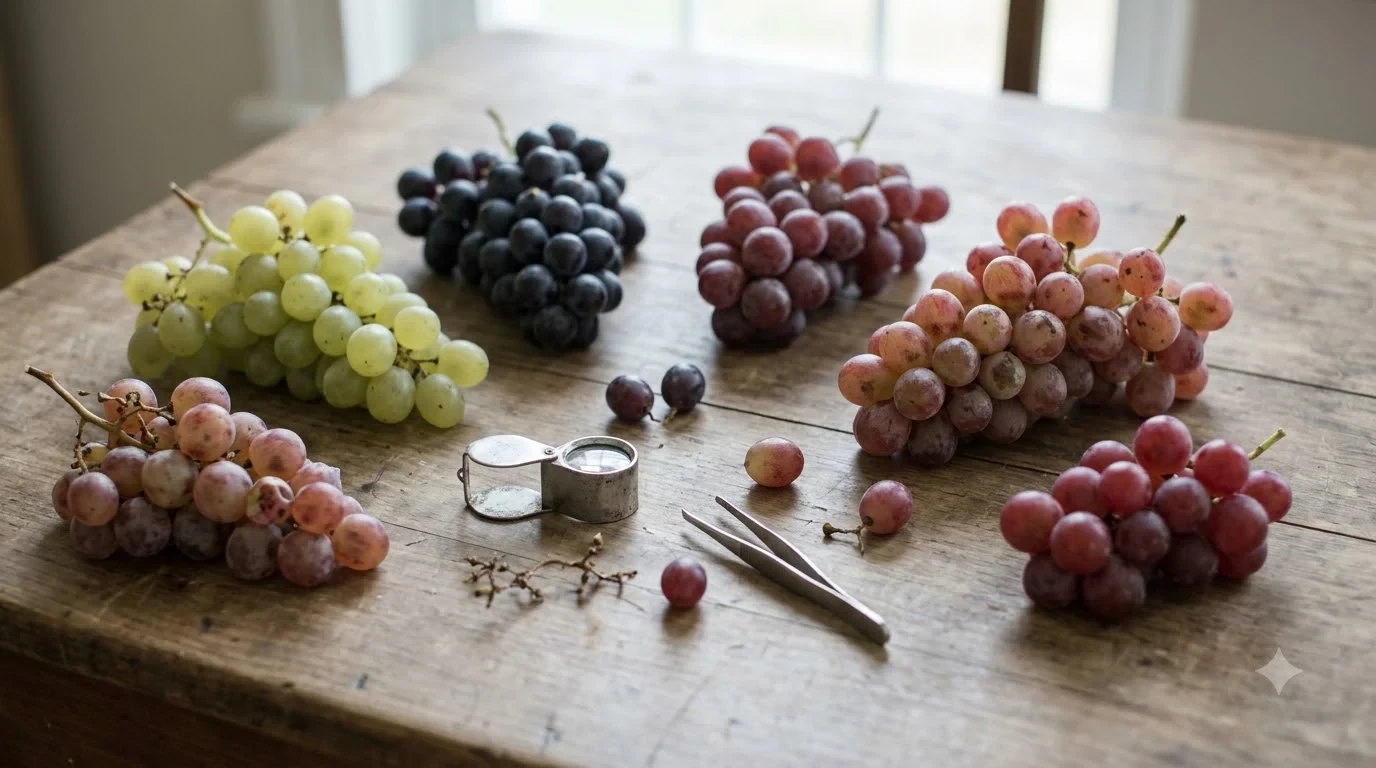
Uruguay wine grapes include Tannat, the country’s signature red variety, alongside Albariño, Merlot, Cabernet Franc, Sauvignon Blanc, Chardonnay, Marselan and Pinot Noir. Uruguay is particularly recognized for producing structured yet balanced Tannat, while its Atlantic-influenced vineyards also support fresh, aromatic white wines. Understanding these varieties makes it easier to recognize Uruguay’s wine styles, choose bottles and find food pairings that complement their distinctive characteristics.
Uruguay occupies a distinctive position in South American winemaking. Although smaller than neighboring Argentina and Chile as a wine-producing country, it has developed a recognizable identity through its traditional French grape varieties and a growing collection of internationally appealing alternatives. Its combination of coastal breezes, varied soils and moderate maritime influences creates opportunities for both structured reds and refreshing whites.
Tannat remains the best-known grape, but it represents only part of the country’s wine story. Albariño has become an increasingly important white variety, while Cabernet Franc, Marselan, Sauvignon Blanc and Chardonnay offer different expressions of Uruguay’s vineyards. Here is how the principal grapes compare, what they taste like and which bottles are worth exploring.
Tannat: Uruguay’s Signature Red Grape
Tannat is the defining grape of Uruguayan wine, producing deeply colored reds with pronounced tannins, concentrated fruit and refreshing acidity. Its ability to combine substantial structure with freshness has helped distinguish Uruguay from other South American wine-producing countries.
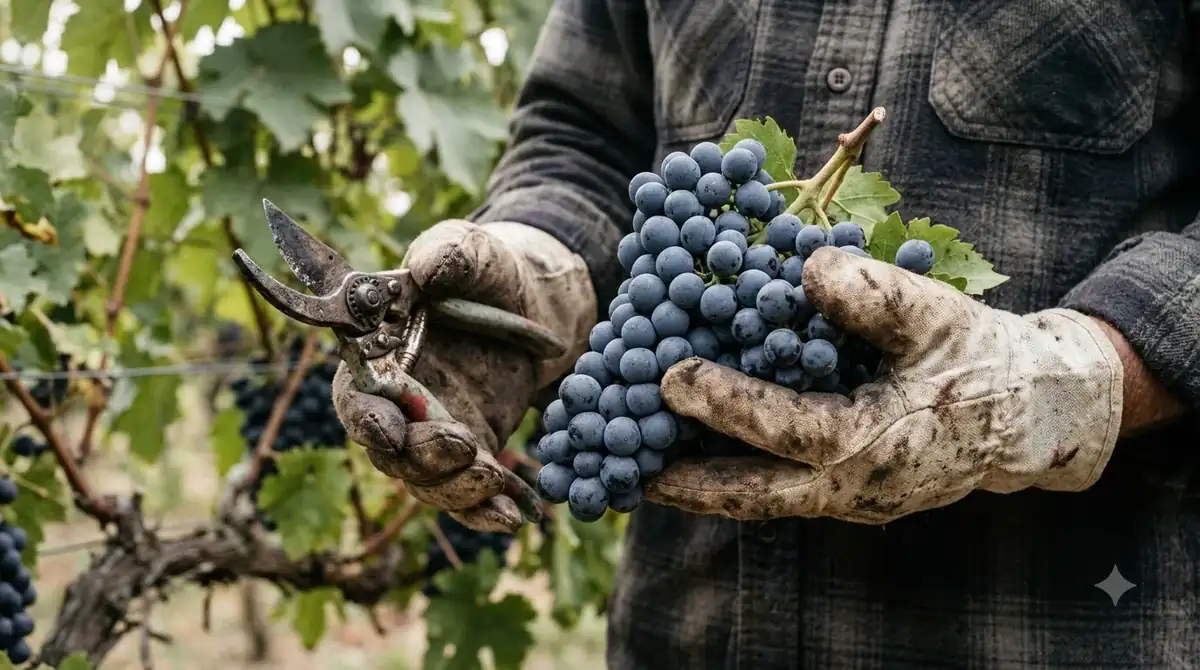
Tannat originated in southwestern France, particularly in the Madiran and Irouléguy areas of the Pyrenees. According to Uruguay’s National Institute of Viticulture (INAVI), Pascal Harriague introduced the variety to Uruguay around 1870. Its successful adaptation to local growing conditions eventually made it the country’s most recognizable wine grape. The official INAVI grape variety descriptions provide further details about its history and characteristics.
Uruguay XXI identifies Tannat as a variety whose thick skins contribute to intense color and pronounced tannins. Typical aromatic characteristics include plum, raspberry and spices. Depending on the vineyard, ripeness and winemaking approach, these flavors may be accompanied by dark berries, earthy notes and subtle oak influences.
According to Decanter’s reported vineyard figures, Tannat occupies approximately 1,536 hectares, representing around 26.5% of Uruguay’s national vineyard area. This makes it the country’s leading red variety by a substantial margin. Its importance is also cultural: Uruguay celebrates Tannat Day every April 14 in recognition of Harriague and the grape’s contribution to national wine production.
What does Uruguayan Tannat taste like?
Traditional Tannat is full-bodied, concentrated and firmly structured. Its naturally high tannin content creates a noticeable drying sensation along the gums, while its acidity helps balance the weight of the wine. Fruit flavors commonly include blackberry, plum, black cherry and raspberry, with pepper, spice and earthy nuances appearing in some examples.
Modern interpretations can be considerably more polished than the powerful, heavily structured examples historically associated with the grape. Winemakers have increasingly emphasized ripe fruit, texture and balanced extraction. Decanter reports that producers such as Pisano Wines and Cerro Chapeu have focused on developing fresher, more refined expressions without sacrificing the variety’s characteristic personality.
Food pairings for Tannat
Tannat works particularly well with grilled and roasted foods because its substantial tannins are softened by fat and protein. Uruguay’s traditional beef-centered cooking provides a natural match. Try it with grilled ribeye, slow-roasted short ribs, lamb chops or smoky sausages.
Hard cheeses, especially aged varieties with substantial texture, can also complement Tannat. Roasted mushrooms, grilled eggplant and dishes featuring black pepper provide alternatives for meals without red meat. Very spicy dishes are less suitable because alcohol and tannins can intensify the sensation of chili heat.
Other Important Red Grapes in Uruguay
Beyond Tannat, Uruguay grows several internationally familiar red grapes that offer softer textures, different aromatic profiles and more flexible food-pairing possibilities. Merlot, Cabernet Sauvignon, Cabernet Franc, Marselan, Syrah and Pinot Noir are among the varieties that contribute to the country’s increasingly diverse red-wine selection.
Merlot is a useful starting point for drinkers who enjoy softer reds. INAVI describes Uruguayan Merlot as fruity, fresh and velvety, with an approachable texture. Compared with Cabernet Sauvignon or Tannat, its medium tannins generally create a smoother impression. Expect red and black fruit, plum and sometimes gentle herbal or earthy notes.
Merlot is especially suitable for roast chicken, grilled pork, meatballs and medium-aged cheeses. Its softer structure makes it a practical choice for people who enjoy red wine but do not want the firm grip of a young Tannat.
Cabernet Sauvignon provides another recognizable style. Uruguay’s examples can show deep ruby color, balanced fruit and savory characteristics. INAVI identifies pepper, green pepper, vanilla, smoky notes and toasted flavors among the possible characteristics. Its naturally high tannin level makes it a suitable partner for fatty grilled beef and richly flavored meat dishes.
Cabernet Franc offers a different expression of the Bordeaux grape family. It is an early-budding and early-ripening variety, and INAVI describes its wines as medium-bodied, with moderate acidity and vegetal aromatic characteristics. Red berries, herbs and pepper can contribute to its profile, making it particularly interesting for drinkers who prefer savory reds rather than intensely extracted wines.
Marselan deserves attention because it is less familiar to many American wine drinkers. Developed in France from Cabernet Sauvignon and Grenache, this crossing combines characteristics of both parent varieties. INAVI describes Marselan wines as aromatic, complex, balanced and full-bodied. Its concentrated fruit and structure make it useful in both varietal bottlings and blends.
Syrah contributes another style, often combining dark color and medium-plus to high tannin with flavors of plum, cherry, raspberry and pepper. INAVI also notes floral characteristics in younger examples and more developed spice, toasted and vanilla notes in wines that undergo maturation.
Pinot Noir is a contrasting option. Rather than emphasizing power, it can produce more delicate wines with red-fruit aromas, subtle earthiness and comparatively lower tannins. Its cultivation is challenging because the grapes are sensitive to difficult weather conditions, making successful vineyard management particularly important.
| Red grape | Typical body | Tannin level | Common flavor profile | Food pairing |
|---|---|---|---|---|
| Tannat | Full | High | Blackberry, plum, spice | Grilled beef |
| Merlot | Medium to full | Medium | Plum, cherry, soft fruit | Roast pork |
| Cabernet Sauvignon | Full | High | Blackcurrant, pepper, herbs | Ribeye steak |
| Cabernet Franc | Medium | Medium | Red fruit, herbs, pepper | Roast chicken |
| Marselan | Medium to full | Medium to high | Dark fruit, spice | Lamb |
| Syrah | Full | Medium-plus to high | Plum, raspberry, pepper | Grilled sausages |
| Pinot Noir | Light to medium | Low to medium | Cherry, raspberry, earth | Roast duck |
These descriptions represent typical varietal characteristics rather than fixed rules. Climate, vineyard location, harvest decisions, oak maturation and blending can all change the final style. For example, a carefully handled Tannat may feel more approachable than an intensely extracted Cabernet Sauvignon, while a barrel-aged Merlot can have considerably more weight than an unoaked example.
Albariño and Uruguay’s Leading White Grapes
Albariño is one of Uruguay’s most exciting white grapes, producing fresh, aromatic wines with lively acidity and citrus-driven fruit. Sauvignon Blanc, Chardonnay and Viognier provide additional choices, ranging from crisp coastal styles to fuller, more textured wines.
Originally associated with Galicia in northwestern Spain, Albariño has adapted particularly well to Uruguay’s Atlantic-influenced vineyards. Its fresh character and recognizable aromatic profile have helped it become an important part of the country’s international wine identity.
Wine Enthusiast describes Uruguayan Albariño as generally fresh in style, comparable to examples from Galicia. Typical aromas and flavors include lemon, lime, grapefruit, peach and white flowers. The combination of fruit and refreshing acidity makes it particularly suitable for seafood and warm-weather meals.
Albariño is a particularly useful discovery for drinkers who enjoy Sauvignon Blanc but want something with a slightly different aromatic personality. It can combine citrus freshness with stone-fruit character and a rounded texture. Depending on the producer and vineyard conditions, some examples are lean and mineral in character, while others show more ripe fruit.
Sauvignon Blanc
Sauvignon Blanc is another important white variety. INAVI describes it as expressive and aromatic, with fresh citrus characteristics when harvested at the appropriate point of ripeness. Depending on the growing conditions, its profile can include lime, grapefruit, green apple, fresh herbs and occasionally tropical fruit.
Its naturally high acidity gives Sauvignon Blanc considerable versatility at the dinner table. Pair it with oysters, grilled shrimp, fresh goat cheese, ceviche or salads with lemon-based dressings. It is especially useful with dishes containing acidic ingredients because the wine’s acidity can match the brightness of the food.
Chardonnay
Uruguayan Chardonnay covers a broader range of styles. Unoaked examples can be fresh and elegant, with moderate acidity and tropical-fruit flavors. Barrel-aged versions may develop richer textures and notes of hazelnut, vanilla, honey and toasted oak.
This flexibility makes Chardonnay one of the more versatile varieties in the country. Fresh examples work well with grilled fish, shellfish and roast chicken, while fuller, oak-influenced bottlings can complement lobster, creamy poultry dishes and roasted vegetables.
Viognier
Viognier originates in France’s Rhône Valley and produces aromatic whites with a naturally generous texture. INAVI identifies it as a late-ripening grape with compact bunches and the potential to create full-bodied wines with a soft character.
Expect possible aromas of peach, apricot, orange blossom and other ripe stone fruits. Its comparatively softer acidity means it works particularly well with aromatic foods, including roast chicken with herbs, mildly spiced seafood and dishes featuring ginger or fragrant vegetables.
Other white varieties worth discovering
Uruguay also cultivates several less familiar white grapes. Muscat de Hamburg, despite its name, is commonly encountered as a grape used for wine and table purposes, while Ugni Blanc is an established variety in the country’s vineyard landscape. Petit Manseng, Riesling, Marsanne, Roussanne, Semillon and Torrontés add further diversity.
These grapes illustrate why Uruguay should not be understood exclusively through Tannat. Its white wines can range from crisp and citrus-driven to aromatic and rounded, giving wine drinkers several ways to explore the country’s coastal and inland vineyards.
How Uruguay’s Climate Shapes Its Wine Grapes
Uruguay’s maritime climate plays an important role in the character of its wines. Atlantic Ocean breezes, the influence of the Río de la Plata and varied soils create growing conditions that can support both substantial red grapes and refreshing white varieties.
Unlike some hotter wine-producing areas of South America, Uruguay benefits from significant maritime influence. The country’s position between Argentina and Brazil, along the Atlantic side of the continent, exposes many vineyards to cooling coastal air. This influence can help preserve acidity while grapes develop sufficient ripeness.
Soil differences also matter. INAVI specifically identifies clay soils as favorable for Tannat, while other vineyard locations contain different combinations of clay, limestone and other geological materials. These differences affect water availability, vine growth and the development of fruit during the growing season.
Southern Uruguay, particularly the departments of Canelones and Montevideo, has long been important to the wine industry. The area’s gentle slopes and clay-calcareous soils have supported traditional viticulture. Maldonado, further east, has attracted attention for its Atlantic influence and the development of newer wine-growing areas.
These differences help explain why the same variety can produce different wines in different parts of the country. A Tannat from one vineyard might emphasize concentrated black fruit and substantial structure, while another might show fresher acidity and a more restrained texture.
For Albariño, coastal influences are particularly relevant. The variety’s naturally lively acidity and aromatic freshness make it a logical choice for maritime conditions. Sauvignon Blanc also benefits from the ability to retain fresh citrus characteristics, while Chardonnay can express a wider range of fruit and texture depending on its location and winemaking.
To understand the geography behind these differences, explore the Uruguay wine region and its principal growing areas. The location of a vineyard can be just as important as the grape variety in determining the character of the finished bottle.
Tip: When comparing two Uruguayan wines made from the same grape, look at their vineyard locations and winemaking descriptions. A coastal Albariño and an inland Albariño may have noticeably different fruit intensity, texture and acidity, even though they share the same grape variety.
Uruguay’s Wine Styles, Blends and Emerging Varieties
Uruguay’s wine production includes much more than single-variety Tannat. Producers also make blends, rosé wines, sparkling wines and alternative styles, using both established international varieties and less familiar grapes to express different vineyard characteristics.
Red wine remains the dominant category. Decanter reports that Uruguay produces approximately four times as much red wine as white wine. Tannat plays a central role, but Merlot, Cabernet Sauvignon, Cabernet Franc, Marselan and Petit Verdot can contribute additional fruit, structure and complexity.
Red blends
Red blends are particularly useful for understanding the range of Uruguay’s winemaking. Tannat can provide structure, color and tannins, while Merlot contributes a softer texture and Cabernet Franc adds herbal aromas and a different aromatic dimension. Cabernet Sauvignon and Marselan can provide additional fruit concentration and body.
These combinations are not governed by a single national formula. Each producer can adjust the proportions according to the character of the grapes and the desired style. Some blends emphasize Tannat, while others use it as one component of a more balanced combination.
Blending can also influence how a wine develops in the bottle. A structured red with sufficient acidity and tannin may benefit from aging, while a softer, fruit-forward blend can be intended for earlier drinking. The producer’s approach is therefore as important as the grape names printed on the label.
Rosé and sparkling wines
Rosé provides a lighter alternative to Uruguay’s traditional full-bodied reds. Producers can use red grapes such as Tannat or other varieties to create wines with varying degrees of color, fruit intensity and texture. Fresh acidity makes rosé especially suitable for seafood, grilled vegetables and summer meals.
Sparkling wine offers another dimension. Uruguay’s selection includes traditional-method examples, where the second fermentation occurs in the bottle, as well as other production approaches. Traditional-method sparkling wines can develop finer bubbles and more developed bread, biscuit and yeast characteristics through lees aging.
Orange wine and alternative styles
Some Uruguayan producers also explore skin-contact white wines, commonly called orange wines. These are made by fermenting white grapes with their skins for a period of time, producing deeper color, more pronounced texture and sometimes noticeable tannin.
Skin-contact wines can be made from varieties such as Marsanne and other aromatic white grapes. Their flavor profiles vary considerably depending on the length of skin contact, fermentation vessel and maturation choices. Learn more about the production process through this overview of orange wine grapes.
The diversity of Uruguay’s grape collection also extends to less common international varieties. Nebbiolo, Malbec, Garnacha, Mourvèdre, Arinarnoa and Petit Manseng appear among the grapes cultivated in the country. Their presence gives producers opportunities to experiment with different styles rather than relying entirely on the traditional red-wine formula.
For a broader understanding of these styles and their place in international viticulture, the Wine Regions section offers useful background on how geography, grape selection and winemaking influence the wines produced in different countries.
How to Choose and Serve Uruguayan Wines
The easiest way to explore Uruguay’s wines is to choose a grape according to the body, acidity and tannin level you enjoy. Tannat suits drinkers who appreciate structured reds, while Albariño and Sauvignon Blanc appeal to those who prefer refreshing whites with lively acidity.
For a first purchase, consider these practical starting points:
- Choose Tannat if you enjoy full-bodied reds with concentrated dark fruit, firm tannins and savory complexity.
- Choose Merlot if you prefer a softer red with medium tannins, fresh fruit and a smoother texture.
- Choose Cabernet Franc if herbal aromas, red fruit and medium-bodied structure appeal to you.
- Choose Marselan if you enjoy concentrated dark-fruit reds and want to discover a less familiar variety.
- Choose Pinot Noir if you prefer lighter reds with red-fruit flavors and lower tannins.
- Choose Albariño if you enjoy aromatic, citrus-driven whites with refreshing acidity.
- Choose Sauvignon Blanc if you prefer crisp wines with citrus, green-fruit and herbal characteristics.
- Choose Chardonnay if you want flexibility between fresh, unoaked wines and richer barrel-aged styles.
Serving temperatures
Serving temperature can make a noticeable difference to how these grapes express themselves. A wine served too warm may seem heavy and alcoholic, while excessive chilling can suppress aromas and make the wine appear less expressive.
For Uruguay’s wines, these general temperature ranges provide a useful starting point:
- Full-bodied Tannat and Cabernet Sauvignon: 60–65°F.
- Medium-bodied Merlot and Cabernet Franc: approximately 55–60°F.
- Lighter Pinot Noir: 55–60°F.
- Albariño and Sauvignon Blanc: 45–50°F.
- Fuller Chardonnay: 50–55°F.
- Viognier: approximately 50–55°F.
- Rosé: 45–50°F.
Young, full-bodied Tannat can benefit from decanting for approximately 30–60 minutes before serving. This allows the wine to aerate and can make its aromas more expressive. Lighter reds and most fresh whites generally need less preparation.
Food pairing principles
When pairing Uruguay’s wines with food, consider the balance between tannin, acidity, fat and sweetness. High-tannin reds such as Tannat and Cabernet Sauvignon generally work better with fatty dishes than with delicate seafood. Fat and protein soften the perception of tannins, allowing the fruit and other flavors to become more apparent.
Acidic white wines such as Albariño and Sauvignon Blanc are excellent with dishes containing lemon, vinegar or other acidic ingredients. The wine should have equal or greater acidity than the food to avoid tasting flat. This is one reason Albariño works particularly well with ceviche, oysters and grilled fish with citrus.
For creamy dishes, fuller Chardonnay can provide enough texture to complement the richness. Viognier’s aromatic profile is particularly useful with mildly spiced foods, although very hot chili dishes can make wines with noticeable alcohol seem hotter.
Store unopened bottles in a cool, dark location near 55°F, ideally with consistent temperatures and limited vibration. Bottles sealed with natural cork are generally stored on their sides to keep the cork from drying out. Once opened, most still wines retain their best qualities for approximately 3–5 days when refrigerated and properly resealed.
Frequently Asked Questions
Is Tannat originally from Uruguay?
No. Tannat originated in southwestern France, particularly the Pyrenean areas associated with Madiran and Irouléguy. Its introduction to Uruguay is associated with Pascal Harriague, who brought the variety to the country around 1870. Uruguay subsequently developed its own distinctive interpretation of the grape.
When is Uruguay’s Tannat Day celebrated?
Uruguay celebrates Tannat Day on April 14. The date commemorates Pascal Harriague, who died on April 14, 1894, in Bayonne, France. The celebration recognizes his historical contribution to establishing Tannat as an important part of Uruguay’s viticultural identity.
Does Uruguay grow grapes for dessert wine?
Yes. Uruguay cultivates aromatic and naturally ripe varieties that can be used in different sweet-wine styles. Petit Manseng, Muscat varieties and other aromatic grapes provide possibilities for wines with concentrated fruit, floral aromas and varying levels of residual sugar. The actual sweetness depends on the producer’s harvest and fermentation decisions.
Are Uruguayan wines exported to the United States?
Yes. Uruguay has an established export presence in the United States, although its selection is smaller than that of major wine-producing countries. Producers including Bodega Garzón, Artesana, Familia Deicas, Cerro Chapeu, Pisano and Bouza are associated with Uruguay’s international wine presence. Availability varies between importers, distributors and individual retailers.
Can Uruguayan Tannat be aged for several years?
Yes. Quality Tannat can have meaningful aging potential because its tannins, acidity and concentrated fruit provide structural components that support bottle development. The appropriate aging period depends on vineyard quality, vintage conditions, extraction and maturation choices. More approachable bottlings are generally intended for earlier enjoyment, while carefully made structured examples can develop additional complexity over time.
Uruguay’s wine identity begins with Tannat, but its vineyards offer considerably more variety than a single signature grape. From aromatic Albariño and crisp Sauvignon Blanc to structured Marselan, elegant Pinot Noir and versatile Chardonnay, the country provides plenty of styles to explore. Start with Tannat and Albariño, then compare the other varieties to discover how Uruguay’s Atlantic-influenced vineyards shape their distinctive wines.
More in Wine Regions
 Willcox Wine Trail: Discover Arizona’s High-Elevation Wine CountryUpdated Nov 20, 2026
 Yakima Valley Wine Region: Find the Best Styles to TryUpdated Nov 20, 2026
 Vosne Romanee Wine Tasting: Identify Aromas and Choose Better PairingsUpdated Nov 20, 2026
 Yakima Valley Wine Festival: Find the Best Seasonal Wine EventsUpdated Nov 20, 2026
 Wales Vineyards: Discover Cool-Climate Wines and Where to VisitUpdated Nov 20, 2026
 Yountville Wine Festival: Discover Napa Wines and Local FoodUpdated Nov 20, 2026