

We may earn a commission when you buy through links on this page, at no extra cost to you. Learn more.
How to pronounce chambourcin: Say “sham-bor-SAN,” with the strongest emphasis on the final syllable. The name belongs to a French-American hybrid red wine grape that is especially popular in parts of the eastern United States. Remember the three-part sound, keep the middle syllable relatively light, and finish with a clear “san” sound to pronounce it confidently when ordering wine or talking with a winemaker.
Wine lists sometimes feature grape varieties that are unfamiliar even to experienced wine drinkers. Chambourcin is one of those names: its spelling can make the pronunciation seem less obvious than it really is. Once you understand how the syllables fit together, the name becomes much easier to recognize and say. It also helps to know a little about the grape itself, including its French origins, distinctive dark color and range of wine styles.
The Correct Pronunciation of Chambourcin
The most widely supported pronunciation in the Missouri wine industry is “sham-bor-SAN.” The final syllable receives the emphasis, while the first two syllables are spoken more lightly and flow together.
Break the name into three sounds: sham, bor and SAN. The first sounds similar to the beginning of the English word “shampoo.” The middle resembles “bore,” although it should not be exaggerated. The final sound is similar to “san” in the name Sandra, with the strongest vocal emphasis.
In everyday conversation, the pronunciation can be written as follows:
- sham: Start with the familiar English “sh” sound, followed by a short vowel.
- bor: Move smoothly into a soft, rounded sound similar to “bore.”
- SAN: Finish with a clear final syllable and give it the strongest stress.
Say the three parts slowly at first, then connect them without leaving long pauses. The result should sound like “sham-bor-SAN,” rather than three equally emphasized words. The final syllable is the most important part to remember because it gives the name its characteristic rhythm.
Missouri Wines lists “sham-bor-san” as the pronunciation in its Chambourcin varietal information. Stone Hill Winery, a Missouri producer that makes several Chambourcin wines, uses the same pronunciation and capitalizes the final syllable to show where the emphasis belongs. These two references provide a useful standard for American wine conversations.
Pronunciation guides are practical approximations rather than exact phonetic transcriptions. Individual speakers may pronounce the middle vowel slightly differently, especially when speaking with a French accent or following a regional wine-industry convention. Nevertheless, “sham-bor-SAN” is a dependable pronunciation to use at an American winery, restaurant or wine shop.
How to Break Chambourcin Into Three Sounds
The easiest way to learn Chambourcin is to practice one syllable at a time. Focus on the opening consonant, the transition through the middle and the final stressed sound instead of trying to interpret every letter individually.
The spelling is not especially intuitive for English speakers. The letters near the middle can encourage people to pronounce the name as if it were an ordinary English word. However, the pronunciation used by Missouri producers is more useful than a literal reading of the spelling.
Start with the opening sound
The first syllable is “sham.” Begin with a gentle “sh” sound, as in “shine,” and follow it with a short vowel similar to the one in “shamrock.” Avoid turning the opening into “cham” with a hard English ch sound. The beginning should be smooth rather than sharply articulated.
Next, move into “bor.” This is the middle syllable and should not receive the main emphasis. It has a rounded quality, similar to the vowel in “bore.” Keep it short enough that the full word does not become “sham-BORE-san.” The aim is a natural transition between the opening and ending sounds.
Give the ending the strongest emphasis
The final syllable is “SAN.” This is where the pronunciation becomes distinctive. Give it slightly more energy and vocal emphasis than the first two syllables. Avoid making the ending sound like the English word “sin,” which is a common result of reading the final letters without knowing the established pronunciation.
Practice the word in stages:
- Say “sham” two or three times.
- Add the middle sound: “sham-bor.”
- Complete the word: “sham-bor-SAN.”
- Repeat the full name at normal conversational speed.
Another useful exercise is to say the name in a complete sentence, such as, “I’d like to try the Chambourcin.” This makes it easier to move from a rehearsed pronunciation to ordinary conversation. The name should sound connected to the surrounding words, not like a separate pronunciation exercise.
Tip: Remember the rhythm as “soft, soft, STRONG”: sham-bor-SAN. If you can remember that the last syllable carries the emphasis, you have the most important part of the pronunciation right.
For additional practice with French-influenced wine vocabulary, compare the pronunciation with how to pronounce chardonnay. Chardonnay also has a familiar wine-industry pronunciation that becomes easier once its syllables are learned as a complete sound rather than read directly from the spelling.
Where the Name Chambourcin Comes From
Chambourcin is a French-American hybrid grape developed in France by viticulturist Joannes Seyve. It became commercially available in 1963 and subsequently found a place in several wine-growing regions, particularly where growers value its adaptability and disease resistance.
Understanding this background helps explain why Chambourcin appears in American wine regions rather than only on French wine lists. Although the grape has French origins, its hybrid character makes it particularly relevant to wine producers working in climates where growing traditional European varieties can present additional challenges.
Stone Hill Winery identifies Joannes Seyve as the breeder and explains that the variety became commercially available in 1963. The grape is a French-American hybrid, meaning it belongs to the broader group of grape varieties developed through crosses involving different vine species or varieties. It is not simply another name for a traditional French red grape such as Cabernet Sauvignon or Merlot.
Its agricultural characteristics help explain its distribution. Chambourcin ripens late in the growing season, so it benefits from sites with enough warmth and growing-season length to bring the grapes to maturity. Missouri is particularly suitable in areas where the long, warm season provides sufficient time for late-ripening fruit to develop.
The variety also has loose grape clusters and natural resistance to certain vineyard diseases. Those characteristics can be useful in humid growing conditions, where moisture and fungal pressure may make vineyard management more difficult. Pennsylvania winegrowers have also highlighted its suitability for the state’s precipitation-heavy eastern climate and relatively cold winters.
One interesting feature is Chambourcin’s classification as a teinturier grape. In many red wine varieties, the juice pressed from the grape flesh is relatively clear, and much of the finished wine’s color comes from contact with the skins during fermentation. Teinturier grapes have colored flesh, which means their juice itself can contribute a strong color.
This characteristic makes Chambourcin useful not only as a single-variety wine but also as a blending component. Its deeply pigmented fruit can add color to a red blend, depending on the winemaker’s intended style. The Pennsylvania wine industry describes this particular characteristic as one reason the variety can contribute extra color, flavor and body to blended wines.
For another example of a wine term with a French linguistic background, see how to pronounce claret. Claret is a traditional term associated with red Bordeaux wine, while Chambourcin is the name of a specific hybrid grape variety. Knowing the distinction makes wine conversations more precise.
What Chambourcin Wine Tastes Like
Chambourcin generally produces a richly colored red wine with dark fruit flavors, lively acidity and relatively soft tannins. Depending on the growing conditions and winemaking decisions, the wine can range from fresh and fruit-forward to deeper, more structured and oak-influenced.
Cherry is one of the most recognizable flavor references. Missouri Wines describes cherry aromas, light oak and earthy characteristics, with dark cherry appearing prominently on the palate. Stone Hill Winery adds black cherry, dark berries, cracked black pepper and dark chocolate to its description of the grape’s flavor profile.
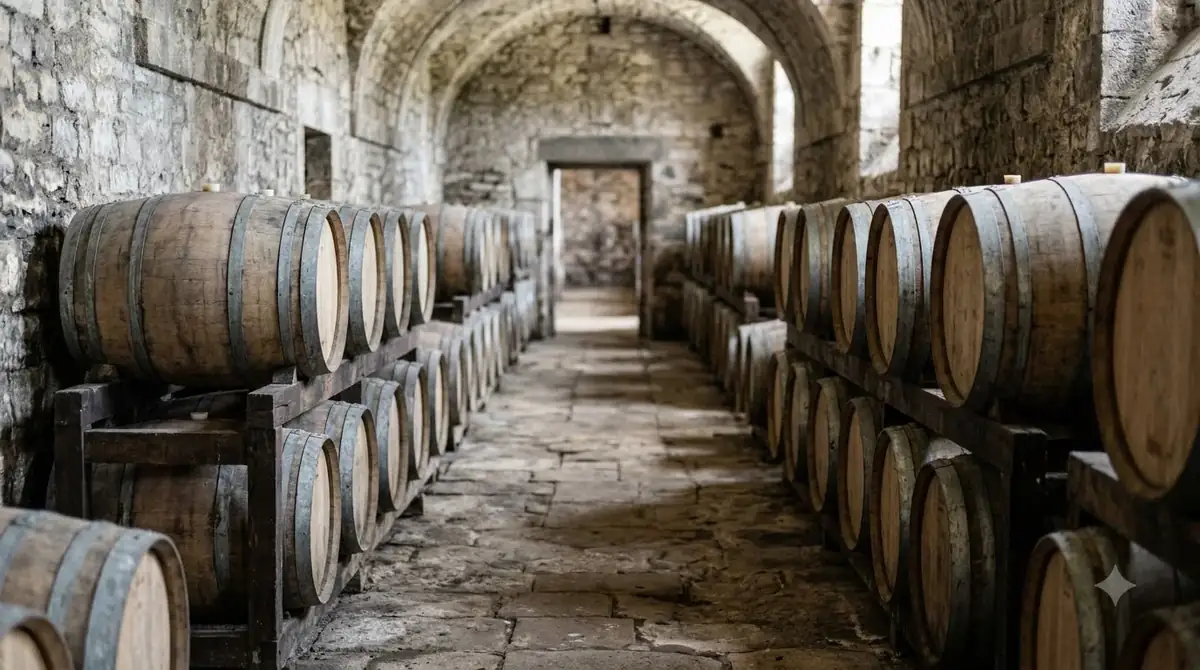
These flavors provide a useful starting point, but Chambourcin does not have one fixed taste. A young, fruit-focused bottling may emphasize juicy cherry and blackberry, while a barrel-aged example can show additional spice, smoky notes and oak-derived complexity. The grape’s acidity can help keep these richer flavors from seeming heavy.
Body, acidity and tannin
Chambourcin is commonly described as medium-bodied, although some examples can have a fuller impression. Its tannins are generally soft or moderate rather than aggressively drying. This makes the wine approachable for people who enjoy red wines but prefer something less tannic than a young Cabernet Sauvignon.
Acidity is another important part of its character. A wine with noticeable freshness can work well with food, especially dishes containing tomato, herbs or roasted vegetables. Acidity also provides balance when the wine has concentrated dark fruit flavors or has spent time aging in oak.
Comparisons with other grapes can help communicate the general style. Chambourcin is sometimes compared with Merlot because of its softer tannins and approachable fruit, while its fresh character can remind some drinkers of Pinot Noir. However, its particularly deep color and dark-fruit profile give it a recognizable identity of its own.
Chambourcin can also resemble other full-fruited red wines in its peppery or earthy notes. The exact resemblance depends on the producer, vineyard and winemaking approach. A lightly oaked example may emphasize fruit, while a more heavily structured version may show stronger spice and chocolate characteristics.
Different winemaking styles
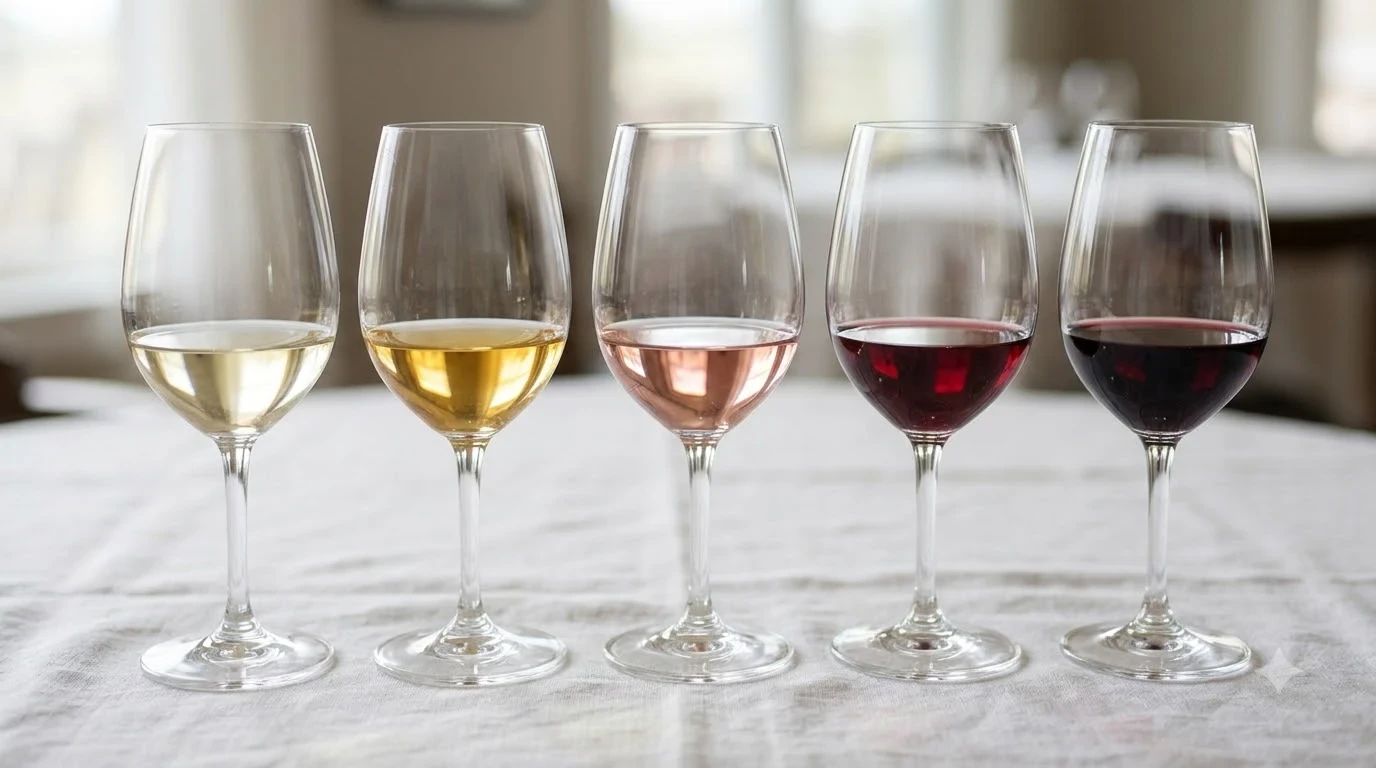
Dry Chambourcin is a common style, particularly among producers who want to showcase the grape’s dark fruit and balanced structure. A dry version can be served alongside grilled meats, pasta with tomato sauce or roasted vegetables. It can also be used in blends when a winemaker wants to increase a wine’s color and fruit intensity.
Rosé is another possibility. The grape’s natural pigmentation makes it suitable for producing vividly colored rosé wines, depending on the amount of skin contact and the producer’s approach. Some Pennsylvania wineries also use Chambourcin for sparkling red wines and sparkling rosés.
Sweet and semi-sweet examples are available as well. The grape itself does not determine whether the finished wine must be dry or sweet. Residual sugar and fermentation decisions influence the final sweetness level, so two wines made from the same variety can taste quite different.
| Chambourcin style | Typical characteristics | Useful occasion |
|---|---|---|
| Dry red | Dark cherry, blackberry, spice | Grilled dinners and pasta |
| Oak-aged red | Dark fruit, vanilla, smoke, oak | Beef stew and roasted meats |
| Rosé | Fresh fruit and lively acidity | Casual lunches and appetizers |
| Sparkling rosé | Fresh fruit and lively bubbles | Celebrations and aperitifs |
| Sparkling red | Dark fruit with refreshing carbonation | Barbecue and informal gatherings |
| Sweet or semi-sweet | Noticeable fruit sweetness | Fruit-based desserts and cheese |
The table describes broad stylistic possibilities rather than a fixed classification. Not every producer makes every style, and sweetness, body and oak influence can vary considerably. For readers interested in understanding wine categories beyond grape names, the Wine by Type section provides a useful starting point for exploring the differences between red, white, rosé and sparkling wines.
Where Chambourcin Is Grown in American Wine Country
Chambourcin has a particularly strong presence in parts of the eastern and central United States, where its vineyard characteristics can be useful in humid climates and regions with challenging growing conditions. Missouri and Pennsylvania are two helpful examples of how the variety has become part of American regional wine production.
Missouri has a notable connection with Chambourcin. Missouri Wines reports 195.5 acres planted to the variety, representing 11.5% of the state’s reported grape acreage in its varietal overview. That figure helps explain why Chambourcin is familiar on Missouri winery tasting menus and appears in regional discussions about distinctive red wine grapes.
Stone Hill Winery in Hermann, Missouri, presents Chambourcin as one of its important red varieties. The producer describes the grape as a source of deep color, bright acidity and soft tannins. Its Chambourcin winemaking includes fermentation on the skins followed by one year of aging in French and American oak, an approach that can add spice and additional complexity to the finished wine. Read the producer’s Chambourcin grape and wine profile for its description of the variety and its winemaking approach.
The producer also makes rosé styles using Chambourcin. Its dry red and rosé examples demonstrate how the same grape can be handled in different ways to create wines with distinct colors, structures and drinking occasions.
Pennsylvania and the eastern United States
Pennsylvania offers another important example. Chambourcin is suited to several eastern growing conditions because of its resistance to fungal diseases and its ability to perform in regions that experience considerable precipitation. These qualities can be particularly helpful for vineyards dealing with humid summers.
The Lehigh Valley AVA provides an interesting regional context. According to the Pennsylvania wine industry’s educational coverage, the area has rolling hills at elevations of approximately 600 to 1,200 feet, along with shale-rich soils and limestone in some locations. These geographical characteristics form part of the environment in which local producers grow Chambourcin and other wine grapes.
Pennsylvania winemaker Dan Brown of Deerfoot Vineyards & Winery planted Chambourcin in 2012. He valued its versatility, explaining that it could become a dry, barrel-aged red or serve as a blending grape. His experience illustrates why producers may choose Chambourcin for more than one purpose in the winery.
The grape also appears in other parts of American wine country. Its adaptability and late-ripening characteristics make it relevant to producers looking for varieties that can perform under conditions where some traditional European grapes may be more difficult to cultivate. Its exact prominence varies by state, winery and vineyard site.
For wine drinkers, this geographic background offers a useful buying clue. A Chambourcin bottle from Missouri may have a different expression from one produced in Pennsylvania, even though both come from the same grape. Climate, harvest timing, ripeness, fermentation and oak aging all contribute to the final result.
When comparing bottles, pay attention to the producer’s description and the style of wine rather than assuming that every Chambourcin will taste identical. A dry oak-aged red from Hermann may offer a more developed, savory profile than a lighter, fruit-forward version from another growing region.
How to Serve and Pair Chambourcin
Chambourcin is a flexible food wine because its dark fruit, moderate tannins and fresh acidity can work with a range of savory dishes. Serve a typical dry red slightly cool rather than warm, and choose foods that complement its fruit and spice without overwhelming its relatively gentle structure.
A practical serving temperature for a lighter red wine is approximately 55 to 60 degrees Fahrenheit. A fuller Chambourcin with more oak influence can be served closer to 60 to 65 degrees Fahrenheit. These temperatures help preserve freshness while allowing the wine’s aromas to develop in the glass.
If the bottle has been stored at ordinary room temperature, a short period in the refrigerator can help bring it closer to the desired serving range. Avoid serving it excessively warm, because elevated temperatures can make alcohol seem more prominent and reduce the refreshing impression of its acidity.
Food pairings for dry Chambourcin
Grilled meat is one of the easiest pairing choices. The grape’s dark fruit and gentle tannins can complement grilled beef, pork and barbecue dishes. Its peppery character also works naturally with roasted meats seasoned with herbs, black pepper and garlic.
Pork loin is a particularly practical choice. The relatively mild flavor of pork allows Chambourcin’s cherry and berry notes to remain noticeable. A preparation with rosemary, thyme or a light fruit-based sauce can provide additional flavor without overwhelming the wine.
Beef stew and short ribs are also good options, especially when the wine has been aged in oak. Slow-cooked meat develops savory flavors that complement Chambourcin’s dark fruit, while the sauce can echo its earthy and spicy characteristics. A dry example is usually the most straightforward choice for these dishes.
Pasta with tomato sauce is another useful match. The wine’s acidity can work with the acidity of tomatoes, while its fruit provides a contrast to herbs, garlic and savory ingredients. A rich red sauce with mushrooms or roasted vegetables can be particularly satisfying alongside a medium-bodied Chambourcin.
Cheese offers additional possibilities. Brie and Camembert are two varieties specifically recommended by Missouri Wines and Stone Hill Winery. Their creamy textures and mild flavors can complement the wine’s fruit and softer tannins without creating excessive bitterness or a drying sensation.
Pairing Chambourcin with sweet foods
Sweet or semi-sweet Chambourcin can be served with desserts that have a similar level of sweetness. Fruit cobbler, chocolate cake and other moderately sweet desserts can work depending on the wine’s residual sugar and overall intensity. A very dry red, however, may seem harsh alongside an extremely sweet dessert.
For an easy pairing, try dark chocolate cake with a fruit-forward Chambourcin that has some noticeable sweetness. Alternatively, serve a dry example with Brie, walnuts or roasted mushrooms for a savory combination. The important distinction is the wine’s actual style, not simply the name of the grape on the bottle.
Chambourcin is also worth considering for informal gatherings because it can accommodate a range of foods. A bottle of dry red can sit comfortably beside burgers, grilled vegetables, pork and cheese. A rosé version may be more appropriate for lighter appetizers and outdoor lunches.
Serving the wine correctly and selecting a suitable dish can make a significant difference. For a first introduction, a medium-bodied dry Chambourcin with pork loin, grilled beef or pasta with tomato sauce offers a straightforward way to appreciate the grape’s fruit, acidity and texture.
Common Chambourcin Pronunciation Mistakes and Ordering Tips
The most common mistake is placing too much emphasis on the middle of the word or pronouncing the ending as an English “sin.” Remembering “sham-bor-SAN” makes both errors less likely and gives the name a natural conversational rhythm.
Another source of confusion is the difference between regional pronunciation guides. Missouri Wines and Stone Hill Winery use “sham-bor-SAN,” while PA Eats gives “Sham-burr-sin.” The difference reflects variation in how speakers represent the sound using English spelling rather than a completely different grape variety.
For an American restaurant or winery conversation, the Missouri and Stone Hill pronunciation is a reliable choice. It is easy to remember, clearly communicates the grape name and matches the pronunciation used by an established American producer. There is no need to make the pronunciation overly elaborate.
Do not confuse spelling with pronunciation
English speakers often assume that the final letters should be pronounced exactly as they appear. This can lead to several versions that sound more like “sham-bor-sin” or “cham-bour-seen.” Although people may understand what is intended, those pronunciations do not match the standard Missouri and Stone Hill guides.
It is also unnecessary to force a strong French accent. Chambourcin originated in France, but the wine is now produced in several American regions. The familiar American wine-industry pronunciation is entirely appropriate in a tasting room, restaurant or conversation with a wine retailer.
Using the name when ordering wine
If Chambourcin appears on a restaurant wine list, say the grape name confidently and then ask about the style. For example, “Could you tell me about your Chambourcin?” is a useful opening. The server can explain whether the wine is dry, semi-sweet, oak-aged or made in a rosé style.
When visiting a winery, it can be helpful to ask whether the Chambourcin is produced as a single-variety wine or included in a blend. A single-variety bottling gives a clearer impression of the grape’s individual character, while a blend may combine it with other varieties to adjust color, acidity, aroma or structure.
You can also ask about oak aging. A wine that has spent time in French or American oak may show additional vanilla, spice and smoky notes. A younger wine with little oak influence may emphasize cherry, blackberry and freshness instead.
Wine vocabulary becomes easier with regular practice. Terms such as cuvée, claret and Chardonnay each have their own pronunciation conventions and meanings. Learning how to pronounce cuvee is another useful exercise for anyone who enjoys reading wine lists, visiting tasting rooms or discussing different wine styles.
Most importantly, pronunciation should help communication rather than become an obstacle to enjoying wine. Saying “sham-bor-SAN” is a good starting point, and asking a producer about the grape is a natural way to learn more about the bottle.
Frequently Asked Questions
Is Chambourcin pronounced differently in France and the United States?
Yes, the pronunciation can vary according to language and regional speech habits. American wine references commonly use “sham-bor-SAN,” while a French speaker may use different vowel sounds and nasalization. The American pronunciation is a practical choice for ordering the wine in the United States.
Is Chambourcin the same grape as Cabernet Sauvignon?
No. Chambourcin and Cabernet Sauvignon are separate grape varieties with different origins and characteristics. Chambourcin is a French-American hybrid developed by Joannes Seyve, whereas Cabernet Sauvignon is a traditional Vitis vinifera variety associated with Bordeaux. Their names and wine styles should not be treated as interchangeable.
Can Chambourcin be used to make wine blends?
Yes. Its deeply pigmented juice makes Chambourcin useful when a winemaker wants to contribute additional color to a red blend. It can also contribute dark fruit character and freshness. Pennsylvania producer Dan Brown has described using it both for standalone dry red wine and as a blending component.
Does Chambourcin have another name on wine labels?
Chambourcin is also associated with historical synonyms, including Chambourcin Noir and J.S. 26-205. These names appear in grape variety references and historical viticultural records. Most American retail wine labels simply use Chambourcin as the varietal name.
Is Chambourcin suitable for making sparkling wine?
Yes. Producers can use Chambourcin to make sparkling rosé and sparkling red wine. Its strong natural pigmentation can contribute an attractive color to these styles, while the winemaking method determines the level of carbonation and final sweetness. Pennsylvania wineries are among the producers that have explored these sparkling styles.
Chambourcin is pronounced “sham-bor-SAN,” with the emphasis on the final syllable. Remember that simple three-part sound, and you will be ready to order the wine or discuss it with confidence. Its dark fruit, soft tannins and versatility make it an interesting grape to explore, particularly in American wine regions such as Missouri and Pennsylvania.
More in Wine Types & Grapes
 What Does Mourvèdre Taste Like? Flavor Profile, Regions, and PairingsUpdated Nov 20, 2026
 What Does Marsanne Taste Like? Flavors, Styles, and Food PairingsUpdated Nov 20, 2026
 What Does Malvasia Taste Like? Styles, Flavors, and Food PairingsUpdated Nov 20, 2026
 What Does Grenache Blanc Taste Like? Flavor Profile, Styles, and PairingsUpdated Nov 20, 2026
 What Does Garnacha Taste Like? Key Flavors, Styles, and Pairing TipsUpdated Nov 20, 2026
 What Does Fruit Wine Taste Like? A Complete Flavor and Style BreakdownUpdated Nov 20, 2026