

We may earn a commission when you buy through links on this page, at no extra cost to you. Learn more.
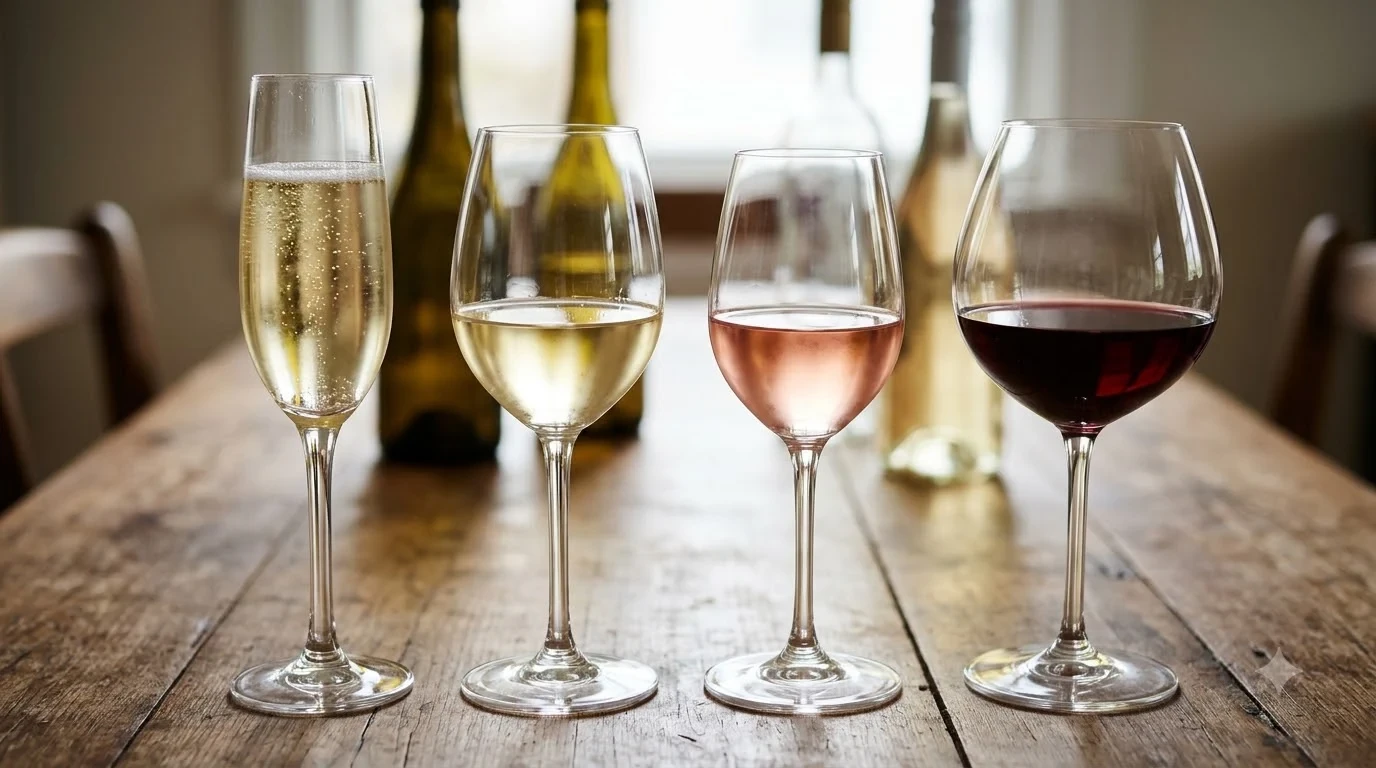
The phrase walker bay wine describes wines from a cool, maritime district on South Africa’s Cape South Coast, centered around Hermanus and the Hemel-en-Aarde valleys. The area is best known for elegant Pinot Noir and Chardonnay, while Sauvignon Blanc, Chenin Blanc, Pinotage, Syrah, and other varieties show how varied the wider district can be. Ocean breezes, varied slopes, and distinct soil types give the wines freshness and a strong sense of place. For a first bottle, start with Pinot Noir or Chardonnay from Hemel-en-Aarde, then explore the broader Walker Bay wards.
Walker Bay is a useful name to know if you enjoy cool-climate wines with lively acidity rather than overt ripeness. Its reputation comes from a small set of coastal valleys, but the district extends beyond those famous vineyards. Understanding where the grapes grow makes it easier to read a label, choose a style, and plan a visit without assuming that every bottle tastes alike.
Walker’s Place on the Cape South Coast
Walker Bay is a Wine of Origin district in the Western Cape, within the Cape South Coast region of South Africa. The district surrounds the seaside town of Hermanus and includes the better-known Hemel-en-Aarde area as well as other wine-growing wards farther north and east.
The Hemel-en-Aarde wine-growing area lies about 50 miles southeast of Cape Town and looks toward the South Atlantic. It is not a separate synonym for all Walker Bay: it is a significant wine-growing area within the larger district. That distinction matters on labels. A wine labeled Walker Bay may come from a broader selection of sites, while a Hemel-en-Aarde Valley, Upper Hemel-en-Aarde Valley, or Hemel-en-Aarde Ridge designation points to a more specific place.
South Africa’s Wine of Origin system separates its wine geography into geographical units, regions, districts, and wards. The Cape South Coast is one of five regions in the Western Cape geographical unit, and Walker Bay sits within that framework. The official Wines of South Africa regional overview describes this wider structure and identifies Walker Bay’s Bot River ward as part of the district.
For a broader picture of the country’s coastal districts, see our guide to South Africa’s Wine Regions. Walker Bay is not a single estate or one valley; it is a district with several growing environments.
Atlantic Conditions, Soils, and Slow Ripening
The Atlantic is the main natural influence on Walker Bay’s wine style. Cooling ocean air and regular coastal breezes moderate summer temperatures, slow the pace of ripening, and help grapes retain acidity while developing flavor.
Wine Enthusiast’s Hemel-en-Aarde overview reports that some sites are about a mile from Walker Bay and that most vineyards discussed in the area lie roughly 650 to 1,300 feet above sea level. These figures describe Hemel-en-Aarde, not every part of the larger district. Growers consider elevation, slope direction, and distance from the water when matching varieties to sites and deciding when to pick.
Soils vary, too. Hemel-en-Aarde Valley has many Bokkeveld shale-and-clay sites, while parts of Upper Hemel-en-Aarde include more Table Mountain sandstone-derived soils. These differences influence vine vigor, water availability, and wine texture: shale-and-clay sites are often more structured, while sandstone sites can give a different, sometimes more linear expression. They are tendencies, not guarantees; slope, farming, harvest, and cellar choices also matter.
These natural factors help explain why Walker Bay wines often show freshness even when the fruit is ripe. They do not mean every bottle is lean, sharply acidic, or light-bodied. A Chardonnay with barrel influence may feel broader and creamier, while Pinot Noir from a structured site can show firm but fine tannins. The shared thread is generally balance: fruit and texture supported by acidity, not fruit ripeness alone.
Hemel-en-Aarde and the District’s Other Wards
The three Hemel-en-Aarde wards give the district its clearest internal map. Hemel-en-Aarde Valley, Upper Hemel-en-Aarde Valley, and Hemel-en-Aarde Ridge differ in position, soils, elevation, and ripening conditions, so the ward name can be a useful clue when comparing Pinot Noir or Chardonnay.
Hemel-en-Aarde Valley is closest to Hermanus and the Atlantic. Many of its first vineyards are north-facing on Bokkeveld shale and clay, a combination associated with Pinot Noir of depth and structure. Upper Hemel-en-Aarde lies farther northeast and is the largest of the three wards; it has more Table Mountain Sandstone-derived soil, later ripening, and can produce wines with aromatic concentration and a linear palate. Hemel-en-Aarde Ridge, designated in 2009 after the first two wards in 2006, sits at higher sites on shale-derived, often stony clay soils. Its later-ripening fruit can combine concentration with natural acidity. These are broad patterns, not fixed tasting rules for every vineyard.
Beyond Hemel-en-Aarde, the district includes Bot River, Sunday’s Glen, Springfontein Rim, and Stanford Foothills. Bot River is associated with Chenin Blanc, Sauvignon Blanc, Pinotage, Shiraz, and other Rhône varieties. Our overview of the Walker Bay wine region explains the broader district before you focus on one valley.
Grapes That Define the Region
Pinot Noir and Chardonnay are the signature varieties of Hemel-en-Aarde, while Sauvignon Blanc is another important white grape. The wider Walker Bay district adds Chenin Blanc, Pinotage, Syrah or Shiraz, Merlot, and other varieties, so a regional selection can span delicate reds, mineral whites, and fuller-bodied styles.
| Grape | Share of Hemel-en-Aarde plantings | Typical style to look for |
|---|---|---|
| Pinot Noir | 28% | Red cherry, cranberry, herbs, earthy notes, lively acidity |
| Chardonnay | 23% | Citrus, orchard fruit, savory or mineral detail, balanced texture |
| Sauvignon Blanc | 22% | Fresh citrus, green herbs, crisp acidity |
| Combined total | 73% | Three leading varieties in the cited Hemel-en-Aarde planting profile |
The percentages are specific to Hemel-en-Aarde, not a census of every Walker Bay ward. Wine Enthusiast cited Anthony Hamilton Russell’s planting breakdown: Pinot Noir 28%, Chardonnay 23%, and Sauvignon Blanc 22%, or 73% combined. The profile shows the area’s focus while leaving room for other varieties.
Pinot Noir is the natural starting point for red-wine drinkers. Its low-to-medium tannin and high acidity support bright red berries, cranberry, floral notes, spice, and sometimes earthy or forest-floor detail. Site, vintage, whole-cluster use, oak, and extraction shape the final wine, which may be delicate or more concentrated while retaining freshness.
Chardonnay ranges from taut and citrus-driven to richer styles shaped by lees work or oak; lemon, apple, pear, cream, subtle toast, and saline notes are useful clues. Sauvignon Blanc tends to offer direct freshness with citrus and green herbs, while Bot River Chenin Blanc can range from bright and linear to more textured. Pinotage, Syrah, and Merlot broaden the red-wine range with darker fruit, pepper, savory herbs, and, in Merlot’s case, generally softer tannin than Cabernet Sauvignon. See our list of Walker Bay vineyards for producers working beyond the two signature grapes.
Producers and Styles Worth Knowing
Walker Bay’s reputation grew from a relatively focused group of producers and has widened as more growers explored the district’s varied sites. Hamilton Russell, Bouchard Finlayson, Storm, Creation, and Newton Johnson are useful names to recognize when comparing Hemel-en-Aarde wines.
Wine Enthusiast traces the modern quality-focused chapter of Hemel-en-Aarde to Tim Hamilton Russell’s work beginning in 1975, with the first wines made from the 1981 vintage. The estate later focused on Pinot Noir and Chardonnay, two varieties that proved especially suited to its coastal conditions. That history helps explain why these grapes remain such clear reference points for the valley, but it should not suggest that every producer follows the same approach.
Other producers add different interpretations. Wine Enthusiast highlights Storm Wines and Creation Wines, and cites Restless River Cabernet Sauvignon, Ashbourne Pinotage, Southern Right Sauvignon Blanc, and Newton Johnson Albariño. Decanter’s review of Bouchard Finlayson’s 2019 Tête de Cuvée Pinot Noir offers another reference: a dry, 100% Pinot Noir at 13.9% alcohol by volume, with earthy and floral notes, cranberry, spice, and bright acidity. These examples show the district’s range, not a template for every vintage.
When shopping, start with grape and ward, then consider the producer’s style. Choose Sauvignon Blanc or restrained Chardonnay for crisp whites, Pinot Noir for a red with moderate body and lively acidity, or compare Syrah, Pinotage, Chenin Blanc, and Albariño for a wider view. Find producers in our Walker Bay wineries directory.
Food Pairings for Coastal Wines
Walker Bay’s acidity makes many of its wines natural partners for seafood, poultry, vegetables, and dishes with fresh herbs. Match the weight and intensity of the food to the wine, and keep sauces in mind: lemon, vinegar, cream, smoke, and spice can change the pairing as much as the main ingredient.
Chardonnay pairs with roast chicken, grilled prawns, crab, scallops, and fish served with butter or a lightly creamy sauce. A citrus-led example suits simply cooked white fish or roasted vegetables, while a fuller bottle can stand beside roast chicken with browned butter. Sauvignon Blanc suits oysters, shrimp, goat cheese, asparagus, salads, and herb-forward dishes; its high acidity works with lemon, lime, and vinaigrette. For strongly acidic food, choose a wine with equal or higher acidity so it does not taste flat.
Pinot Noir works with duck, roast chicken, salmon, mushrooms, lentils, and pork tenderloin. Its lower tannin is flexible with delicate flavors; try richer Pinot with roast duck and cherry or pork with mushrooms. Oily fish is harder to pair with tannic reds, so avoid a heavily extracted Syrah or Cabernet-style wine.
Pinotage and Syrah suit grilled lamb, beef, sausages, roasted peppers, and smoky spices. Salt and fat soften tannin, but chili heat is amplified by alcohol and tannin. Keep the spice moderate or choose a fresher, lower-tannin red for fiery dishes.
Tip: For a mixed seafood table, begin with chilled Sauvignon Blanc or unoaked Chardonnay; save Pinot Noir for roast poultry, salmon, or mushrooms, and bring out Syrah or Pinotage when the menu shifts to grilled meat.
How to Serve, Select, and Store Bottles
Serving temperature can make Walker Bay wines feel more precise. Chill whites enough to preserve their freshness, but avoid serving them so cold that their aromas disappear; serve Pinot Noir slightly cooler than a full-bodied red.
Serve Sauvignon Blanc at 45–50°F and fuller Chardonnay at 50–55°F. Pinot Noir is usually best around 55–60°F, while fuller Syrah or Pinotage can be served at 60–65°F. A short spell in the refrigerator helps bring a warm bottle into range.
Pour about 5 ounces per glass; a 750-milliliter bottle gives roughly five servings. For a side-by-side comparison, serve two Pinot Noirs at similar temperatures and taste the lighter example first. Read the label in layers: identify the grape, then the ward, such as Hemel-en-Aarde Valley, Upper Hemel-en-Aarde Valley, Hemel-en-Aarde Ridge, or Bot River. Producer notes can clarify oak use, fermentation, and aging style; a more specific place name tells you where the grapes came from, not whether the wine will suit your taste.
Store unopened bottles on their side in a cool, dark place near 55°F. Refrigerate opened still wine and aim to finish it within 3–5 days. A young, full-bodied red that feels compact may benefit from a 30–60 minute decant; delicate Pinot Noir usually needs less air.
Frequently Asked Questions
These quick answers clarify the names, styles, and practical details that often cause confusion when choosing a bottle from the district.
Is Walker Bay the same as Hemel-en-Aarde?
No. Walker Bay is the larger Wine of Origin district, while Hemel-en-Aarde is a major wine-growing area within it. Walker Bay was first designated as a ward in 1981 and was reclassified as a district in May 2004.
What does Hemel-en-Aarde mean?
Hemel-en-Aarde translates from Afrikaans as “heaven and earth.” The name refers to the valley landscape near Hermanus, where vineyards sit among coastal mountains and rolling slopes.
When does harvest usually take place in Walker Bay?
Because South Africa is in the Southern Hemisphere, grape harvest generally falls during its late summer, often in February and March. The exact picking dates vary by grape, vineyard elevation, weather, and the style the producer wants.
Does every Walker Bay bottle have to be Pinot Noir or Chardonnay?
No. The district also produces Sauvignon Blanc, Chenin Blanc, Pinotage, Syrah, Merlot, and other varieties. Wines of South Africa describes Bot River as the gateway to the district, extending from its lagoon toward the foothills of the Groenlandberg and Babylonstoren mountain ranges.
Can Walker Bay Pinot Noir age?
Some structured examples can develop over several years, but aging potential depends on the producer, vineyard, vintage, and winemaking. Decanter gave Bouchard Finlayson’s 2019 Tête de Cuvée a 2021–2032 drinking window, a specific example rather than a rule for every Pinot Noir from the district.
For a first taste, choose a Hemel-en-Aarde Pinot Noir or Chardonnay, then compare it with a Sauvignon Blanc or a wine from Bot River to see the district’s wider range. Once you know which style suits your table, the ward name and producer become helpful guides to exploring more of Walker Bay.
More in Wine Regions
 Willcox Wine Trail: Discover Arizona’s High-Elevation Wine CountryUpdated Nov 20, 2026
 Yakima Valley Wine Region: Find the Best Styles to TryUpdated Nov 20, 2026
 Vosne Romanee Wine Tasting: Identify Aromas and Choose Better PairingsUpdated Nov 20, 2026
 Yakima Valley Wine Festival: Find the Best Seasonal Wine EventsUpdated Nov 20, 2026
 Wales Vineyards: Discover Cool-Climate Wines and Where to VisitUpdated Nov 20, 2026
 Yountville Wine Festival: Discover Napa Wines and Local FoodUpdated Nov 20, 2026