

We may earn a commission when you buy through links on this page, at no extra cost to you. Learn more.
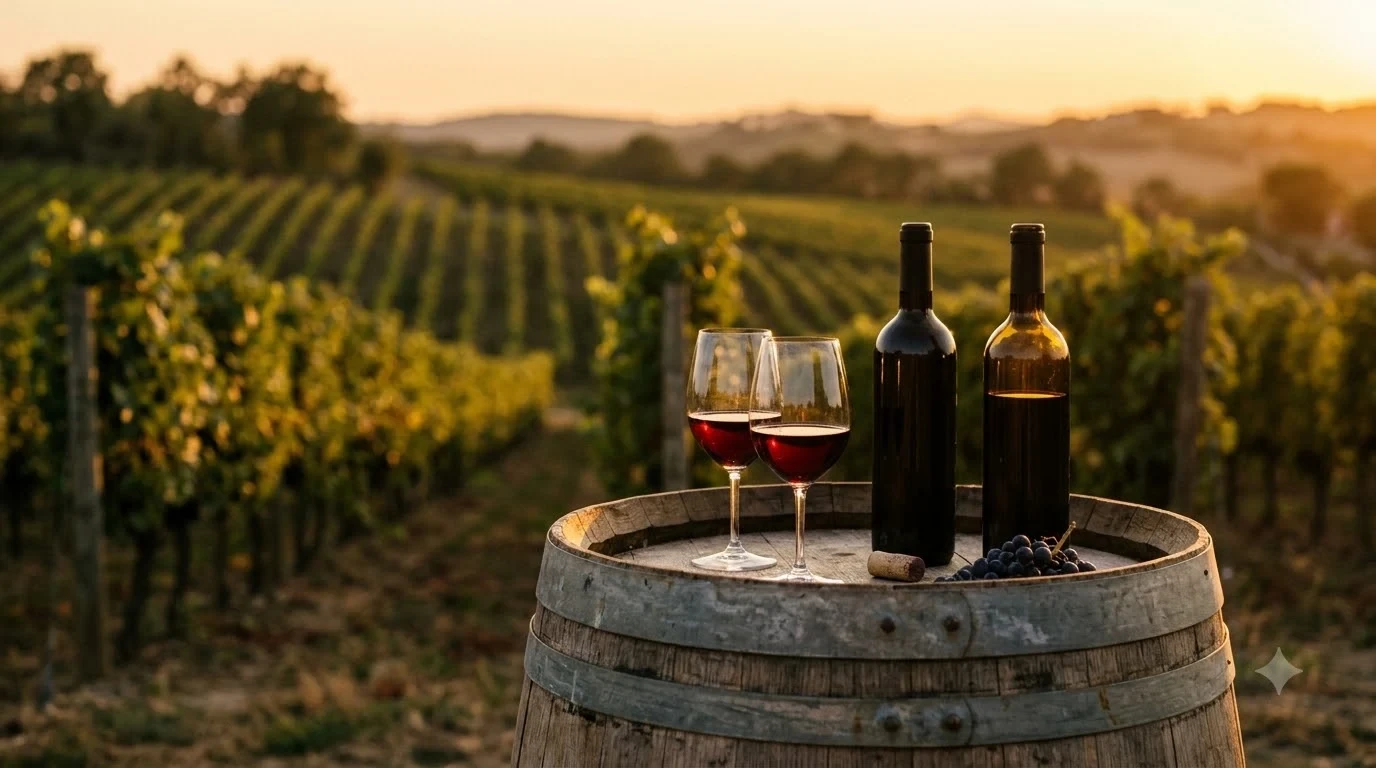
Walker Bay vineyards are located along South Africa’s cool Cape South Coast near Hermanus, where Atlantic Ocean breezes, distinctive soils, and varied vineyard elevations produce particularly elegant Pinot Noir, Chardonnay, and Sauvignon Blanc. The district is best known for the three Hemel-en-Aarde wards, each offering different growing conditions and wine characteristics. Its broader wine landscape also includes Bot River and other distinctive growing areas, making Walker Bay an appealing destination for anyone interested in cool-climate South African wine.
South Africa has several internationally recognized wine districts, but Walker Bay occupies a particularly interesting position among them. Its proximity to the ocean gives it a cooler growing environment than many inland Cape wine areas, while its valleys, slopes, and changing soil compositions create opportunities for individual vineyards to express their locations. Whether you are shopping for a bottle of Pinot Noir, comparing Chardonnays, or planning a visit to Hermanus, understanding the vineyards provides a useful introduction to the region. This guide explains the geography, growing conditions, grape varieties, producers, and wine styles that make Walker Bay distinctive.
Where Walker Bay Vineyards Are Located
Walker Bay vineyards occupy a coastal winegrowing district in South Africa’s Western Cape, centered around Hermanus and extending into the surrounding valleys and inland foothills. Their position between the Atlantic-influenced coastline and the mountains of the Overberg gives the district a combination of maritime cooling, varied elevations, and contrasting vineyard environments.
Hermanus is the most recognizable town associated with Walker Bay. It is situated along the southern coast of the Western Cape and is famous for its coastal scenery and seasonal whale watching. The vineyards lie in the countryside surrounding the town, particularly northeast of Hermanus along the Hemel-en-Aarde valley system. This geography puts many vineyards within reach of the ocean’s cooling influence while allowing individual properties to benefit from different slope orientations and elevations.
Hemel-en-Aarde translates to “Heaven and Earth” in Afrikaans. The name describes a particularly scenic landscape of mountain slopes, rolling agricultural land, and valleys extending inland from Hermanus. According to Wine Enthusiast, the area is approximately 50 miles southeast of Cape Town. It is one of South Africa’s cooler and more southerly winegrowing locations, an important distinction for grapes that benefit from a longer, more measured ripening season.
Walker Bay is part of the Cape South Coast winegrowing region. Within the district, wine production takes place across several distinct areas rather than a single uniform valley. The Hemel-en-Aarde wards are especially prominent, while Bot River provides another important expression of the district’s maritime environment. Other growing areas around Stanford and the wider Overberg contribute additional diversity.
Understanding the distinction between the district and its wards helps when reading South African wine labels. A bottle identified as Walker Bay comes from the broader geographical district, whereas a more specific designation such as Hemel-en-Aarde Valley or Upper Hemel-en-Aarde Valley identifies a smaller growing area. These geographical distinctions are useful because they provide information about the vineyard environment behind the wine.
For a broader introduction to the area’s wines, our guide to Walker Bay wine explains the styles and varieties that have established the district’s reputation. Readers exploring other South African wine destinations can also browse our collection of Wine Regions. The official Wines of South Africa overview of winegrowing areas provides additional geographical context for Walker Bay and the wider Cape South Coast.
Climate and Soils That Shape the Vineyards
Walker Bay’s defining growing advantage is its cool maritime climate, influenced by the nearby Atlantic Ocean. Persistent coastal breezes moderate summer temperatures, while different soil compositions and vineyard elevations influence how quickly grapes mature and how much natural acidity they retain.
The cold ocean influence is particularly important for Pinot Noir and Chardonnay. Both varieties can lose freshness if grapes ripen too quickly in excessively warm conditions. In Walker Bay, cooler temperatures and a longer growing season help preserve acidity while allowing grapes to develop their characteristic flavors. This combination supports wines that can offer ripe fruit without losing freshness or structural definition.
Some Hemel-en-Aarde vineyards are situated remarkably close to Walker Bay itself. Wine Enthusiast reports that certain vineyard sites are approximately one mile from the ocean. The cooling influence is therefore not simply a general regional characteristic; it can have a direct effect on individual properties and their grapes.
Wind also contributes to the growing environment. Coastal breezes help moderate daytime temperatures and can influence vineyard conditions throughout the growing season. The surrounding landscape provides additional variation, with valleys, exposed slopes, and sheltered positions creating different combinations of sunlight, wind exposure, and temperature.
Soils are equally important. Weathered Bokkeveld shale is prominent in the Hemel-en-Aarde area, often occurring alongside clay-rich subsoils. Other locations have greater contributions from Table Mountain sandstone and decomposed granite. These geological differences influence drainage, water retention, vine vigor, and the way individual vineyard sites perform.
According to Wines of South Africa, the Bot River ward includes Bokkeveld shale, particularly Glen Rosa and Klapmuts formations, as well as Table Mountain sandstone. These soils occur in a setting influenced by the Bot River lagoon and the surrounding mountain ranges.
Vineyard elevation adds another layer of variation. Wine Enthusiast places most Hemel-en-Aarde vineyards between 650 and 1,300 feet above sea level. Higher sites can experience different temperatures and ripening patterns from lower vineyards, even when they are relatively close together geographically.
These differences explain why two wines from the same broad district can have noticeably different personalities. A Pinot Noir from a shale-rich valley site may have a different texture and aromatic profile from one grown on a higher, more exposed slope. Similarly, Chardonnay from a sandstone-influenced vineyard may present differently from one grown in deeper clay-rich soils.
The Three Hemel-en-Aarde Vineyard Wards
The Hemel-en-Aarde area contains three distinct wards: Hemel-en-Aarde Valley, Upper Hemel-en-Aarde Valley, and Hemel-en-Aarde Ridge. Their differences in elevation, soil composition, and proximity to the ocean help explain the diversity found in Walker Bay Pinot Noir and Chardonnay.
The development of these geographical designations reflects a growing understanding of the area’s individual vineyard environments. Walker Bay was initially designated as a ward in 1981 and became a district in May 2004. Hemel-en-Aarde Valley and Upper Hemel-en-Aarde Valley were approved as separate wards in August 2006, followed by Hemel-en-Aarde Ridge in June 2009.
| Ward | Key vineyard characteristics | Wine-growing influence |
|---|---|---|
| Hemel-en-Aarde Valley | Predominantly Bokkeveld shale and clay; north-facing vineyards | Strong fruit expression and structured wines |
| Upper Hemel-en-Aarde Valley | Table Mountain sandstone and some clay-rich subsoils | Later ripening and distinctive herbal character |
| Hemel-en-Aarde Ridge | Stony, clay-rich shale soils and higher elevations | Concentrated fruit and pronounced natural acidity |
Hemel-en-Aarde Valley
Hemel-en-Aarde Valley is the first of the three wards encountered when traveling northeast from Hermanus. It is the closest to the ocean and contains some of the earliest vineyards established in the modern winegrowing area. Many vineyards occupy north-facing slopes, with soils dominated by Bokkeveld shale and clay.
These conditions contribute to wines with substantial fruit expression and noticeable structure. Pinot Noir from the valley can combine red-fruit character with earthy and floral elements, while Chardonnay often balances ripe orchard fruit with refreshing acidity. The combination of maritime influence and clay-rich soils helps establish the area’s recognizable style.
Upper Hemel-en-Aarde Valley
Further inland lies Upper Hemel-en-Aarde Valley, the largest of the three wards. Its vineyards include lighter, sandstone-derived soils, although some sites also contain clay-rich subsoils. Ripening generally occurs later than in the lower valley because of the changing elevation and growing conditions.
Wines from this ward can show concentrated aromas alongside a more linear palate. Herbal and fynbos characteristics are also associated with certain vineyard expressions. The area is particularly interesting for Chardonnay and Pinot Noir enthusiasts who want to compare the effects of different soil compositions within a relatively compact growing region.
Hemel-en-Aarde Ridge
Hemel-en-Aarde Ridge is the smallest of the three wards. Its landscape resembles a natural amphitheater, creating a variety of vineyard aspects and generally higher elevations than those found in the other two wards.
Bokkeveld shale-derived soils dominate many sites, often with stony, clay-rich characteristics. The higher elevations and changing exposures contribute to later ripening and concentrated fruit development. Wines from the Ridge can combine structural depth with pronounced natural acidity, making the ward especially interesting for producers focused on site-specific Chardonnay and Pinot Noir.
These three wards should not be treated as interchangeable geographical labels. Their differences offer wine drinkers a practical way to compare vineyard origins and understand why a producer’s wines from separate sites may have different characteristics.
The Main Grape Varieties Grown in Walker Bay
Pinot Noir and Chardonnay are the leading varieties associated with Walker Bay, particularly in Hemel-en-Aarde. Sauvignon Blanc is another important grape, while Pinotage, Shiraz, Merlot, Chenin Blanc, and other varieties contribute to the district’s wider range of wines.
Pinot Noir is particularly well suited to the area’s cooler conditions. It is an early-ripening red variety that benefits from a measured growing season, allowing grapes to develop aromatic complexity while retaining acidity. Walker Bay examples can display cherry, raspberry, red plum, forest-floor, and subtle spice characteristics. Depending on the vineyard and winemaking approach, the wines may range from relatively delicate and fresh to more concentrated and structured.
Chardonnay is equally important. The variety adapts to different vineyard conditions and winemaking choices, producing wines that can emphasize citrus, apple, pear, stone fruit, mineral impressions, or oak-derived notes. Walker Bay Chardonnay often combines refreshing acidity with a more substantial texture than lighter aromatic whites.
Winemaking has a significant influence on the final style. Stainless-steel fermentation can preserve fresh fruit and emphasize acidity, while barrel fermentation and maturation may contribute texture, spice, and additional complexity. The presence of oak does not automatically mean a Chardonnay will be heavy. Balance between fruit, acidity, and winemaking influence remains important.
Sauvignon Blanc provides another expression of the district’s coastal environment. It generally produces crisp, aromatic wines with citrus, green fruit, and herbal characteristics. Its naturally high acidity makes it particularly refreshing alongside seafood and fresh vegetables.
Wines of South Africa also identifies Pinotage, Merlot, and Shiraz among the varieties produced in Walker Bay. Bot River adds particular interest because its growing conditions support Chenin Blanc, Pinotage, Shiraz, Sauvignon Blanc, and other Rhône varieties.
There is also a wider range of experimental and less conventional plantings. Wine Enthusiast highlights examples including Albariño from Newton Johnson, Viognier from Creation, and Cabernet Sauvignon from Restless River. These wines demonstrate that the district’s identity is not limited to its two best-known grapes.
The importance of the three leading varieties in Hemel-en-Aarde is especially clear in the vineyard planting figures reported by Wine Enthusiast. Together, Pinot Noir, Chardonnay, and Sauvignon Blanc account for 73% of plantings in the area.
| Grape variety | Share of Hemel-en-Aarde plantings | Typical wine character |
|---|---|---|
| Pinot Noir | 28% | Red berries, cherry, earthy notes, fresh acidity |
| Chardonnay | 23% | Apple, citrus, pear, mineral character |
| Sauvignon Blanc | 22% | Citrus, green fruit, herbs, lively acidity |
| Other varieties combined | 27% | Includes Pinotage, Shiraz, Chenin Blanc, and other grapes |
These percentages describe Hemel-en-Aarde plantings, not every vineyard across the entire Walker Bay district. Nevertheless, they show why Chardonnay, Pinot Noir, and Sauvignon Blanc are the most useful starting points for exploring the area’s wines.
Notable Walker Bay Vineyards and Wine Producers
Walker Bay’s reputation has developed through producers who focus on the relationship between vineyard location, grape variety, and winemaking decisions. Hamilton Russell Vineyards, Bouchard Finlayson, Newton Johnson, Creation, and Storm are among the recognizable names associated with Hemel-en-Aarde and its surrounding winegrowing areas.
Hamilton Russell Vineyards
Hamilton Russell Vineyards played an important role in establishing the modern fine-wine reputation of Hemel-en-Aarde. Wine Enthusiast identifies 1975 as a key year in the estate’s development, when Tim Hamilton Russell purchased property in the area with the intention of establishing a wine estate.
The first wines were made from the 1981 vintage with winemaker Peter Finlayson. Chardonnay and Pinot Noir eventually emerged as the estate’s central varieties, and the winery subsequently concentrated exclusively on these two grapes.
This emphasis helped establish the idea that Hemel-en-Aarde could produce internationally competitive wines from varieties associated with cooler growing regions. The estate remains an important reference point for understanding the district’s wine identity.
Bouchard Finlayson
Bouchard Finlayson is another prominent Hemel-en-Aarde producer, particularly associated with Pinot Noir and Chardonnay. Its presence reflects the importance of Burgundy-inspired varieties in the district, although the wines express the particular conditions of South Africa’s Cape South Coast rather than attempting to reproduce Burgundy.
The producer’s wines also appear in Decanter’s Walker Bay wine listings. Its Walker Bay wine review directory provides a useful way to explore reviewed bottles from Bouchard Finlayson, Creation, Beaumont, Restless River, and other regional producers.
Newton Johnson
Newton Johnson is associated with the Upper Hemel-en-Aarde area and offers another perspective on the relationship between vineyard conditions and Pinot Noir. The producer is also recognized for Chardonnay and other wines that demonstrate the diversity of the surrounding growing region.
Its work with different vineyard sites makes the estate an interesting name for anyone comparing wines from the three Hemel-en-Aarde wards.
Creation Wines
Creation Wines is situated in Hemel-en-Aarde Ridge and is associated with Chardonnay, Pinot Noir, and additional varieties. The producer has discussed the benefits of the area’s cooler conditions, particularly the ability to retain natural acidity while achieving physiological ripeness.
Creation also provides an example of how wine tourism has become part of the district’s identity. Its food-and-wine experiences give visitors an opportunity to explore the relationship between local cuisine, vineyard conditions, and wine styles.
Storm Wines
Storm Wines was launched by Hannes Storm in 2012. The producer is particularly associated with Pinot Noir and the differences between the three Hemel-en-Aarde wards.
Its approach illustrates why the district’s smaller geographical designations are valuable. Comparing wines made from different wards can reveal differences in fruit expression, structure, and acidity without requiring a comparison between entirely separate wine regions.
Other producers worth exploring
The wider Walker Bay district includes many additional producers. Southern Right is associated with Sauvignon Blanc, Ashbourne with Pinotage, and Restless River with Cabernet Sauvignon. Bot River producers such as Beaumont and Gabriëlskloof provide further examples of the district’s variety.
Decanter’s Walker Bay listings also include Domaine des Dieux, Tesselaarsdal, Whalehaven, and several other producers. These names provide a useful starting point for exploring bottles beyond the region’s most familiar estates.
For a more detailed producer-focused introduction, see our guide to Walker Bay wineries. Comparing producers across different wards is one of the most rewarding ways to understand the area’s vineyard diversity.
How Walker Bay Wines Taste and What to Look For
Walker Bay wines are generally recognized for freshness, balanced acidity, and an expression of fruit that reflects their cool coastal growing conditions. Pinot Noir and Chardonnay are the clearest examples, but Sauvignon Blanc and the district’s Rhône-inspired varieties also offer distinctive regional character.
Walker Bay Pinot Noir typically emphasizes red fruit rather than the heavier black-fruit profile associated with many warmer-climate reds. Cherry, raspberry, cranberry, and red plum are useful descriptors to look for. Depending on the producer, earthy notes, forest-floor aromas, spice, and subtle oak may add further complexity.
Its structure is generally more restrained than that of Cabernet Sauvignon or Syrah. Pinot Noir has low-to-medium tannin and relatively high acidity, which makes it versatile at the dinner table. The best examples can combine freshness with enough texture to accompany richer dishes.
Chardonnay offers a different but equally interesting perspective. Expect citrus, apple, pear, and sometimes stone-fruit characteristics. Some wines are more restrained and mineral in expression, while others show greater concentration and a richer texture from barrel fermentation or maturation.
Oak influence varies between producers. Some emphasize stainless-steel fermentation and fresh fruit, while others use barrels to add texture and spice. The result is a range of styles rather than one standardized regional Chardonnay.
Sauvignon Blanc generally delivers bright acidity and aromatic freshness. Citrus, lime, green apple, herbs, and occasionally tropical fruit can appear, depending on the site and harvest conditions. These wines are especially useful for people who prefer dry, refreshing whites.
Pinotage and Shiraz offer alternatives for drinkers who prefer fuller-bodied reds. Pinotage can combine dark fruit with savory and spicy characteristics, while Syrah and Shiraz can provide more substantial body, darker fruit, and additional tannin. Bot River is particularly interesting for these varieties.
When comparing Walker Bay bottles, consider the following details:
- Geographical designation: Determine whether the wine comes from Walker Bay generally or a more specific Hemel-en-Aarde ward.
- Grape variety: Start with Pinot Noir or Chardonnay to understand the region’s established identity.
- Vineyard location: Compare the cooler coastal valley with the higher and more inland sites.
- Winemaking style: Look for differences in oak use, fermentation choices, and maturation.
- Vintage: Growing-season conditions influence ripeness, acidity, and the final balance of the wine.
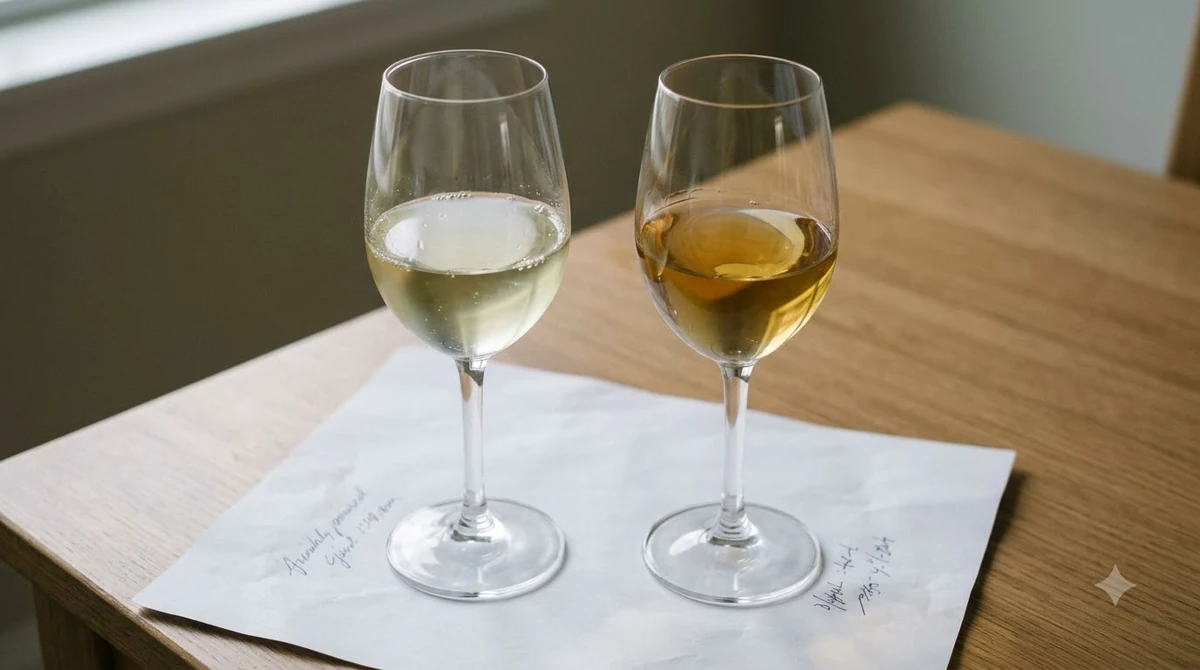
One useful approach is to compare two Pinot Noirs from different Hemel-en-Aarde wards. Pour them at the same temperature and serve them in similar glasses. Differences in aromatic intensity, texture, acidity, and finish can help reveal how much vineyard location contributes to the final wine.
Visiting Walker Bay Vineyards and Planning a Wine Trip
Hermanus provides a practical starting point for exploring Walker Bay’s wine country. Visitors can combine vineyard visits in Hemel-en-Aarde with coastal scenery, local restaurants, and the attractions of the wider Overberg region.
The Hemel-en-Aarde route is particularly useful for understanding the district because its three wards extend progressively inland from Hermanus. Visiting producers in different parts of the valley provides an opportunity to see changes in elevation, slope orientation, and surrounding vegetation.
A visit to the lower valley offers an introduction to the original vineyard landscape and its proximity to the Atlantic. Continuing toward Upper Hemel-en-Aarde provides a different perspective on the area’s sandstone-influenced soils and later-ripening sites. Further exploration of the Ridge reveals a more elevated landscape with its own combination of exposures and soil characteristics.
Bot River offers a contrasting experience. Its vineyards are influenced by the Bot River lagoon and surrounding mountain ranges, and its wine producers often work with a broader selection of varieties. Chenin Blanc, Pinotage, Sauvignon Blanc, and Shiraz are particularly relevant when exploring this part of Walker Bay.
It is sensible to plan appointments rather than assume that every producer accepts visitors without advance arrangements. Smaller wineries may operate tasting experiences on selected days, while some estates offer more extensive food-and-wine activities. Confirming availability directly with each producer helps avoid unnecessary travel.
Travel time should also be considered. Although the individual wards are geographically connected, visiting multiple wineries can take longer than expected because roads follow the valley landscape rather than a straight line. Allow time for tastings, meals, and stops at scenic viewpoints.
Hermanus also makes a convenient base for combining wine tourism with coastal activities. Seasonal whale watching is one of the area’s best-known attractions, particularly between June and November. The surrounding Overberg landscape offers additional opportunities to explore local food, nature reserves, and countryside attractions.
For visitors with limited time, a useful itinerary is to concentrate on two or three wineries rather than attempting to visit the entire district in one day. Choosing producers from different wards can provide a more informative comparison than visiting several properties with very similar vineyard locations.
Tip: Arrange tastings at two different Hemel-en-Aarde wards and compare their Pinot Noir or Chardonnay side by side. Ask the tasting-room staff about soil composition, vineyard elevation, and ocean exposure. These details make the differences between the wines easier to understand.
Buying, Serving, and Pairing Walker Bay Wines
Walker Bay wines are versatile choices for food-focused drinking because their natural acidity and moderate structure work with a broad range of dishes. Pinot Noir and Chardonnay are particularly adaptable, while Sauvignon Blanc provides a refreshing option for seafood and lighter meals.
For Pinot Noir, consider roast chicken, duck, grilled salmon, mushroom dishes, and herb-seasoned pork. The grape’s relatively low tannin and fresh acidity allow it to complement delicate proteins without overwhelming their flavors.
Chardonnay is especially useful with seafood, roast poultry, and dishes featuring butter, cream, or mushrooms. Wines with greater oak influence can work well with richer preparations, while more restrained versions are excellent with grilled fish, shellfish, and simply prepared vegetables.
Sauvignon Blanc is a natural choice for oysters, shrimp, grilled white fish, and salads containing fresh herbs. Its high acidity helps balance dishes with citrus dressings and other acidic ingredients. For richer seafood preparations, a fuller Chardonnay may provide a more suitable match.
Pinotage and Shiraz can accompany grilled meats, lamb, sausages, and roasted vegetables. Their more substantial structure makes them appropriate for dishes with deeper savory flavors. However, heavily spiced or chili-hot food can make alcoholic and tannic reds seem more aggressive.
Serving temperature has a significant effect on how these wines perform. Pinot Noir generally benefits from being served slightly cooler than a full-bodied red, while Chardonnay and Sauvignon Blanc should be chilled without becoming excessively cold.
| Walker Bay wine style | Recommended serving temperature | Food pairing suggestions |
|---|---|---|
| Pinot Noir | 55–60°F | Duck, roast chicken, mushrooms, grilled salmon |
| Chardonnay | 50–55°F | Seafood, roast poultry, creamy mushroom dishes |
| Sauvignon Blanc | 45–50°F | Oysters, shrimp, salads, grilled white fish |
| Pinotage | 60–65°F | Lamb, grilled meats, roasted vegetables |
| Shiraz | 60–65°F | Beef, lamb, savory grilled dishes |
For the best experience, avoid serving Pinot Noir too warm. Excessive warmth can emphasize alcohol and reduce the impression of freshness. Likewise, Chardonnay served directly from a very cold refrigerator may initially seem less aromatic and less expressive. Allowing it to warm slightly in the glass helps reveal its character.
When storing unopened bottles, keep them away from direct sunlight and major temperature fluctuations. A cool storage environment near 55°F is a useful target. Bottles sealed with natural cork are generally best stored horizontally to keep the cork in contact with the wine.
Opened still wines generally remain enjoyable for approximately three to five days when properly resealed and refrigerated. Remove a bottle from the refrigerator before serving so that the wine can approach its appropriate drinking temperature. A young, structured red may benefit from 30 to 60 minutes of decanting, although delicate Pinot Noir does not automatically need extended aeration.
For anyone building a small collection, a useful starting point is to purchase one Pinot Noir, one Chardonnay, and one Sauvignon Blanc from Walker Bay. Comparing these three styles provides an accessible introduction to the region’s main strengths. Adding a Pinotage or Shiraz from Bot River creates an opportunity to explore a different side of the district.
Frequently Asked Questions
What does Walker Bay mean?
Walker Bay takes its name from the coastal bay near Hermanus in South Africa’s Western Cape. The bay is also associated with the area’s internationally recognized seasonal southern right whale sightings. The name identifies a wine district whose growing areas extend beyond the immediate coastline.
Is Walker Bay an official South African wine designation?
Yes. Walker Bay is part of South Africa’s Wine of Origin system, which identifies the geographical origin of wines. The system distinguishes geographical units, regions, districts, and wards. A Wine of Origin designation provides geographical traceability rather than prescribing a particular grape variety or winemaking technique.
What does Hemel-en-Aarde mean in English?
Hemel-en-Aarde translates to “Heaven and Earth” in English. The name reflects the area’s Afrikaans heritage and its dramatic landscape of mountains and valleys. It is also the name of the winegrowing area containing the three well-known Hemel-en-Aarde wards.
Is Walker Bay associated with sustainable winegrowing?
South Africa has an established wine industry sustainability initiative known as Integrated Production of Wine, commonly abbreviated as IPW. It provides guidelines covering vineyard management, environmental practices, and wine production. Individual producers determine their participation and certification status.
What is the difference between Walker Bay and the Overberg?
Overberg is a broader geographical area in South Africa’s Western Cape, while Walker Bay is a defined wine district within the Cape South Coast winegrowing area. The wider Overberg includes several winegrowing locations and landscapes beyond Walker Bay. Stanford and the surrounding countryside are useful examples of the broader area’s winegrowing diversity.
Walker Bay vineyards offer an excellent introduction to South Africa’s cool-climate wines, particularly through the distinctive Pinot Noir and Chardonnay produced across Hemel-en-Aarde’s three wards. Exploring different producers, vineyard locations, and grape varieties reveals a district with considerably more diversity than its coastal reputation alone suggests. Whether you are selecting bottles for your collection or planning a visit to Hermanus, Walker Bay is a rewarding region to explore.
More in Wine Regions
 Willcox Wine Trail: Discover Arizona’s High-Elevation Wine CountryUpdated Nov 20, 2026
 Yakima Valley Wine Region: Find the Best Styles to TryUpdated Nov 20, 2026
 Vosne Romanee Wine Tasting: Identify Aromas and Choose Better PairingsUpdated Nov 20, 2026
 Yakima Valley Wine Festival: Find the Best Seasonal Wine EventsUpdated Nov 20, 2026
 Wales Vineyards: Discover Cool-Climate Wines and Where to VisitUpdated Nov 20, 2026
 Yountville Wine Festival: Discover Napa Wines and Local FoodUpdated Nov 20, 2026