

We may earn a commission when you buy through links on this page, at no extra cost to you. Learn more.
When comparing merlot vs pinotage, Merlot delivers softer tannins, moderate acidity, and plush plum and cocoa flavors, while Pinotage offers bolder dark fruit, higher acidity, and distinct smoky, earthy notes. Both are dry, medium- to full-bodied red wines, though Merlot originates in France and grows worldwide whereas Pinotage is South Africa’s signature grape. Choosing between them comes down to whether dinner calls for smooth, velvety fruit or savory, smoke-tinged grip.
Shoppers browsing the red wine aisle often reach for Merlot when they want an approachable, food-friendly bottle, yet South African Pinotage sits just a few shelves away with a very different personality. Understanding how these two grapes differ in structure, origin, and cellar aging helps match the right bottle to tonight’s menu.
Grape Origins and Breeding History
Merlot is an old French variety born from natural cross-pollination in Bordeaux, while Pinotage is a twentieth-century South African hybrid created in a university vineyard. Their separate backstories explain why one became a global staple and the other remained a regional specialty.
According to VinePair’s Merlot guide, Merlot emerged in southwestern France during the late 1700s as a natural cross between Cabernet Franc and an obscure grape called Madeleine Noire des Charentes. French growers named it after the “merlau,” a local blackbird drawn to the thin-skinned, dark-blue berries. Because it ripens earlier than Cabernet Sauvignon and thrives in clay and limestone soils, Merlot quickly anchored Bordeaux’s Right Bank appellations of Saint-Émilion and Pomerol before spreading to California, Washington, Italy, and Chile.
Pinotage followed a deliberate laboratory path more than a century later. In 1924, Professor Abraham Izak Perold, the first viticulture professor at Stellenbosch University, crossed delicate Pinot Noir with heat-tolerant Cinsaut (known locally as Hermitage) to combine Burgundian elegance with Cape resilience. Perold planted the seeds in 1925 and left them behind in 1928 when he joined the KWV cooperative, until young lecturer Dr. Charlie Niehaus rescued the overgrown seedlings at Welgevallen farm. Elsenburg lecturer CT de Waal made the first experimental barrel in 1941, and Myrtle Grove planted the first commercial vineyard in 1943.
Flavor Profile and Aromas
Merlot leans toward ripe red and black stone fruits layered with chocolate and gentle baking spices, whereas Pinotage combines dark bramble berries with savory smoke, earth, and tobacco. Even when both wines spend time in oak barrels, their core aromatic signatures remain easy to tell apart.
What Merlot Tastes Like
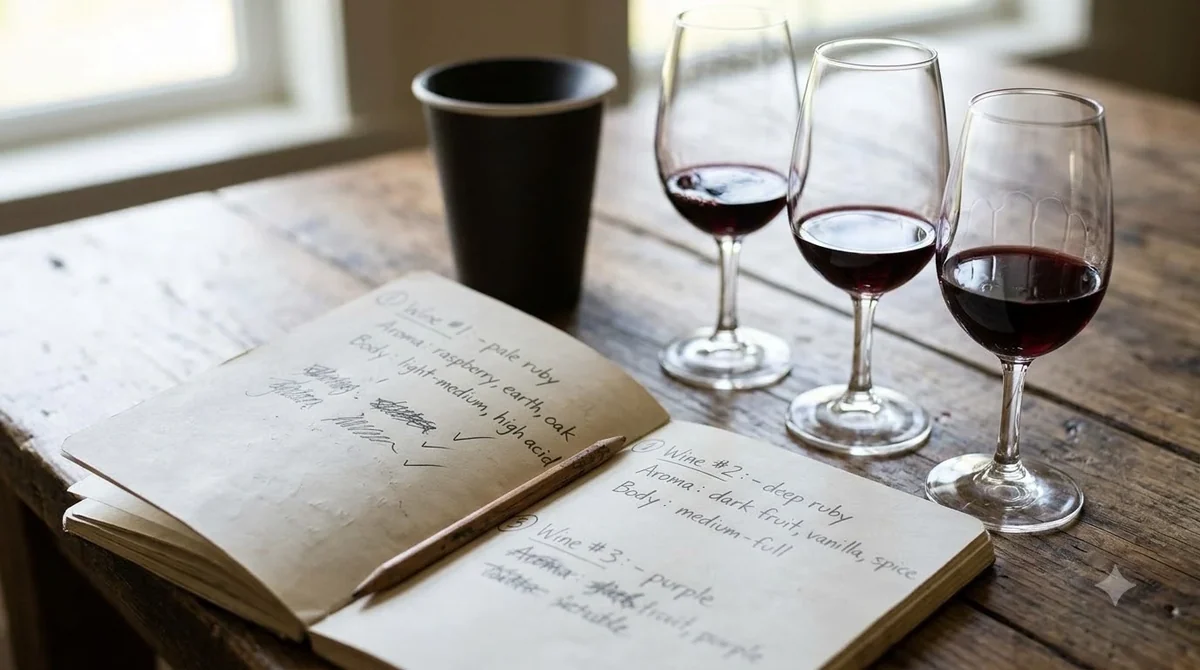
In the glass, dry Merlot shows a deep ruby hue that shifts toward brick or garnet at the rim as it matures. Cooler regions such as Bordeaux or New York’s Finger Lakes bring out red cherry, raspberry, graphite, and subtle herbal notes tied to natural compounds called pyrazines. Warmer growing areas like Napa Valley and Washington’s Columbia Valley push the fruit toward lush black cherry, blueberry, and plum, while French or American oak aging adds cocoa, vanilla, clove, and cedar.
What Pinotage Tastes Like
Pinotage produces an opaque, dark purple-red wine packed with ripe blackberry, black cherry, mulberry, and plum. Beneath that concentrated fruit sits a savory streak of woodsmoke, licorice, mocha, cured meat, and dried earth that sets it apart from French varieties. Winemakers must manage fermentation temperatures carefully with this grape; cool, controlled fermentations highlight clean berry and spice notes, whereas overly warm fermentations can trigger isoamyl acetate, an ester that smells like banana or nail polish, or a sharp burnt-rubber flaw.
Tip: If an older experience with harsh, smoky Pinotage put you off the grape, look for modern bottles from Stellenbosch or Swartland winemakers who use cool fermentation and French oak to keep the fruit clean and balanced.
Body, Tannins, Acidity, and Alcohol
Merlot typically offers medium to full body with soft, rounded tannins and moderate acidity, while Pinotage feels denser on the palate with firmer grip, brighter acidity, and slightly higher alcohol. Those structural contrasts dictate how heavy each wine feels on the tongue.
According to Wine Enthusiast, Merlot generally lands between 13% and 14% alcohol by volume in cooler French regions and climbs to around 14.5% ABV in warmer climates like California or Australia. Its thin skins yield medium tannins that coat the mouth smoothly rather than drying out the gums, paired with moderate acidity that keeps the wine plush. In contrast, South African Pinotage routinely reaches 13.5% to 15% ABV because the grape accumulates sugar rapidly in the warm Western Cape sun. Pinotage also carries medium-plus acidity and medium-plus tannins, giving it a bolder, more structured backbone that stands up to rich, charred foods.
| Attribute | Merlot | Pinotage |
|---|---|---|
| Primary Origin | Bordeaux, France | Stellenbosch, South Africa |
| Parent Grapes | Cabernet Franc x Madeleine Noire des Charentes | Pinot Noir x Cinsaut |
| Body | Medium to full | Full |
| Tannins | Medium, soft and velvety | Medium-plus, firmer grip |
| Acidity | Moderate | Medium-plus |
| Typical Alcohol (ABV) | 13%–14.5% | 13.5%–15% |
| Core Fruit Notes | Plum, black cherry, raspberry | Blackberry, mulberry, dark plum |
| Savory & Oak Notes | Cocoa, vanilla, cedar, subtle herbs | Woodsmoke, mocha, licorice, earth |
Readers curious how Pinotage stacks up against its famous Burgundian parent can explore pinot noir vs pinotage, which contrasts Pinot Noir’s light body and high acidity against Pinotage’s dark concentration. For those who prefer sweeter, low-alcohol pours over dry reds altogether, merlot vs moscato breaks down how dry tannins compare to lightly sparkling peach and orange blossom sweetness.
Key Growing Regions and Blends
Merlot is planted across almost every major wine country and anchors France’s most prized blends, whereas Pinotage remains overwhelmingly concentrated in South Africa’s Western Cape. Knowing where each grape excels helps decode bottle labels at the shop.
In France, Merlot dominates Bordeaux’s Right Bank, where clay-rich soils in Pomerol and Saint-Émilion produce supple, age-worthy wines—including 100% varietal icons like Château Pétrus and Château Le Pin. On Bordeaux’s Left Bank, winemakers blend smaller percentages of Merlot into Cabernet Sauvignon to soften angular tannins, a dynamic explained further in bordeaux vs merlot. Outside France, Merlot thrives in Tuscany, California’s Napa and Sonoma valleys, Washington’s Columbia Valley, and Chile’s Central Valley.
Pinotage accounts for roughly 7% of South Africa’s vineyard plantings, centered in Stellenbosch, Paarl, Swartland, and Durbanville. Following a 1976 dismissal by visiting Masters of Wine, winemaker Beyers Truter sparked a quality revival at Kanonkop in the late 1980s, winning International Winemaker of the Year in 1991 and proving that low-yielding bush vines could age for 15 to 25 years. Today, South African producers bottle Pinotage both as a single-varietal red and as the lead grape—typically 30% to 70%—in a Cape Blend alongside Cabernet Sauvignon and Merlot. Small experimental plantings also exist in New Zealand, California, Virginia, Canada, and Israel, though South Africa remains the primary source on retail shelves.
Food Pairing Strategies
Merlot’s plush texture and moderate tannins match roasted poultry, pork tenderloin, and mushroom dishes, while Pinotage’s smoky depth and firmer acidity stand up to barbecue, venison, and spiced grilled meats. Matching food weight and smoke intensity to each wine prevents either the dish or the glass from overpowering the table.
Because Merlot has medium, velvety tannins and moderate acidity, it pairs smoothly with dishes that feature mild umami, herbs, and gentle char rather than heavy spice or thick smoke. Roast chicken with thyme, herb-crusted pork loin, beef bourguignon, and wild mushroom risotto complement Merlot’s plum and cocoa notes without clashing. Salt and fat in aged cheddar, Gruyère, or a medium-rare filet mignon soften Merlot’s remaining tannins even further. Avoid pairing full-bodied Merlot with oily fish like mackerel or chili-heavy curries, since tannins clash with fish oils and high alcohol amplifies capsaicin heat.
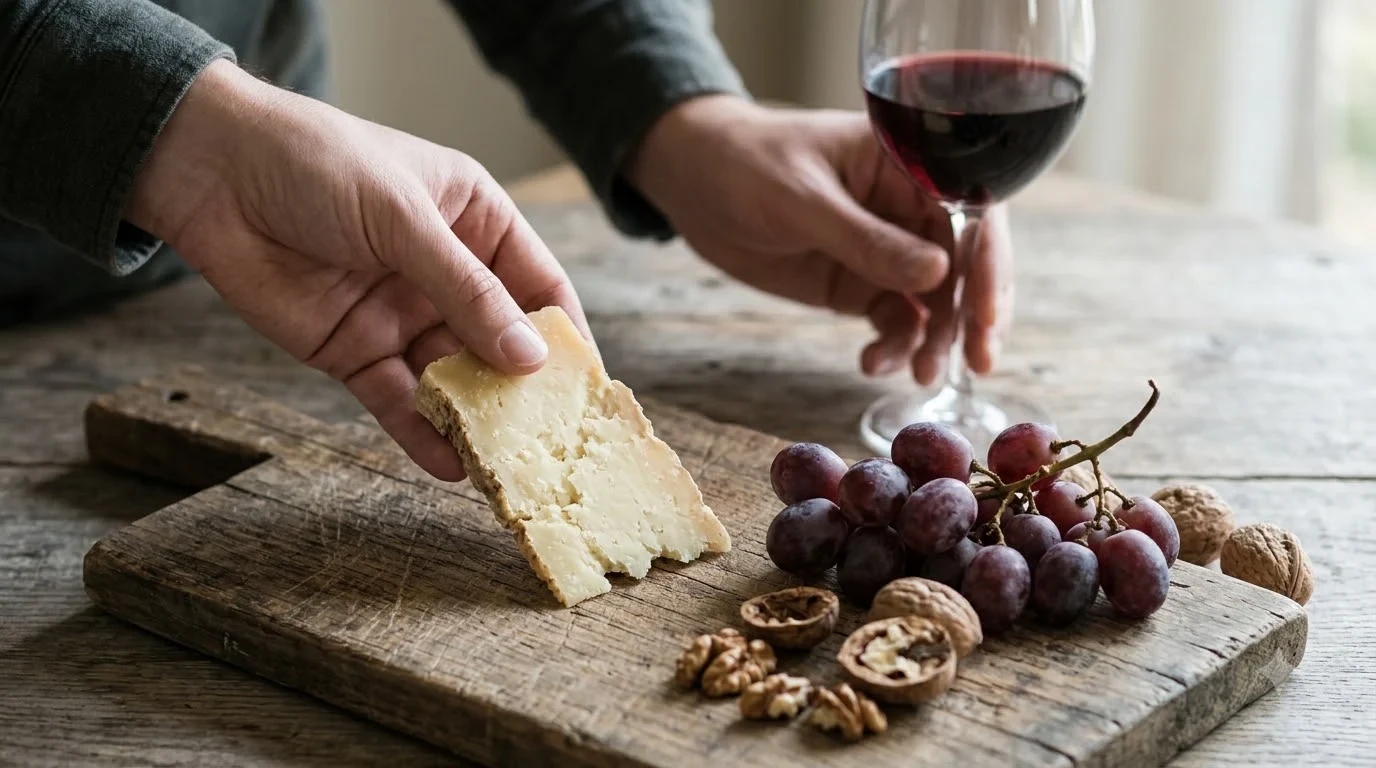
Pinotage was practically built for South African braai culture—cooking meat over open wood coals—and American backyard barbecue alike. Its natural woodsmoke and mocha aromas echo smoked brisket, barbecued pork ribs, grilled lamb chops, and venison sausages, while its medium-plus acidity cuts through rich marbling and tangy tomato-based sauces. Spiced dishes seasoned with cumin, coriander, smoked paprika, or black pepper also work well with Pinotage, provided chili heat stays moderate so the 14% to 15% ABV does not burn on the finish.
Serving Temperature, Decanting, and Storage
Both Merlot and Pinotage taste best served slightly below room temperature between 60°F and 65°F, though young, structured Pinotage benefits from a longer decant than everyday Merlot. Proper temperature control keeps alcohol heat in check and lets complex fruit aromas open up in the glass.
According to Wine Enthusiast, chilling a bottle from typical 70°F to 75°F room temperature down to the ideal 60°F to 65°F serving window takes about 15 minutes in a standard kitchen refrigerator. Pouring either red at 72°F makes the alcohol taste sharp and muddles the berry fruit. Standard 5-ounce pours yield roughly five glasses per 750-milliliter bottle, and a 5-ounce serving of dry Merlot provides around 125 calories with 0 to 4 grams of carbohydrates.
Young, oak-aged Pinotage and structured Right Bank Merlot benefit from 30 to 60 minutes in a decanter before serving so oxygen can soften firm tannins and blow off any tight reduction notes. Everyday, fruit-forward Merlot needs only 15 to 20 minutes of air in a large-bowled Bordeaux glass. Store unopened bottles on their sides in a cool, dark spot near 55°F to keep corks moist, and recork opened bottles in the refrigerator to preserve fresh flavor for several days.
Which Bottle Should You Choose?
Pick Merlot when the occasion calls for an easygoing, crowd-pleasing red with soft tannins and familiar dark fruit, and choose Pinotage when the menu features smoky barbecue, grilled game, or guests eager to try something distinctive. Both wines occupy similar everyday-to-cellar tiers, making style and dinner plans the deciding factors.
Merlot is the safer bet for mixed dinner parties, weeknight pasta with meat sauce, and anyone transitioning from lighter reds toward fuller styles, since its rounded texture rarely feels harsh on its own. Look for Washington State or Napa Valley Merlot for plush black cherry and chocolate, or Saint-Émilion for firmer structure and earthy minerality. Pinotage rewards drinkers who enjoy smoky Syrah, Zinfandel, or rustic Italian reds and want bold blackberry concentration paired with savory grill-friendly grip—check the label for old-vine or bush-vine bottlings from Stellenbosch or Swartland for the deepest balance. For side-by-side breakdowns of other classic grape matchups, browse the full Wine vs Wine comparison hub.
Frequently Asked Questions
Is Pinotage a sweet wine or a dry wine?
Classic red Pinotage is fermented dry, even though ripe mulberry and dark plum flavors can create an impression of richness. South African producers do occasionally make off-dry rosé or fortified Cape Tawny styles from Pinotage, so reading the back label confirms sweetness before buying.
Does Pinotage taste like Pinot Noir since they are related?
Despite having Pinot Noir as one of its parent grapes, Pinotage rarely tastes like delicate Burgundy because its other parent, Cinsaut, contributes thick skins, deep pigment, and warm-climate vigor. While Pinot Noir is pale ruby with high acidity and red cranberry fruit, Pinotage is dark purple, full-bodied, and packed with blackberry and smoke.
Can Merlot and Pinotage age in a home wine cellar?
Everyday bottles of both grapes are meant to be drunk within 2 to 5 years of the vintage date, but top examples age gracefully for decades. According to Decanter, concentrated bush-vine Pinotage from benchmark estates like Kanonkop can cellar for 15 to 25 years, matching the 15-to-30-year aging potential of top Bordeaux Right Bank Merlot.
Are Merlot and Pinotage used to make rosé or sparkling wine?
Yes, both grapes are versatile enough for pink and sparkling styles alongside traditional dry reds. In South Africa, winemakers press Pinotage gently with brief skin contact to produce crisp salmon-colored rosé and Cap Classique sparkling wines, while producers in France, California, and Washington craft dry Merlot rosé with bright strawberry and watermelon notes.
Which wine has more sulfites or histamines, Merlot or Pinotage?
Neither grape inherently carries higher sulfites, because winemakers add sulfur dioxide based on wine pH and cellar hygiene rather than grape variety. Darker, thicker-skinned red wines fermented on their skins—including both Merlot and Pinotage—naturally hold more histamines and tannins than white wines.
Comparing merlot vs pinotage highlights two very different sides of medium- to full-bodied red wine, from Bordeaux’s velvety plum and cocoa staple to South Africa’s smoky, dark-berried original. Keeping serving temperatures near 60°F to 65°F and matching Merlot to roasted dishes and Pinotage to open-flame grilling brings out the best in both bottles.
More in Wine vs Wine
 Chenin Blanc vs Pinot Gris: Acidity, Body, and Pairing DifferencesUpdated Nov 20, 2026
 Chianti vs Lambrusco: How Tuscany and Emilia-Romagna Reds CompareUpdated Nov 20, 2026
 Chianti vs Primitivo: Key Differences in Taste, Body, and PairingUpdated Nov 20, 2026
 Chianti vs Rioja: Key Differences in Taste, Aging, and PairingUpdated Nov 20, 2026
 Chianti vs Shiraz: How Acidity, Body, and Food Pairings CompareUpdated Nov 20, 2026
 Chianti vs Syrah: Key Differences in Taste, Body, and Food PairingUpdated Nov 20, 2026