

We may earn a commission when you buy through links on this page, at no extra cost to you. Learn more.
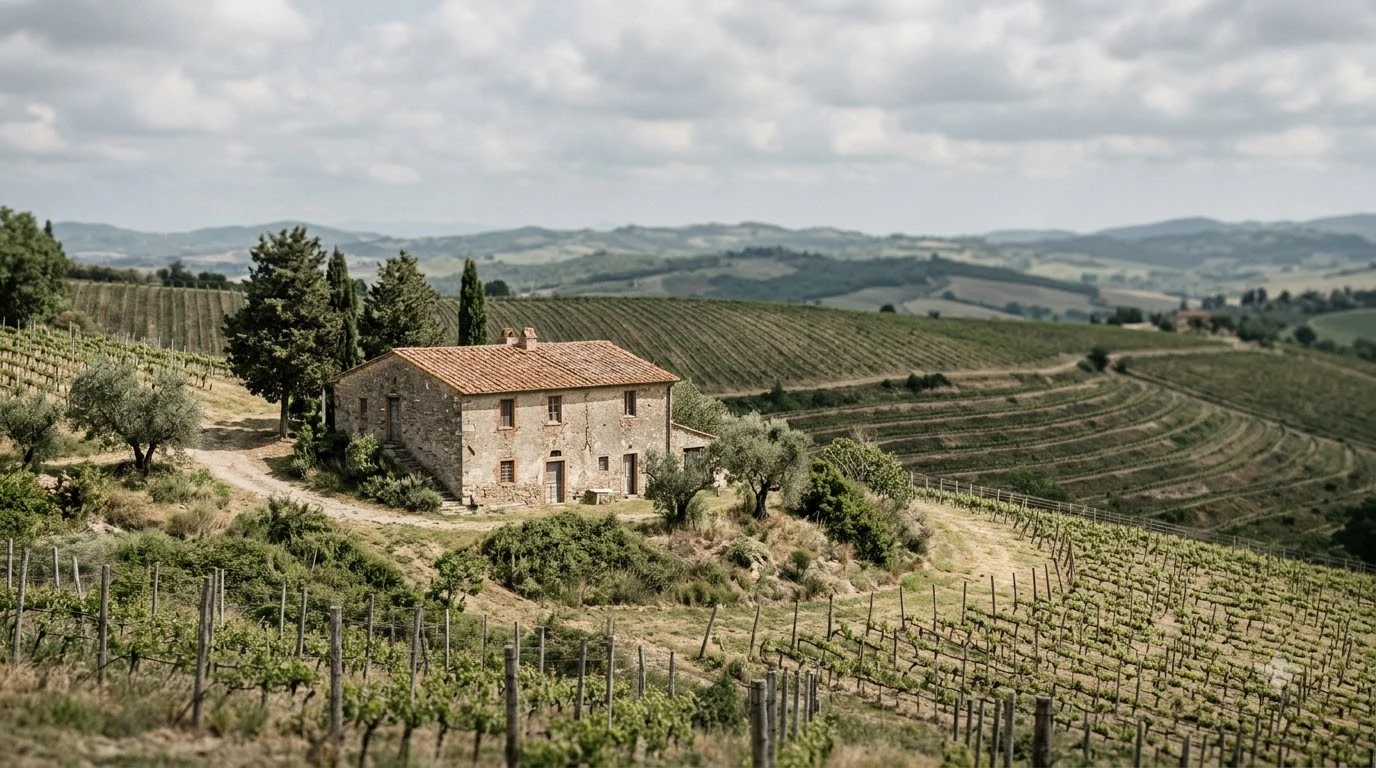
The walker bay wine region is a cool-climate wine district on South Africa’s Western Cape coast, best known for elegant Pinot Noir and Chardonnay from the Hemel-en-Aarde valleys near Hermanus. Its Atlantic influence, varied soils, and sheltered vineyard sites create conditions that favor fresh, balanced wines rather than excessively ripe, heavy styles. Sauvignon Blanc, Pinotage, Chenin Blanc, and Shiraz also contribute to the district’s distinctive identity, with different vineyard areas producing noticeably different expressions.
Walker Bay offers a compelling example of how geography shapes wine. Although its name refers to a broad coastal district, the vineyards are spread across several distinct growing areas, including Hemel-en-Aarde, Bot River, and sites near Stanford. Understanding those differences makes it easier to recognize the region’s wines, choose bottles that suit a particular meal, and appreciate why South African cool-climate Chardonnay and Pinot Noir have attracted international attention.
Where Walker Bay Sits in South Africa’s Wine Geography
Walker Bay is a recognized Wine of Origin district in the Cape South Coast region of South Africa’s Western Cape. Hermanus is its principal coastal reference point, while the surrounding valleys and inland agricultural areas provide a variety of vineyard environments.
The district lies southeast of Cape Town, along a stretch of coastline influenced by the Atlantic Ocean. Hermanus is particularly well known for its coastal scenery and seasonal whale watching, but its surrounding countryside has also become an important destination for wine enthusiasts. Vineyards extend inland from the coast, where hills, valleys, and mountain slopes create different combinations of elevation, exposure, and soil.
Walker Bay belongs to South Africa’s formal Wine of Origin system. This system identifies the geographical origin of wine and organizes production areas into geographical units, regions, districts, and wards. The distinction matters because Walker Bay is not simply a marketing name for a collection of wineries. It is an officially defined wine district with a recognized geographical boundary.
The district includes several distinct wine-growing areas. Hemel-en-Aarde is its best-known center for Chardonnay and Pinot Noir, while Bot River has a broader assortment of varieties and distinctive maritime influences. Other areas, including Stanford Foothills and the surrounding countryside, contribute to the district’s wider wine identity.
The official geographical definition is important when reading wine labels. A bottle carrying the Walker Bay designation identifies a district of origin, while a more specific ward designation identifies a narrower production area. This allows buyers to distinguish between wines from different parts of the same coastal district.
Walker Bay should therefore be understood as a collection of related but different vineyard environments. The coastal influence connects the area, but local differences in elevation, exposure, and geology help explain why a Pinot Noir from one valley may taste different from another.
The Atlantic Climate and Its Influence on Vineyard Ripening
Walker Bay’s defining environmental feature is its cool maritime climate. Atlantic Ocean influence, summer sea breezes, and relatively moderate growing conditions help grapes retain freshness while developing ripe fruit character.
The Benguela Current plays an important role in the regional climate. This cold ocean current flows along the western coast of southern Africa and contributes to cooler seawater temperatures. Its influence, combined with the proximity of vineyards to the ocean, helps moderate temperatures in the surrounding wine-growing areas.
During summer, persistent cooling winds from Walker Bay can move inland through the valleys. These breezes help limit excessive daytime heat and influence the speed at which grapes ripen. For varieties such as Pinot Noir and Chardonnay, this moderation is particularly useful because both can lose their characteristic balance if exposed to excessive heat during ripening.
Cooler conditions also influence the relationship between sugar development and acidity. Grapes can reach suitable flavor maturity while retaining refreshing natural acidity. The resulting wines often have a more restrained fruit profile than examples from warmer South African districts.
Hemel-en-Aarde also benefits from seasonal rainfall patterns. Much of its annual rainfall occurs during winter, and the area receives more rainfall than many other Cape wine regions. These conditions have helped make dry farming possible in suitable vineyard locations, although water availability and vineyard management still depend on individual sites.
Elevation introduces another layer of variation. As vineyards extend farther inland and higher into the surrounding hills, exposure and airflow change. The higher sites can experience cooler conditions and additional air movement, which helps growers manage humidity and fungal disease pressure.
These factors explain why Walker Bay is particularly suitable for grapes that benefit from a longer, moderate growing season. Pinot Noir develops aromatic complexity, Chardonnay can retain lively acidity, and Sauvignon Blanc can express fresh citrus and herbal characteristics without relying on excessive ripeness.
Tip: When comparing Walker Bay wines, consider the vineyard location as well as the grape variety. A coastal Pinot Noir and one from a higher inland site may share regional freshness but differ in fruit intensity, texture, and aromatic expression.
For additional regional context, Wine Enthusiast’s overview of Hemel-en-Aarde explains how Atlantic influence, elevation, and different soils contribute to the area’s distinctive wines.
For a broader understanding of how geography influences South African wine, the Wine Regions resource provides useful context for comparing coastal, inland, and mountain-influenced growing environments.
Hemel-en-Aarde and Its Three Distinct Wards
Hemel-en-Aarde is Walker Bay’s most internationally recognized wine-growing area, particularly for Chardonnay and Pinot Noir. Its name means Heaven and Earth in Afrikaans, and its three principal wards demonstrate how differences in soil, elevation, and ocean proximity can shape wine style.
The area’s modern commercial vineyard development began in the 1970s. Its early producers recognized the potential of the coastal climate for varieties more commonly associated with cooler European wine regions. Rather than concentrating on a wide assortment of grapes, many growers focused on Chardonnay and Pinot Noir, helping establish a clear regional identity.
Hemel-en-Aarde Valley
Hemel-en-Aarde Valley is the lower-lying and more ocean-influenced part of the valley system. Its proximity to Hermanus and the Atlantic contributes to its cool maritime character. Bokkeveld shale-derived clay soils are important here, giving the area a geological identity that differs from some of the higher inland vineyards.
Pinot Noir from this ward is often appreciated for its fresh red-fruit character, aromatic detail, and balanced acidity. Depending on vineyard conditions and cellar choices, the wines may show cherry, raspberry, subtle earthy notes, and restrained spice. Chardonnay can combine citrus and orchard-fruit flavors with mineral impressions and a lively finish.
Upper Hemel-en-Aarde Valley
Moving farther inland, the Upper Hemel-en-Aarde Valley introduces different elevations and geological conditions. Decomposed granite is an important soil feature in this area, contrasting with the shale-derived clay found in parts of the lower valley.
The higher landscape and additional airflow influence vineyard conditions. These factors can support slower ripening and help growers manage disease pressure. Pinot Noir and Chardonnay remain important, but the wines can show a different balance of fruit, structure, and texture from those produced closer to the coast.
Hemel-en-Aarde Ridge
Hemel-en-Aarde Ridge is another important part of the valley’s wine identity. Bokkeveld shale-derived soils are also found here, while differences in vineyard position and exposure contribute to individual site characteristics.
Ridge vineyards demonstrate why it is misleading to treat all Hemel-en-Aarde wines as interchangeable. Even when producers work with the same grape variety, changes in slope, elevation, soil composition, and exposure can influence the finished wine.
The three wards share a broad cool-climate identity, but each provides a distinct setting for viticulture. Wine enthusiasts interested in comparing these differences can explore Walker Bay vineyards to understand how individual growing sites contribute to regional character.
Principal Grapes and Wine Styles of Walker Bay
Chardonnay and Pinot Noir are Walker Bay’s signature varieties, especially in Hemel-en-Aarde. However, the district produces a wider selection of wines, and Bot River and other areas contribute important white and red varieties.
Climate and vineyard conditions determine which varieties are particularly successful. The following table summarizes the principal grapes, their typical characteristics, and the styles worth looking for when exploring the region.
| Grape | Typical wine character | Regional importance |
|---|---|---|
| Pinot Noir | Red cherry, raspberry, earthy notes, fresh acidity, relatively gentle tannin | Signature red of Hemel-en-Aarde |
| Chardonnay | Citrus, apple, pear, mineral impressions, balanced acidity | Signature white of Hemel-en-Aarde |
| Sauvignon Blanc | Citrus, green fruit, herbal aromas, high acidity | Important coastal and inland white |
| Chenin Blanc | Apple, quince, stone fruit, refreshing acidity, variable texture | Particularly relevant in Bot River |
| Pinotage | Red and dark fruit, spice, medium to firm tannin | Established regional red variety |
| Shiraz | Blackberry, pepper, savory spice, medium-plus to high tannin | Important in Bot River and other sites |
| Merlot | Plum, red fruit, softer medium tannin | Part of the district’s broader red-wine selection |
Pinot Noir: The Region’s Leading Red
Pinot Noir is particularly well suited to Walker Bay’s cooler conditions. The grape has relatively low to medium tannin and naturally high acidity, making it a useful choice for producing red wines with aromatic complexity and a lighter structural profile.
Typical aromas include red cherry, raspberry, strawberry, forest floor, and sometimes subtle earthy or savory notes. Oak treatment can add vanilla, baking spice, or toasted characteristics, but the extent of oak influence depends on the producer.
Not every Walker Bay Pinot Noir is delicate or light-bodied. Some producers make wines with greater concentration, darker fruit, and more noticeable structure. Nevertheless, freshness and balance remain important elements of the region’s reputation.
Chardonnay: A Coastal White-Wine Specialty
Chardonnay is the other defining variety. Its versatility allows producers to make wines ranging from restrained, citrus-driven expressions to richer examples with greater texture and oak influence.
Unoaked or lightly oaked examples can emphasize lemon, green apple, pear, and mineral impressions. Barrel-fermented wines may develop creamy textures, toasted notes, and subtle spice while maintaining the natural acidity associated with cooler growing conditions.
Chardonnay’s medium acidity makes it adaptable at the dinner table. The combination of fresh fruit, texture, and balanced acidity helps explain why Walker Bay examples work particularly well with seafood, poultry, and creamy dishes.
Other Regional Varieties
Sauvignon Blanc offers a different interpretation of the coastal environment. Its high acidity and aromatic profile can produce wines with lime, grapefruit, green apple, and herbal notes. These wines are especially useful for drinkers who prefer a crisp white rather than a textured Chardonnay.
Chenin Blanc is particularly relevant in Bot River, where it can show a range of expressions depending on vineyard conditions and winemaking. Some examples emphasize fresh citrus and apple, while others have more body and stone-fruit character.
Pinotage and Shiraz contribute additional red-wine styles. Pinotage connects Walker Bay with South Africa’s wider wine heritage, while Shiraz can provide more pronounced dark fruit, pepper, and savory character.
The region is therefore not limited to two varieties. Chardonnay and Pinot Noir provide its clearest international identity, but the broader district rewards exploration beyond those familiar names.
Bot River, Stanford, and the Wider Walker Bay Landscape
Walker Bay’s wine identity extends beyond Hemel-en-Aarde. Bot River, Stanford Foothills, and other surrounding areas contribute different grape varieties, vineyard conditions, and approaches to winemaking.
Bot River is particularly interesting because its landscape combines coastal influence with inland valley conditions. The ward includes Bot River village and valley, extending from the Bot River lagoon toward the foothills of the Groenlandberg and Babylonstoren mountain ranges. Its proximity to both the lagoon and Walker Bay creates a cool maritime microclimate.
Afternoon winds move inland from the sea, moderating growing conditions. The region’s soils include Bokkeveld shale, particularly the Glen Rosa and Klapmuts formations, as well as Table Mountain sandstone. This geological variety helps create opportunities for several grape varieties.
Chenin Blanc, Sauvignon Blanc, Pinotage, and Shiraz are particularly relevant in Bot River, alongside other Rhône varieties. This wider selection gives the ward a different emphasis from Hemel-en-Aarde, where Chardonnay and Pinot Noir dominate the regional conversation.
Bot River is also associated with a diverse collection of smaller, handcrafted wineries. Its character is less tightly associated with one pair of grape varieties, making it a worthwhile destination for visitors interested in discovering less familiar South African wine styles.
Stanford Foothills adds another dimension to the wider Walker Bay landscape. This area combines agricultural surroundings, smaller wine producers, and a quieter rural atmosphere. Its position farther from the immediate coastal center helps demonstrate the variety of environments included within the district.
The distinction between these locations is useful when selecting wines. Someone seeking a classic cool-climate Pinot Noir might begin with Hemel-en-Aarde, while someone interested in Chenin Blanc, Rhône varieties, or distinctive Pinotage might find Bot River more rewarding.
Visitors can also use a regional directory of Walker Bay wineries to compare cellar experiences and identify producers working with particular varieties. Visiting several areas rather than concentrating on one valley provides a more complete understanding of the district.
The official Wines of South Africa regional overview provides further information about the Walker Bay district, including the Bot River ward, its soils, and its principal grape varieties.
Food Pairings and Serving Walker Bay Wines
Walker Bay wines are versatile at the table because their freshness and moderate weight suit a wide range of foods. Pinot Noir works especially well with poultry, mushrooms, and lighter meat dishes, while Chardonnay is a natural companion for seafood and creamy preparations.
Pairing Pinot Noir with Food
Pinot Noir’s relatively gentle tannin and high acidity make it suitable for foods that can overwhelm heavier red wines. Roasted chicken, duck, grilled salmon, mushroom risotto, and herb-roasted pork are useful pairings.
Its acidity helps balance savory richness, while its red-fruit character complements ingredients such as cherries, thyme, and mushrooms. For a regional-style dinner, try a Walker Bay Pinot Noir with roasted chicken, sautéed mushrooms, and a modest amount of fresh herbs.
Pinot Noir can also work with grilled tuna and other meaty fish preparations, provided the wine is not excessively tannic or heavily extracted. Very tannic reds are generally less suitable for oily fish because the combination can create an unpleasant metallic impression.
Pairing Chardonnay with Food
Chardonnay offers more flexibility than many people expect. Fresh, lightly oaked examples work with grilled fish, prawns, roast chicken, and vegetable dishes. Richer barrel-influenced wines can complement lobster, creamy pasta, and dishes prepared with butter-based sauces.
Acidity is an important consideration. A lemon-based seafood dish benefits from a wine with equal or greater acidity, so a fresh Walker Bay Chardonnay is generally a more appropriate choice than a very soft, low-acid white.
Pairing Sauvignon Blanc and Chenin Blanc
Sauvignon Blanc’s high acidity makes it particularly useful with goat cheese, oysters, salads, and grilled white fish. Its citrus and herbal notes can also complement dishes featuring parsley, cilantro, asparagus, and fresh lemon.
Chenin Blanc is adaptable because its texture and sweetness vary across different examples. Dry styles work with seafood, roasted vegetables, and chicken, while slightly off-dry wines can complement mildly spicy dishes and fruit-based sauces.
Serving Temperatures
Serving temperature can make a noticeable difference to how these wines perform. Excessively cold whites may lose aromatic detail, while warm reds can seem more alcoholic and less balanced.
| Wine style | Recommended temperature | Practical serving advice |
|---|---|---|
| Walker Bay Chardonnay | 50–55°F | Serve cool enough to preserve freshness while allowing aromas to develop. |
| Sauvignon Blanc | 45–50°F | Chill before serving, then allow the wine to warm slightly in the glass. |
| Chenin Blanc | 45–50°F | Use the cooler end for crisp styles and the warmer end for fuller examples. |
| Pinot Noir | 55–60°F | Serve slightly below typical room temperature. |
| Shiraz | 60–65°F | Allow fuller-bodied examples to show their fruit and structure. |
A standard wine pour is approximately 5 ounces, and a 750 ml bottle provides about five such servings. For a dinner featuring several Walker Bay styles, begin with Sauvignon Blanc or Chardonnay before moving to Pinot Noir and Shiraz.
Young, fuller-bodied reds may benefit from 30 to 60 minutes of decanting, although this is not usually necessary for every Pinot Noir. Once opened, most still wines can be refrigerated and generally remain enjoyable for approximately three to five days, depending on their condition and storage.
Buying, Storing, and Exploring Walker Bay Wines
The best way to approach Walker Bay is to compare producers and vineyard locations rather than relying on grape variety alone. The region’s combination of cool coastal sites, inland slopes, and different geological formations means that wines sharing a district designation can offer quite different experiences.
For a first purchase, Chardonnay and Pinot Noir are logical starting points. These varieties provide the clearest introduction to the Hemel-en-Aarde area’s reputation. A Sauvignon Blanc or Chenin Blanc offers a useful contrast, while Pinotage and Shiraz are good choices for anyone interested in the region’s broader red-wine production.
When choosing a bottle, consider the producer’s approach to oak, fermentation, and extraction. A Chardonnay aged in substantial new oak may feel richer and more textured than a stainless-steel or lightly oaked example. Similarly, Pinot Noir made with restrained extraction can feel more delicate than one produced for greater concentration and structure.
Vintage also matters. Cooler or wetter growing seasons can produce different levels of fruit concentration and acidity compared with warmer, drier conditions. Rather than assuming that every vintage will have the same character, compare producer notes and vintage information when selecting a bottle for a particular occasion.
Storage is important once a bottle is purchased. Keep wine away from direct sunlight, heat sources, and repeated temperature fluctuations. A relatively stable environment near 55°F is suitable for longer-term storage, and bottles sealed with natural cork are generally best stored on their sides to keep the cork from drying out.
For immediate drinking, refrigeration is useful even for Pinot Noir. Take a red bottle out of the refrigerator shortly before serving so that it can approach the recommended 55–60°F range. This is especially helpful in warm climates, where an indoor room temperature may be considerably higher than the ideal serving temperature.
Visitors planning a wine-focused trip can use Hermanus as a convenient base for exploring the surrounding countryside. Hemel-en-Aarde offers a concentrated selection of producers, while Bot River provides a different landscape and a broader range of grape varieties. Stanford adds another rural wine destination to the wider itinerary.
Cellar visits should be planned with individual producers because opening hours, tasting arrangements, and food availability can differ. Some wineries concentrate on seated tastings, while others offer food experiences or outdoor settings. Allow sufficient time to travel between locations rather than treating the entire district as one compact tasting area.
The region also offers opportunities to combine wine visits with coastal scenery and outdoor activities around Hermanus. Seasonal whale watching, the nearby natural reserves, and the area’s mountain landscapes make Walker Bay an appealing destination for travelers who want more than a series of cellar tastings.
For American buyers, the most useful approach is to start with a bottle clearly identified by its Walker Bay or Hemel-en-Aarde origin, then compare the producer, grape variety, and vintage. This provides a straightforward introduction to the district without assuming that every wine carrying the same regional name will taste alike.
Frequently Asked Questions
What does Walker Bay mean on a South African wine label?
Walker Bay identifies a recognized geographical district under South Africa’s Wine of Origin system. The designation concerns the wine’s certified geographical origin rather than a required grape variety or specific winemaking technique. The Wine Certification Authority oversees the certification framework.
Is Hemel-en-Aarde the same thing as Walker Bay?
No. Walker Bay is the broader wine district, while Hemel-en-Aarde is a group of more specific wine-growing wards within it. The name Hemel-en-Aarde translates as Heaven and Earth, reflecting its Afrikaans origin. A wine labeled with a specific Hemel-en-Aarde ward provides a more precise geographical indication than one labeled only Walker Bay.
How many producers are associated with Hemel-en-Aarde?
The Hemel-en-Aarde area has more than 20 wine producers, according to Wine Enthusiast. These producers are largely focused on site-specific wines, particularly Chardonnay and Pinot Noir. The number can change as new producers establish vineyards and wineries in the valley.
Is Walker Bay suitable for organic or sustainable wine production?
The region’s climate and vineyard environments can support different approaches to sustainable viticulture, but Walker Bay origin alone does not certify a wine as organic or sustainable. Individual producers may follow environmental programs, organic practices, or other vineyard-management standards. Buyers interested in certification should look for the relevant producer information and recognized certification marks.
Can Walker Bay Pinot Noir age in the bottle?
Yes. Some well-made Walker Bay Pinot Noir can develop additional complexity with bottle age, including more pronounced earthy and savory characteristics. The ideal aging period depends on the producer, vintage, concentration, and winemaking approach. Not every bottle is intended for extended cellaring, so producer guidance is useful when deciding whether to drink or store a particular wine.
The Walker Bay wine region demonstrates how a cool maritime environment, distinctive soils, and varied vineyard elevations can create wines with a strong sense of place. Its Chardonnay and Pinot Noir offer an excellent introduction, while Bot River, Stanford Foothills, and the district’s other growing areas provide plenty of reasons to explore further. For anyone interested in South African wine beyond its warmer inland regions, Walker Bay is an especially rewarding place to begin.
More in Wine Regions
 Willcox Wine Trail: Discover Arizona’s High-Elevation Wine CountryUpdated Nov 20, 2026
 Yakima Valley Wine Region: Find the Best Styles to TryUpdated Nov 20, 2026
 Vosne Romanee Wine Tasting: Identify Aromas and Choose Better PairingsUpdated Nov 20, 2026
 Yakima Valley Wine Festival: Find the Best Seasonal Wine EventsUpdated Nov 20, 2026
 Wales Vineyards: Discover Cool-Climate Wines and Where to VisitUpdated Nov 20, 2026
 Yountville Wine Festival: Discover Napa Wines and Local FoodUpdated Nov 20, 2026