

We may earn a commission when you buy through links on this page, at no extra cost to you. Learn more.
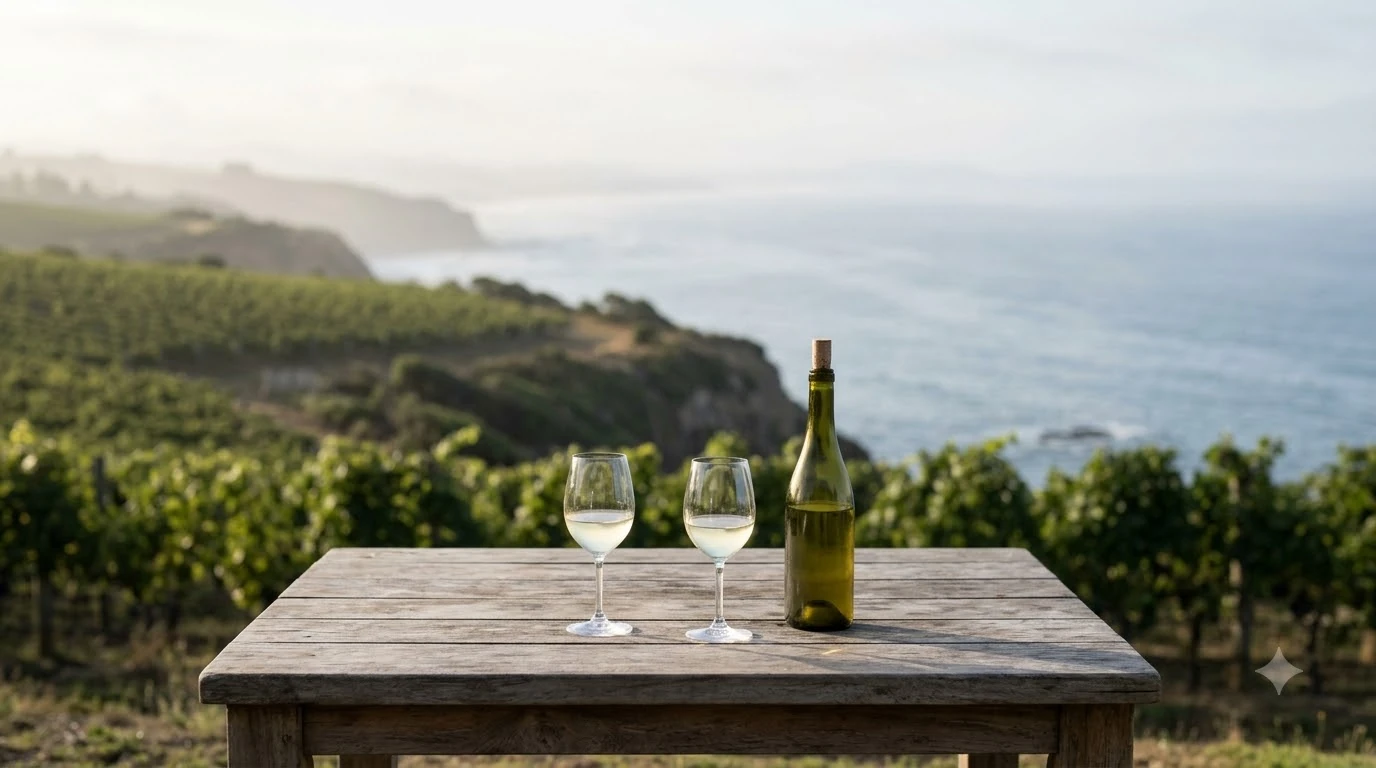
Walker Bay wineries are found around Hermanus in South Africa’s Western Cape, where cool Atlantic breezes, varied soils and maritime conditions produce particularly impressive Pinot Noir and Chardonnay. The best-known estates include Hamilton Russell Vineyards, Bouchard Finlayson, Newton Johnson Wines, Creation Wines and Ataraxia Wines. Visitors can also explore distinctive producers in Bot River and other parts of the district, discovering everything from Sauvignon Blanc and Chenin Blanc to Syrah, Pinotage and sparkling Cap Classique.
Walker Bay is one of South Africa’s most interesting destinations for cool-climate wine. Its combination of coastal influence, mountain landscapes and distinct vineyard areas gives visitors an opportunity to explore several different expressions of the Cape’s wine culture without traveling between distant wine-producing regions. Whether the priority is elegant Burgundy-inspired reds, mineral white wines, welcoming tasting rooms or a leisurely lunch among the vineyards, the area offers plenty of worthwhile stops. Understanding its geography and principal producers makes it easier to plan a rewarding visit.
Understanding the Walker Bay Wine District
Walker Bay is a wine-producing district on South Africa’s southern coast, centered around Hermanus in the Western Cape. Its maritime conditions distinguish it from many warmer South African wine-growing areas, making it particularly suitable for grapes that benefit from gradual ripening and natural acidity.
The nearby Atlantic Ocean plays a major role in shaping vineyard conditions. Cooling coastal winds help moderate temperatures, while differences in elevation, exposure and soil composition create individual growing environments. These influences are particularly important for Pinot Noir and Chardonnay, two varieties that respond sensitively to their growing conditions and are closely associated with Walker Bay’s reputation.
The district belongs to the Cape South Coast wine region within South Africa’s Wine of Origin system. It contains several distinct wards rather than one uniform vineyard landscape. Among the best-known are Hemel-en-Aarde Valley, Upper Hemel-en-Aarde Valley and Hemel-en-Aarde Ridge. Other areas include Bot River, Sunday’s Glen, Springfontein Rim and Stanford Foothills. The Wines of South Africa overview of the country’s wine-growing areas explains the district’s official geography and the varieties associated with its different wards.
Each area contributes something different. The Hemel-en-Aarde valleys are especially associated with restrained, cool-climate wines, while Bot River has an individual identity shaped by its lagoon, inland valleys and varied planting choices. The broader district therefore offers considerably more variety than its reputation for Pinot Noir alone might suggest.
For visitors, Hermanus provides a convenient starting point. The town offers accommodation, restaurants and access to the surrounding wine routes. It is also known for coastal scenery and seasonal whale watching, giving a wine-focused trip plenty of opportunities for activities beyond the tasting room.
Travelers researching the area’s wine styles can also begin with this overview of Walker Bay wine, which provides useful context for understanding the character of the bottles produced here.
Hemel-en-Aarde Valley and Its Leading Wine Estates
Hemel-en-Aarde is the best-known wine-growing area associated with Walker Bay and a natural starting point for anyone interested in the district’s most established producers. Its proximity to Hermanus, maritime conditions and distinctive vineyard sites have helped establish its reputation for refined Chardonnay and Pinot Noir.
The name Hemel-en-Aarde translates from Afrikaans as Heaven and Earth. The wine route follows a valley inland from Hermanus, with vineyards occupying different elevations and aspects. The resulting differences in exposure and soil create opportunities for winemakers to produce wines with individual personalities even when they work with the same grape variety.
Hamilton Russell Vineyards is one of the most recognizable names in the area. Its position close to the ocean makes it particularly relevant to visitors interested in the relationship between maritime conditions and wine style. The estate specializes in Pinot Noir and Chardonnay, making it an excellent reference point for understanding the varieties that helped put Hemel-en-Aarde on the international wine map.
Bouchard Finlayson is another important stop. The winery was established in 1989 through a collaboration between Paul Bouchard and Peter Finlayson. Its reputation makes it particularly interesting for visitors wanting to explore the local expression of Pinot Noir. Pinot Noir from cool coastal vineyards can combine red-fruit aromas, fresh acidity and fine tannins rather than the heavier structure found in some warmer-climate reds.
Whalehaven is another established name. The winery began producing wines in 1995 and is identified by Hermanus Tourism as the third-oldest wine producer in the Hemel-en-Aarde Valley. Its range provides an additional opportunity to explore the area’s white and red wine styles.
Ataraxia Wines offers another perspective on the valley. Founded in 2004, the estate has a hilltop tasting room near Babylon Toring Mountain. Its elevated setting makes it an appealing addition to an itinerary that includes producers closer to the main valley floor.
Rather than treating every estate as an interchangeable tasting stop, visitors should consider comparing the same grape variety from different producers. Tasting two or three local Pinot Noirs, for example, can reveal differences in fruit expression, acidity, oak treatment and tannin structure. A similar comparison with Chardonnay can highlight differences in texture, citrus character and winemaking approach.
Upper Hemel-en-Aarde Valley and Ridge Producers
The Upper Hemel-en-Aarde Valley and Hemel-en-Aarde Ridge extend the district’s cool-climate identity into different vineyard settings. Their higher and more varied sites give visitors additional opportunities to compare Chardonnay and Pinot Noir while discovering producers with distinctive approaches to winemaking.
The three Hemel-en-Aarde wards should not be regarded as identical. Elevation, slope direction, soil composition and distance from the ocean all influence growing conditions. As vineyards extend farther inland and upward, differences in exposure and temperature can affect ripening patterns and the character of the resulting wines.
Newton Johnson Wines is an important name for visitors interested in Upper Hemel-en-Aarde. Its vineyards lie approximately nine kilometers inland from Hermanus, high on the mountainside. The location provides an opportunity to appreciate the relationship between vineyard elevation, ocean influence and cool-climate varieties.
Creation Wines is another popular destination along the Hemel-en-Aarde road. The estate is approximately 18 kilometers inland from Hermanus and was established in 2002. It is particularly attractive to visitors who want to combine wine tasting with food. Its wine and food-pairing experiences provide an alternative to a day consisting entirely of cellar-door tastings.
Seven Springs Vineyards is situated along the route between Hermanus and Caledon. Its location makes it a useful consideration for travelers exploring the wider valley rather than concentrating exclusively on wineries nearest Hermanus.
Hasher Family Wines is another producer to investigate in the broader area. Smaller wineries can offer a different perspective from the better-known estates, allowing visitors to discover the range of producers contributing to the district’s reputation.
Visitors should pay attention to the origin information on individual bottles. A wine labeled Hemel-en-Aarde Valley is not necessarily identical in character to one associated with Upper Hemel-en-Aarde Valley or Hemel-en-Aarde Ridge. These distinctions help explain why comparing producers and vineyard origins can be more informative than choosing wines solely by grape variety.
The Wesgro guide to the Hemel-en-Aarde Wine Route provides additional details about the route’s wineries, including Hamilton Russell, Bouchard Finlayson, Newton Johnson, Ataraxia and Creation.
Bot River and the Wider Walker Bay Winery Scene
Bot River provides a different perspective on Walker Bay, with a broader range of grape varieties and a distinctive maritime environment influenced by the Bot River Lagoon. It is particularly interesting for visitors who want to move beyond the familiar Pinot Noir and Chardonnay combination.
The Bot River ward extends from the village and lagoon toward the foothills of the Groenlandberg and Babylonstoren mountain ranges. Its proximity to the lagoon and Walker Bay contributes to a cool maritime microclimate. Afternoon breezes move inland from the sea, helping moderate vineyard temperatures.
According to Wines of South Africa, the area’s principal soil types include Bokkeveld shale and Table Mountain sandstone. These geological differences, together with its coastal influence, help explain why Bot River can support a range of wine styles.
Chenin Blanc, Sauvignon Blanc, Pinotage and Shiraz are among the varieties identified as particularly successful in the ward. Rhône varieties also have a place in its wine production. This diversity makes Bot River a useful destination for people interested in exploring less conventional Walker Bay wines.
Benguela Cove Lagoon Wine Estate is one of the recognizable names in this wider area. It is located approximately 18 kilometers outside Hermanus, near the Bot River Lagoon. Its location at the gateway to the Walker Bay wine region makes it a convenient option for travelers approaching from the Hermanus side.
Bartho Eksteen Wine Estate offers another interesting range. The family-owned estate specializes in Sauvignon Blanc, Cap Classique, Pinot Noir and Syrah-based red blends. This combination makes it particularly useful for visitors interested in comparing white, sparkling and red wines at one producer.
Visitors can also explore the broader Bot River wine community, which includes wineries with different scales and winemaking philosophies. Wines of South Africa describes the ward as home to an eclectic collection of handcrafted producers. That diversity makes it an attractive alternative to a tasting itinerary focused entirely on the Hemel-en-Aarde estates.
The wider Walker Bay district also includes producers around Stanford and other surrounding areas. These destinations expand the choice of wines and landscapes available to travelers willing to spend more time exploring the region.
Which Walker Bay Wineries Should You Visit?
The best wineries to visit depend on the styles of wine you enjoy and the type of experience you want. First-time visitors will generally benefit from combining established Pinot Noir and Chardonnay specialists with at least one estate offering a broader range or a food-focused experience.
The following producers provide a useful starting point for building a varied itinerary. Their locations and specializations make it possible to explore different aspects of Walker Bay without expecting every winery to offer the same experience.
| Winery | Area or location | Reason to visit |
|---|---|---|
| Hamilton Russell Vineyards | Hemel-en-Aarde Valley | Established Pinot Noir and Chardonnay specialist |
| Bouchard Finlayson | Hemel-en-Aarde Valley | Important name in the local Pinot Noir story |
| Newton Johnson Wines | Upper Hemel-en-Aarde | Family-owned winery and cool-climate wines |
| Creation Wines | Hemel-en-Aarde Ridge | Wine and food-pairing experiences |
| Ataraxia Wines | Hemel-en-Aarde | Elevated vineyard setting and wine tasting |
| Bartho Eksteen Wine Estate | Hemel-en-Aarde area | Sauvignon Blanc, Cap Classique and red blends |
| Benguela Cove | Bot River Lagoon | Lagoon-side setting and varied wine experiences |
| Whalehaven | Hemel-en-Aarde entrance | Established local wine producer |
| Seven Springs Vineyards | R320 between Hermanus and Caledon | Additional valley producer to explore |
For a first visit, Hamilton Russell Vineyards and Bouchard Finlayson make a logical starting pair because of their association with the region’s Pinot Noir and Chardonnay reputation. Adding Newton Johnson provides another opportunity to compare wines from a different part of the valley.
Visitors who prefer to include food should consider Creation Wines. Those interested in sparkling wine and a wider selection of varieties can add Bartho Eksteen. Benguela Cove offers another type of setting, particularly for travelers who want to explore the lagoon area as part of their day.
It is also worth considering the distinction between a winery’s reputation and the visitor experience. A famous producer may offer a focused tasting rather than a lengthy tour, while a smaller estate may provide a more informal opportunity to discuss vineyard conditions and winemaking. Neither approach is inherently better; the ideal choice depends on the experience being sought.
Tip: Plan approximately 2 to 3 winery visits for a relaxed tasting day. Allow about 60 to 90 minutes at each stop, with additional time for lunch, vineyard views and driving. Confirm tasting availability and reservation requirements directly with each estate before setting out.
Walker Bay Wine Styles and What to Taste
Pinot Noir and Chardonnay are the district’s signature varieties, but Walker Bay offers considerably more than these two grapes. Its coastal conditions support several varieties that retain freshness and distinctive fruit character, while different wards contribute their own interpretations of familiar wine styles.
Pinot Noir
Pinot Noir is perhaps the most recognizable red wine associated with Hemel-en-Aarde. It typically offers red cherry, raspberry, strawberry and sometimes earthy or savory notes. Its relatively low-to-medium tannin level and naturally high acidity make it a versatile wine at the table.
In Walker Bay, Pinot Noir often appeals to people who prefer freshness and finesse over concentrated, heavily extracted red wines. It is particularly suitable for roasted poultry, duck, mushroom dishes and grilled salmon. The wine’s acidity can also complement dishes featuring herbs and moderate richness.
Chardonnay
Chardonnay is the other central variety. The wines can combine citrus, green apple and orchard-fruit flavors with mineral impressions and varying degrees of richness. Oak treatment and lees contact may contribute additional texture and notes of toast or spice.
Chardonnay from Walker Bay is particularly attractive to people who enjoy white wines with both freshness and structure. Its medium acidity makes it adaptable to seafood, roast chicken, creamy vegetable dishes and moderately rich fish preparations.
Sauvignon Blanc and Chenin Blanc
Sauvignon Blanc provides a fresher, often more aromatic alternative. Its high acidity makes it suitable for seafood, salads, goat cheese and dishes featuring citrus or fresh herbs. It is an important variety in Bot River and appears in the portfolios of producers such as Bartho Eksteen.
Chenin Blanc is another variety worth seeking out, especially when exploring Bot River. Its style can range from crisp and mineral to more textured and fruit-driven. The grape’s versatility makes it suitable for seafood, roast chicken and a variety of vegetable-based dishes.
Syrah, Pinotage and Sparkling Wine
Syrah contributes a more structured red-wine option. Depending on the producer and growing conditions, it may show dark berries, pepper, savory spice and firmer tannins than Pinot Noir. Pinotage provides another distinctly South African expression, with fruit character and structure that vary according to the winemaking approach.
Cap Classique is particularly interesting for visitors who enjoy sparkling wine. South African Cap Classique is made using the traditional method, with the second fermentation taking place in the bottle. Bartho Eksteen’s association with this style makes the estate worth considering when planning a tasting that includes sparkling wines.
For a useful introduction to the district’s diversity, compare one Pinot Noir, one Chardonnay, one Sauvignon Blanc and one bottle from a less familiar variety. This simple tasting sequence offers a clearer picture of Walker Bay than concentrating exclusively on its best-known grape.
Planning a Walker Bay Winery Visit
A successful winery visit requires more than a list of estates. Distance, tasting schedules, meal arrangements and the number of stops all influence how enjoyable the day will be. Hermanus is the most convenient base for many visitors, particularly those who want to combine wine tasting with coastal activities.
The Hemel-en-Aarde Wine Route extends approximately 20 kilometers, according to Wesgro. This makes it possible to visit several producers without undertaking lengthy transfers between different wine-growing districts. However, vineyard roads and tasting appointments still require some planning.
Build a manageable itinerary
A good first-day itinerary can begin with a morning visit to Hamilton Russell Vineyards or Bouchard Finlayson. Continue with another producer in the valley, then leave time for a leisurely lunch or food-pairing experience at Creation Wines.
A second day can focus on the Upper Hemel-en-Aarde area and Bot River. Newton Johnson and Seven Springs are useful names to investigate for the former, while Benguela Cove and Bartho Eksteen offer opportunities to explore other styles and settings.
Travelers with only one day should avoid trying to visit every winery. Three carefully selected estates provide enough time to appreciate the differences between wines without turning the day into a rushed series of appointments.
Check tasting arrangements
Wine estates differ in how they organize visitor experiences. Some provide structured tastings, while others may offer food pairings, vineyard visits or restaurant services. Availability can also vary depending on the day of the week and the season.
Contact wineries directly before departure to establish opening hours, booking requirements, tasting options and whether food is available. This is particularly important for smaller producers, where tasting facilities and visitor capacity may be limited.
Allow time for the surroundings
Walker Bay is not simply a destination for cellar visits. Hermanus has a well-known coastline, scenic viewpoints and seasonal opportunities for observing southern right whales. The surrounding landscape also provides a reason to slow down between tastings rather than concentrating entirely on wine.
Visitors traveling from Cape Town should allow sufficient time for the journey and consider staying overnight in Hermanus. An overnight visit makes it easier to enjoy a relaxed tasting schedule, dinner at a local restaurant and another winery visit the following morning.
Anyone researching the area’s vineyard geography can also explore Walker Bay vineyards and the broader Walker Bay wine region to understand how individual locations contribute to the district’s wine identity. For comparisons with other South African and international destinations, the site’s Wine Regions resource provides additional background.
Frequently Asked Questions
Are Walker Bay wineries suitable for beginners?
Yes. The region offers recognizable grape varieties such as Chardonnay, Sauvignon Blanc and Pinot Noir, making it approachable for people who are still learning about wine. Beginners can ask tasting-room staff to explain acidity, tannin, oak influence and the differences between vineyard locations. Comparing two wines made from the same grape is a particularly useful way to develop tasting skills.
What does Hemel-en-Aarde mean?
Hemel-en-Aarde is an Afrikaans expression meaning Heaven and Earth. The name reflects the valley’s striking landscape, which combines mountain scenery, vineyard slopes and proximity to the Atlantic coastline. It is one of the most recognizable wine-growing names associated with South Africa’s Cape South Coast.
Can visitors buy Walker Bay wines directly from wineries?
Many wine estates provide opportunities to purchase their wines through their tasting facilities or other direct sales arrangements. Availability varies by producer, wine and vintage. Visitors interested in a particular bottle should contact the winery before traveling, especially if they want to purchase a limited-production wine or arrange international shipping.
What is the best season to visit Walker Bay wineries?
South Africa’s main grape harvest generally takes place during the Southern Hemisphere summer and early autumn, with timing varying according to grape variety and growing conditions. February and March can therefore be particularly interesting periods for observing harvest activity. Spring and summer also provide opportunities to enjoy vineyard landscapes and outdoor tasting areas, although visitor schedules and weather conditions vary.
Are Walker Bay wines suitable for aging?
Some of the region’s premium Pinot Noir and Chardonnay wines can develop additional complexity with bottle age. The balance of acidity, fruit concentration, tannin and winemaking decisions determines how successfully an individual wine will mature. Producers may also release structured Syrah and other reds intended for longer cellaring. Storage conditions should remain consistent, ideally around 55 degrees Fahrenheit, away from direct light and temperature fluctuations.
Walker Bay offers a compelling combination of cool-climate wines, distinctive vineyard landscapes and welcoming wine destinations. Start with the established Pinot Noir and Chardonnay producers of Hemel-en-Aarde, then explore Bot River and its wider selection of varieties to appreciate the district’s full range. With two or three well-chosen winery visits, a meal among the vineyards and time to enjoy Hermanus, a Walker Bay wine trip can become a memorable introduction to South Africa’s coastal winemaking.
More in Wine Regions
 Willcox Wine Trail: Discover Arizona’s High-Elevation Wine CountryUpdated Nov 20, 2026
 Yakima Valley Wine Region: Find the Best Styles to TryUpdated Nov 20, 2026
 Vosne Romanee Wine Tasting: Identify Aromas and Choose Better PairingsUpdated Nov 20, 2026
 Yakima Valley Wine Festival: Find the Best Seasonal Wine EventsUpdated Nov 20, 2026
 Wales Vineyards: Discover Cool-Climate Wines and Where to VisitUpdated Nov 20, 2026
 Yountville Wine Festival: Discover Napa Wines and Local FoodUpdated Nov 20, 2026