

We may earn a commission when you buy through links on this page, at no extra cost to you. Learn more.
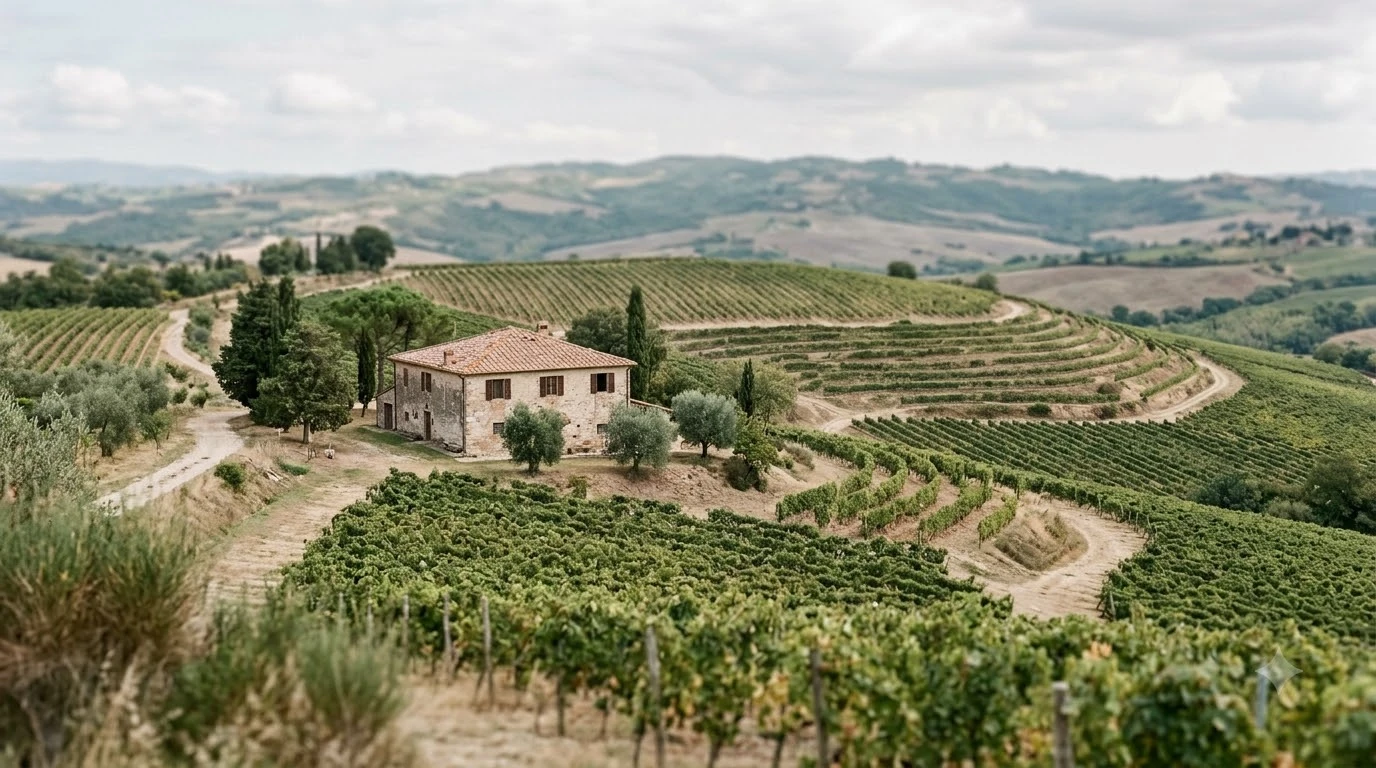
Maryland wine country offers four distinct wine-growing regions, three American Viticultural Areas, and wineries producing everything from aromatic Albariño and Cabernet Franc to traditional sparkling and sweet wines. Its vineyards stretch from the Appalachian foothills in western Maryland to the Chesapeake Bay and the warmer Southern Plain. Each area has different soils, temperatures, and growing conditions, giving visitors an unusually varied selection of local wines. Exploring the state’s wine trails is a practical way to discover its producers, landscapes, and regional food traditions.
Maryland is an established Mid-Atlantic wine destination with a history that predates many better-known American wine regions. Its relatively compact geography contains mountain slopes, rolling Piedmont farmland, coastal plains, and maritime vineyards. These differences influence which grapes thrive and how winemakers approach their wines. Whether planning a weekend in Frederick County, a Chesapeake Bay excursion, or a longer road trip through several counties, understanding the state’s geography makes choosing wineries much easier.
Maryland’s Four Wine-Growing Regions and Their Geography
Maryland’s wine industry is organized around four broad growing regions: the Piedmont Plateau, Western Mountain, Eastern Shore, and Southern Plain. Their contrasting elevations, soil conditions, and seasonal temperatures explain why Maryland does not rely on one signature grape or a single recognizable wine style.
The Piedmont Plateau is the state’s principal vineyard area. It extends across north-central Maryland, with vineyards and wineries around Frederick, Carroll County, Westminster, and areas north of Baltimore. Its rolling hills and varied elevations create different growing conditions within relatively short distances. Limestone-based soils are particularly interesting for growers looking to produce balanced wines with freshness and structure.
The Western Mountain region includes Washington, Allegany, and Garrett counties. Higher elevations, cooler conditions, and shorter growing seasons make grape selection especially important. Cold-hardy cultivars are useful here, and vineyard sites need to withstand potentially damaging winter temperatures. The mountainous landscape also creates opportunities for distinctive wines from vineyards with favorable slopes and drainage.
The Eastern Shore stretches along the Chesapeake Bay and includes Upper Shore, Mid Shore, and Lower Shore communities. Its sandy soils support drainage, while the bay moderates some temperature extremes. Mild winters and the maritime influence create conditions suitable for several grape varieties, including Albariño and other varieties associated with coastal climates.
The Southern Plain covers a warmer part of Maryland, including Anne Arundel, Prince George’s, Calvert, Charles, and St. Mary’s counties. Summer temperatures can remain high during the growing season, making Mediterranean varieties such as Barbera and Sangiovese interesting choices. The region’s warmth also creates opportunities for Chardonnay, Vidal Blanc, and other cultivars that can achieve adequate ripeness.
These regions are broad agricultural classifications rather than interchangeable tasting destinations. Two vineyards in different parts of the state can face substantially different challenges, even if they grow the same grape. Elevation, exposure, drainage, rainfall, and seasonal temperature patterns all influence harvest decisions and the resulting wines.
For visitors, the simplest approach is to choose one geographic area for a day rather than attempting to cover the entire state. Frederick and Carroll counties offer a convenient introduction to the Piedmont and mountain foothills, while Kent and Talbot counties provide a different experience along the Chesapeake. Travelers interested in understanding the larger American wine map can also explore Wine Regions for comparisons with other domestic and international growing areas.
Maryland’s Three AVAs and What They Mean
Maryland has three American Viticultural Areas, or AVAs: Linganore, Catoctin, and Cumberland Valley. These federally recognized geographic designations identify particular grape-growing areas rather than guaranteeing a specific quality level or wine style.
An AVA is a defined wine-growing region with geographic characteristics that distinguish it from surrounding areas. Under federal labeling rules, an American wine labeled with an AVA generally must contain at least 85 percent grapes grown within that area. The designation helps consumers understand the geographic origin of a wine, although individual vineyard conditions and winemaking decisions remain important. The federal TTB list of established American Viticultural Areas identifies Maryland’s AVAs and the counties associated with them.
Linganore AVA covers parts of Frederick and Carroll counties. Its location within north-central Maryland places it among the state’s important wine-growing communities. The area is associated with the broader Piedmont landscape, where rolling terrain and varying vineyard exposures give growers different options for grape selection.
Catoctin AVA spans parts of Frederick and Washington counties. Its location near the Catoctin Mountains creates a geographic setting where elevation and terrain influence vineyard conditions. Cooler locations can present challenges with winter temperatures and ripening, while suitable slopes can help with drainage and exposure.
Cumberland Valley AVA crosses the Maryland-Pennsylvania border. The Maryland portion includes vineyard areas in Washington County, connecting western Maryland’s wine-growing landscape with the neighboring Pennsylvania region. Its cross-state geography is a useful reminder that wine regions do not necessarily follow political boundaries.
These three AVAs should not be confused with Maryland’s four broader wine-growing regions. The four regions describe the state’s agricultural geography, while the AVAs provide more specific federally recognized wine-origin designations. A winery may be located within a broad growing region without necessarily being inside one of the three AVAs.
When comparing two Maryland bottles, an AVA designation can help identify geographic origin, but it does not tell you whether the wine is dry, sweet, oaked, or light-bodied. A Cabernet Franc from one vineyard may have a different structure from another producer’s Cabernet Franc because of harvest timing, fruit selection, fermentation, and aging. The most useful way to understand these distinctions is to taste wines from several producers rather than treating the AVA name as a complete description of flavor.
Grape Varieties and Wine Styles to Look For
Maryland produces a broad range of wines because its growers work with traditional European grapes, American hybrids, and varieties suited to particular local conditions. Cabernet Franc, Albariño, Chardonnay, Chambourcin, Vidal Blanc, and Petit Manseng are among the most useful names to recognize when exploring local tasting rooms.
Cabernet Franc is an important red variety to seek out. It can offer red fruit, herbal notes, fresh acidity, and moderate tannin. Maryland examples can be lighter and softer in structure than the powerful Cabernet-based reds associated with warmer growing regions. The grape can work particularly well with grilled poultry, pork, mushrooms, and moderately seasoned barbecue.
Albariño is a particularly interesting white wine for Maryland. Its maritime origins make it a natural candidate for the state’s coastal growing conditions. Expect fresh acidity, citrus, orchard fruit, and sometimes a subtle saline impression. It is an excellent option for seafood, especially Chesapeake Bay crab, crab cakes, and grilled shrimp.
Chardonnay provides another familiar reference point. Depending on the producer, Maryland Chardonnay may emphasize fresh apple and citrus flavors or develop a fuller texture through oak aging and malolactic fermentation. Unoaked versions can work with seafood and roast chicken, while fuller examples suit cream-based dishes and richer poultry preparations.
Chambourcin is a red hybrid variety that offers growers another option for humid growing conditions. It can produce approachable red wines with fresh fruit and relatively moderate structure. University of Maryland Extension lists a recommended yield range of 3 to 8 tons per acre for this variety, depending on the growing conditions and vineyard management.
Vidal Blanc is an important white hybrid to recognize. It can be made in different styles, including dry, off-dry, and sweet wines. Its versatility makes it useful for visitors who want to compare the range of Maryland wine styles rather than concentrate exclusively on dry European varieties.
Petit Manseng is another variety worth exploring. University of Maryland Extension lists it as a late-ripening white grape suitable for Eastern and Southern Maryland. It can produce wines with concentrated fruit character and refreshing acidity, making it interesting in both dry and sweeter expressions.
Other varieties appearing in Maryland vineyards include Barbera, Sangiovese, Merlot, Petit Verdot, Grüner Veltliner, Sauvignon Blanc, Pinot Gris, and Teroldego. The range is a reflection of the state’s varied growing conditions and the willingness of local producers to experiment with varieties that suit individual vineyard sites.
| Grape variety | Wine type | UMD Extension recommended yield | Common food direction |
|---|---|---|---|
| Cabernet Franc | Red | 2–4 tons per acre | Grilled pork and poultry |
| Barbera | Red | 3–4 tons per acre | Tomato-based dishes |
| Chambourcin | Red hybrid | 3–8 tons per acre | Roasted meats |
| Albariño | White | 2–4 tons per acre | Crab and seafood |
| Chardonnay | White | 2–3 tons per acre | Roast chicken and fish |
| Vidal Blanc | White hybrid | 4–6 tons per acre | Spiced poultry and fruit dishes |
| Petit Manseng | White | 3–4 tons per acre | Spiced dishes and fruit desserts |
Yield figures are recommended growing ranges published by University of Maryland Extension, not guaranteed annual harvests or measurements of finished wine production.
The best tasting strategy is to compare the same grape across several producers. For example, tasting three Cabernet Franc wines can reveal differences in fruit ripeness, herbal character, oak treatment, and tannin. Comparing dry Albariño with an unoaked Chardonnay can also help identify how acidity and texture influence a wine’s suitability for different foods.
For additional regional context, compare Maryland’s variety-driven approach with Yadkin Valley wine country, where North Carolina’s growing conditions also support a diverse selection of grapes and wine styles. University of Maryland Extension provides a more detailed Maryland wine grape variety reference with recommended growing zones, ripening periods, and potential yields.
Notable Maryland Wineries and Where to Begin
Maryland has wineries spread across several counties, so a good starting point depends on whether you prefer established producers, smaller family operations, mountain scenery, or coastal vineyard visits. Boordy Vineyards, Black Ankle Vineyards, Big Cork Vineyards, and Old Westminster Winery are useful names for building an introductory itinerary.
Boordy Vineyards is one of Maryland’s historically significant wineries. Philip Wagner founded the winery in 1945, and it became part of the DeFord family’s operation in 1980. Its history makes it an important stop for visitors interested in understanding the development of commercial winemaking in the state.
Black Ankle Vineyards is located in Mount Airy in Frederick County. Its vineyard setting and attention to site conditions make it a useful destination for visitors interested in the relationship between farming and finished wine. Its range of wines offers an opportunity to explore Maryland-grown grapes in different styles.
Big Cork Vineyards is in Rohrersville in Washington County. Its location makes it a particularly relevant choice for visitors exploring western Maryland and the foothills of the Appalachian region. The surrounding landscape provides a different perspective from the more coastal vineyards of the Eastern Shore.
Old Westminster Winery was established in 2010 on a 134-acre family farm in northern Maryland. The winery is known for its natural-wine approach and has helped broaden the range of styles associated with Maryland wine production. Its farm setting also offers visitors a way to connect the finished wines with the agricultural land behind them.
Other producers worth researching include Crow Vineyard & Winery in Kennedyville, Linganore Winecellars in Mount Airy, Windridge Vineyards, and Layton’s Chance Vineyard & Winery. Their locations illustrate how widely Maryland’s wine industry is distributed.
Rather than choosing wineries exclusively by reputation, consider what you want to learn. A visitor interested in Cabernet Franc should prioritize producers offering multiple red varieties. Someone curious about maritime wines may prefer the Eastern Shore. Those interested in traditional winery history can include Boordy, while travelers wanting to understand western growing conditions can concentrate on Washington and Frederick counties.
Winery offerings and visitor arrangements differ. Some properties emphasize guided tastings, while others may offer outdoor seating, vineyard views, food service, or scheduled events. Confirm tasting availability, reservations, food policies, and operating hours before setting out, especially if visiting with a group.
It is also useful to distinguish between a vineyard, a winery, and a tasting room. Some businesses grow their own grapes and produce wine on the property, while others may source fruit from additional growers. A tasting room can also operate in a location separate from the vineyards. Asking about grape origin is a straightforward way to understand what a particular bottle represents.
Maryland Wine Trails and Planning a Visit
Maryland’s self-guided wine trails make it possible to explore several producers without following a single organized tour schedule. For a first visit, concentrating on one county or neighboring area is generally more practical than trying to drive across the state in a single day.
The Frederick Wine Trail is a useful starting point for travelers interested in north-central Maryland. The surrounding area includes several winery destinations and countryside attractions, making it suitable for a weekend itinerary. The Piedmont landscape also gives visitors an introduction to the state’s varied vineyard elevations and soil conditions.
The Chesapeake Wine Trail is another option for those who want to combine wine tasting with coastal scenery. Eastern Shore communities offer a different setting from the inland foothills, and the region’s seafood traditions provide natural opportunities for food-and-wine pairing.
Other trail options include the Antietam Highlands Wine Trail, Carroll Wine Trail, Mason-Dixon Wine Trail, and Capital Wine Trail. Each provides a way to organize visits around a geographic area or collection of participating businesses. The most appropriate trail depends on your starting location and the wineries you want to include.
The Maryland Wine Tasting Pass is another planning resource. The state tourism authority describes it as a way to access participating winery experiences, full pours, and selected bottle discounts. Travelers should review the current participating locations and redemption conditions before relying on the pass for a particular itinerary.
Choosing the best season
Spring brings fresh vineyard growth and is particularly relevant in March, which Maryland celebrates as Wine Month. Special events and wine trail activities can make this an attractive time for visitors who enjoy seasonal programming.
Summer is suitable for outdoor tasting experiences, vineyard views, and coastal excursions. However, Maryland’s humidity and summer heat can make midday travel uncomfortable. Schedule outdoor activities earlier in the day and allow time for indoor tastings.
Fall is especially interesting because harvest activity gives visitors a closer look at grape growing and winemaking. Harvest dates vary according to grape variety, weather, and vineyard location, so there is no single statewide harvest weekend.
Winter can be a quieter period for winery visits. Some tasting rooms remain open with reduced schedules, while others organize seasonal events or close temporarily. Confirm arrangements before traveling.
Tip: Plan two or three winery visits rather than squeezing five or six into one afternoon. Allow approximately 60–90 minutes per stop, include time for meals, and arrange a designated driver or another safe transportation option. Winery distances can be greater than they appear on a regional map.
A practical one-day itinerary might include a morning tasting near Frederick, lunch in a nearby town, and an afternoon visit to another winery in the same general area. A Chesapeake itinerary could instead combine one or two winery stops with a seafood meal. For a longer trip, consider staying overnight rather than driving between distant regions after tasting.
Travelers comparing neighboring states can also look at Pennsylvania wine country. Its proximity to Maryland makes it a natural comparison for anyone planning a wider Mid-Atlantic wine trip.
Maryland Food Pairings and Tasting Techniques
Maryland’s local food traditions provide some of the most enjoyable ways to understand its wines. Chesapeake Bay crab, crab cakes, oysters, grilled seafood, barbecue, and seasonal fruit all offer useful pairing opportunities for the state’s different grape varieties.
Crab and Albariño are a particularly strong combination. Albariño’s high acidity refreshes the palate between bites, while its citrus and subtle saline characteristics complement the sweetness and brininess of crab. It also works well with shrimp, grilled white fish, and lightly seasoned seafood salads.
Crab cakes and Grüner Veltliner are another good option. Grüner Veltliner typically offers fresh acidity and can show citrus, green fruit, and peppery notes. These qualities work well with crab cakes, particularly when they are served with lemon, herbs, or a lighter sauce.
Chardonnay and butter-based seafood offer a more textured pairing. An unoaked Maryland Chardonnay can provide freshness alongside crab or white fish, while a fuller, oak-aged version can work with lobster, creamy seafood dishes, and roast chicken.
Cabernet Franc and barbecue make sense when the dish includes grilled pork, smoked poultry, or burgers. Its herbal character can complement grilled herbs and smoky flavors without necessarily overwhelming the food. Choose a moderately structured version when the meal includes a sweet barbecue sauce.
Barbera and tomato-based dishes are another useful combination. Barbera typically has high acidity, making it a good match for tomato sauces, pizza, roasted vegetables, and Italian-inspired meals. Its acidity helps the wine retain balance alongside acidic ingredients.
Sweet Vidal Blanc and fruit desserts can work when the wine has enough sweetness to match the dish. A wine that is less sweet than the dessert may taste thin or sharp. For fruit tarts and strawberry desserts, choose a sweeter expression rather than assuming that every white wine will work equally well.
Serving temperature and tasting order
Serving temperature affects how aromas, acidity, alcohol, and texture appear. Light whites and rosé are generally best served at 45–50 F, while fuller-bodied whites are more expressive around 50–55 F. Light reds are usually most enjoyable at 55–60 F, and fuller reds at 60–65 F.
For a mixed tasting, begin with sparkling wine, followed by lighter whites, fuller whites, rosé, lighter reds, and more structured reds. Finish with sweet wines. This order helps prevent stronger flavors and tannins from dominating more delicate wines tasted afterward.
Use a standard 5-ounce pour when comparing wines. A 750 ml bottle contains approximately five such servings. If a red wine is young and full-bodied, decanting it for 30–60 minutes may help soften its initial presentation and allow more aromatic expression.
Keep opened bottles refrigerated, including reds. As general storage guidance, sparkling wines are best consumed within 1–3 days, still wines within 3–5 days, and fortified wines can remain enjoyable for several weeks when properly stored. Keep unopened bottles on their sides in a cool, stable environment near 55 F when the closure requires cork contact.
Frequently Asked Questions
Does Maryland have a designated wine grape?
Maryland does not have one legally designated state wine grape that all producers must grow. The state’s grape-growing programs evaluate multiple varieties, including established European grapes and hybrids. This gives individual vineyards flexibility to select cultivars suited to their specific sites.
How old is Maryland’s commercial wine industry?
Boordy Vineyards opened in 1945 and is recognized as Maryland’s first winery. Its establishment followed a much longer history of grape growing and winemaking in the state. The winery’s transition to the DeFord family in 1980 represents an important part of its modern commercial history.
Can Maryland produce sparkling wine?
Yes. Maryland producers make sparkling wines, including bottles made using traditional sparkling-wine techniques. Windridge Vineyards, for example, has been featured by the Maryland Wineries Association for its Blanc de Blancs. Sparkling wine can be made in different sweetness levels, so Brut and sweeter styles are not interchangeable.
Are Maryland wine regions close to Washington, DC?
Several Maryland wine destinations are accessible from the Washington metropolitan area, particularly wineries in Frederick, Montgomery, and surrounding counties. Travel time depends on traffic, the specific winery, and the route selected. For a more relaxed excursion, an overnight stay near the chosen wine trail can reduce driving pressure.
Can visitors purchase Maryland wines directly from wineries?
Many Maryland wineries offer direct bottle purchases through their tasting rooms, and some provide wine clubs or shipping arrangements where legally permitted. Availability and shipping eligibility vary by producer and destination state. Visitors interested in particular bottles should ask about current purchasing options during their tasting.
Maryland wine country rewards visitors who take time to explore its regional differences rather than expecting one uniform style. From the Piedmont’s Cabernet Franc and the Eastern Shore’s maritime whites to the Southern Plain’s warmer-climate varieties and the Western Mountain vineyards, each area offers a different perspective on Mid-Atlantic winemaking. Choose a focused wine trail, taste several local grapes, and pair the wines with Maryland’s seafood and regional cuisine for a more complete understanding of the state.
More in Wine Regions
 Willcox Wine Trail: Discover Arizona’s High-Elevation Wine CountryUpdated Nov 20, 2026
 Yakima Valley Wine Region: Find the Best Styles to TryUpdated Nov 20, 2026
 Vosne Romanee Wine Tasting: Identify Aromas and Choose Better PairingsUpdated Nov 20, 2026
 Yakima Valley Wine Festival: Find the Best Seasonal Wine EventsUpdated Nov 20, 2026
 Wales Vineyards: Discover Cool-Climate Wines and Where to VisitUpdated Nov 20, 2026
 Yountville Wine Festival: Discover Napa Wines and Local FoodUpdated Nov 20, 2026