

We may earn a commission when you buy through links on this page, at no extra cost to you. Learn more.
The los carneros wine region is a cool-climate American Viticultural Area (AVA) in Northern California, celebrated for its Chardonnay, Pinot Noir, and traditional-method sparkling wines. Spanning parts of Napa and Sonoma counties, it benefits from morning fog and cooling breezes from San Pablo Bay. These conditions help grapes ripen gradually while retaining the acidity and freshness that define many of the area’s wines.
Los Carneros offers a different expression of California wine country from the warmer inland vineyards of Napa and Sonoma. Its low hills, clay-rich soils, persistent coastal winds, and relatively long growing season make it particularly suitable for grapes that benefit from moderate temperatures. Understanding its geography and climate helps explain why Chardonnay and Pinot Noir dominate the appellation and why sparkling wine has become such an important part of its identity.
Where the Los Carneros Wine Region Is Located
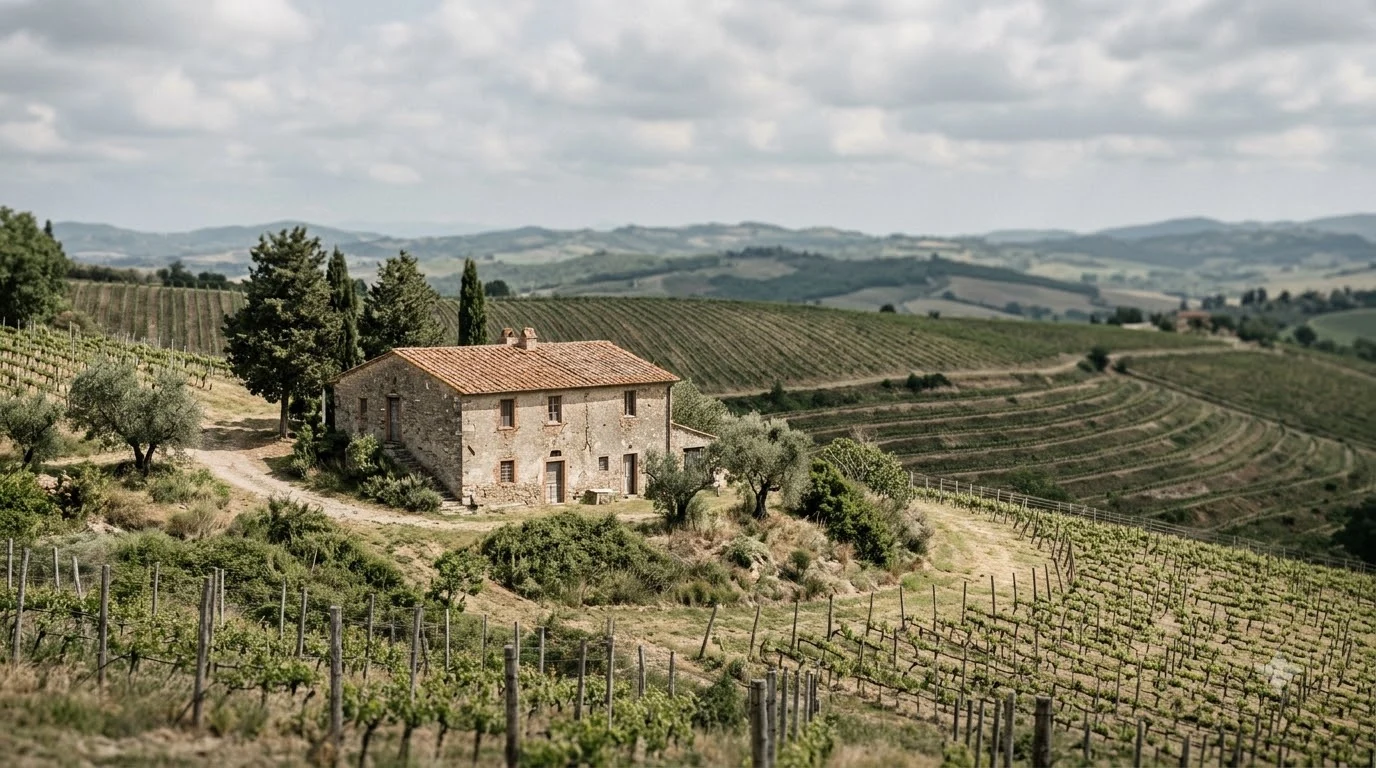
Los Carneros occupies the southern portions of Napa and Sonoma counties, close to the northern shore of San Pablo Bay. Its position between the two counties makes it unusual among California wine appellations: the AVA is defined by shared growing conditions rather than a single county boundary, and its vineyards have a strong maritime influence.
The region consists largely of gently rolling hills and broad agricultural plains. The northern portion lies beneath Mount Veeder, while its western landscape connects with the hills and valleys associated with the Petaluma Gap. The southern edge approaches the wetlands and agricultural land bordering San Pablo Bay. These geographical features allow cool marine air to move inland and influence vineyards across the appellation.
According to the Carneros Wine Alliance, the AVA covers 37,213 acres, equivalent to approximately 58 square miles, and includes 10,040 cultivated vineyard acres. Elevations extend from sea level to 700 feet, with a median elevation of 123 feet. These figures help explain why the region is generally low-lying compared with mountain appellations elsewhere in Napa County.
Los Carneros is also geographically distinctive because it is not simply a nested Napa Valley appellation. Its boundaries extend into Sonoma County, and both sides share the same general coastal climate. A wine labeled Carneros therefore identifies a growing region rather than necessarily indicating that the grapes came exclusively from Napa or Sonoma.
For readers comparing California appellations, Carneros belongs alongside other distinctive cool-climate areas in a broader exploration of Wine Regions. Its position near San Pablo Bay gives it a different growing environment from inland Napa vineyards, even though the two areas share part of their geographical identity.
Climate, Marine Fog, and Coastal Vineyard Conditions
The defining feature of Los Carneros is its cool, maritime-influenced climate. Morning fog, afternoon winds, and relatively moderate summer temperatures slow grape development and help preserve natural acidity in Chardonnay and Pinot Noir.
San Pablo Bay is the principal climatic influence. Cool air moves inland from the water, while morning fog can reduce direct sunlight during the early part of the day. As the fog lifts, vineyards receive sunshine, but persistent breezes help prevent temperatures from rising as sharply as they do in warmer inland locations.
According to Napa Valley Vintners, summer temperatures in Carneros rarely exceed 80°F. The Carneros Wine Alliance reports an average growing-season temperature of 72°F and approximately 1,834 growing degree days. These conditions support a growing season that typically extends from April 1 through November 1.
The extended season gives grapes time to develop flavor without losing all their acidity through excessive heat. Pinot Noir can develop ripe cherry and berry characteristics while maintaining freshness, and Chardonnay can retain citrus-driven acidity alongside more mature fruit flavors. This balance is particularly useful for producers making sparkling wine, where acidity is an important component of the finished wine’s structure.
Wind is another important consideration. Breezes from the bay and the nearby Petaluma Gap can be strong, particularly during summer afternoons. Vineyard managers must maintain suitable trellis systems and canopy structures to protect shoots and developing clusters. The wind also helps moderate temperatures and reduces the persistence of moisture around the vines.
The Carneros Wine Alliance reports average annual precipitation of 25.22 inches, although rainfall varies between seasons and years. Much of the growing season is relatively dry, so vineyard irrigation and careful water management remain important agricultural considerations.
Tip: When comparing Carneros wines with bottles from warmer parts of Napa Valley, pay attention to acidity and alcohol as well as fruit intensity. The cooler coastal growing environment often produces a fresher, more restrained style.
Soils, Elevation, and Vineyard Characteristics
Clay-rich soils are among the defining features of the Los Carneros landscape. Many vineyard sites contain shallow topsoil above compacted clay layers, creating growing conditions that differ from the deeper, freely draining soils found in some other California wine regions.
The predominant soils include Haire-Coombs clay, with variations in texture and composition across the appellation. Some northern locations have more loam and hillside alluvial material, while other sites have dense clay and hardpan beneath the surface. These differences influence water retention, vine vigor, and the timing of seasonal growth.
Clay soils can retain water during the wetter months, but compacted subsoil may restrict the depth that roots can penetrate. The shallow topsoil can also limit excessive vegetative growth during the growing season. These characteristics require vineyard managers to consider drainage, irrigation, rootstock selection, and canopy management when establishing and maintaining vineyards.
Elevation and exposure create further variation. Although the AVA reaches 700 feet, many vineyards sit close to sea level. Hillside locations can receive different amounts of sunlight and wind exposure from lower sites, creating variations in grape development even within the same general climatic zone.
The location of a vineyard therefore matters alongside the regional designation. A Pinot Noir grown on an exposed hillside may have a different balance of fruit, acidity, and structure from one grown on a sheltered lower slope. Similarly, Chardonnay from a clay-dominated site may develop differently from fruit grown on a gravelly or more alluvial parcel.
These differences are illustrated by Domaine Carneros, which farms six separate ranches within the AVA. Its Entre Amis vineyard, planted in 2017, is divided equally between Pinot Noir and Chardonnay. Its Tula Vista vineyard features heavy clay soils and exposure to winds associated with the Petaluma Gap. The contrast between these sites demonstrates why individual vineyard characteristics remain important even in a relatively compact appellation.
Chardonnay, Pinot Noir, and Other Important Grapes
Chardonnay and Pinot Noir are the signature grapes of Los Carneros. Both varieties respond well to the area’s moderate temperatures and extended growing season, and both are used in still wines and sparkling wines.

Chardonnay
Carneros Chardonnay commonly combines citrus, apple, pear, and stone-fruit flavors with lively acidity. Depending on the vineyard and winemaking approach, wines can also develop notes of lemon zest, melon, toasted nuts, cream, or subtle spice.
Winemaking choices strongly influence the finished style. Stainless-steel fermentation and limited oak influence generally emphasize freshness, fruit, and mineral character. Fermentation or aging in French oak can introduce more texture, vanilla, and baking-spice notes. Malolactic fermentation may also soften the wine’s sharper acidity and contribute a creamier mouthfeel.
Some producers favor a fuller style, while others preserve the crisp character associated with the region. The result is a varied selection of Chardonnays rather than one uniform appellation-wide profile.
Pinot Noir
Pinot Noir is the leading red grape in Carneros. It typically produces wines with red cherry, raspberry, strawberry, and sometimes darker berry flavors. Earthy notes, dried herbs, tea, and gentle spice may add complexity, depending on vineyard location, grape material, and maturation.
The variety’s relatively delicate tannins and naturally good acidity make it particularly suitable for the region. Carneros Pinot Noir can have a ripe California fruit profile while retaining a fresher structure than many examples from hotter growing areas.
Historic California selections, including Martini and Swan clones, remain part of the region’s viticultural heritage. Dijon selections are also found in modern plantings. Different clones can influence berry size, ripening behavior, concentration, and aromatic expression, although vineyard conditions and winemaking remain equally important.
Merlot and Other Varieties
Merlot is another established variety in Carneros. Its medium tannins and softer texture make it a useful alternative to the more structured Cabernet Sauvignon styles associated with warmer parts of Napa Valley. Warmer vineyard pockets and clay soils can provide suitable conditions for Merlot to achieve ripeness.
Additional plantings include Syrah, Pinot Gris, Sauvignon Blanc, Pinot Meunier, Roussanne, and Marsanne. These grapes contribute diversity to the appellation, although they do not have the same regional prominence as Chardonnay and Pinot Noir.
The following table summarizes the principal grapes and their typical roles in the region.
| Grape variety | Typical wine style | Common characteristics | Regional role |
|---|---|---|---|
| Chardonnay | Still and sparkling white | Apple, citrus, pear, fresh acidity | Principal white grape |
| Pinot Noir | Still red and sparkling base wine | Cherry, raspberry, earth, moderate tannin | Principal red grape |
| Merlot | Still red | Plum, red fruit, softer tannins | Important secondary variety |
| Syrah | Still red | Dark berries, pepper, savory notes | Additional red variety |
| Pinot Meunier | Sparkling base wine | Red fruit and approachable texture | Supporting sparkling grape |
| Pinot Gris | Still white | Pear, apple, citrus | Additional white variety |
| Roussanne | Still white | Stone fruit, floral and herbal notes | Rhône-style white variety |
| Marsanne | Still white | Orchard fruit and rounded texture | Rhône-style white variety |
These varieties demonstrate that Carneros is more diverse than its reputation for Chardonnay and Pinot Noir might initially suggest. Nevertheless, the two leading grapes remain the most reliable starting point for understanding its regional identity.
Still Wines and Traditional-Method Sparkling Wine
Los Carneros is especially important for Chardonnay and Pinot Noir, but its reputation also rests on sparkling wine production. The cool growing conditions provide grapes with the acidity and flavor balance required for wines that undergo a second fermentation in the bottle.
Traditional-method sparkling wine begins with a still base wine. Producers typically harvest grapes at a stage that preserves acidity and avoids excessive ripeness. Chardonnay and Pinot Noir are particularly suitable, while Pinot Meunier can contribute additional fruit and texture.
After the initial fermentation, the base wine undergoes a second fermentation in the bottle. This process creates the carbon dioxide responsible for the wine’s bubbles. The wine may then age on its lees, developing additional flavors and textures that can include bread dough, biscuit, toast, and hazelnut.
Carneros has attracted producers interested in this style because its moderate temperatures support the slow development of grapes with good natural acidity. The region is not Champagne, and its wines cannot use the Champagne appellation, but the production techniques can follow the same traditional method.
Still Chardonnay from the region can range from crisp and citrus-led to fuller and oak-influenced. Pinot Noir generally offers fresh red fruit, moderate tannins, and enough acidity to complement a variety of dishes. Merlot provides a softer red-wine alternative, while smaller plantings of Rhône varieties offer additional expressions of the local climate.
For an introduction to the region’s sparkling heritage, Domaine Carneros’ vineyard information describes its six Carneros ranches and explains how its Pinot Noir and Chardonnay vineyards contribute to sparkling and still wines.
History, Important Producers, and Regional Identity
The history of Los Carneros predates its modern wine industry by well over a century. Sheep ranching and agriculture shaped the area before commercial vineyards became a defining feature, and the region’s modern identity developed through renewed interest in its cool coastal growing conditions.
The name Carneros refers to rams and reflects the area’s earlier agricultural landscape. During the 1830s, the region was administered by Mexico, and land grants associated with General Mariano Guadalupe Vallejo helped shape its settlement. Ranches, dairies, and agricultural properties continued to dominate much of the area for decades.
William Winter established an early winery in the 1870s. However, phylloxera damaged vineyards during the late nineteenth century, and Prohibition brought further disruption to commercial wine production. The region’s wine industry subsequently began to recover as producers recognized its potential for cool-climate grape growing.
Louis M. Martini purchased the former Stanly Ranch property in 1942, contributing to renewed interest in the area’s suitability for wine grapes. Later vineyard development during the 1960s and 1970s helped establish Carneros as an important source of Chardonnay, Pinot Noir, and sparkling-wine grapes.
The appellation received AVA recognition in 1983. Its climate-based definition was particularly significant because it recognized the shared growing conditions across Napa and Sonoma rather than treating county lines as the principal basis for defining the wine region.
Notable Carneros Producers
Several producers have helped establish the region’s reputation for quality Chardonnay, Pinot Noir, and sparkling wine.
Domaine Carneros: Founded around a château-style estate, Domaine Carneros farms six ranches within the appellation. Its estate vineyards total 400 acres, divided between 250 acres of Pinot Noir and 150 acres of Chardonnay. The producer focuses on sparkling wine and also makes still Pinot Noir and Chardonnay.
Gloria Ferrer: Sonoma County Tourism identifies Gloria Ferrer as the first sparkling winery established in Carneros. Its regional identity is closely associated with sparkling wine, Chardonnay, and Pinot Noir.
Bouchaine Vineyards: The property has historical significance in the revival of Carneros wine production. The site was associated with John Garetto’s post-Prohibition winery established in 1935.
Truchard Vineyards: This producer is another established Carneros name. Its vineyard perspective emphasizes the cooling effect of San Pablo Bay and the suitability of the region for early-ripening varieties such as Chardonnay and Pinot Noir.
For readers exploring other European cool-climate wine areas, the Savoie wine region offers an interesting comparison because its mountain-influenced conditions also favor wines with freshness and distinctive regional character. The geography is very different, but both regions demonstrate how growing conditions shape wine identity.
How to Taste, Serve, and Pair Los Carneros Wines
Los Carneros wines are generally versatile at the table because Chardonnay and Pinot Noir combine moderate alcohol levels in many examples with refreshing acidity and balanced fruit. Serving temperature and food choices can make their characteristic freshness more apparent.
Serving Temperature
Temperature affects how a wine’s aromas, acidity, fruit, and texture are perceived. Serving a bottle too warm can make alcohol seem more prominent, while excessive chilling can suppress its aromas.
Use these practical serving ranges:
- Traditional-method sparkling wine: 40–50°F.
- Light or unoaked Chardonnay: 45–50°F.
- Fuller, oak-aged Chardonnay: 50–55°F.
- Pinot Noir: 55–60°F.
- Merlot: 60–65°F, depending on its body and structure.
A refrigerator can bring white and sparkling wines to serving temperature, while a short period in a cool room can help prevent red wines from being served too warm. A bottle of Pinot Noir is often more expressive when slightly cooler than conventional room temperature.
Food Pairings for Chardonnay
Carneros Chardonnay works well with seafood, poultry, vegetables, and dishes with moderate cream or butter. Its acidity helps balance richer ingredients, while its fruit flavors complement the natural sweetness of shellfish and cooked vegetables.
- Roasted chicken: The wine’s acidity cuts through the richness of the skin and pan juices.
- Grilled halibut: A fresh Chardonnay complements the mild flavor and delicate texture of the fish.
- Crab cakes: Citrus and apple notes work well with shellfish and light seasoning.
- Mushroom risotto: A fuller Chardonnay can complement the dish’s creamy texture and earthy flavors.
Food Pairings for Pinot Noir
Pinot Noir is a natural match for poultry, mushrooms, salmon, pork, and roasted vegetables. Its relatively low-to-medium tannin level and good acidity make it more flexible than heavily structured red wines.
- Roast duck: Red-fruit flavors complement the savory meat and its natural richness.
- Roasted salmon: Pinot Noir has softer tannins than Cabernet Sauvignon, making it a better choice for oily fish.
- Mushroom dishes: Earthy flavors in the food complement the savory characteristics of many Pinot Noirs.
- Grilled pork: The wine’s acidity and moderate body balance the meat without overpowering it.
Serving and Storage Tips
For a standard wine service, pour approximately 5 ounces per glass. A 750-milliliter bottle provides about five such servings. Sparkling wine is usually served in smaller pours to preserve its bubbles and allow room for the aromas to develop.
Store unopened bottles on their sides in a cool, dark location near 55°F when using traditional cork closures. Avoid temperature fluctuations, direct sunlight, and unnecessary vibration. After opening, refrigerate still wines and aim to consume them within approximately three to five days. Sparkling wines generally retain their best character for one to three days when properly resealed and refrigerated.
These simple practices help preserve the fresh acidity and aromatic detail that make Carneros Chardonnay and Pinot Noir appealing.
Readers interested in comparing cool-climate wine traditions beyond California can also explore the Switzerland wine region, where regional geography and grape selection produce a different but equally distinctive range of wine styles. For a broader California introduction, los carneros wine provides another useful starting point for understanding the appellation’s bottles and characteristics.
Frequently Asked Questions
Is Los Carneros the same as Carneros?
Yes. Los Carneros and Carneros are commonly used names for the same wine-growing appellation. The Spanish name means “The Rams,” and both forms appear in regional wine references and historical descriptions.
Can a Los Carneros wine also carry a Napa Valley designation?
The Napa portion of the appellation has a relationship with the broader Napa Valley wine designation, while the Carneros AVA itself extends into Sonoma County. The Napa portion may use the Napa Valley designation when the applicable labeling and origin requirements are met. The Carneros name identifies the more specific growing area.
Does Los Carneros produce organic wine?
Organic production is possible in the region, but the AVA designation itself does not certify a vineyard or winery as organic. Certification depends on the producer’s farming practices, processing standards, and applicable certification requirements. Individual wineries can provide details about their certified vineyards and production methods.
What is the difference between Carneros and Sonoma Coast Pinot Noir?
Carneros Pinot Noir generally comes from vineyards influenced by San Pablo Bay, while Sonoma Coast covers a much larger area with varied coastal exposures and elevations. The Sonoma Coast AVA includes several distinct growing environments, so its wines can vary considerably in ripeness, acidity, and structure. The two appellations should not be treated as interchangeable descriptions of a single style.
Is Los Carneros suitable for growing Cabernet Sauvignon?
Cabernet Sauvignon is grown in the region, but it is not its principal grape variety. The cooler climate makes Chardonnay and Pinot Noir more prominent, while Cabernet Sauvignon is generally better suited to warmer and more exposed vineyard locations. Merlot has a stronger established presence among the region’s secondary red varieties.
The Los Carneros wine region demonstrates how coastal geography, marine fog, wind, and clay-rich soils can shape a distinctive California wine identity. Chardonnay, Pinot Noir, and traditional-method sparkling wines remain its strongest expressions, while Merlot and other varieties add diversity. For anyone exploring Napa and Sonoma beyond their warmer inland vineyards, Carneros is an essential appellation to understand.
More in Wine Regions
 Willcox Wine Trail: Discover Arizona’s High-Elevation Wine CountryUpdated Nov 20, 2026
 Yakima Valley Wine Region: Find the Best Styles to TryUpdated Nov 20, 2026
 Vosne Romanee Wine Tasting: Identify Aromas and Choose Better PairingsUpdated Nov 20, 2026
 Yakima Valley Wine Festival: Find the Best Seasonal Wine EventsUpdated Nov 20, 2026
 Wales Vineyards: Discover Cool-Climate Wines and Where to VisitUpdated Nov 20, 2026
 Yountville Wine Festival: Discover Napa Wines and Local FoodUpdated Nov 20, 2026