

We may earn a commission when you buy through links on this page, at no extra cost to you. Learn more.
The carneros wine region (officially the Los Carneros AVA) is a cool-climate California appellation spanning the southern tips of both Napa and Sonoma counties along the northern edge of San Pablo Bay. Recognized in 1983 as the first American Viticultural Area defined by climate rather than political boundaries, it produces bright, high-acid Pinot Noir, Chardonnay, and traditional-method sparkling wines. Persistent bay fog, afternoon marine winds, and shallow clay soils distinguish its wines from the warmer, Cabernet-focused appellations just a few miles north.
For decades, travelers driving north from San Francisco passed straight through this rolling pastureland on their way to Rutherford or Healdsburg without giving it a second look. Today, those windswept hills represent one of California’s most distinct Wine Regions, offering a crisp, coastal counterpoint to inland Napa and Sonoma.
Overview of the Carneros Wine Region
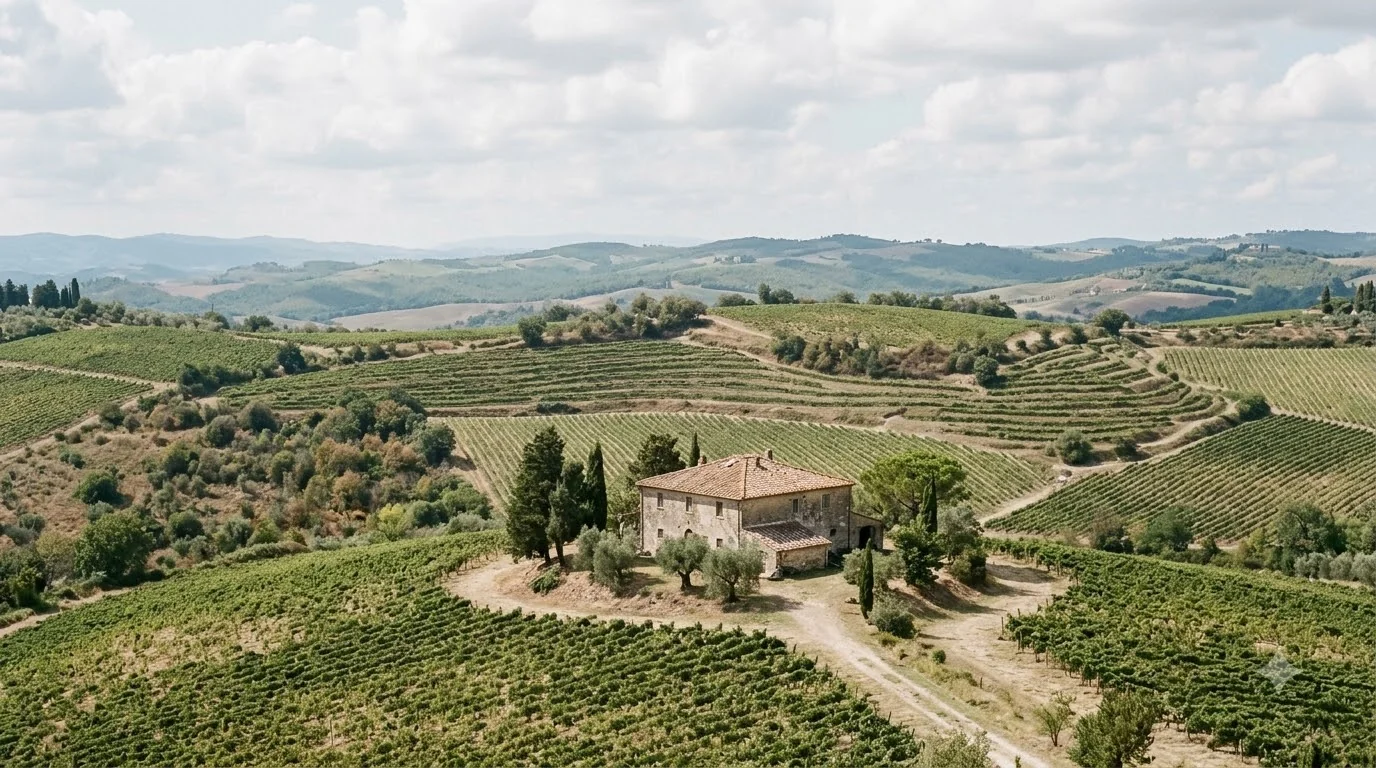
Los Carneros sits at the crossroads of Napa and Sonoma counties, bordered directly by San Pablo Bay to the south and the foothills of the Mayacamas and Sonoma mountains to the north. Spanning roughly 90 square miles with more than 8,000 acres planted to vine, the appellation owes its personality entirely to maritime weather rather than county lines.
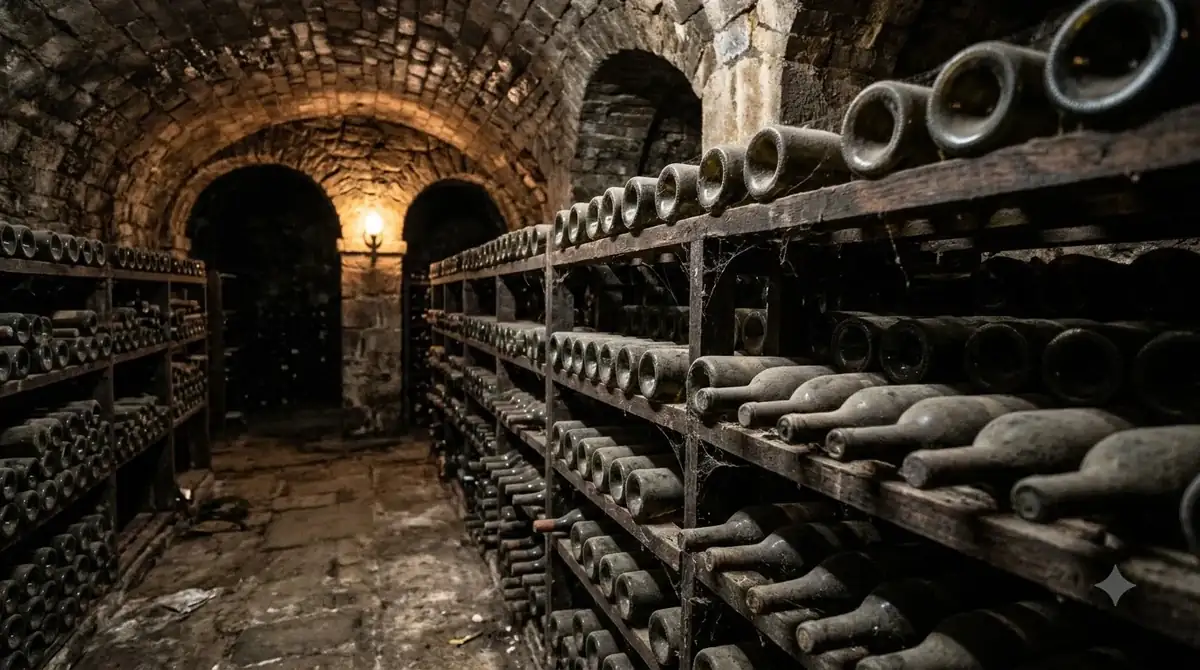
The region takes its name from the 1830s Mexican land grant Rincon de Los Carneros, which translates to “Corner of the Rams.” Throughout the 19th and early 20th centuries, sheep ranches, dairies, and hay fields dominated the landscape, even though pioneers like William Winter planted vineyards here as early as the 1850s. Modern viticulture gained momentum in 1942 when Louis M. Martini purchased Stanly Ranch and began replanting Pinot Noir and Chardonnay, proving that the chilly bay winds suited Burgundian varieties far better than heat-loving reds.
According to Napa Valley Vintners, federal regulators granted official status in 1983, making Los Carneros the first AVA defined purely by shared climatic conditions. Cooling fog rolls off San Pablo Bay most mornings, followed by brisk afternoon breezes that keep summer high temperatures below 80 degrees Fahrenheit. Rainfall averages a modest 18 to 27 inches annually, while shallow Haire-Coombs clay soils sit atop a dense claypan subsoil that restricts root depth and naturally curbs grape yields.
Sub-Regions and Microclimates
Although Los Carneros is a single unified appellation without official sub-AVAs, geography divides it into two county sides and several distinct elevation zones. Soil depth, wind exposure, and proximity to the water create noticeable differences between bottles grown near the marshlands and those harvested in the northern foothills.
The western half lies within Sonoma County, while the eastern half falls inside Napa County, with Huichica Creek running roughly near the county line. Near the southern shoreline, vineyards sit close to sea level where saline groundwater, heavy bay fog, and steady afternoon gusts slow ripening to a crawl. Growers in these flat, wind-whipped parcels rely on sturdy trellis systems to keep young shoots from snapping during summer gales, and the resulting fruit retains razor-sharp natural acidity ideal for sparkling cuvées.
Moving north toward the foothills of the Sonoma Mountains and the southern Mayacamas, elevations rise to roughly 400 feet above sea level. Soils transition from heavy, poorly drained clay to loamy hillside alluvials that warm up faster during the day. Protected pockets tucked against Wildcat Peak or the eastern slopes receive more sunshine and slightly less wind, allowing later-ripening varieties like Merlot and Syrah to reach full phenolic maturity while still keeping their bright, savory edge.
Key Grapes and Wine Styles
Cool temperatures and shallow clay soils make Pinot Noir and Chardonnay the undisputed backbone of the appellation, together accounting for the vast majority of local plantings. Alongside still table wines, those same two grapes fuel a celebrated sparkling wine industry, joined by smaller pockets of Merlot, Syrah, and aromatic whites.
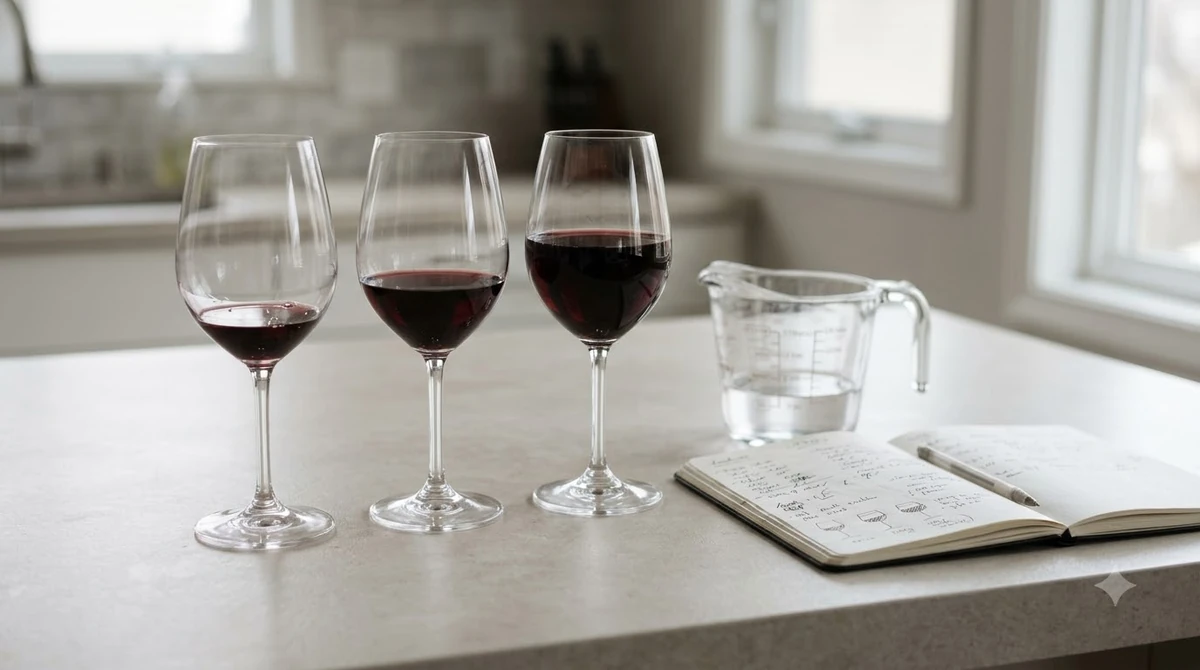
Carneros Chardonnay showcases a leaner, more mineral-driven profile than bottlings from warmer California valleys. Depending on winemaking choices, it ranges from crisp, stainless-steel expressions bursting with green apple, Meyer lemon, and wet stone to richer, barrel-fermented versions layered with baked pear, toasted hazelnut, and brioche. Pinot Noir from the region leans toward bright red fruit—think cranberry, wild strawberry, and tart cherry—framed by earthy notes of forest floor, dried herbs, and baking spice.
| Grape Variety | Primary Wine Styles | Signature Flavor Notes | Typical Growing Zone |
|---|---|---|---|
| Pinot Noir | Still red, rosé, blanc de noirs sparkling | Tart cherry, raspberry, rose petal, earth, subtle spice | Mid-slope clay and breezy central flats |
| Chardonnay | Still white (oaked and unoaked), blanc de blancs sparkling | Green apple, lemon curd, white peach, wet stone, brioche | Cool southern flats and gentle rolling hills |
| Merlot | Medium- to full-bodied still red | Black plum, red currant, cocoa, dried bay leaf | Warmer northern foothills up to 400 feet |
| Syrah | Savory cool-climate still red | Blackberry, cracked black pepper, smoked meat, violet | Sheltered hillside exposures on the Sonoma side |
| Albariño & Rhône Whites | Crisp, aromatic still whites | Key lime, nectarine, white blossom, saline minerality | Select small-lot blocks across both counties |
Sparkling wine producers were among the earliest champions of the appellation, drawn by grapes that ripen slowly without losing malic acidity. Traditional-method brut, blanc de blancs, and brut rosé bottlings from Carneros display fine bubbles, brisk citrus zest, and an autolytic complexity that rivals classic European regions. Meanwhile, small plantings of Merlot, Syrah, and crisp white varieties like Albariño add welcome diversity for drinkers exploring beyond Burgundy grapes, much like discovering lesser-known European gems such as the bierzo wine region or the marche wine region.
Notable Producers
More than 20 wineries operate inside the appellation boundaries, alongside dozens of respected Napa and Sonoma producers that source fruit from iconic local vineyards. These estates range from grand sparkling houses to family-run pioneers that helped establish the region’s reputation decades ago.
Several flagship estates define the Carneros landscape and showcase its stylistic range:
- Domaine Carneros: Founded by Champagne Taittinger, this landmark chateau overlooks Highway 121 and specializes in traditional-method sparkling wines and estate Pinot Noir.
- Gloria Ferrer Caves & Vineyards: Established on the Sonoma side by Spain’s Freixenet group, it helped pioneer California sparkling wine production in the region during the 1980s.
- Saintsbury: Founded in 1981 by David Graves and Richard Ward, this independent specialist helped put Carneros Pinot Noir and Chardonnay on the international map.
- Bouchaine Vineyards: Recognized as the oldest continuously operating winery in Carneros, with vine history on its hillside property stretching back to the 1880s.
- Cline Family Cellars: Operating on a historic 350-acre Sonoma-side ranch, Cline produces expressive Rhône-style reds and whites alongside classic Carneros varieties.
- Truchard Vineyards: A longtime family-owned Napa-side grower and producer known for estate Pinot Noir, Chardonnay, Merlot, and Syrah grown across varied hillside soils.
- Donum Estate: An organic, biodynamic estate renowned for single-vineyard Pinot Noir and Chardonnay surrounded by an open-air sculpture collection.
Beyond estate wineries, legendary vineyard sites like Hyde Vineyard and Stanly Ranch supply grapes to top winemakers across Northern California. Seeing either vineyard name on a bottle label signals concentrated, low-yielding fruit shaped by the region’s signature claypan soils.
Visiting Tips for Wine Travelers
Located roughly 45 minutes north of San Francisco along Highway 12 and Highway 121, Los Carneros is the easiest Napa or Sonoma wine area to reach from the Bay Area. Its gently rolling hills, quiet country roads, and sprawling vineyard vistas create a relaxed, agricultural atmosphere that feels miles away from crowded highway corridors further north.
Because San Pablo Bay weather shifts dramatically between morning and late afternoon, dressing in layers is essential even during July and August. Mornings often start cool and misty before bright midday sunshine warms the patios, only for brisk bay winds to sweep across the hills by mid-afternoon. Gentle terrain and low traffic along backroads like Las Amigas and Duhig also make the area popular for guided cycling tours between tasting rooms.
Tip: Book tasting appointments at least two to three weeks in advance, especially for Friday through Sunday visits, and schedule outdoor terrace tastings before 2:00 PM to beat the strongest afternoon bay winds.
Most wineries require advance reservations for seated flights, food pairings, or cave tours, though a handful of tasting rooms welcome walk-in guests at the bar. Planning two to three winery stops per day allows plenty of time to enjoy panoramic bay views without rushing between the Sonoma and Napa sides.
How to Buy Carneros Wines
Shopping for bottles from this appellation is straightforward once you know how regional labeling laws work. Under federal rules, any wine displaying “Los Carneros” on the front label must contain at least 85 percent grapes grown within the AVA boundaries, while California law requires at least 75 percent of the stated grape variety for varietal-labeled bottles.
Pay close attention to secondary geographic cues and production notes on the label to match a bottle to your palate. Wines labeled “Los Carneros – Napa Valley” or “Los Carneros – Sonoma County” indicate which side of the county line supplied the fruit, often reflecting subtle differences between sheltered hillside blocks and windier bay-side flats. For Chardonnay, look for terms like “unoaked,” “stainless steel,” or “sur lie” if you prefer crisp citrus and mineral flavors, whereas “barrel-fermented” or “French oak” points toward a creamier, spiced texture.
If you enjoy structured, food-friendly reds with bright acidity rather than heavy, high-alcohol powerhouses, Carneros Pinot Noir and cool-climate Syrah are reliable picks from recent vintages. Drinkers who prefer bolder, sun-drenched red fruit from warmer climates might contrast a bottle of Carneros Pinot Noir with a Mediterranean red from the jumilla wine region to experience how coastal wind and elevation shape a wine’s balance. You can verify appellation boundaries and grower details directly through the Carneros Wine Alliance before selecting single-vineyard releases.
Frequently Asked Questions
Is Carneros in Napa Valley or Sonoma County?
Carneros spans both Napa Valley and Sonoma County at the southern end of both wine regions, bordering the northern shore of San Pablo Bay. Roughly half of the appellation sits on the Sonoma side and half sits on the Napa side, united by shared maritime fog and wind rather than county lines.
What wines is the Carneros wine region best known for?
The region is best known for crisp, high-acid Pinot Noir, mineral-driven Chardonnay, and traditional-method sparkling wines. Cooler temperatures and shallow clay soils also support smaller plantings of savory Merlot, peppery Syrah, and aromatic white varieties like Albariño.
Why is Carneros cooler than the rest of Napa Valley?
Proximity to San Pablo Bay brings persistent morning fog and steady afternoon marine breezes directly into the vineyards. While northern Napa towns like Calistoga regularly exceed 90 degrees Fahrenheit in summer, Carneros daytime highs rarely climb above 80 degrees Fahrenheit.
When was Los Carneros established as an AVA?
Los Carneros received official American Viticultural Area status in 1983. It made wine history as the first federal wine appellation defined strictly by shared climatic characteristics rather than political or county boundaries.
Whether you are uncorking a bottle of crisp blanc de blancs at dinner or planning a relaxed afternoon tasting overlooking San Pablo Bay, Los Carneros delivers a distinctly coastal side of California wine. Its combination of cooling bay breezes, shallow clay soils, and pioneering winemakers continues to set the standard for bright, expressive Pinot Noir and Chardonnay.
More in Wine Regions
 Willcox Wine Trail: Discover Arizona’s High-Elevation Wine CountryUpdated Nov 20, 2026
 Yakima Valley Wine Region: Find the Best Styles to TryUpdated Nov 20, 2026
 Vosne Romanee Wine Tasting: Identify Aromas and Choose Better PairingsUpdated Nov 20, 2026
 Yakima Valley Wine Festival: Find the Best Seasonal Wine EventsUpdated Nov 20, 2026
 Wales Vineyards: Discover Cool-Climate Wines and Where to VisitUpdated Nov 20, 2026
 Yountville Wine Festival: Discover Napa Wines and Local FoodUpdated Nov 20, 2026