

We may earn a commission when you buy through links on this page, at no extra cost to you. Learn more.
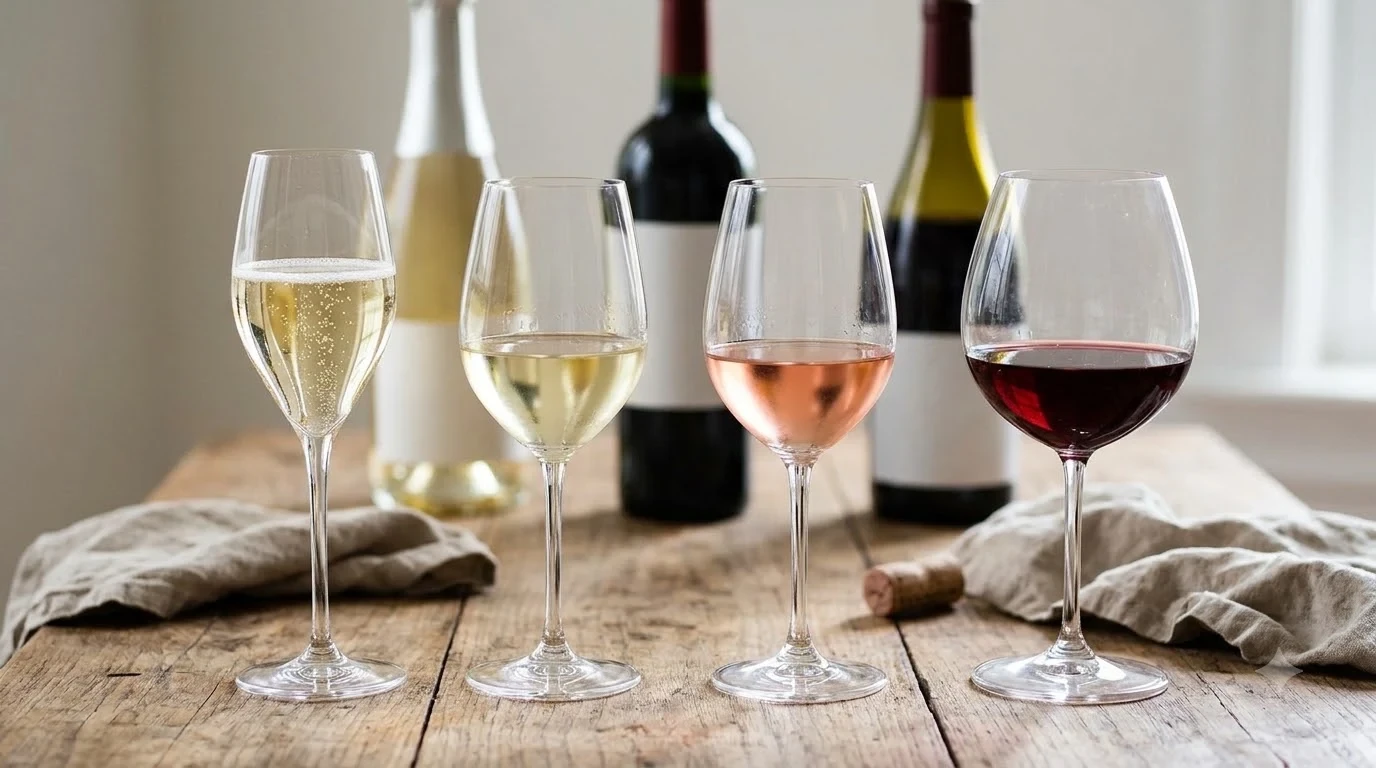
What wine is good for beginners? Pinot Grigio, off-dry Riesling, Moscato, rosé, and soft reds such as Pinot Noir are friendly first choices. These wines tend to offer clear fruit flavors and a manageable balance of sweetness, acidity, and tannin. There is no single correct starting bottle: the best first wine is the style that sounds appealing to you. Begin with one or two easy-to-recognize styles, then compare them to learn what you enjoy.
Wine is easier to choose when you focus on how it feels rather than memorizing every grape and region. Sweetness can soften a tart white, and a light red can make tannin less intimidating. These starting points help you find a style you enjoy.
Understand the Four Traits That Shape a First Glass
For a first bottle, look for approachable fruit, comfortable acidity, and little or moderate tannin. Sweetness and body matter too, but they describe different sensations: a wine can taste fruity while remaining dry, or feel full-bodied without being sweet.
Sweetness describes how much sugar remains in the wine and how sweet it tastes. Dry wine has little perceptible sweetness; off-dry wine has a gentle hint; sweet wine has a clear sugary impression. Fruit aromas do not prove that a wine is sweet. A dry Sauvignon Blanc can smell of lime or passion fruit, while an off-dry Riesling may taste less sweet than its peach aromas suggest because its acidity balances the sugar. Acidity is the mouth-watering tartness that makes wine feel fresh, like a green apple or squeeze of lemon. Sauvignon Blanc and Riesling are high-acid styles; Chardonnay usually has medium acidity, while Moscato is often lower to medium.
Tannin creates a drying, slightly grippy feeling, similar to strong black tea. It comes mainly from grape skins, seeds, and stems, so it is more noticeable in many red wines than in whites. Cabernet Sauvignon is high in tannin; Merlot is medium and generally softer; Pinot Noir is low to medium. Body is the wine’s weight in your mouth: light-bodied wines feel closer to water, while full-bodied wines feel broader and more coating. Alcohol can influence that sensation, too. If a red wine has felt bitter or rough, try a lower-tannin grape before deciding that red wine is not for you.
Start With Friendly Whites and Rosé
Light whites and dry rosé are among the easiest styles to understand because they have no noticeable red-wine tannin and usually show recognizable fruit. Pinot Grigio, Sauvignon Blanc, Riesling, Moscato, and a fresh rosé each offer a different balance of sweetness, acidity, and body.
Pinot Grigio is a dependable first dry white. It is usually light-bodied and refreshing, with citrus, pear, green apple, or melon notes. Choose a fresh, unoaked style if you prefer a crisp finish rather than creamy or buttery flavors. Sauvignon Blanc is more zesty: its high acidity can bring lemon, lime, grapefruit, green herbs, or tropical fruit, depending on the region and winemaking. Pick Pinot Grigio for a gentler profile; choose Sauvignon Blanc when you want more citrus snap.
Riesling is worth trying even if you assume you dislike sweet wine. It is made in styles from bone-dry to very sweet, and its naturally high acidity can balance residual sugar. An off-dry Riesling is welcoming if dry wines seem too sharp, while a dry Riesling suits someone who wants freshness without sweetness. Moscato is a good match for a drinker who already enjoys sweet, aromatic flavors such as peach, orange blossom, grape, and tropical fruit. Some versions are lightly sparkling.
A dry rosé offers a middle ground: it is generally crisp and fruit-forward, with strawberry, watermelon, or citrus notes but little obvious sweetness. Rosé is not automatically sweet because it is pink. Vinho Verde from northern Portugal is another light option. Liquor.com’s beginner wine overview describes a typical example as a low-alcohol white with a slight spritz and notes of green apple, lemon, lime, and grapefruit, making it refreshing without feeling heavy.
Choose Softer Reds Before Moving to Bold Ones
For a first red wine, start with Pinot Noir, Merlot, or a light-bodied red such as Beaujolais made from Gamay. These styles can show generous fruit without the firm, drying tannin that makes some powerful reds challenging for a new drinker.
Pinot Noir is a classic first red because it tends to have low to medium tannin, bright acidity, and a light-to-medium body. Common flavors include cherry, raspberry, cranberry, and sometimes mushroom or spice. Climate makes a difference: cooler areas often produce more tart, delicate fruit, while warmer areas can show riper cherry and plum. Oregon’s Willamette Valley is one recognizable place to explore the grape. Liquor.com highlights a Willamette Valley Pinot Noir for its smooth feel and red- and dark-fruit character.
Merlot is a sensible next step if you want more body but still prefer a soft red. Its tannin is usually medium and gentler than Cabernet Sauvignon, with plum, black cherry, and sometimes cocoa or herbal notes. Beaujolais, made primarily from Gamay, is often light, juicy, and bright, with cherry, raspberry, or cranberry flavors. Many versions have low tannin and lively acidity. Serve it slightly cool rather than warm; a short time in the refrigerator can make the fruit feel fresher.
Malbec can suit a beginner who already likes darker fruit and a fuller mouthfeel, although it is typically more concentrated than Pinot Noir. Cabernet Sauvignon and Syrah are worth exploring later if you enjoy firm structure: Cabernet is high in tannin, while Syrah is medium-plus to high. Those grapes are not wrong choices, but their grip and intensity can distract someone who is still learning what tannin feels like. Light reds also benefit from being served slightly cool, not warm.
Try Sweet and Sparkling Styles Without Guesswork
Sweet wines and sparkling wines can be especially welcoming because they offer clear flavors and a different texture from still wine. Moscato, off-dry Riesling, Brachetto, and Prosecco are useful styles to recognize, but sweetness and bubbles are separate qualities.
If you enjoy a touch of sweetness, look for Moscato or off-dry Riesling. Brachetto is a lightly sparkling red style from Italy that can show raspberry, strawberry, red cherry, and rose-petal aromas. Liquor.com describes it as a natural partner for creamy chocolate desserts. Match dessert with a wine that is at least as sweet as the food; otherwise, the wine can taste thin or sour beside it. A lightly sweet sparkling wine can work with fruit tart, while a richer dessert may need a sweeter style.
Prosecco is usually made from the Glera grape and uses the tank method for its second fermentation. It commonly has about 11–12% alcohol by volume, with pear, apple, citrus, and floral notes. Champagne and Cava are commonly made using a second fermentation in the bottle, a process that can create more bread, pastry, and yeast-like aromas as the wine ages on its lees. For salty snacks, sparkling wine is flexible because its acidity and bubbles refresh the palate.
Sparkling-wine sweetness labels can be confusing. From driest to sweetest, the common order is Brut Nature, Extra Brut, Brut, Extra Dry, Dry, Demi-Sec, and Doux. Extra Dry is sweeter than Brut, despite its name. Choose Brut for a dry, crisp starting point; Extra Dry or Demi-Sec may feel softer. The exact sensation also depends on acidity and fruit, so use the label as a guide rather than a guarantee.
Match a Wine to Your Own Taste
The easiest way to choose a first bottle is to start with flavors and textures you already enjoy. Think of wine as a set of adjustable traits rather than a test with right and wrong answers.
If you like lemon, green apple, and crisp drinks, begin with Pinot Grigio, Sauvignon Blanc, or dry Riesling. For peach, floral aromas, or gentle sweetness, try Moscato or off-dry Riesling. Berry flavors and a lighter body point toward Pinot Noir or Beaujolais; richer fruit suggests Merlot or Malbec. Dry rosé is a useful middle ground between white and red.
Place can provide a clue once you know the grape. Liquor.com quotes wine educator Adam Chase on the broad contrast between warm-climate regions, which often make richer, fruit-forward wines, and cooler regions, which often make crisper, lighter wines. It is a tendency rather than a guarantee: vineyard altitude, harvest decisions, grape variety, and winemaking all affect the final style. When choosing at a store or restaurant, describe the sensation you want: “a dry white with gentler acidity” or “a smooth red with low tannin.” For a repeatable selection method, use this guide on how to pick a good wine, and learn how fruit, balance, and finish help you judge how to know if wine is good quality.
Keep comparisons simple: pour two wines into separate glasses, smell before sipping, and notice whether each feels sweet, tart, dry, light, or grippy. You do not need to identify every aroma. A note such as “crisp,” “soft,” or “too sweet” creates a useful personal reference. For answers about grapes, labels, and serving, explore the site’s Wine Q&A and wine basics section.
Serve, Pour, and Pair Wine With Confidence
Serving wine at a suitable temperature makes its fruit and structure easier to recognize. These ranges are practical targets: chill sparkling wine well, keep light whites and rosé cool, and serve reds slightly cooler than many rooms.
| Wine style | Useful serving temperature | Easy examples |
|---|---|---|
| Sparkling | 40–50°F | Prosecco, Cava, Champagne |
| Light whites and rosé | 45–50°F | Pinot Grigio, Sauvignon Blanc, dry rosé |
| Full-bodied whites | 50–55°F | Oaked Chardonnay, fuller Viognier |
| Light reds | 55–60°F | Pinot Noir, Beaujolais |
| Full-bodied reds | 60–65°F | Merlot, Cabernet Sauvignon, Syrah |
| Sweet whites | 43–50°F | Moscato, sweet Riesling |
Wine Enthusiast gives light-to-medium reds such as Pinot Noir a range of 54–60°F and full-bodied reds such as Cabernet Sauvignon and Syrah 60–65°F. Its guide also places fuller whites such as Chardonnay at 50–55°F. Read Wine Enthusiast’s serving-temperature guide for more on glass shape and temperature. A refrigerator can chill a white or red; bring it out before serving so aromas can open as it warms.
Pour about 5 ounces; a standard 750-milliliter bottle holds roughly five servings. Match the weight of the wine to the dish: light Pinot Grigio works with delicate seafood, while fuller Chardonnay can suit roast chicken or creamy pasta. Food with high acidity, such as tomato sauce or lemon dressing, generally needs a wine with equal or higher acidity. Salt and fat soften tannin, which is one reason a structured red can work with steak or aged cheese.
Tip: Buy or order two contrasting styles rather than several similar bottles. A Pinot Grigio beside an off-dry Riesling, or a Pinot Noir beside a Merlot, makes sweetness, acidity, body, and tannin easier to recognize.
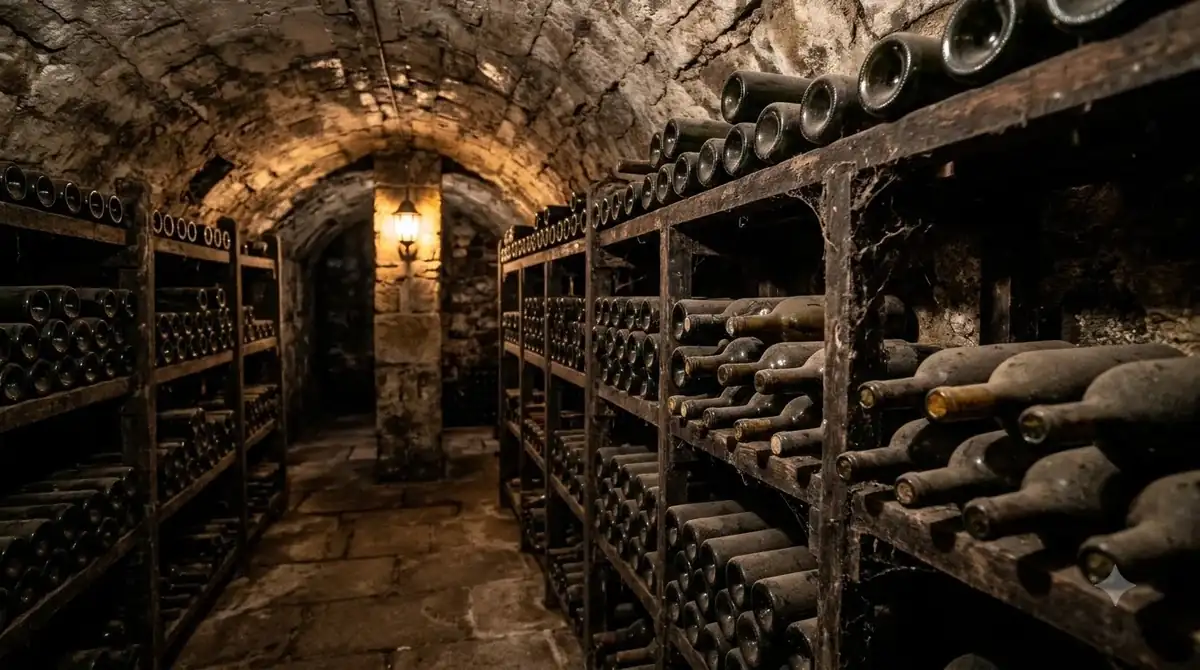
Alcohol and tannin can make chili heat feel stronger, so a fruity, lower-alcohol white or a little sweetness is often more comfortable with spicy dishes. Oily fish can clash with tannic reds; crisp white or sparkling wine is usually easier. Refrigerate opened still wines and aim to finish them within 3–5 days. Sparkling wine generally keeps 1–3 days, fortified wines several weeks, and bag-in-box wines 4–6 weeks. Store unopened bottles on their side near 55°F, away from direct sunlight. Young, full-bodied reds may benefit from 30–60 minutes in a decanter.
Frequently Asked Questions
These quick answers cover a few wine terms and traditions that can cause confusion for new drinkers. Knowing what they mean makes it easier to understand labels and describe what is in your glass.
Are Pinot Grigio and Pinot Gris the same grape?
Yes. Pinot Grigio and Pinot Gris are two names for the same grape variety, with the Italian and French names commonly associated with different regional styles. The name alone does not guarantee a particular level of body or sweetness, so the producer and region still matter.
What does the vintage year on a wine label mean?
The vintage is the year the grapes were harvested, not the year the wine was bottled or sold. In most still wines, the grapes on the label come primarily from that harvest year, while non-vintage sparkling wines can blend wines from multiple harvests to maintain a house style.
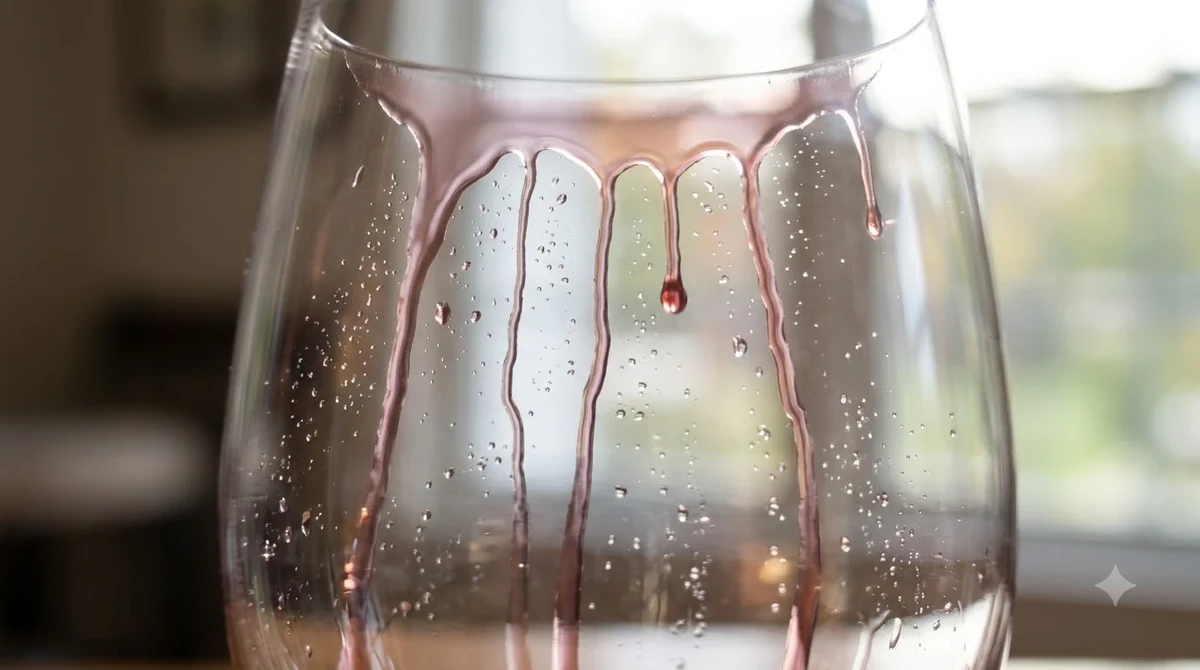
Why do some wines leave streaks on the inside of a glass?
Those streaks are often called legs or tears. They form partly because alcohol and water evaporate at different rates and create surface-tension effects as the wine runs down the glass. Legs are not a reliable measure of quality, sweetness, or whether a wine is expensive.
Can a white wine be made from red grapes?
Yes. Much of the color in red wine comes from contact with the skins, while the juice of many dark-skinned grapes is pale. A winemaker can press red grapes and separate the juice from the skins quickly to make a white wine; Blanc de Noirs Champagne is a well-known example.
Why can a wine smell like vanilla or toast?
Those aromas can come from aging wine in oak barrels. New oak may contribute vanilla, baking spice, toast, or coconut-like notes, while used barrels generally impart less flavor. Stainless-steel aging, by contrast, is often chosen to preserve a grape’s fresh fruit and floral character.
The best first wine is the one whose flavor and texture make you want another glass with a meal or good company. Start with a crisp white, a softly sweet Riesling, a fruit-forward rosé, or a gentle red, then try a contrasting style and keep a note of what you like. A few thoughtful comparisons will teach you more than trying to learn every grape at once.
More in Wine Basics
 What Is The Best Wine For Mimosas? Choose Bubbly That Balances Orange JuiceUpdated Nov 20, 2026
 Which Prosecco Is Best for Your Taste and OccasionUpdated Nov 20, 2026
 Which Wine Is Best For Health? Understand the Risks and BenefitsUpdated Nov 20, 2026
 Which Champagne Is Best for Your Taste and OccasionUpdated Nov 20, 2026
 What To Put In A Wine Gift Basket For A Thoughtful, Memorable GiftUpdated Nov 20, 2026
 What Is the Best Wine for Mulled Wine? Choose a Smooth, Fruity RedUpdated Nov 20, 2026