

We may earn a commission when you buy through links on this page, at no extra cost to you. Learn more.
Learning how to know if wine is good quality starts with checking its balance, clean aromas, expressive flavors, and satisfying finish. A well-made wine brings its acidity, sweetness, alcohol, fruit, and tannins together without allowing one characteristic to dominate. It should also show recognizable aromas, appropriate structure, and flavors that develop naturally. You do not need professional training or an expensive bottle to recognize these qualities.
Choosing a good wine can seem difficult when shelves are filled with unfamiliar grape varieties, regions, producers, and labels. Awards, bottle designs, vintage information, and recommendations can provide useful clues, but the wine itself offers the strongest evidence of its quality. Learning a few practical tasting techniques makes it easier to distinguish a carefully made wine from one that is unbalanced, dull, or faulty. Whether you are opening a California Cabernet Sauvignon, an Italian Pinot Grigio, or a French Chardonnay, the same basic principles apply.
Balance Is the First Sign of Good Wine Quality
A good-quality wine has a harmonious relationship between its fruit, acidity, alcohol, sweetness, and tannins. These components can vary considerably between wine styles, but none should make the overall experience feel unpleasant or disjointed.
Balance is particularly important because wine contains several elements that influence how the others are perceived. Acidity creates freshness, fruit contributes flavor and perceived richness, alcohol adds warmth and body, and tannins provide texture and structure. When these characteristics work together, the wine feels complete rather than dominated by a single sensation.
Consider Cabernet Sauvignon and Pinot Noir. Cabernet Sauvignon typically has high tannin, substantial structure, and dark-fruit flavors. Its tannins should complement its fruit concentration rather than make the wine feel excessively rough or drying. Pinot Noir generally has lower to medium tannin and higher acidity, creating a lighter, fresher style. Neither variety needs to resemble the other to be considered well made.
Sweetness and acidity also need to work together. A sweet Riesling can contain noticeable residual sugar while remaining refreshing because its acidity prevents the sweetness from becoming overwhelming. Similarly, a dry Sauvignon Blanc should have enough fruit character to support its bright acidity rather than tasting simply sour or thin.
How to recognize balance in different wine styles
- Red wine: Fruit should support the tannins, while acidity keeps the palate fresh. A young Cabernet Sauvignon can feel firm without being unpleasantly harsh.
- White wine: Acidity should provide freshness without making the wine excessively sharp. Chardonnay often has medium acidity, while Sauvignon Blanc and Riesling typically have higher acidity.
- Sweet wine: Residual sugar should be balanced by acidity. A well-made sweet wine should taste refreshing rather than syrupy and tiring.
- Sparkling wine: Acidity, bubbles, fruit, and sweetness should form a coherent structure rather than producing an excessively sharp or sugary impression.
Alcohol balance deserves particular attention. A wine with high alcohol is not automatically poor quality, but excessive warmth can make it feel heavy or disjointed. If the alcohol sensation overwhelms the fruit and other flavors, the wine may lack integration.
For example, a full-bodied Syrah can have pronounced tannins, concentrated dark fruit, and noticeable warmth while remaining balanced. A lighter Pinot Noir can achieve the same harmony with more delicate fruit and softer tannins. Quality depends on how the elements work together, not on how powerful the wine feels.
Tip: After your first sip, ask yourself whether you notice fruit, acidity, alcohol, sweetness, or tannin dominating the experience. If the wine feels harmonious and makes you want another sip, balance is probably one of its strengths.
Clean Aromas Reveal Wine Condition and Character
A good-quality wine should have clean, recognizable aromas that make sense for its grape variety, production style, and development. Its smell can reveal both positive characteristics and possible faults before you even taste it.
Start by pouring a small amount into a clean wineglass. Look at the wine, then bring the glass toward your nose without swirling. Take a gentle smell and identify the first impressions. Next, swirl the glass carefully and smell again. The movement exposes more wine to oxygen and can help release additional aromatic compounds.
Good aromas vary widely. A Sauvignon Blanc might smell of grapefruit, lime, green apple, or fresh herbs. A Merlot may show plum, blackberry, cherry, and gentle spice. Chardonnay can offer apple, pear, citrus, vanilla, or buttery notes depending on its growing conditions and winemaking techniques.
There is no single aroma that proves a wine is excellent. Instead, look for clarity and definition. The fruit, floral, herbal, earthy, and spice characteristics should be identifiable rather than buried beneath unpleasant or confusing smells.
Recognizing common wine faults
Some unpleasant smells indicate a problem rather than a normal characteristic of a particular style. Learning to recognize these warning signs can prevent you from confusing wine faults with complexity.
- Cork taint: Often associated with damp cardboard, wet newspaper, or musty basement odors. It can also make the wine’s fruit aromas seem muted.
- Excessive oxidation: May create bruised-apple, stale-nut, or sherry-like aromas in a wine that should taste fresh and fruity. Oxidation can be intentional in certain styles, so context matters.
- Excessive volatile acidity: Can produce strong vinegar-like or nail-polish-remover aromas that overwhelm the wine.
- Excessive Brettanomyces: Can contribute strong medicinal, animal, or barnyard-like smells that dominate the wine’s intended character.
- Unpleasant sulfur compounds: Can produce persistent rotten-egg or struck-match smells, depending on the compound and its concentration.
Not every unusual smell means a wine is defective. Earth, leather, mushroom, smoke, and savory notes can be legitimate characteristics, particularly in aged wines. The important distinction is whether these aromas contribute to an interesting, integrated profile or overwhelm everything else.
For example, an aged red Burgundy may show mushroom and forest-floor aromas alongside fading red fruit. Those characteristics can indicate development rather than spoilage. However, a young, fruit-forward Pinot Noir that smells strongly of vinegar or wet cardboard deserves closer examination.
Appearance can provide additional context. Examine the wine against a white background to see its color and clarity. White wines can develop deeper gold tones with age, while red wines often lose color intensity as they mature. A garnet-colored aged Barolo and a deep-purple young Shiraz can both be entirely appropriate for their respective styles.
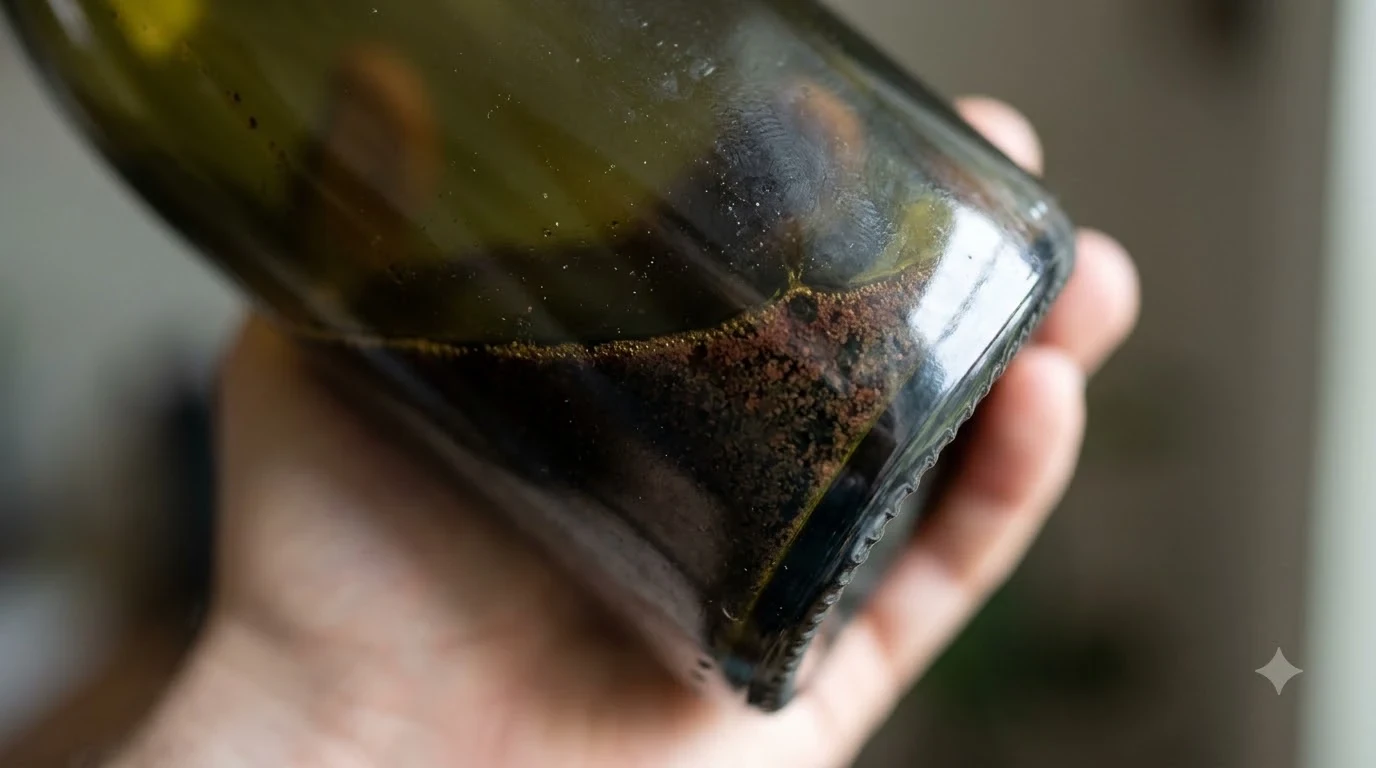
Cloudiness is not automatically a defect either. Some natural and minimally filtered wines contain sediment or suspended particles. What matters is whether the wine’s overall condition and sensory characteristics are consistent with its intended style.
Flavor Complexity and Intensity Show What a Wine Offers
Good wine can provide several layers of flavor rather than delivering only one obvious fruit characteristic. Complexity often develops through the interaction of grape aromas, fermentation choices, oak maturation, and bottle aging.
Wine aromas and flavors are commonly grouped into three categories. Primary characteristics originate mainly from the grapes, secondary characteristics develop through winemaking, and tertiary characteristics emerge during maturation and bottle aging.
Primary characteristics from the grapes
Primary aromas include fruit, floral, herbal, and other characteristics associated with grape varieties and growing conditions. They are often the easiest to recognize when tasting a young wine.
For example, Cabernet Sauvignon commonly shows blackcurrant, blackberry, and dark cherry. Pinot Noir often displays strawberry, raspberry, and red cherry. Riesling can offer lime, lemon, green apple, and floral notes. These differences help explain why grape variety is a useful starting point when assessing wine.
Secondary characteristics from winemaking
Secondary characteristics develop through fermentation and other production decisions. Oak aging may introduce vanilla, toast, baking spice, or smoke. Malolactic fermentation can contribute creamy or buttery impressions, especially in some Chardonnay wines.
Lees contact can also influence texture and flavor. Some white wines develop bread, pastry, or creamy characteristics through contact with spent yeast cells. These details can add interest without making the wine excessively heavy.
Tertiary characteristics from aging
As wines mature, their aromas and flavors can change. Red wines may develop leather, dried fruit, tobacco, mushroom, and earthy characteristics. Older white wines can show honey, nuts, dried citrus, or toast.
However, complexity does not mean a wine must contain all three categories. A fresh, young Albariño can be excellent because of its precise citrus fruit, mineral character, and lively acidity. A mature Bordeaux might offer several layers of fruit, cedar, tobacco, and earth. Both can demonstrate quality in different ways.
Intensity is another useful consideration. A wine with good intensity has aromas and flavors that are clearly noticeable and identifiable. This does not mean the strongest-smelling wine is automatically the best. Delicate wines can show excellent quality through precision, freshness, and subtle development.
For instance, a cool-climate Chardonnay from Chablis may have restrained citrus, green apple, and mineral characteristics. A richer, oak-aged Chardonnay from California may show ripe peach, vanilla, and cream. The two styles can differ substantially while displaying equally good winemaking.
The important question is whether the wine expresses its intended character clearly. If its fruit, structure, and other aromas seem integrated and distinctive, that is a positive sign. Wine Enthusiast explains these distinctions in its four-step checklist for assessing wine quality, which identifies balance, length, intensity, and complexity as central evaluation criteria.
A Long, Pleasant Finish Is a Strong Quality Indicator
The finish is the sensation and flavor that remain after swallowing or spitting out a sip. A good-quality wine often leaves a pleasant, persistent impression rather than disappearing immediately or ending with an unpleasant bitter, hot, or harsh sensation.
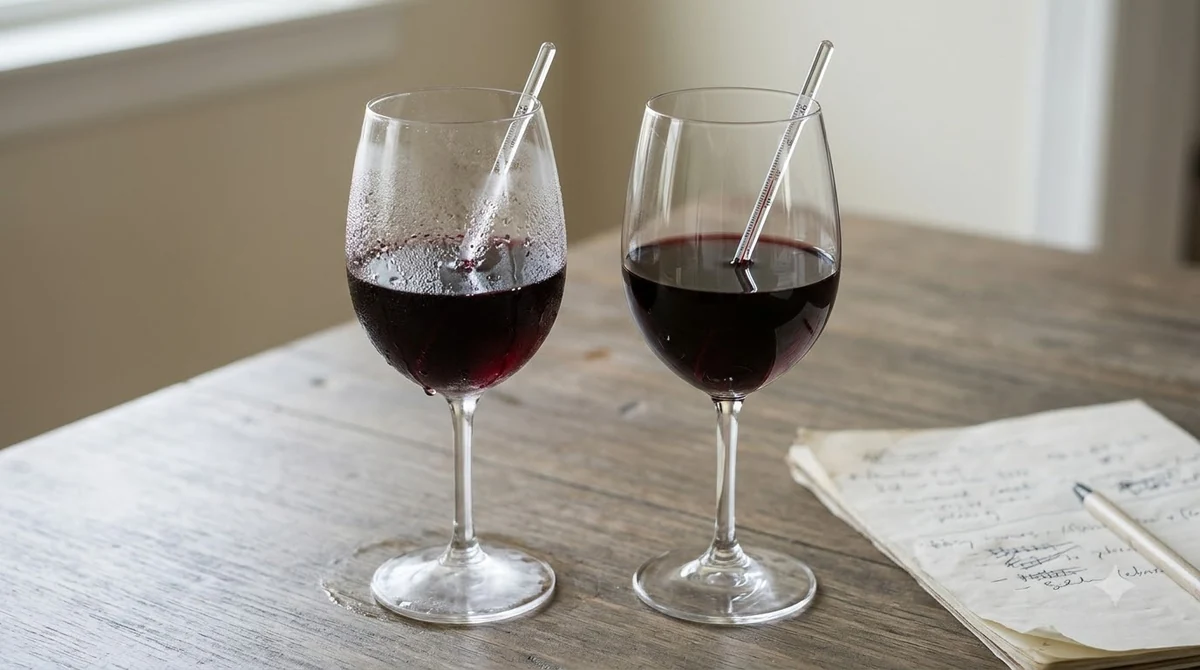
To assess the finish, take a moderate sip and pay attention to the flavors after the wine leaves your mouth. Notice whether the fruit, acidity, tannins, and other characteristics remain recognizable. A wine with a satisfying finish may continue to reveal citrus, cherry, spice, or savory notes several moments after the initial taste.
Wine professionals sometimes describe this characteristic as length. According to Decanter’s explanation of wine length, the persistence of flavor involves interactions between flavor compounds and colloids, which influence how those compounds are released over time.
Longer finishes are often associated with greater quality, but duration alone is not enough. A wine that leaves an unpleasant burning sensation for a long time is not necessarily good. The persistence should be pleasant and connected to the wine’s overall flavor profile.
How to assess the finish at home
- Pour approximately 5 ounces of wine or a smaller tasting portion into a suitable glass.
- Smell the wine before tasting to establish its main aromatic characteristics.
- Take a small sip and allow the wine to coat your palate.
- Pay attention to its fruit, acidity, sweetness, tannins, and alcohol.
- After swallowing or spitting, notice how long the main flavors remain.
- Decide whether the remaining sensation is pleasant, balanced, and interesting.
For a practical comparison, taste a Sauvignon Blanc and a Cabernet Sauvignon side by side. The Sauvignon Blanc may leave a fresh citrus sensation, while the Cabernet Sauvignon may leave dark-fruit flavors and structured tannins. Their finishes will differ, but both can be satisfying.
Temperature also influences how clearly you perceive a wine’s finish. Serving sparkling wines around 40–50 F, light whites around 45–50 F, and full-bodied reds around 60–65 F can help reveal their intended characteristics. An excessively warm white or chilled red may seem less expressive than expected.
A short finish does not automatically mean a wine is defective. Simple everyday wines are often designed for immediate enjoyment rather than prolonged flavor development. However, if a wine is marketed as complex and concentrated, a particularly short or disjointed finish may be disappointing.
Wine Quality Depends on Style, Structure, and Proper Expectations
Not every good wine needs to be expensive, powerful, aged, or complex. Quality must be evaluated in the context of the wine’s intended style, grape variety, and production approach.
A light-bodied Pinot Grigio is not supposed to have the same structure as a full-bodied Cabernet Sauvignon. A fresh Prosecco should not be judged by the same criteria as a mature bottle-fermented Champagne. Understanding these differences prevents unfair comparisons.
Consider the following common grape varieties and their typical structural characteristics:
| Wine style or grape | Typical acidity | Typical tannin | Useful quality indicators |
|---|---|---|---|
| Cabernet Sauvignon | Medium to high | High | Concentrated fruit, integrated tannins, balanced structure |
| Merlot | Medium | Medium | Soft texture, ripe fruit, harmonious finish |
| Pinot Noir | High | Low to medium | Fresh red fruit, fine tannins, aromatic clarity |
| Syrah | Medium | Medium-plus to high | Dark fruit, spice, structure, integrated alcohol |
| Sauvignon Blanc | High | Very low | Fresh acidity, citrus, herbal definition |
| Riesling | High | Very low | Vibrant acidity, expressive fruit, sweetness balance |
| Chardonnay | Medium | Very low | Integrated fruit, appropriate texture, balanced acidity |
| Moscato | Low to medium | Very low | Floral aromas, fruit expression, refreshing sweetness |
These are general characteristics rather than rigid quality standards. Growing conditions, grape ripeness, winemaking techniques, and maturation can change the final result significantly.
Serving temperature also matters when comparing wines. A light red served at 55–60 F may reveal more freshness and aromatic detail than the same bottle served too warm. Full-bodied whites generally benefit from 50–55 F, while sweet whites are often enjoyable around 43–50 F.
Another important distinction is the difference between sweetness and fruitiness. A dry wine can taste intensely fruity without containing much residual sugar. Likewise, a sweet wine is not automatically poorly made. The best examples maintain sufficient acidity and structure to keep the palate refreshed.
Food can change your perception of quality as well. Acidic foods generally work best with wines that have equal or higher acidity. Salt and fat can soften the perception of tannins, making a structured red more approachable alongside a rich dish. However, chili heat can be amplified by alcohol and tannin, while oily fish can clash with strongly tannic red wines.
If you are comparing bottles for a particular meal, consider the dish before making your judgment. A wine that seems overly acidic on its own may work beautifully with a rich seafood dish, while a softer Chardonnay might be more enjoyable with a creamy preparation.
For a closer explanation of acidity, the WSET guide to understanding acidity in wine explains how freshness, sweetness, alcohol, and growing conditions influence the way a wine feels on the palate.
Price, Labels, and Storage Are Supporting Clues, Not Proof
A high price, prestigious appellation, attractive label, or famous producer does not guarantee that a particular bottle will be good. These details can provide useful background, but sensory evidence remains essential when assessing the wine itself.
Price can reflect several factors, including vineyard land, grape selection, production methods, aging requirements, scarcity, and producer reputation. Some wines require extensive labor and long maturation, while others are made for immediate drinking. Neither production approach automatically determines the final quality.
Instead of assuming that a more expensive bottle is superior, examine its grape variety, region, producer information, and intended style. If you are unfamiliar with the wine, a recommendation from a knowledgeable wine retailer can help narrow your choices. Our guide on how to pick a good wine explains how to use these details when selecting a bottle.
Labels can also help establish expectations. A bottle identified as Cabernet Sauvignon will generally have a different structure from a bottle labeled Moscato. Regional names such as Chablis, Barolo, and Napa Valley can provide further clues about origin and style, although production rules and regional traditions differ.
Storage and bottle condition matter
Even a carefully produced wine can deteriorate if it is stored poorly. Excessive heat, direct sunlight, major temperature fluctuations, and an unsuitable storage environment can damage wine before it reaches the glass.
For longer-term storage, bottles with traditional cork closures are generally kept on their sides in a cool, dark environment near 55 F. This helps maintain suitable storage conditions and reduces unnecessary exposure to temperature changes.
Once opened, still wines generally remain enjoyable for around 3–5 days when refrigerated and properly resealed. Sparkling wine usually lasts around 1–3 days with an appropriate sparkling-wine stopper, while fortified wines can remain enjoyable for several weeks depending on their style and storage conditions. Bag-in-box wines generally keep for approximately 4–6 weeks after opening.
Watch for unexpected changes in aroma, flavor, and appearance. A wine that has become stale, excessively oxidized, or unpleasantly vinegary may no longer offer the experience intended by the producer. If you are uncertain about a sparkling bottle, learning how to tell if champagne is bad can help you distinguish normal development from possible spoilage.
Finally, personal preference remains important. Someone who enjoys crisp, dry whites may not appreciate a rich, sweet Moscato, even if the latter is technically well made. Quality and enjoyment are related, but they are not identical judgments. For more basic explanations of wine styles and terminology, explore our Wine Q&A.
Frequently Asked Questions
Can a wine be good quality even if it has sediment?
Yes. Sediment can consist of naturally occurring tartrate crystals, pigments, and other compounds that separate from the wine over time. It is particularly common in some older red wines and minimally filtered bottles. Sediment alone does not mean the wine is spoiled, although decanting can help separate it from the liquid.
Do wine legs indicate whether a bottle is good quality?
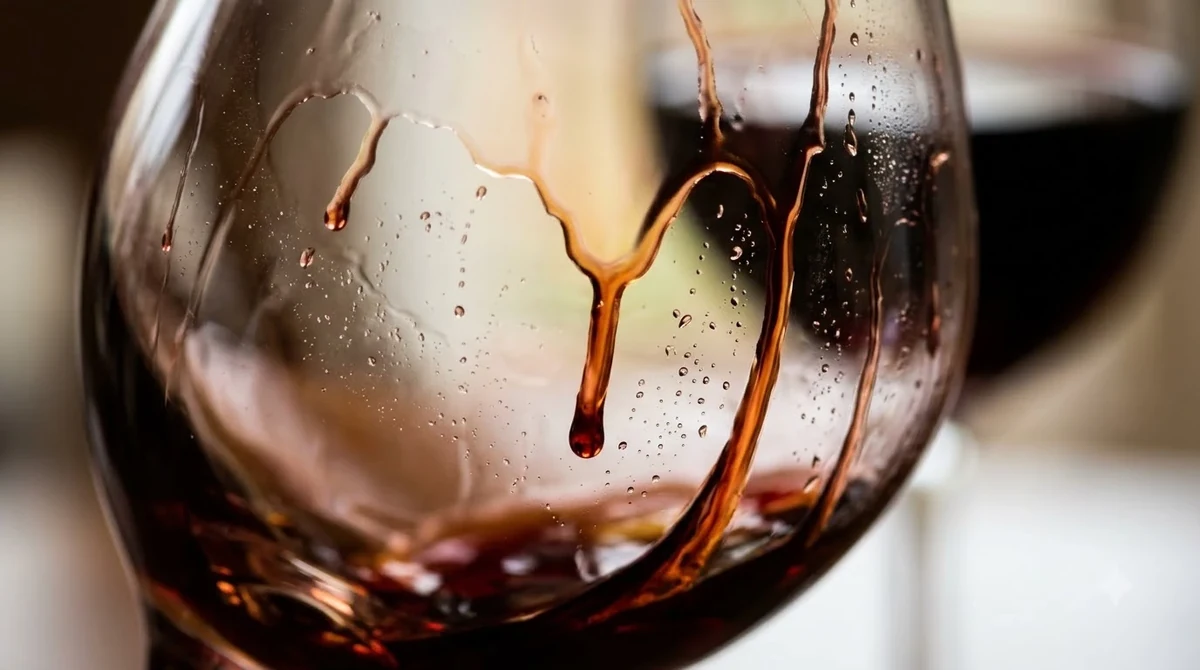
No. Wine legs are the droplets that form and run down the inside of a glass after swirling. Their appearance is influenced largely by alcohol content and surface tension, not by overall wine quality. A wine with prominent legs is not necessarily better than one with fewer visible droplets.
Can an old wine be lower quality than a young wine?
Yes. Most wines are produced for enjoyment within a relatively short period after release rather than for decades of cellaring. Only certain wines have the combination of structure, concentration, and balance needed to develop positively over extended aging. An old bottle that has lost its freshness and structure may be less enjoyable than a younger wine.
Does organic certification guarantee better wine quality?
No. Organic certification relates to agricultural and production standards rather than guaranteeing sensory excellence. Organic wines can be excellent, average, or flawed, just like conventionally produced wines. Vineyard management and production choices can influence quality, but the finished wine still needs to be assessed on its own characteristics.
Is natural wine automatically higher quality than conventional wine?
No. Natural wine is an informal category generally associated with lower-intervention winemaking, and there is no single universally accepted definition covering every producer. Some examples are precise and expressive, while others may show excessive volatile acidity or other faults. Production philosophy alone cannot establish the quality of the finished bottle.
Learning how to recognize good wine quality becomes easier with regular tasting and comparison. Start with balance, clean aromas, expressive flavors, and a pleasant finish rather than relying exclusively on price, labels, or reputation. As you become familiar with different grapes and regions, you will develop a clearer understanding of what makes a wine well made and which styles you most enjoy.
More in Wine Basics
 Which Rose Is Best for Your Taste, Budget, and Food PairingsUpdated Nov 21, 2026
 Is Cheap Wine Bad? How to Find Bottles Worth DrinkingUpdated Nov 21, 2026
 What To Write On A Wine Gift Tag: Thoughtful Messages For Every OccasionUpdated Nov 21, 2026
 Which Wine Is Best For Weight Loss? Compare Lower-Calorie ChoicesUpdated Nov 21, 2026
 What Is The Best Wine For Mimosas? Choose Bubbly That Balances Orange JuiceUpdated Nov 20, 2026
 Which Prosecco Is Best for Your Taste and OccasionUpdated Nov 20, 2026