

We may earn a commission when you buy through links on this page, at no extra cost to you. Learn more.
Illinois wine country offers visitors a diverse collection of wineries, regional wine trails, and distinctive locally grown grapes, with the Shawnee Hills AVA in southern Illinois serving as its best-known destination. The state has two American Viticultural Areas (AVAs), eight wine trails, and a winemaking history that predates the establishment of the United States. Visitors can discover everything from Chambourcin and Norton reds to aromatic white wines, sparkling selections, fruit wines, and rosé. Understanding the state’s geography makes it easier to plan a rewarding winery visit or choose an authentic bottle of Illinois wine.
Illinois might be better known for Chicago, its agricultural landscape, and the Mississippi River than for vineyards, but its wine industry has a substantial history and a distinctive regional identity. Southern Illinois offers rolling limestone hills and scenic tasting rooms, while northern and western parts of the state provide different growing conditions and grape varieties. Whether planning a weekend getaway or looking for something different to serve at dinner, understanding the state’s wine regions is a useful starting point.
Understanding Illinois Wine Country and Its Regional Character
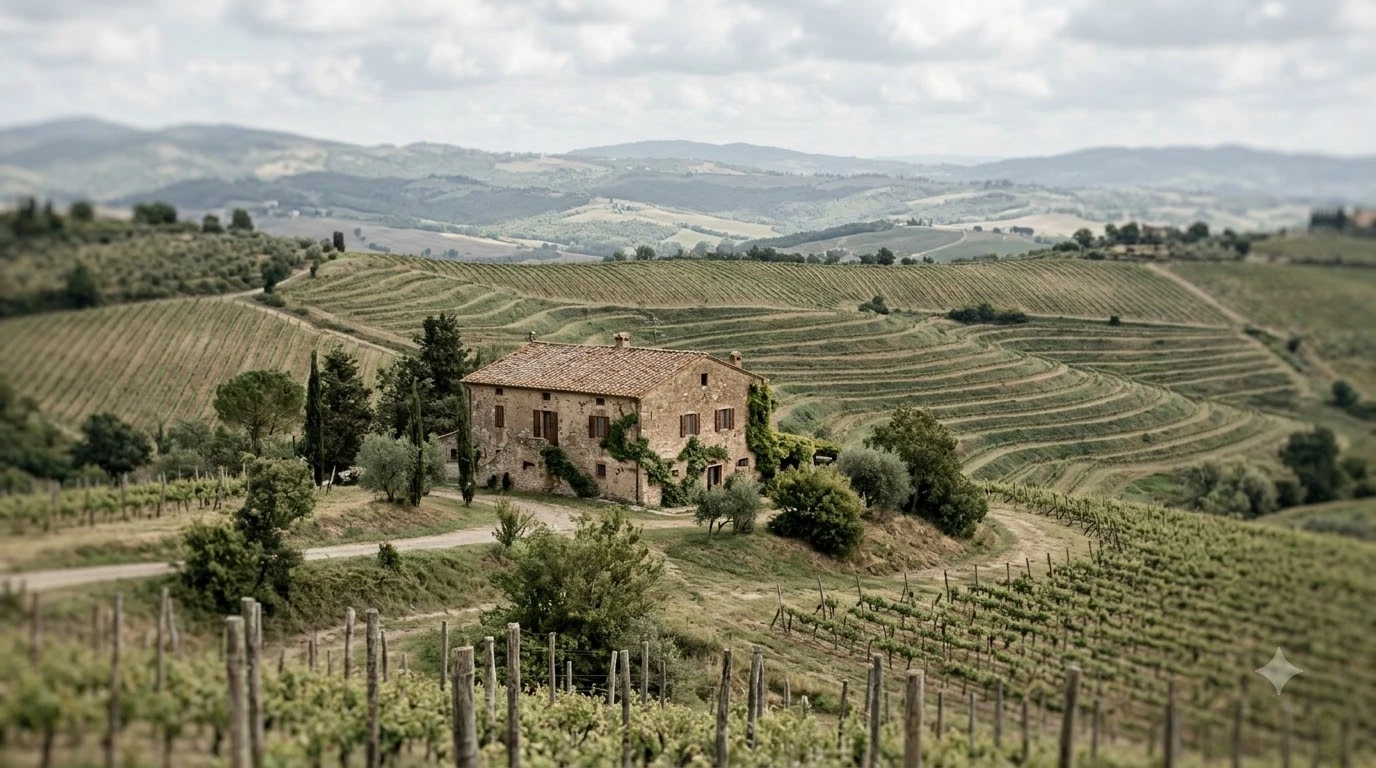
Illinois wine country stretches across a large agricultural state, with vineyards distributed among several distinct growing areas. Southern Illinois is particularly associated with scenic winery tourism, while northern and western Illinois contribute additional grape-growing traditions and regional wine styles.
One important distinction is that Illinois wine country is not a single geographically enclosed wine region. The state’s wineries operate across different landscapes, climates, and communities. Some concentrate on locally grown wine grapes, while others also work with fruit wines, hybrid varieties, and grapes sourced from outside their immediate growing area. This diversity is part of what makes exploring Illinois interesting.
According to WineAmerica, Illinois has eight wine trails and two AVAs. These designations provide useful starting points for understanding the state’s wine geography. An AVA identifies a geographically defined grape-growing area whose characteristics distinguish it from other locations. A wine trail, by comparison, is a tourism route connecting participating wineries and nearby attractions.
The two AVAs are the Shawnee Hills AVA in southern Illinois and the Upper Mississippi River Valley AVA, which crosses state boundaries into Minnesota, Wisconsin, and Iowa. They represent considerably different landscapes and growing environments.
Illinois also has an interesting relationship with rosé. The state officially recognizes rosé as its state wine, reflecting the importance of this approachable style in its wine identity. Local producers make a range of rosé wines from different grapes, including Chambourcin, offering alternatives to the familiar dry rosés associated with Mediterranean wine regions.
For visitors, the practical takeaway is to approach Illinois as a collection of smaller wine destinations rather than expecting one concentrated vineyard district. Southern Illinois is a particularly convenient starting point for a dedicated winery trip, while other regions provide opportunities to explore different communities and grape varieties.
The History of Illinois Winemaking
Illinois has one of the longer winegrowing histories in the American Midwest, with documented activity dating to 1691. Prohibition interrupted that tradition, but legislation in the 1970s helped establish the modern winery industry.
According to WineAmerica, Illinois ranked as the fourth-largest wine-producing state in the country in 1900. That position demonstrates how significant grape growing and wine production had become before Prohibition disrupted the industry. Like many American wine regions, Illinois subsequently experienced a lengthy period in which commercial winemaking struggled to recover.
A particularly important development came in 1976, when Illinois passed legislation allowing wineries to sell wine directly on their premises. This change encouraged renewed investment in vineyard development and winery operations. Lynfred and Galena wineries opened in 1979, helping establish the foundation of the modern Illinois wine industry.
Southern Illinois developed its own important chapter in this revival. Guy Renzaglia established Alto Vineyards in 1984, planting grape varieties suited to the region’s growing conditions. The vineyard helped demonstrate that French-American hybrid grapes could produce appealing wines in a climate that presented challenges for some traditional European varieties.
The Shawnee Hills Wine Trail followed in 1995. Alto Vineyards, Pomona Winery, and Owl Creek Vineyard joined local tourism partners to create the state’s first organized wine trail. Their collaboration established a model for promoting wineries as part of a broader regional visitor experience.
Federal recognition arrived in 2006, when the Shawnee Hills became Illinois’ first AVA. The designation gave the region a defined geographic identity and provided a framework for promoting wines associated with its growing conditions. The Shawnee Hills AVA regional overview explains how the area’s geography, elevation, and soils contribute to its identity.
This history helps explain why Illinois producers often combine traditional European winemaking influences with grape varieties developed for more demanding climates. The result is an industry with its own regional character rather than a direct imitation of California, Oregon, or European wine regions.
The Two Illinois American Viticultural Areas
Illinois has two AVAs, each offering a different geographic setting for grape production. The Shawnee Hills AVA is the state’s southern winegrowing landmark, while the Upper Mississippi River Valley AVA connects vineyards across several Midwestern states.
Shawnee Hills AVA
The Shawnee Hills AVA became Illinois’ first federally recognized viticultural area on December 27, 2006. According to the Shawnee Hills Wine Trail, it covers approximately 2,139 square miles, or around 1.36 million acres.
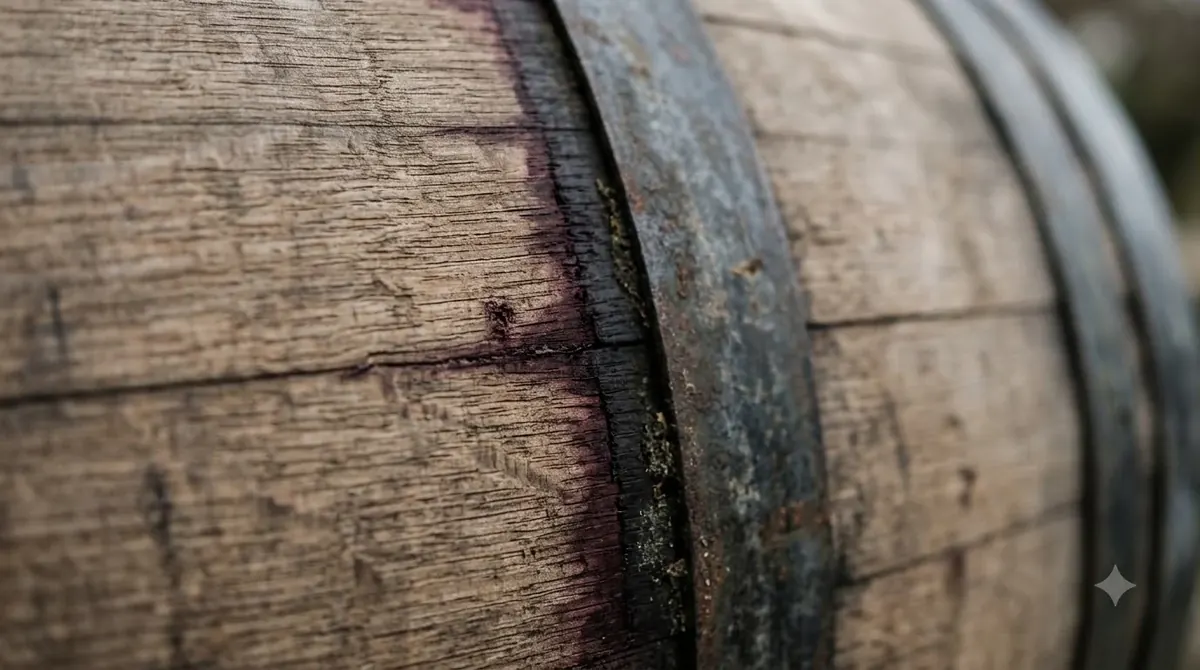
Its defining landscape includes an unglaciated limestone ridge rising approximately 400 to 800 feet above the surrounding land. Unlike much of the flatter terrain in central and northern Illinois, this area retains pronounced hills, slopes, and distinctive geological formations.
The region’s thin loess soils and karst geology are important growing features. Limestone bedrock, sinkholes, caves, and natural springs contribute to the area’s distinctive topography. The soils also offer effective drainage, an important consideration for vineyard management.
Elevation influences the local growing environment. Higher ground contributes to warmer winters and a longer growing season than some surrounding areas, helping grapes achieve ripeness. The combination of topography, climate, and soil gives the Shawnee Hills a recognizable regional identity.
The Shawnee Hills Wine Trail provides a practical way to explore this AVA. Its signed route covers approximately 40 miles and connects 11 member wineries, with destinations around Alto Pass, Cobden, Makanda, Pomona, and Carbondale.
Upper Mississippi River Valley AVA
The Upper Mississippi River Valley AVA is considerably larger in geographic scope because it extends across Illinois, Minnesota, Wisconsin, and Iowa. Rather than representing a single Illinois tourism district, it identifies a shared regional grape-growing environment across the upper Mississippi River area.
Cold-climate growing conditions influence the grape varieties associated with this part of the Midwest. French-American hybrid varieties are particularly relevant because they were developed to combine useful wine characteristics with greater adaptability to challenging growing environments.
La Crosse, St. Pepin, and St. Croix are examples of varieties associated with northwestern Illinois vineyards. They offer visitors alternatives to the internationally familiar Chardonnay, Cabernet Sauvignon, and Merlot varieties.
For travelers, the Upper Mississippi River Valley AVA is worth considering when exploring northwestern Illinois and the Great River Road. It also helps explain why Midwestern wines cannot be judged solely by comparing their grape varieties with those found in warmer, more established wine regions.
| Feature | Shawnee Hills AVA | Upper Mississippi River Valley AVA |
|---|---|---|
| Illinois location | Southern Illinois | Northwestern Illinois |
| Recognition | December 27, 2006 | Multistate AVA |
| Geographic extent | 2,139 square miles | Four states |
| Landscape | Unglaciated limestone hills | Upper Mississippi River region |
| Notable grapes | Chambourcin, Norton, Vignoles | La Crosse, St. Pepin, St. Croix |
| Tourism connection | Shawnee Hills Wine Trail | Great River Road |
These AVAs are useful geographic references, but they do not represent every Illinois winery. Producers outside their boundaries also contribute to the state’s wine industry, so travelers should consider the broader regional winery network when planning a trip.
Illinois Grapes and the Wines Worth Discovering
Illinois wineries work with a combination of French-American hybrids, cold-hardy grapes, and selected European vinifera varieties. This combination produces a wider range of wine styles than visitors might expect from a Midwestern state.
Chambourcin
Chambourcin is one of the most interesting grapes to explore in Illinois. This French-American hybrid produces deeply colored red wines with spicy aromas and fruity flavors, according to WineAmerica. It is also suitable for rosé production, making it particularly relevant to the state’s official wine identity.
In the glass, Chambourcin can offer dark berry character, lively fruit, and a savory edge. Its precise profile depends on ripeness, vineyard conditions, fermentation, and winemaking decisions. Some examples are approachable and fruit-forward, while others offer more structure and concentration.
It is a useful choice for grilled pork, roasted chicken, tomato-based pasta, and moderately seasoned barbecue. Serving it slightly cool, around 55 to 60 degrees Fahrenheit, can emphasize its fruit and keep the wine refreshing.
Norton
Norton is another important American grape variety found in Midwestern wine regions. It produces deeply colored wines and can deliver concentrated dark-fruit flavors with a substantial structure.
Illinois examples are worth exploring alongside Chambourcin because the two varieties offer different expressions of regional red wine. Norton generally suits dishes with enough savory character and richness to complement its intensity, including grilled meats, mushroom dishes, and slow-cooked beef.
Vignoles and Seyval
Vignoles is a white hybrid variety that can produce aromatic wines with refreshing acidity. Depending on the producer’s approach, it may be made in a dry, off-dry, or sweeter style. Its versatility makes it a good introduction to the range of white wines available in Illinois.
Seyval Blanc is another hybrid grape associated with Midwestern vineyards. It can produce fresh white wines with citrus and orchard-fruit characteristics. Its acidity makes it particularly useful with seafood, salads, fresh cheeses, and lighter poultry dishes.
Traminette and Other White Varieties
Traminette is valued for its aromatic character and can show floral and spice notes. It is an interesting option for drinkers who enjoy expressive white wines and want something beyond familiar international varieties.
Niagara is also grown by some Illinois producers. It is associated with pronounced grapey aromas and is often used for sweeter wines. Chardonnay and Cabernet Franc demonstrate that selected European vinifera varieties can also grow successfully at suitable Illinois vineyard sites.
Blue Sky Vineyard provides a useful example of this diversity. Its vineyard includes Chambourcin, Norton, Vignoles, Seyval, Cabernet Franc, Traminette, Niagara, and Chardonnay. The winery reports approximately 13 planted acres, around 7,750 vines, and more than 11 acres currently producing grapes.
Its vineyard sits at approximately 600 feet in elevation. The producer identifies Cabernet Franc and Chardonnay as its vinifera varieties, while most of its other plantings are hybrids.
Visitors can use these grapes as a starting point for comparing Illinois wines. Rather than assuming that every local red will resemble Cabernet Sauvignon or that every white will taste like Chardonnay, sampling different regional varieties reveals more about the state’s agricultural and winemaking character.
Notable Illinois Wineries and Wine Trails
The Shawnee Hills Wine Trail is the most convenient introduction to southern Illinois wine tourism, bringing together 11 member wineries along a signed route of approximately 40 miles. Each stop offers a different atmosphere, selection, and approach to regional hospitality.
Alto Vineyards
Alto Vineyards is one of the pioneers of modern southern Illinois winemaking. Established by Guy Renzaglia in 1984, it played an important role in demonstrating the potential of locally adapted grape varieties.
Its historical importance makes it a natural starting point for visitors interested in understanding the development of the Shawnee Hills wine industry. It is also a useful stop for discovering the region’s established wine styles.
Blue Sky Vineyard
Blue Sky Vineyard is located in Makanda and combines vineyard scenery with a Tuscan-inspired winery setting. Its estate program includes several hybrid varieties as well as Cabernet Franc and Chardonnay.
The vineyard’s approximately 13 planted acres provide a useful example of how producers work with different grape varieties in the Shawnee Hills environment. The property also offers tasting experiences, food options, and accommodations.
Pomona Winery
Pomona Winery is one of the original participants in the Shawnee Hills Wine Trail. It has a particular association with fruit wines made from locally available ingredients beyond traditional wine grapes.
This makes Pomona an interesting stop for visitors who want to experience the broader definition of regional winemaking. Fruit wines are an important part of Illinois’ agricultural wine tradition and offer a contrast to the grape-based selections found elsewhere on the trail.
Owl Creek Vineyard
Owl Creek Vineyard is another founding participant in the trail. Its relaxed setting, scenic patio, and hospitality-oriented experience make it an appealing destination for a leisurely tasting.
Other Wineries to Consider
StarView Vineyards in Cobden offers boutique wines, indoor and outdoor seating, events, and vineyard scenery. Its wines include selections made from varieties such as Norton, Seyval, and Vignoles.
Von Jakob Winery and Brewery in Alto Pass combines wine production with craft beer and other beverage offerings. It is a useful option for groups whose members have different preferences.
Honker Hill Winery, Kite Hill Vineyards, Hickory Ridge Vineyard, Feather Hills Vineyard, and Wichmann Vineyard provide additional opportunities to explore the region. Their individual settings and wine selections help make the Shawnee Hills route more varied than a collection of identical tasting rooms.
For those exploring beyond southern Illinois, August Hill Winery in the Illinois River region and Galena Cellars in northwestern Illinois provide further examples of the state’s geographic diversity. Each area offers a different perspective on Illinois agriculture and wine production.
Travelers comparing destinations in other states may also find it useful to explore Yadkin Valley wine country and Hill Country vineyards. Both illustrate how American wine regions develop identities around local geography, climate, grape varieties, and winery tourism.
Planning an Illinois Wine Country Visit
A successful Illinois wine trip starts with choosing a region and allowing enough time to enjoy each stop. The Shawnee Hills Wine Trail is particularly convenient for a weekend itinerary because its wineries are connected by a relatively compact signed route.
Choose a Starting Point
Alto Pass, Cobden, and Makanda are useful locations when planning a southern Illinois trip. Carbondale and Pomona also provide access to nearby wineries and regional attractions.
Rather than attempting to visit every winery in one day, select two or three tasting rooms and leave time for lunch, sightseeing, and a relaxed drive through the countryside. Although the signed route covers approximately 40 miles, the total time required depends on how long visitors spend at each winery.
Choose the Right Season
Spring is appealing for visitors interested in vineyard landscapes and changing seasonal conditions. Summer brings outdoor tasting opportunities and winery events, although warm weather can make midday travel less comfortable.
Fall is particularly attractive because harvest activity and changing foliage create a distinctive wine-country atmosphere. However, harvest schedules depend on grape variety and weather, so vineyard activity should not be assumed to follow the same timetable every year.
Winter can provide a quieter tasting-room experience. Some wineries maintain year-round operations, while others adjust their schedules or event offerings. Checking individual winery information before traveling is therefore important.
Organize Transportation
Wine tasting requires responsible transportation planning. Arrange a designated driver, private transportation, or an appropriate tour service before visiting multiple wineries.
It is also sensible to avoid scheduling tastings too closely together. A relaxed itinerary gives visitors time to learn about the wines, enjoy food, and appreciate the scenery rather than rushing from one location to another.
Make Time for Food and Local Attractions
Some Illinois wineries offer food, while others focus primarily on tastings and bottle sales. Check individual menus and visitor information before setting out, especially if traveling with a group.
In southern Illinois, the Shawnee National Forest adds another dimension to a wine-country visit. Hiking, scenic viewpoints, and outdoor recreation can complement an afternoon at a vineyard. Visitors can also explore local communities and regional dining options between tasting appointments.
The Shawnee Hills Wine Trail’s history and visitor overview provides additional information about its founding wineries, signed route, and regional experiences. For a wider comparison of American wine destinations, Pennsylvania wine country offers another example of a state with several distinct vineyard areas and established wine trails.
Tip: Plan no more than two or three winery visits for a relaxed half-day outing. Confirm tasting-room hours, food availability, reservation requirements, and transportation arrangements before leaving your accommodation.
Buying Illinois Wine and Understanding the Labels
Buying locally produced wine is an opportunity to discover varieties that may not be widely available elsewhere. However, understanding where the grapes were grown is important because a winery’s location does not necessarily establish the origin of every grape used in its wines.
The distinction between an Illinois wine designation and a Shawnee Hills designation is especially useful. An Illinois designation identifies wine made from grapes grown within Illinois, while the Shawnee Hills designation identifies grapes grown within the boundaries of that specific AVA.
This difference matters when looking for a bottle that genuinely represents a particular vineyard region. A winery can operate in southern Illinois while producing different wines from grapes sourced from multiple growing areas. Looking at the geographic designation provides a clearer understanding of the wine’s agricultural origin.
What to Look For
For a first bottle, consider starting with Chambourcin if you prefer red wine. Its fruit-forward character and spicy aromas provide a useful introduction to the southern Illinois style.
If you prefer white wine, try Vignoles, Seyval, or Traminette. These varieties offer different combinations of acidity, fruit character, and aromatic intensity. They are also useful for comparing how hybrid grapes can express different regional conditions.
Rosé is another logical starting point, particularly for visitors interested in Illinois’ official state wine. Producers may use different grapes and winemaking techniques, so the resulting wines can range from dry and refreshing to noticeably fruity.
Serving and Pairing Illinois Wines
Serving temperature can make a meaningful difference in how a regional wine tastes. Light whites and rosés are generally best served at 45 to 50 degrees Fahrenheit, while fuller white wines benefit from approximately 50 to 55 degrees.
Light-bodied reds, including fruit-forward examples, can be served at 55 to 60 degrees. Fuller reds are generally more enjoyable around 60 to 65 degrees. Sweet white wines are best served colder, approximately 43 to 50 degrees.
Food pairing should reflect the wine’s acidity, sweetness, tannin, and body. An acidic white such as Seyval works well with dishes that have comparable acidity, including salads with citrus dressing. A sweeter Vignoles or Niagara wine can complement mildly spicy dishes and fruit-based desserts, provided the wine is at least as sweet as the dessert.
Chambourcin and Norton are natural candidates for grilled meats and savory dishes. Salt and fat soften tannin, which helps structured reds work with richer foods. Avoid pairing highly tannic reds with oily fish because the combination can produce an unpleasant metallic impression.
For a basic tasting at home, a standard five-ounce pour provides a useful serving size. A 750-milliliter bottle contains approximately five such glasses. Once opened, most still wines keep for around three to five days in the refrigerator when properly resealed.
Exploring the state’s wineries also provides an opportunity to learn about the agricultural choices behind each bottle. The best purchases are not necessarily the most familiar grape varieties but the wines that reflect the distinctive characteristics of their growing region and the producer’s approach.
Frequently Asked Questions
What is the official state wine of Illinois?
Illinois officially recognizes rosé as its state wine. The designation is associated with the state’s promotional identity, including the phrase “Everything’s Coming Up Roses in Illinois.” The state also celebrates Illinois Wine Month as part of its efforts to promote local producers and wine tourism.
Does Illinois have a state wine grape?
Chambourcin is an important grape in Illinois, but the state’s official wine designation is rosé rather than a single grape variety. Chambourcin is a French-American hybrid developed through grape breeding and is valued for its ability to produce both red wine and rosé. Its adaptability makes it particularly relevant to Midwestern wine production.
Can visitors stay overnight at an Illinois vineyard?
Yes, some Illinois wineries offer on-site accommodation or nearby lodging. Blue Sky Vineyard in Makanda has winery suites, while other southern Illinois destinations offer bed-and-breakfast experiences or access to local accommodations. Availability and booking arrangements vary by property.
Are Illinois wineries suitable for visitors who prefer sweet wine?
Yes. Illinois wineries produce sweet grape wines and fruit wines, including selections made from apples and other fruits. Pomona Winery is particularly associated with fruit-based wines, making it an interesting destination for visitors who enjoy alternatives to conventional dry table wines.
Can Illinois wine be found outside the state?
Some Illinois producers distribute their wines through retailers and other sales channels beyond their immediate communities. However, availability varies by winery and individual wine. Direct winery purchases, regional wine shops, and local tasting rooms are useful places to discover smaller-production Illinois selections.
Illinois wine country offers a rewarding combination of agricultural history, distinctive hybrid grape varieties, scenic vineyard landscapes, and welcoming tasting rooms. The Shawnee Hills AVA is an excellent starting point, but exploring the state’s other wine regions reveals an even broader range of local wines and experiences. Whether choosing a bottle of Chambourcin, sampling a regional rosé, or planning a weekend along the wine trails, Illinois deserves a place on the American wine travel map.
More in Wine Regions
 Willcox Wine Trail: Discover Arizona’s High-Elevation Wine CountryUpdated Nov 20, 2026
 Yakima Valley Wine Region: Find the Best Styles to TryUpdated Nov 20, 2026
 Vosne Romanee Wine Tasting: Identify Aromas and Choose Better PairingsUpdated Nov 20, 2026
 Yakima Valley Wine Festival: Find the Best Seasonal Wine EventsUpdated Nov 20, 2026
 Wales Vineyards: Discover Cool-Climate Wines and Where to VisitUpdated Nov 20, 2026
 Yountville Wine Festival: Discover Napa Wines and Local FoodUpdated Nov 20, 2026