

We may earn a commission when you buy through links on this page, at no extra cost to you. Learn more.
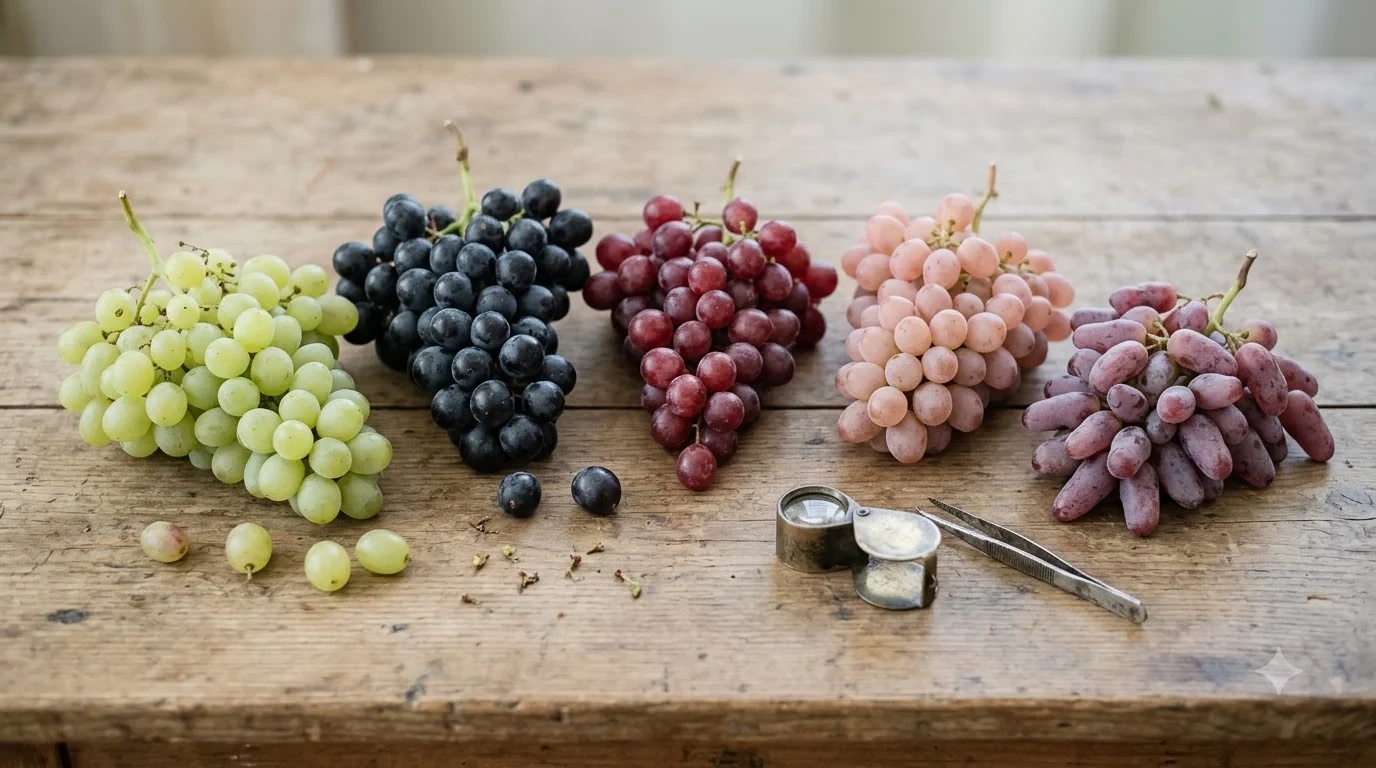
Croatia wine grapes include indigenous varieties such as Plavac Mali, Graševina, Istrian Malvasia, Pošip, Teran, and Babić, each expressing the country’s distinctive coastal and continental growing conditions. Croatia has approximately 200 grape cultivars, including dozens of indigenous varieties that are difficult to find elsewhere. Its vineyards stretch from the Adriatic islands and Mediterranean hills to the cooler inland landscapes of Slavonia and the Danube. Understanding the main grapes makes it easier to recognize Croatian wines, choose bottles by style, and explore the country’s regional differences.
Croatia offers an unusually diverse collection of wine grapes for a relatively small European country. Some varieties produce powerful reds suited to grilled meat, while others make crisp whites that complement seafood, shellfish, and Mediterranean vegetables. A handful of internationally familiar grapes also grow successfully alongside local varieties, but the indigenous grapes are often the most interesting starting point for discovering Croatian wine.
Understanding Croatia’s Native and International Wine Grapes
Croatia’s wine identity comes from a combination of indigenous grapes, international varieties, and distinctly different growing environments. Its vineyards contain familiar names such as Chardonnay and Cabernet Sauvignon alongside local grapes that have developed strong regional identities over generations.
According to Vina Croatia, the country has approximately 200 grape cultivars, with 198 recognized on its official list and 60 identified as indigenous. The Croatian National Tourist Board cites a broader National List containing 258 recognized grapevine varieties, including 134 autochthonous varieties. These figures use different classification references, so they should not be treated as interchangeable counts. Both demonstrate the country’s considerable genetic and regional diversity.
The most important commercial varieties include Graševina, Istrian Malvasia, and Plavac Mali, although many smaller regional grapes also contribute to Croatian wine culture. Their distribution reflects the country’s varied geography, from continental vineyards to exposed Mediterranean islands.
One reason Croatian wine can seem unfamiliar to American drinkers is that some grapes have different names in different countries. Graševina, for example, is internationally known as Welschriesling, while Tribidrag is associated with the name Zinfandel. Recognizing these synonyms helps wine drinkers connect Croatian bottles with varieties they may already know.
| Grape variety | Wine color | Main region | Typical style |
|---|---|---|---|
| Graševina | White | Slavonia and Danube | Fresh to full-bodied |
| Istrian Malvasia | White | Istria | Dry, aromatic |
| Plavac Mali | Red | Dalmatia | Powerful, full-bodied |
| Pošip | White | Korčula and Dalmatia | Dry, aromatic |
| Teran | Red | Istria | Fresh, structured |
| Babić | Red | Šibenik and Primošten | Dark, structured |
| Žlahtina | White | Krk and Kvarner | Light, refreshing |
| Grk | White | Korčula | Dry, distinctive |
For a broader geographical overview, the Croatia wine region breakdown explains how the country’s growing areas influence grape selection and finished wine styles. Understanding those regional differences is more useful than assuming every Croatian white or red tastes the same.
When choosing a bottle, start with its grape variety and region rather than relying only on the country name. A fresh Graševina from Slavonia offers a very different experience from a concentrated Plavac Mali from the southern Adriatic coast.
Graševina and the White Wines of Continental Croatia
Graševina is Croatia’s most important grape by vineyard area and one of the easiest varieties for newcomers to recognize. It is particularly associated with Slavonia, the Croatian Danube region, and other continental growing areas, where it produces everything from refreshing everyday whites to concentrated wines suitable for aging.

According to Vina Croatia, Graševina covers approximately 4,511.8 hectares, representing around 23% of the country’s total vineyard area. This makes it Croatia’s leading variety by a considerable margin. The grape is also known internationally as Welschriesling, although its expression in Croatia has become closely associated with local winemaking traditions.
The style changes depending on where the grapes grow and how the producer handles them. In western Slavonia, Graševina can be delicate, fresh, and refreshing, with approachable fruit flavors. Central Slavonian examples may have more body and mineral character, while wines from the Croatian Danube region can develop a fuller, more mature profile.
Typical tasting notes include green apple, citrus, pear, and subtle herbal characteristics. Fresh examples are generally dry, with enough acidity to work well as an aperitif or alongside lighter meals. More concentrated versions can offer additional texture and complexity without losing the variety’s recognizable fruit character.
Graševina is not limited to dry wine. Producers also use it to make sweet predicate wines from carefully selected dried berries and ice wines. These concentrated styles can have impressive aging potential, with some examples capable of developing over several decades.
Other continental white grapes
Continental Croatia also grows Chardonnay, Traminer, Pinot Gris, Pinot Blanc, Sauvignon Blanc, and Riesling. These international varieties benefit from the region’s different inland conditions and provide alternatives to Graševina.
Traminer is particularly interesting for drinkers who enjoy expressive aromas, while Sauvignon Blanc generally offers a more recognizable combination of citrus, herbal, and green-fruit notes. Chardonnay can range from crisp and restrained to richer examples influenced by barrel aging.
For a first Croatian wine purchase, Graševina is a sensible starting point. It introduces the country’s most widely planted grape and demonstrates how a local wine identity can develop around a variety also cultivated elsewhere in Europe.
Istrian Malvasia and Teran Define Istrian Wine
Istria is one of Croatia’s most distinctive wine-producing areas, with Istrian Malvasia and Teran representing two important expressions of its local grape heritage. The peninsula’s Mediterranean influences, combined with inland climatic conditions, allow producers to make both aromatic whites and structured reds.
Istrian Malvasia, also called Malvazija Istarska, is a dry white grape that has become a defining symbol of the peninsula. According to Vina Croatia, it occupies approximately 1,662.5 hectares, or around 8% of the country’s vineyard area. It is especially common in Istria, where producers make wines ranging from fresh, youthful bottles to more substantial barrel-aged examples.
The grape typically produces a bright, aromatic wine with citrus, apple, peach, and sometimes banana characteristics. Its palate can combine freshness with a rounded texture and a gently bitter finish. These characteristics make it particularly suitable for food pairing, especially with seafood, grilled fish, shellfish, and Mediterranean vegetables.
There are two broad approaches to Istrian Malvasia production. Fresh versions emphasize primary fruit aromas and refreshing acidity. Vina Croatia describes an IQ quality designation associated with selected fresh Malvasia wines, which are intended for consumption within approximately three years of harvest.
More structured Malvasia can spend time in oak or acacia barrels. These wines develop additional texture and complexity, and selected examples can retain quality for up to ten years. Their richer profiles make them useful partners for richer seafood dishes, roasted poultry, and creamy preparations.
Teran: Istria’s distinctive red grape
Teran is the principal indigenous red variety associated with Istria. It generally produces deeply colored red wines with lively acidity and noticeable tannin. Depending on the producer, its flavor profile can include sour cherry, dark berries, herbal notes, and earthy characteristics. This combination gives it a fresher, more structured character than many warm-climate Mediterranean reds.
Teran is particularly interesting with grilled sausages, roast pork, mushroom dishes, and regional cured meats. Its acidity helps balance richer food, while its tannins provide structure alongside savory flavors.
Other varieties grown across Istria and neighboring Kvarner include Refošk, Sansigot, Trojišćina, Merlot, and Cabernet Sauvignon. These grapes illustrate how regional producers combine local heritage with international winemaking influences.
For more information about the principal domestic varieties, Vina Croatia’s Croatian grape variety overview provides vineyard-area figures and descriptions of the country’s major regional grapes.
Plavac Mali and Dalmatia’s Important Red Grapes
Plavac Mali is Croatia’s best-known indigenous red grape and one of the defining varieties of Dalmatian wine. It thrives in sunny coastal vineyards, particularly on steep slopes overlooking the Adriatic, where exposure and difficult terrain influence grape ripening and the character of the finished wine.
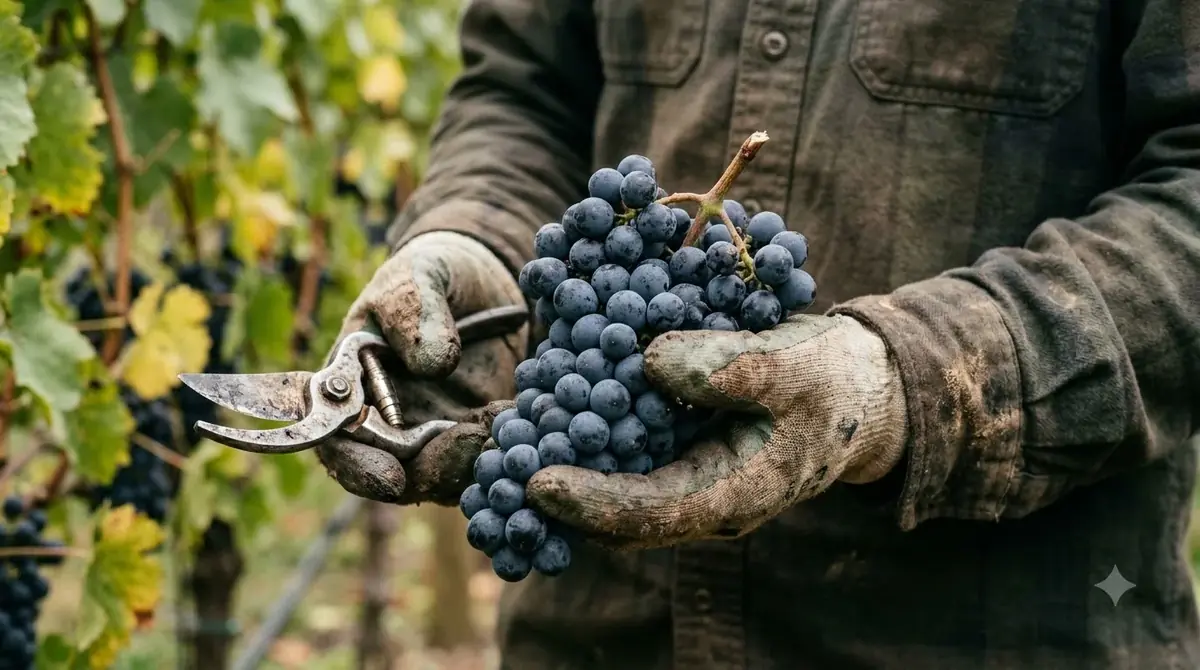
Vina Croatia reports that Plavac Mali covers approximately 1,550.2 hectares, or around 8% of Croatia’s vineyard area. Important growing locations include Dingač and Postup on the Pelješac Peninsula, as well as Ivan Dolac on the island of Hvar. These places are associated with particularly concentrated examples of the variety.
Plavac Mali generally produces dark-colored, full-bodied red wines with flavors of ripe cherry, blackberry, blueberry, and dried plum. Depending on ripeness and winemaking, the wine can also show dried fruit, spice, and earthy characteristics.
Warm, sunny vineyard sites often produce wines with considerable alcohol, strong fruit concentration, and substantial body. Plavac Mali grown farther inland can produce lighter, juicier, more immediately approachable wines. This difference is important because not every bottle carrying the grape name will have the same weight or intensity.
The grape’s history also has an interesting connection to Zinfandel. Tribidrag, also known as Crljenak Kaštelanski, is one of the parent varieties of Plavac Mali. The other parent is Dobričić. Research confirmed a 100% DNA match between Crljenak Kaštelanski and American Zinfandel in 2001, giving the grape a particularly interesting place in the history of American wine.
Babić and other Dalmatian red varieties
Babić is another important indigenous red grape, particularly associated with the Šibenik and Primošten areas. It produces dark, concentrated wines with notable acidity and tannin. These characteristics can give the wines a firm structure and make selected examples suitable for extended bottle aging.
Primošten is particularly associated with challenging vineyard conditions, where vines grow in carefully maintained stone landscapes. Babić is also cultivated around Šibenik and in the surrounding Dalmatian growing areas.
Plavina provides another Dalmatian red option. It can produce a less forceful expression than the most concentrated Plavac Mali wines. Other local red varieties include Lasina, Drnekuša, Dobričić, and Trnjak, which contribute to the country’s diversity.
For food pairing, Plavac Mali works particularly well with grilled lamb, beef, slow-cooked meat, and dishes featuring Mediterranean herbs. Its tannin and alcohol can make very spicy food taste hotter, so moderately seasoned dishes are generally better partners.
Choose a younger, fruit-focused Plavac Mali for casual meals and a more concentrated example for hearty grilled dishes. Babić is another worthwhile choice for drinkers who appreciate acidity and structure in their red wines.
Pošip, Grk, and the Distinctive White Grapes of Dalmatia
Dalmatia is often associated with powerful red wines, but its indigenous white grapes deserve equal attention. Pošip and Grk are particularly important because they demonstrate how Croatian island vineyards produce distinctive white wines under Mediterranean growing conditions.
Pošip is one of the best-known white varieties of southern Croatia and is closely associated with Korčula. Its traditional growing area includes Čara, in the center of the island, although the variety is now also cultivated on Hvar, Brač, and other parts of Dalmatia. It produces aromatic white wines that can combine ripe fruit, freshness, and substantial texture.
Depending on the producer, tasting notes can include citrus, peach, apricot, and other ripe orchard-fruit characteristics. Pošip is especially useful for drinkers who enjoy whites with more body than a very light Sauvignon Blanc. It can be served alongside grilled sea bass, octopus, prawns, roasted chicken, and dishes prepared with olive oil and fresh herbs.
Grk is another indigenous white grape associated with Korčula. It has a particularly distinctive regional identity and is especially associated with the sandy vineyards of Lumbarda. Its limited geographical association makes it one of the more intriguing varieties to seek out when exploring Croatian wine.
Additional Dalmatian white grapes
Debit is grown in Dalmatian vineyards around Šibenik and other areas. It is an important local white grape that can produce refreshing wines suited to regional seafood dishes. Its relatively approachable style makes it an interesting alternative to better-known international whites.
Maraština is another established Dalmatian variety, producing white wines that can range from fresh and dry to richer expressions. It is grown in several parts of the southern Croatian coast.
Bogdanjuša is closely associated with the island of Hvar. Its name is commonly translated as a gift from God, and the variety represents the island’s long-established local wine culture. Darnekuša is another distinctive Hvar variety, while Kujundžuša is an indigenous white grape associated with Dalmatian vineyards.
Dubrovnik Malvasia deserves particular attention because it can be used to make both dry and sweet wines. Some sweet versions are produced after lightly drying the grapes, concentrating their natural sugars.
These varieties are especially appealing to wine drinkers who want to explore beyond the most internationally recognized Croatian bottles. Ordering Pošip, Grk, or Debit with local seafood is an excellent way to understand the connection between regional cuisine and indigenous grapes.
The Croatian National Tourist Board’s account of Zinfandel’s Croatian ancestors also explains the connections among Crljenak Kaštelanski, Tribidrag, Plavac Mali, and the island varieties of Dalmatia.
Žlahtina, Škrlet, and Lesser-Known Croatian Grapes
Some of Croatia’s most interesting grapes are produced in relatively small quantities and remain closely connected to particular islands or inland growing areas. These varieties offer an alternative to the country’s best-known commercial grapes and help explain why Croatian wine has such a broad regional identity.
Žlahtina is the leading white grape of Kvarner and is particularly associated with the island of Krk. The village of Vrbnik is especially well known for its Žlahtina wines. These are generally light, refreshing whites that work well as aperitifs and alongside seafood.
The wine’s approachable character makes it useful for introducing Croatian regional grapes to people who prefer lighter white wines. Try it with grilled fish, calamari, shellfish, or simple preparations featuring lemon and olive oil.
Sansigot is another interesting variety from the Croatian Littoral, particularly associated with the island of Susak. It produces red wines and represents the kind of geographically specific grape that gives Croatia a distinctive place in European viticulture.
Škrlet and inland regional varieties
Škrlet is an indigenous white grape primarily associated with the Moslavina region. It produces light, refreshing wines with citrus, herbal, and fruity notes. Its aromas can include pineapple, peach, and apple, making it an appealing choice for people who enjoy aromatic but approachable whites.
Škrlet is particularly suited to fish dishes, white meat, and fruit-based desserts. Its relatively accessible character makes it a good choice for anyone who wants to try a Croatian white beyond Graševina.
Lasina is a rare red variety associated with the Skradin area. It is demanding to cultivate but can produce high-quality grapes. Its limited availability makes it a particularly interesting selection for drinkers who enjoy discovering lesser-known regional wines.
Other varieties include Trojišćina from the Croatian Littoral, Vugava from Vis, and Drnekuša from Hvar. Each represents a different local growing tradition and can produce a wine that is difficult to reproduce outside its home area.
These grapes are not necessarily easy to find in American wine shops, but they are worth remembering when visiting Croatian restaurants or specialist wine merchants. Their smaller production volumes make them particularly useful for exploring regional differences rather than simply choosing a familiar international variety.
Choosing, Serving, and Pairing Croatian Wines
The best way to select Croatian wine is to begin with the style you enjoy, then use the grape and region to narrow your choices. A person who prefers crisp whites can start with Žlahtina, fresh Graševina, or Istrian Malvasia, while drinkers who enjoy fuller reds should explore Plavac Mali and Babić.
Serving temperature makes a noticeable difference, particularly with wines that have pronounced acidity, tannin, or aromatic fruit. Light whites benefit from cooler temperatures, while fuller reds generally show more detail when served slightly below typical room temperature.
Use these practical serving temperatures as a starting point:
| Wine style | Serving temperature | Croatian examples |
|---|---|---|
| Light whites | 45–50°F | Žlahtina, fresh Graševina |
| Fuller whites | 50–55°F | Pošip, aged Malvasia |
| Light reds | 55–60°F | Lighter Plavina |
| Full-bodied reds | 60–65°F | Plavac Mali, Babić |
| Sweet whites | 43–50°F | Sweet Graševina |
For whites, start by chilling the bottle and allowing it to warm slightly in the glass if its aromas seem restrained. A fuller Pošip or barrel-aged Malvasia generally benefits from being served warmer than a crisp, youthful Graševina or Žlahtina.
For reds, avoid serving Plavac Mali straight from a warm room. A brief period in the refrigerator can bring it closer to the recommended 60–65°F range. Young, concentrated examples may also benefit from 30–60 minutes of decanting.
Matching Croatian grapes with food
Graševina is an excellent match for freshwater fish, roast chicken, vegetable dishes, and mild cheeses. Its freshness helps balance richer preparations without overwhelming delicate ingredients.
Istrian Malvasia works particularly well with seafood, shellfish, grilled white fish, and dishes featuring olive oil. More mature versions can stand alongside roasted poultry and richer sauces.
Pošip is a natural partner for grilled Adriatic fish, octopus, prawns, and seafood risotto. Grk also deserves a place beside seafood because its distinctive character can complement the flavors of the coast.
For reds, pair Plavac Mali with grilled lamb, beef, and roasted meats. Babić can work with grilled sausages, slow-cooked pork, and savory mushroom dishes. Teran is particularly useful when a dish needs a wine with refreshing acidity to balance its richness.
Tip: When comparing Croatian wines, try two varieties from the same color category side by side. A Graševina and Istrian Malvasia tasting highlights differences in aroma and texture, while Plavac Mali and Teran show contrasting approaches to Croatian red wine.
For an organized introduction, a Croatia wine tasting can help you compare indigenous grapes without needing to identify every regional name independently. You can also explore the wider Croatia wine country to understand how geography, local cuisine, and traditional grape varieties work together.
Once opened, keep still wines refrigerated and aim to consume them within three to five days. Store unopened bottles on their sides in a cool location near 55°F when they have natural cork closures. These simple practices help preserve the freshness and character of the wines.
Frequently Asked Questions
How many indigenous grape varieties does Croatia have?
Vina Croatia identifies 60 indigenous varieties among the cultivars found in the country. The Croatian National Tourist Board separately reports 134 autochthonous varieties on its National List of recognized grapevine characteristics. These figures reflect different classification and listing references, so they should not be treated as interchangeable counts of commercially planted grapes.
Is Graševina related to Riesling?
Graševina is internationally known as Welschriesling, also called Laški Rizling in some Central European countries. Despite the similar English name, it is not the same grape as Rhine Riesling. The two varieties have different identities and should not be confused when selecting a bottle.
Which Croatian grape is used for sparkling wine?
Croatian sparkling wines can be produced from several varieties, including Chardonnay, Pinot Noir, and indigenous grapes such as Istrian Malvasia. Producers can use different production methods depending on the intended style. Žlahtina is also used for sparkling wines made through tank fermentation.
Can Croatian grapes produce orange wine?
Yes. Istrian Malvasia is among the Croatian varieties used to make skin-contact white wine, commonly called orange wine. The grapes ferment or macerate with their skins, giving the finished wine additional color, tannin, and texture. The resulting wine can be substantially different from a conventional fresh white Malvasia.
Are Croatian wines made exclusively from indigenous grapes?
No. International varieties such as Cabernet Sauvignon, Merlot, Chardonnay, Sauvignon Blanc, and Pinot Noir are also cultivated throughout Croatia. Some producers concentrate on traditional local varieties, while others use international grapes or combine both approaches. This mixture allows Croatian wine regions to offer traditional regional expressions alongside familiar international styles.
Croatia’s grape varieties offer a remarkable range of wine styles, from refreshing Graševina and Istrian Malvasia to powerful Plavac Mali and distinctive Teran. Start with the best-known regional grapes, then explore varieties such as Pošip, Grk, Babić, Žlahtina, and Škrlet. Each bottle provides another perspective on the country’s diverse vineyards and long-standing winemaking traditions.
More in Wine Regions
 Willcox Wine Trail: Discover Arizona’s High-Elevation Wine CountryUpdated Nov 20, 2026
 Yakima Valley Wine Region: Find the Best Styles to TryUpdated Nov 20, 2026
 Vosne Romanee Wine Tasting: Identify Aromas and Choose Better PairingsUpdated Nov 20, 2026
 Yakima Valley Wine Festival: Find the Best Seasonal Wine EventsUpdated Nov 20, 2026
 Wales Vineyards: Discover Cool-Climate Wines and Where to VisitUpdated Nov 20, 2026
 Yountville Wine Festival: Discover Napa Wines and Local FoodUpdated Nov 20, 2026