

We may earn a commission when you buy through links on this page, at no extra cost to you. Learn more.
What wine goes with osso buco? Barolo is an excellent choice, while Barbaresco, Barbera, and Valtellina Nebbiolo offer other outstanding pairings with this rich Italian braised veal dish. The best bottle balances the tender meat, flavorful marrow, savory cooking juices, and bright lemon-and-parsley gremolata. For traditional osso buco alla Milanese served with saffron risotto, look for an Italian red with refreshing acidity, complementary fruit, and enough structure to accompany the richness without overwhelming the veal.
Osso buco is a classic of Milanese cooking, combining slow-braised veal shanks with aromatic vegetables, wine, and a finishing spoonful of gremolata. Its combination of tender meat, gelatin-rich sauce, bone marrow, and citrus creates several different pairing considerations. The wine should complement the deep savory flavors while remaining lively enough to work with the lemon, herbs, and often creamy risotto on the plate. Fortunately, northern Italy offers several excellent choices, from structured Nebbiolo to juicy Barbera and elegant regional reds.
Barolo and Barbaresco Are Classic Choices for Osso Buco
Barolo and Barbaresco are two of the strongest traditional choices for osso buco because their Nebbiolo-based structure, acidity, and savory character complement slow-braised veal. Choose Barolo for a more powerful pairing or Barbaresco when you prefer a somewhat more approachable expression of Nebbiolo.

Barolo comes from Piedmont and is made entirely from Nebbiolo. It is known for firm tannins, lively acidity, and complex aromas that can include red cherry, dried rose, herbs, earth, and spice. These characteristics make it particularly suitable for osso buco prepared with a concentrated braising sauce. The wine’s structure provides enough presence to accompany the richness of the marrow and tender meat, while its acidity helps keep the combination from feeling too heavy.
However, the age and style of the Barolo matter. A very young, intensely tannic bottle can taste harsh beside the savory depth of the dish, particularly if the sauce contains concentrated stock or anchovy. A bottle with some bottle age generally offers more integrated tannins and developed savory flavors. If serving a young Barolo, consider decanting it for 30 to 60 minutes to allow the wine to open.
Barbaresco offers another excellent Nebbiolo pairing. It generally has a somewhat more approachable structure than Barolo, although individual producers, vineyards, and vintages create considerable variation. Its red-fruit character, floral aromas, acidity, and earthy notes work especially well with veal shanks cooked with carrots, celery, onion, and herbs.
Choose Barbaresco if you want the distinctive character of Nebbiolo without necessarily selecting the most powerful expression. It is particularly appealing when the osso buco has a relatively delicate sauce rather than an intensely reduced tomato preparation. Both wines are natural choices for a traditional Italian dinner, and neither requires an elaborate seasoning adjustment to make the pairing work.
For a dinner featuring saffron risotto, either wine can accompany the entire plate. The risotto’s butter and cheese provide additional richness, while saffron introduces an aromatic note that complements Nebbiolo’s floral character. A mature Barolo is especially attractive for a formal meal, while a younger, approachable Barbaresco can be a practical choice for a relaxed family dinner.
Wine Enthusiast also identifies Barolo and Barbaresco as popular pairings and recommends considering Valtellina Nebbiolo. Its osso buco and risotto pairing recommendations provide useful regional alternatives for anyone planning a traditional northern Italian menu.
Why Acidity and Tannin Matter With Braised Veal
The best osso buco pairing balances three important elements: richness, savory intensity, and acidity. Understanding how these components interact makes it easier to choose between a powerful red, a lighter Italian wine, and even a suitable white.
Osso buco comes from cross-cut veal shanks, a cut that contains connective tissue and a central bone filled with marrow. Slow cooking softens the connective tissue, while some marrow melts into the sauce. The resulting dish has a rich, silky texture and concentrated savory flavors. A wine with refreshing acidity helps provide contrast, keeping each bite from feeling too heavy.
Tannin is another consideration. It creates a drying sensation in the mouth and can work well alongside a substantial, savory meat preparation. However, excessively firm tannins can become unpleasant when combined with concentrated savory flavors. This is why a well-integrated Nebbiolo is generally more appealing than a young, aggressively tannic red served without sufficient food alongside it.
Gremolata changes the pairing considerably. Traditional versions contain parsley, garlic, and lemon zest, introducing freshness and a noticeable citrus character at the end of the dish. The acidity of the wine should be able to keep pace with this bright finishing element. A soft, low-acid red may taste dull beside the lemon, even if it initially seems suitable for the braised meat.
The cooking method also affects the wine choice. A sauce made with concentrated stock and plenty of marrow benefits from a more structured red, while a lighter white-wine braise can work with an elegant red that does not overwhelm the veal.
Tip: Pay attention to the gremolata before choosing your wine. A generous amount of fresh lemon zest and parsley makes acidity particularly important. If the dish is rich but lightly seasoned, a softer red may be more suitable than a powerful, highly tannic wine.
Another useful consideration is the temperature of the food and wine. Warm, rich sauce can make a wine served too warm seem alcoholic and heavy. Serving a full-bodied red slightly cooler helps preserve its freshness and makes the combination more balanced.
Other Italian Reds Worth Pouring With Osso Buco
Barolo and Barbaresco are excellent choices, but they are not the only Italian wines that suit osso buco. Barbera, Valtellina Nebbiolo, Chianti Classico, and some northern Italian reds provide different levels of acidity, tannin, and body.
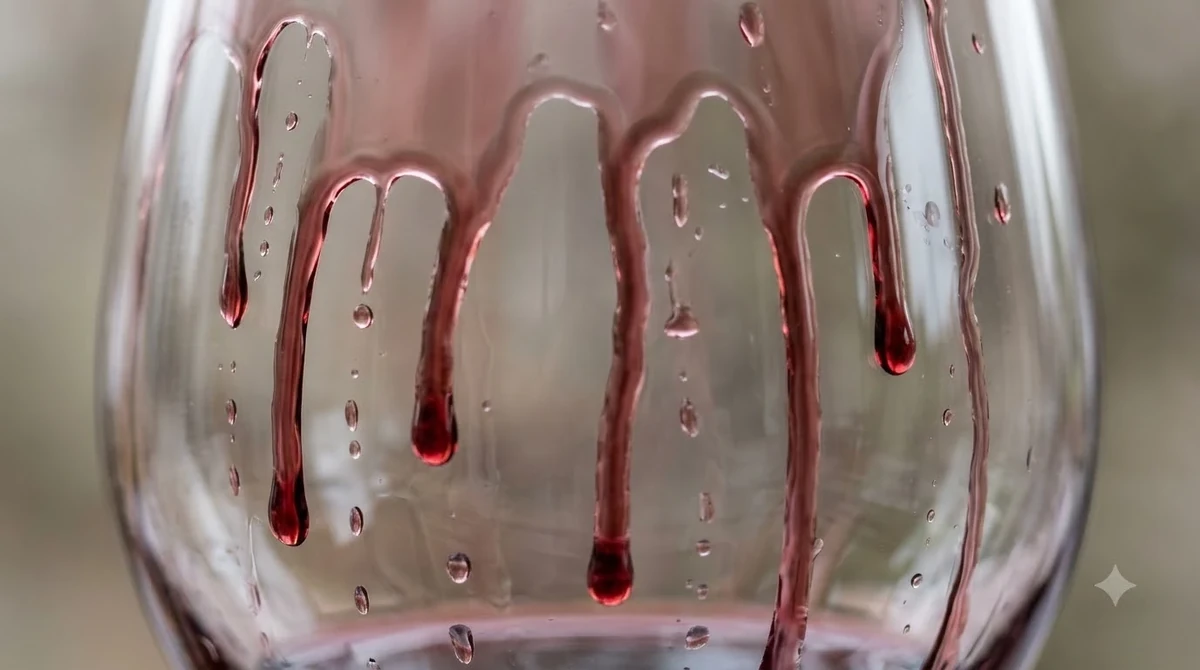
Barbera d’Alba and Barbera d’Asti are particularly useful alternatives. Barbera is known for high acidity and relatively low tannin, with flavors commonly associated with sour cherry, plum, and other red fruits. Its acidity cuts through the richness of marrow and braising juices, while its softer tannin makes it easy to enjoy alongside tender veal.
Barbera is especially suitable when the sauce includes tomatoes. Tomato-based braising liquid introduces additional acidity, so a wine with similarly lively acidity is preferable to one that tastes soft or flat. Barbera’s fruit also complements the sweetness of slowly cooked carrots and onions.
Valtellina Superiore is another excellent regional choice. These wines come from Lombardy and are made primarily from Nebbiolo, locally known as Chiavennasca. Wine Enthusiast highlights Valtellina Nebbiolo as an alternative to Barolo and Barbaresco, noting the region’s higher-altitude vineyards and rocky soils as contributors to freshness and minerality.
Valtellina Superiore is particularly interesting when the osso buco is prepared in a traditional, relatively restrained style. Its lighter body can accompany the delicate flavor of veal without dominating the dish. It also provides a regional connection to Lombardy, the home of Milanese osso buco.
Chianti Classico offers another possibility, especially for preparations with tomato, herbs, and a concentrated sauce. Made primarily from Sangiovese, it typically combines bright acidity with cherry fruit and savory herbal notes. The wine’s freshness works with the tomato and gremolata, although its tannin and overall weight vary by style and producer.
Valpolicella Ripasso can work when the osso buco has a particularly rich, concentrated sauce. Its fuller fruit profile and additional structure provide a satisfying match for the meat. Choose a balanced example rather than an excessively powerful one, particularly if the dish features a pronounced lemon-and-herb finish.
The following comparison summarizes how these wines perform with different osso buco preparations.
| Wine | Acidity | Tannin | Best preparation |
|---|---|---|---|
| Barolo | High | High | Rich, traditional braise |
| Barbaresco | High | Medium-high to high | Veal with herb-based sauce |
| Barbera | High | Low | Tomato-based osso buco |
| Valtellina Superiore | High | Medium | Traditional Milanese preparation |
| Chianti Classico | High | Medium to high | Tomato and herb braise |
| Valpolicella Ripasso | Medium | Medium | Concentrated, savory sauce |
These are general style comparisons rather than fixed measurements. Individual wines can differ substantially according to producer, vintage, vineyard, and winemaking decisions. For a straightforward recommendation, Barbera offers freshness and approachability, while Barolo and Barbaresco deliver the more traditional, structured pairing.
White Wine and Lighter Alternatives for Milanese Osso Buco
Red wine is the natural starting point, but white wine can also work with osso buco, especially when the dish follows the traditional white-wine braising approach. Look for a dry white with enough acidity, body, and aromatic complexity to accompany the veal and its sauce.
Franciacorta is an especially interesting regional option. The Lombardy regional cookbook discusses full-bodied, distinctly acidic whites, including Franciacorta Bianco, in connection with the traditional saffron risotto that accompanies osso buco. A dry sparkling version can bring refreshing acidity and fine bubbles to a rich meal.
Franciacorta is made using the traditional method, with the second fermentation taking place in the bottle. Its texture and acidity make it an appealing alternative when the dinner includes buttery risotto, cheese, and a relatively light veal preparation. Choose a dry style rather than a noticeably sweet sparkling wine.
Pinot Bianco is another sensible option. Its relatively restrained fruit and moderate acidity can complement the delicate flavor of veal without overpowering the herbs. A fuller, more textured example is preferable to an extremely light, neutral wine.
Chardonnay can also work, particularly when it has moderate acidity and a rounded texture. An unoaked or lightly oaked example is generally more suitable than a heavily oaked, buttery style. Excessive oak can compete with the herbs and citrus in gremolata, while too little freshness can make the pairing feel heavy.
Pinot Noir is a useful red alternative for people who prefer less tannin. Its low-to-medium tannin, high acidity, and red-fruit character suit tender veal better than many powerful reds. Choose a medium-bodied style rather than a particularly delicate bottle if the braising sauce is concentrated.
These alternatives become particularly useful when serving several courses or accommodating guests who do not enjoy highly structured reds. A dry sparkling wine can also transition nicely from an appetizer into the main course without requiring a completely different bottle.
For more ideas about matching acidity, texture, and flavor across different dishes, explore our Wine Pairing fundamentals.
How the Osso Buco Recipe Changes the Wine Pairing
Not every version of osso buco tastes the same, and the best wine depends on the ingredients and cooking method. Tomato content, braising wine, herbs, gremolata, and side dishes all influence the final pairing.
Traditional white-wine osso buco: The Milanese preparation documented by the Lombardy regional cookbook includes a glass of white wine, butter, broth, lemon peel, garlic, parsley, sage, and rosemary. This combination produces an aromatic, savory dish with a bright herbal finish. Barbaresco, Valtellina Superiore, and Barbera are all suitable choices, while dry Franciacorta provides an interesting white-wine alternative.
The absence of a heavy tomato sauce makes it easier to select a lighter red. A very powerful wine can overshadow the delicate flavor of veal, particularly when the gremolata is generous. Look for freshness, moderate weight, and integrated tannin rather than maximum concentration.
Tomato-based osso buco: Some modern recipes include tomatoes or tomato paste in the braising liquid. The tomato introduces acidity and a slightly sweeter, fruitier character. Barbera is particularly effective here because its natural acidity complements the sauce without adding excessive tannin.
Chianti Classico is another good option. Its Sangiovese character works with tomatoes, herbs, and the browned flavors created when the veal is seared before braising. If the sauce is particularly concentrated, consider a fuller expression rather than a very light red.
Osso buco with saffron risotto: The traditional combination of veal shank and risotto alla Milanese creates an especially rich plate. The risotto typically contains rice, butter, cheese, saffron, and broth. Its creamy texture calls for a wine with sufficient acidity to provide contrast.
Barolo and Barbaresco are particularly appealing with this version because their structure can accompany both the meat and the risotto. Barbera is an excellent alternative if you prefer a softer, fruitier red. A dry Franciacorta can also work well with the buttery rice and delicate veal.
Osso buco with beef instead of veal: Some recipes substitute beef shanks for traditional veal shanks. Beef usually brings a stronger, more pronounced meat flavor, particularly when the braising liquid is reduced into a concentrated sauce. This makes a structured red such as Barolo or a fuller Nebbiolo particularly suitable.
If you enjoy richer braised beef dishes, our guide to what wine goes with beef brisket explores additional red wine options for slow-cooked meat.
Ultimately, match the wine to the finished dish rather than relying only on the type of meat. A delicate veal shank with lemon gremolata calls for a different balance from a beef shank braised with concentrated tomato sauce and substantial seasoning.
Serving Temperature, Decanting, and Wine Portions
Serving temperature can make a meaningful difference to the pairing. Full-bodied reds should generally be served at 60 to 65 degrees Fahrenheit, while lighter reds are best around 55 to 60 degrees Fahrenheit.
Barolo and Barbaresco usually benefit from serving temperatures around 60 to 65 degrees Fahrenheit. This range allows their aromas to develop without making the alcohol seem overly prominent. If the bottle has been stored at a warmer room temperature, a short period in the refrigerator can bring it into the appropriate range.
Barbera and lighter Nebbiolo wines can be served slightly cooler, around 55 to 60 degrees Fahrenheit. Their freshness and fruit become particularly appealing at this temperature, especially alongside a rich braising sauce.
Dry white wines such as Pinot Bianco and Chardonnay generally work best around 45 to 50 degrees Fahrenheit for lighter styles and 50 to 55 degrees Fahrenheit for fuller styles. Sparkling Franciacorta should be served around 40 to 50 degrees Fahrenheit.
Decanting is another consideration. Young, full-bodied reds with substantial tannin can benefit from 30 to 60 minutes of aeration before dinner. Older Barolo and Barbaresco require more care because extended exposure to air can diminish delicate aromas. Pour older bottles carefully and avoid assuming that more decanting is always better.
For a standard dinner, plan on approximately five ounces of wine per person. A 750-milliliter bottle provides about five standard glasses, making one bottle suitable for a small dinner of four to five people when moderate pours are appropriate.
Keep opened still wine refrigerated and recorked. Most opened still wines remain enjoyable for approximately three to five days, although their aromas and freshness gradually change. Bring a red wine back toward its recommended serving temperature before pouring another glass.
Choosing the Right Wine for the Entire Dinner
The best pairing considers the complete menu, not just the main course. Osso buco is traditionally substantial, so appetizers, side dishes, and dessert should complement its richness rather than introduce competing flavors.
For a classic Milanese dinner, begin with a relatively simple appetizer, serve osso buco with saffron risotto, and finish with a dessert that does not overwhelm the palate. Barolo or Barbaresco can accompany the main course, while a lighter sparkling wine may be appropriate before dinner.
If the meal includes a cheese course, consider how the cheese changes the wine experience. Salty, fatty cheeses soften the perception of tannin, making structured reds more approachable. A particularly pungent blue cheese, however, can create a different challenge because its intensity may overwhelm delicate wines.
Our guide to what wine goes with blue cheese explains how sweetness, salt, and texture influence that separate pairing decision.
Side dishes can also influence the final selection. Roasted vegetables, mushrooms, and polenta can support the earthy flavors of Nebbiolo. Creamy potatoes and buttery vegetables make acidity especially valuable, while tomato-based vegetables reinforce the suitability of Sangiovese and Barbera.
If the menu includes eggplant parmesan as an additional course, consider its tomato sauce, melted cheese, and fried eggplant when choosing the accompanying wine. A fresh, fruit-driven Italian red can be a practical option, although the best match may differ from the wine selected for the osso buco.
For a closer look at that combination, see our guide to what wine goes with eggplant parmesan.
There is no requirement to serve one wine throughout the entire meal. A dry sparkling wine with an appetizer, a Nebbiolo with osso buco, and a suitable dessert wine afterward can create a more considered progression. The main-course pairing deserves the most attention because the veal, marrow, braising liquid, and gremolata create the greatest concentration of flavor.
For most traditional Milanese preparations, Barolo or Barbaresco remains the strongest recommendation. Barbera is the practical alternative for a fruitier, softer red, while Valtellina Superiore offers a regional option with freshness and elegance. Choose according to the sauce, seasoning, and richness of the complete plate rather than selecting a wine simply because it is expensive or powerful.
Frequently Asked Questions
Can you use the same wine for cooking and serving osso buco?
Yes, provided the cooking wine is suitable for drinking and has no excessive sweetness or harsh acidity. Traditional Milanese recipes commonly use dry white wine in the braising liquid, while the finished dish can be served with a red such as Barolo or Barbera. You do not have to serve the exact wine used during cooking.
Is Amarone a good wine to serve with osso buco?
Amarone della Valpolicella can accompany a particularly rich, concentrated version of osso buco. It is made using partially dried grapes and typically has substantial body, concentrated fruit, and elevated alcohol. Its weight makes it more appropriate for a deeply flavored sauce than for a delicate white-wine preparation with pronounced lemon gremolata.
Can rosé wine work with osso buco?
A dry, structured rosé can work with a lighter veal preparation, especially one featuring white wine, fresh herbs, and a restrained amount of sauce. Look for a wine with enough acidity and flavor concentration to accompany the meat. Very delicate or noticeably sweet rosé is less suitable for a substantial braised main course.
Does osso buco need an expensive wine?
No. Barolo is a prestigious traditional choice, but a well-made Barbera or an approachable Nebbiolo can provide an excellent pairing. The important qualities are freshness, appropriate tannin, and enough flavor to accompany the braising liquid. A balanced regional wine can be more successful than an exceptionally powerful bottle that overwhelms the dish.
Which wine regions are closest to the traditional home of osso buco?
Osso buco alla Milanese comes from Lombardy, making Lombardian wines such as Valtellina Superiore and Franciacorta particularly relevant regional choices. Piedmont, immediately to the west, is home to Barolo, Barbaresco, and Barbera. These neighboring northern Italian wine regions offer several natural pairings for Milanese cooking.
For a traditional osso buco dinner, start with Barolo or Barbaresco if you want a classic, structured Italian red. Choose Barbera for a brighter, softer alternative, or Valtellina Superiore for a lighter regional expression of Nebbiolo. Above all, consider the sauce, saffron risotto, and fresh gremolata when making your final selection so that the wine complements the entire meal.
More in Food & Wine Pairing
 Risotto With White Wine Recipe: Make a Creamy Dinner at HomeUpdated Nov 20, 2026
 Wassail With Wine Recipe for a Festive Spiced Holiday DrinkUpdated Nov 20, 2026
 Spritz Veneziano Recipe: Make a Classic Venetian Aperitivo at HomeUpdated Nov 20, 2026
 Summer Wine Punch Recipe for Easy Homemade EntertainingUpdated Nov 20, 2026
 Bishop Recipe: How to Make a Bright, Citrus-Forward Red Wine CocktailUpdated Nov 20, 2026
 Wine Cupcakes Recipe: Bake Rich Chocolate Cupcakes at HomeUpdated Nov 20, 2026