

We may earn a commission when you buy through links on this page, at no extra cost to you. Learn more.
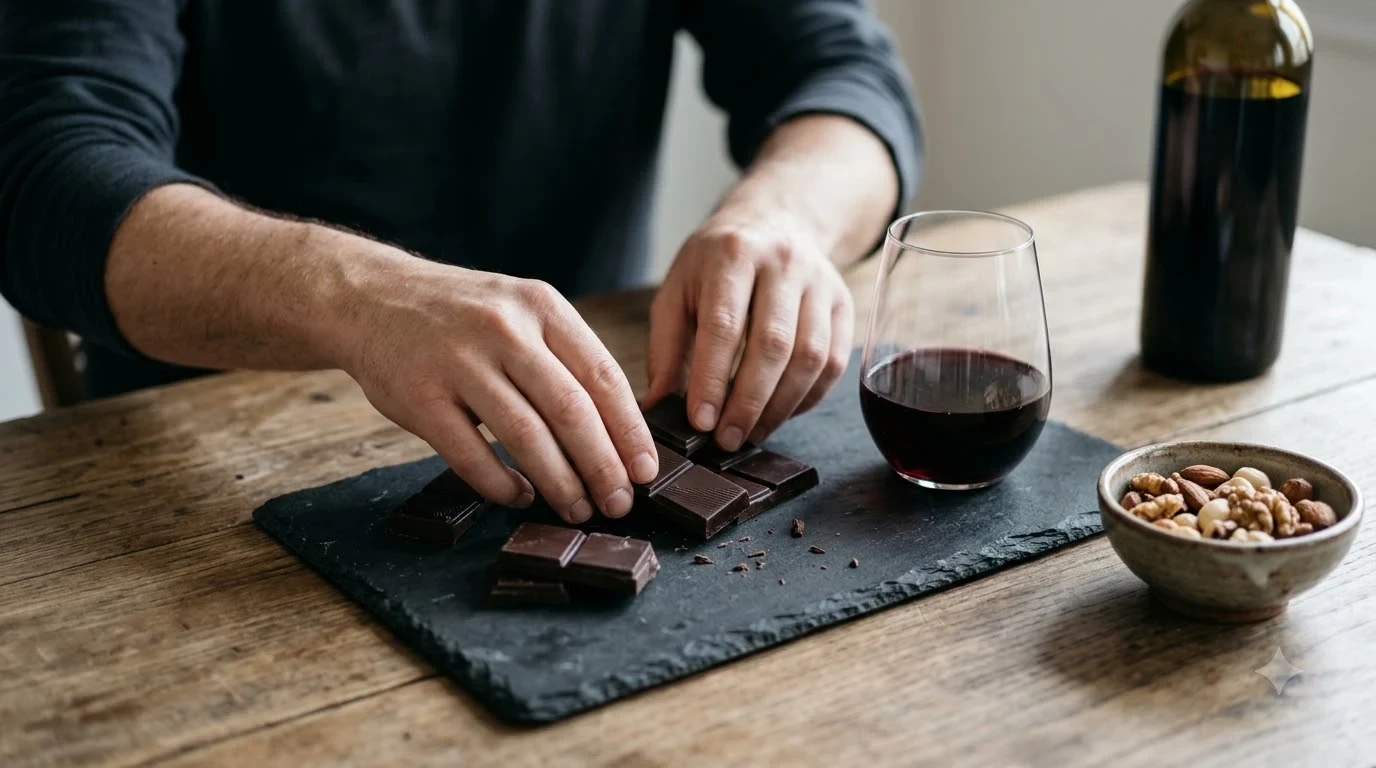
What wine goes with chocolate chip cookies? Ruby Port is an excellent choice, while Moscato d’Asti and late-harvest Riesling offer lighter, sweeter alternatives. The best pairing depends on the cookie’s chocolate, brown sugar, butter, and overall sweetness. For classic chocolate chip cookies, start with a fruity wine that has enough sweetness to complement the dessert without overwhelming its vanilla and toasted flavors.
Chocolate chip cookies might seem like an obvious match for a glass of milk, but wine can make an equally interesting companion. The combination of melted chocolate, caramel-like brown sugar, buttery dough, and vanilla offers several opportunities for complementary flavors. The key is choosing a wine that balances the cookie’s sweetness and richness rather than making the wine taste sharp or unpleasantly bitter.
Why Ruby Port Is an Excellent Match for Chocolate Chip Cookies
Ruby Port is one of the strongest choices for chocolate chip cookies because its concentrated fruit flavors, sweetness, and full-bodied texture complement chocolate and brown sugar. Its ripe berry character also provides a pleasant contrast to the cookie’s buttery richness.
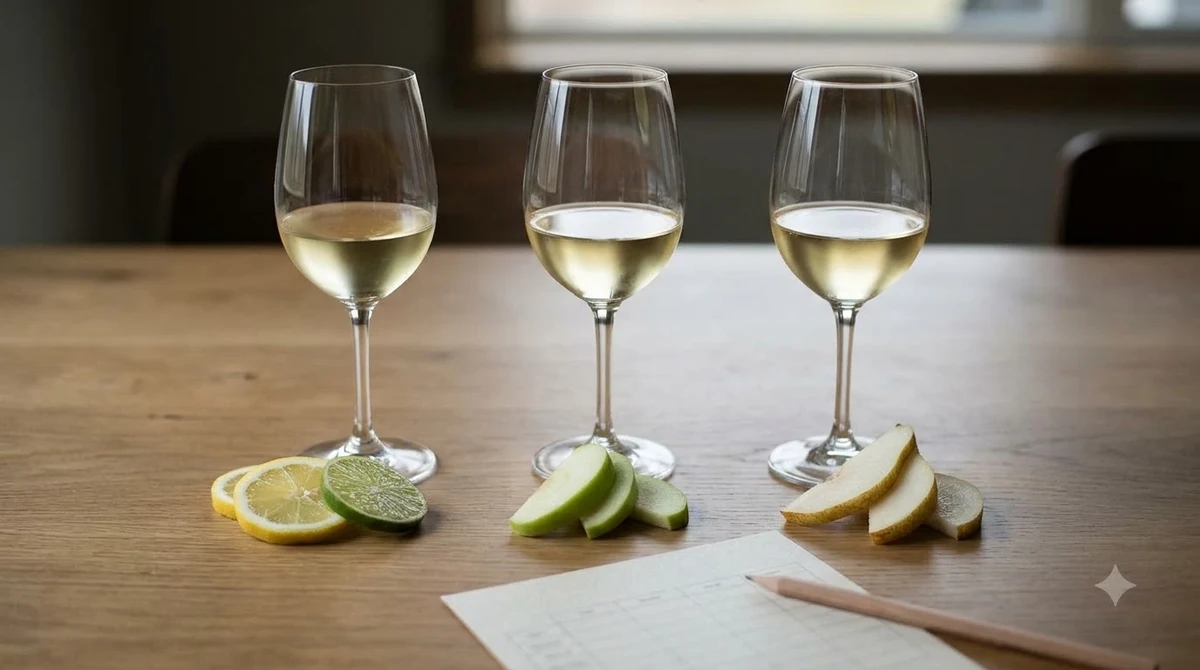
Port is a fortified wine, meaning grape spirit is added during production. This process increases its alcohol content and can preserve natural grape sweetness. The result is a wine with enough body and flavor intensity to stand beside a substantial dessert rather than disappearing after the first bite.
Ruby Port is particularly useful with traditional chocolate chip cookies made with semisweet or dark chocolate chips. Its flavors of blackberry, cherry, and plum complement the chocolate, while its sweetness helps prevent the cookie from making the wine taste overly acidic. The combination also works with cookies that have crisp edges and soft, chewy centers because the wine’s richness matches the dessert’s substantial texture.
Tawny Port is another possibility, although it creates a different pairing. Rather than emphasizing fresh berry fruit, Tawny Port commonly develops flavors associated with caramel, toasted nuts, dried fruit, and baking spices. These characteristics work particularly well with cookies made with dark brown sugar, toasted pecans, or browned butter.
For a straightforward starting point, choose Ruby Port for a classic chocolate-forward cookie and Tawny Port for a nuttier, more caramelized version. Both styles are naturally suited to richer desserts, but the flavor differences make them useful for different cookie recipes.
Port is also a practical choice for serving small dessert portions. A 750 ml bottle provides approximately five standard 5-ounce glasses, although fortified wine is often served in smaller pours because of its higher alcohol content. A small glass alongside one or two cookies can provide plenty of flavor without making the dessert feel excessive.
The Le Cordon Bleu chocolate and wine pairing recommendations also identify Ruby Port, Tawny Port, and other fortified wines as suitable companions for chocolate, reinforcing their usefulness with chocolate-rich desserts.
Other Wine Styles That Pair Well With Chocolate Chip Cookies
Port is not the only suitable choice. Moscato d’Asti, late-harvest Riesling, Banyuls, and selected sweet sparkling wines offer different combinations of sweetness, acidity, fruit, and texture.

Moscato d’Asti: This lightly sparkling Italian wine is an approachable option for cookies with milk chocolate chips or a pronounced vanilla flavor. Its aromatic character often includes peach, citrus, and floral notes. Its gentle sweetness complements the sugar in the dough, while its lively character provides a lighter alternative to fortified wine.
Moscato d’Asti is especially suitable when the cookies are not heavily loaded with dark chocolate. A very chocolate-rich cookie may overwhelm a delicate bottle, so consider a more concentrated sweet wine for particularly intense recipes.
Late-harvest Riesling: Late-harvest Riesling is a useful choice for people who want sweetness balanced by refreshing acidity. Its fruit character can include apricot, peach, citrus, and honey. This combination complements vanilla and brown sugar while providing enough freshness to balance the cookie’s buttery texture.
Choose a genuinely sweet late-harvest example rather than assuming that every Riesling will work. Riesling ranges from bone-dry to very sweet, and a dry version can taste sour beside a sugary cookie. The wine should have sufficient residual sugar to maintain its fruit character after a bite of dessert.
Banyuls: This fortified wine from southern France is another appealing option for chocolate. Its rich fruit character and concentrated texture can match the intensity of dark chocolate chips, while its sweetness provides balance. Banyuls is especially interesting with cookies containing a combination of dark chocolate and toasted nuts.
Sweet sparkling wine: A sweet sparkling wine brings bubbles and a refreshing texture to the pairing. Demi-Sec sparkling wine can work with a lighter chocolate chip cookie, particularly one with milk chocolate and a moderate amount of sugar. Its acidity helps offset butter, while its sweetness keeps the dessert from making the wine seem harsh.
Pay attention to sparkling wine terminology. Brut is drier than Extra Dry, while Demi-Sec is noticeably sweeter. Doux is sweeter still. For a sweet cookie, Demi-Sec or Doux is generally a more suitable starting point than Brut Nature or Extra Brut.
The best option depends on the dessert’s intensity. A delicate cookie with small milk chocolate pieces benefits from a lighter aromatic wine, while a thick cookie filled with dark chocolate needs something more concentrated.
How Chocolate, Sugar, and Butter Change the Pairing
Chocolate chip cookies contain several ingredients that influence wine selection. Chocolate contributes bitterness and cocoa intensity, sugar determines how sweet the dessert tastes, and butter adds richness that affects the wine’s texture.
Milk chocolate chips generally contain more sugar and less cocoa bitterness than dark chocolate chips. They work well with sweet white wines such as Moscato d’Asti, sweet Muscat, and lighter styles of fortified wine. The softer chocolate flavor allows the wine’s floral and fruity aromas to remain noticeable.
Semisweet chocolate chips provide a useful middle ground. Their combination of sweetness and cocoa intensity makes them versatile with Ruby Port, Banyuls, and fruit-forward sweet wines. They are also suitable for experimenting with Pinot Noir when the cookie is not especially sugary and the wine has enough ripe fruit to stand beside the chocolate.
Dark chocolate chips bring more bitterness and often a deeper roasted flavor. They can support richer wines, including Ruby Port and selected fortified reds. A cookie containing espresso powder and dark chocolate may also work with a fuller-bodied red wine, provided its tannins and dryness do not clash with the dessert’s sugar.
There is an important distinction between cocoa intensity and sweetness. A cookie containing 70% dark chocolate might taste less sugary than one made with milk chocolate, but the bitterness can be more pronounced. The wine needs enough fruit and body to meet that intensity without adding excessive bitterness.
Butter and brown sugar also influence the experience. Butter gives cookies a creamy, coating texture, while brown sugar contributes molasses-like and caramelized flavors. These characteristics help explain why wines with nutty, caramel, or ripe-fruit notes can work particularly well.
Vanilla is another useful pairing clue. Aromatic wines with peach, apricot, honey, and floral notes can complement vanilla without requiring a strong chocolate flavor. For this reason, a lighter sweet white wine may work better with a vanilla-forward cookie than a powerful fortified red.
Tip: Match the wine to the sweetest and most prominent part of the cookie. A milk-chocolate-heavy cookie generally suits a lighter sweet wine, while a dark-chocolate cookie with toasted nuts can support a richer Port or Banyuls.
These principles also explain why chocolate desserts should not automatically receive the same wine recommendation. The pairing for what wine goes with dark chocolate can differ significantly from the best choice for a soft chocolate chip cookie. Chocolate concentration, added sugar, and the amount of butter all influence the final result.
Red Wine Versus White Wine With Chocolate Chip Cookies
Both red and white wine can work with chocolate chip cookies, but sweetness and tannin matter more than wine color. Sweet reds offer an obvious connection to chocolate, while aromatic white wines provide a lighter alternative with fruit and acidity.
Ruby Port is a reliable red option because it combines ripe fruit, sweetness, and a concentrated texture. Banyuls offers a similarly rich approach, particularly for dark chocolate. These wines have more natural compatibility with sweet desserts than many dry table reds.
Pinot Noir is a different kind of red wine pairing. Its relatively low-to-medium tannin level and bright acidity make it gentler than Cabernet Sauvignon or Syrah. A fruit-forward Pinot Noir can complement a less-sweet chocolate chip cookie, especially one containing walnuts or oats.
Winemaker Don Van Staaveren has specifically discussed Pinot Noir with oatmeal chocolate chip cookies containing walnuts. He identifies the walnut’s nutty, earthy character as a complementary connection to the wine’s flavor profile. This is a useful example of how a cookie’s secondary ingredients can influence the pairing as much as the chocolate itself.
Cabernet Sauvignon can also work in a more specialized situation. Van Staaveren associates fuller-bodied Cabernet with cookies containing dark chocolate and espresso. The wine’s intensity can match those stronger flavors, while the butter and chocolate oils help soften the perception of tannin.
However, a dry Cabernet Sauvignon is not the safest choice for an ordinary sweet chocolate chip cookie. Its high tannin and relatively low sweetness can make the combination taste drying or harsh. The richer ingredients in some cookies may help, but they do not eliminate the importance of matching sweetness.
White wine offers a more approachable route for many people. Moscato d’Asti and sweet Muscat provide floral and fruity aromas that complement vanilla and milk chocolate. Late-harvest Riesling contributes a more concentrated sweetness and brighter acidity, making it particularly useful with buttery cookies.
Chardonnay deserves a mention, although it is not the first choice for a very sweet cookie. Its buttery texture and possible vanilla or toasted notes can complement baked flavors. A slightly sweet or particularly fruit-forward example may work with a less-sweet cookie, but a bone-dry Chardonnay can taste sharp beside a sugary dessert.
For additional ideas, the distinctions between what wine goes with milk chocolate and dark chocolate can help narrow the selection. Milk chocolate usually benefits from a sweeter, lighter accompaniment, while intense dark chocolate often supports a richer wine.
Serving Temperature and Portions for Wine and Cookies
Serving temperature affects how wine expresses its aromas, sweetness, and acidity. Sweet white wines generally benefit from chilling, while fortified reds are usually more expressive when served slightly warmer.
A cold bottle of Moscato d’Asti can provide a refreshing contrast to a warm chocolate chip cookie. Late-harvest Riesling also benefits from cool service, which keeps its sweetness from becoming heavy. Ruby Port should not be served excessively warm because high temperatures can make its alcohol seem more prominent.
The following temperatures provide practical starting points for different wine styles. They are useful guidelines rather than strict requirements.
| Wine Style | Serving Temperature | Cookie Pairing |
|---|---|---|
| Moscato d’Asti | 43–50°F | Milk chocolate and vanilla |
| Late-harvest Riesling | 43–50°F | Buttery, moderately sweet cookies |
| Sweet sparkling wine | 40–50°F | Light chocolate chip cookies |
| Ruby Port | 60–65°F | Dark chocolate and brown sugar |
| Tawny Port | 55–65°F | Toasted nuts and caramel flavors |
| Pinot Noir | 55–60°F | Oatmeal and walnut chocolate chip cookies |
| Cabernet Sauvignon | 60–65°F | Dark chocolate and espresso cookies |
| Chardonnay | 50–55°F | Buttery, vanilla-forward cookies |
These temperatures reflect general serving recommendations for the respective wine styles. Fortified wines can vary considerably in alcohol and sweetness, so slightly cooler service may be preferable for some bottles.
Portion size also matters. A standard wine pour is 5 ounces, and a 750 ml bottle contains approximately five standard glasses. For dessert, smaller pours can be more practical, especially with Port and other fortified wines. A 2-ounce serving gives enough wine to explore the pairing without competing with the cookie.
Consider the cookie’s temperature as well. A freshly baked cookie with warm, partially melted chocolate creates a softer, richer impression than a completely cooled cookie. Moscato d’Asti provides a refreshing contrast, while Ruby Port creates a more concentrated, dessert-like combination.
For a gathering, serve the wine in small glasses and offer cookies at room temperature alongside a few warm ones. This gives guests the opportunity to compare how the same wine responds to different textures and temperatures.
Choosing Wine for Different Chocolate Chip Cookie Recipes
Small changes to a chocolate chip cookie recipe can make a meaningful difference to the wine pairing. Walnuts, oatmeal, sea salt, espresso, and browned butter each introduce different flavors that can guide the choice.
Classic chocolate chip cookies
For a standard cookie made with semisweet chocolate chips, brown sugar, butter, and vanilla, Ruby Port is an excellent starting point. Its ripe fruit character and sweetness complement the chocolate without requiring an unusually intense cookie recipe.
Moscato d’Asti is another option if the cookie is relatively light and contains plenty of milk chocolate. It offers a more refreshing pairing and is especially suitable for people who prefer aromatic white wines.
Dark chocolate and espresso cookies
Cookies with dark chocolate and espresso have stronger roasted and bitter flavors. Ruby Port and Banyuls can provide enough richness and sweetness to balance these ingredients. A fruit-forward Cabernet Sauvignon is another possibility for a cookie with restrained sugar and substantial chocolate intensity.
For this combination, avoid choosing an excessively tannic, dry red simply because the cookie contains dark chocolate. Cocoa bitterness can make a strongly tannic wine taste even more drying.
Walnut and oatmeal chocolate chip cookies
Oatmeal and walnuts introduce toasted, earthy, and nutty flavors. Pinot Noir can work particularly well with this variation because its red-fruit character and relatively moderate tannin allow the walnut flavor to remain prominent.
Chardonnay is another possibility, particularly when the cookie has a substantial amount of butter, coconut, or raisins. Its richness can match the chewy texture, while its fruit and toasted notes complement the baked ingredients.
Sea salt chocolate chip cookies
Sea salt creates a slightly different balance. Salt can soften the perception of tannin and make fruit flavors seem more pronounced. A Ruby Port can therefore be an appealing choice with a cookie finished with flaky salt and dark chocolate.
Sweet sparkling wine is another possibility, particularly with a thinner, crisp-edged cookie. The contrast between sweetness, bubbles, and salt can keep the pairing lively.
Brown butter chocolate chip cookies
Brown butter introduces toasted, nutty, and caramelized flavors that make Tawny Port especially attractive. The wine’s dried-fruit and nut characteristics complement the browned butter without requiring an especially dark chocolate.
A late-harvest Riesling can also work if the cookie has a pronounced vanilla and caramel character. Choose a bottle with enough sweetness to complement the dessert rather than a dry Riesling that might taste overly acidic.
How to Build a Balanced Chocolate Chip Cookie and Wine Pairing
The easiest way to select a suitable wine is to work from the cookie’s sweetness, chocolate intensity, and texture. Start with the dessert rather than choosing a bottle based only on a familiar grape variety or personal preference for red or white wine.
First, consider how sweet the cookie tastes. A heavily sweetened cookie needs a wine with comparable or greater sweetness. This is one of the most important rules for dessert pairing because sugar in food can make a dry wine taste thin and sour.
Second, consider the chocolate. Milk chocolate generally favors sweet aromatic whites or lighter fortified wines, while darker chocolate can support more concentrated styles. Ruby Port provides a useful starting point for cookies with a substantial quantity of dark chocolate.
Third, think about the cookie’s richness. A cookie made with extra butter or browned butter has a heavier texture than a thin, crisp cookie. Richer desserts can support wines with more body, while lighter cookies generally benefit from more delicate wines.
Fourth, consider any additional ingredients. Walnuts can point toward Pinot Noir or Tawny Port, espresso can support a more concentrated wine, and vanilla can work with Moscato or Riesling. These flavor connections provide a useful way to move beyond a single standard recommendation.
Finally, compare the wine and cookie in small portions. Take a bite of the cookie, allow the chocolate and buttery flavors to develop, and then take a sip of wine. Notice whether the wine retains its fruit and sweetness or becomes noticeably tart, bitter, or thin.
A good pairing should make both elements enjoyable. The cookie should not completely hide the wine, and the wine should not overwhelm the dessert. For broader guidance on matching sweetness, acidity, and texture across different dishes, the principles in Wine Pairing offer a useful foundation.
Chocolate chip cookies can also be part of a larger dessert selection. If the menu includes a richer baked dessert, the choice may need to change. For instance, what wine goes with chocolate cake often involves fuller-bodied sweet wines because cake can contain more chocolate, sugar, and cream than an ordinary cookie.
Frequently Asked Questions
Can you drink Champagne with chocolate chip cookies?
Yes, although the sweetness level is important. A sweeter sparkling wine, such as Demi-Sec Champagne, is generally a better match for a sugary cookie than Brut Nature or Extra Brut. Traditional Champagne also undergoes a second fermentation in the bottle, which creates its characteristic bubbles.
Does chocolate chip cookie dough pair with wine?
Cookie dough can pair with sweet wines, particularly Moscato d’Asti and late-harvest Riesling. Its raw flour, butter, and sugar create a different texture from baked cookies, and the chocolate may be more concentrated in each bite. Sweetness and flavor intensity remain the most useful selection criteria.
Does chocolate chip cookie dough flavor work with Madeira?
Yes, sweeter Madeira styles can complement the caramel, toasted nut, and brown sugar flavors associated with cookie dough. Madeira is produced on the Portuguese island of Madeira and undergoes a distinctive heating and aging process. Its concentrated character makes it particularly interesting with browned butter and dark chocolate recipes.
Can you pair chocolate chip cookies with nonalcoholic wine?
Yes. A sweet, fruity nonalcoholic sparkling wine or dealcoholized Muscat-style wine can provide a similar aromatic direction to Moscato. Look for a product with noticeable residual sweetness rather than a completely dry sparkling alternative. The same general sweetness-matching principle applies.
Can leftover Port be kept after opening?
Yes. Unlike many delicate still wines, fortified Port generally remains enjoyable longer after opening, although its storage life depends on its style and age. Keep the bottle properly closed in a cool location, and refrigerate it when appropriate. Vintage Port generally requires more attention after opening than Ruby or Tawny styles.
For most classic chocolate chip cookies, Ruby Port is the best place to start, with Moscato d’Asti and late-harvest Riesling providing lighter alternatives. Match the wine’s sweetness to the cookie, consider the chocolate and additional ingredients, and serve the bottle at an appropriate temperature. With those basics in mind, even a familiar homemade cookie can become an enjoyable dessert pairing.
More in Food & Wine Pairing
 Risotto With White Wine Recipe: Make a Creamy Dinner at HomeUpdated Nov 20, 2026
 Wassail With Wine Recipe for a Festive Spiced Holiday DrinkUpdated Nov 20, 2026
 Spritz Veneziano Recipe: Make a Classic Venetian Aperitivo at HomeUpdated Nov 20, 2026
 Summer Wine Punch Recipe for Easy Homemade EntertainingUpdated Nov 20, 2026
 Bishop Recipe: How to Make a Bright, Citrus-Forward Red Wine CocktailUpdated Nov 20, 2026
 Wine Cupcakes Recipe: Bake Rich Chocolate Cupcakes at HomeUpdated Nov 20, 2026