


We may earn a commission when you buy through links on this page, at no extra cost to you. Learn more.
Whispering Angel rose tasting notes reveal a pale Provence rosé with fresh strawberry, raspberry, peach, citrus, and floral aromas, a rounded texture, bright acidity, and a distinctly dry finish. Produced by Château d’Esclans in southern France, this popular wine combines Grenache, Cinsault, and Rolle (Vermentino) to create a fruit-forward but refreshing style. Expect ripe red fruit, subtle herbal details, and a smooth palate rather than pronounced sweetness or heavy tannins. Its balance makes it suitable for seafood, salads, grilled chicken, and Mediterranean dishes.
Whispering Angel has become a familiar name among drinkers who enjoy pale, refreshing rosé. Its appeal comes from the combination of approachable fruit, restrained freshness, and enough texture to accompany food. Understanding its aromas, grape varieties, production methods, and serving temperature makes it easier to recognize what distinguishes this bottle from other Provence rosés. The following guide explains its typical character while accounting for differences between vintages.
Whispering Angel Rosé Flavor Profile and First Impressions
Whispering Angel presents a delicate fruit profile supported by fresh acidity and a rounded, smooth texture. Its most recognizable characteristics include red berries, peach, citrus, and gentle floral aromas, with a dry finish that keeps the wine refreshing.
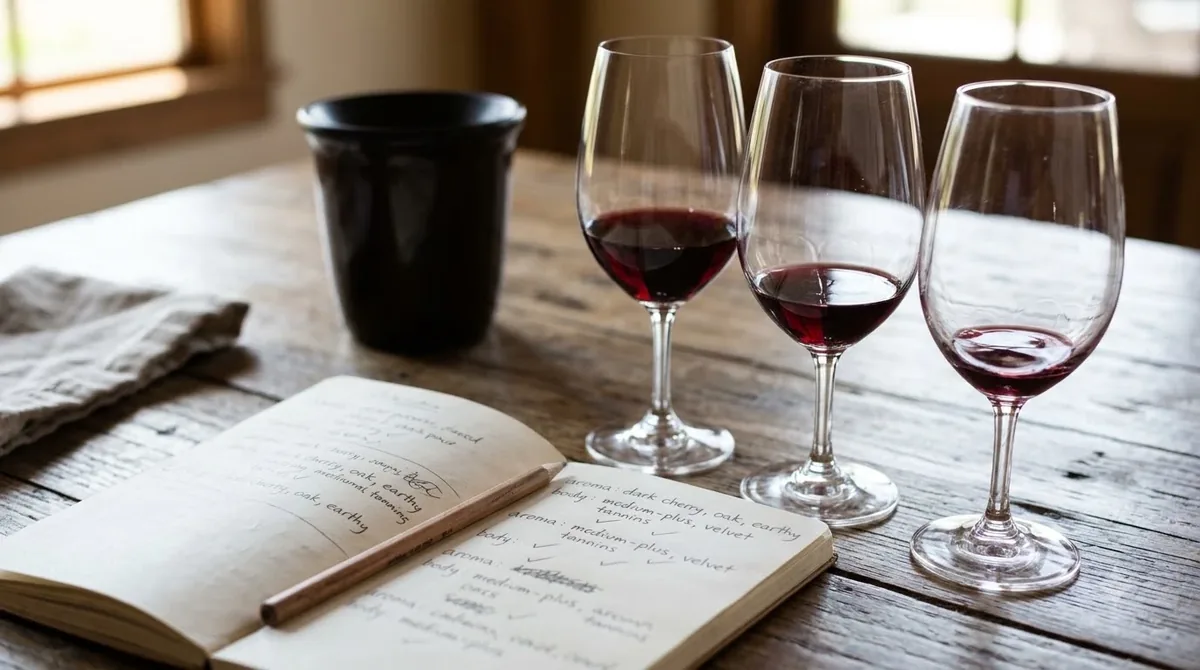
In the glass, the wine generally displays a pale pink or light salmon color. Its restrained appearance reflects the familiar Provence rosé style, where delicate color accompanies fresh fruit rather than the darker berry intensity associated with some rosé wines. The shade can vary slightly between vintages, so color alone should not determine expectations about flavor or quality.
The first aromas often suggest strawberry, raspberry, red currant, and delicate peach. These fruits give the wine an inviting character without making it smell like fruit juice or a sweet confection. Some bottlings also reveal grapefruit, pink citrus, and subtle floral impressions. The 2022 professional tasting notes published by Wine.com mention pomegranate, grapefruit, rosemary, lavender, and peaches, illustrating how fruit and herbal details can appear together.
On the palate, the wine typically feels medium-bodied, with a combination of juicy fruit, refreshing acidity, and a soft texture. Strawberry and raspberry impressions may become more noticeable as the wine warms slightly in the glass. Peach contributes a rounder impression, while citrus provides freshness and helps prevent the fruit from seeming overly ripe.
The finish is smooth and relatively clean. Rather than leaving a strong bitter sensation or drying tannins, Whispering Angel generally finishes with lingering fruit and a refreshing impression. Its texture gives it more presence than an extremely light, watery rosé, but its acidity keeps the wine from feeling heavy.
It is useful to separate fruitiness from sweetness when describing this wine. A ripe strawberry aroma does not mean that the wine contains substantial residual sugar. Whispering Angel is presented by its producer as bone dry, meaning the fruit character is balanced by a dry finish rather than obvious sweetness.
Vintage differences can change the emphasis of individual aromas. A warmer growing season may produce a more generous impression of ripe peach and red fruit, while another vintage may emphasize citrus, fresh berries, or herbal notes. These variations do not necessarily change the wine’s general identity as a dry, approachable Provence rosé.
Grape Varieties Behind the Wine’s Character
Grenache, Cinsault, and Rolle (Vermentino) provide the central structure of Whispering Angel, while Syrah and other permitted blending varieties can contribute additional character. Each grape brings a different combination of fruit, freshness, color, and texture to the finished rosé.
Grenache is an important contributor to the wine’s ripe fruit character. In rosé production, it can provide strawberry, raspberry, and red cherry impressions, along with a generous palate. Its fruit profile helps give Whispering Angel its approachable character and contributes to the impression of a rounded wine.
Grenache can also contribute body and warmth. This matters because a very light rosé may feel refreshing but disappear quickly alongside food. The presence of Grenache helps give the wine enough substance to accompany dishes such as grilled chicken, seafood pasta, and Mediterranean vegetable plates.
Cinsault contributes freshness and delicate red fruit. It is widely associated with Provence rosé and can bring floral aromas, subtle berry flavors, and an elegant texture. Its role helps balance the generosity of Grenache, supporting a lighter overall impression.
Rolle, also known as Vermentino, is a white grape that can contribute citrus, floral, and sometimes herbal characteristics. Its presence helps explain why Whispering Angel can show grapefruit-like freshness alongside red berry flavors. The combination also adds aromatic complexity without requiring strong oak flavors.
Syrah is another variety identified by Château d’Esclans in its description of the wine. It can contribute additional fruit intensity, color, and structure, depending on the blend. The exact proportions of the varieties can differ, so it is better to understand the grape names as components of a blending style rather than assume every vintage uses an identical recipe.
Decanter’s profile also identifies Mourvèdre among the varieties associated with Whispering Angel. Its coverage describes the broader grape composition rather than establishing a fixed percentage for every release. This distinction matters because producers can adjust blends to maintain a recognizable house style across changing growing conditions.
For readers exploring other French rosés, Miraval rosé tasting notes offer another useful reference point. Comparing the fruit character, texture, and finish of two Provence wines is often more informative than judging them by bottle color or label design alone.
Provence Origin and Winemaking Methods
Whispering Angel comes from Château d’Esclans in Provence, with grapes sourced from vineyards around the Esclans Valley and the wider Côtes de Provence region. Night harvesting, careful grape selection, controlled temperatures, and stainless steel fermentation help preserve the fresh fruit profile associated with the wine.
Provence is a major rosé-producing region in southeastern France, with a Mediterranean climate and a long-established tradition of making pink wines. Côtes de Provence includes a range of vineyard conditions, from coastal areas influenced by the Mediterranean to inland and elevated sites. These differences can influence grape ripeness, acidity, and aromatic development.
Château d’Esclans identifies the Esclans Valley and nearby Côtes de Provence vineyards as sources for its Whispering Angel grapes. The producer describes harvesting at night to avoid the heat of the day and help keep the fruit fresh before it reaches the winery. This approach is particularly relevant for rosé, where preserving delicate aromas is an important part of the intended style.
Once the grapes arrive, the producer uses optical sorting to assess fruit quality. This selection process helps separate suitable grapes from material that does not meet the winery’s standards. Careful handling also reduces the risk of unwanted oxidation, which can diminish the fresh fruit character expected in a young rosé.
The winery describes a temperature reduction from approximately 20°C to 7–8°C during processing. Cooler handling helps preserve freshness and limits premature development of aromas. Closed-circuit pressing is also used to minimize exposure to oxygen.
Whispering Angel combines free-run juice with press juice. Free-run juice drains naturally from the grapes, while press juice is obtained through controlled pressing. Combining these fractions allows the winemaking team to build a particular balance of freshness, texture, and concentration.
Fermentation takes place in temperature-controlled stainless steel tanks. Unlike a heavily oaked Chardonnay, the wine is not defined by new oak flavors such as vanilla, toast, or baking spice. Stainless steel allows the grape aromas and freshness to remain central to the finished wine.
The producer also reports conducting batonnage twice weekly during the winemaking process. Batonnage involves stirring the lees, or fine yeast deposits, in the wine. This technique can contribute additional texture and a softer palate without necessarily creating an obvious buttery flavor.
These methods help explain the combination of fresh aromas and a rounded mouthfeel. Night harvesting and temperature control support freshness, while the juice selection and lees management contribute to the wine’s fuller texture. The result is a rosé that combines delicate fruit with more palate presence than its pale appearance might suggest.
For additional background on the wine’s production, the official Château d’Esclans Whispering Angel profile describes its grape varieties, fermentation approach, and recommended serving conditions.
Sweetness, Acidity, Body, and Alcohol Content
Whispering Angel is a dry rosé with refreshing acidity, medium body, and a smooth texture. Its 13% ABV gives it a noticeable level of alcohol for a rosé, while the combination of fruit and acidity helps keep the wine balanced.
Dryness is one of the most important characteristics to understand. The wine can smell distinctly fruity, especially when strawberry, raspberry, and peach aromas are prominent. However, these aromatic impressions do not indicate that the wine tastes sweet. The producer describes the finished wine as bone dry, and its profile is intended to emphasize fruit clarity rather than dessert-like sweetness.
Acidity provides the refreshing quality that makes the wine suitable for warm-weather meals. It helps balance ripe fruit and gives each sip a lively character. The exact acidity level is not specified in the producer’s general wine profile, so it is more useful to describe its perceived freshness than assign an unsupported numerical acidity figure.
The body is generally medium rather than extremely light. The wine has enough weight to work with food but does not have the dense structure of a full-bodied red. Its smoothness comes from the interaction of fruit, acidity, and winemaking choices rather than heavy tannin or an overt oak influence.
Alcohol also influences the overall impression. The producer lists Whispering Angel at 13% ABV, a figure that is consistent with the Wine.com listing for the 2022 bottling. Alcohol contributes some warmth and body, although the wine is generally balanced enough that this warmth does not dominate its fruit character.
| Characteristic | Typical profile | What it means in the glass |
|---|---|---|
| Wine color | Pale pink | Delicate Provence rosé appearance |
| Sweetness | Bone dry | Fresh fruit without an obvious sugary finish |
| Body | Medium | More texture than a very light rosé |
| Acidity | Fresh and bright | Refreshing finish and food-friendly character |
| Alcohol | 13% ABV | Moderate warmth and palate weight |
| Serving temperature | 46–54°F | Cool enough to preserve freshness |
| Bottle size | 750 ml | Approximately five standard 5 oz pours |
| Producer’s aging potential | 1–2 years | Best approached as a young, fresh rosé |
These characteristics make Whispering Angel particularly suitable for drinkers who want a dry wine with recognizable fruit aromas. It offers more palate weight than an especially delicate rosé but remains considerably lighter in structure than most red wines.
Readers interested in the alcohol figure can also consult our explanation of Whispering Angel rosé alcohol content, which focuses on ABV and what that number means for a standard serving.
For comparison, a sweet Moscato will generally offer a more obviously sugary impression, while a dry Sauvignon Blanc usually emphasizes sharper acidity and citrus or green fruit. Whispering Angel sits between these styles in terms of overall impression: fruity, fresh, rounded, and distinctly dry.
Best Serving Temperature and Glassware
Serve Whispering Angel chilled, ideally around 46–54°F, which corresponds to the 8–12°C range recommended by Château d’Esclans. A suitable wine glass with enough room for swirling helps reveal its strawberry, peach, citrus, and floral aromas.
Temperature makes a noticeable difference to rosé. If Whispering Angel is served too warm, its alcohol can seem more prominent and its refreshing character less defined. Warm temperatures may also make the wine feel heavier than intended.
Serving it extremely cold creates the opposite problem. Very low temperatures can suppress delicate fruit and floral aromas, making the wine seem less expressive. A bottle taken directly from a very cold refrigerator can benefit from a few minutes in a cooler room before pouring.
The producer’s recommended range of 8–12°C provides a useful starting point. The lower end, approximately 46°F, works well for a warm outdoor setting, while the upper end, approximately 54°F, allows more aromatic expression at the table.
Choose a standard white wine glass rather than a very narrow glass or an oversized red wine bowl. A moderate bowl provides enough room to appreciate the aromas while keeping the wine cool. A stem also makes it easier to hold the glass without warming the wine unnecessarily.
A typical 750 ml bottle provides approximately five standard 5 oz servings. Pouring smaller amounts initially leaves room for swirling and allows guests to return to the glass as the wine gradually changes temperature.
Tip: Chill Whispering Angel in the refrigerator before serving, then pour a small glass and allow it to sit briefly. If the fruit aromas seem muted, give the wine a few minutes to warm rather than letting the bottle become warm on the table.
Whispering Angel is designed primarily for youthful enjoyment rather than extended cellar aging. Château d’Esclans gives it an aging potential of one to two years. This supports the idea of drinking it while its fresh fruit and floral qualities remain prominent instead of treating it like a collectible red wine intended for long-term maturation.
After opening, keep the bottle refrigerated and use a suitable closure. For the best freshness, aim to finish a still rosé within three to five days. Its aromas can gradually become less expressive as oxygen exposure increases.
Food Pairings That Complement Its Fresh Fruit
Whispering Angel pairs especially well with seafood, salads, grilled chicken, Mediterranean vegetables, and lightly seasoned pasta. Its dry profile and refreshing acidity work with delicate flavors, while its rounded texture provides enough substance for richer dishes.
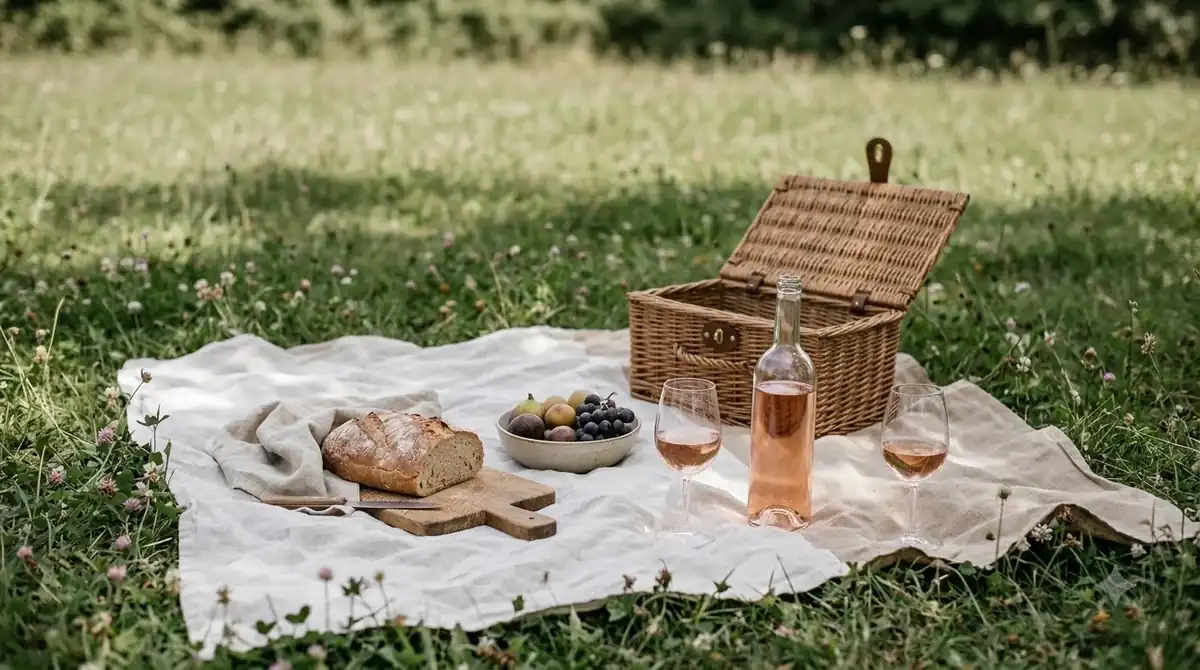
Seafood is a natural starting point. Shrimp, scallops, grilled prawns, and simply prepared white fish allow the wine’s citrus and delicate red fruit characteristics to complement the meal without overwhelming it. Lemon, fresh herbs, and olive oil can create particularly harmonious combinations.
Oysters and shellfish also suit the wine’s fresh style. Their delicate flavors benefit from a rosé that does not have aggressive tannins or heavy oak characteristics. A seafood platter with shrimp, crab, and chilled shellfish makes a suitable pairing for a relaxed lunch or appetizer course.
Grilled chicken is another reliable option. The wine’s acidity helps balance the savory flavor of grilled poultry, while its fruit character works with lemon, rosemary, thyme, and olive oil. Chicken served with a light cream sauce can also work because the wine has enough body to complement the richer texture.
Salads provide another opportunity to enjoy this rosé. Try a Mediterranean salad with tomatoes, cucumber, olives, feta, and fresh herbs. The acidity in the wine works well with the freshness of the vegetables, while the fruit flavors complement ripe tomatoes and mildly salty cheese.
For pasta, choose dishes with seafood, vegetables, or light cream sauces. Linguine with shrimp, pasta primavera, and lemon-based sauces can all work well. Avoid excessively heavy sauces that overwhelm the wine’s delicate aromatic profile.
Soft cheeses and moderately salty appetizers can also be successful. Fresh goat cheese, mozzarella, feta, and mild young cheeses offer different textures and flavors without introducing the strong tannin conflicts that can occur with certain red wines. Salt can also make the perception of bitterness and tannin less pronounced, although Whispering Angel is not a tannic wine.
Grilled vegetables provide a good vegetarian pairing. Zucchini, eggplant, bell peppers, and asparagus can be prepared with olive oil and herbs to complement the wine’s fresh character. Roasted vegetables with a little char offer enough savory flavor without making the pairing feel too heavy.
More substantial foods can work as well. Pork tenderloin, lightly seasoned veal, and roast chicken offer enough flavor to match the wine’s medium body. Choose herbs, citrus, and moderate seasoning rather than extremely rich sauces or aggressive spice blends.
Spicy food requires more care. Chili heat can become more pronounced alongside alcohol, so a heavily spiced dish may make the wine seem hotter and less refreshing. Mildly seasoned Thai dishes, grilled vegetables with gentle spices, or lightly seasoned shrimp are easier matches than intensely hot curries.
Desserts require a different approach. A wine should generally be at least as sweet as the dessert to avoid tasting sour or thin beside it. Since Whispering Angel is bone dry, it is better paired with savory dishes, fresh appetizers, and meals rather than very sweet cakes, pastries, or fruit desserts.
Readers comparing other bottles in this category may also find Hampton Water rosé tasting notes useful. Comparing the aromas, fruit intensity, acidity, and food compatibility of these wines can help clarify which style best suits a particular meal.
Frequently Asked Questions
Is Whispering Angel made from organic grapes?
The general producer profile does not identify Whispering Angel as a certified organic wine. Organic certification requires specific vineyard and production standards, so it should not be assumed simply because a wine comes from Provence. Anyone seeking certified organic rosé should look for an explicit certification on the relevant bottle or producer documentation.
Does Whispering Angel contain sulfites?
Wine naturally contains sulfites produced during fermentation, and additional sulfur dioxide may be used during winemaking to protect freshness. The general producer profile does not provide a precise sulfite concentration for every bottling. Sulfite declarations and labeling requirements depend on the market in which the wine is sold.
Is Whispering Angel a vegan wine?
Vegan status cannot be established from the grape varieties or stainless steel fermentation method alone. Some winemaking processes use animal-derived fining agents, while others use mineral or plant-based alternatives. Confirmation requires a producer statement or certification covering the specific bottling.
Can Whispering Angel be used in a rosé wine cocktail?
Yes, its dry fruit profile makes it suitable for simple wine cocktails. It can work in a rosé spritz with sparkling water and a citrus garnish, or as a base for a light summer wine punch. Keep additional sweeteners restrained so the wine’s fresh berry and citrus characteristics remain noticeable.
What bottle size is commonly used for Whispering Angel?
The standard bottle format is 750 ml, although other formats may be available in selected markets and releases. A 1.5-liter magnum holds twice the volume of a standard bottle and provides approximately ten standard 5 oz pours. Larger formats can be useful for group meals and celebrations.
Whispering Angel is a recognizable example of dry Provence rosé, combining strawberry, raspberry, peach, citrus, and floral aromas with bright acidity and a rounded finish. Serve it well chilled and pair it with seafood, grilled chicken, fresh salads, or Mediterranean food to make the most of its balance. Its approachable fruit character and clean finish make it a versatile choice for casual meals and more formal occasions alike.
More in Wine Brands
 Louis Latour Wine Price: Compare Bottles by Style and TierUpdated Nov 20, 2026
 Yellow Tail Moscato Price: What to Expect Before You BuyUpdated Nov 20, 2026
 Sutter Home Sweet Red Review: Find the Right Food PairingsUpdated Nov 20, 2026
 Franzia Chillable Red Review: Find the Right Serving StyleUpdated Nov 20, 2026
 Veuve Clicquot Rose Review: Flavor, Food Pairings and Buying AdviceUpdated Nov 20, 2026
 Rombauer Wine Price: Compare Bottles Before You BuyUpdated Nov 20, 2026