

We may earn a commission when you buy through links on this page, at no extra cost to you. Learn more.
Sofia white wine is part of the California wine collection created by Francis Ford Coppola, best known for its Blanc de Blancs sparkling wine and its earlier still Chardonnay. The collection began as a gift from Francis Ford Coppola to his daughter, filmmaker Sofia Coppola. Its white-wine styles feature fresh fruit flavors, lively acidity, and approachable character, making them suitable for casual celebrations, appetizers, and meals. Depending on the bottle, the experience ranges from crisp, bubbly sparkling wine to a more traditional still white wine.
Sofia wines combine a distinctive family story with California winemaking. Although the name is frequently associated with sparkling Blanc de Blancs, the original collection included several different styles, including Chardonnay and Riesling. Understanding the differences between these wines helps shoppers identify the right bottle, anticipate its flavor, and choose appropriate food pairings. Here is what to know about the Sofia collection, its grapes, its taste, and how to serve it.
The Story Behind the Sofia Wine Collection
Sofia wine began as a personal family project rather than a conventional commercial wine launch. Francis Ford Coppola created the original sparkling wine as a gift for his daughter Sofia, and the collection eventually developed into a recognizable California wine label with several styles.
The collection’s original release was Sofia Blanc de Blancs. The name Sofia refers to Sofia Coppola, the filmmaker whose creative career includes directing films such as Lost in Translation. The wine was designed to reflect a celebratory, elegant personality, with sparkling wine providing the foundation for the collection.
Historical information from Francis Ford Coppola Winery describes how the Sofia range expanded beyond its original sparkling bottling. Additional releases included Brut Rosé, still Rosé, Riesling, Chardonnay, and Méthode Champenoise. These different wines demonstrate why the Sofia name should not be treated as a reference to just one grape or one wine style.
The collection also became associated with special occasions and entertainment events. Its connection with the Coppola family’s filmmaking background helped establish a distinctive identity, combining wine, design, and celebration.
The broader Francis Ford Coppola Winery is based in Geyserville, California, in Sonoma County. Its portfolio includes several distinct wine families, such as Diamond Collection and Director’s Cut, so Sofia should be understood as a particular collection rather than the name of every white wine made by the winery.
For shoppers exploring the producer’s other bottlings, Wine Brands offers a useful starting point for understanding how individual wine labels fit into larger producer portfolios.
Types of Sofia White Wine and Their Differences
The most recognizable white wine associated with Sofia is Blanc de Blancs, a sparkling California wine. However, historical Sofia releases also included still Chardonnay and Riesling, making it important to distinguish between sparkling and non-sparkling bottles.
Sofia Blanc de Blancs is the best-known expression of the collection. It features bubbles, refreshing acidity, and fruit-forward characteristics. A listed non-vintage bottling contains 79% Chardonnay and 21% Pinot Blanc, while the documented 2012 Méthode Champenoise release used a different combination of 70% Pinot Blanc, 15% Muscat, and 15% Riesling. These differences illustrate how the blend can vary between releases.
Still Sofia Chardonnay offers another perspective on the collection. The documented 2012 bottling was made with 75% Chardonnay and 25% Pinot Blanc. It was designed around fresh fruit, a supple texture, and subtle spice rather than the lively carbonation associated with Blanc de Blancs.
Historical Sofia Riesling releases provide another example of the collection’s broader approach to white wine. Riesling is naturally capable of producing wines with pronounced acidity and varying sweetness, although the sweetness of an individual Sofia release should not be assumed without reliable information about that bottling.
| Sofia wine style | Wine category | Key characteristics | Best occasion |
|---|---|---|---|
| Blanc de Blancs | Sparkling white | Fruit, acidity, bubbles | Celebrations and aperitifs |
| Chardonnay | Still white | Apple, pear, peach, spice | Seafood and poultry |
| Riesling | Still white | Grape-dependent sweetness and acidity | Spicy dishes and lighter meals |
| Brut Rosé | Sparkling rosé | Refreshing bubbles and red-fruit character | Parties and appetizers |
| Still Rosé | Still rosé | Fresh fruit and approachable character | Lunches and outdoor gatherings |
These styles are not interchangeable. Someone looking for a crisp sparkling wine should consider Blanc de Blancs, while someone seeking a traditional white wine may prefer the historical Chardonnay style. The availability of individual Sofia releases can also differ, so the collection’s history should not be mistaken for a guarantee that every style is currently offered.
Grapes Used in Sofia Blanc de Blancs and Chardonnay
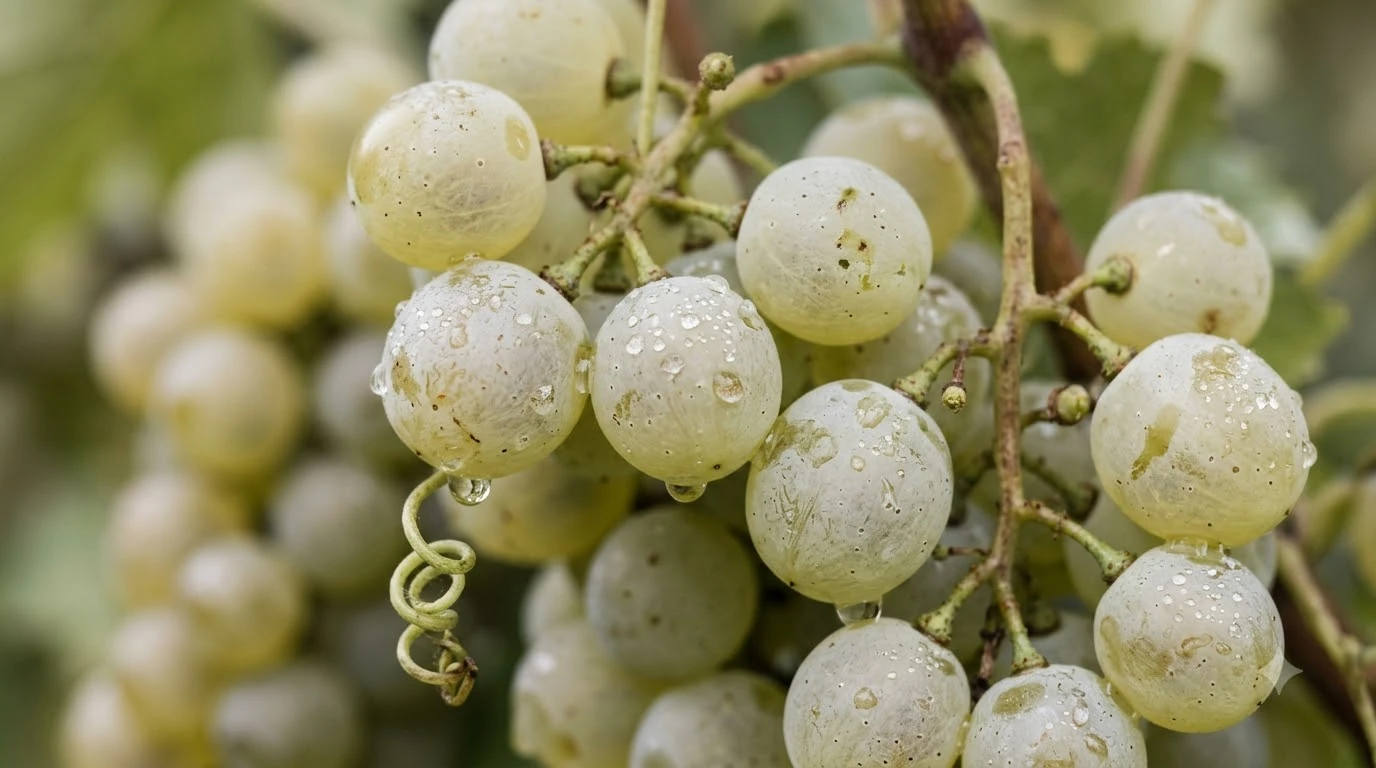
Chardonnay and Pinot Blanc are two important grapes associated with Sofia white wines. Depending on the release, other varieties such as Riesling and Muscat may also contribute aromatic complexity, fruit character, and balance.

Chardonnay is one of the most widely recognized white wine grapes. It can produce flavors ranging from green apple and citrus to ripe peach and tropical fruit, depending on growing conditions and winemaking decisions. Its relatively moderate acidity makes it versatile at the table, particularly with poultry, seafood, and creamy dishes.
Pinot Blanc contributes another dimension. It is generally associated with fresh, approachable white wines and can complement Chardonnay’s fruit character. In a sparkling blend, Pinot Blanc can help create an expressive profile that does not depend entirely on Chardonnay’s familiar apple and citrus notes.
Some historical Sofia sparkling releases also included Riesling and Muscat. Riesling can provide bright acidity and recognizable citrus or orchard-fruit aromas. Muscat is especially aromatic and may contribute floral, peach, and grape-like characteristics.
The 2012 Sofia Chardonnay provides a particularly useful example of the collection’s approach to blending. Its composition was 75% Chardonnay and 25% Pinot Blanc. The wine was made using stainless steel for 80% of the production and used French oak barrels for the remaining 20%.
That division between stainless steel and oak matters because the two vessels can contribute different characteristics. Stainless steel generally preserves fresh fruit expression without adding oak flavors. Used French oak can introduce a gentle spice impression while allowing the wine’s underlying fruit to remain prominent.
For the 2012 release, the winery described green apple, white peach, juicy pear, spice, citrus, and mineral notes. These are useful historical tasting references, but they should not automatically be applied to every Sofia white wine. Different grape blends, harvest conditions, and production choices create different results.
What Does Sofia White Wine Taste Like?
Sofia white wine is generally associated with fresh fruit, approachable texture, and lively character, although its precise flavor depends on whether the bottle is sparkling or still. Blanc de Blancs typically emphasizes fruit and bubbles, while the historical Chardonnay offers a softer, more traditional white-wine experience.
A listed non-vintage Sofia Blanc de Blancs has tasting notes describing pear and peach aromas, peach and red raspberry flavors, and crisp acidity. Its lively bubbles contribute a refreshing sensation, while the rounded finish helps keep the wine approachable.
The 2012 Sofia Méthode Champenoise offers a different sparkling profile. Its historical tasting description mentions citrus blossoms, pear, and brioche aromas, followed by white peach, lemon, and mineral notes. This combination suggests a sparkling wine with both aromatic complexity and fresh fruit character.
The still Chardonnay offers another profile. Its documented notes include green apple, white peach, pear, citrus, and gentle spice. The mineral characteristics associated with Monterey County also appear in the wine’s description, contributing freshness to the finish.
Dryness and sweetness
One common question concerns whether Sofia white wine is sweet or dry. The answer depends on the specific wine and release. Blanc de Blancs is a sparkling style, and its sweetness category should be determined from the particular bottling rather than assumed from its name.
Sparkling wine sweetness terminology follows a specific sequence. Brut Nature is the driest category, followed by Extra Brut and Brut. Extra Dry is actually sweeter than Brut, despite what its name might suggest. Dry, Demi-Sec, and Doux represent progressively sweeter categories.
This distinction is particularly useful when selecting sparkling wine for different foods. A drier style usually suits salty appetizers, shellfish, and fried snacks, while a sweeter sparkling wine can work better with fruit-based desserts.
Tip: If you prefer crisp, refreshing sparkling wine, look for the sweetness designation on a Sofia Blanc de Blancs bottle. Do not assume that every Sofia release has the same sweetness level or grape composition.
For a more detailed understanding of the production distinction, the winery’s 2012 Sofia Méthode Champenoise winemaking notes explain how secondary fermentation in the bottle and lees aging contribute to texture and aromatic complexity.
Best Food Pairings for Sofia White Wine
Sofia white wines work particularly well with lighter foods, seafood, poultry, fresh cheeses, and appetizers. Their fruit character and acidity make them useful companions for dishes that might overwhelm a heavily structured red wine.
For Sofia Blanc de Blancs, consider serving shrimp cocktails, smoked salmon canapés, fresh oysters, and mild cheeses. The bubbles refresh the palate between bites, while the fruit characteristics complement seafood’s delicate flavors.
Fried chicken is another interesting pairing for sparkling white wine. The crisp texture of the food contrasts with the wine’s bubbles, while acidity helps balance the richness of the fried coating. The listed Sofia Blanc de Blancs tasting information also suggests buttermilk fried chicken as a pairing.
Still Chardonnay is particularly suitable for roasted chicken, grilled shrimp, crab cakes, and pasta with light cream sauces. Its moderate acidity and fruit character can complement these dishes without overpowering their flavors.
Vegetarian options include roasted cauliflower, asparagus with lemon, fresh salads, and vegetable risotto. For a cheese course, consider Brie, young Gouda, or fresh goat cheese. A strongly flavored aged cheese may dominate a delicate white wine, so milder selections are usually easier matches.
Pairing by flavor and texture
Food preparation matters as much as the main ingredient. A grilled fish fillet with lemon and herbs has a different flavor profile from fish served with a rich butter sauce. The first may benefit from a crisp sparkling wine, while the second may work better with a fuller Chardonnay.
Acidic foods require wines with equal or higher acidity. A lemon-heavy seafood dish can make a low-acid wine seem flat, whereas a fresh, lively white wine is more likely to retain its balance.
Salt and fat can soften the perception of tannin, although tannin is generally less prominent in white wines than in structured reds. Chili heat requires more care because alcohol and tannin can amplify the sensation of spice. For spicy dishes, a lower-alcohol white wine with some sweetness can be a more comfortable pairing.
| Food | Suggested Sofia style | Pairing reason |
|---|---|---|
| Oysters | Blanc de Blancs | Acidity and bubbles refresh the palate |
| Fried chicken | Blanc de Blancs | Carbonation contrasts with crispy coating |
| Roasted chicken | Chardonnay | Fruit and texture complement poultry |
| Grilled shrimp | Blanc de Blancs or Chardonnay | Fresh flavors complement delicate seafood |
| Brie cheese | Blanc de Blancs | Acidity balances creamy texture |
| Fruit tart | Sweeter sparkling style | Matching sweetness prevents the wine tasting sour |
| Spicy Asian dishes | Off-dry white style | Some sweetness can soften chili heat |
For dessert, remember one important principle: the wine should be at least as sweet as the food. A very sweet cake can make a dry sparkling wine taste sharp and unpleasant. A fruit tart with moderate sweetness may be a more balanced match for a suitable sparkling white.
How to Serve and Store Sofia White Wine
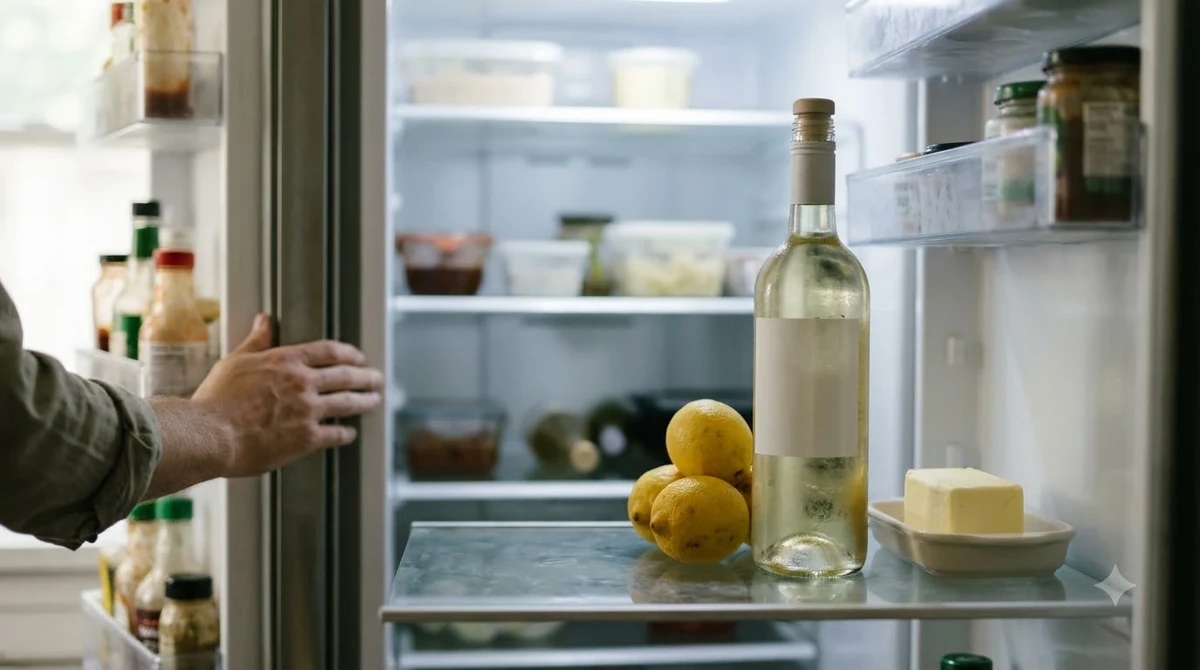
Serving temperature has a noticeable effect on white wine. Sofia Blanc de Blancs is best served well chilled, while a still Chardonnay generally benefits from slightly warmer refrigeration temperatures that allow its aromas and texture to become more apparent.
For sparkling Sofia Blanc de Blancs, aim for approximately 40–50 degrees Fahrenheit. This temperature range keeps the wine refreshing and helps preserve its lively bubbles. Light-bodied white wines are generally served around 45–50 degrees Fahrenheit, while fuller-bodied whites are better around 50–55 degrees Fahrenheit.
Use an ice bucket filled with ice and water if the bottle needs to cool quickly. An ice-and-water mixture cools wine more effectively than ice alone because it creates more consistent contact with the bottle. Avoid leaving sparkling wine in a freezer for an extended period.
Glassware also influences the experience. A traditional flute helps preserve bubbles and emphasizes the visual appeal of sparkling wine. A tulip-shaped sparkling glass provides more room for aromas while retaining carbonation. Still Chardonnay is generally best served in a standard white wine glass with a moderately sized bowl.
Pouring and storing
A standard wine serving is approximately 5 ounces. A 750 ml bottle therefore provides about five standard glasses, although smaller tasting pours are useful for parties and wine flights.
Opened still white wine generally keeps for three to five days in the refrigerator when properly sealed. Opened sparkling wine is more delicate because carbon dioxide escapes after opening, so it is best consumed within one to three days using a suitable sparkling wine stopper.
For unopened bottles, consistent storage conditions are important. A cool location near 55 degrees Fahrenheit, away from direct sunlight and temperature fluctuations, is a practical target. Bottles with natural cork closures are generally stored on their sides to keep the cork from drying out.
A sparkling bottle should be opened carefully. Keep the bottle pointed away from people and fragile objects, hold the cork securely, and rotate the bottle rather than pulling the cork forcefully. A controlled release preserves more carbonation and reduces the risk of accidents.
How Sofia Wines Compare With Other Coppola Bottlings
Sofia is one part of a much larger Francis Ford Coppola wine portfolio. Its identity is centered on sparkling wine, approachable white styles, and rosé, while other Coppola collections offer a broader selection of varietal wines and more traditional regional expressions.
The Diamond Collection, for example, includes Chardonnay, Sauvignon Blanc, Pinot Grigio, and other wines. These bottles provide familiar varietal choices for shoppers who prefer selecting wine primarily by grape variety.
Director’s Cut is another distinct collection. Its white-wine offerings have included Chardonnay and Sauvignon Blanc, while its broader portfolio also features red wines. These styles are separate from Sofia, even though they share the same producer.
The difference is useful when deciding what to purchase. Someone looking for a celebratory sparkling bottle may gravitate toward Sofia Blanc de Blancs, while someone seeking a conventional still Chardonnay may compare the relevant Chardonnay releases across the producer’s different collections.
Red wine drinkers can also explore Sofia red wine to understand the collection’s other expressions. The distinction between red and white styles involves more than color: grape variety, acidity, tannin, body, and food compatibility all affect the drinking experience.
Shoppers interested in another established producer with a diverse international wine portfolio can also explore Baron Philippe de Rothschild wine. Comparing different producer families can help clarify how branding, grape selection, and regional identity influence wine styles.
The most important point is that Sofia should be selected according to the specific bottle rather than the winery name alone. A sparkling Blanc de Blancs, historical Chardonnay, and rosé release each offer different characteristics and serve different occasions.
Frequently Asked Questions
Who is Sofia wine named after?
Sofia wine is named after filmmaker Sofia Coppola, the daughter of Francis Ford Coppola. Her father created the original sparkling wine as a gift for her. The collection’s name reflects this personal family connection rather than a California grape variety or wine-growing region.
What does Blanc de Blancs mean on a Sofia bottle?
Blanc de Blancs is a French wine term meaning white from white grapes. In sparkling wine, it identifies a white wine made from white grape varieties rather than red-skinned grapes. The designation does not automatically mean that a wine is Champagne, since sparkling wines made elsewhere can also use the term.
Is Sofia Blanc de Blancs made using the traditional Champagne method?
The Blanc de Blancs name alone does not establish the production method. Traditional-method sparkling wine undergoes its second fermentation inside the bottle, while tank-method sparkling wine undergoes its second fermentation in a pressurized tank. These production methods can produce different bubble textures and aromatic characteristics.
What is the difference between Chardonnay and Pinot Blanc?
Chardonnay is a widely planted international white grape that can produce styles ranging from crisp and mineral to rich and creamy. Pinot Blanc generally produces fresh, approachable wines with delicate fruit characteristics. Both grapes can be used in sparkling blends, but they contribute different aromatic and structural qualities.
Can Sofia Blanc de Blancs be used for sparkling wine cocktails?
Yes. A sparkling white wine can be used as the base for simple wine cocktails. It can be combined with a small amount of peach purée for a Bellini-style drink or used with a splash of citrus juice for a refreshing sparkling cocktail. Adding other ingredients will change the finished drink’s sweetness and flavor balance.
Sofia white wine brings together a personal California winemaking story and approachable styles suited to celebrations, appetizers, and relaxed meals. Its Blanc de Blancs remains the signature sparkling expression, while its historical Chardonnay and other releases demonstrate the range of the collection. Choosing the right bottle comes down to understanding its specific style, grape blend, sweetness, and intended occasion.
More in Wine Brands
 Louis Latour Wine Price: Compare Bottles by Style and TierUpdated Nov 20, 2026
 Yellow Tail Moscato Price: What to Expect Before You BuyUpdated Nov 20, 2026
 Sutter Home Sweet Red Review: Find the Right Food PairingsUpdated Nov 20, 2026
 Franzia Chillable Red Review: Find the Right Serving StyleUpdated Nov 20, 2026
 Veuve Clicquot Rose Review: Flavor, Food Pairings and Buying AdviceUpdated Nov 20, 2026
 Rombauer Wine Price: Compare Bottles Before You BuyUpdated Nov 20, 2026