

We may earn a commission when you buy through links on this page, at no extra cost to you. Learn more.
Moet red wine is not a conventional still red wine; the red bottle commonly associated with Moët & Chandon is a limited-edition presentation of Moët Impérial Champagne, a golden-colored sparkling wine. Moët & Chandon does use red grapes, particularly Pinot Noir and Pinot Meunier, in its Champagne production. It also makes rosé Champagne using still red wine blended with white base wine. Understanding these differences helps you identify the right bottle and choose between Moët’s Champagne styles and an actual red wine.
Searching for Moët red wine can lead to some confusion because the brand is strongly associated with Champagne, red-colored special-edition packaging, and pink sparkling wine. These are three different things. The distinction matters if you want a bottle with the deep color, tannins, and flavors of a traditional red wine rather than the bubbles and freshness of Champagne. This guide explains what the red bottle contains, how Moët uses red grapes, what its rosé Champagne tastes like, and which alternatives to consider if you specifically want still red wine.
Does Moët & Chandon Actually Make Red Wine?
Moët & Chandon is primarily a Champagne producer, not a conventional still red wine brand. Its signature wines are sparkling wines made in France’s Champagne region, including Brut Impérial and Rosé Impérial, rather than bottles of still Cabernet Sauvignon, Merlot, or Pinot Noir.

The distinction begins with the company’s identity. Founded in 1743 by Claude Moët, Moët & Chandon developed its reputation through Champagne production. Its headquarters are on Avenue de Champagne in Épernay, France, and its vineyard holdings cover approximately 1,300 hectares across the Champagne region. The company works with three principal grape varieties: Pinot Noir, Pinot Meunier, and Chardonnay. Although two of these grapes have dark skins, their presence does not automatically mean the finished Champagne will be red.
The official Moët & Chandon portfolio includes several recognizable Champagne styles. Brut Impérial is its familiar non-vintage Champagne, while Rosé Impérial offers a pink sparkling style. Nectar Impérial Rosé and Ice Impérial Rosé provide additional options for people interested in fruitier or differently served Champagne. These products belong to the sparkling wine category, even when their bottles have pink, red, or colorful designs.
Another source of confusion is the broader Moët Hennessy business. The group is associated with numerous wine and spirits producers, including Champagne houses and still-wine operations. However, a company’s wider ownership structure does not mean every wine produced by an affiliated business is a Moët & Chandon red wine. The individual producer and product name matter.
For shoppers, the simplest approach is to distinguish the name on the front label from the color of the packaging. A red bottle, a pink wine, and a still red wine are not interchangeable descriptions. If the label identifies the product as Moët Impérial Champagne, you are buying sparkling Champagne rather than a traditional still red wine. Readers comparing the brand’s main sparkling styles can also explore Moët white wine to understand its familiar golden-colored Champagne offerings.
What Is Moët Impérial Red Limited Edition?
Moët Impérial Red Limited Edition is a special red-packaged presentation of Moët Impérial Champagne, not a bottle of red wine. Despite its striking exterior, the Champagne inside has an elegant golden-straw color, fine bubbles, and a flavor profile built around citrus, orchard fruit, and subtle mineral notes.
The distinction is important because the word red can describe several different aspects of a wine product. It can refer to the liquid’s color, the grape variety, the packaging, or even the wine used during blending. In this case, red refers to the special bottle presentation. The official product description identifies the contents as Champagne Moët Impérial Red Limited Edition and describes its liquid as golden straw yellow with green highlights.
The blend itself provides another clear indication that this is a Champagne rather than a conventional red wine. According to Moët & Chandon, the cuvée contains more than 100 different wines, with 20% to 30% reserve wines selected to contribute maturity, complexity, and consistency. Its principal grape proportions are 30% to 40% Pinot Noir, 30% to 40% Pinot Meunier, and 20% to 30% Chardonnay.
These grapes perform different roles in the finished blend. Pinot Noir contributes structure and body, Pinot Meunier brings roundness and suppleness, and Chardonnay contributes freshness and elegance. The resulting wine balances fruit, acidity, and fine sparkling texture instead of producing the color and tannic structure expected from a conventional red wine.
The product also has a dosage of 7 grams per liter. Dosage refers to the small amount of sweetened wine mixture added during the finishing process, helping determine the Champagne’s final sweetness category. A dosage of 7 grams per liter is consistent with Brut Champagne, which is generally a dry style rather than a sweet dessert wine.
Moët’s official description of the Red Limited Edition confirms its golden color, grape proportions, dosage, and tasting characteristics. These details make clear that the red presentation does not change the underlying Champagne style.
Tip: If you see a red Moët Impérial bottle, read the complete product name before buying. The Red Limited Edition is a presentation of Champagne, while Rosé Impérial is a pink Champagne style. Neither should be mistaken for a conventional still red wine.
How Moët Uses Red Grapes to Make Champagne
Moët & Chandon uses dark-skinned grapes because they contribute important structural and aromatic qualities to Champagne. Pinot Noir and Pinot Meunier are two of the region’s main grape varieties, but their clear juice can produce white sparkling wine when the grape skins are separated during pressing.
According to the Comité Champagne, Pinot Noir accounts for approximately 38% of the Champagne region’s vineyard area. It is particularly important in Montagne de Reims and Côte des Bar, where its performance in cool, chalky soils makes it a valuable variety. The grape contributes body, punch, and structure, with characteristic red-fruit and floral aromas.
Pinot Meunier accounts for another 31% of Champagne’s vineyard plantings. It is especially useful in areas such as the Marne Valley because it tends to be less susceptible to frost than the other two main varieties. Its later budburst can help it cope with challenging spring conditions. In Champagne blends, Meunier adds roundness, supple fruit, and a softer impression.
Chardonnay accounts for approximately 31% of the region’s plantings. It is particularly associated with the Côte des Blancs and contributes acidity, freshness, floral aromas, citrus character, and mineral nuances. Together, these three grapes allow Champagne producers to create blends with different proportions of fruit, structure, and freshness.
The following figures illustrate the principal grape varieties used in the Champagne region and their respective contributions.
| Grape variety | Champagne vineyard share | Main contribution |
|---|---|---|
| Pinot Noir | 38% | Body, structure, red-fruit character |
| Pinot Meunier | 31% | Roundness, suppleness, fruitiness |
| Chardonnay | 31% | Freshness, acidity, floral and citrus notes |
Source: Comité Champagne. These figures describe vineyard plantings across the Champagne region, not the exact proportions in every Moët bottle.
The production method explains why dark grapes can produce a pale sparkling wine. The juice inside Pinot Noir and Pinot Meunier grapes is generally clear. Most of the color in red wine comes from contact with the skins during fermentation and maceration. When Champagne producers press black grapes gently and separate the juice from the skins, they can produce a white base wine.
This approach is one reason Champagne can contain substantial quantities of Pinot Noir without looking red. The grapes provide structure and flavor while the winemaking process controls the final color. The same general principle applies to many sparkling wines made from dark-skinned grapes.
How Moët Rosé Champagne Gets Its Pink Color
Moët Rosé Impérial is a genuine pink sparkling wine, but it is still Champagne rather than conventional still red wine. Its color and red-fruit character come partly from the use of still red base wine, which is blended with white base wine before the second fermentation in the bottle.
There are two established methods for making rosé Champagne. The first is maceration, in which grape juice remains in contact with dark skins long enough to extract color. The second is blending, which involves adding a measured proportion of still red Champagne wine to a white base wine. Both approaches are recognized within the Champagne production tradition.
Moët uses the blending approach for its rosé wines. Decanter’s reporting on the producer explains that Moët adds still red wine to its white blend before the second fermentation in the bottle. This red component is carefully prepared to provide color, aroma, and structure without overwhelming the finished sparkling wine.
The process involves more than simply pouring red wine into a bottle of white Champagne. Moët produces different red base wines from Pinot Noir and Meunier, selecting wines with suitable aromatic intensity, color, and structure. Decanter reports that the producer makes approximately 40 to 50 different red base wines for this purpose, providing blending flexibility.
The producer’s red base wines are also associated with different growing areas. Decanter describes separate technical facilities for Pinot Noir and Meunier from the Vallée de la Marne and Pinot Noir from the Côtes des Bar. This approach allows the winemaking team to work with different grape characteristics rather than treating all red base wine as identical.
Once the red and white base wines have been blended, the Champagne undergoes its second fermentation in the bottle. This is the traditional method used for Champagne, and it creates the carbon dioxide responsible for the wine’s bubbles. The resulting rosé has a pink color and sparkling texture, with fruit characteristics that can include strawberry, raspberry, and other red-berry notes.
That is why Moët Rosé Impérial should not be confused with a bottle of Pinot Noir or Merlot. Although its blend includes red wine, the final product remains a sparkling Champagne with acidity, bubbles, and a distinct production method. It offers a different experience from the tannins, body, and texture of traditional still red wine.
Moët Red Bottle and Rosé Champagne: Flavor and Style Differences
Moët Impérial Red Limited Edition and Rosé Impérial offer different visual presentations, but both belong to the Champagne category. The red-labeled limited edition contains a golden-colored Brut Champagne, while Rosé Impérial has the pink appearance associated with rosé sparkling wine.
The Red Limited Edition has a flavor profile centered on green apple, citrus, pear, peach, and gooseberry. Moët’s official tasting description also identifies mineral nuances, white flowers, brioche, cereal, and fresh nuts. These characteristics make it a recognizable Champagne style rather than a wine with the dark berry, plum, and oak-driven profile often associated with still red wines.
Rosé Impérial offers a more visibly red-fruited expression. Its pink color reflects the use of red base wine, and its aromatic profile can include berry-like fruit alongside the freshness and acidity expected from Champagne. Its bubbles and lively texture distinguish it from still rosé wines as well as traditional reds.
For comparison, conventional red wines are often identified by their dominant grape varieties and the structure those varieties contribute. Cabernet Sauvignon generally has high tannin and a firm structure. Merlot usually has medium tannin and a softer texture. Pinot Noir tends to have low-to-medium tannin and relatively high acidity, while Syrah can offer medium-plus to high tannin.
These differences matter when selecting a wine for a particular meal or occasion. A structured Cabernet Sauvignon may suit a rich beef dish, while Pinot Noir can work with roasted poultry, mushrooms, or salmon. Champagne offers a different combination of acidity and carbonation that can complement salty appetizers, seafood, and fried foods.
The following comparison helps clarify what to expect from the main Moët styles and a conventional still red wine.
| Wine style | Appearance | Typical character | Category |
|---|---|---|---|
| Moët Impérial Red Limited Edition | Golden straw yellow | Citrus, apple, pear, fine bubbles | Brut Champagne |
| Moët Rosé Impérial | Pink | Red-fruit character, freshness, bubbles | Rosé Champagne |
| Cabernet Sauvignon | Deep ruby to garnet | Dark fruit, firm tannins | Still red wine |
| Merlot | Ruby to deep purple | Plum, soft fruit, medium tannins | Still red wine |
| Pinot Noir | Light ruby to medium ruby | Red berries, acidity, lighter tannins | Still red wine |
Another useful distinction is the difference between sweetness and fruitiness. A Champagne can smell like ripe fruit without being particularly sweet. Brut Champagne is generally dry, and its acidity and bubbles can make it feel crisp and refreshing. Similarly, a red wine can taste like ripe blackberries or cherries while remaining dry.
If you enjoy Moët’s recognizable style but want to explore other producers, it can be helpful to compare different wine houses. For example, Baron Philippe de Rothschild wine provides a useful starting point for exploring a producer associated with Bordeaux wines and other wine styles, rather than assuming all prestigious wine names refer to Champagne.
How to Serve Moët Champagne and Pair It With Food
Moët Champagne is best served chilled, with sparkling wines generally benefiting from a serving temperature of 40 to 50 degrees Fahrenheit. A properly chilled bottle preserves freshness, helps maintain the bubbles, and allows the wine’s citrus and fruit characteristics to remain balanced.
For Moët Impérial Brut, the crisp acidity and carbonation make it suitable for appetizers and lighter meals. Oysters, shrimp, sushi, lightly fried seafood, and salty snacks are useful pairing choices. Salt can soften some of the perception of bitterness and make a dry sparkling wine feel more approachable alongside food.
Rosé Champagne offers additional flexibility with food. Its red-fruit character can complement dishes such as beef carpaccio, roast duck, grilled chicken, and berry-based desserts. Decanter also discusses pairing rosé Champagne with sushi and beef carpaccio dressed with olive oil and aged Parmesan. The combination works because the wine’s acidity and bubbles can refresh the palate between bites.
Sweetness is another consideration. A dry Brut Champagne works particularly well with savory foods, while sweeter wines are generally better suited to desserts. A useful general principle is to select a wine that is at least as sweet as the dessert being served. Otherwise, the wine may taste more acidic or harsh beside the food.
Glassware can also influence the experience. A tulip-shaped Champagne glass is a practical choice because it allows bubbles to develop while providing enough space to appreciate the aromas. Traditional narrow flutes emphasize the visual effect of the bubbles, but they offer less room for aromatic development.
Serving temperature should also reflect the wine style. The following ranges provide a useful reference for different categories.
| Wine category | Recommended serving temperature |
|---|---|
| Sparkling wine and Champagne | 40–50°F |
| Light white wine and rosé | 45–50°F |
| Full-bodied white wine | 50–55°F |
| Light-bodied red wine | 55–60°F |
| Full-bodied red wine | 60–65°F |
| Sweet white wine | 43–50°F |
Once opened, sparkling wine requires a little more attention than still wine because carbonation gradually escapes. A proper sparkling-wine stopper helps preserve the bubbles, and refrigeration slows the loss of freshness. A reasonable general guideline is to enjoy opened Champagne within one to three days, although its condition depends on the closure, storage temperature, and how much carbonation remains.
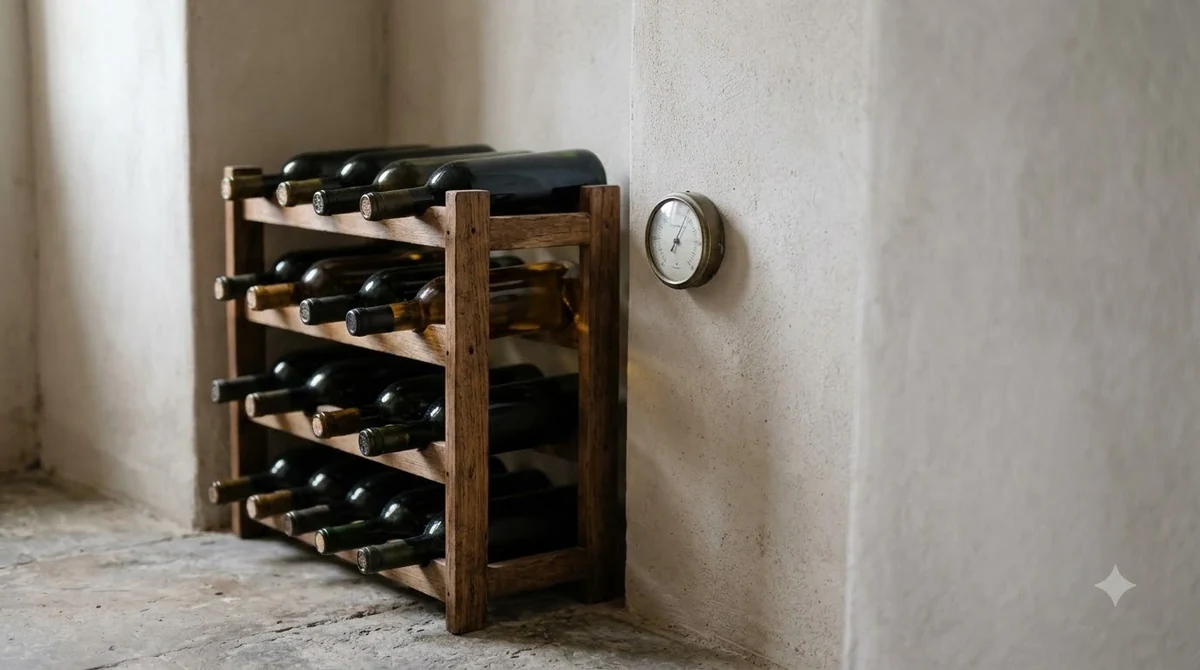
For an unopened bottle, store Champagne away from direct sunlight, strong temperature changes, and excessive heat. A cool storage environment near 55 degrees Fahrenheit is a useful target. Consistent conditions matter more than frequently moving the bottle between different storage locations.
What to Buy If You Actually Want Red Wine
If your preference is a conventional red wine, look for a bottle labeled with a red grape variety and a still-wine designation rather than Moët Champagne. Pinot Noir, Merlot, Cabernet Sauvignon, and Syrah are useful starting points, depending on whether you prefer lighter fruit, softer tannins, or a fuller structure.
Pinot Noir is a good choice for people who enjoy red-fruit aromas without an especially heavy texture. Typical flavors include cherry, raspberry, strawberry, and sometimes earthy or mushroom-like notes. Its relatively high acidity and low-to-medium tannin make it suitable for roasted poultry, pork, mushrooms, and some seafood dishes.
Merlot is another approachable option. It generally has medium tannin and a softer texture than Cabernet Sauvignon, with flavors that can include plum, black cherry, and dark berries. It works well with burgers, roast chicken, meatloaf, and moderately rich pasta dishes.
Cabernet Sauvignon is better suited to people who enjoy a more structured red wine. Its higher tannin and fuller body can complement grilled steak, lamb, and other rich meat dishes. Fat and protein in the food can soften the perception of tannin, making the combination more balanced.
Syrah provides another option for drinkers who enjoy darker fruit and a more substantial texture. Depending on its origin and winemaking style, it may show black pepper, blackberry, smoked meat, and savory spice. Its medium-plus to high tannin structure can pair well with grilled meats and richly flavored dishes.
When comparing producers, consider the origin of the wine as well as the grape variety. A French Pinot Noir from Burgundy may have a different expression from an Oregon Pinot Noir or a California Pinot Noir. Likewise, Cabernet Sauvignon from Bordeaux can have a different blend composition and flavor profile from a Napa Valley Cabernet Sauvignon.
It is also useful to understand the difference between a producer, a brand, and a wine region. A recognizable name on a bottle does not always indicate the grape variety or production method. The wider Wine Brands category can help readers distinguish familiar wine producers and their different product ranges.
For someone who likes Moët because of its celebratory presentation, a still red wine can offer a different kind of occasion wine. A good Pinot Noir is suitable for a lighter dinner, while a structured Cabernet Sauvignon may be more appropriate for a steak-focused meal. The right choice depends on the flavor and texture you want rather than the appearance of the bottle.
Alcohol content is another practical comparison point. Many conventional still red wines fall within approximately 12% to 15% alcohol by volume, although the exact figure varies with grape ripeness, region, and production decisions. Champagne also contains alcohol, and the actual percentage depends on the individual product. For comparison, readers researching other wine categories can see Black Box Pinot Grigio alcohol content to understand how alcohol levels differ across wine styles and packaging formats.
Ultimately, the best way to avoid buying the wrong bottle is to look at the wine category and product name together. Moët Impérial Red Limited Edition is Champagne in red packaging, Rosé Impérial is pink sparkling wine, and a bottle labeled Cabernet Sauvignon or Pinot Noir is a more appropriate direction if you want traditional still red wine.
Frequently Asked Questions
Is Moët Impérial Red Limited Edition a rare collectible bottle?
It is a limited-edition presentation, meaning the special red packaging is not simply the standard bottle design. Its collectibility depends on the particular release, packaging condition, and interest among Champagne collectors. The wine itself remains a Moët Impérial Champagne blend rather than a separate red-wine cuvée.
Does Moët use oak barrels to make its red base wine?
Moët’s red base wine production should not be confused with the oak-aging practices associated with many still red wines. The important distinction is that these wines are prepared as blending components for rosé Champagne. The specific vessel and maturation decisions can vary between individual production lots and are not established by the standard consumer product description.
Can Moët rosé Champagne be used in a Champagne cocktail?
Yes. Rosé Champagne can be used in cocktails that call for sparkling wine, including variations of the French 75. Its berry character can add a different aromatic dimension compared with a conventional Brut Champagne. A chilled serving glass and fresh citrus juice help retain the drink’s refreshing character.
Why does Champagne sometimes contain several different grape varieties?
Blending allows producers to balance characteristics that individual grapes contribute. Chardonnay supplies freshness, Pinot Noir contributes structure, and Meunier adds roundness. Champagne regulations also permit several less commonly used varieties, including Arbane, Petit Meslier, Pinot Blanc, Pinot Gris, and Chardonnay Rose.
Is Moët Rosé Impérial the same as rosé wine from Provence?
No. Moët Rosé Impérial is sparkling Champagne from the Champagne region of France, while many Provence rosés are still wines produced without a secondary bottle fermentation. Provence rosé commonly uses varieties such as Grenache, Cinsault, and Syrah, whereas Champagne relies principally on Pinot Noir, Meunier, and Chardonnay. Their production methods, textures, and serving experiences are therefore different.
Moët red wine is best understood as a search term that often refers to the brand’s red-packaged Champagne or its rosé Champagne rather than an actual still red wine. Moët & Chandon uses Pinot Noir and Pinot Meunier to create structure and red-fruit character in its sparkling wines, but its Red Limited Edition remains golden-colored Brut Champagne. If you want the traditional characteristics of red wine, choose a bottle of Pinot Noir, Merlot, Cabernet Sauvignon, or Syrah instead.
More in Wine Brands
 Underwood Wine Price: Compare Bottles, Cans, and Pack SizesUpdated Nov 21, 2026
 Zenato Wine Price: Compare Styles and Choose the Right BottleUpdated Nov 21, 2026
 Zuccardi Wine Price: Compare Bottles and Find the Right RangeUpdated Nov 21, 2026
 Yellow Tail Moscato Review: Taste, Sweetness and Serving TipsUpdated Nov 21, 2026
 Wolf Blass Yellow Label Review: Choose Your Best StyleUpdated Nov 21, 2026
 Wolffer Estate Rose Review: Choose the Right Bottle for Your TableUpdated Nov 21, 2026