

We may earn a commission when you buy through links on this page, at no extra cost to you. Learn more.
Chenin Blanc vs Viognier comes down to acidity, body, and aromatic intensity: Chenin Blanc is generally fresher and more acidic, while Viognier is fuller-bodied, softer, and more intensely floral. Chenin Blanc offers a particularly wide range of styles, from bone-dry and mineral to sparkling and sweet. Viognier is usually a dry, richly textured white with aromas of peach, apricot, and honeysuckle. Choose Chenin Blanc for refreshing acidity and versatility, or Viognier when you want a fragrant, rounded wine with generous stone-fruit flavors.
Both grapes can produce memorable white wines, but they approach fruit, texture, and balance differently. Their French origins also lead to distinct regional expressions, while South Africa has become especially important for Chenin Blanc and California and Australia have helped introduce Viognier to a wider audience. Understanding their differences makes it easier to choose a bottle for dinner, a celebration, or a relaxed evening with friends.
Chenin Blanc Vs Viognier: The Main Differences
Chenin Blanc is the more acidic and versatile grape, while Viognier is known for its fuller body, lower acidity, and expressive floral aromas. Both can be dry and fruit-forward, but they create noticeably different experiences in the glass.
The most important distinction is their natural structure. Chenin Blanc’s acidity gives it freshness and makes it particularly adaptable to different levels of ripeness and sweetness. Viognier develops substantial natural grape sugars as it ripens, creating wines with generous alcohol, softer acidity, and a rounded mouthfeel.
Chenin Blanc is also more variable in style. A bottle from Savennières in France can be dry, restrained, and mineral, while a Vouvray can be off-dry, sparkling, or sweet. South African examples can range from fresh, tropical-fruited wines to concentrated, barrel-aged bottlings. Viognier is more consistent in its aromatic identity, generally emphasizing ripe stone fruit, flowers, and a broad texture.
| Characteristic | Chenin Blanc | Viognier |
|---|---|---|
| Origin | Loire Valley, France | Northern Rhône, France |
| Acidity | High | Low to medium |
| Body | Light to full | Medium to full |
| Typical sweetness | Dry to sweet | Usually dry |
| Primary fruit | Apple, pear, quince, melon | Peach, apricot, pineapple |
| Floral character | Honeysuckle, depending on style | Honeysuckle, jasmine, orange blossom |
| Alcohol | Varies by ripeness and style | Often medium to high |
| Texture | Crisp to creamy | Rounded, sometimes oily |
| Oak influence | Optional | Optional |
| Best-known regions | Loire Valley, South Africa | Condrieu, Languedoc, California, Australia |
These are general characteristics rather than fixed rules. A cool-climate Viognier can feel fresher than a particularly ripe, barrel-aged Chenin Blanc. Winemaking, harvest decisions, and vineyard conditions all influence the finished wine.
For a wider comparison of grape varieties and wine styles, the Wine vs Wine section provides additional guidance on choosing between similar bottles.
Flavor Profiles and Aromas
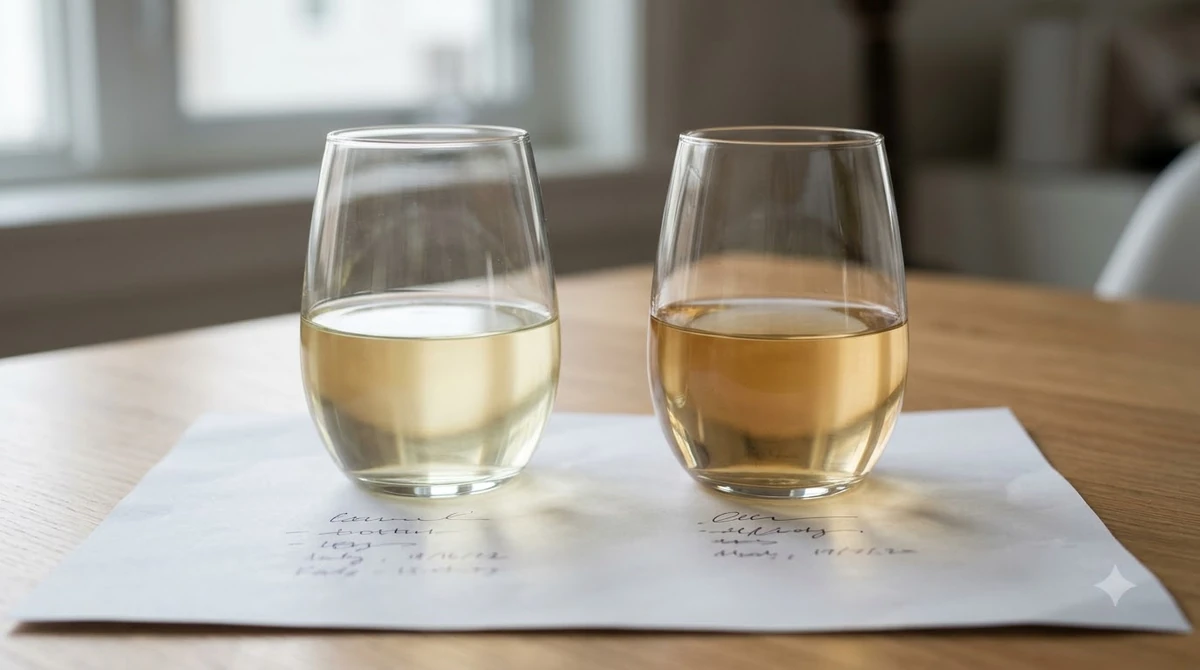
Chenin Blanc typically offers apple, pear, quince, citrus, and tropical fruit, while Viognier emphasizes peach, apricot, honeysuckle, and fragrant blossoms. The difference is particularly clear when the wines are tasted side by side.
Chenin Blanc is not generally as immediately aromatic as Viognier. Its fruit character depends heavily on where the grapes are grown and how ripe they are when harvested. Cooler-climate examples often lean toward green apple, lemon, pear, quince, and subtle mineral notes. Warmer-climate wines can develop pineapple, melon, guava, and ripe apricot characteristics.
Oak and lees aging introduce another dimension. Chenin Blanc can develop aromas of honey, toasted nuts, vanilla, and brioche-like richness. These characteristics complement its natural acidity, allowing the wine to feel substantial without losing all its freshness. Some premium examples also develop earthy, waxy, and savory notes with bottle age.
Viognier makes a stronger aromatic impression. Its recognizable combination of peach, apricot, honeysuckle, jasmine, and orange blossom can be apparent as soon as the wine is poured. Riper examples may show pineapple, mango, and other tropical fruit, sometimes accompanied by ginger or sweet spice.
Its floral aromas can make Viognier smell sweeter than it actually tastes. Most bottles are fermented to dryness, so the impression of honey or ripe fruit should not automatically be interpreted as residual sugar. Oak-aged examples may add vanilla and spice, while stainless-steel versions usually retain a more direct expression of ripe fruit. The WSET explanation of Viognier’s characteristics and winemaking provides further detail on how these production choices affect the finished wine.
How the two wines feel on the palate
Chenin Blanc often begins with refreshing acidity, followed by fruit and a clean or slightly textured finish. Some wines have a distinct mineral quality, while others feel richer because of lees contact or barrel aging. Its natural acidity remains an important feature even when the wine has considerable body.
Viognier generally feels softer and broader. Its texture can be almost creamy or oily, especially in ripe examples with higher alcohol. Rather than delivering a sharp citrus-driven finish, it tends to emphasize fruit weight, floral aromas, and a rounded finish.
If you enjoy aromatic wines but prefer a lighter, more refreshing experience, Chenin Blanc is often the easier starting point. If you prefer expressive flowers and ripe stone fruit with a generous texture, Viognier is likely to appeal more.
Acidity, Body, Alcohol, and Sweetness
Chenin Blanc has naturally high acidity and can range from light to full-bodied, while Viognier generally has lower acidity and a medium-to-full body. Neither grape has a single fixed sweetness level, although dry Viognier is much more common than sweet Viognier.
Acidity is the clearest structural difference. Chenin Blanc’s freshness can make even a relatively ripe wine feel lively. This is particularly useful in warm climates, where grape ripeness can increase sugar levels and produce fuller flavors. The grape’s natural acidity helps maintain balance in dry, off-dry, and dessert styles.
Viognier ripens to high sugar levels, especially in warm vineyard locations. This can result in elevated alcohol and a softer impression on the palate. Its relatively low acidity means that a very ripe example can feel broad rather than crisp. Careful harvest timing is therefore important: leaving the grapes on the vine too long can reduce freshness and produce an unbalanced wine.
Body is not simply another word for alcohol. Chenin Blanc can have substantial weight because of ripe fruit, lees contact, and oak aging, even when its acidity remains pronounced. Viognier’s combination of ripe fruit, alcohol, and texture usually makes it feel fuller and softer.
Understanding sweetness
Chenin Blanc has a particularly wide sweetness range. Dry examples contain little residual sugar, while off-dry versions offer a gentle sweetness balanced by acidity. Late-harvest and botrytized wines can be intensely sweet, with flavors of honey, dried fruit, and ripe citrus.
Viognier is usually dry despite its sweet-smelling aromas. Its ripe peach and apricot character can create the impression of sweetness without significant residual sugar. Sweet late-harvest Viognier exists, but it is not the usual style found on wine shelves.
For readers comparing these wines with other crisp whites, the differences in Chenin Blanc vs Pinot Grigio also provide a useful perspective on acidity, fruit character, and body.
Tip: Do not judge sweetness from aroma alone. A dry Viognier can smell like ripe peaches and honey, while a genuinely sweet Chenin Blanc can taste balanced because its high acidity offsets the sugar.
Wine Regions and Typical Styles
Chenin Blanc is most closely associated with the Loire Valley and South Africa, while Viognier’s classic home is Condrieu in France’s northern Rhône. Both varieties have expanded internationally, but their traditional regions remain useful starting points when selecting a bottle.
The Loire Valley provides several distinct expressions of Chenin Blanc. Savennières is known for dry, structured wines that can develop complex flavors with age. Vouvray produces a broader range, including dry, off-dry, sweet, and sparkling styles. Coteaux du Layon, Bonnezeaux, and Quarts de Chaume are particularly associated with concentrated sweet Chenin Blanc, often made from grapes affected by noble rot.
South Africa has established Chenin Blanc as one of its signature white grapes. The traditional name Steen appears in the country’s wine history, and the variety is grown across regions including Swartland, Stellenbosch, and Paarl. Fresh, unoaked examples emphasize citrus and tropical fruit, while old-vine and barrel-aged wines can offer greater concentration, texture, and savory complexity. The Wines of South Africa wine education resource explains the grape’s versatility and its importance to the country’s wine identity.
Viognier’s historic reference point is Condrieu, a small appellation in the northern Rhône. Its steep vineyard sites and distinctive growing conditions produce aromatic wines with ripe stone fruit, floral intensity, and substantial body. Nearby Château-Grillet is another important name associated with the grape.
Beyond the northern Rhône, Viognier is grown in the Languedoc in southern France and in California, Australia, Argentina, Chile, and South Africa. These regions offer different balances of ripeness, acidity, and oak influence. California and Australian examples can be particularly expressive, with pronounced peach, apricot, and tropical-fruit aromas.
Viognier is also used in some northern Rhône red blends. In Côte-Rôtie, it can accompany Syrah, adding floral complexity and contributing to the wine’s aromatic character. This unusual application illustrates the grape’s importance as an aromatic blending variety, even though it is best known as a white wine grape.
For another comparison involving Loire white wines, see Chenin Blanc vs Sancerre. It helps explain why regional origin and grape variety should be considered separately when choosing a bottle.
Food Pairings: Which Wine Goes Better With Dinner?
Chenin Blanc is generally the more flexible food-pairing choice because its acidity and range of sweetness levels accommodate many dishes. Viognier is particularly effective with roast poultry, seafood, creamy sauces, and aromatic dishes that complement its ripe fruit and floral character.
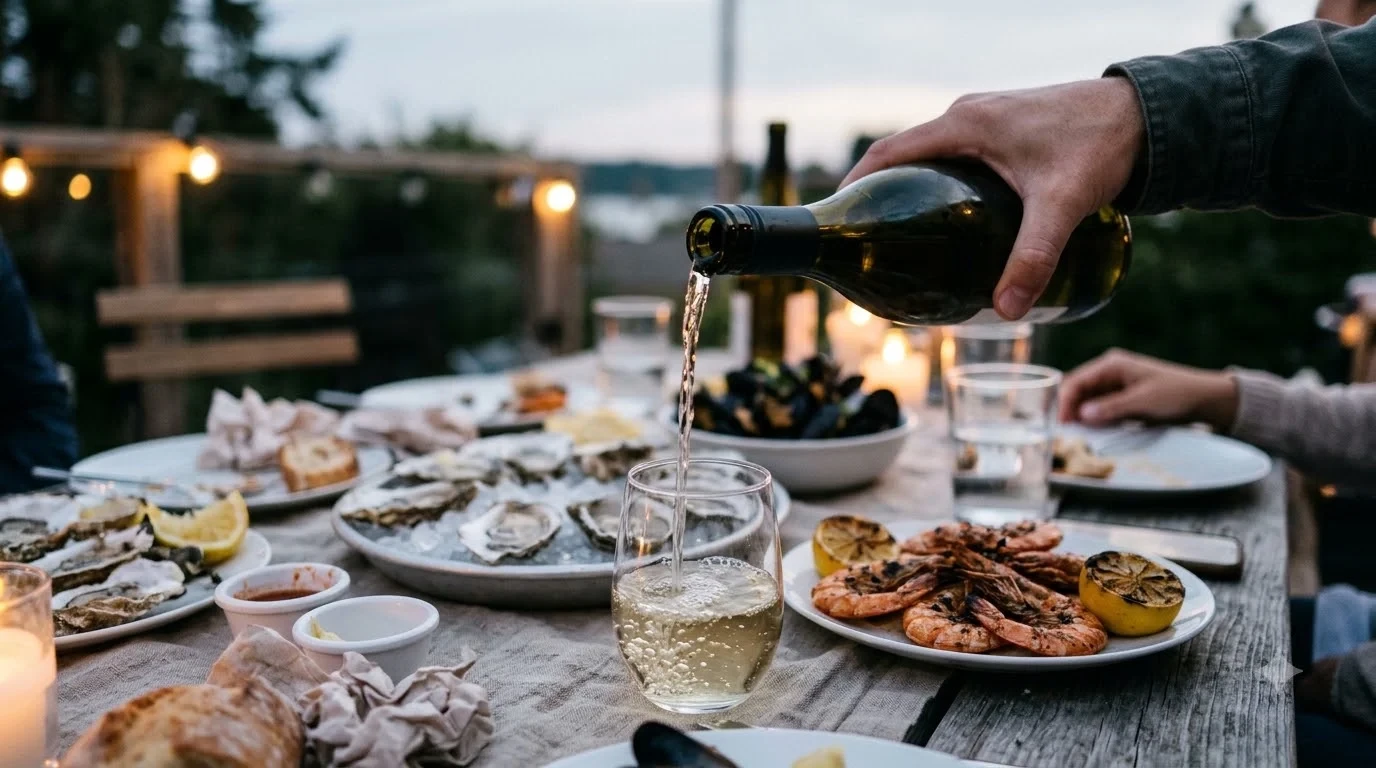
Chenin Blanc’s freshness works particularly well with seafood. Dry examples can accompany oysters, shrimp, grilled fish, fish tacos, and light seafood pasta. Their acidity provides contrast to richer preparations, while the fruit flavors complement delicate ingredients without overpowering them.
Medium-bodied and barrel-aged Chenin Blanc can handle more substantial dishes. Roast chicken, pork with apple sauce, creamy fish pie, and roasted vegetables are natural choices. The wine’s acidity helps balance rich sauces, while its fuller texture stands up to the weight of the food.
Off-dry Chenin Blanc is especially useful with mildly spicy dishes. Its sweetness can soften the perception of chili heat, while its acidity keeps the pairing from becoming heavy. Try it with Thai-inspired dishes, lightly spiced curries, or sweet-and-sour Asian preparations. For dessert, choose a Chenin Blanc that is at least as sweet as the dish.
Viognier is a natural partner for roast chicken, turkey, and pork. Its peach and apricot aromas complement roasted flavors, and its fuller texture works with dishes containing butter, cream, or aromatic herbs. A lightly oaked example can be especially appealing alongside chicken with lemon and herbs.
Seafood is another good option. Seared scallops, crab, lobster, and sea bass with fennel or saffron can complement Viognier’s floral character and rounded mouthfeel. The wine’s aromatic intensity is particularly helpful with dishes that have flavorful sauces without overwhelming levels of spice.
Pairing by preparation rather than just ingredient
Consider how a dish is cooked before selecting the wine. A simply grilled white fish may work better with a crisp Chenin Blanc, while the same fish served with a rich cream sauce may benefit from a fuller Chenin Blanc or Viognier.
Cheese also creates different opportunities. Dry Chenin Blanc works with goat cheese and fresh cheeses, while richer versions can accompany Brie and other soft cheeses. Sweet Chenin Blanc is a strong match for pungent blue cheese. Viognier works well with soft, creamy cheeses, particularly when the dish includes fruit or aromatic herbs.
For particularly spicy meals, consider alcohol as well as sweetness. Chili heat can feel stronger with wines that have high alcohol and pronounced tannin. Both Chenin Blanc and Viognier are white wines with little tannin, but a high-alcohol Viognier may still make a hot dish feel more intense. A slightly off-dry Chenin Blanc is often the safer choice for a spicy meal.
Serving Temperature, Glassware, and Storage
Serve Chenin Blanc and Viognier chilled, but avoid making either wine so cold that its aromas disappear. A good starting point is 45–50 degrees Fahrenheit for lighter Chenin Blanc and approximately 50–55 degrees Fahrenheit for fuller-bodied Viognier.
Temperature influences how the wines express themselves. Cooler Chenin Blanc emphasizes citrus, apple, and refreshing acidity. Slightly warmer examples reveal more of their texture, tropical fruit, and oak-derived complexity. Viognier benefits from enough warmth to reveal its peach, apricot, and floral aromas without becoming heavy or alcoholic.
Use a standard white wine glass with a reasonably wide bowl for both varieties. Chenin Blanc can benefit from a glass that allows its more subtle aromas to develop, especially in older or barrel-aged examples. Viognier also needs room for its expressive floral and stone-fruit aromas to collect above the wine.
For a practical starting point, serve most Viognier between 45 and 55 degrees Fahrenheit. Fuller and more aromatic examples often benefit from the warmer end of that range, while lighter bottles are refreshing closer to 45 degrees.
Storage and drinking windows
Many everyday Chenin Blanc wines are intended to be enjoyed young, while high-quality examples from Savennières, Vouvray, and South Africa can develop considerable complexity with age. Some premium South African Chenin Blancs have an aging potential of eight to ten years or longer, depending on their structure and production method.
Viognier is generally more approachable when young. Its fragrant fruit character is a central attraction, and extended aging does not necessarily improve the wine. Some examples can develop an oily texture or slightly bitter character over time, making early consumption a sensible approach for most bottles.
For unopened bottles, store wine in a cool, dark place with a relatively stable temperature near 55 degrees Fahrenheit. Bottles with natural cork closures should be stored on their sides. Avoid frequent temperature changes, direct sunlight, and unnecessary movement.
After opening, refrigerate both wines and use a suitable stopper. Most still wines remain enjoyable for approximately three to five days, although their aromas and freshness can change gradually. Bring the remaining wine back toward its recommended serving temperature before pouring another glass.
Which Wine Should You Choose?
Choose Chenin Blanc if you value acidity, versatility, and a wide choice of sweetness levels. Choose Viognier if you prefer fuller-bodied whites with expressive floral aromas, ripe stone fruit, and a softer palate.
Chenin Blanc is particularly suitable for people who enjoy Sauvignon Blanc or Riesling but want to explore a different range of textures and fruit profiles. Its high acidity makes it refreshing, while its ability to produce dry, off-dry, sparkling, and sweet wines offers plenty of variety. A dry Loire example is a good starting point for someone who prefers restrained flavors, while a South African bottling may appeal to drinkers who enjoy riper fruit and more body.
Viognier is a good choice for Chardonnay drinkers who want a more aromatic white wine. Its body and texture can be familiar to someone who enjoys richer Chardonnay, but the floral aromas and peach-driven fruit provide a different experience. It is also a worthwhile option for people who prefer fragrant wines but do not necessarily want noticeable sweetness.
Think about the occasion, too. Chenin Blanc is often the more adaptable choice for a dinner with several different dishes. Its acidity can refresh the palate between bites, and its different sweetness levels provide flexibility. Viognier is particularly appealing when the menu centers on roast chicken, scallops, creamy seafood, or aromatic vegetable dishes.
Neither grape is automatically better. A carefully made Chenin Blanc can be every bit as complex as a premium Viognier, and both can offer excellent expressions of their growing regions. The better choice depends on whether you want freshness and acidity or aromatic richness and a rounded texture.
Readers interested in another comparison involving Chardonnay and Chenin Blanc can also explore Chablis vs Chenin Blanc, particularly when deciding between leaner and more textured white wine styles.
Frequently Asked Questions
Is Chenin Blanc related to Viognier?
Chenin Blanc and Viognier are separate grape varieties within the European wine grape species Vitis vinifera. They have different historical origins, vineyard characteristics, and typical wine structures. Their shared identity as white grapes does not mean they are closely related varieties.
What does Viognier mean in French?
Viognier is the name of the grape variety rather than a French word describing a particular wine style. Its pronunciation is commonly given as VEE-oh-nyay. The name is strongly associated with the northern Rhône appellations of Condrieu and Château-Grillet.
Can Chenin Blanc be used to make sparkling wine?
Yes. Chenin Blanc is an important grape for Crémant de Loire, a traditional-method sparkling wine from the Loire Valley. Its naturally high acidity makes it particularly suitable for sparkling production, and the finished wines can show apple, citrus, and mineral characteristics with refreshing bubbles.
Is Viognier ever blended with red wine grapes?
Yes. Viognier is famously blended or co-fermented with Syrah in some northern Rhône wines, particularly those associated with Côte-Rôtie. This practice can contribute floral aromas and influence the color development of the red wine. It is a distinctive exception to Viognier’s usual role as a white wine grape.
What is the traditional South African name for Chenin Blanc?
Chenin Blanc is traditionally known as Steen in South Africa. Historical research at Stellenbosch University identified Steen as Chenin Blanc in 1963. The name remains an important part of South African wine history and terminology.
Chenin Blanc and Viognier offer two very different ways to enjoy white wine. Chenin Blanc is the stronger choice for freshness, acidity, and stylistic variety, while Viognier stands out for floral aromas, ripe fruit, and a fuller texture. Try both side by side with the same meal to discover which balance of fruit, acidity, and body suits your palate.
More in Wine vs Wine
 Chenin Blanc vs Pinot Gris: Acidity, Body, and Pairing DifferencesUpdated Nov 20, 2026
 Chianti vs Lambrusco: How Tuscany and Emilia-Romagna Reds CompareUpdated Nov 20, 2026
 Chianti vs Primitivo: Key Differences in Taste, Body, and PairingUpdated Nov 20, 2026
 Chianti vs Rioja: Key Differences in Taste, Aging, and PairingUpdated Nov 20, 2026
 Chianti vs Shiraz: How Acidity, Body, and Food Pairings CompareUpdated Nov 20, 2026
 Chianti vs Syrah: Key Differences in Taste, Body, and Food PairingUpdated Nov 20, 2026