

We may earn a commission when you buy through links on this page, at no extra cost to you. Learn more.
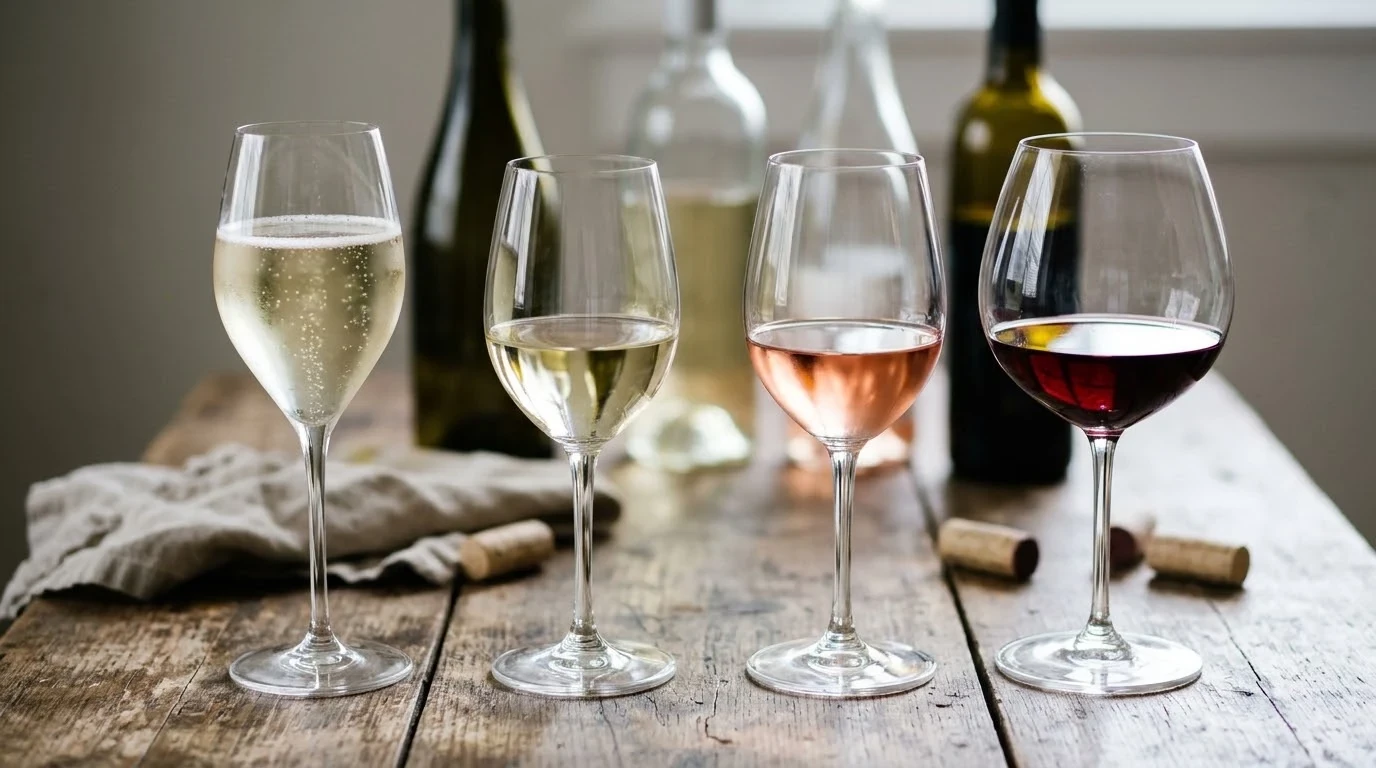
The ribolla gialla grape is an ancient white wine variety from northeastern Italy that produces fresh, dry, highly acidic wines with floral, citrus, and green apple characteristics. It is especially associated with Friuli Venezia Giulia, including the Collio and Friuli Colli Orientali wine regions, and is also cultivated across the border in Slovenia, where it is known as Rebula. Depending on how winemakers handle the grapes, it can produce crisp still whites, sparkling wines, and deeply colored amber wines made through extended skin contact.
Ribolla Gialla is an excellent grape to explore if you enjoy refreshing white wines but want something with a stronger sense of regional identity than familiar international varieties. Its natural acidity gives it an appealing freshness, while its different winemaking traditions create bottles with considerably different textures and personalities. Understanding its origins, growing conditions, and production methods makes it easier to choose a style that suits your preferences and the food on your table.
Origins and History of the Ribolla Gialla Grape
Ribolla Gialla has deep roots in northeastern Italy, particularly Friuli Venezia Giulia, where it has been cultivated for centuries. Its history also crosses modern national borders, connecting Italian vineyards with the neighboring wine-growing areas of Slovenia and Istria.
The grape is among the traditional varieties associated with Friuli. The Consorzio DOC Friuli identifies a historical document dating to 1299 as an early documentary reference associated with this native variety. The Consorzio Colli Orientali also places its regional history around the year 1300. These references help explain why Ribolla Gialla remains an important part of Friulian wine identity rather than simply another international white grape grown in Italy.
The variety is closely connected to the Slovenian wine-growing landscape as well. Across the border, it is generally called Rebula, particularly in Goriška Brda, a hilly wine region whose landscape and traditions are closely connected to neighboring Collio. The name is associated with the Slovenian word Rébula, which developed into the Friulian dialect form Ribuele. This shared heritage is one reason the grape is sometimes discussed as a regional variety spanning two countries rather than belonging exclusively to one modern political boundary.
Historical references to Ribolla wine do not always establish precisely which grape variety was used in every earlier bottle. The distinction between a historical wine name and a scientifically identified vine is important when interpreting medieval records. Nevertheless, the long association between Ribolla and Friuli is well established in regional wine history.
The grape experienced changes in popularity as regional agriculture and wine preferences evolved. Interest in traditional varieties subsequently encouraged producers to give Ribolla Gialla renewed attention, especially in hillside vineyards where it can develop its characteristic acidity and distinctive flavor profile.
For modern wine drinkers, this history provides useful context. A bottle of Ribolla Gialla is not simply an Italian alternative to Pinot Grigio. It represents a specific northeastern Italian tradition, with its own local grape-growing practices, regional expressions, and connections to Slovenian winemaking.
Where Ribolla Gialla Grows and Why the Hills Matter
Friuli Venezia Giulia is the grape’s best-known home, with Collio and Friuli Colli Orientali particularly important for its production. Hillside conditions, local soils, and the interaction between sunshine and cooler influences help shape the variety’s naturally fresh character.
Collio occupies the northeastern corner of Italy near Slovenia. Its vineyards grow on a distinctive geological formation locally known as ponca, consisting primarily of marl and sandstone associated with Eocene geological deposits. The Collio consortium identifies approximately 1,500 hectares of vineyards across the appellation, where indigenous and international grape varieties grow side by side.
The region’s combination of slopes, soil composition, and local climate provides suitable conditions for producing white wines with freshness and structure. Ribolla Gialla benefits particularly from these hillside environments. Its naturally high acidity is a defining feature, and the grape can maintain that freshness even when its wines develop greater body through different production methods.
Another important growing area is Friuli Colli Orientali. Its DOC territory includes municipalities such as Tarcento, Nimis, Cividale, Prepotto, and Corno di Rosazzo. According to the area’s consortium, the wider production territory covers more than 2,000 hectares of vineyards and supports several native grape varieties.
Ribolla Gialla is particularly suited to these hills because it is a relatively vigorous variety with late budding and ripening characteristics. The hillside environment helps provide favorable growing conditions, although the final wine still depends on vineyard exposure, seasonal weather, harvesting decisions, and cellar practices.
Slovenian Goriška Brda provides another important setting for the grape. Its Rebula wines demonstrate how the same variety can express itself across different vineyard locations and winemaking traditions. Bottles from Italian Collio and Slovenian Brda can share recognizable characteristics while differing in texture, concentration, and production style.
When comparing bottles, looking at the specific growing area is often more informative than treating every Ribolla Gialla as an identical wine. A fresh stainless-steel wine from a valley vineyard and an intensely structured hillside orange wine may share the same grape but deliver substantially different experiences.
For additional regional information, the Collio consortium’s Ribolla Gialla profile describes the grape’s local growing environment, characteristics, and traditional production.
What the Grapes Look Like and How the Variety Behaves
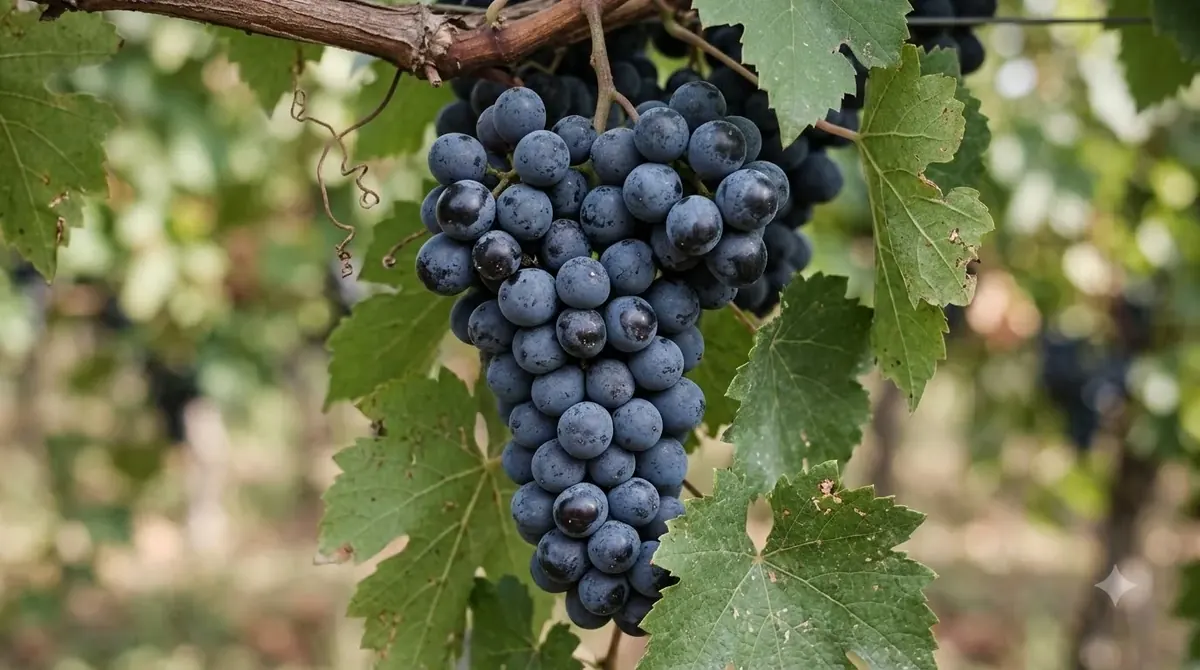
Ribolla Gialla is a white wine grape with medium-small bunches, relatively firm skins, and medium-large berries. Its natural acidity and growing characteristics make it particularly suitable for fresh dry wines as well as more ambitious skin-contact interpretations.
The Consorzio DOC Friuli describes its bunches as cylindrical and medium-small, with occasional small wings and moderate compactness. The berries are medium-large, with firm, waxy skins and typically two pear-shaped seeds. These characteristics help distinguish the variety in descriptions of traditional Friulian viticulture.
Despite being classified as a white grape, Ribolla Gialla has skins that can contribute substantial color and texture when winemakers leave the juice in contact with them. This is particularly important for orange wine production, where the skins remain with the fermenting juice instead of being separated shortly after pressing.
The variety is also known for its natural acidity. This gives traditional Ribolla Gialla a lively profile that can remain refreshing even when the wine has a relatively full texture. Acidity is especially important for wines intended to accompany food because it can balance rich ingredients and help cleanse the palate between bites.
Ribolla Gialla is not naturally defined by pronounced sweetness or heavy oak flavors. In its classic regional expression, dryness and freshness take priority. Individual producers can nevertheless influence the final wine through harvest timing, fermentation conditions, maturation vessels, and skin-contact duration.
Its combination of firm skins and high acidity gives the variety considerable flexibility. It can become a straightforward aperitif wine, a more structured bottle suitable for a full meal, or an amber-colored wine with noticeable grip and complexity.
Ribolla Gialla Taste, Aromas, and Wine Characteristics
Traditional Ribolla Gialla is usually dry, crisp, and refreshing, with high acidity and delicate floral aromas. Citrus, green apple, and subtle almond-like impressions can also appear, although the exact profile depends on the vineyard and winemaking approach.
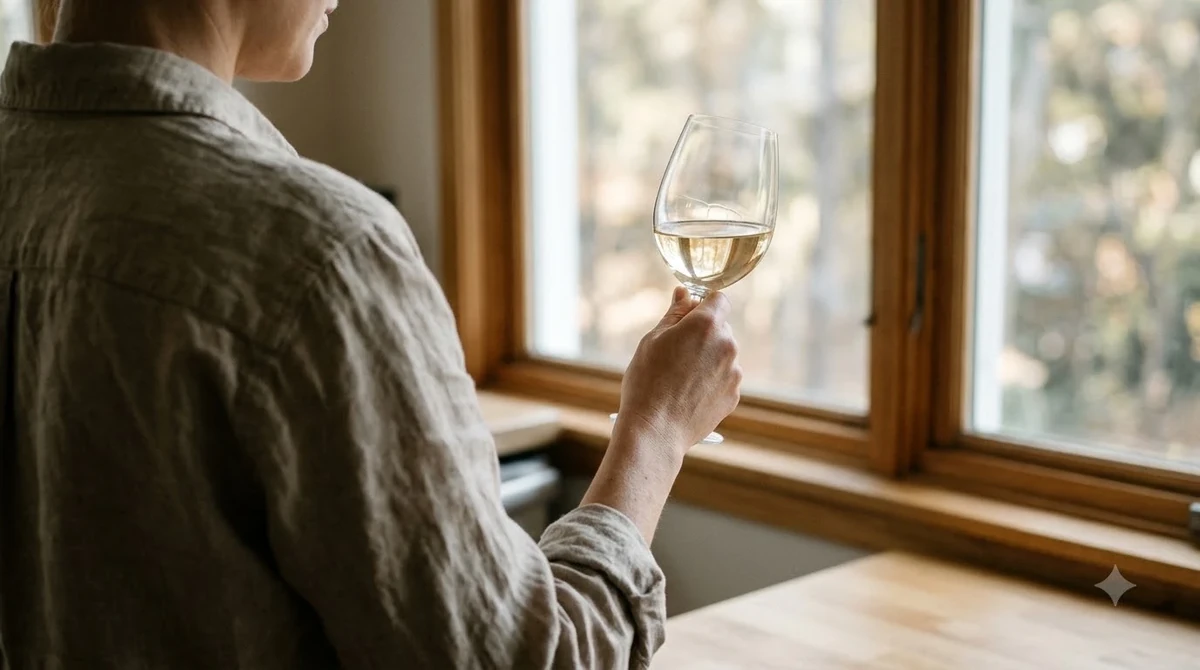
In the glass, conventional still Ribolla Gialla generally has a pale straw-yellow color, sometimes with greenish reflections. More concentrated examples can appear deeper gold. The Collio consortium describes the wine’s color as ranging from straw yellow to a more intense golden shade, with a dry and fresh palate.
The nose is typically fresh rather than heavily perfumed. White flowers and delicate floral notes are common, accompanied by citrus and apple-like fruit. Some wines show a more pronounced mineral impression or a slightly savory quality, especially when their production emphasizes structure and lees contact.
On the palate, acidity is the variety’s most recognizable characteristic. It creates a lively sensation that makes the wine refreshing and suitable for food. Traditional examples are generally light to medium in body, although some producers make more substantial versions through vineyard selection, lees aging, or skin contact.
It is useful to distinguish between acidity and sweetness when evaluating this wine. A Ribolla Gialla can taste intensely fruity without containing much residual sugar. Its apple and citrus impressions are usually expressions of aroma and fruit character rather than indications that the wine is sweet.
For a closer breakdown of its flavor profile, the guide to what does Ribolla Gialla taste like explores the aromas, acidity, and textures that distinguish different expressions of the variety.
Orange Ribolla Gialla offers a different experience. Extended skin contact can introduce amber color, firmer texture, more noticeable phenolic structure, dried-fruit impressions, and sometimes earthy or herbal notes. The result may feel considerably more substantial than a conventional stainless-steel white wine.
The difference between these styles is primarily a result of production choices rather than different grape varieties. A crisp, pale bottle and a deep amber bottle can both be made entirely from Ribolla Gialla.
| Characteristic | Typical Ribolla Gialla |
|---|---|
| Grape color | White grape |
| Wine sweetness | Usually dry |
| Acidity | High |
| Body | Light to medium, depending on style |
| Typical aromas | Flowers, citrus, green apple |
| Traditional color | Pale straw yellow |
| Skin-contact color | Golden to amber |
| Common serving temperature | 50–54°F |
| Common regional serving guidance | 8–12°C (46–54°F) |
| Notable growing areas | Collio, Friuli Colli Orientali, Goriška Brda |
These characteristics make Ribolla Gialla particularly appealing to people who enjoy refreshing white wines but also appreciate wines with a distinct regional personality. Its acidity gives it energy, while its different expressions provide plenty of variation for curious drinkers.
Still, Sparkling, and Orange Ribolla Gialla Styles
Ribolla Gialla is not limited to one winemaking style. Producers use the grape to make crisp still whites, sparkling wines, and orange wines, with fermentation and maturation choices determining much of the difference in texture and flavor.
Still Ribolla Gialla
Still wine is one of the most recognizable expressions of the variety. In a traditional white-wine production method, grapes are pressed and the juice is separated from the skins before fermentation. Stainless-steel fermentation is particularly useful for preserving fresh fruit and floral aromas.
The result is typically pale, dry, and high in acidity. Green apple, citrus, and delicate floral characteristics can be prominent. Some producers also use lees aging to add texture without sacrificing the wine’s freshness.
For example, La Viarte documents a Friuli Colli Orientali DOC Ribolla Gialla fermented in stainless steel at 16–18°C. Its technical information also describes seven months of maturation on fine lees, illustrating how a producer can add complexity while maintaining a conventional white-wine approach.
Sparkling Ribolla Gialla
The grape also has an established place in sparkling wine production. Its naturally high acidity makes it suitable for refreshing sparkling expressions, where freshness and lively bubbles are important elements of the finished wine.
Sparkling versions can provide a useful alternative to familiar Italian sparkling wines made from Glera. The varieties have different identities, and Ribolla Gialla generally emphasizes its own floral and citrus characteristics rather than simply reproducing the flavor profile of Prosecco.
Production techniques vary by producer. Some sparkling wines use a tank-based secondary fermentation approach, while others employ traditional bottle fermentation. The production method affects the texture, aromas, and complexity of the finished sparkling wine.
These wines can work particularly well as aperitifs. Their acidity and bubbles provide a refreshing contrast to salty appetizers, seafood, and fried snacks.
Orange Ribolla Gialla
Orange Ribolla Gialla is one of the grape’s most distinctive expressions. Instead of immediately separating the juice from the skins, producers leave them together during fermentation or maceration. This extracts additional color, tannins, and aromatic compounds.
Oslavia, in the Collio area, is particularly associated with this approach. The Collio consortium specifically identifies prolonged skin maceration as a reason some local Ribolla Gialla wines develop an amber color rather than the pale appearance associated with conventional white wines.
Orange examples can feel more structured and textured. Their aromas may include dried citrus, herbs, tea, and dried fruit, while their phenolic structure can produce a slightly grippy sensation. The exact character depends on the length of skin contact, fermentation conditions, and maturation choices.
These wines should not automatically be confused with sweet wines. Orange describes the color and production method, not the sugar level. Many examples are fermented dry.
Tip: If you are new to Ribolla Gialla, begin with a conventional dry still wine from Collio or Friuli Colli Orientali. Once you understand its natural acidity and floral character, try an amber skin-contact bottle from Oslavia to discover how dramatically the same grape can change.
How to Serve Ribolla Gialla and Pair It with Food
Ribolla Gialla is best served chilled but not excessively cold, allowing its floral aromas and natural acidity to remain noticeable. Its refreshing character also makes it particularly versatile with seafood, vegetables, appetizers, and lighter dishes.
The recommended temperature depends on the wine’s style and the producer’s guidance. Regional consortia provide slightly different recommendations: the Consorzio DOC Friuli suggests 8–10°C, while Collio and Friuli Colli Orientali recommend 10–12°C. These correspond to approximately 46–54°F, a practical range for most traditional still examples.
For a crisp, uncomplicated still wine, aim for approximately 48–50°F. More structured or skin-contact examples can benefit from a slightly warmer serving temperature, around 52–55°F, because excessive chilling can make their aromas and textures less expressive.
A standard white wine glass is suitable for most still examples. More structured amber wines can benefit from a glass with a slightly wider bowl, which gives their aromas more room to develop. Sparkling versions are generally best served colder, around 40–50°F, depending on their style.
Food pairing is one of Ribolla Gialla’s greatest strengths. Its acidity helps balance richer ingredients, while its relatively delicate fruit profile avoids overpowering many seafood and vegetable dishes. The grape’s traditional Friulian food associations offer a useful starting point.
Seafood and Fish
Seafood is a natural partner for traditional Ribolla Gialla. Oysters, shellfish, fried sardines, and simply prepared white fish all work well because the wine’s acidity provides freshness alongside delicate flavors.
Try it with grilled sea bass, steamed cod, shrimp, or baked white fish dressed with olive oil and lemon. Its acidity is particularly useful with dishes containing lemon-based sauces because wines with lower acidity can taste flat beside strongly acidic ingredients.
Italian Appetizers and Cured Meats
Friulian cuisine provides several excellent pairing ideas. The DOC Friuli consortium specifically highlights Cormons raw ham as a traditional partner for Ribolla Gialla. The combination brings together salty cured meat and a refreshing, dry white wine.
Other good options include mild salami, prosciutto, vegetable antipasti, and lightly seasoned cheeses. Salt and fat can soften the perception of a wine’s acidity, creating a balanced combination.
Vegetables, Soups, and Pasta
Vegetable dishes are another strong match. Ribolla Gialla works particularly well with asparagus, zucchini, grilled vegetables, vegetable risotto, and creamy soups. Its acidity helps prevent rich preparations from feeling too heavy.
For pasta, consider seafood linguine, vegetable-based sauces, herb risotto, or pasta with olive oil and seasonal vegetables. Avoid sauces that are overwhelmingly rich or intensely sweet, as these can obscure the wine’s delicate flavors.
Foods to Approach Carefully
Very spicy dishes can make Ribolla Gialla taste sharper and less balanced, particularly if the wine has noticeable alcohol. Strongly sweet desserts can also make a dry bottle taste sour. If serving the wine with dessert, select a wine at least as sweet as the food instead.
For a more detailed list of dishes and combinations, see the dedicated guide to Ribolla Gialla food pairing.
How Ribolla Gialla Compares with Other White Grapes
Ribolla Gialla occupies an interesting position among European white grapes because it combines high acidity with relatively restrained aromatics and considerable flexibility in winemaking. Comparing it with Pinot Grigio, Sauvignon Blanc, and Chardonnay helps clarify what makes it distinctive.
Ribolla Gialla versus Pinot Grigio: Both grapes can produce dry, refreshing Italian white wines. Pinot Grigio often offers delicate citrus, pear, and apple characteristics, while Ribolla Gialla tends to emphasize its floral character and pronounced acidity. Ribolla also has a particularly visible tradition of orange wine production.
Ribolla Gialla versus Sauvignon Blanc: Both varieties can have high acidity, but Sauvignon Blanc is generally more aromatic. Depending on its origin, it can display grapefruit, green herbs, passion fruit, or pronounced grassy notes. Ribolla Gialla is usually more restrained, with delicate flowers, citrus, and green apple forming a recognizable combination.
Ribolla Gialla versus Chardonnay: Chardonnay covers a wide range of styles, from lean, stainless-steel wines to rich, barrel-aged examples. Its acidity is generally medium, while Ribolla Gialla is particularly associated with high natural acidity. Chardonnay can also show butter, vanilla, and toast from oak maturation, characteristics that are not defining features of traditional Ribolla Gialla.
The table below summarizes the general differences.
| Grape | Acidity | Typical flavor profile | Common style |
|---|---|---|---|
| Ribolla Gialla | High | Flowers, citrus, green apple | Dry still, sparkling, orange |
| Pinot Grigio | Medium to high | Pear, apple, citrus | Light, dry white |
| Sauvignon Blanc | High | Grapefruit, herbs, tropical fruit | Aromatic dry white |
| Chardonnay | Medium | Apple, citrus, stone fruit, sometimes vanilla | Still or sparkling, unoaked or oaked |
These are general grape characteristics rather than fixed rules. Climate, vineyard location, ripeness, fermentation, and maturation can create considerable differences between individual wines.
If you are exploring Italian wines more broadly, the Wine by Type collection provides additional context for understanding grape varieties and the styles they produce.
One useful distinction is that Ribolla Gialla is not simply a substitute for another Italian white. Its combination of acidity, traditional regional identity, and skin-contact potential gives it a recognizable place among European white grapes. Understanding the production style is often the best way to decide which bottle to buy.
Frequently Asked Questions
Is Ribolla Gialla related to other Italian white grapes?
Ribolla Gialla is a distinct registered grape variety within the Vitis vinifera species. Its similarity to other northeastern Italian white wines does not mean it is a synonym for Pinot Grigio, Friulano, or Malvasia. The Italian Vitis Database records Ribolla Gialla separately in the National Register of Grape Varieties.
Is Rebula exactly the same grape as Ribolla Gialla?
Yes. Rebula is the name commonly used for Ribolla Gialla in Slovenia, particularly in Goriška Brda. The difference is primarily linguistic and regional rather than botanical. Wines from the two countries can nevertheless differ considerably because of vineyard conditions and winemaking traditions.
Can Ribolla Gialla age in the bottle?
Some structured Ribolla Gialla wines can develop additional complexity with bottle aging, particularly examples with concentrated fruit, balanced acidity, and thoughtful maturation. However, many straightforward stainless-steel versions are designed to be enjoyed young for their fresh floral and citrus characteristics. The producer’s intended drinking window is more useful than assuming every bottle has the same aging potential.
Is Ribolla Gialla suitable for making wine blends?
Yes. Although it is often bottled as a single-variety wine, Ribolla Gialla can also be used in sparkling wine production and regional blends. Its natural acidity can contribute freshness and structure to a wine containing other grape varieties. The permitted varieties and proportions depend on the applicable wine designation.
What does the word Gialla mean in Ribolla Gialla?
Gialla is the Italian word for yellow. It refers to the grape’s yellow-colored berries and helps distinguish this variety by its traditional Italian name. Despite its yellow fruit, the grape is classified as a white wine variety, and its conventional wines generally have pale straw-yellow coloring.
The Ribolla Gialla grape offers much more than a refreshing Italian white wine. Its centuries-old connection to Friuli and Slovenia, naturally high acidity, and ability to produce still, sparkling, and amber wines make it one of northeastern Italy’s most interesting native varieties. Start with a crisp traditional bottle to appreciate its freshness, then explore skin-contact examples from Oslavia to discover its more structured side.
More in Wine Types & Grapes
 What Does Mourvèdre Taste Like? Flavor Profile, Regions, and PairingsUpdated Nov 20, 2026
 What Does Marsanne Taste Like? Flavors, Styles, and Food PairingsUpdated Nov 20, 2026
 What Does Malvasia Taste Like? Styles, Flavors, and Food PairingsUpdated Nov 20, 2026
 What Does Grenache Blanc Taste Like? Flavor Profile, Styles, and PairingsUpdated Nov 20, 2026
 What Does Garnacha Taste Like? Key Flavors, Styles, and Pairing TipsUpdated Nov 20, 2026
 What Does Fruit Wine Taste Like? A Complete Flavor and Style BreakdownUpdated Nov 20, 2026