

We may earn a commission when you buy through links on this page, at no extra cost to you. Learn more.
The best ribolla gialla food pairing depends on the winemaking style, matching crisp unoaked bottles with fried seafood, shellfish, and fresh salads while pairing structured skin-contact orange styles with roasted poultry, aged cheeses, and spiced dishes. Native to northeastern Italy and neighboring Slovenia, this high-acid white grape bridges the gap between zesty coastal whites and tannic reds. Because producers craft it as a sparkling wine, a bright steel-fermented white, or an amber macerated wine, one grape can cover an entire multi-course menu.
Understanding how to match this versatile Italian variety at the dinner table starts with looking at how the bottle was made. According to Wine Folly, Ribolla Gialla naturally carries mouthwatering acidity alongside subtle notes of citrus, baked apple, beeswax, and fresh thyme. Whether you open a chilled, mineral-driven bottle for weeknight fish tacos or decant an amber version for slow-roasted pork, aligning the weight of the dish with the texture of the wine keeps both elements balanced.
What It Is
Ribolla Gialla is an ancient white wine grape grown primarily in the Friuli-Venezia Giulia region of northeastern Italy and across the border in western Slovenia, where it goes by the name Rebula. Sommeliers prize the variety for its bright natural acidity, moderate alcohol levels, and distinct savory finish that sets it apart from simpler, fruit-forward white wines.
Historical records trace the grape’s cultivation in the Friuli hills back to the Middle Ages, making it one of the oldest indigenous varieties still bottled today. Unlike aromatic grapes that rely on intense perfume, Ribolla Gialla builds its appeal on structure, saline minerality, and a subtle bitter-almond or citrus-pith edge on the finish. That combination of brisk freshness and savory grip makes it remarkably adaptable at the table, behaving much like a squeeze of fresh lemon over a rich meal.
Winemakers treat the grape in dramatically different ways, which directly shapes how you pair it with food. When fermented in stainless steel without skin contact, it produces a light- to medium-bodied white wine with laser-sharp clarity. When fermented on its grape skins for weeks or months—a traditional technique revived in Friuli during the 1990s—it transforms into a deep amber “orange” wine with red-wine-like tannins capable of standing up to hearty meats and complex spices.
Flavor and Styles
Across its different expressions, Ribolla Gialla typically displays core flavors of lemon, green apple, white peach, tangerine, wild herbs, and crushed stone, shifting toward dried apricot, hazelnut, and tea-like tannins when aged on its skins. Typical alcohol by volume sits between 12 and 13.5 percent, keeping the wines refreshing rather than heavy.
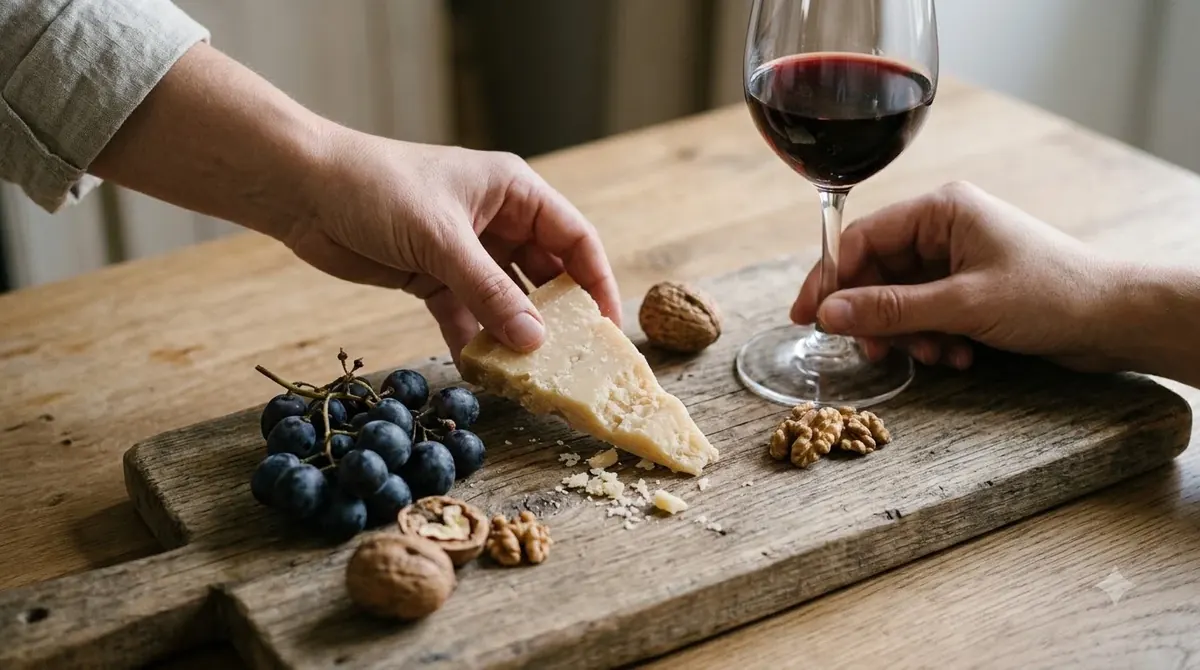
According to Firstleaf’s varietal guide, fresh, unoaked, and sparkling styles highlight floral aromas of acacia and lime blossom layered over zingy grapefruit, green apple, and flinty minerality. Sparkling Ribolla Gialla—often made using the Charmat method—adds fine bubbles that scrub the palate clean, making it a natural starter before heavier courses arrive. Still unoaked bottles offer a clean, linear profile with a whisper of beeswax and thyme that complements delicate ingredients without masking them.
Skin-contact and oak-aged styles move into a completely different sensory territory. Prolonged maceration extracts color and phenolic grip from the grape’s thick yellow skins, resulting in golden-amber hues and chewy, tea-like tannins. On the palate, fresh orchard fruit gives way to baked apple, candied orange peel, dried apricot, toasted almond, and wildflower honey. Because these amber bottles combine white-wine acidity with structural tannin, they handle savory, umami-rich, and mildly spiced dishes that would overwhelm conventional white wines.
Where It Grows
The heartland of Ribolla Gialla spans the steep, terraced hillsides straddling the Italian-Slovenian border, specifically in Italy’s Collio and Colli Orientali del Friuli zones and Slovenia’s Goriška Brda and Vipava Valley. Cool Alpine breezes meet warm Adriatic air here, preserving the grape’s signature high acidity while allowing the thick skins to ripen fully.
In Friuli-Venezia Giulia, vineyards are planted on a crumbly, nutrient-poor marl and sandstone soil known locally as ponca. Because the soil forces vine roots to dig deep for water, yields remain naturally low and the resulting wines carry a pronounced salty, stony minerality. That saline streak is a major reason coastal seafood and briny cheeses click so effortlessly with bottles from this region.
While small plantings exist in California and other New World pockets, northeastern Italy and western Slovenia remain the benchmark sources for serious bottles. Within these zones, hillside vineyards generally yield more concentrated, age-worthy wines suited for skin contact or oak aging, while valley-floor plots produce lighter, brighter bottles meant for early drinking.
How to Serve
Serve sparkling and crisp unoaked Ribolla Gialla well-chilled between 46 and 50 degrees Fahrenheit, while skin-contact and aged bottles show best slightly warmer at 54 to 59 degrees Fahrenheit. Serving an amber bottle too cold tightens its tannins and mutes its complex dried-fruit and herbal aromatics.
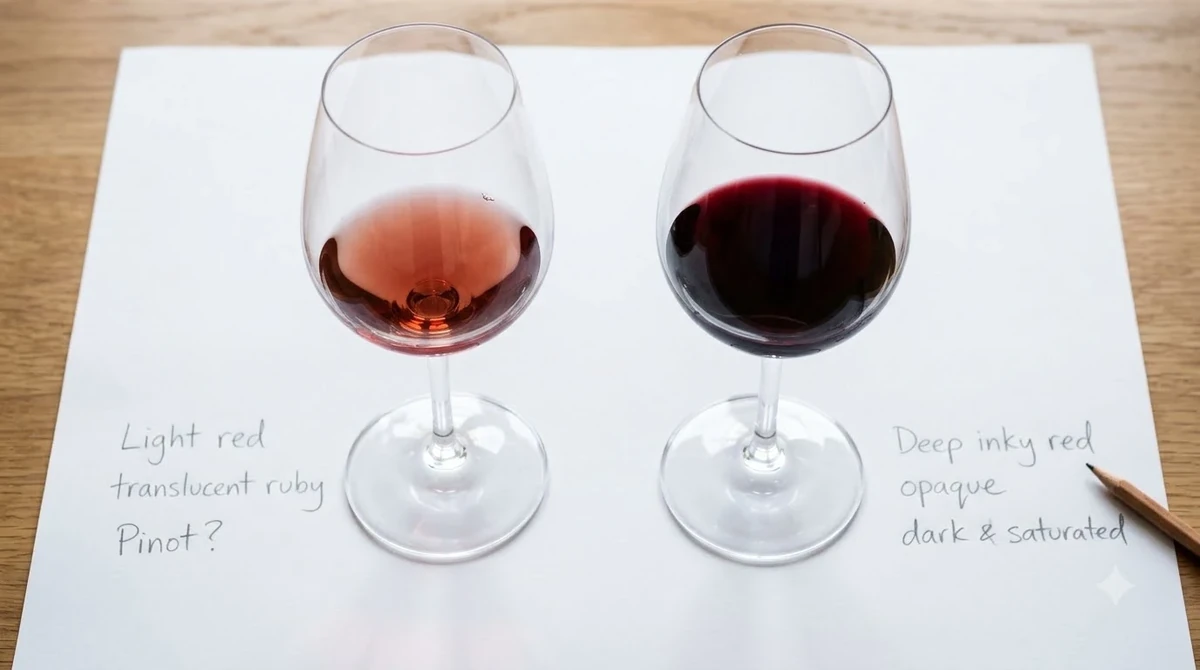
Glassware choice also plays a practical role in how the wine smells and tastes during a meal. A standard tulip-shaped white wine glass concentrates the delicate citrus and white-flower aromas of fresh or sparkling styles. For macerated orange styles, pour the wine into a larger-bowled white wine or Burgundy-style glass so oxygen can soften the grip and release deeper notes of beeswax, chamomile, and roasted nuts.
While crisp, steel-fermented bottles are ready to pour straight from the refrigerator, full-bodied skin-contact Ribolla Gialla benefits from 30 to 60 minutes in a decanter before dinner. Give the wine time to breathe, and watch how the initial astringency relaxes into a plush, savory texture. Once opened and recorked in the fridge, fresh styles stay lively for three to five days, whereas structured amber bottles can hold their shape for up to a week.
Food Pairing
Successful ribolla gialla food pairing comes down to matching the wine’s acidity and tannin structure to the richness and seasoning of the plate. Crisp, unoaked versions cut through fried batters and creamy sauces, whereas skin-contact bottles bring enough grip to stand alongside roasted meats, mushrooms, and fermented ingredients.
| Wine Style | Key Traits | Best Dish Matches | Why It Works |
|---|---|---|---|
| Sparkling Ribolla Gialla | High acid, fine bubbles, green apple and citrus zest | Oysters, fried calamari, vegetable tempura, salty potato chips | Effervescence and sharp acidity scrub oil and salt from the palate |
| Crisp Unoaked White | Light-medium body, lemon, pear, thyme, saline minerality | Mussels in garlic white wine, veal piccata, grilled sea bass, goat cheese salad | Bright citrus notes act like a fresh squeeze of lemon over delicate proteins |
| Light Skin-Contact (Amber) | Medium body, subtle grip, apricot, beeswax, toasted almond | Roast chicken with herbs, mushroom risotto, prosciutto, mild gouda | Gentle tannin and savory depth bridge the gap between white and red wine |
| Extended Maceration (Orange) | Full texture, chewy tannins, dried citrus peel, honey, spice | Braised pork belly, Moroccan tagine, aged Comté, miso-glazed eggplant | Firm phenolic structure stands up to fat, umami, and warm earthy spices |
For crisp, unoaked bottles, lean into coastal Italian classics and bright, herb-driven dishes. Steamed mussels tossed with garlic, parsley, and white wine echo the bottle’s saline minerality, while lemon-caper veal piccata or pan-seared scallops play directly into its citrus core. If you enjoy pairing structured, mineral-driven whites with fresh seafood and light poultry, exploring grenache blanc food pairing offers another great point of comparison for matching body and acidity at the table.
When pouring an amber, skin-contact Ribolla Gialla, treat it much like a light red wine. Its tea-like tannins slice cleanly through the rendered fat of crispy-skinned roast chicken, pork chops, or charcuterie boards loaded with cured salami and aged alpine cheeses. Earthy vegetarian dishes—such as sautéed chanterelle mushrooms, barley and bean soup, or roasted root vegetables—also lock into the wine’s nutty, savory finish.
Global cuisines with complex aromatics are another strong suit for macerated styles. Dishes seasoned with cumin, coriander, saffron, or turmeric—like Moroccan chicken tagine or mild Indian vegetable curries—harmonize with the wine’s dried apricot and spice notes without clashing. Even umami-heavy East Asian preparations, including salmon sushi, miso-glazed fish, and fermented vegetable sides, find common ground with the wine’s savory backbone, much like the versatile pairings covered in our guides to blaufrankisch food pairing and carignan food pairing.
Tip: Avoid pairing heavily tannic, extended-maceration Ribolla Gialla with very sweet desserts or raw oysters, as the wine’s drying grip can make delicate shellfish taste metallic and clash with sugar.
How to Choose a Bottle
Finding the right bottle on a retail shelf starts with reading the front and back labels for clues about maceration time and aging vessels. Producers in Friuli-Venezia Giulia and Slovenia craft everything from breezy aperitif whites to profound, cellar-worthy amber wines, and the price or bottle shape alone will not always tell you which style is inside.
Look for regional designations like Collio DOC, Friuli Colli Orientali DOC, or Goriška Brda on the label, as these hillside zones consistently deliver concentrated fruit and crisp mineral balance. If you want a bright, refreshing white for seafood or salads, check the back label for mentions of stainless-steel fermentation, “fresh,” or “crisp,” and pick a recent vintage within one to three years of harvest.
If you are shopping for a fuller-bodied orange wine to serve with roast pork, mushrooms, or spiced dishes, scan the label for terms like “macerated,” “skin contact,” “amphora,” or “unfiltered,” or look at the color of the wine through clear glass—deep gold, copper, or amber hues signal extended skin contact. For a broader look at how winemaking methods shape style across different grapes, browse our Wine by Type overview before your next wine shop visit.
Frequently Asked Questions
Is Ribolla Gialla sweet or dry?
Ribolla Gialla is almost always made in a dry style, regardless of whether it is bottled as a sparkling wine, a crisp white, or a skin-contact orange wine. Its high natural acidity and subtle citrus-pith finish give it a clean, mouthwatering dryness that pairs easily with savory food.
What does Ribolla Gialla taste like?
Fresh, unoaked bottles taste of lemon, green apple, white peach, and fresh thyme over a distinct stony, saline minerality. When fermented on its skins as an orange wine, the flavor shifts toward baked apple, dried apricot, orange peel, toasted nuts, and tea-like tannins.
Can you pair Ribolla Gialla with spicy food?
Yes, particularly skin-contact and crisp medium-bodied styles, which pair well with warm aromatic spices like cumin, turmeric, saffron, and mild chili heat. Because the grape has moderate alcohol around 12 to 13.5 percent and bright acidity, it refreshes the palate without amplifying the burn of moderate spice.
What is the difference between Ribolla Gialla and Rebula?
Ribolla Gialla and Rebula are the exact same grape variety known by different names on opposite sides of the border. Italian winemakers in Friuli-Venezia Giulia label it Ribolla Gialla, while Slovenian producers in Goriška Brda and the Vipava Valley call it Rebula.
Whether you chill down a sparkling bottle for fried seafood or decant an amber expression alongside herb-roasted poultry and aged cheese, Ribolla Gialla rewards thoughtful matching at the table. Pay attention to how the wine was fermented, dial in the serving temperature, and let its bright acidity and savory grip carry the meal.
More in Wine Types & Grapes
 Zinfandel Sugar Content: Dry Red vs. White Zinfandel GramsUpdated Nov 21, 2026
 Best Zinfandel Substitute Options for Sipping and CookingUpdated Nov 21, 2026
 Zweigelt Food Pairing: Best Dishes, Cheeses, and Serving TipsUpdated Nov 21, 2026
 Zinfandel Tannins Explained: How Structure Shapes Every BottleUpdated Nov 21, 2026
 Zinfandel Sweetness Level: Dry Red vs. Sweet White Zin ExplainedUpdated Nov 21, 2026
 Xinomavro Food Pairing: Best Dishes, Styles, and Serving TipsUpdated Nov 21, 2026