

We may earn a commission when you buy through links on this page, at no extra cost to you. Learn more.
How to serve riesling starts with chilling the wine to approximately 45–50°F, using a narrow-bowled white wine glass, and adjusting the temperature slightly for its sweetness and age. Dry Riesling generally tastes best toward the cooler end of that range, while sweeter and older bottles benefit from slightly warmer serving temperatures. The right food pairing and a measured 5-ounce pour also help reveal the grape’s distinctive acidity, fruit, and floral aromas.
Riesling is one of the most versatile white wines because it can be crisp and completely dry, gently sweet, or richly concentrated like a dessert wine. Its naturally high acidity keeps the wine refreshing, while aromas of lemon, lime, green apple, peach, flowers, and honey give it plenty of personality. Serving it correctly does not require elaborate equipment, but a little attention to temperature, glassware, and food makes a noticeable difference. Whether opening a German Mosel bottle, a dry Alsace Riesling, or an Australian Clare Valley example, these practical steps will help you serve each style at its best.
Choose the Right Serving Temperature for Riesling
Serve most Riesling between 45°F and 50°F, adjusting the temperature according to sweetness, body, and age. Dry, light-bodied examples benefit from a cooler pour, while sweeter and mature bottles show more complexity when served a few degrees warmer.
Temperature matters because Riesling combines pronounced acidity with delicate aromatic compounds. A very cold bottle can taste sharply acidic while its floral, citrus, and stone-fruit aromas remain difficult to detect. As the wine warms slightly in the glass, its fragrance becomes more expressive and its texture feels more complete. However, allowing it to become too warm can make the alcohol and sweetness seem more prominent than the refreshing acidity.
For a practical starting point, use the following temperature guide. The figures are Fahrenheit temperatures suitable for everyday home service, with the recommendations reflecting the different styles described by Halliday Wine Companion and Sommeliers Australia.
| Riesling style | Serving temperature | What to emphasize |
|---|---|---|
| Light, dry Riesling | 45–48°F | Citrus, green apple, refreshing acidity |
| Fuller-bodied dry Riesling | 47–50°F | Stone fruit, texture, mineral character |
| Off-dry Riesling | 47–50°F | Peach, floral aromas, balanced sweetness |
| Sweet Riesling | 48–50°F | Honey, ripe fruit, concentrated sweetness |
| Aged Riesling | 50–54°F | Honey, toast, petrol, developed aromas |
These ranges are practical guidelines rather than rigid rules. Halliday Wine Companion recommends 7–8°C, approximately 45–46°F, for standard dry Riesling, 10°C or 50°F for sweeter styles, and 12°C or 54°F for aged bottles. Sommeliers Australia gives a broader 7–10°C range for lighter-bodied dry Riesling. These recommendations explain why a single temperature does not suit every bottle. Its Riesling variety and serving guide provides additional details about the relationship between style, serving temperature, and food pairing.
For example, a crisp Clare Valley Riesling with pronounced lime and green apple flavors can be served around 46°F. A richer, off-dry Mosel Riesling may show more appealing peach and floral notes closer to 49°F. An older bottle with developed honey and petrol characteristics can benefit from temperatures around 52–54°F.
Start slightly colder if you expect guests to drink slowly or if the room is warm. Wine naturally gains temperature after pouring, so a bottle served at 46°F can move toward a more expressive temperature as guests enjoy their glasses. This gradual warming is preferable to serving the wine too warm from the beginning.
Chill Riesling Without Losing Its Aromas
The easiest way to chill Riesling is to refrigerate the bottle for approximately 1.5–2 hours before serving. For a quicker result, use an ice-and-water bucket for around 20 minutes, checking the temperature before pouring.
Refrigeration provides a convenient, controlled approach when planning dinner or entertaining guests. Place the bottle upright or horizontally in the refrigerator, away from strong odors and foods that could affect the closure. If the bottle begins at ordinary room temperature, approximately two hours is a useful starting point, although the exact time depends on the refrigerator and bottle size.
Wine Enthusiast recommends approximately 1.5 hours in the refrigerator for light, dry white wines, including Riesling. That estimate is useful when the wine starts near 72°F. A bottle already stored in a wine refrigerator or cool cellar will need considerably less chilling. Its wine serving temperature and glassware guide also explains why serving temperature affects aromatic expression.
If time is limited, fill a wine bucket with equal amounts of ice and water. Submerge most of the bottle, leaving the neck accessible, and allow approximately 20 minutes for chilling. Water makes contact with more of the glass surface than ice cubes alone, helping the bottle cool more evenly.
A freezer can provide a temporary alternative, but it requires attention. A bottle should never be left unattended because the wine can freeze, expand, and potentially damage the bottle or push out the closure. A refrigerator or ice bucket is generally a more reliable choice.
Tip: If the bottle feels very cold when removed from the refrigerator, give it approximately 5–10 minutes at room temperature before pouring. Taste a small amount and allow the wine to warm naturally in the glass rather than adding ice.
Another useful detail is the temperature of the room where the wine will be served. A warm dining room, outdoor patio, or summer gathering can quickly warm a glass of Riesling. For these occasions, begin at the cooler end of the recommended range and keep the bottle in an ice bucket between pours.
In cooler surroundings, the wine will warm more slowly. You can therefore begin closer to 48–50°F for a dry or off-dry bottle. This approach preserves its aromatic expression without requiring repeated trips to the refrigerator.
Select Glassware That Highlights Riesling’s Aromas
Serve Riesling in a stemmed white wine glass with a narrow opening and a gently rounded bowl. This shape provides enough room for the wine’s floral and fruity aromas to develop while concentrating those aromas near the rim.
Riesling is an aromatic grape, so the smell of the wine is an important part of the experience. Young examples can feature lemon, lime, green apple, white peach, and blossom aromas. Sweeter styles may introduce ripe apricot, pineapple, and honey, while mature wines can develop toast, wax, and petrol-like characteristics.
A standard white wine glass is sufficient for most bottles. Look for a bowl that is wider than its opening, allowing some air above the wine while concentrating the aromas toward the nose. A narrow-bowl aromatic wine glass is particularly appropriate for delicate Riesling, according to Sommeliers Australia.
A glass with a stem is also useful because it keeps your hand away from the bowl. Holding the bowl transfers body heat to the wine, which can make a chilled white warm more quickly. The stem provides a comfortable grip and makes it easier to maintain the intended serving temperature.
There is no need to purchase a specialized Riesling glass before enjoying the variety. A conventional white wine glass with a clean, odor-free bowl works perfectly well. If you regularly drink aromatic whites, a dedicated aromatic glass can be a useful addition to your collection.
Glass cleanliness is just as important as glass shape. Residual detergent, dust, cupboard odors, or traces of another beverage can interfere with delicate aromas. Rinse thoroughly and dry with a clean, lint-free cloth before serving.
Avoid filling the glass too high. A generous amount of empty space above the wine helps aromas collect inside the bowl, making it easier to smell the wine before sipping. This is particularly useful for mature Riesling, where subtle honey, mineral, and developed fruit notes can be easily overlooked.
For comparison, the same basic approach works for other aromatic white wines. If you are interested in another crisp white variety, our articles on how to serve pinot grigio and how to serve pinot gris explain how glassware and temperature can vary between similar-looking bottles.
Adjust the Pour to the Wine’s Sweetness and Style
Riesling is not always sweet, so consider its actual style before deciding how to present it. Dry, off-dry, and sweet examples can look similar in the glass, but their balance of acidity, fruit, and residual sugar can be quite different.
Dry Riesling generally has little noticeable sweetness and emphasizes citrus, green apple, minerality, and refreshing acidity. Sommeliers Australia describes Australian dry Riesling as commonly containing less than 5 grams per liter of residual sugar. This style is particularly suitable as an aperitif or alongside seafood, salads, and lighter main courses.
Off-dry Riesling contains a little more residual sugar, creating a rounded impression without making the wine taste like a dessert beverage. Its combination of sweetness and acidity is one reason it works particularly well with spicy food. A bottle from Germany’s Mosel region can offer this combination through delicate fruit flavors and refreshing acidity.
Sweet Riesling has a more pronounced sugar presence, with flavors that can include ripe peach, apricot, honey, and candied citrus. Late-harvest and botrytised examples can be especially concentrated. These wines are generally best served in smaller portions because their sweetness and flavor intensity make a little go a long way.
Regional identity can also help explain the style of the wine. Alsace in France is known for dry Riesling with citrus, stone fruit, and mineral characteristics. The Clare Valley in South Australia is particularly associated with dry, lime-driven examples. German Mosel Riesling, meanwhile, can range from delicate and off-dry to intensely sweet.
Do not assume that a wine labeled Riesling must taste sugary. The grape is capable of producing very dry wines, and the natural acidity can make even sweet examples feel lively rather than heavy. Understanding this distinction helps you select suitable food, temperatures, and serving portions.
For a broader introduction to the different styles and characteristics of white, red, sparkling, and rosé wines, explore Wine by Type. Comparing varieties makes it easier to understand why Riesling requires a slightly different serving approach from fuller-bodied whites.
Pair Riesling With Food That Complements Its Acidity
Pair Riesling with seafood, poultry, fresh vegetables, creamy dishes, and spicy cuisine, matching the wine’s sweetness to the intensity of the food. Dry Riesling suits lighter savory dishes, while off-dry and sweet examples can handle more spice, richness, and dessert sweetness.

High acidity is Riesling’s greatest advantage at the dining table. It refreshes the palate after rich or creamy bites and balances dishes that contain lemon, vinegar, or other acidic ingredients. Its fruit character also provides a pleasant contrast to salt, herbs, and moderate spice.
For dry Riesling, start with seafood. Grilled fish, shrimp, oysters, scallops, and crab are natural companions. A squeeze of lemon, fresh herbs, or a light butter sauce can complement the wine’s citrus and mineral character. The acidity makes the pairing feel refreshing rather than heavy.
Chicken and pork are also suitable choices. Roast chicken with herbs, grilled pork tenderloin, and lightly seasoned turkey can work particularly well with a dry or slightly off-dry bottle. The relatively delicate flavor of these meats allows the wine’s aromas to remain noticeable.
Off-dry Riesling is particularly useful with spicy dishes. Thai curry, Sichuan preparations, Indian food, and spicy stir-fries can all work well because the wine’s residual sugar softens the perception of chili heat. Its acidity prevents the sweetness from making the overall pairing feel excessively rich.
For example, a medium-spicy Thai green curry can pair beautifully with an off-dry Riesling featuring peach and citrus flavors. A dry Riesling may work better with grilled shrimp and lime dressing, where acidity and freshness are the main requirements.
Sweet Riesling deserves consideration beyond dessert. It can pair with pungent blue cheese, washed-rind cheeses, fruit-based desserts, and dishes featuring caramelized fruit. A concentrated late-harvest Riesling can complement apple tart, peach cobbler, and fruit pastries.
Remember one important pairing principle: the wine should generally be at least as sweet as the dessert. Otherwise, the sugar in the food can make the wine taste thin, sharply acidic, or unexpectedly sour. A very sweet Riesling is therefore a better match for a sweet dessert than a lightly off-dry example.
There are a few combinations that require additional care. Highly acidic food needs a wine with equal or higher acidity, which is one reason crisp Riesling often works with lemon-based seafood. Extremely hot chili preparations can still overwhelm a wine, particularly if the Riesling is dry and has noticeable alcohol.
For a lighter alternative at the table, consider comparing Riesling with rosé. Our guide on how to serve rosé explains the different temperature and food-pairing considerations for that style.
Pour, Present, and Serve Riesling Correctly
Pour approximately 5 ounces of Riesling per glass, leaving enough room in the bowl for its aromas to collect. Present the bottle chilled, pour carefully, and keep the remaining wine cool throughout the meal.
A standard 750-milliliter bottle contains approximately 25.4 fluid ounces, providing about five standard 5-ounce servings. This portion works well for a dinner setting because guests can appreciate the wine without filling the glass to the rim.
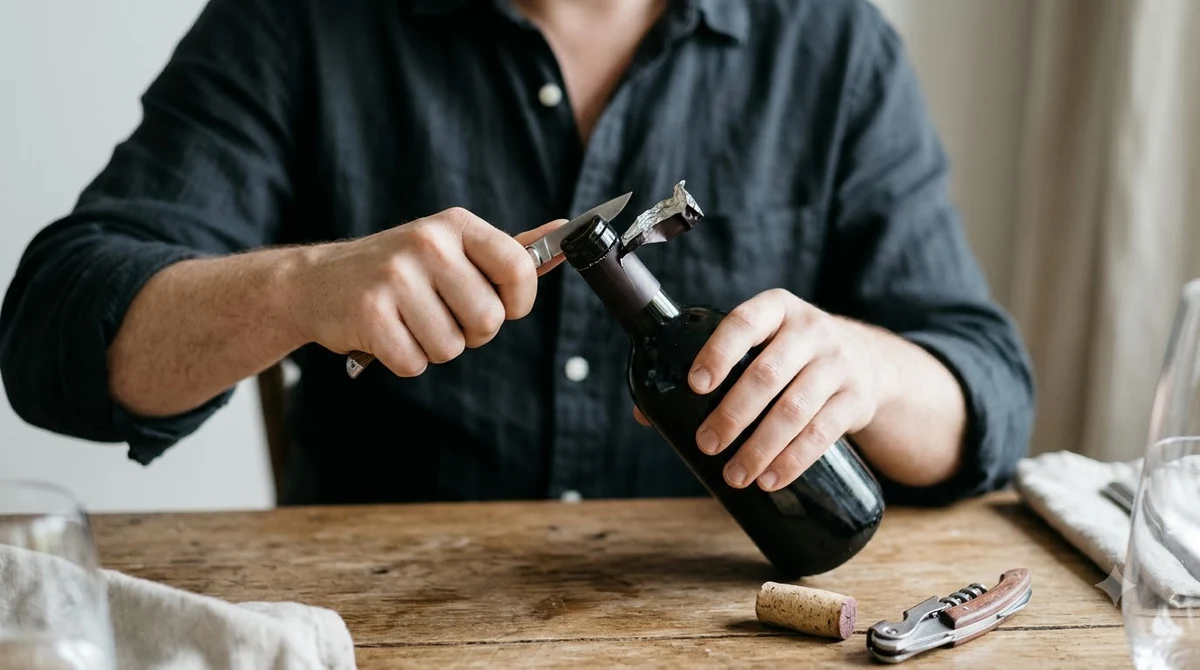
When opening a bottle, remove the capsule neatly and use a suitable corkscrew if the wine has a cork closure. Many Australian Rieslings use screw caps, so opening them requires no special equipment. After opening, check that the wine smells fresh and clean before serving.
For a traditional cork closure, avoid pushing the cork completely through or shaking the bottle unnecessarily. A steady opening helps prevent spills and keeps the presentation simple. If the bottle has sediment from extended aging, handle it carefully and avoid disturbing the contents before pouring.
Riesling generally does not require decanting. Young bottles are usually ready to serve immediately after opening, and excessive aeration is unnecessary for their fresh fruit and floral character. Older examples may benefit from a short period in the glass, allowing their developed aromas to emerge gradually.
For an older bottle, pour a small sample first. If the aromas seem restrained, give the wine approximately 5–10 minutes in the glass before deciding whether it needs more air. There is no need to leave most Riesling bottles in a decanter for 30–60 minutes, as is sometimes recommended for young, tannic red wines.
Serve the bottle in a wine bucket if the meal lasts longer than expected. This is especially useful for outdoor dining, where warm air can raise the temperature quickly. Avoid putting ice directly into the glass because melting ice dilutes the wine and changes its intended balance.
Presentation also includes the food and surrounding environment. Use clean glasses, avoid strong scented candles near the table, and serve aromatic Riesling before heavily flavored dishes if you want guests to appreciate its delicate fragrance. These small details help preserve the sensory experience without requiring formal wine-service equipment.
Store Leftover Riesling and Maintain Its Freshness
Store leftover Riesling in the refrigerator with its original closure secured or a suitable wine stopper in place. Most opened still Riesling can remain enjoyable for approximately 3–5 days, although its freshness and aromatic intensity gradually decline after opening.
Oxygen begins interacting with wine as soon as the bottle is opened. Some exposure is useful for revealing aromas, but prolonged contact can gradually reduce fresh fruit character and produce flatter, less appealing flavors. Refrigeration slows this process and helps preserve the wine between servings.
Replace the original cork or screw the cap back on securely after pouring. If the cork is difficult to reinsert, a wine stopper provides a practical alternative. Store the bottle upright in the refrigerator to minimize the exposed wine surface.
Dry Riesling is particularly enjoyable while its citrus and green apple characteristics remain fresh. Off-dry examples can also retain their fruit and balanced acidity for several days when properly refrigerated. More concentrated sweet Rieslings may be relatively resilient, but their quality still depends on the individual wine and storage conditions.
Before serving a refrigerated leftover bottle, allow it to warm slightly if necessary. A dry Riesling can be poured directly from the refrigerator if it is close to 45–48°F. A sweeter or mature bottle may need several minutes outside the refrigerator to approach its preferred temperature.
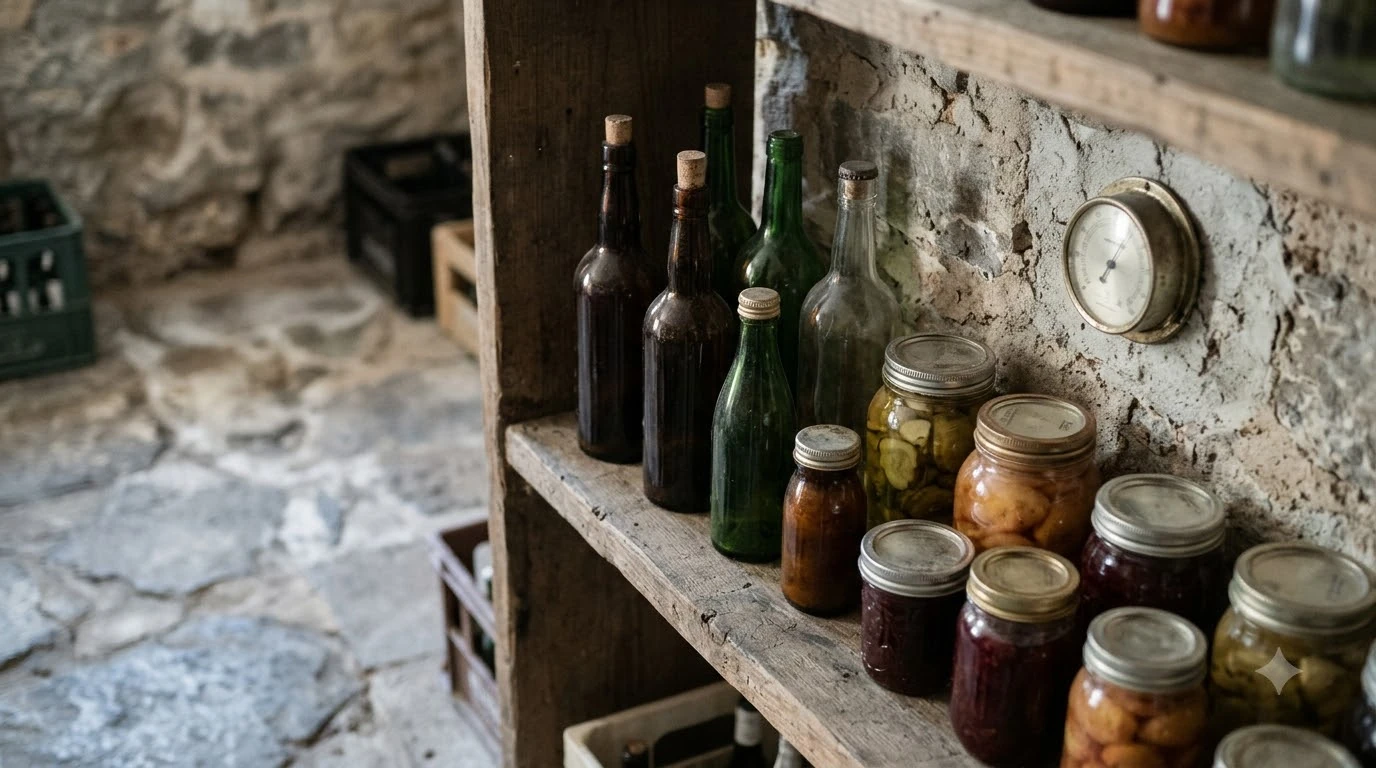
Unopened bottles require different storage conditions. Keep Riesling in a dark, cool place with a stable temperature, ideally around 55°F. Avoid direct sunlight, heating equipment, and locations with frequent temperature fluctuations. Bottles sealed with natural cork are generally best stored horizontally to maintain contact between the wine and the closure.
Riesling has considerable aging potential, particularly when acidity, sugar, and wine structure are well balanced. Some dry examples are intended for early drinking, while carefully made sweet wines can develop complex honey, dried fruit, and petrol-like aromas over many years. Storage quality is essential if you intend to keep a bottle for an extended period.
For everyday drinking, however, there is no need to treat every Riesling as a collectible wine. Most bottles are enjoyable when opened at the right temperature and paired with suitable food. Good storage simply helps ensure that the next glass is as fresh and expressive as the first.
Frequently Asked Questions
Should Riesling be served with ice?
No, Riesling is best served chilled without ice in the glass. Ice melts and dilutes the wine, changing its acidity, sweetness, and aromatic balance. Use an ice bucket to maintain the bottle’s temperature instead.
Does Riesling need to breathe before serving?
Most young Riesling can be served immediately after opening. Mature examples may benefit from approximately 5–10 minutes in the glass to reveal developed aromas. Extended decanting is generally unnecessary for ordinary bottles.
Is Riesling supposed to be served before or after dinner?
Riesling can be served as an aperitif, alongside the main course, or with dessert. Dry examples are particularly suitable before meals, while sweet late-harvest and botrytised Rieslings can be served with the dessert course. The wine’s style determines its most appropriate place in the meal.
Can sparkling Riesling be served at the same temperature as still Riesling?
Not necessarily. Sparkling Riesling generally benefits from a colder serving temperature, approximately 40–50°F, to preserve its bubbles and freshness. Still Riesling is usually served slightly warmer, depending on its sweetness, body, and age.
What is the best way to identify a dry German Riesling?
The German word “Trocken” indicates a dry wine. “Halbtrocken” generally identifies a semi-dry style, while “Feinherb” is commonly used for an off-dry or gently sweet interpretation. These terms help distinguish sweetness preferences, although the overall balance also depends on the wine’s acidity.
Serving Riesling well comes down to three essentials: the correct temperature, suitable glassware, and food that complements its sweetness and acidity. Start with 45–50°F for most bottles, adjust for mature or sweeter styles, and allow the wine to develop naturally in the glass. With these straightforward techniques, Riesling can be an excellent choice for seafood dinners, spicy meals, relaxed gatherings, and fruit-based desserts.
More in Wine Types & Grapes
 What Does Mourvèdre Taste Like? Flavor Profile, Regions, and PairingsUpdated Nov 20, 2026
 What Does Marsanne Taste Like? Flavors, Styles, and Food PairingsUpdated Nov 20, 2026
 What Does Malvasia Taste Like? Styles, Flavors, and Food PairingsUpdated Nov 20, 2026
 What Does Grenache Blanc Taste Like? Flavor Profile, Styles, and PairingsUpdated Nov 20, 2026
 What Does Garnacha Taste Like? Key Flavors, Styles, and Pairing TipsUpdated Nov 20, 2026
 What Does Fruit Wine Taste Like? A Complete Flavor and Style BreakdownUpdated Nov 20, 2026