

We may earn a commission when you buy through links on this page, at no extra cost to you. Learn more.
Harslevelu wine is an aromatic Hungarian white wine made from the Hárslevelű grape, known for its linden blossom, honey, pear, and apricot flavors. It comes in dry, off-dry, and sweet styles, with Tokaj being its best-known growing region. The grape also plays an important supporting role in Tokaji Aszú, Hungary’s celebrated sweet wine. Depending on the style, it can offer a fresh, floral alternative to familiar white wines or a richly textured dessert wine.
Hárslevelű deserves attention from anyone exploring white wines beyond the usual Chardonnay, Sauvignon Blanc, and Riesling selections. Its distinctive Hungarian heritage, expressive floral character, and versatility at the winery make it an interesting grape to recognize. Understanding its origins, flavor profile, and different wine styles makes choosing a bottle considerably easier, especially if you enjoy aromatic whites with a combination of fruit, honey, and gentle acidity.
What Is Hárslevelű Wine?
Hárslevelű is a traditional Hungarian white grape variety used to produce both single-varietal wines and blends. Its name translates to linden leaf, and its most recognizable characteristics include floral aromas, honeyed fruit, and a smooth, rounded texture.
The grape has a long association with Hungary and was mentioned in historical records as early as the mid-1700s. It is genetically related to Furmint, another important Hungarian white grape, and is thought to have developed from a naturally occurring seedling. Although the two varieties share a regional heritage, they produce noticeably different wine personalities.
Furmint is generally recognized for its pronounced acidity, structure, and ability to produce concentrated sweet wines. Hárslevelű contributes a more expressive aromatic character, with floral and ripe-fruit notes that can make a blend seem more perfumed and generous. The two grapes complement each other particularly well in Tokaj, where both dry and sweet expressions have an established place.
The grape is sometimes written without Hungarian accents as Harslevelu, particularly in English-language wine searches and American retail listings. Both spellings refer to the same variety. Its pronunciation can be approximated as HARSH-leh-veh-loo, although English speakers may encounter several variations.
Hárslevelű is not limited to one sweetness category. Winemakers can produce crisp, dry examples, gently off-dry bottles, late-harvest wines, and concentrated dessert wines. That range is one reason it is useful to understand the grape rather than assume that every bottle from Hungary is sweet.
Where Hárslevelű Grows and Its Hungarian Origins
Hungary is the grape’s principal home, with Tokaj serving as its most recognized growing region. Eger and Villány are also important Hungarian growing areas, while smaller plantings can be found in Austria and South Africa.
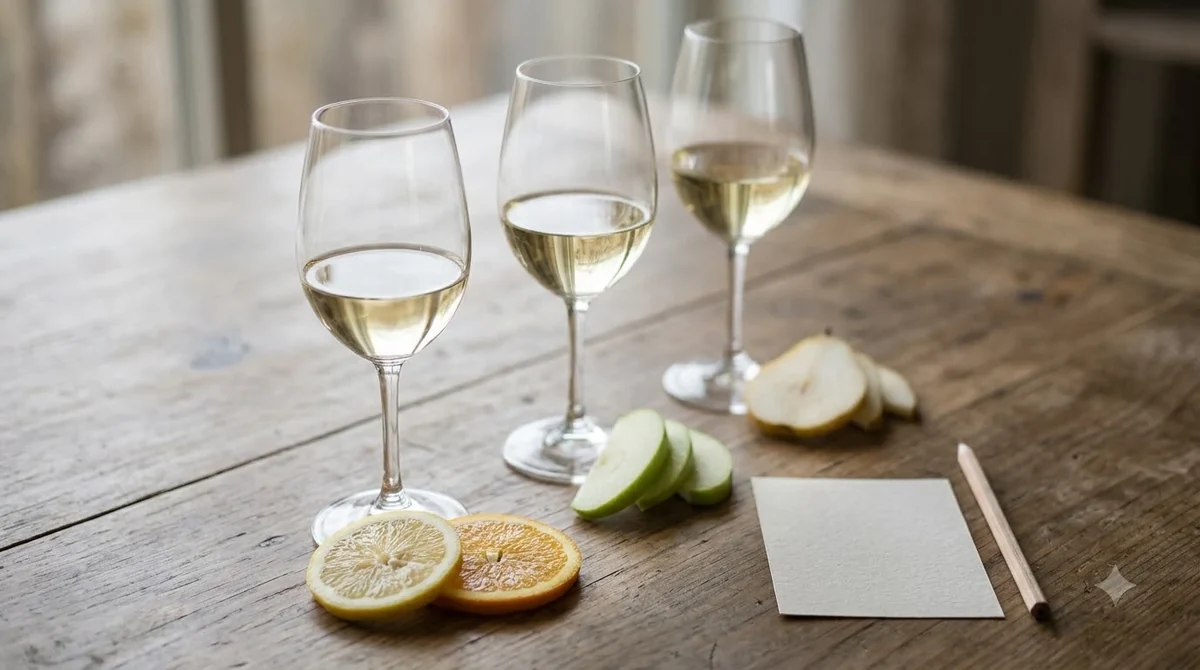
According to the Hungarian wine authority Magyar Bor, Hárslevelű occupies approximately 1,630 hectares in Hungary, with around 20% of those plantings located in Tokaj. The variety is therefore significant nationally, even though Furmint receives greater attention in discussions of the region’s wines.
Tokaj provides an especially interesting setting for understanding the grape. Its vineyards experience a combination of humid mornings and sunny afternoons, influenced by the nearby Bodrog and Tisza rivers. These conditions encourage Botrytis cinerea, commonly called noble rot, under suitable weather conditions. The fungus helps concentrate grape sugars and creates the distinctive dried-fruit and honey characteristics associated with traditional Tokaji sweet wines.
According to Wines of Tokaj, Hárslevelű represents approximately 19% of the region’s plantings, compared with approximately 60% for Furmint. This difference helps explain why Hárslevelű is frequently described as Tokaj’s second major white grape.
The variety also has an established identity in Eger. Debrői Hárslevelű is a recognized regional wine designation associated with Hárslevelű-based wines. According to Magyar Bor, wines under this designation must contain at least 85% Hárslevelű. The style can include Classic, Superior, and late-harvest expressions, giving the grape another important regional identity beyond Tokaj.
Outside Hungary, the grape remains relatively uncommon. Limited plantings in Austria’s Burgenland region and South Africa demonstrate its ability to grow beyond its traditional home, but finding a bottle in an American wine shop is generally easier through specialist Hungarian wine selections.
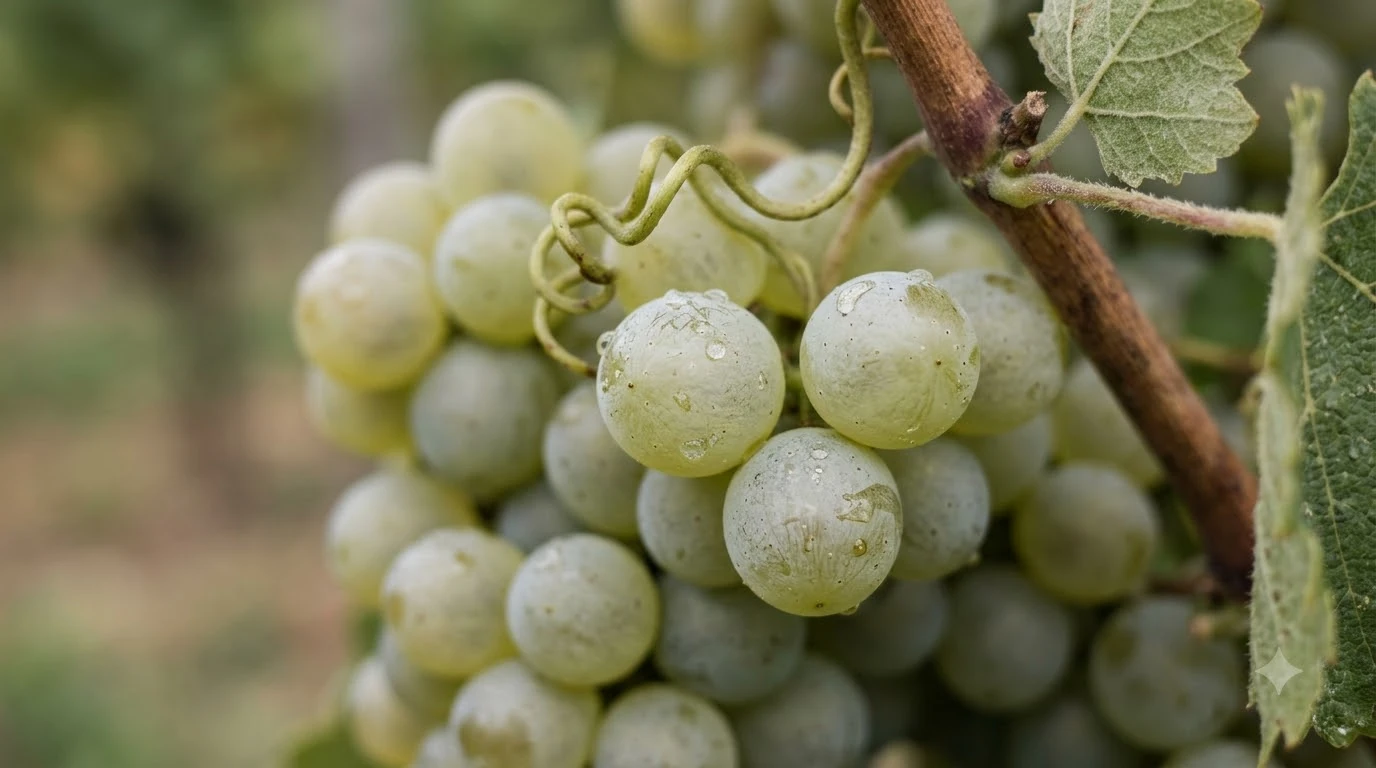
The name itself provides a useful clue to the grape’s identity. Linden trees are associated with fragrant blossoms, and the floral character of Hárslevelű wine reflects that connection. Its name is not simply a marketing description; it is part of the variety’s Hungarian botanical and cultural heritage.
For additional information about the grape’s Hungarian origins, growing areas, and traditional wine styles, consult the official Hungarian Wine Hárslevelű profile.
What Hárslevelű Wine Tastes Like
Hárslevelű typically delivers floral aromas, ripe stone fruit, honey, and a rounded palate. Dry examples can combine pear and apricot flavors with gentle acidity, while sweeter bottles develop more concentrated honey, dried fruit, and blossom characteristics.
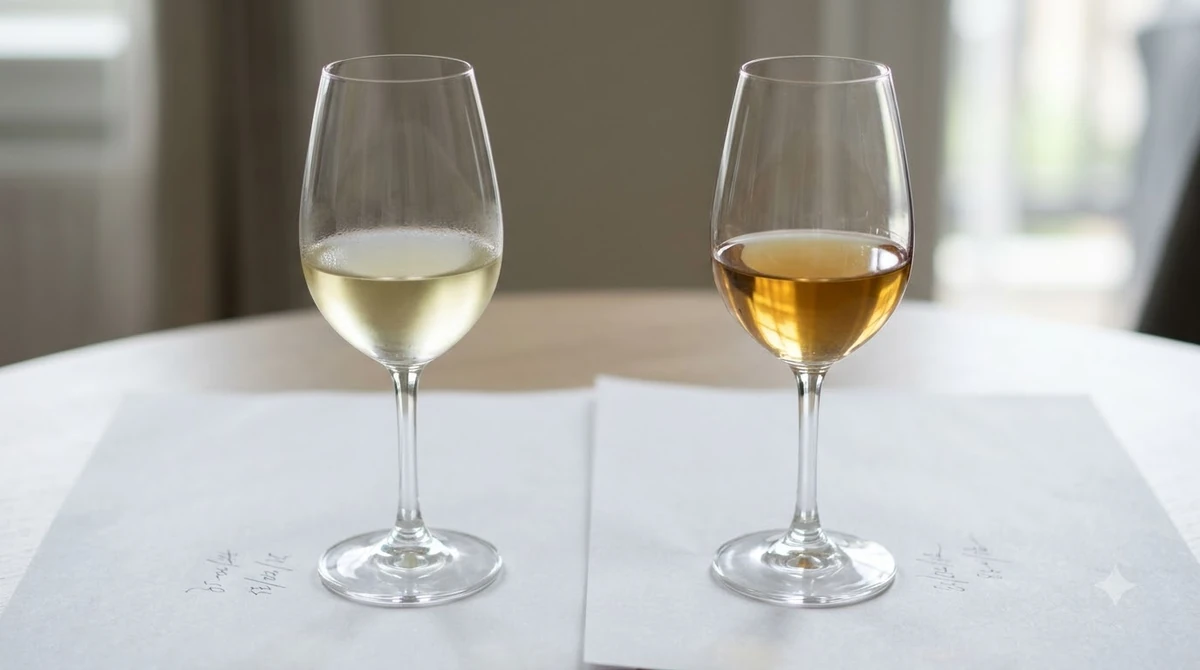
Linden blossom is perhaps the grape’s most recognizable aromatic reference. Depending on the producer, vintage, and winemaking method, the wine can also suggest elderflower, chestnut honey, herbal tea, white flowers, and ripe pear. Apricot is another common reference, particularly in wines with more concentration or some residual sugar.
On the palate, Hárslevelű tends to be medium-bodied, with a silky or slightly oily texture. Its acidity is generally softer than that of Furmint, although individual wines can vary considerably. The combination of moderate acidity and aromatic richness gives it a more rounded impression than many sharply acidic white wines.
Dry versions are particularly interesting because their floral aromas do not necessarily indicate sweetness. A wine can smell like honey and ripe fruit while tasting completely dry. The distinction between aromatic intensity and residual sugar is important when choosing a bottle.
Sweet versions offer a different experience. Late-harvest and botrytized expressions can show honey, dried apricot, ripe peach, and concentrated floral flavors. Their sweetness is often balanced by acidity, allowing the wine to remain lively rather than simply tasting sugary.
Oak treatment can also influence the finished wine. Stainless steel fermentation generally preserves fresh fruit and floral aromas, while barrel fermentation or maturation can contribute a broader texture and additional savory or spicy nuances. Some producers combine these methods to balance aromatic freshness with palate weight.
| Characteristic | Typical Hárslevelű profile |
|---|---|
| Color | Pale straw to deeper golden yellow |
| Body | Light-medium to medium-full |
| Acidity | Soft to moderate, sometimes more pronounced |
| Sweetness | Dry, off-dry, medium-sweet, or sweet |
| Primary aromas | Linden blossom, white flowers, honey |
| Fruit flavors | Pear, apricot, peach |
| Additional notes | Chestnut, herbal tea, gentle spice |
| Suggested serving temperature | 45–50°F for lighter dry styles |
The precise flavor balance depends on ripeness, vineyard conditions, fermentation, and sweetness. A fresh dry Hárslevelű may emphasize pear and flowers, while a richer example can bring forward honey, stone fruit, and a more substantial mouthfeel.
Dry, Sweet, and Blended Hárslevelű Styles
Hárslevelű is a versatile grape capable of producing several distinct wine styles, from fresh dry whites to richly concentrated dessert wines. Understanding the production style is more useful than assuming the grape always has one particular sweetness level.
Dry Hárslevelű
Dry Hárslevelű is an excellent starting point for people discovering the variety. It typically emphasizes fresh pear, apricot, linden blossom, and gentle herbal notes without substantial residual sweetness.
Many dry examples are fermented in stainless steel to retain their floral character. Others receive some barrel treatment to develop a broader texture and additional complexity. A single-varietal wine allows the grape’s individual personality to stand out, particularly its balance of aromatic intensity and rounded structure.
These wines can work as aperitifs or accompany poultry, pork, fish, and creamy dishes. They are also useful alternatives to aromatic white wines from other European regions.
Off-dry and medium-sweet Hárslevelű
Off-dry versions retain a fresh fruit profile while introducing a perceptible touch of sweetness. This can make them particularly appealing alongside dishes containing gentle spice, roasted fruit, or lightly sweet sauces.
Medium-sweet versions move further toward ripe apricot, honey, and floral concentration. Their sweetness can provide a pleasant contrast to salty foods and moderately spicy dishes, although particularly hot chili preparations can make alcohol seem more pronounced.
Late-harvest and botrytized Hárslevelű
Late-harvest wines are made from grapes left on the vine longer to accumulate sugar and flavor. When Botrytis cinerea develops under suitable conditions, the grapes can become concentrated and contribute the honeyed, dried-fruit complexity associated with Tokaj.
Hárslevelű can contribute to Tokaji Aszú, the region’s celebrated sweet wine. The grape adds floral richness and aromatic complexity to blends in which Furmint supplies much of the structure and acidity.
Tokaji Aszú is made with selected botrytized grapes incorporated into a base wine or fermenting must, producing concentrated flavors of dried apricot, orange peel, and honey.
Hárslevelű in blends
Blending is an important part of the variety’s traditional identity. Furmint and Hárslevelű complement one another because their characteristics are different but compatible. Furmint contributes pronounced acidity and structure, while Hárslevelű supplies perfume, fruit, and a softer impression.
Other local varieties, including Sárgamuskotály, can also contribute to Tokaji blends. Each grape brings a different aromatic or structural element, allowing producers to create wines suited to different sweetness levels and occasions.
For a broader understanding of the region’s famous sweet wines, the distinction between Tokaji Aszú, Szamorodni, and late-harvest wines is particularly useful. They are related traditions, but their production methods and finished characteristics are not identical.
How Hárslevelű Compares With Furmint and Other White Wines
Hárslevelű is generally more floral and rounded than Furmint, with a softer impression of acidity and a more immediately expressive aromatic profile. Comparing the two grapes provides a helpful way to understand why they are frequently blended in Hungarian wines.
Furmint is the principal grape of Tokaj and is especially valued for its naturally high acidity and ability to develop concentrated sweet wines. Its dry expressions often emphasize citrus, green apple, and pear. Hárslevelű tends to show more linden blossom, honey, and ripe stone fruit.
Both grapes can produce dry and sweet wines, and neither should be judged by a single bottle. Vineyard location, harvest timing, fermentation, and aging can change their character considerably. Nevertheless, the distinction between Furmint’s structural role and Hárslevelű’s aromatic contribution is a useful starting point.
For comparison with other international white wines, Hárslevelű occupies an interesting position. It can appeal to Riesling drinkers who enjoy floral aromas and a range of sweetness levels, although its texture and acidity are generally different. People who prefer aromatic Gewürztraminer may also appreciate its floral and honeyed character, while Chardonnay drinkers may enjoy the fuller examples.
Here is a practical comparison of several white grapes:
| Grape | Typical acidity | Common characteristics | Body and texture |
|---|---|---|---|
| Hárslevelű | Soft to moderate | Linden blossom, honey, pear | Medium, silky |
| Furmint | High | Apple, citrus, mineral notes | Medium to full |
| Riesling | High | Citrus, apple, stone fruit | Light to medium |
| Chardonnay | Medium | Apple, citrus, sometimes vanilla | Medium to full |
| Sauvignon Blanc | High | Citrus, green fruit, herbs | Light to medium |
These are general grape characteristics rather than fixed rules. For example, a barrel-aged Chardonnay can be considerably richer than a stainless-steel version, and a sweet Riesling can have a very different palate from a dry one.
Hárslevelű also offers a useful comparison with lesser-known Mediterranean and Central European white varieties. Readers exploring alternatives to familiar international grapes may enjoy learning about the Airén grape, which has a very different growing history and wine profile. Similarly, Arinto wine provides another example of a distinctive European white with its own regional identity and characteristic acidity.
Food Pairings and Serving Hárslevelű Wine
Dry Hárslevelű pairs particularly well with poultry, pork, fish, and creamy dishes, while sweeter versions are better suited to fruit desserts, honey cakes, and blue cheese. Serving temperature should reflect the wine’s weight and sweetness.
The grape’s floral character and rounded texture make it flexible at the table. Dry Hárslevelű has enough flavor to accompany dishes with moderate richness, while its aromatic profile can complement herbs, roasted vegetables, and delicate spices.
Pairings for dry Hárslevelű
Roast chicken is a natural partner, especially when prepared with lemon, thyme, or a light cream sauce. The wine’s pear and floral notes complement the meat without overpowering it. Pork tenderloin, roasted pork loin, and lightly seasoned pork chops are also good options.
Fish dishes can work well when they are grilled, steamed, or served with creamy sauces. Avoid pairing the wine with heavily tannic reds or strongly acidic sauces that overwhelm its more delicate character. Shellfish and mild white fish are particularly suitable starting points.
For vegetarian meals, consider mushroom risotto, roasted squash, vegetable gratins, or creamy pasta. The wine’s texture can complement dishes containing butter, cream, and soft cheeses.
Pairings for sweeter styles
Sweet Hárslevelű and Tokaji dessert wines work particularly well with fruit-based desserts. Apricot tart, peach cake, pear pastries, and honey cake can echo the wine’s natural fruit and floral characteristics.
Blue cheese is another classic option because its saltiness contrasts with sweetness. Richer sweet expressions can also accompany foie gras and certain creamy desserts. A useful principle is to choose a wine that is at least as sweet as the dessert, preventing the wine from tasting thin or overly acidic beside the food.
Serving temperature and glassware
Light dry Hárslevelű is best served around 45–50°F, while richer white expressions can benefit from slightly warmer serving temperatures of 50–55°F. Sweet Hárslevelű generally works well around 43–50°F, depending on concentration and texture.
A tulip-shaped white wine glass is a practical choice because its narrower opening helps concentrate the floral aromas. A medium-sized white wine glass also gives the wine enough room to release its fruit and honey notes.
Tip: Avoid serving Hárslevelű straight from an excessively cold refrigerator. Allow a chilled dry bottle to warm slightly in the glass so its linden blossom, pear, and apricot aromas become easier to recognize. For sweet Tokaji, a smaller dessert wine glass helps focus its concentrated aromas.
For a standard 750 ml bottle, plan on approximately five 5-ounce servings. If you do not finish the bottle, refrigerate the remaining still wine with a suitable closure and aim to enjoy it within three to five days.
Buying, Storing, and Aging Hárslevelű
When buying Hárslevelű, start by identifying the producer, region, and sweetness style rather than relying on the grape name alone. A dry Tokaj single-varietal bottle offers a different experience from a late-harvest wine or a traditional sweet Tokaji blend.
Specialist Hungarian wine retailers and shops with Central European selections are useful places to search. Tokaj is the most recognizable origin, but Eger and the Debrői Hárslevelű designation offer additional opportunities to discover the grape. Producers such as Disznókő demonstrate how the variety can be used in both dry wines and traditional sweet-wine production.
Look for descriptions mentioning linden blossom, honey, pear, apricot, and herbal tea. These are useful indicators of the variety’s aromatic identity. If you prefer crisp, refreshing whites, begin with a dry stainless-steel example. If you enjoy richer white wines, consider a barrel-influenced bottle or an off-dry expression.
How long can Hárslevelű age?
Not every Hárslevelű needs extended cellaring. Simple, fresh dry wines are generally intended to be enjoyed young, when their floral aromas and fresh fruit characteristics are most expressive.
Magyar Bor recommends drinking lighter, uncomplicated dry, off-dry, and medium-sweet examples relatively young. More complex dry and off-dry estate wines and single-vineyard bottlings can develop for a year or two in the bottle. Their richer structure and minerality can make them more suitable for short-term cellaring.
Sweet Tokaji wines are a different category. Aszú and other concentrated sweet styles can have considerably longer aging potential because their sugar, acidity, and concentration help preserve their structure. The exact aging potential depends on the producer, vintage, and wine style.
Proper storage
Store unopened bottles in a cool, dark environment with relatively stable conditions. A temperature near 55°F is a useful target for longer-term wine storage. Keep cork-sealed bottles on their sides so the cork remains in contact with the wine, and avoid locations exposed to direct sunlight, heat, or frequent temperature changes.
For bottles intended to be enjoyed soon, a consistently cool cupboard can be adequate. Once opened, reseal the bottle and refrigerate it. Most still white wines retain their best character for approximately three to five days, although delicate floral aromas may become less expressive before that period ends.
Collectors interested in Hungarian wines should also explore other regional grapes and styles. Learning about Hárslevelű as a grape variety provides additional context for understanding how vineyard characteristics and winemaking decisions influence the finished wine. The wider Wine by Type collection can also help compare Hungarian whites with other international styles.
Frequently Asked Questions
Is Hárslevelű an indigenous Hungarian grape?
Yes. Hárslevelű is regarded as a traditional Hungarian variety, and its historical documentation reaches back to the mid-18th century. Genetic research indicates that it is related to Furmint, with one of its parents identified as that variety.
What does the name Hárslevelű mean?
The Hungarian name means linden leaf, referring to the shape of the grapevine’s leaves. Linden trees are also associated with fragrant blossoms, making the name especially appropriate for a variety recognized for its floral aromas.
Is Hárslevelű used in Hungarian sparkling wine?
Hárslevelű is primarily associated with still dry and sweet wines, as well as Tokaji blends. Hungary also produces traditional-method sparkling wines called Pezsgő, although Hárslevelű is not as widely recognized for this style as its still-wine applications.
Can Hárslevelű grow outside Hungary?
Yes. Small plantings exist in Austria, particularly Burgenland, and South Africa also has examples of the variety. However, Hungary remains its principal growing country, and international availability is considerably more limited than for globally established grapes such as Chardonnay.
Does Hárslevelű have another international name?
Yes. The grape is also known as Lindenblättriger in German and Feuille de Tilleul in French. These names refer to the same linden-leaf association found in the Hungarian name.
Hárslevelű is one of Hungary’s most distinctive white grapes, offering floral aromas, honeyed fruit, and a versatile range of dry and sweet wine styles. Its importance in Tokaj and its ability to complement Furmint make it particularly rewarding for anyone exploring Central European wine. Start with a dry single-varietal bottle to discover its linden blossom and pear character, then explore a sweet Tokaji expression to experience another side of this traditional Hungarian grape.
More in Wine Types & Grapes
 Zinfandel Sugar Content: Dry Red vs. White Zinfandel GramsUpdated Nov 21, 2026
 Best Zinfandel Substitute Options for Sipping and CookingUpdated Nov 21, 2026
 Zweigelt Food Pairing: Best Dishes, Cheeses, and Serving TipsUpdated Nov 21, 2026
 Zinfandel Tannins Explained: How Structure Shapes Every BottleUpdated Nov 21, 2026
 Zinfandel Sweetness Level: Dry Red vs. Sweet White Zin ExplainedUpdated Nov 21, 2026
 Xinomavro Food Pairing: Best Dishes, Styles, and Serving TipsUpdated Nov 21, 2026