

We may earn a commission when you buy through links on this page, at no extra cost to you. Learn more.
The altesse grape is a white wine grape native to France’s Alpine Savoie region, best known for producing dry, aromatic whites sold as Roussette de Savoie. Its wines combine pear, citrus, flowers, and hazelnut with a firm line of acidity and a mineral finish. Look for bottles from Frangy, Marestel, Monterminod, or Monthoux to explore the grape’s different hillside expressions. Serve a bottle cool rather than ice-cold, and pair its texture with lake fish, poultry, and Alpine cheeses.
Altesse is a rewarding choice for drinkers who like white wines with more texture than a very light mountain white but more freshness than a broad, heavily oaked style. It remains closely tied to Savoie and neighboring Bugey, so understanding the names on the label is the quickest way to find the style you want.
What Altesse Is and Where It Comes From
Altesse is a white grape variety associated above all with Savoie in eastern France, near the French Alps. It is also called Roussette or Roussette haute, and the grape’s name can be confusing because Roussette de Savoie is an appellation as well as a familiar name for wines made from it. The distinction matters: Altesse identifies the variety, while an appellation identifies a defined wine-growing area and its production rules.
The grape’s origins have attracted romantic stories. One persistent legend says that vines arrived from Cyprus or Byzantium in the Middle Ages as part of a princess’s dowry when she married into the House of Savoy. The Savoie wine organization’s Altesse profile reports that DNA analysis has rejected an eastern origin, placing Altesse instead among the grape varieties of the Alpine arc. The old story remains part of local folklore, but it is not a reliable account of the variety’s ancestry.
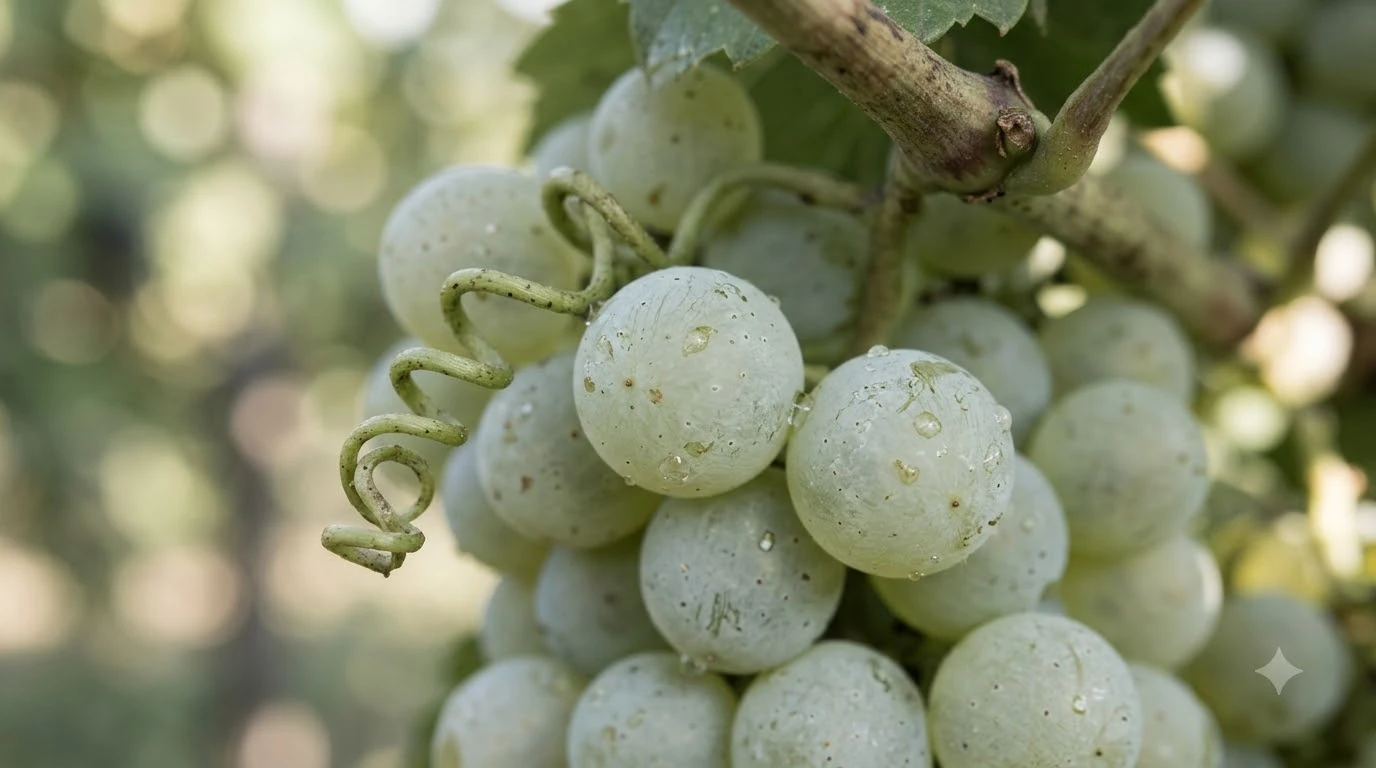
The name Roussette is linked to the russet or copper-gold color that the berries take on as they reach full ripeness. Altesse ripens late, so a suitable site and a long enough season are important. It is more demanding than a variety that can be harvested early for light, uncomplicated wine. The best-known plantings occupy well-exposed slopes, where warmth and drainage help the grapes reach maturity without losing the freshness that gives the finished wine its balance.
Altesse differs from Jacquère, Savoie’s other major white grape. Jacquère usually makes lighter wines for early drinking, while Altesse can bring more body and bottle development. Site, ripeness, vintage, and producer choices still determine the final style.
How Alpine Vineyards Shape the Wine
Altesse is closely tied to the steep, varied terrain around Lake Bourget, Chambéry, and the Rhône valley. Its strongest expressions are associated with sunny slopes and clay-limestone or stony soils, where exposure and drainage help a late-ripening grape mature. The landscape is not just scenery: slope, aspect, and soil help explain why wines from different villages can taste distinct.
Marestel is one of the names to recognize. This cru is on the steep hillside at Jongieux, above Lake Bourget and looking toward the Rhône valley. The Savoie wine organization identifies the slope as a leading site for Altesse, and Decanter describes the area’s west- and southwest-facing vineyards on the back slopes of Mont du Chat. Wines from Marestel can show greater concentration and depth, with nutty or honeyed richness alongside floral notes and sustained acidity. The combination makes them a useful introduction to the grape’s more ambitious side.
Monterminod, close to Chambéry, offers another distinctive setting. The regional organization describes its hillside vineyards in terms of moraine soils and a finer, more floral expression. Monthoux, also associated with the Jongieux slopes, is known for mineral character. Frangy lies farther north in the Usses valley and is another recognized cru. These names are not separate grape varieties; they are geographical designations that help identify the origin and style of a Roussette de Savoie.
Altitude and Alpine weather contribute to the balance in the glass. Sun exposure encourages ripeness, while cooler air helps preserve acidity, so Altesse can taste generous and fresh rather than simply rich. One wine may emphasize ripe pear and yellow fruit, while another leans toward citrus, flowers, crushed stone, or nutty character. A cru name is a useful clue, not a guarantee of identical flavor: bottles from the same Marestel slope can differ in weight and oak influence depending on producer and vintage.
What Altesse Wine Tastes Like
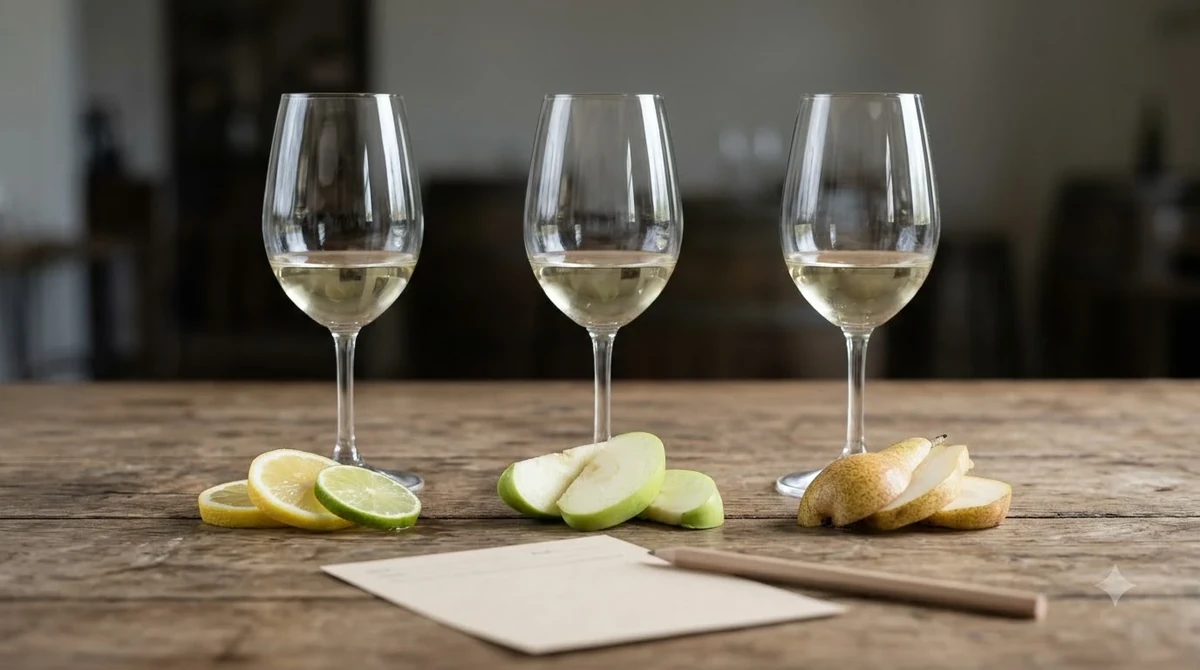
Most Altesse wines are dry, medium-bodied whites with fresh acidity and a rounded, sometimes slightly waxy texture. Young examples commonly show citrus, pear, other white fruits, floral aromas, and a hazelnut note. The combination is more layered than the simple lemon-and-green-apple profile associated with many light Alpine whites, but it usually stops short of the overt richness of a strongly oaked Chardonnay. Wine Enthusiast’s overview of Savoie grapes likewise highlights pear, flowers, and crushed-stone character in Altesse.
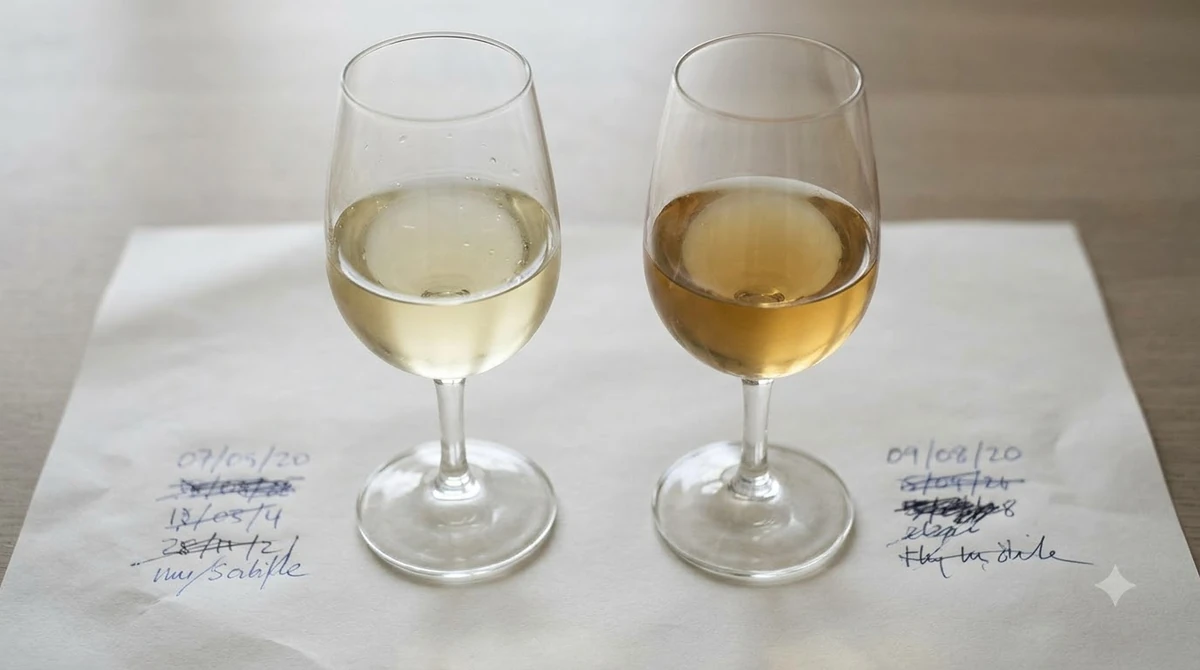
As the wine develops, fruit and floral notes can move toward quince, dried fruit, honey, almond, hazelnut, walnut, and beeswax; some bottles also show smoke or flint. These are possible nuances, not a checklist. A young Altesse may taste citrus-led, while a mature bottle from a strong site can feel broader and more savory without losing acidity. The finish may suggest crushed stone, a mineral note associated with Savoie’s rocky Alpine vineyards.
Oak treatment changes the profile: neutral vessels preserve fruit, while barrels can add texture. Decanter’s Andrew Jefford cautions that excessive oak can cover Altesse’s delicate character, so an unoaked or lightly oaked bottle is a good introduction. Do not confuse Altesse with Roussanne, either. They are different varieties; in Savoie, Roussanne is often called Bergeron and is associated with Chignin-Bergeron, while Altesse is the grape behind Roussette de Savoie.
Appellations and Label Names to Know
Roussette de Savoie is the clearest appellation to seek when you want a wine made entirely from Altesse. The Savoie wine organization identifies Altesse as the sole grape in this appellation and lists four cru names: Frangy, Marestel, Monterminod, and Monthoux. A label may use the broader appellation alone or include one of those geographical names to identify a more specific origin.
The cru name can guide your expectations. Marestel is often associated with depth and capacity to develop; Monterminod is described as finer and more floral; Monthoux is associated with a mineral profile; and Frangy offers another expression from the Usses valley. These distinctions are useful signposts rather than rigid tasting rules. Vintage conditions, harvest decisions, and cellar technique still shape the wine in your glass.
Altesse is also an important grape in Seyssel, an appellation on both sides of the Rhône. The regional organization describes it as the principal grape for Seyssel still whites and notes that it contributes finesse to the area’s sparkling wines alongside Molette. In neighboring Bugey, the grape appears as Roussette du Bugey. It is also permitted within the broader Vin de Savoie range, where blends and labeling can differ from the dedicated Roussette appellation.
For a first purchase, look for “Roussette de Savoie” and note whether the label names Frangy, Marestel, Monterminod, or Monthoux. Seyssel may be still or sparkling; Roussette du Bugey is another direct route to the variety. When exploring French whites more broadly, the distinction between grape, region, and style is useful across Wine by Type, where these terms work together but are not interchangeable.
Winemaking, Structure, and Aging Potential
Altesse is most often made as a dry, still white wine, although it also appears in sparkling wines from Savoie. Its ripe fruit, body, and acidity give winemakers room to choose between a bright, early-drinking style and a more textured wine intended to develop. Neutral tanks preserve primary fruit, while lees contact and carefully managed barrels can add breadth and savory complexity without obscuring floral and mineral details.
Good Altesse can age, particularly from a strong site. The regional organization identifies it as Savoie’s leading white grape for cellaring, and Decanter notes that mature examples can develop a waxy quality. Pear and citrus may give way to honey, quince, dried fruit, and nuts, while acidity keeps the wine fresh. Not every bottle needs a long cellar stay: simpler examples are enjoyable young, while structured Roussette de Savoie, particularly from Marestel, can reward patience.
For drinkers curious about how white wine changes with age, Altesse contrasts with light, neutral Airén or aromatic, often sweet or sparkling Brachetto. Each grape serves a different style and food-pairing role.
Serving Temperature, Food Pairings, and Storage
Serve Altesse cool but not very cold, around 50–55°F. That range gives the wine enough chill to feel refreshing while allowing its pear, citrus, floral, and nutty aromas to show. If the bottle has been in a cold refrigerator, let it sit briefly before pouring; if it warms too much in the glass, a short return to an ice bucket can restore its freshness.
Its acidity and medium body make Altesse especially flexible with food. Try it with freshwater fish from the lakes of Savoie, especially when the dish includes butter, cream, or a light sauce. It also works with roast chicken, turkey, pork tenderloin, mushroom dishes, and seafood with a little richness. The wine’s freshness cuts through creamy textures, while its body gives it enough presence to stand beside a substantial main course.
Alpine cheese is a natural regional match. Try Altesse with Tomme de Savoie, Beaufort, or Comté, adjusting the wine’s weight to the cheese’s intensity. A younger, citrus-driven bottle suits fresher cheese; a richer, mature Roussette can stand up to firmer, nuttier aged cheese. Roast chicken and potatoes, mushroom tart, or fish with lemon and herbs are simple alternatives. Acidic foods need equal or higher wine acidity, so keep lemon sauces and sharp vinaigrettes balanced. Hot chili can make alcohol more pronounced and overwhelm subtle aromas.
| Practical detail | Guideline | How to use it |
|---|---|---|
| Serving temperature | 50–55°F | Chill first, then allow the aromas to open in the glass. |
| Standard pour | 5 oz | A measured pour leaves room to swirl and smell the wine. |
| 750 ml bottle | About 5 glasses | Plan on five standard 5 oz servings per bottle. |
| Opened still wine | 3–5 days refrigerated | Recork promptly and keep the bottle cold between pours. |
Tip: Taste the first pour before pairing the wine with a strongly flavored sauce. If the bottle is young and citrus-led, choose simply seasoned fish or poultry; if it is richer and more mature, serve it with mushrooms, cream, or aged Alpine cheese.
Store unopened bottles on their side near 55°F, away from sunlight and temperature swings. Reseal opened wine and refrigerate it; most still wines keep for about 3–5 days, although delicate aromas may fade sooner. For contrast, the Dornfelder grape is a red variety with a different structure and food-pairing role, while Altesse is a textured, high-acid white that can move from aperitif to main course.
Frequently Asked Questions
These details from the appellation specification add useful context for reading a Roussette de Savoie label, from its history to its production limits.
When was Roussette de Savoie recognized as an appellation?
Roussette de Savoie was recognized as a controlled designation of origin in 1973. The official product specification also records that Altesse was present in Savoie by the 14th century, with early plantings on terraces around Jongieux and Lucey.
What minimum alcohol level applies to Roussette de Savoie?
The appellation specification sets a minimum natural alcohol strength of 10% by volume for the basic still white. Wines carrying one of the four additional geographical names—Frangy, Marestel, Monterminod, or Monthoux—must reach at least 10.5% natural alcohol.
Are yields limited for Roussette de Savoie?
Yes. The official production specification sets a maximum yield of 70 hectoliters per hectare for Roussette de Savoie and 66 hectoliters per hectare for wines carrying a named cru. These limits help define the appellation’s production framework, rather than describing the volume from every individual vineyard.
How densely must Roussette de Savoie vines be planted?
The specification requires at least 5,000 vine plants per hectare. Row spacing may not exceed 2.5 meters, and vineyards planted at 6,000 or more plants per hectare have a minimum in-row spacing of 0.70 meters.
What is the maximum alcohol strength for named Roussette crus?
After enrichment, still wines carrying Frangy, Marestel, Monterminod, or Monthoux may not exceed 13.5% alcohol by volume. The general Roussette de Savoie category has a 13% ceiling after enrichment, so the named-cru limit is higher.
Altesse rewards attention to both grape and place: a broad Roussette de Savoie gives a clear introduction, while a named cru such as Marestel or Monterminod shows how a hillside can shape the wine. Choose a fresh bottle for citrus and flowers or a more structured example for nut, honey, and aged-cheese pairings. Served at 50–55°F, it offers a distinctive Alpine white with both energy and depth.
More in Wine Types & Grapes
 Zinfandel Sugar Content: Dry Red vs. White Zinfandel GramsUpdated Nov 21, 2026
 Best Zinfandel Substitute Options for Sipping and CookingUpdated Nov 21, 2026
 Zweigelt Food Pairing: Best Dishes, Cheeses, and Serving TipsUpdated Nov 21, 2026
 Zinfandel Tannins Explained: How Structure Shapes Every BottleUpdated Nov 21, 2026
 Zinfandel Sweetness Level: Dry Red vs. Sweet White Zin ExplainedUpdated Nov 21, 2026
 Xinomavro Food Pairing: Best Dishes, Styles, and Serving TipsUpdated Nov 21, 2026