


We may earn a commission when you buy through links on this page, at no extra cost to you. Learn more.
The claret grape is not a single grape variety; claret traditionally describes red Bordeaux wine made primarily from grapes such as Cabernet Sauvignon and Merlot. Other important varieties include Cabernet Franc, Petit Verdot, and Malbec. Understanding these grapes helps explain why claret can range from structured, tannic reds to softer, fruit-forward wines with approachable textures.
Claret has a long history in the British wine trade, where the name became closely associated with Bordeaux’s red wines. Today, the word can refer to traditional Bordeaux reds, a particular Bordeaux wine style, or Bordeaux-inspired blends made elsewhere. The distinction matters because the grapes, regional traditions, and labeling conventions behind these wines are not always identical. This guide explains the varieties behind claret, how they work together, what the wines taste like, and how to choose, serve, and pair them confidently.
What the Claret Grape Name Actually Means
Claret is a wine term rather than a botanical grape name. It traditionally identifies red wine from Bordeaux, where several grape varieties are blended to create a balanced finished wine.
The word has an interesting history. It developed from the French term clairet, which described a lighter-colored wine exported from Bordeaux to England. According to Wine Enthusiast, English drinkers were using claret in reference to Bordeaux wines by the 16th century. The publication explains the historical distinction between claret and Clairet in its overview of claret wine and its origins. Over time, the English name became associated with Bordeaux’s more deeply colored red wines rather than exclusively with the earlier pale style.
That history explains why searching for a single claret grape can be confusing. A bottle described as claret does not necessarily contain one particular variety. Instead, its composition depends on the producer, vineyard location, applicable wine regulations, and desired style.
There are also differences between historical and modern terminology. In British wine discussions, claret commonly means red Bordeaux. American wineries sometimes use the term for Bordeaux-inspired red blends, although that usage does not automatically establish a particular grape composition or French origin.
There is an additional distinction between claret and Clairet. Bordeaux Clairet is a separate wine style with a deeper pink color than conventional rosé. It is made from red grapes and receives relatively short skin contact. Wine Enthusiast describes a skin-contact period of approximately 24 hours for this style, producing a wine that looks more like dark rosé than conventional red Bordeaux.
For American consumers, the practical takeaway is straightforward: claret traditionally describes a wine style or regional tradition, not a grape that can be planted as a single variety. However, Bordeaux also has an officially defined Claret designation with specific production requirements. Understanding the difference between the traditional British usage and the French designation helps prevent confusion when comparing bottles.
The Five Traditional Red Grapes Behind Claret
Traditional Bordeaux claret draws on five principal black grape varieties: Cabernet Sauvignon, Merlot, Cabernet Franc, Petit Verdot, and Malbec. Bordeaux also authorizes Carmenère, making six recognized red varieties in the regional blending tradition. Each contributes a different combination of fruit, acidity, tannin, color, and structure.
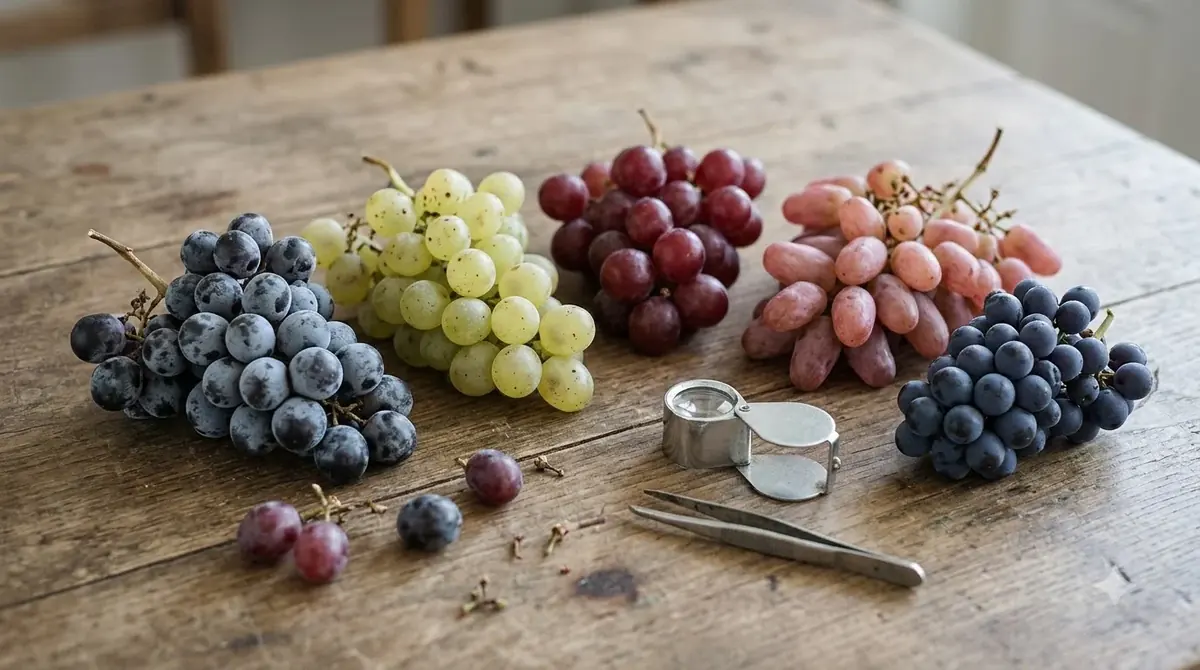
According to the University of California, Davis, these varieties have an established place in Bordeaux blending traditions. Their proportions change according to vineyard conditions and the winemaker’s preferred style. Some wines emphasize Cabernet Sauvignon’s structure, while others rely more heavily on Merlot’s rounder fruit and softer texture.
Cabernet Sauvignon
Cabernet Sauvignon is one of the defining grapes of traditional claret. It contributes firm tannins, concentrated black fruit, and a structured finish. Common flavor associations include blackcurrant, blackberry, cedar, tobacco, and graphite.
Its high tannin content makes it especially useful in blends that need structure and aging potential. Cabernet Sauvignon also performs well in Bordeaux’s Left Bank vineyards, particularly in the Médoc and Graves, where gravel-based soils and growing conditions suit the variety.
Merlot
Merlot provides a softer counterpoint to Cabernet Sauvignon. Its medium, generally smoother tannins and flavors of plum, black cherry, and blackberry can make a blend approachable at a younger age.
Merlot is particularly important on Bordeaux’s Right Bank, including Saint-Émilion and Pomerol. University of California, Davis identifies Merlot as more widely planted than Cabernet Sauvignon in Bordeaux. Its contribution is also central to the regional organization’s description of Bordeaux Claret as a modern, fruity red with relatively few tannins.
Cabernet Franc
Cabernet Franc contributes aromatic complexity, freshness, and a more distinctive herbal character. Depending on the growing conditions and winemaking approach, it can bring red berries, raspberry, violet, pepper, and leafy notes.
It works particularly well with Cabernet Sauvignon and Merlot. The University of California, Davis explains that these three varieties have a genetic relationship: Cabernet Sauvignon and Merlot share Cabernet Franc as a male parent. Their complementary characteristics help explain their longstanding importance in Bordeaux blends.
Petit Verdot
Petit Verdot is generally used in smaller proportions than Cabernet Sauvignon or Merlot. It can contribute deep color, firm tannins, floral aromas, and dark-fruit concentration.
Because it ripens later than many other Bordeaux varieties, its contribution depends on whether the growing season allows the grapes to reach suitable maturity. A modest addition can change a blend’s structure and aromatic profile without becoming its dominant flavor.
Malbec
Malbec is another traditional Bordeaux variety, although its role in many contemporary Bordeaux blends is smaller than that of Merlot and Cabernet Sauvignon. It contributes dark fruit, color, and a substantial flavor profile.
Malbec is now strongly associated with Argentina, where it has developed a major identity as a standalone varietal wine. Its presence in Bordeaux history is still important, and it remains one of the traditional grapes associated with the region.
How Bordeaux’s Left Bank and Right Bank Change the Blend
The two major sides of Bordeaux offer different growing environments and blending traditions. Left Bank wines generally emphasize Cabernet Sauvignon, while Right Bank wines frequently place Merlot at the center.
The Gironde Estuary and the rivers that feed it help define the region’s geography. On the western side, the Médoc and Graves are associated with gravel-based soils that suit Cabernet Sauvignon. On the eastern side, limestone- and clay-based soils are particularly associated with Merlot plantings.
These differences help explain why two wines described as claret can have noticeably different textures. A Cabernet Sauvignon-led Médoc blend may feel firm and structured, with blackcurrant fruit and pronounced tannins. A Merlot-led wine from Saint-Émilion or Pomerol may feel rounder, with plum, cherry, and a softer middle palate.
| Region or grape | Typical leading variety | Common characteristics |
|---|---|---|
| Médoc | Cabernet Sauvignon | Blackcurrant, cedar, firm tannins |
| Graves | Cabernet Sauvignon in many red blends | Dark fruit, structure, savory notes |
| Saint-Émilion | Merlot | Plum, cherry, softer texture |
| Pomerol | Merlot | Ripe dark fruit, rounded palate |
| Petit Verdot | Supporting blend variety | Color, tannin, floral character |
| Malbec | Supporting blend variety | Dark fruit, color, structure |
These are broad stylistic patterns rather than fixed recipes. A particular château may use different proportions depending on the vineyard, vintage conditions, and winemaking decisions. Even two neighboring estates can produce noticeably different interpretations of Bordeaux’s traditional red blend.
For a useful comparison, consider how Cabernet Sauvignon and Merlot behave in a finished wine. Cabernet Sauvignon’s higher tannin level creates a firmer impression, while Merlot’s medium, softer tannins often make the wine feel more rounded. Cabernet Franc can connect these characteristics by adding aromatic detail and freshness.
The Bordeaux wine organization describes the region as having several distinct products rather than one universal red style. Its official Bordeaux appellation and wine-style overview distinguishes Bordeaux red, Bordeaux Claret, Bordeaux Clairet, Bordeaux rosé, Bordeaux dry white, and Bordeaux sweet white. This variety makes the region more diverse than the familiar image of a single dark red blend suggests.
What Claret Tastes Like and How Its Grapes Affect the Wine
Claret generally tastes dry, with red or dark fruit, moderate to pronounced structure, and flavors that depend on its grape proportions and production approach. Traditional Bordeaux blends can show anything from soft plum and cherry to blackcurrant, cedar, and earthy notes.
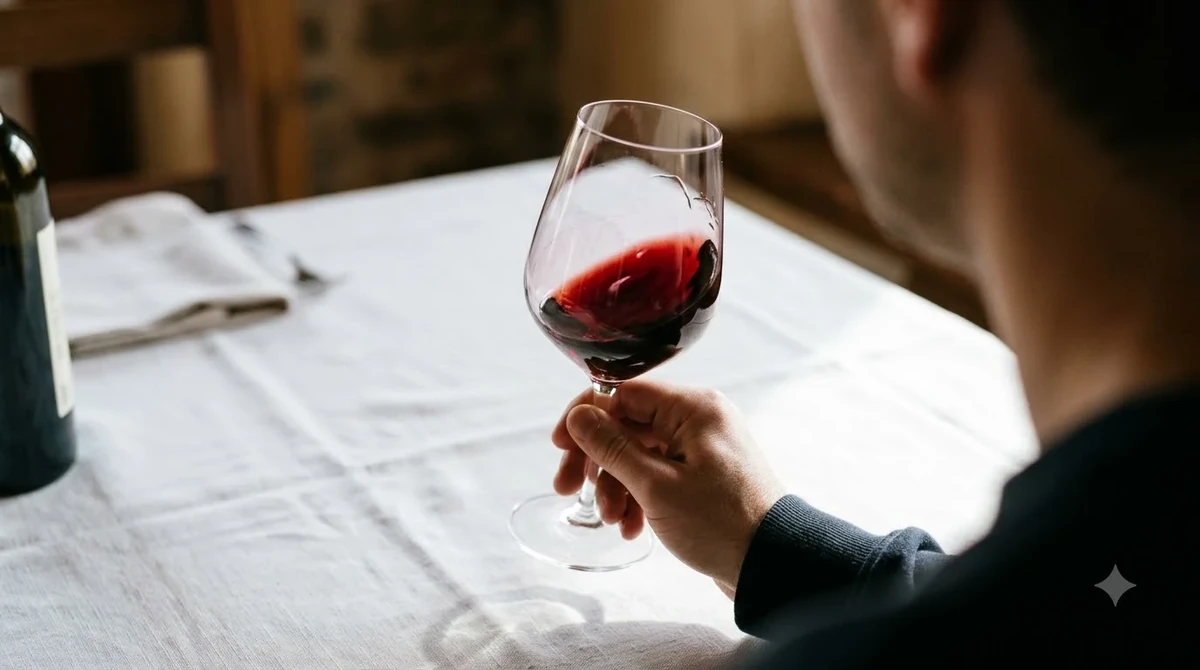
Merlot-led examples often emphasize plum, ripe cherry, and a smooth texture. Cabernet Sauvignon-led examples are more likely to show blackcurrant, darker fruit, and firmer tannins. Cabernet Franc may contribute floral or herbal aromas, while Petit Verdot and Malbec can deepen the color and add further structure.
However, the term claret does not guarantee one specific body, alcohol level, acidity, or tannin concentration. A lighter, approachable Bordeaux Claret can be quite different from a structured red blend intended for extended bottle aging.
Fruit, acidity, and tannin
Fruit aromas are often the first characteristics that drinkers notice. Merlot can suggest plum, cherry, and blackberry, while Cabernet Sauvignon often brings blackcurrant and darker berry notes. Cabernet Franc can add raspberry, violet, and herbal nuances.
Acidity helps the wine remain fresh alongside food. Tannin creates the drying sensation that can be felt on the gums and tongue. Cabernet Sauvignon has high tannin, while Merlot generally has medium, softer tannins. These differences are important when choosing a bottle for a particular meal.
Oak and bottle development
Some Bordeaux reds are matured in oak barrels, which can contribute aromas associated with cedar, vanilla, baking spice, and toast. The degree of oak influence depends on the type of barrel, its previous use, the duration of maturation, and the producer’s preferences.
Other wines receive less oak influence so that fresh fruit remains prominent. Neither approach automatically indicates quality. The right balance depends on the grape composition and the intended drinking style.
Young claret can emphasize fresh berries, plum, and straightforward fruit character. With bottle development, some structured examples acquire more complex notes of dried fruit, leather, tobacco, and earthy aromas. Not every bottle needs extended aging, however. Fruit-forward wines are often enjoyable relatively young, while more concentrated examples may benefit from additional time.
For a wider understanding of how individual grape varieties influence finished wine, the Wine by Type resource provides a useful starting point for comparing red, white, rosé, and other wine styles.
How to Choose Claret and Understand Its Label
Choosing claret becomes easier when you start with the wine’s regional origin and the grape balance suggested by the producer. A Médoc red is a reasonable starting point for drinkers who enjoy Cabernet Sauvignon, while a Saint-Émilion or Pomerol offers a useful introduction to Merlot-led Bordeaux.
Begin by identifying the geographical designation. Bordeaux is a large regional category, while Médoc, Graves, Saint-Émilion, and Pomerol point toward more specific places and traditions. These names offer clues about the likely grape composition, although they do not provide an exact blending formula.
Next, consider the intended drinking experience. If you prefer softer tannins and generous fruit, a Merlot-led bottle may be a comfortable choice. If you enjoy structured reds with blackcurrant, cedar, and a firm finish, Cabernet Sauvignon-led claret may be more suitable.
Understanding grape information
Some bottles provide detailed grape percentages, while others emphasize the appellation or producer. A Bordeaux designation can be more informative than a varietal name because traditional Bordeaux wines are commonly blends.
In the United States, the word claret may appear on some wine labels for Bordeaux-inspired reds, even though the wine does not originate in France. The term has a different historical and regulatory context in different markets, so it is useful to distinguish a traditional British reference to Bordeaux from a French appellation designation.
Another term that American consumers may encounter is Meritage. It is associated with qualifying blends of Bordeaux grape varieties produced by members of the Meritage Alliance. Meritage and claret are not interchangeable terms: Meritage can describe red or white blends, while traditional claret refers to red wine.
It is also helpful to distinguish traditional Bordeaux red from Bordeaux Claret as a specific regional style. The Bordeaux wine organization describes Bordeaux Claret as fruity, relatively low in tannin, and suitable for serving well chilled. This makes it a different drinking proposition from a more structured, age-worthy Médoc red.
Tip: For a first bottle, choose based on the regional designation and the grape balance rather than the word claret alone. Merlot-led Saint-Émilion is a useful starting point for softer red wines, while Cabernet Sauvignon-led Médoc is a better introduction to firmer Bordeaux structure.
Comparing claret with other red grape styles can also clarify personal preferences. Someone who likes Merlot’s softer tannins may enjoy exploring Dornfelder grape wines for another expression of approachable red fruit. Someone interested in lighter or aromatic wines may find a comparison with Brachetto grape especially useful because it offers a very different profile and production tradition.
Food Pairings and Serving Temperature for Claret
Claret pairs particularly well with beef, lamb, roasted vegetables, mushrooms, and dishes containing savory herbs. Its tannin and fruit can complement rich proteins, while its acidity helps balance the flavors of roasted and grilled foods.
Cabernet Sauvignon-led claret is a natural companion for grilled steak, roast beef, and lamb chops. The protein and fat in these foods soften the perception of tannin, making the wine feel less drying. A sauce with rosemary, thyme, or black pepper can also complement the wine’s savory character.
Merlot-led claret often works well with roast chicken, pork, mushroom dishes, and meat-based pasta. Its softer tannins make it suitable for meals that do not need the intensity of a heavily structured red wine.
Pairing by grape composition
Use the dominant grape as a starting point when selecting food. Cabernet Sauvignon has high tannin, so fatty cuts of beef and lamb can help balance its structure. Merlot’s medium tannins and fruit-forward character work with roast meats and dishes featuring mushrooms or tomato-based sauces.
Cabernet Franc can complement herb-seasoned dishes because of its aromatic profile. Petit Verdot and Malbec can contribute additional structure, making blends containing these varieties suitable for richly flavored preparations.
Avoid pairing heavily tannic claret with delicate oily fish such as salmon or mackerel. Tannic red wine can clash with oily fish, creating an unpleasant metallic impression. If fish is on the menu, a fresh Sauvignon Blanc or another suitable white is usually a better choice.
Serving temperature
Serving temperature has a significant effect on how claret tastes. A bottle served too warm can seem alcoholic and heavy, while excessive chilling can suppress its aromas and make tannins feel more pronounced.
For most light-bodied reds, 55–60°F is a useful serving range. Fuller-bodied red wines generally work best around 60–65°F. A lighter, fruitier Bordeaux Claret can be served slightly cooler than a structured Cabernet Sauvignon-led red.
One practical approach is to chill a bottle briefly before serving, then allow it to warm gradually in the glass. This is particularly useful if the room is warm. Avoid relying on the traditional assumption that every red wine should be served at room temperature.
For younger, full-bodied reds that show firm tannins, decanting for approximately 30–60 minutes can help the wine open up. Older bottles may require gentler handling because excessive aeration can diminish delicate aromas. Pouring a standard 5-ounce glass also makes it easier to compare wines and appreciate their development during a meal.
Claret Compared With Other Wine Grapes and Styles
Claret is best understood as a blend-based wine tradition, which makes it different from wines identified primarily by one grape. Comparing it with other varieties helps explain its structure, flavor, and place among international red and white wines.
Cabernet Sauvignon and Merlot are the most useful starting points because they define many traditional Bordeaux blends. Cabernet Sauvignon provides the stronger tannic framework, while Merlot contributes softer texture and generous fruit. Cabernet Franc, Petit Verdot, and Malbec provide additional dimensions.
Other grape varieties offer different experiences. Airén grape, for example, is a white grape associated with Spain rather than the red Bordeaux blending tradition. It illustrates why the distinction between a grape variety and a regional wine style is important.
Claret also differs from varietal Cabernet Sauvignon. A bottle labeled Cabernet Sauvignon generally emphasizes that particular grape, although it may contain permitted supporting varieties depending on its origin and labeling rules. A traditional Bordeaux blend can combine several grapes without identifying one as the sole defining variety.
The same principle applies to Merlot. A varietal Merlot emphasizes the grape’s plum, cherry, and softer tannins, whereas a Merlot-led claret can also contain Cabernet Sauvignon, Cabernet Franc, and smaller amounts of other Bordeaux varieties.
There are also differences between claret and other European regional wine styles. Burgundy’s red wines are principally associated with Pinot Noir, while traditional Bordeaux reds are associated with combinations of Cabernet Sauvignon, Merlot, and other local varieties. These different grape foundations create distinct approaches to fruit, acidity, tannin, and texture.
For someone building a broader understanding of wine, claret is a particularly useful example of how geography and blending influence the finished bottle. Rather than judging wine exclusively by a grape name, it encourages attention to vineyard location, regional tradition, and the relationship between varieties.
Frequently Asked Questions
Is claret an old-fashioned word for red wine?
Claret remains an established term in British wine vocabulary, particularly in discussions of Bordeaux. Its meaning developed from the French word clairet, which referred to an earlier lighter-colored wine. The term subsequently became associated with red Bordeaux rather than serving as a general name for every red wine.
Can claret be made from grapes grown outside Bordeaux?
Yes, American producers sometimes use claret for Bordeaux-inspired red blends made outside France. The designation does not automatically mean that the wine originated in Bordeaux. The American term Meritage provides another recognizable reference point for qualifying Bordeaux-variety blends.
Are all claret wines suitable for long-term aging?
No. Aging potential depends on the individual wine’s structure, concentration, acidity, tannin, and production approach. Some structured Bordeaux wines can develop over many years, while lighter Bordeaux Claret styles are generally intended for earlier enjoyment. A wine’s regional name alone does not establish a reliable aging period.
Why are Cabernet Sauvignon and Merlot planted on different sides of Bordeaux?
The varieties have different growing preferences, and the region’s soils and local conditions help explain their distribution. Cabernet Sauvignon is strongly associated with gravel-based western vineyards, while Merlot is particularly associated with clay and limestone on the eastern side. These relationships developed through centuries of vineyard selection and regional winemaking experience.
Does Bordeaux produce white claret?
No. Claret traditionally identifies a red wine style, and the British wine term is associated with Bordeaux red wine. Bordeaux also produces white wines from varieties such as Sauvignon Blanc, Sémillon, Sauvignon Gris, and Muscadelle, but these are separate categories rather than white claret.
Claret is not a single grape but a longstanding wine tradition built around Bordeaux’s complementary red varieties, especially Cabernet Sauvignon and Merlot. Understanding the differences between these grapes, the Left Bank and Right Bank, and the region’s distinct wine styles makes choosing a bottle much easier. Start with a Merlot-led example for softer fruit or a Cabernet Sauvignon-led blend for firmer structure, then explore the different expressions that Bordeaux and its international counterparts offer.
More in Wine Types & Grapes
 Zinfandel Sugar Content: Dry Red vs. White Zinfandel GramsUpdated Nov 21, 2026
 Best Zinfandel Substitute Options for Sipping and CookingUpdated Nov 21, 2026
 Zweigelt Food Pairing: Best Dishes, Cheeses, and Serving TipsUpdated Nov 21, 2026
 Zinfandel Tannins Explained: How Structure Shapes Every BottleUpdated Nov 21, 2026
 Zinfandel Sweetness Level: Dry Red vs. Sweet White Zin ExplainedUpdated Nov 21, 2026
 Xinomavro Food Pairing: Best Dishes, Styles, and Serving TipsUpdated Nov 21, 2026